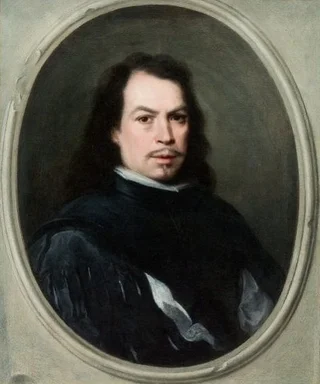
Bartolomé Esteban Murillo
1617–1682 · Spagna · Pittura barocca
La storia
Bartolomé Esteban Murillo crebbe in fretta a Siviglia. Entrambi i genitori morirono a pochi mesi di distanza l'uno dall'altro, nel 1627 e nel 1628, lasciandolo orfano a dieci anni, e a dodici fu messo a bottega presso il pittore locale Juan del Castillo. Quella precoce esperienza di povertà non lo abbandonò mai: accanto alle immagini devote che gli diedero fama, dipinse una lunga serie di bambini di strada, tra cui Il giovane mendicante conservato al Louvre, ritraendo fiorai, monelli e ragazzi che mangiano melone e uva con un calore raro in un'epoca che per lo più li ignorava.
La sua fama maggiore, tuttavia, si fondava sulla Vergine con il Bambino e soprattutto sull'Immacolata Concezione, un soggetto a cui tornò decine di volte nell'arco di quattro decenni, reso con una tecnica morbida e luminosa che le chiese e le confraternite di Siviglia continuarono a commissionargli. Nel 1660 co-fondò l'Accademia di Belle Arti della città, condividendone la direzione con l'architetto Francisco Herrera il Giovane, dotando i pittori sivigliani di una scuola formale indipendente dall'antico sistema delle corporazioni.
Murillo lavorò fino ai sessant'anni senza rallentare. Nel 1682, mentre era su un'impalcatura a dipingere un affresco per la chiesa dei Cappuccini di Cadice, cadde e rimase gravemente ferito; morì a Siviglia pochi mesi dopo, il 3 aprile 1682.
Altri articoli
Opere
115 opere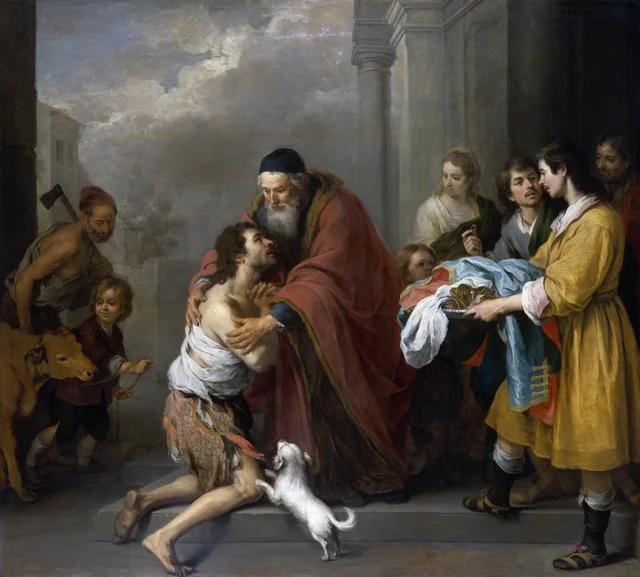 Il ritorno del figliol prodigoBartolomé Esteban Murillo, 1668
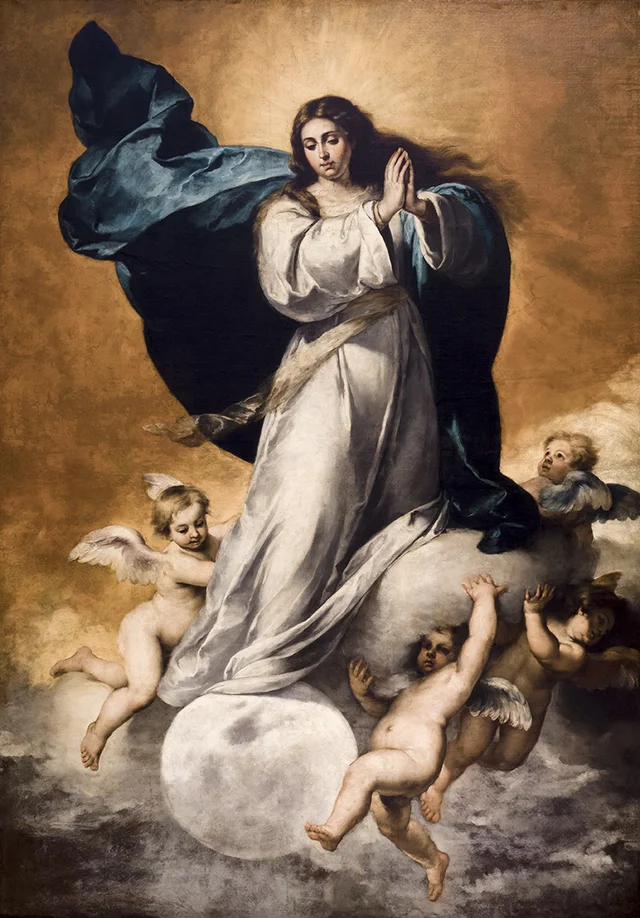 Immacolata ConcezioneBartolomé Esteban Murillo, 1652
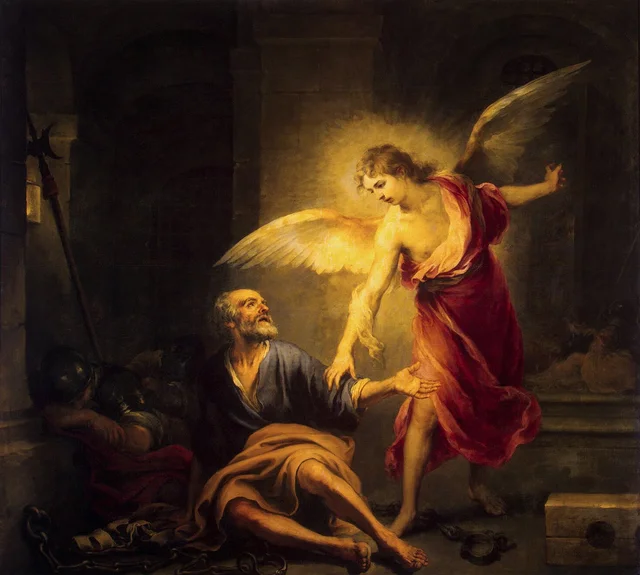 La liberazione di san PietroBartolomé Esteban Murillo, 1665
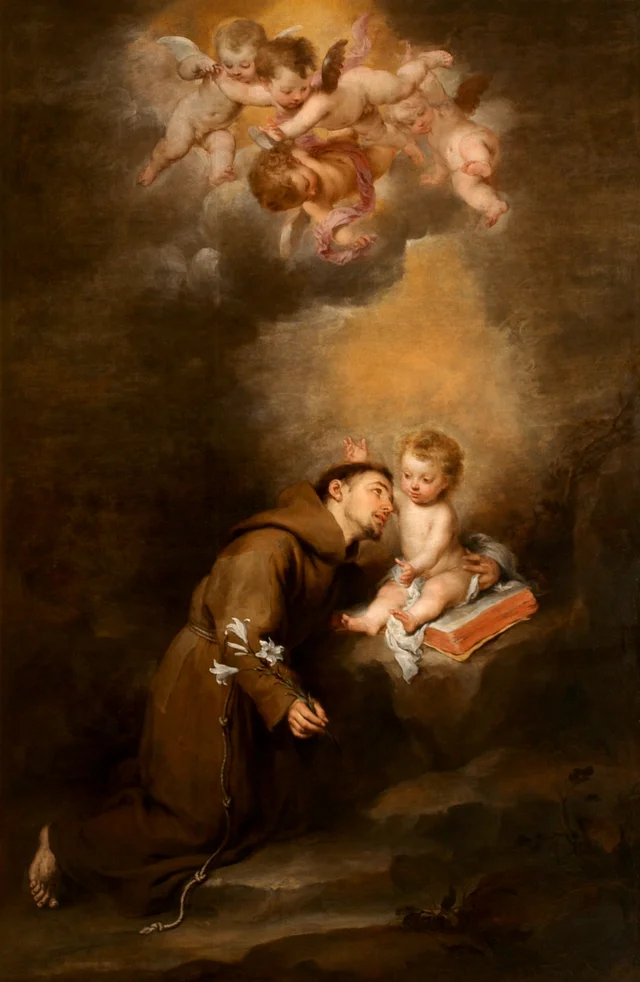 Sant’Antonio da Padova con il BambinoBartolomé Esteban Murillo, 1668
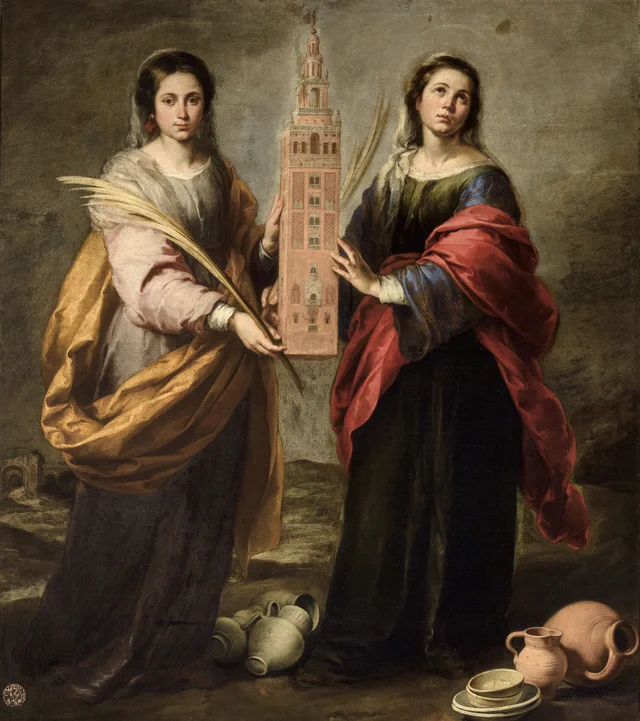 Sante Giusta e RufinaBartolomé Esteban Murillo, 1666
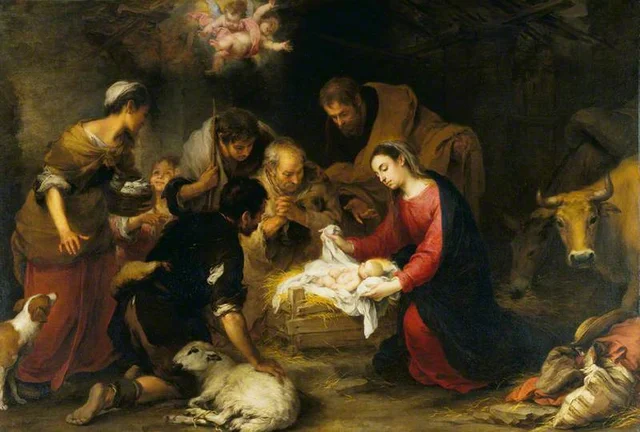 Adorazione dei pastoriBartolomé Esteban Murillo, 1665
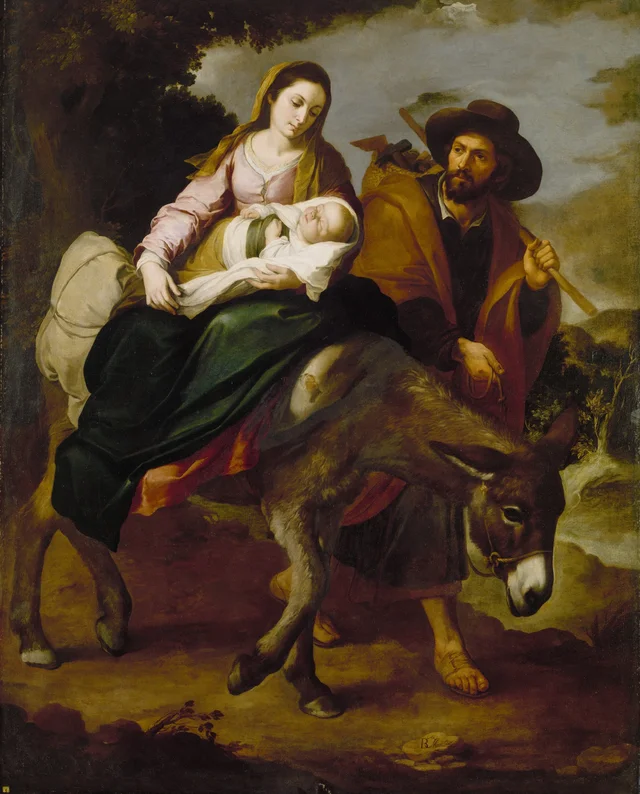 La fuga in EgittoBartolomé Esteban Murillo, 1647
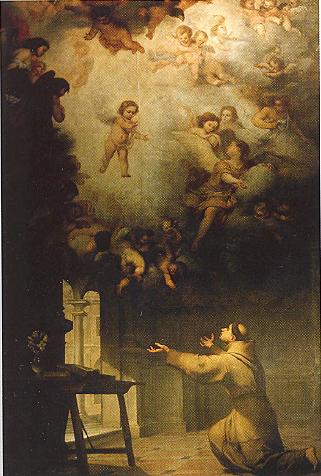 La visione di sant’Antonio da PadovaBartolomé Esteban Murillo, 1656
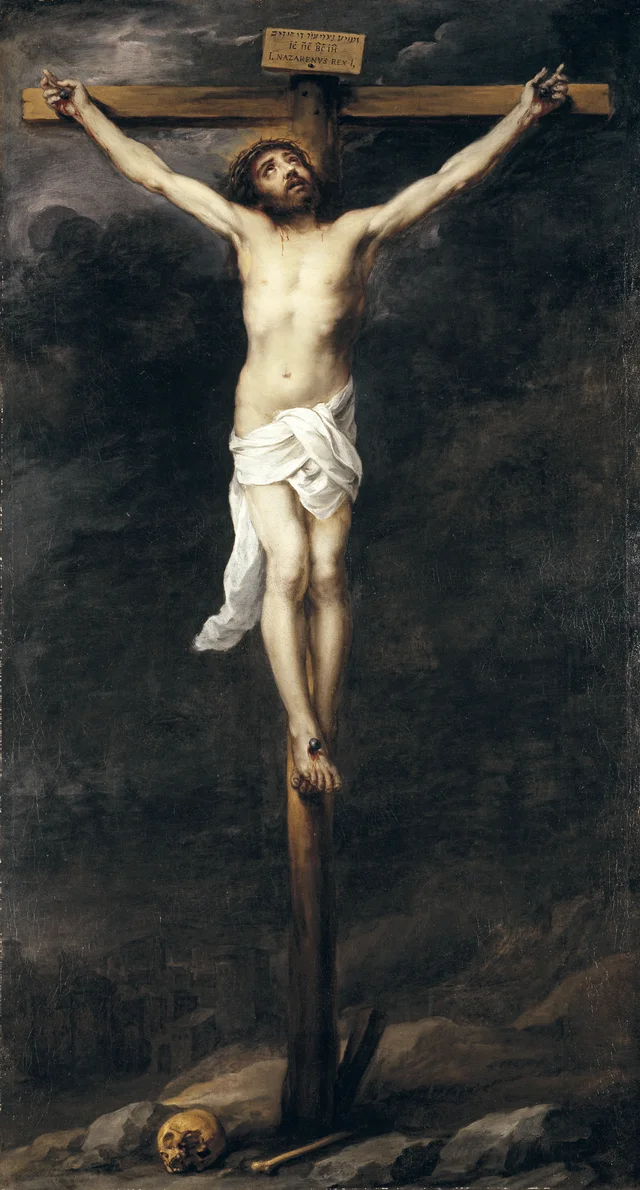 Cristo in croceBartolomé Esteban Murillo, 1650
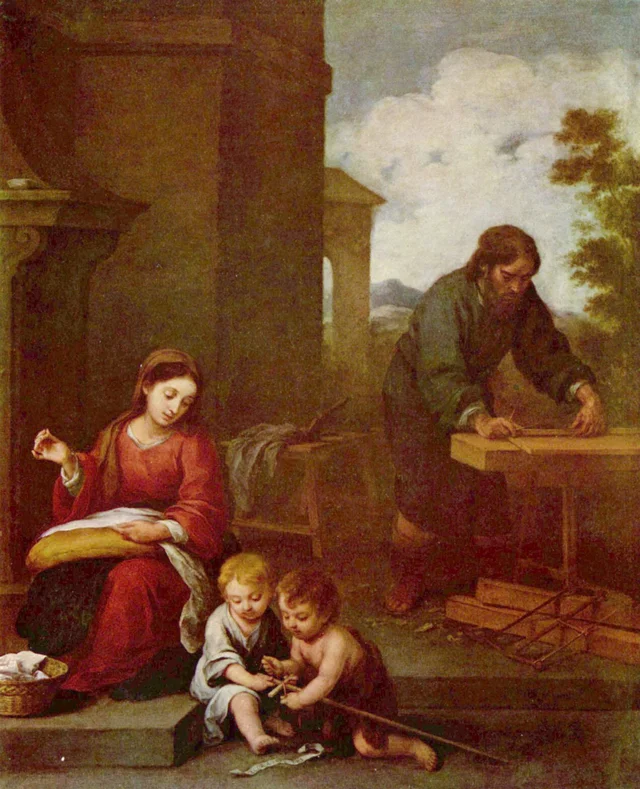 Sacra Famiglia con san Giovanni BattistaBartolomé Esteban Murillo, 1670
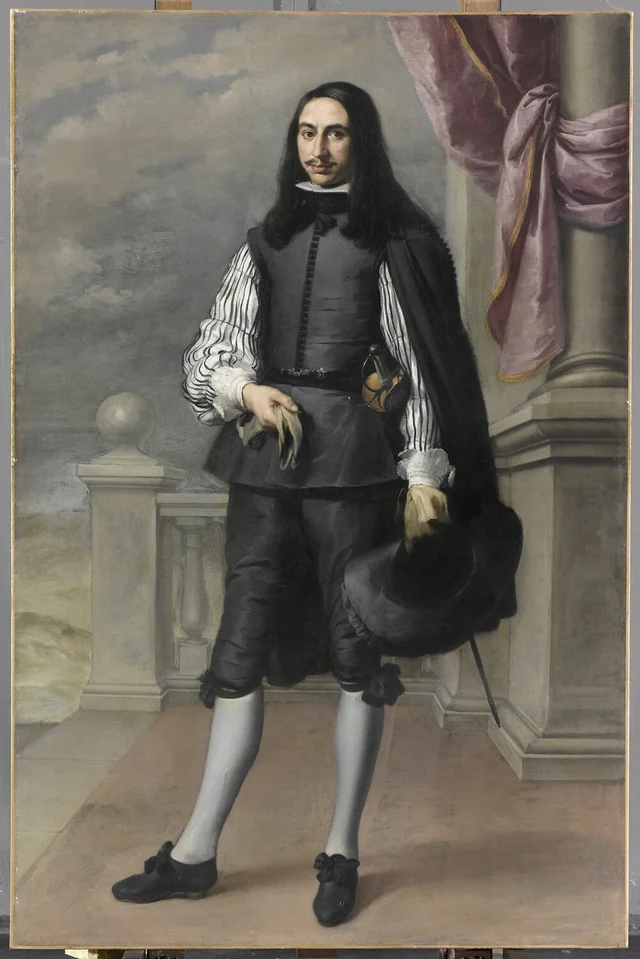 Ritratto di Íñigo Fernández de VelascoBartolomé Esteban Murillo, 1659
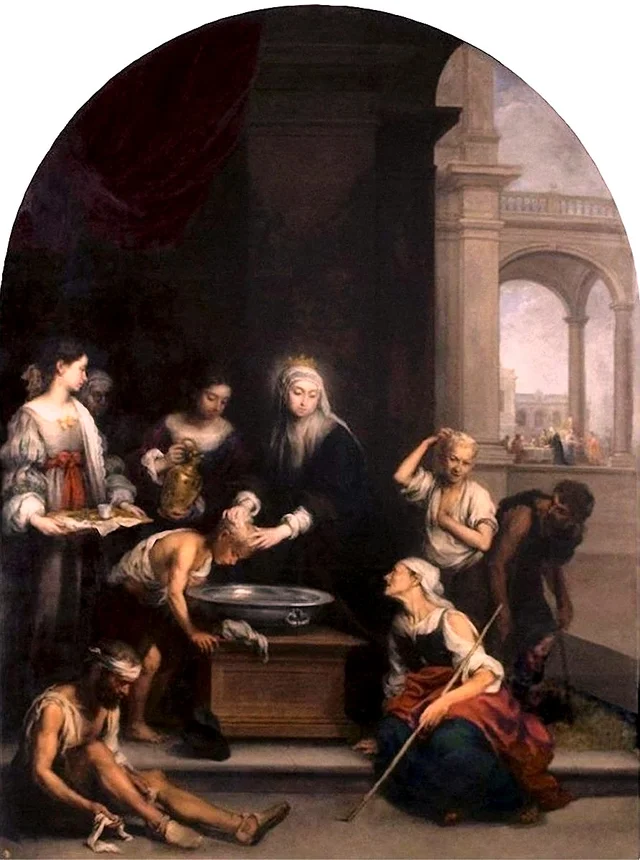 Santa Elisabetta d'Ungheria che cura i poveriBartolomé Esteban Murillo, 1672
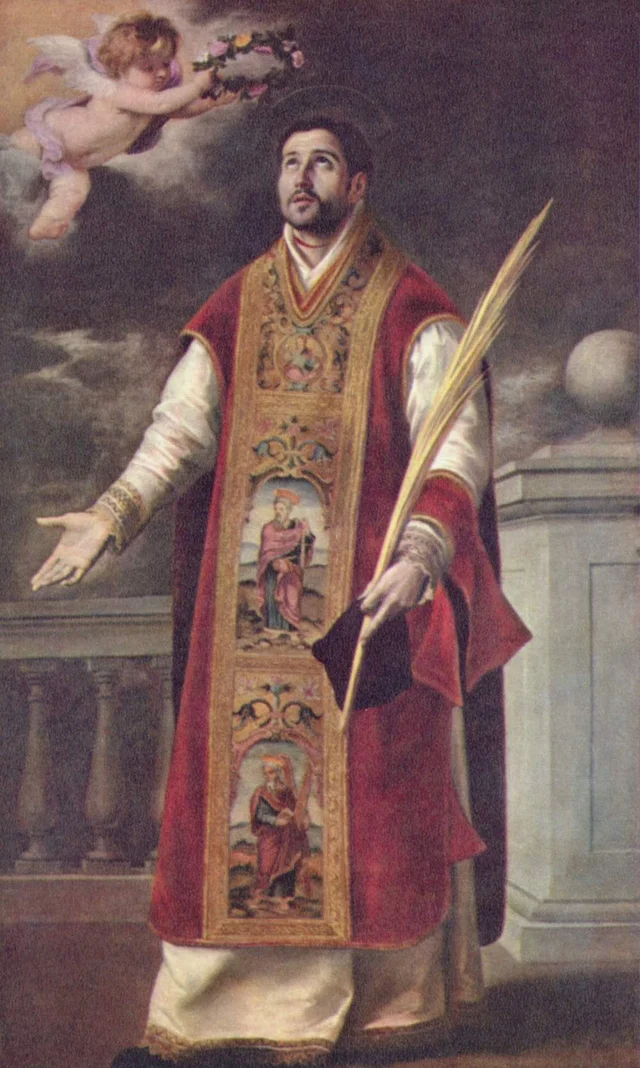 San RodrigoBartolomé Esteban Murillo, 1646
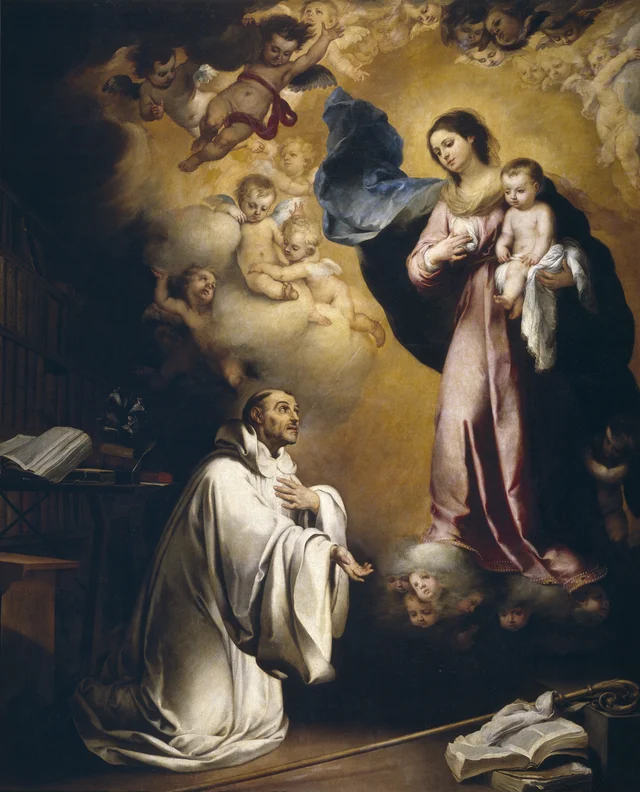 L’apparizione della Vergine a san BernardoBartolomé Esteban Murillo, 1655
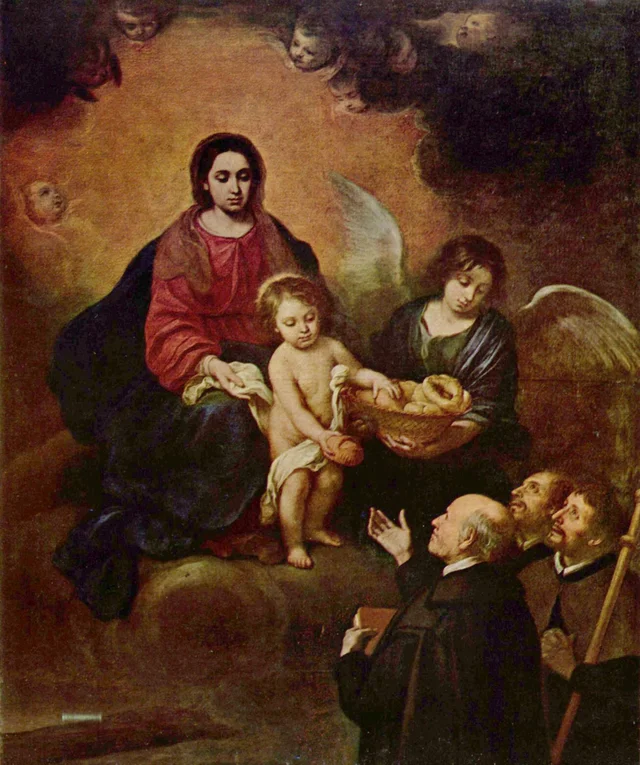 Il Bambino Gesù che distribuisce il pane ai pellegriniBartolomé Esteban Murillo, 1678
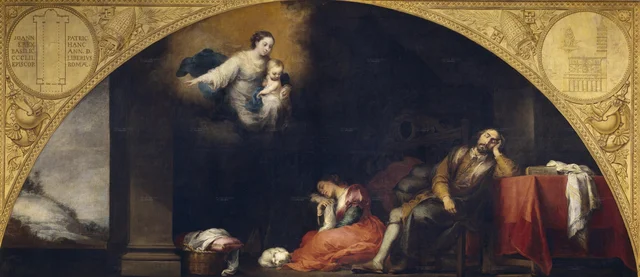 Il sogno del patrizioBartolomé Esteban Murillo, 1665
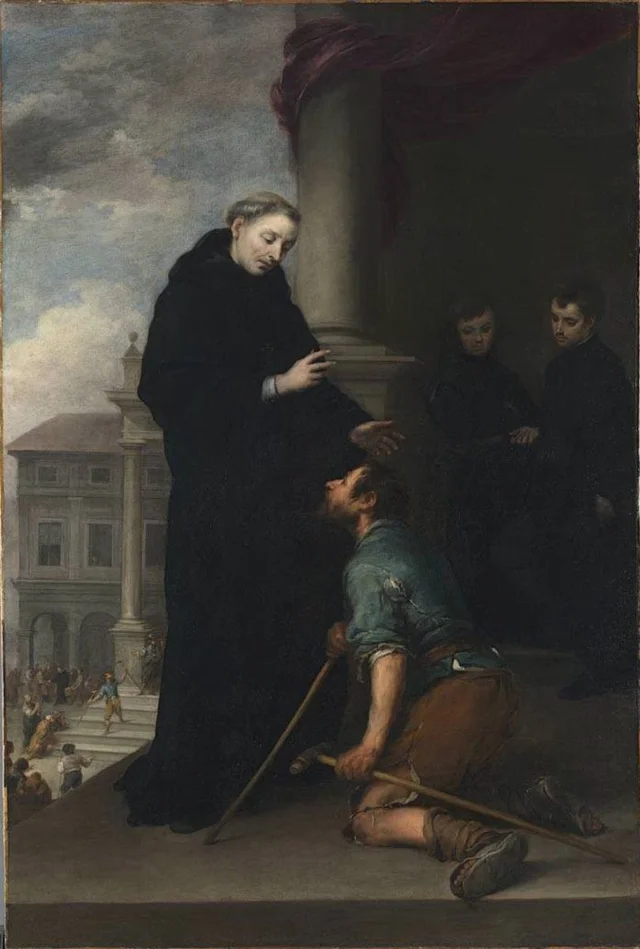 San Tommaso da Villanova guarisce gli infermiBartolomé Esteban Murillo, 1675
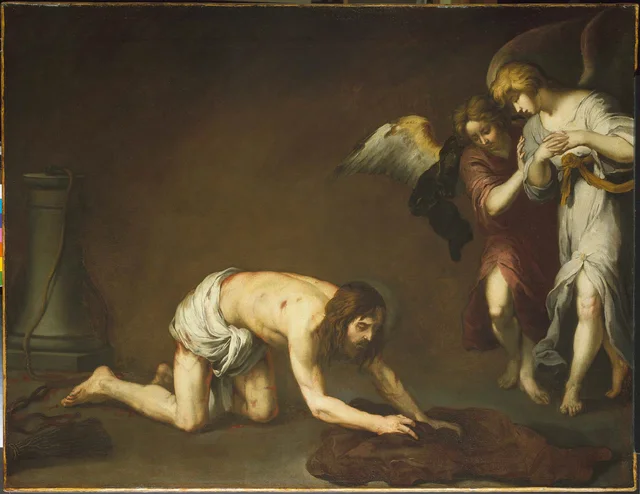 Cristo dopo la flagellazioneBartolomé Esteban Murillo, 1660
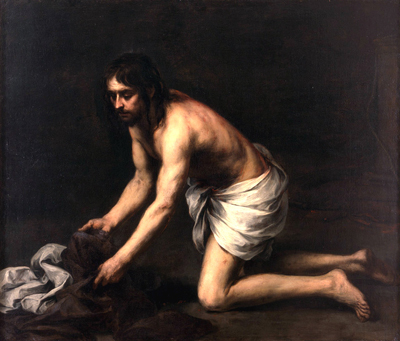 Cristo dopo la flagellazioneBartolomé Esteban Murillo, 1670
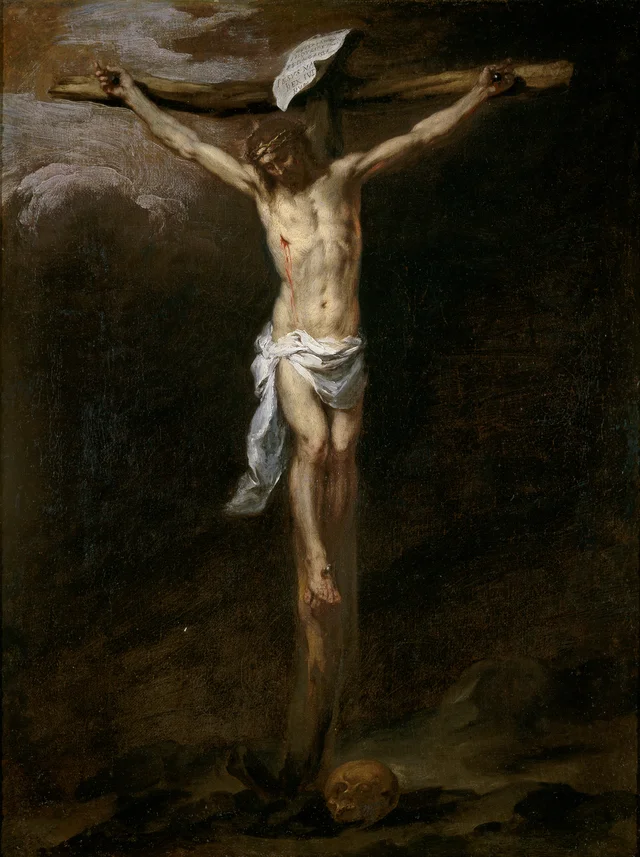 Cristo crocifissoBartolomé Esteban Murillo, 1677
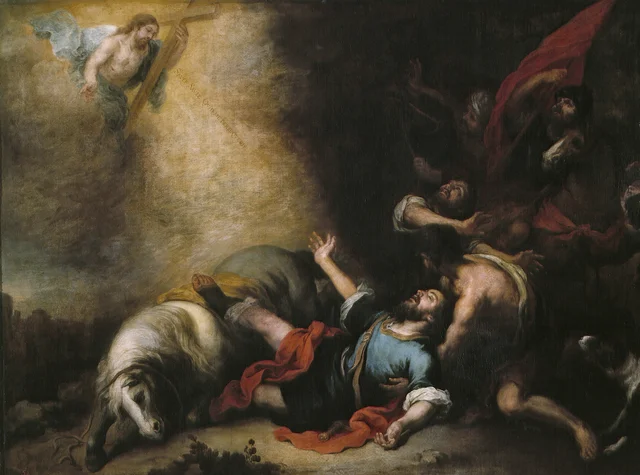 La conversione di san PaoloBartolomé Esteban Murillo, 1678
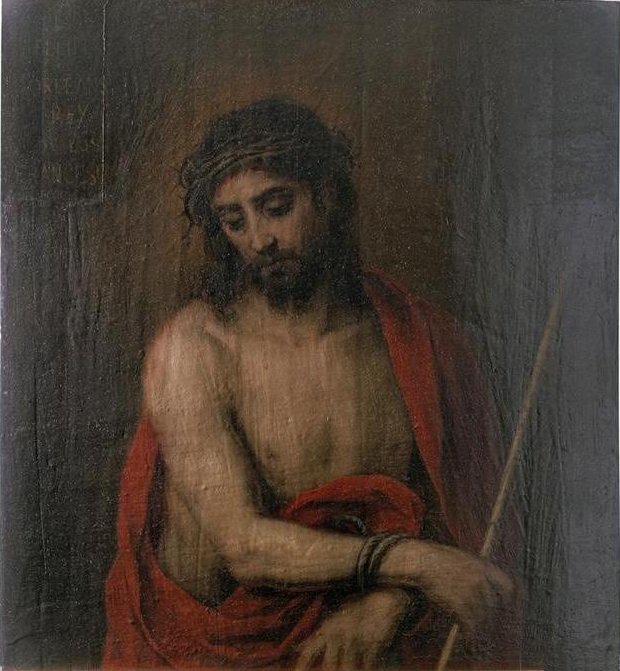 Ecce HomoBartolomé Esteban Murillo, 1650
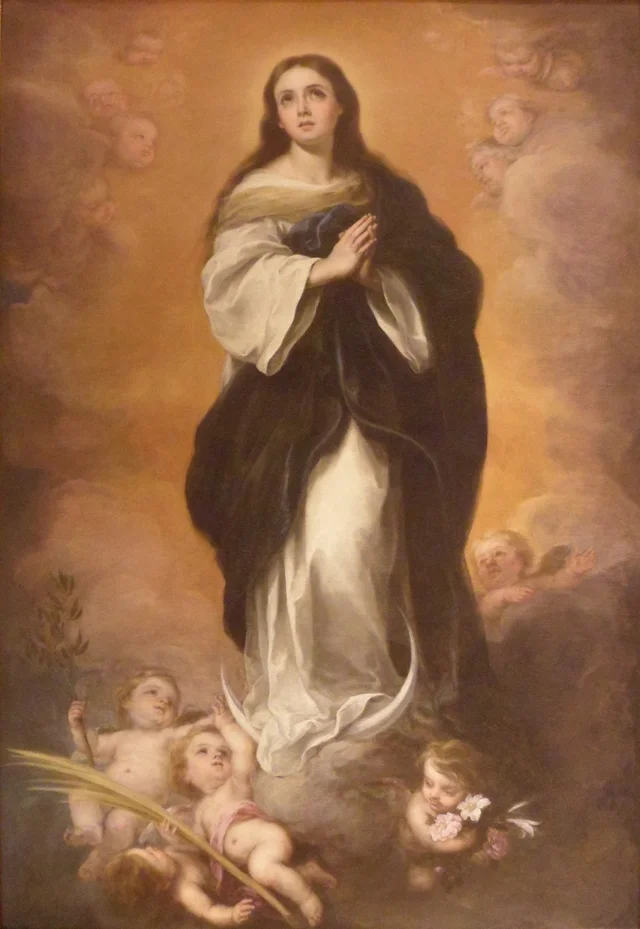 L'Immacolata ConcezioneBartolomé Esteban Murillo, 1670
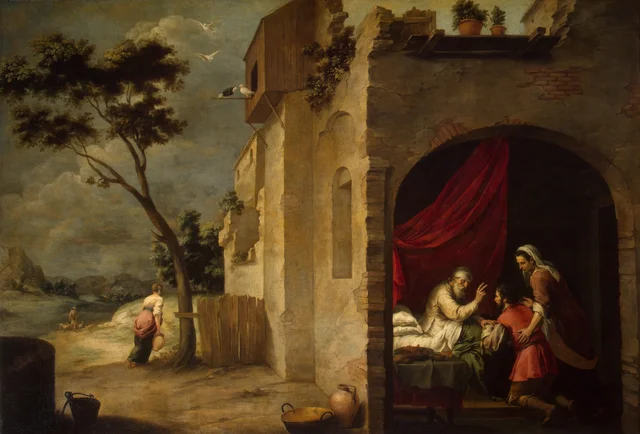 Isacco benedice GiacobbeBartolomé Esteban Murillo, 1667
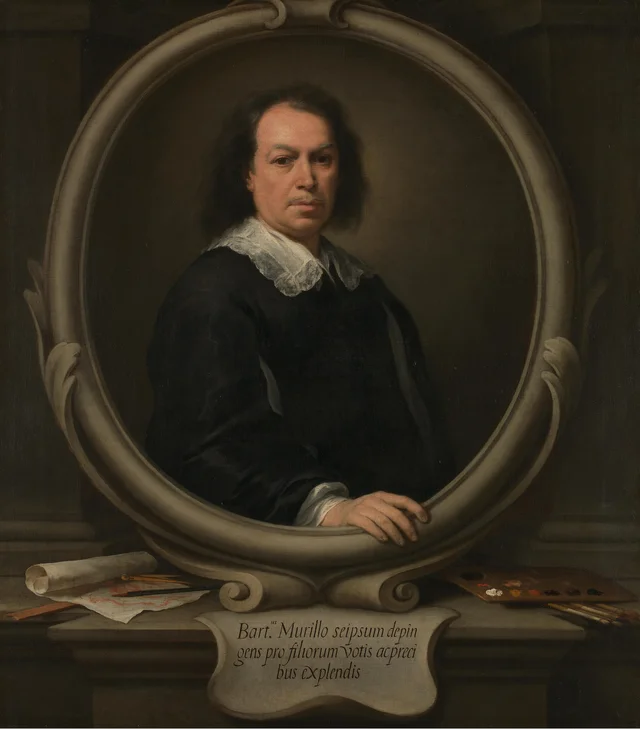 AutoritrattoBartolomé Esteban Murillo, 1670