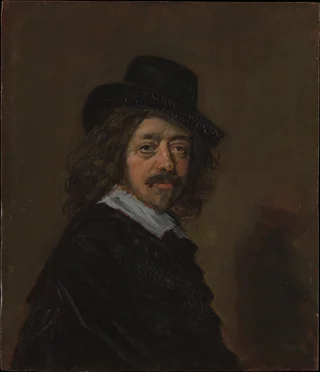
Frans Hals
1582–1666 · Province Unite · Barocco
La storia
Verso il 1585 una famiglia protestante fuggì da Anversa a Haarlem, nella giovane Repubblica delle Sette Province Unite, una delle migliaia di famiglie di rifugiati spinte a nord dalla guerra con la Spagna. Tra i figli c'era Frans Hals, che trascorse il resto della sua vita professionale dipingendo i mercanti, i birrai e gli ufficiali delle milizie civiche di quella stessa città in piena espansione.
La svolta arrivò nel 1616, quando la guardia civica di San Giorgio di Haarlem gli commissionò il ritratto collettivo dei propri ufficiali, secondo una tradizione di ritratto di gruppo che le città olandesi usavano per onorare i cittadini-soldati che avevano contribuito a conquistare l'indipendenza. Hals trasformò il solito schieramento rigido in qualcosa che sembrava colto a metà di un brindisi, volti arrossati, mani rilassate sull'elsa della spada, costruito con pennellate rapide e visibili invece della finitura levigata prediletta dalla maggior parte dei ritrattisti. Lo stile lo rese il pittore più richiesto di Haarlem per due decenni, e secoli dopo pittori come Édouard Manet studiarono proprio quella pennellata libera come modello per catturare un istante vivo sulla tela.
La moda cambiò prima di lui. Negli anni Cinquanta del Seicento le commissioni si erano prosciugate, e nel 1652 i registri del tribunale lo mostrano mentre mette all'asta i propri mobili per coprire un debito. Trascorse gli ultimi anni con una piccola pensione concessagli dal consiglio comunale di Haarlem nel 1664, due anni prima della morte, continuando comunque a dipingere occasionali ritratti di gruppo per lo stesso tipo di corpi civici che lo avevano reso famoso.
Altri articoli
 Articolo · 44 min di letturaIl Mauritshuis all'Aia: 20 quadri e come ci sono arrivati
 Articolo · 57 min di letturaIl Rijksmuseum di Amsterdam: 25 opere e i loro proprietari
 Articolo · 43 min di letturaLa Gemäldegalerie di Berlino: 20 dipinti che Berlino ha comprato, perso e diviso
 Articolo · 42 min di letturaAlte Pinakothek: 20 dipinti e come sono arrivati a Monaco
Opere
110 opere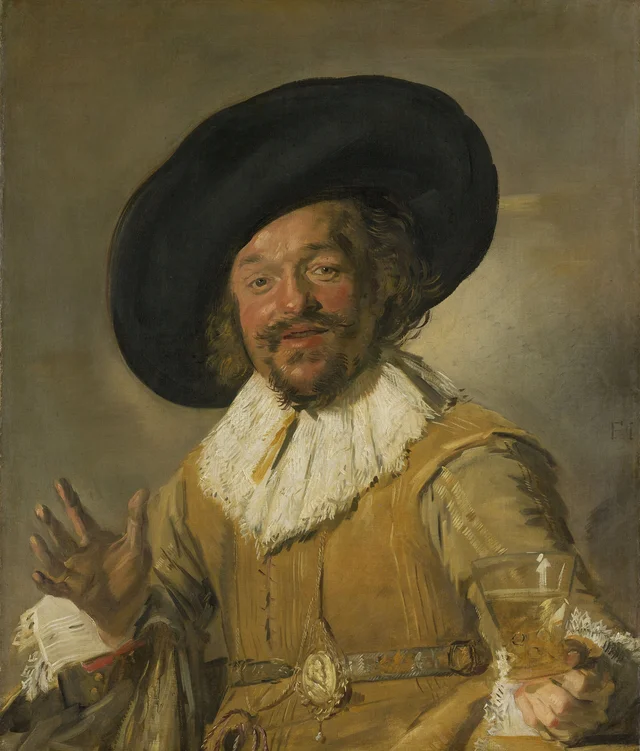 Un miliziano con un berkemeyer in mano, noto come 'Il bevitore allegro'Frans Hals, 1629
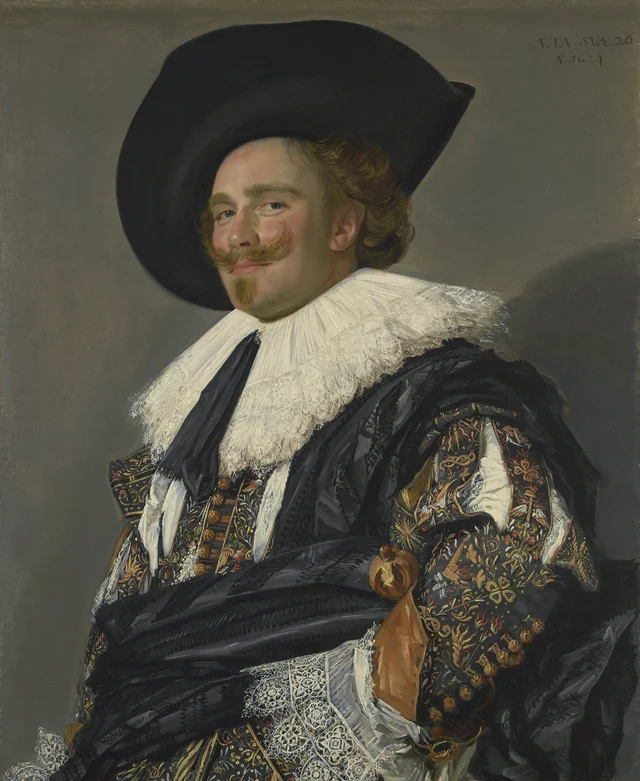 Il cavaliere che rideFrans Hals, 1624
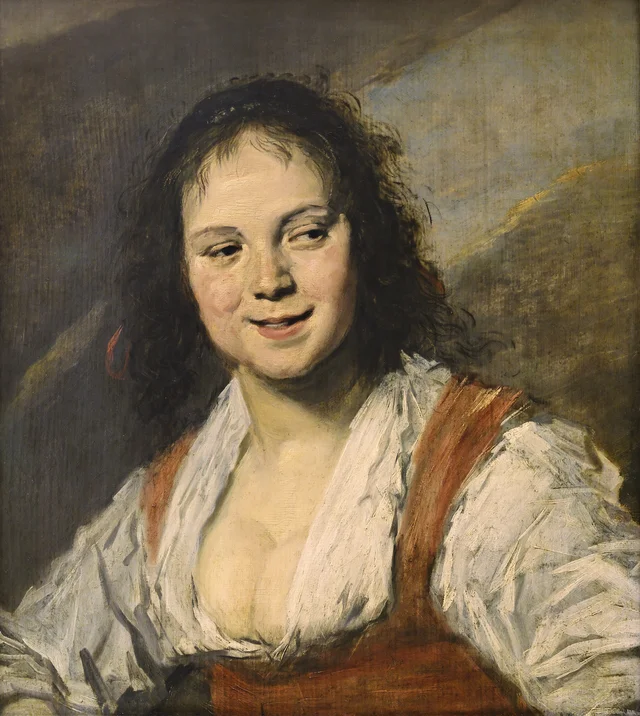 La zingaraFrans Hals, 1628
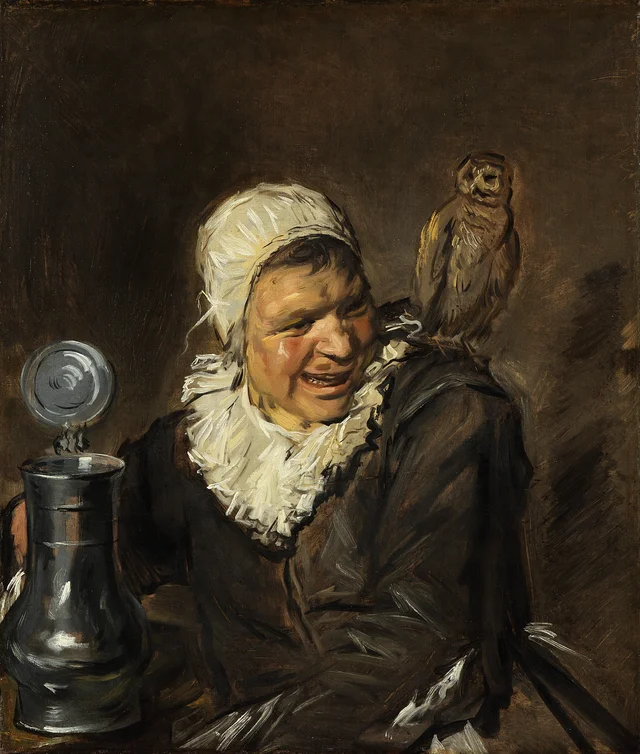 Malle BabbeFrans Hals, 1640
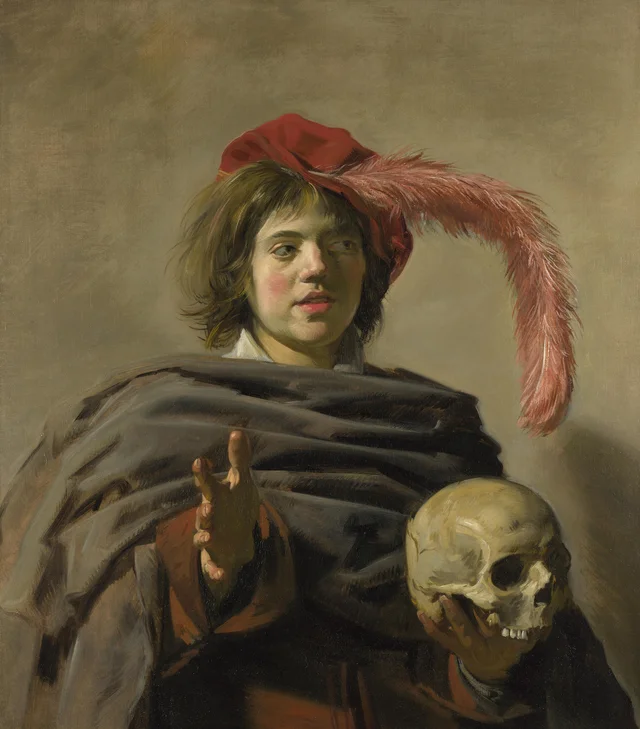 Ritratto di giovane con teschioFrans Hals, 1626
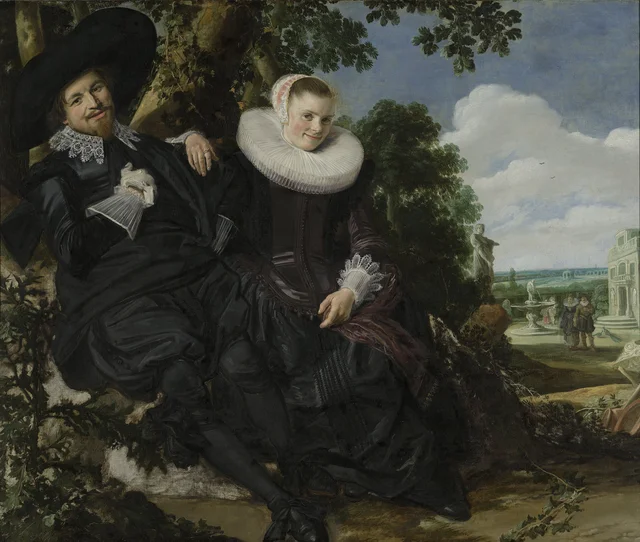 Ritratto di una coppia, probabilmente Isaac Massa e Beatrix van der LaenFrans Hals, 1622
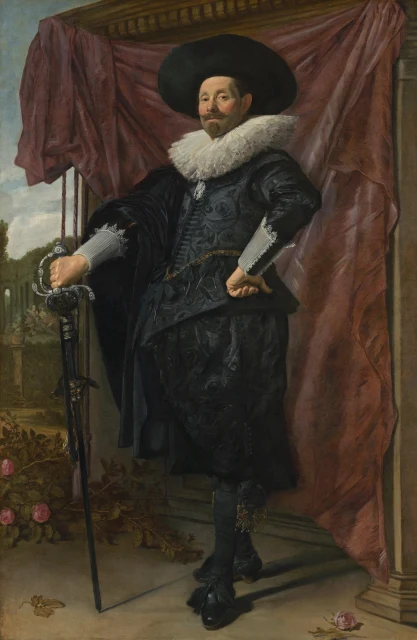 Willem van Heythuysen in posa con una spadaFrans Hals, 1625
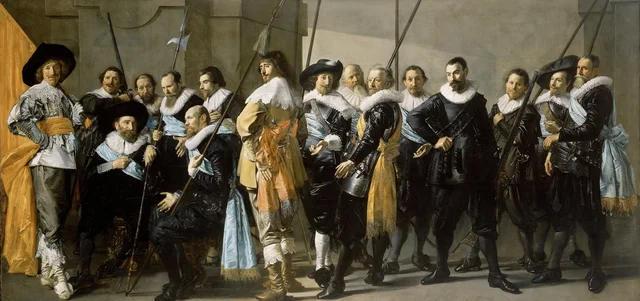 La compagnia di milizia del distretto XI al comando del capitano Reynier ReaelFrans Hals, 1633
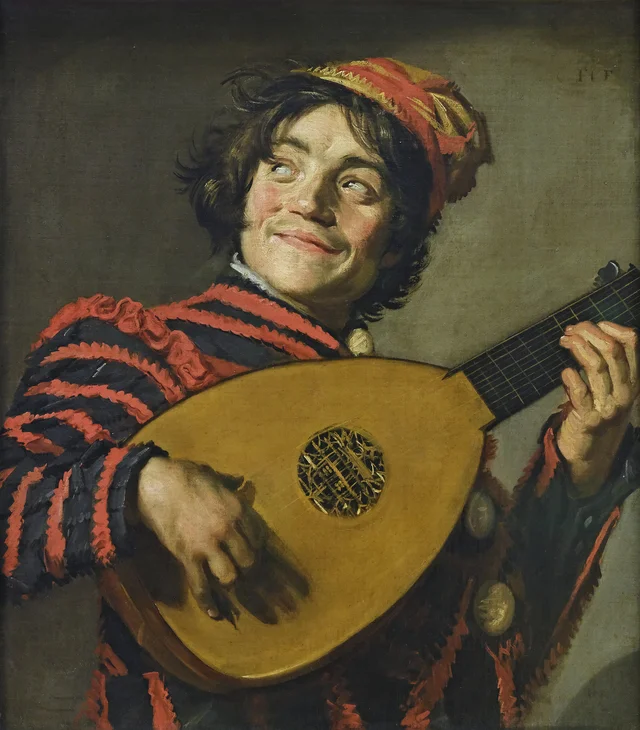 Buffone con liutoFrans Hals, 1623
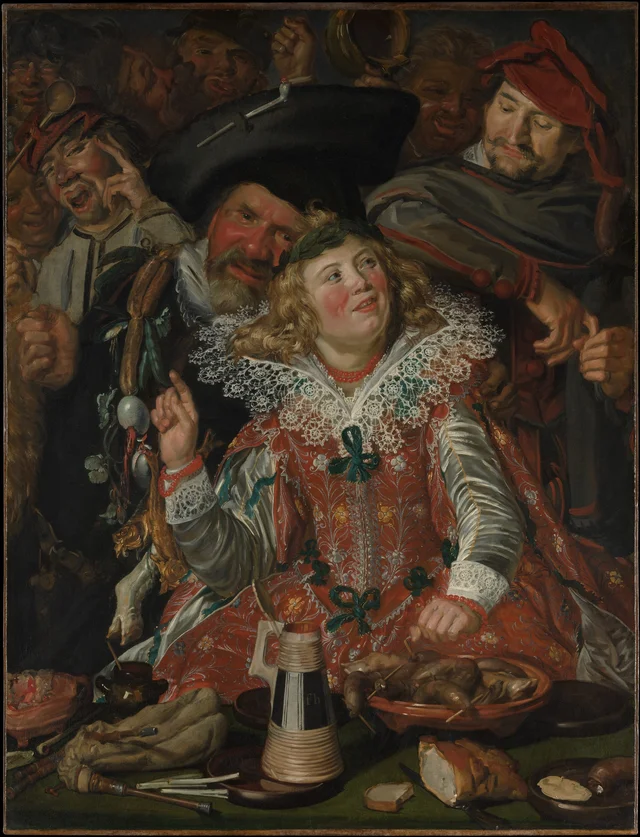 Festa di carnevaleFrans Hals, 1616
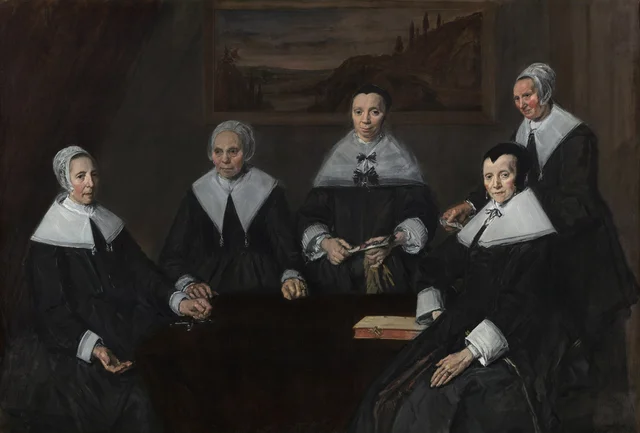 Le reggenti dell'ospizio dei vecchiFrans Hals, 1664
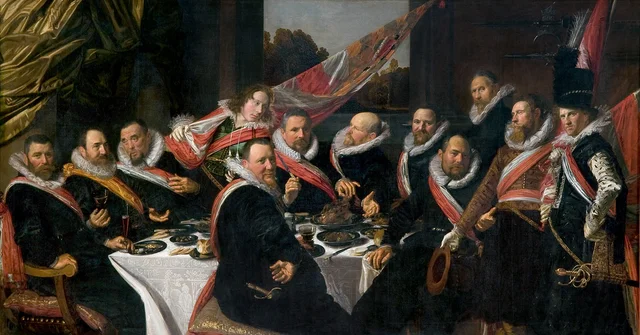 Il banchetto degli ufficiali della milizia di San Giorgio nel 1616Frans Hals, 1616
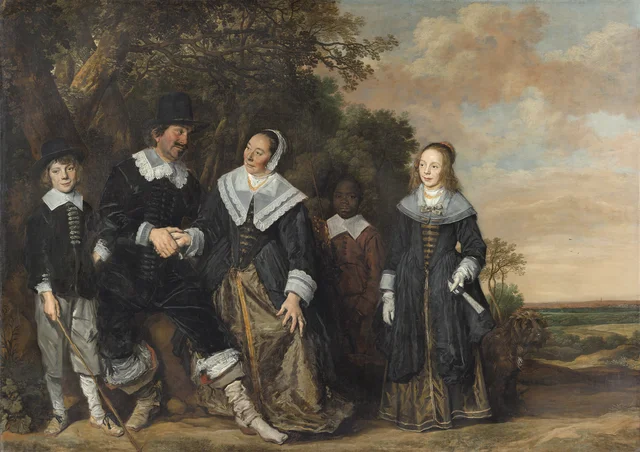 Gruppo di famiglia in un paesaggioFrans Hals, 1640
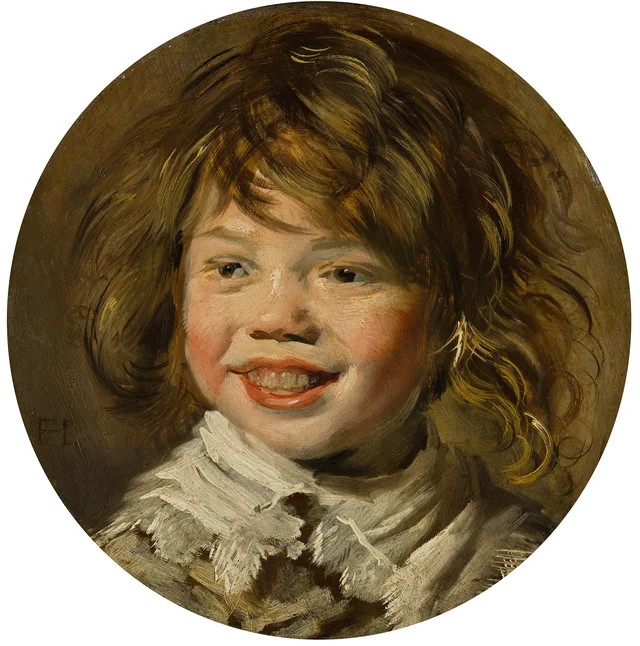 Fanciullo che rideFrans Hals, 1627
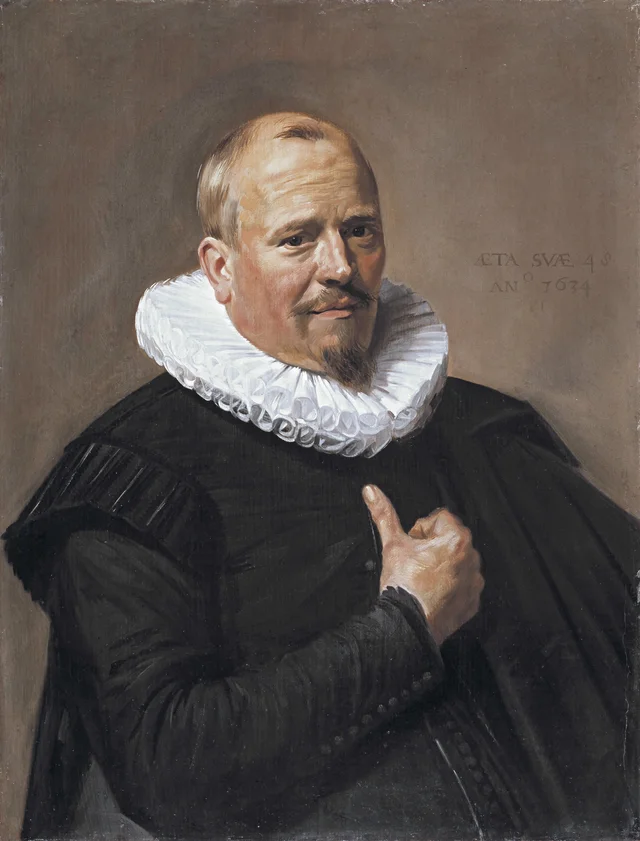 Ritratto di uomoFrans Hals, 1634
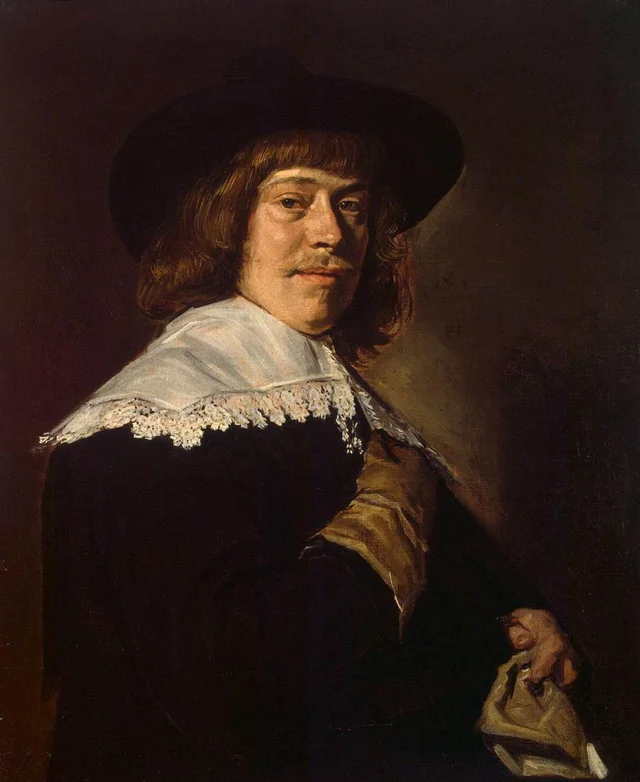 Ritratto di giovane con un guantoFrans Hals, 1650
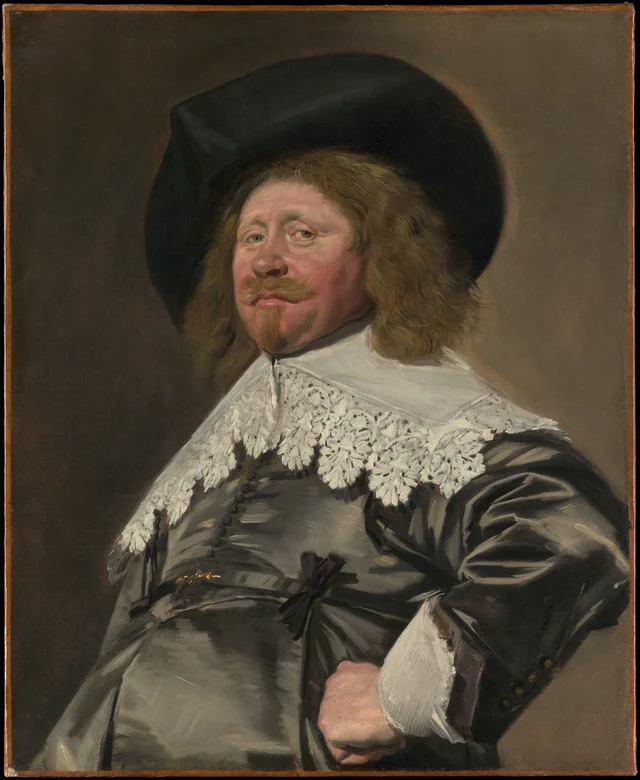 Ritratto di Claes Duyst van VoorhoutFrans Hals, 1638
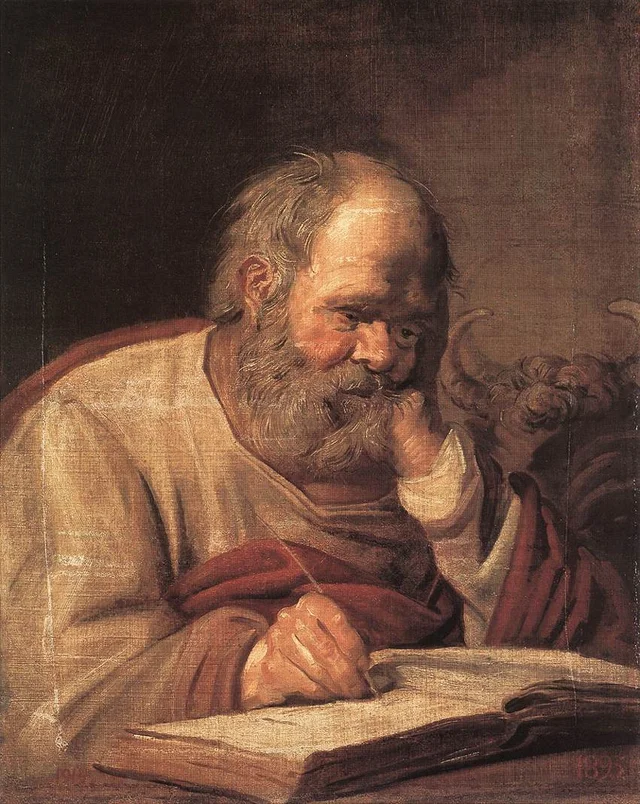 San LucaFrans Hals, 1625
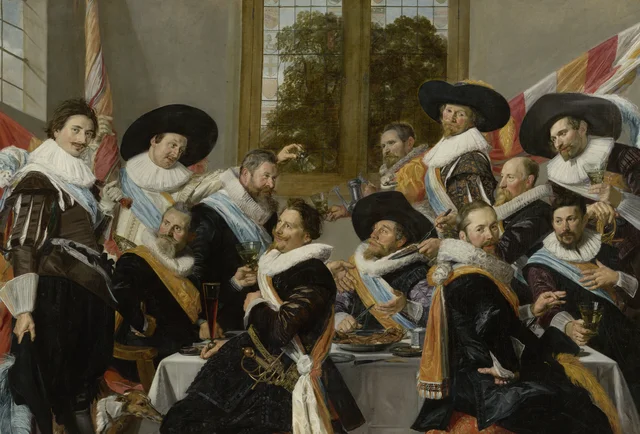 Il banchetto degli ufficiali della guardia civica degli archibugieriFrans Hals, 1627
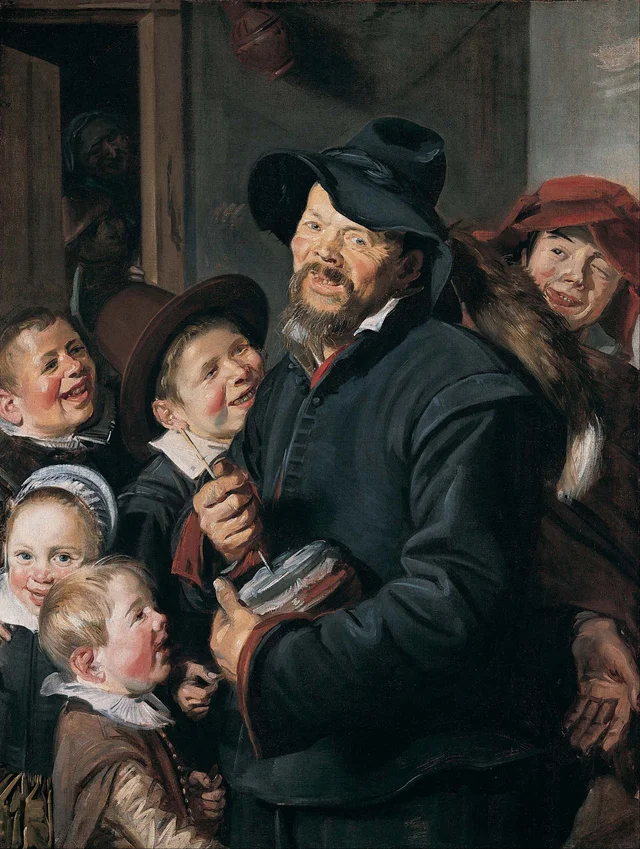 Il suonatore di rommelpotFrans Hals, 1618
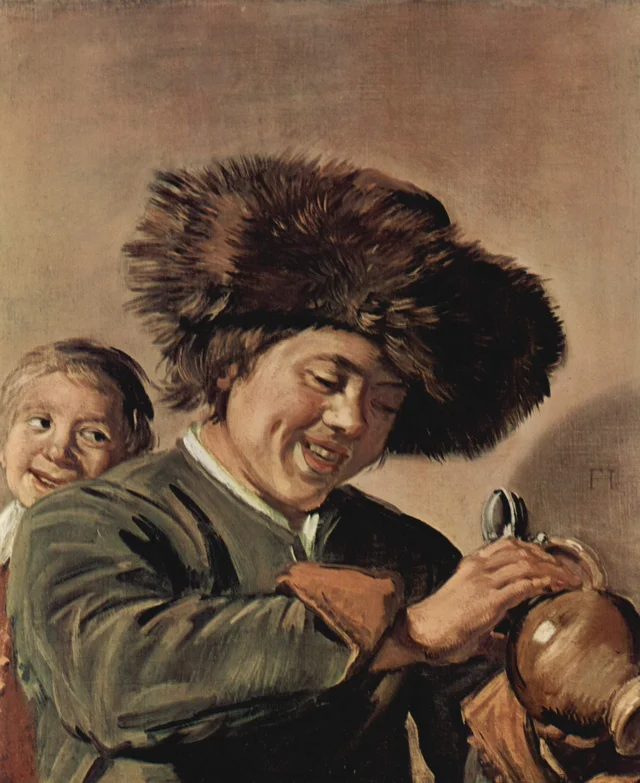 Due ragazzi ridenti con un boccale di birraFrans Hals, 1626
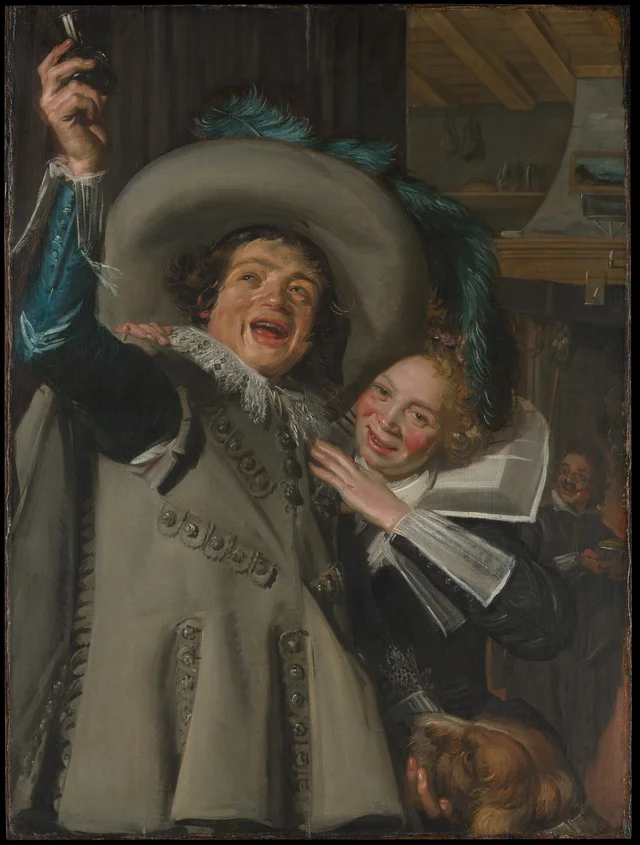 Giovane uomo e donna in una tavernaFrans Hals, 1623
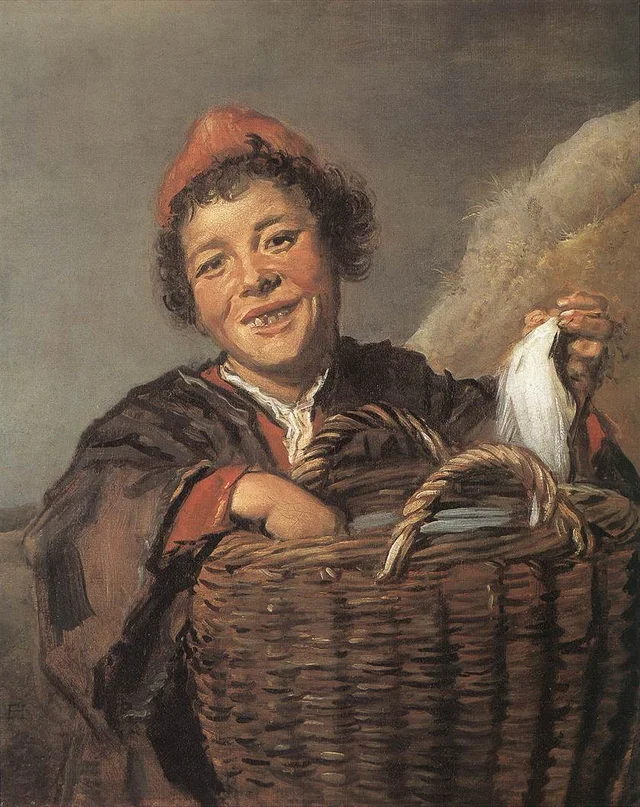 Ragazzo pescatore con cestaFrans Hals, 1630
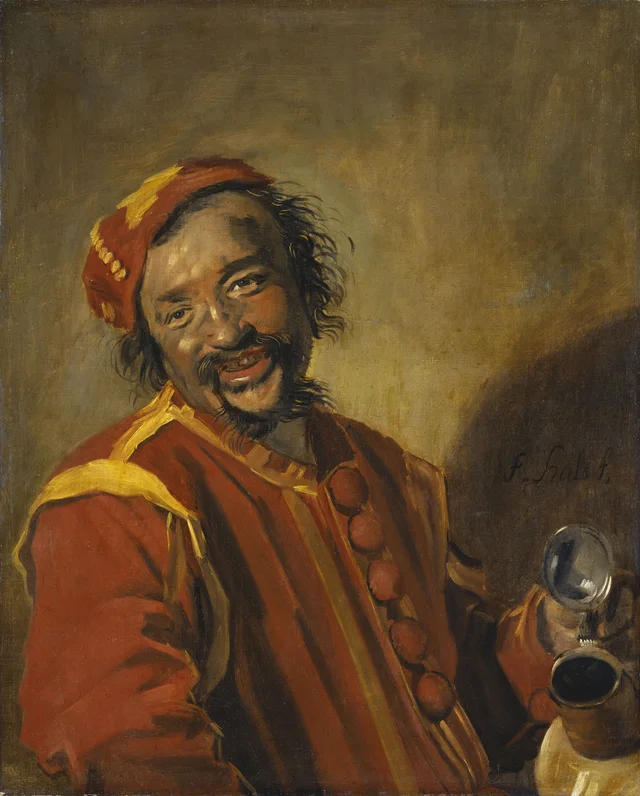 PeeckelhaeringhFrans Hals, 1620
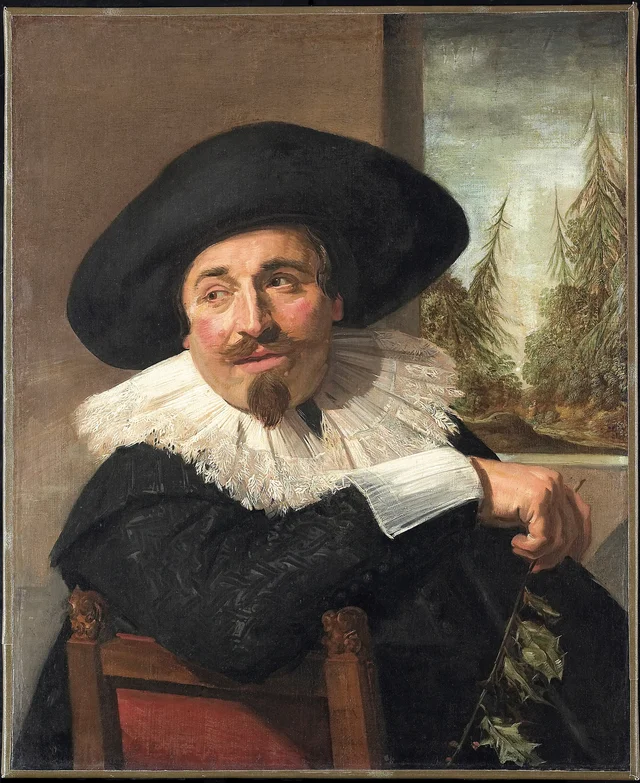 Ritratto di Isaac Abrahamsz. MassaFrans Hals, 1626