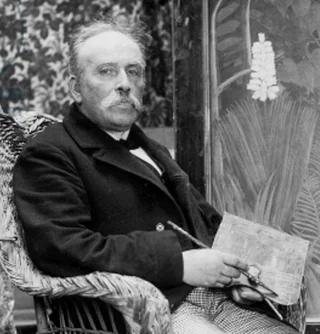
Henri Rousseau
1844–1910 · Francia · Arte naïf, Postimpressionismo
La storia
Henri Rousseau trascorse gran parte della vita lavorativa come esattore daziario per la città di Parigi, controllando carri e merci alle porte della città per conto di una tassa che i francesi chiamavano octroi. Non iniziò a dipingere seriamente prima dei quarant'anni, si formò da autodidatta e lasciò il casello daziario solo a quarantanove anni per dedicarsi alla pittura a tempo pieno. Per anni la critica derise la sua prospettiva piatta e le figure rigide, e Rousseau continuò comunque a esporre al Salon des Indépendants, la rassegna che accoglieva chiunque pagasse la quota d'iscrizione.
Le sue scene di giungla, fitte di leoni, scimmie e foglie sproporzionate, non nascevano mai da viaggi reali. Rousseau le costruiva invece a partire dalle visite al giardino botanico e allo zoo di Parigi, e dai libri illustrati, elaborando intrecci vegetali che nessuna giungla vera eguaglia davvero.
La svolta nella sua fortuna arrivò nel 1908, quando il giovane Pablo Picasso notò uno dei quadri di Rousseau in vendita per strada a Parigi come tela usata, abbastanza economica da poterci dipingere sopra. Picasso ne riconobbe il valore e cercò Rousseau, organizzandogli in seguito un banchetto nel proprio atelier al Bateau-Lavoir, in parte omaggio e in parte scherzo elaborato che Rousseau, a quanto raccontano quasi tutti, prese del tutto sul serio.
Altri articoli
 Articolo · 48 min di letturaMusée d'Orsay: dal Cabanel comprato da Napoleone III al Caillebotte da 43 milioni
 Articolo · 41 min di letturaIl Kunstmuseum di Basilea: dall'acquisto della collezione Amerbach al caso della «Musa», 1661–2023
 Articolo · 20 min di letturaMusée de l'Orangerie: Monet, Paul Guillaume e Domenica
Opere
94 opere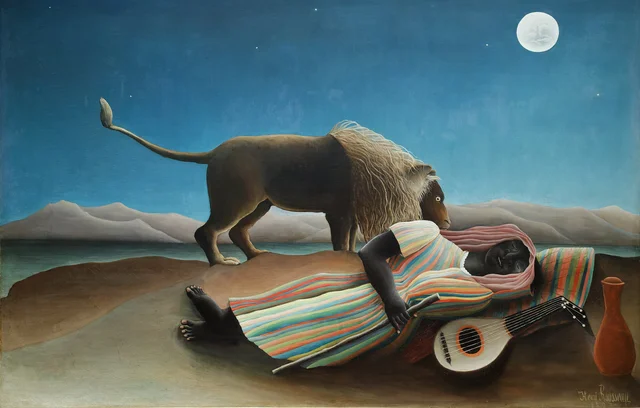 La zingara addormentataHenri Rousseau, 1897
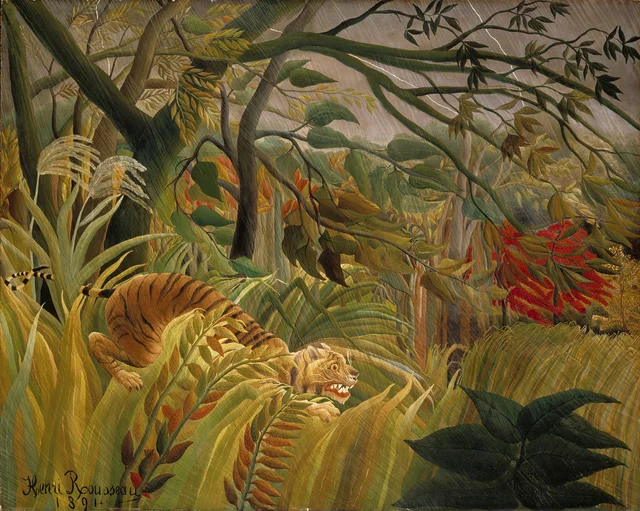 Tigre in una tempesta tropicaleHenri Rousseau, 1891
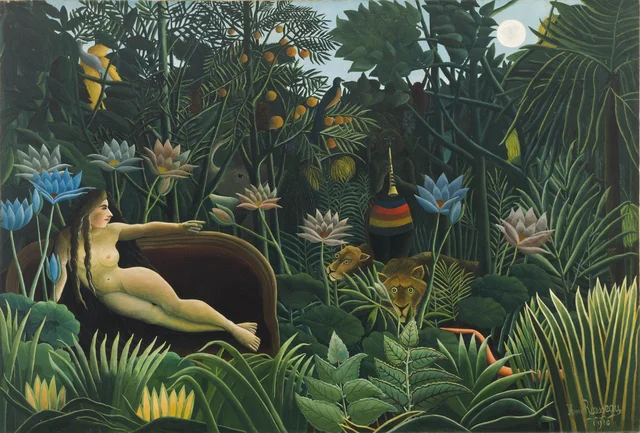 Il sognoHenri Rousseau, 1910
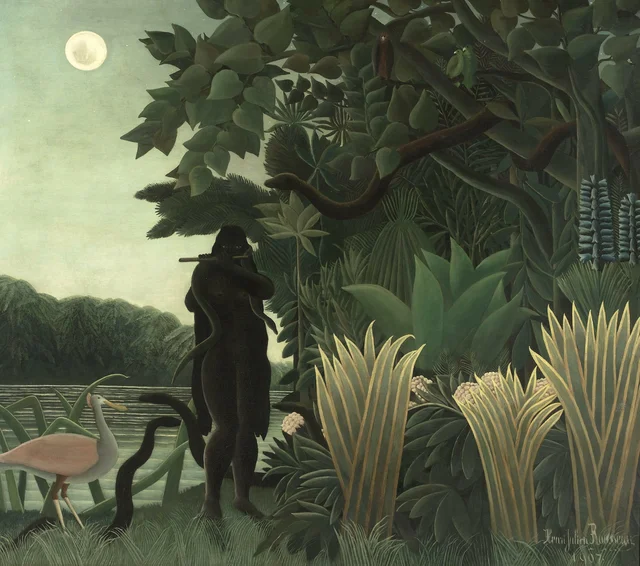 L'incantatrice di serpentiHenri Rousseau, 1907
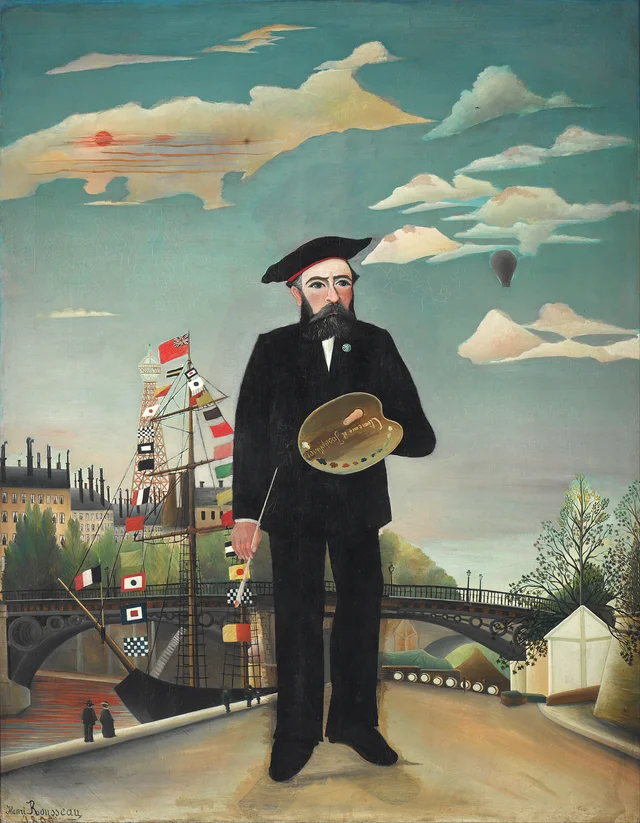 Io stesso: ritratto-paesaggioHenri Rousseau, 1890
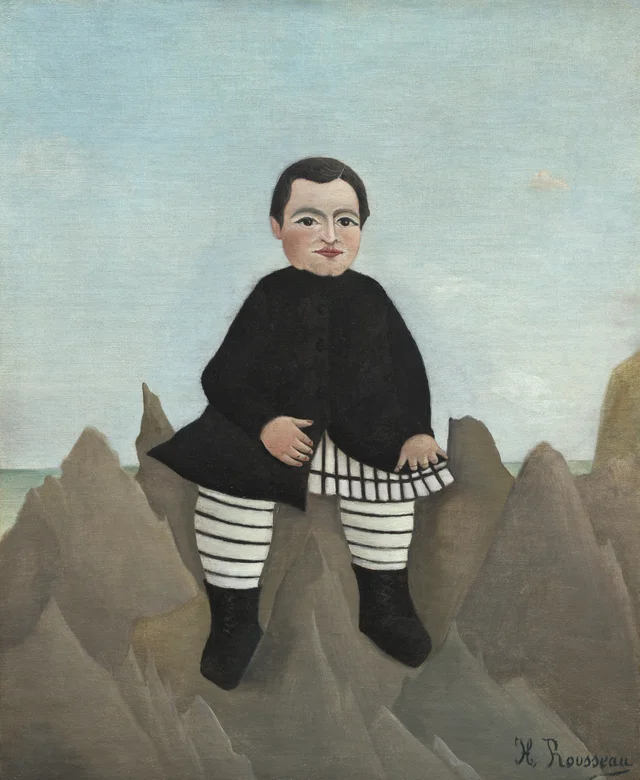 Bambino sulle rocceHenri Rousseau, 1897
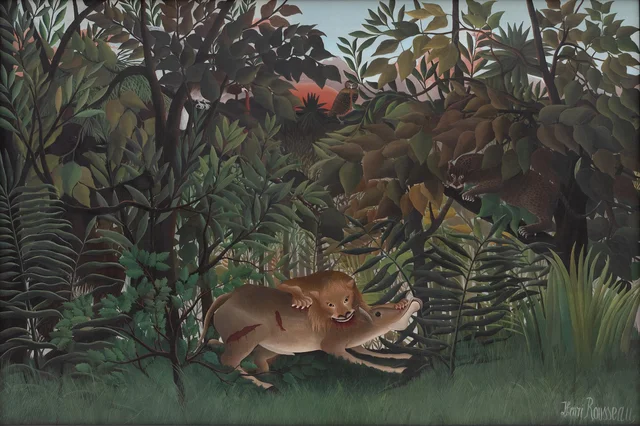 Il leone affamato si avventa sull'antilopeHenri Rousseau, 1905
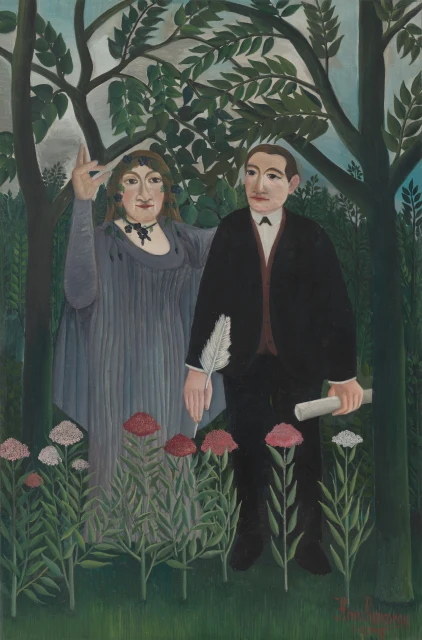 La musa che ispira il poetaHenri Rousseau, 1909
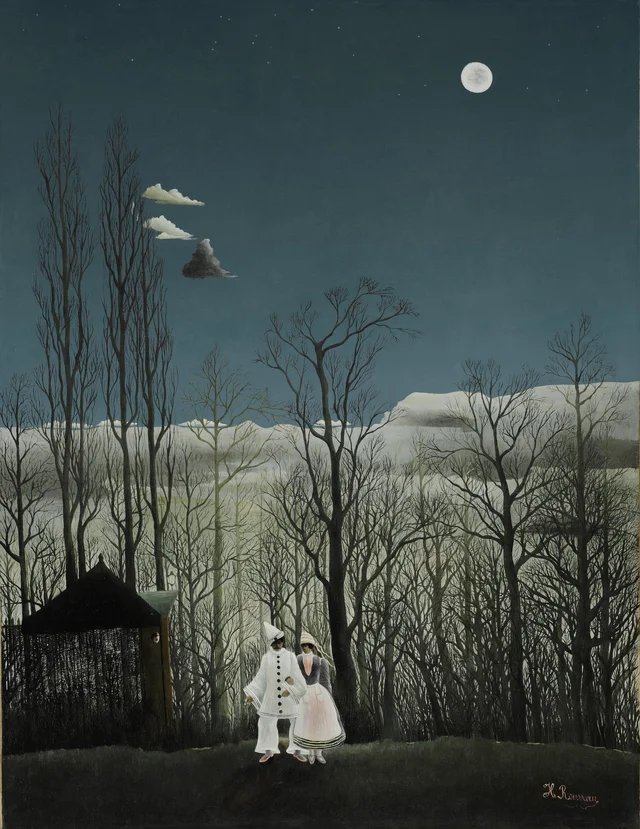 Sera di carnevaleHenri Rousseau, 1886
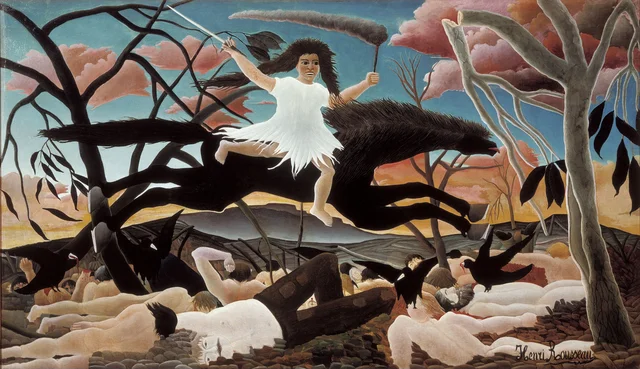 La guerraHenri Rousseau, 1894
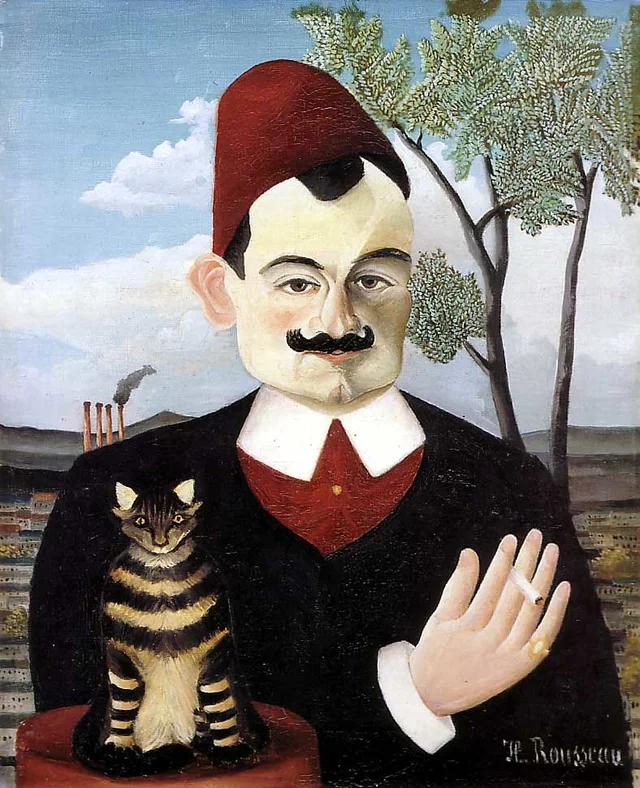 Ritratto del Signor X (Pierre Loti)Henri Rousseau, 1906
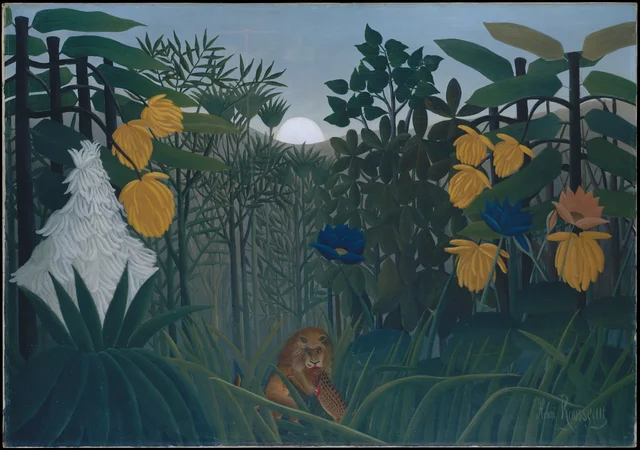 Il pasto del leoneHenri Rousseau, 1907
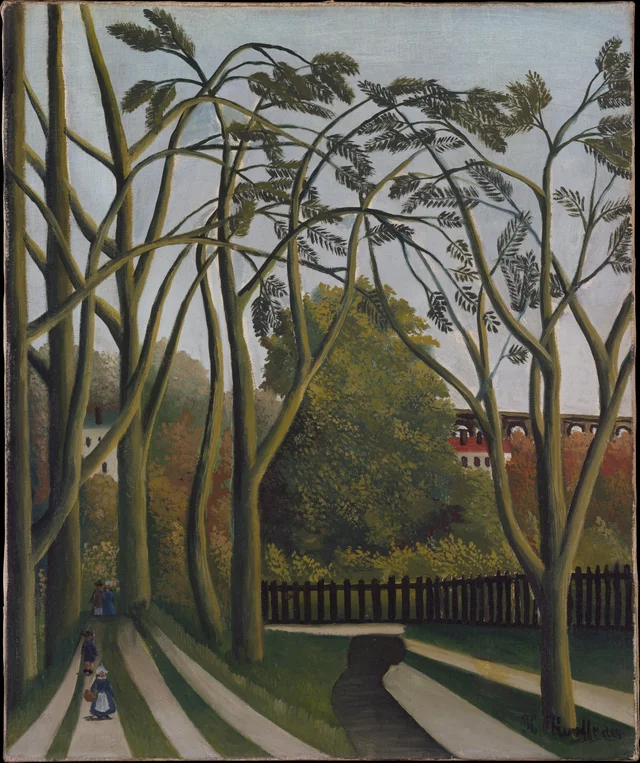 Le rive della Bièvre presso BicêtreHenri Rousseau, 1908
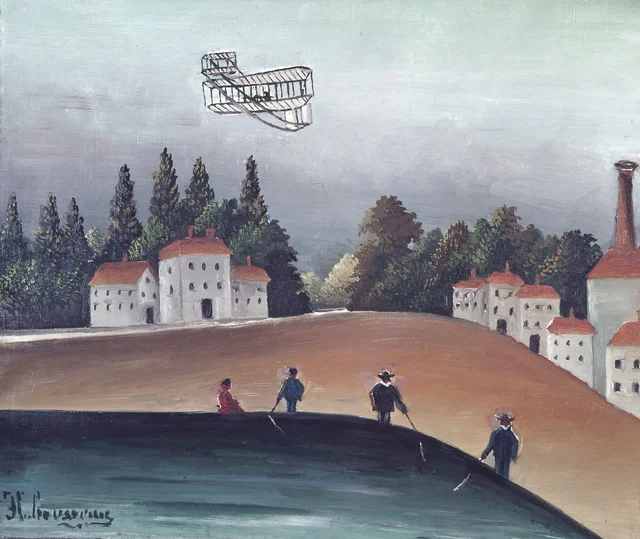 I pescatori con la lenzaHenri Rousseau, 1908
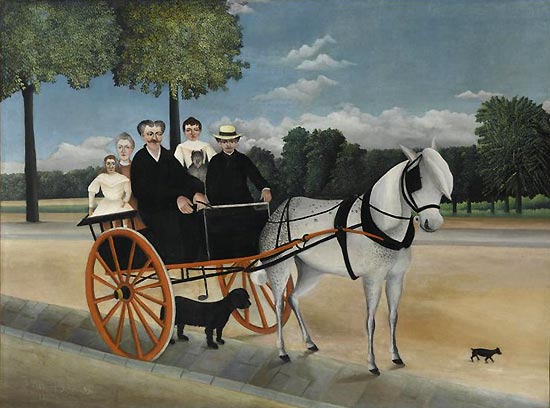 Il calesse di papà JunierHenri Rousseau, 1908
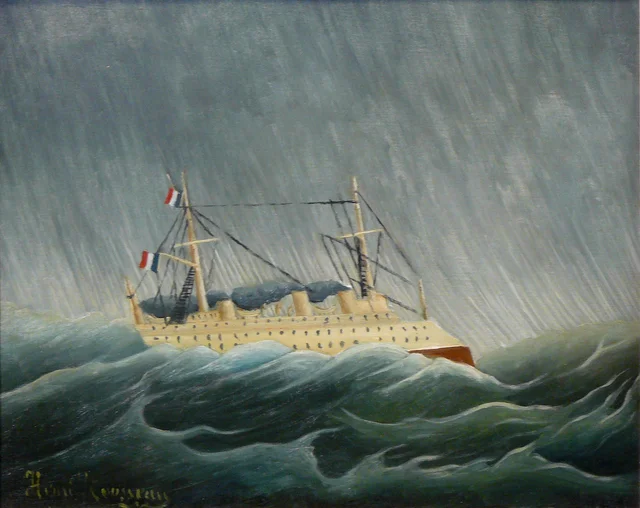 La nave nella tempestaHenri Rousseau, 1899
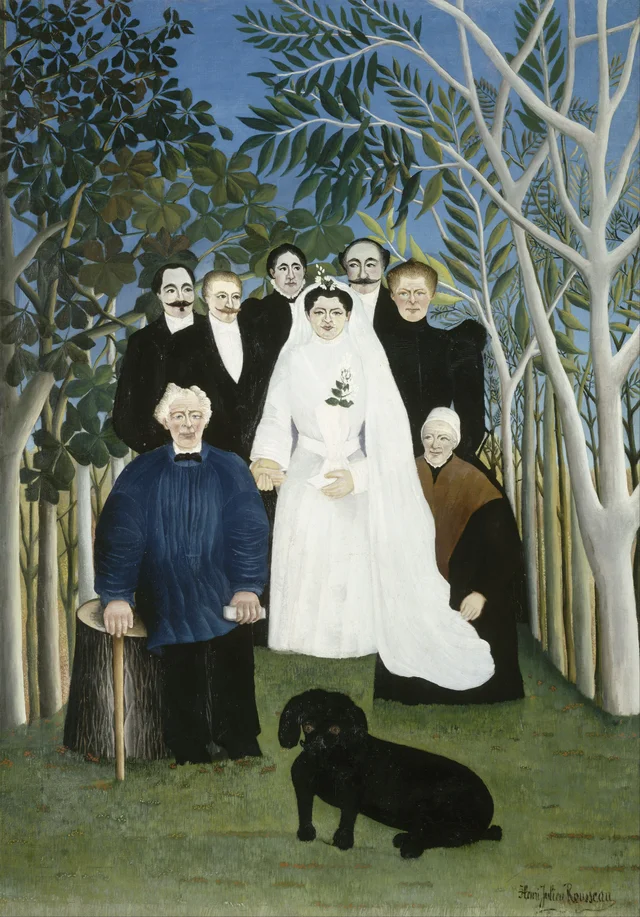 Le nozzeHenri Rousseau, 1905
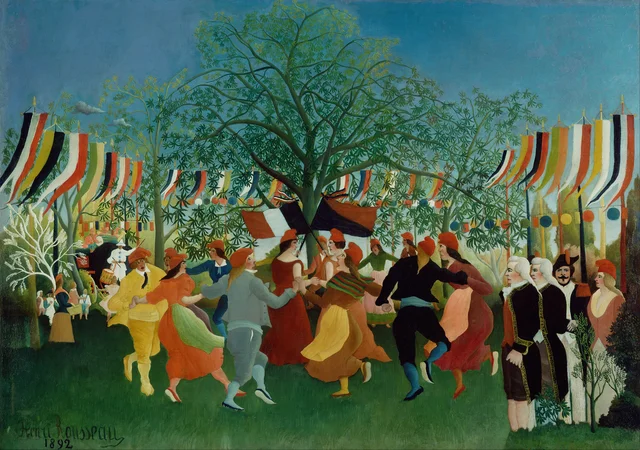 Il centenario dell'indipendenzaHenri Rousseau, 1892
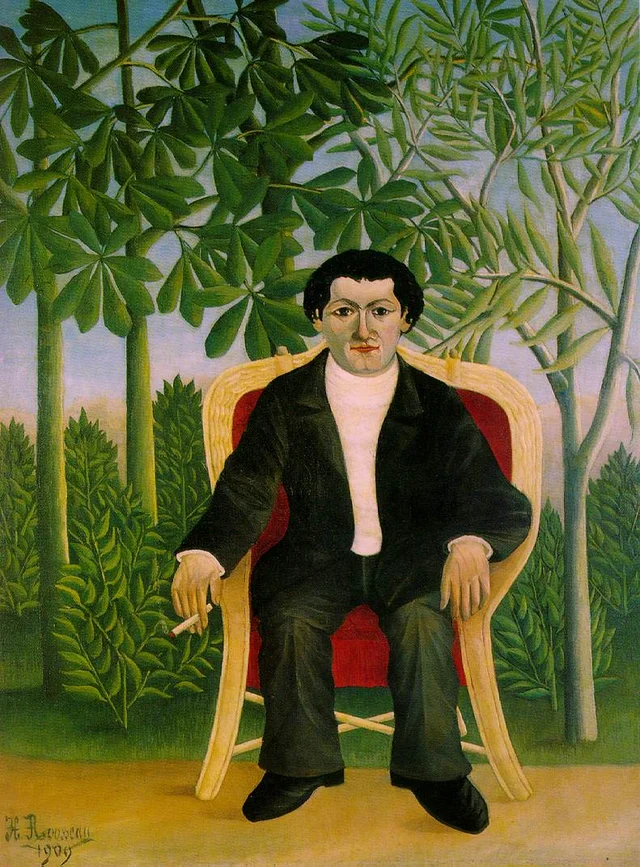 Ritratto di Joseph BrummerHenri Rousseau, 1909
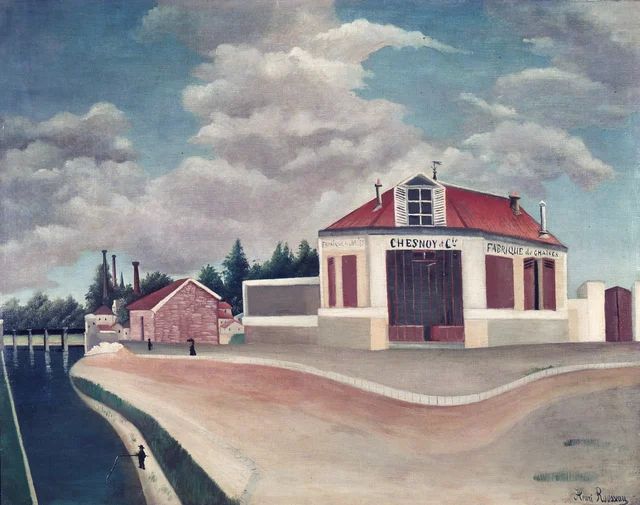 La fabbrica di sedie ad AlfortvilleHenri Rousseau, 1897
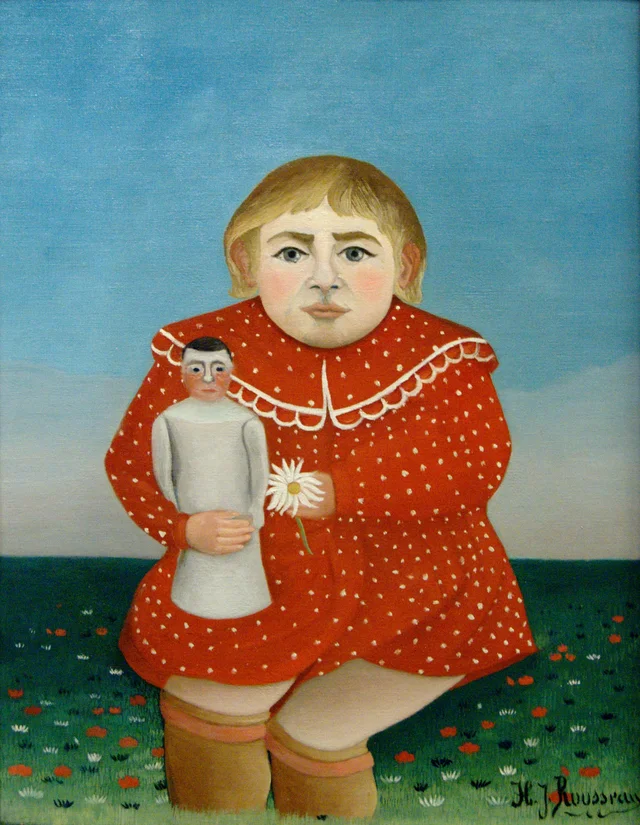 La bambina con la bambolaHenri Rousseau, 1892
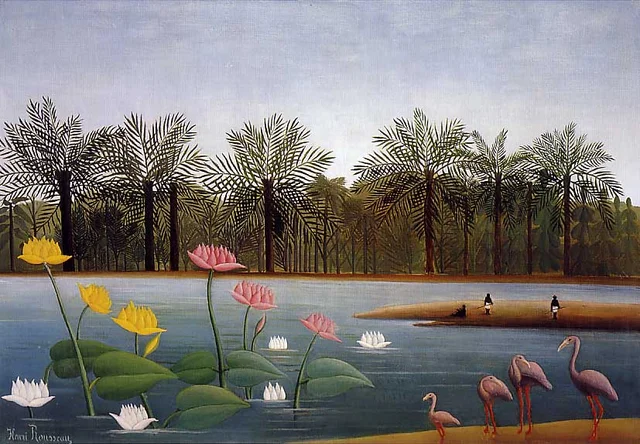 I fenicotteriHenri Rousseau, 1907
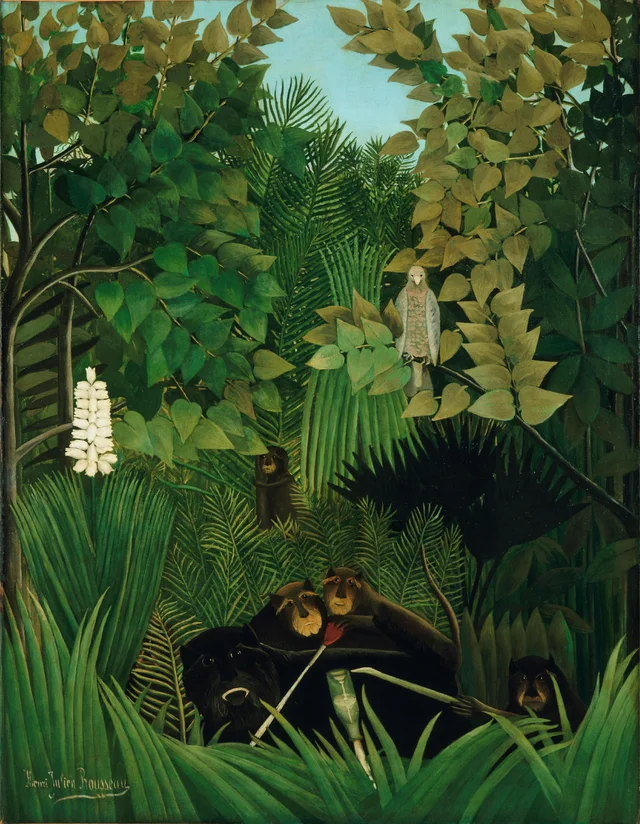 Gli allegri burloniHenri Rousseau, 1906
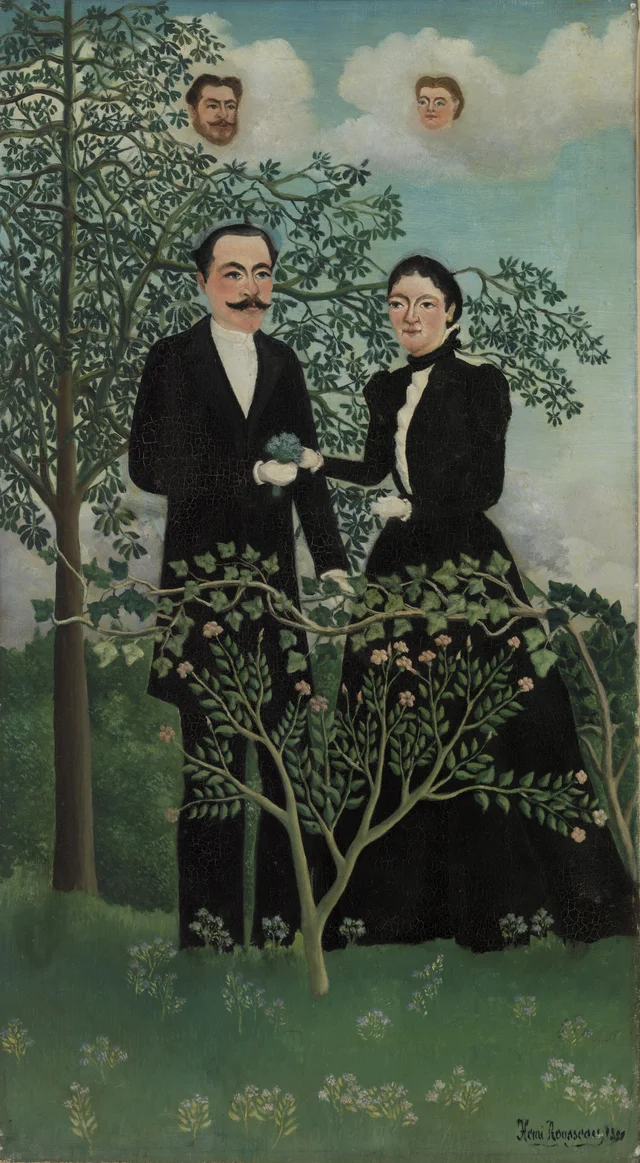 Il passato e il presenteHenri Rousseau, 1899
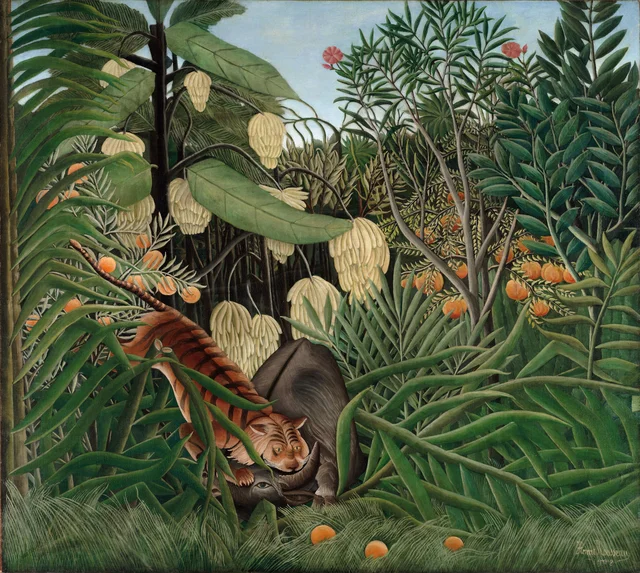 Lotta tra una tigre e un bufaloHenri Rousseau, 1908