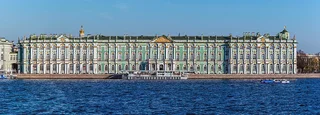
La storia
Gran parte dell'Ermitage occupa il Palazzo d'Inverno, la residenza barocca verde e bianca degli zar russi sulla riva della Neva, a San Pietroburgo. La collezione nacque lì come un piacere privato. Nel 1764 l'imperatrice Caterina la Grande acquistò 225 dipinti olandesi e fiamminghi che un mercante di Berlino, Johann Gotzkowsky, aveva raccolto per il re di Prussia, il quale, in rovina dopo una lunga guerra, non li pagò mai. Caterina lo fece, e li appese in stanze così private da chiamarle il suo eremitaggio, un rifugio dove quasi nessuno era ammesso.
Due secoli e mezzo di acquisti dopo, è una delle più vaste raccolte d'arte al mondo. Si sale lo Scalone di Giordano tra ori e specchi verso i dipinti per cui la gente viene: il Ritorno del figliol prodigo di Rembrandt, le mani del vecchio padre posate sulla schiena del figlio in stracci, e due piccole Madonne di Leonardo da Vinci, la Benois e la Litta, dipinte in gioventù. In una sala un Orologio del pavone a grandezza naturale, automa inglese del Settecento, apre ancora la coda dorata quando viene caricato.
L'edificio ne ha passate tante. Un incendio devastò il palazzo nel 1837, la rivoluzione del 1917 spazzò via l'ultimo zar da queste stanze, e quando le forze tedesche assediarono Leningrado nel 1941 il personale imballò più di un milione di oggetti e li spedì a est, verso gli Urali, lasciando le cornici vuote appese alle pareti. Durante l'assedio le guide facevano visite guidate davanti a quelle cornici vuote. Le opere tornarono alla fine dell'assedio, e i gatti tenuti in cantina a cacciare i topi, una tradizione che risale ai tempi di Caterina, sono ancora a libro paga.
Collezione
248 opere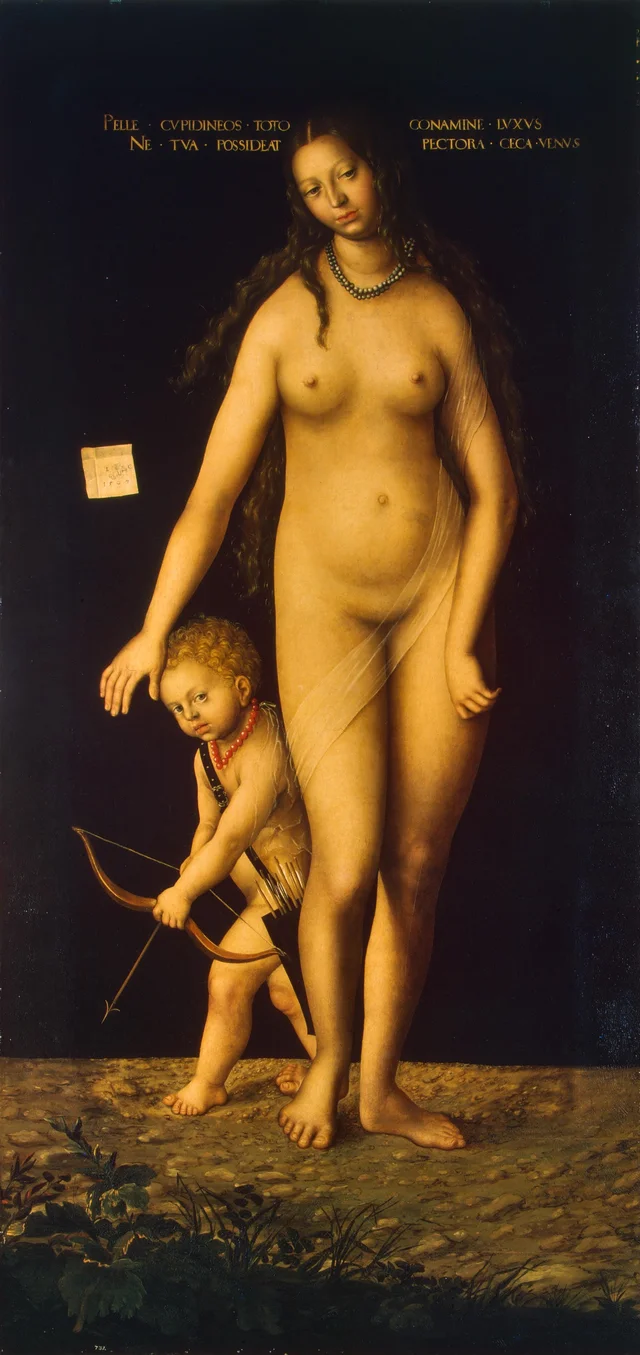 Venere e CupidoLucas Cranach il Vecchio, 1509
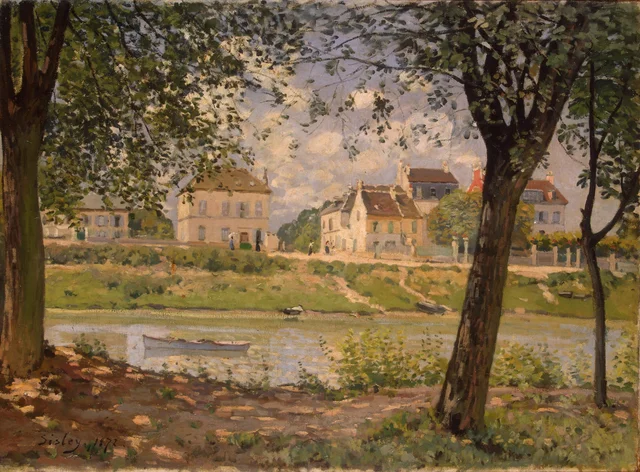 Villaggio sulle rive della SennaAlfred Sisley, 1872
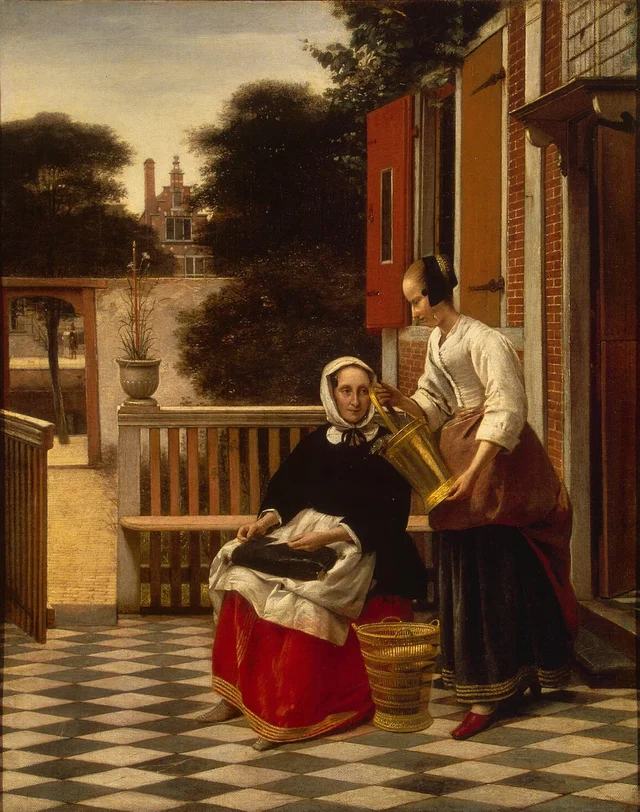 Donna e serva con un secchio di pesce in un cortilePieter de Hooch, 1660
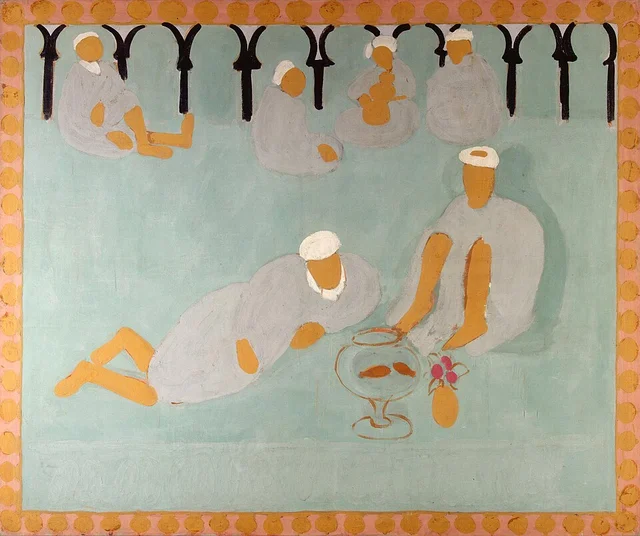 Caffè araboHenri Matisse, 1913
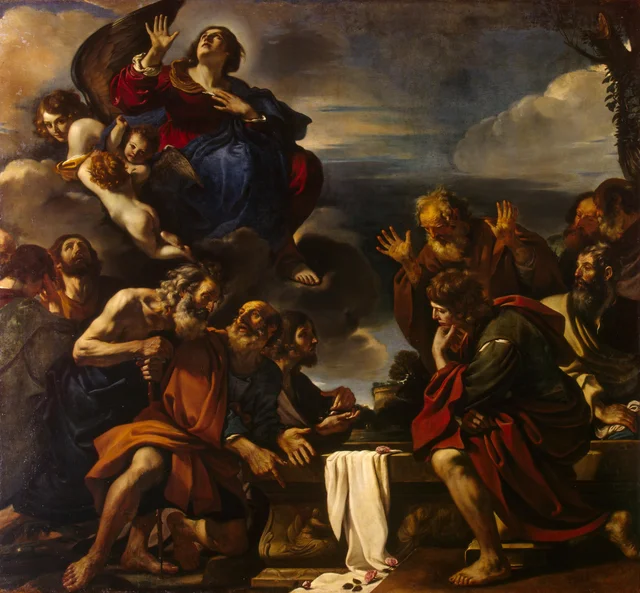 Assunzione della Vergine MariaGuercino, 1623
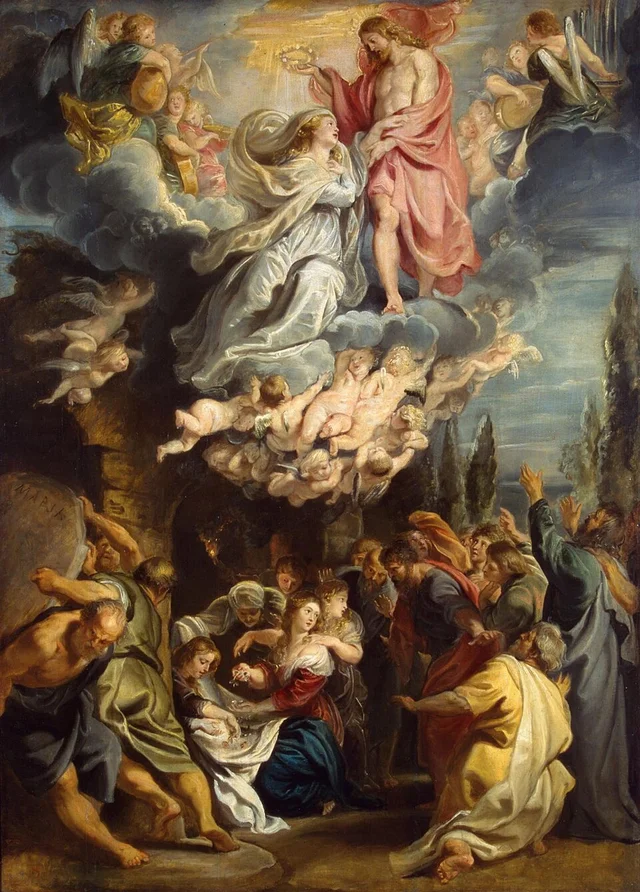 Incoronazione e Assunzione della VerginePieter Paul Rubens, 1611
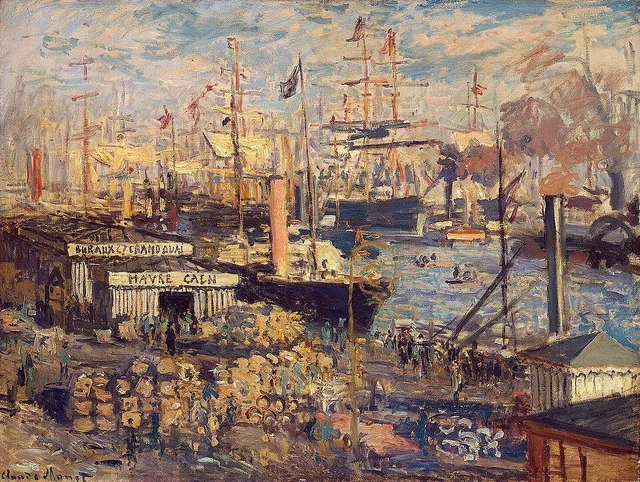 Il molo di Le HavreClaude Monet, 1874
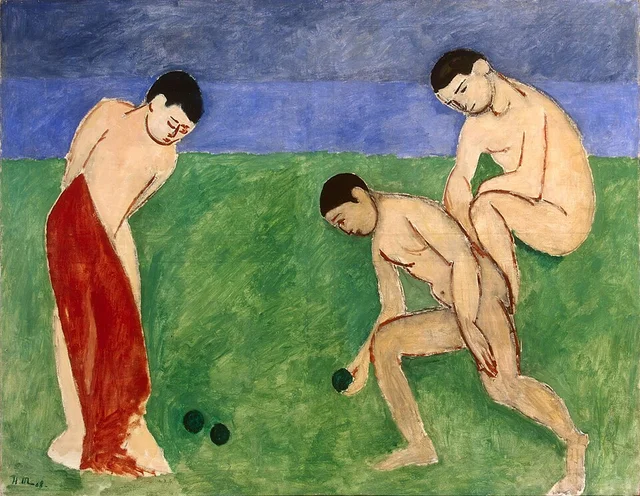 Gioco delle bocceHenri Matisse, 1908
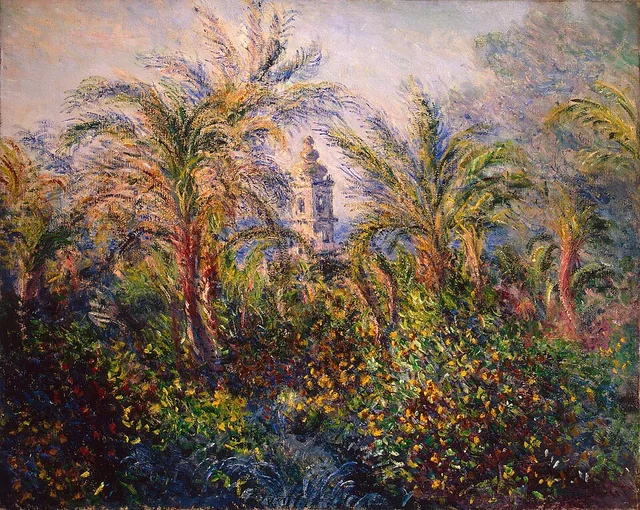 Giardino a Bordighera, impressione del mattinoClaude Monet, 1884
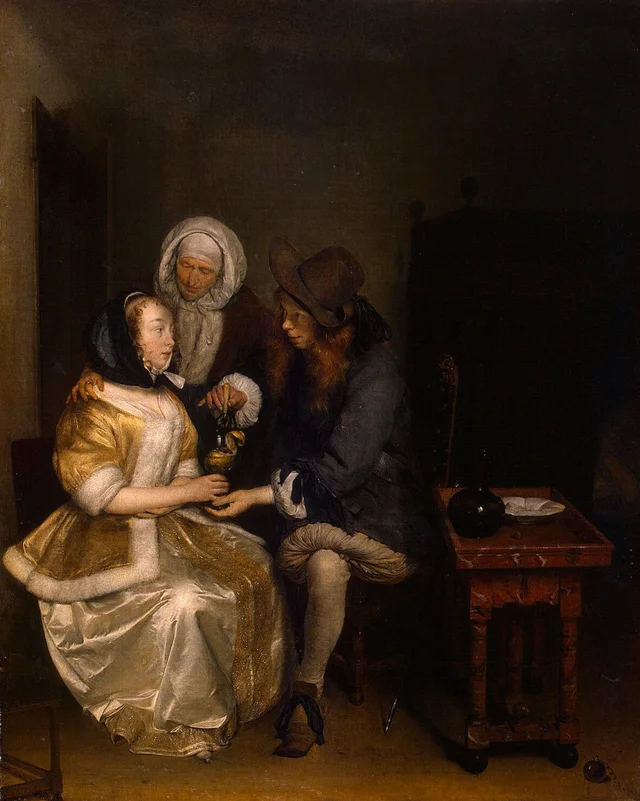 Il bicchiere di limonataGerard ter Borch, 1663
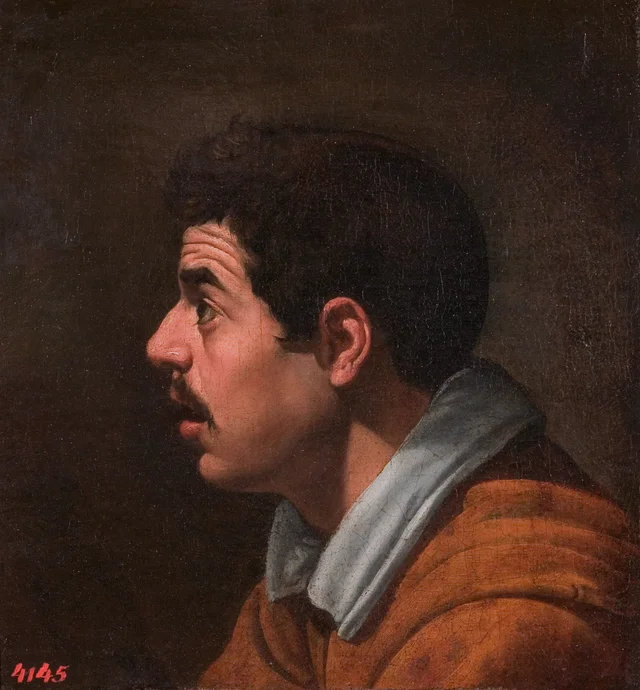 Testa d'uomo di profiloDiego Velázquez, 1618
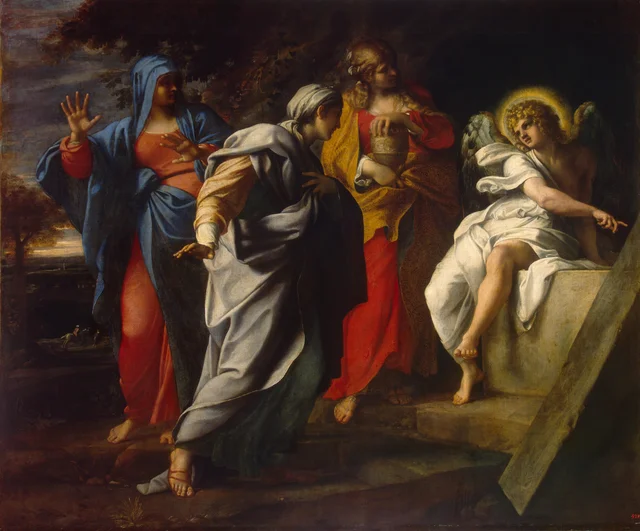 Le pie donne al sepolcro di CristoAnnibale Carracci, 1590
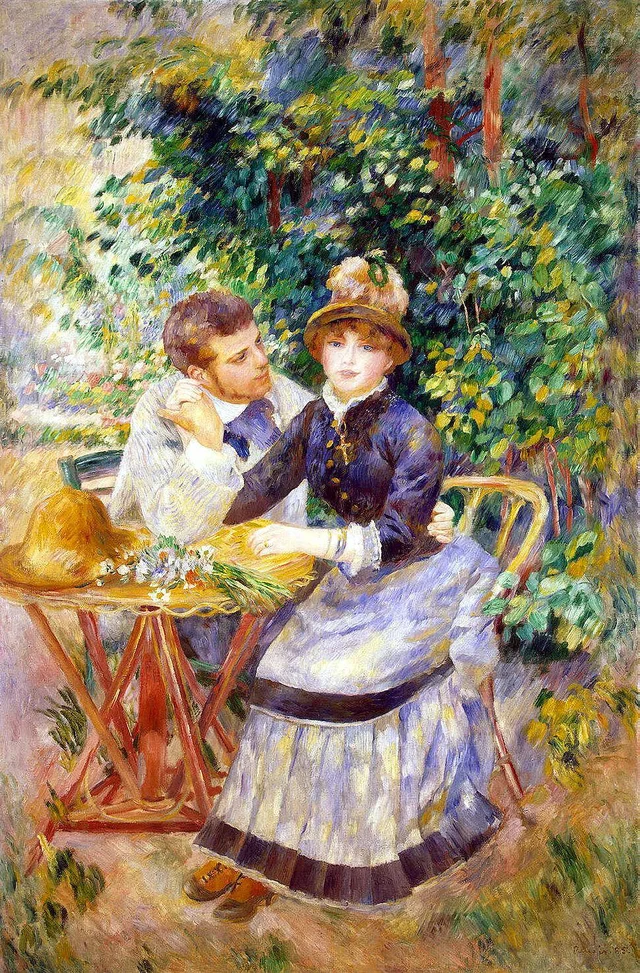 Nel giardinoPierre-Auguste Renoir, 1885
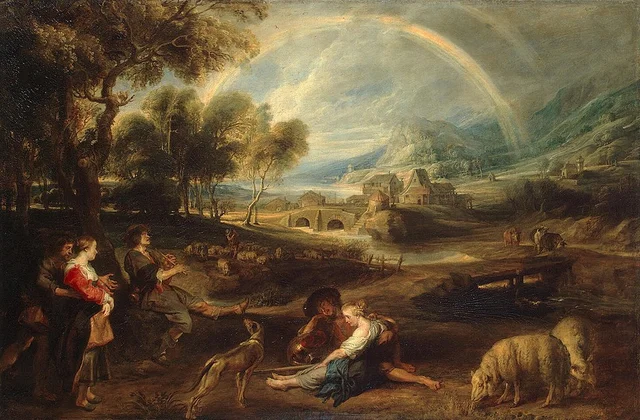 Paesaggio con arcobalenoPieter Paul Rubens, 1632
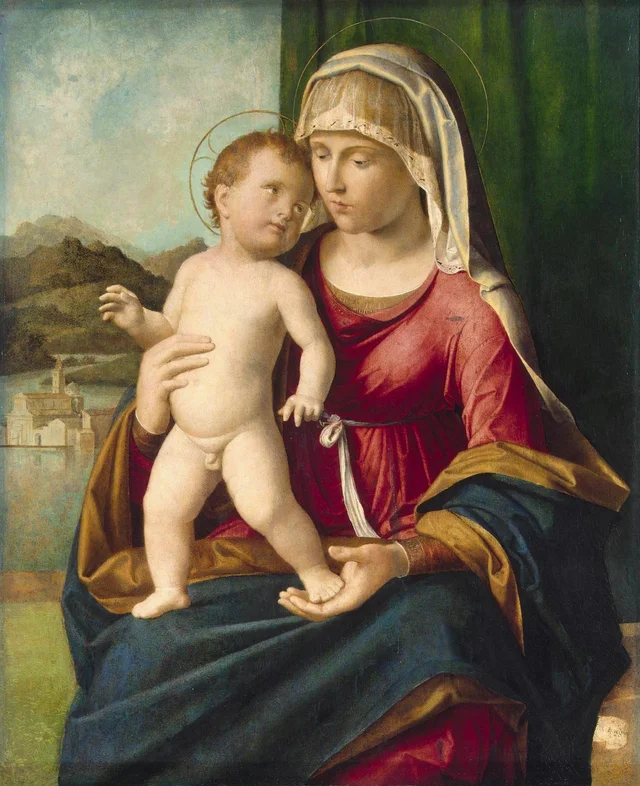 Madonna con BambinoGiovanni Battista Cima da Conegliano, 1496
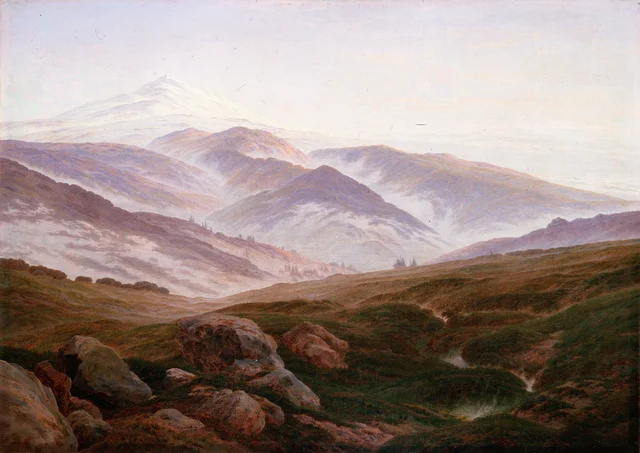 Ricordo dei monti dei GigantiCaspar David Friedrich, 1835
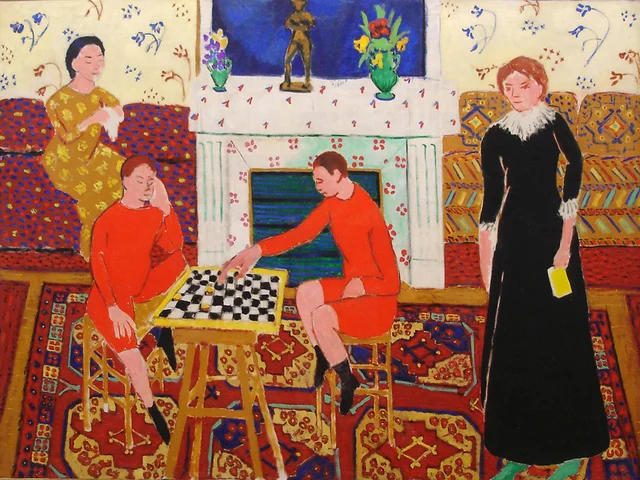 La famiglia del pittoreHenri Matisse, 1911
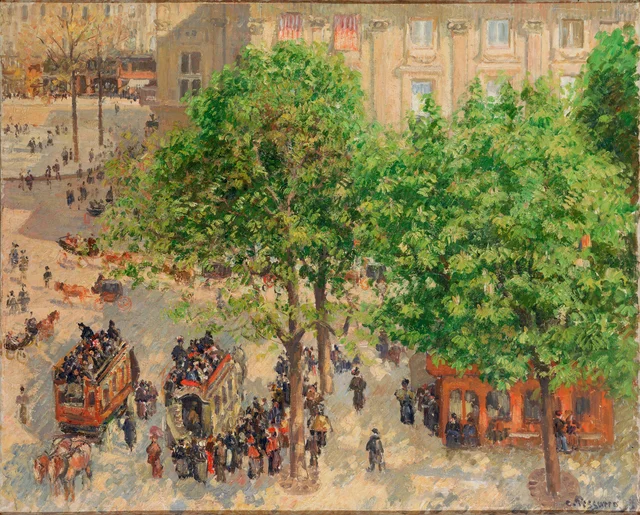 Place du Théâtre-Français in primaveraCamille Pissarro, 1898
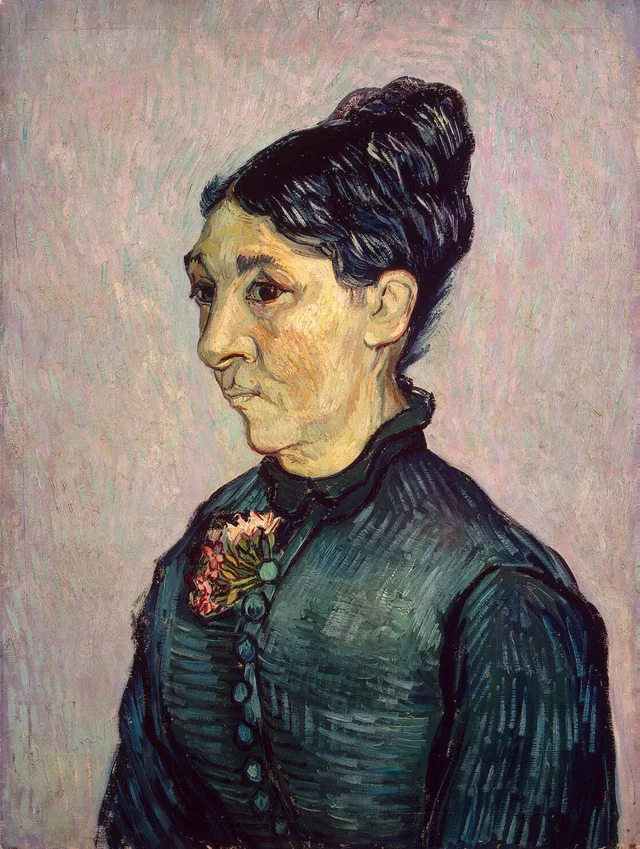 Ritratto di Madame TrabucVincent van Gogh, 1889
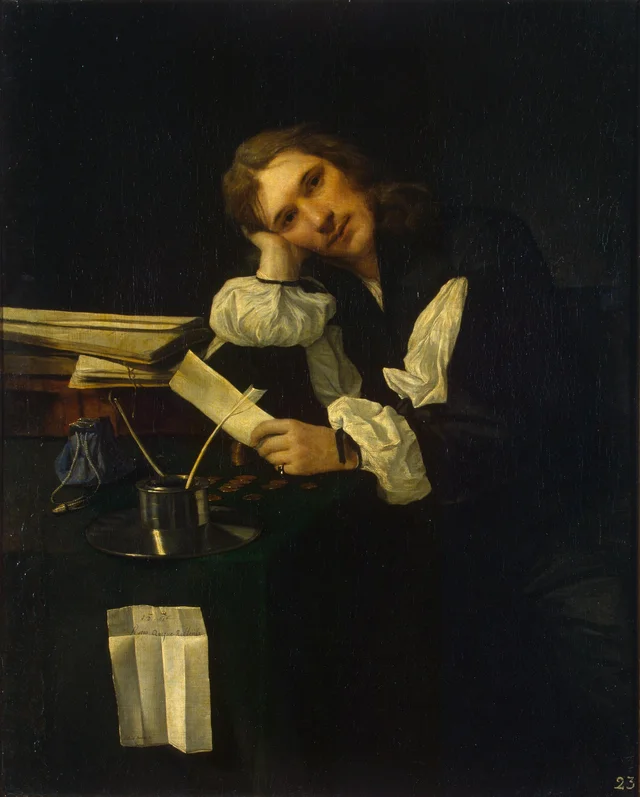 Ritratto di un giovaneMichiel Sweerts, 1656
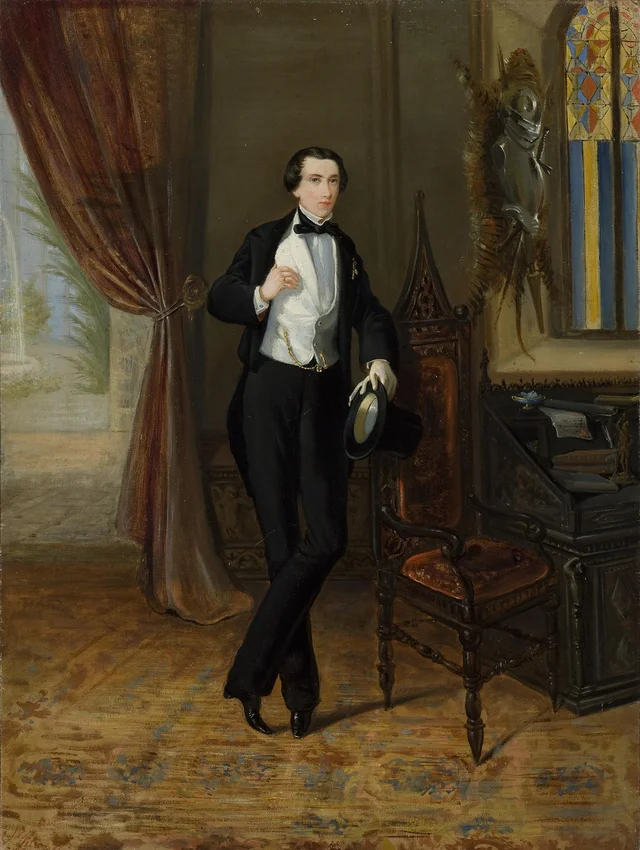 Ritratto del giovane principe N. B. YusupovVincenzo Petrocelli, 1851
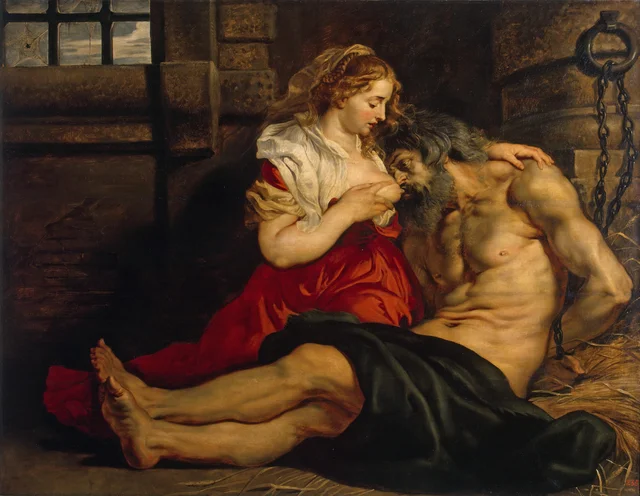 Carità romanaPieter Paul Rubens, 1612
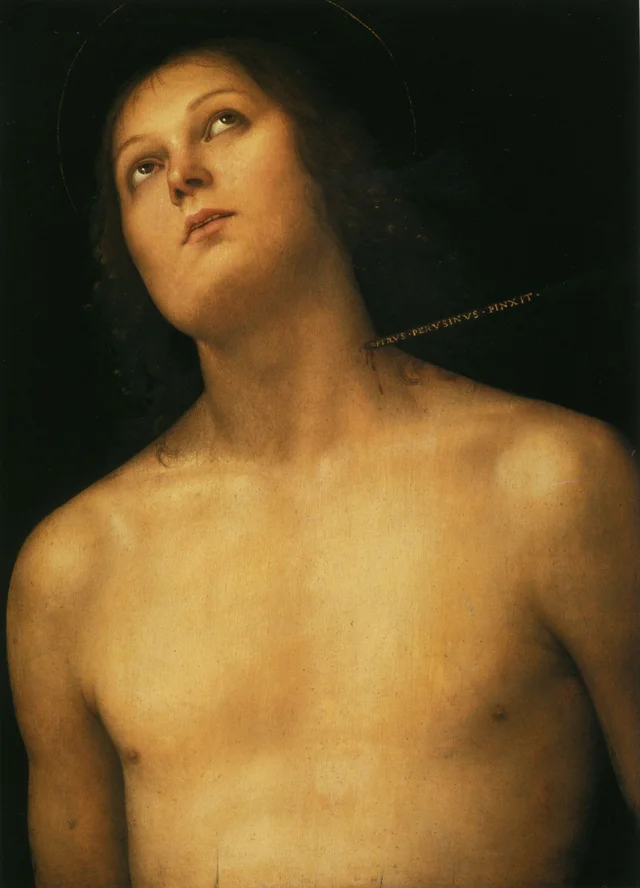 San SebastianoPietro Perugino, 1493
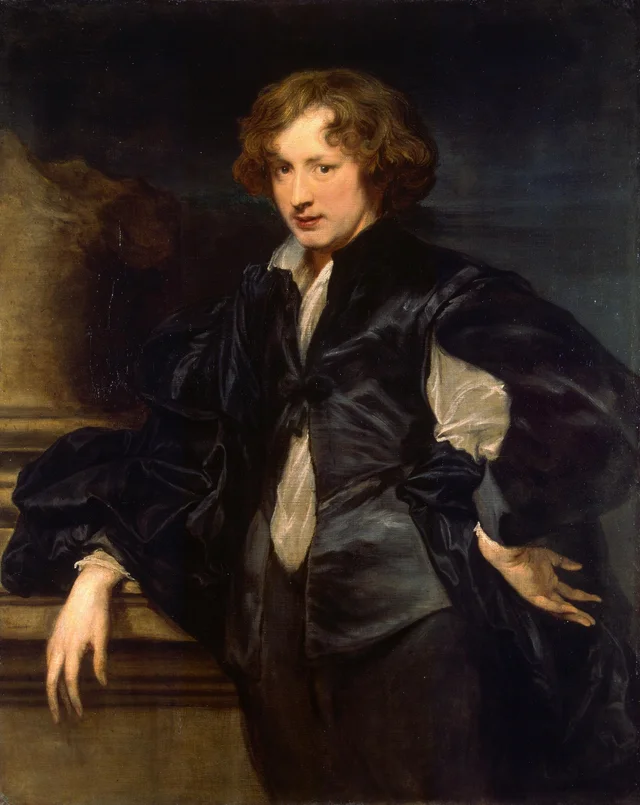 AutoritrattoAnton van Dyck, 1622
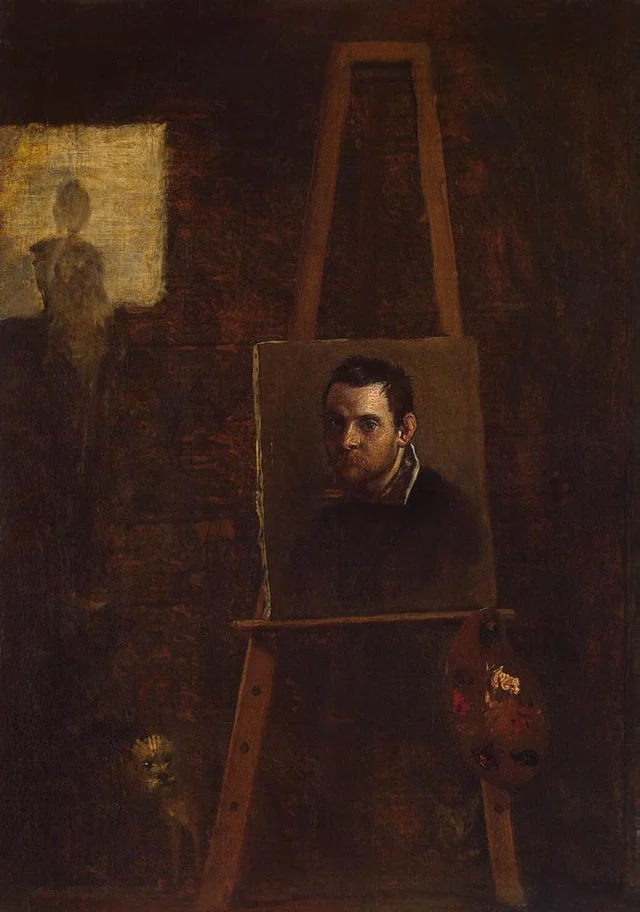 Autoritratto al cavallettoAnnibale Carracci, 1604