La storia
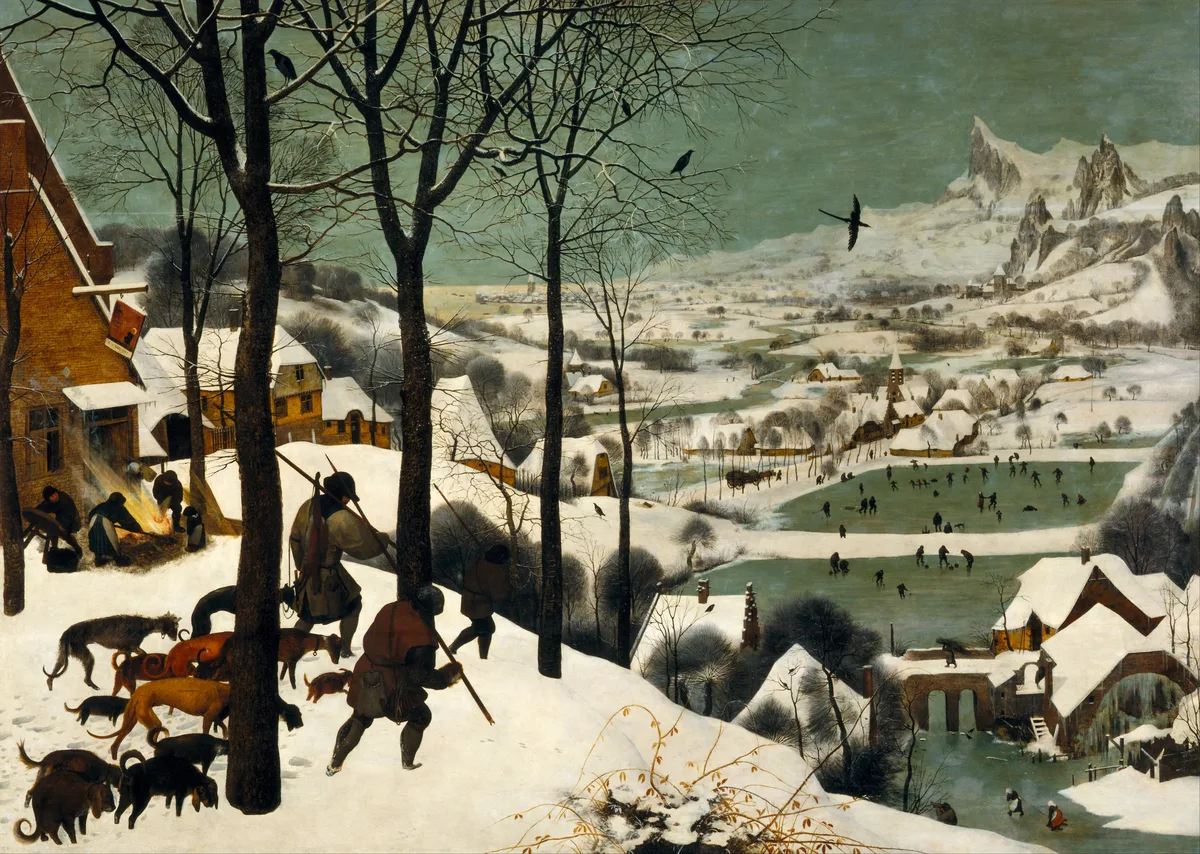
Una sala al primo piano raccoglie più dipinti di Pieter Bruegel il Vecchio di qualsiasi altro luogo al mondo, circa una dozzina, tra cui i Cacciatori nella neve, la fila di cacciatori stanchi e dei loro cani che arrancano su una collina sopra una valle gelata, dipinto nel 1565. Che sia proprio Vienna a possederli si deve agli Asburgo, la dinastia che governò gran parte d'Europa per secoli e spese buona parte di quel potere comprando arte.
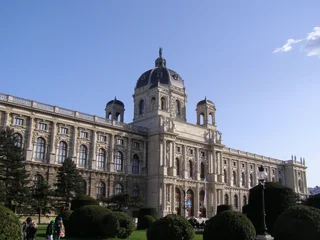
Il museo fu costruito per esibire esattamente questo. L'imperatore Francesco Giuseppe lo inaugurò nel 1891 sulla Ringstraße, il grande viale tracciato dove sorgevano le vecchie mura di Vienna, in un edificio da palazzo di Gottfried Semper e Karl von Hasenauer, con lo scalone decorato dal giovane Gustav Klimt prima che diventasse il Klimt dell'oro e dello scandalo. Lo scopo era riunire sotto un solo tetto le collezioni imperiali sparse e aprirle al pubblico.
Così le pareti si leggono come un inventario della portata asburgica. L'arte della pittura di Vermeer, l'artista visto di spalle al cavalletto, che la famiglia conservava come uno dei suoi tesori. Sale di Tiziano, Rubens e Velázquez, i cui ritratti di corte spagnoli di piccole principesse solenni giunsero a Vienna attraverso i matrimoni che legarono i due rami della famiglia. E sotto le pinacoteche c'è la Kunstkammer, un labirinto di avori intagliati, automi a orologeria e coppe di pietre dure messo insieme da imperatori che volevano lo strano e l'ingegnoso quanto il bello. L'oggetto più celebre è una saliera d'oro fatta da Benvenuto Cellini per il re di Francia.
Altri articoli
Collezione
381 opere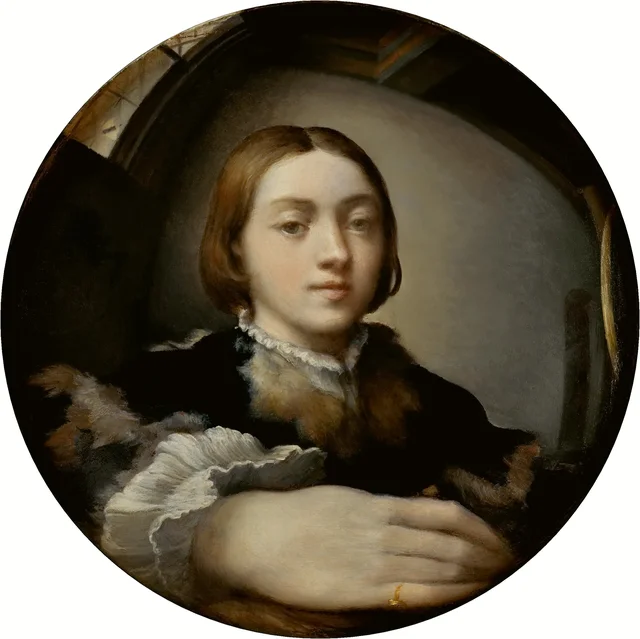 Autoritratto in uno specchio convessoParmigianino, 1523
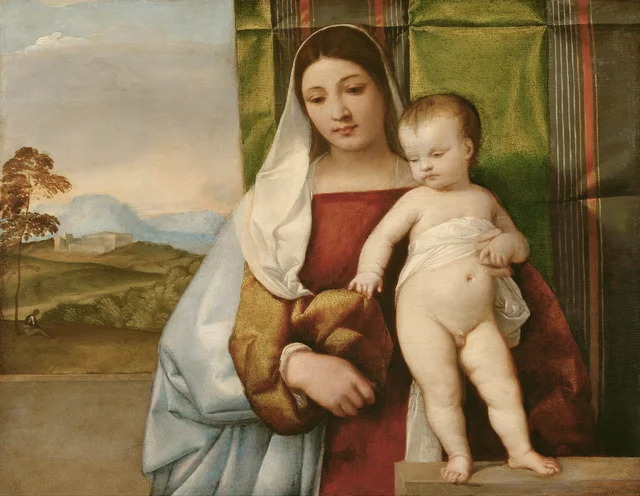 Madonna zingaraTiziano, 1510
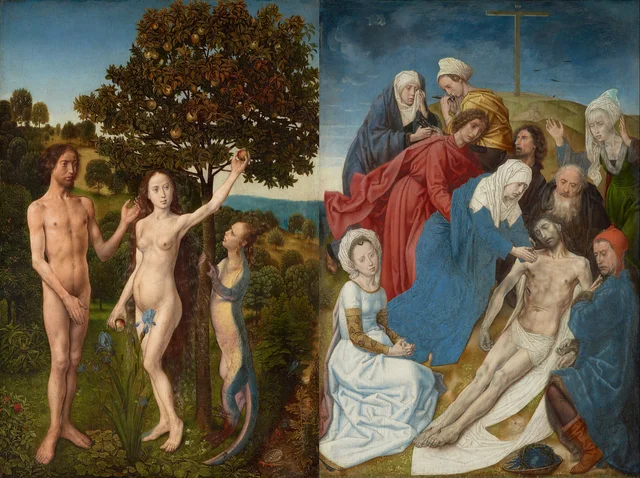 Dittico di ViennaHugo van der Goes, 1480
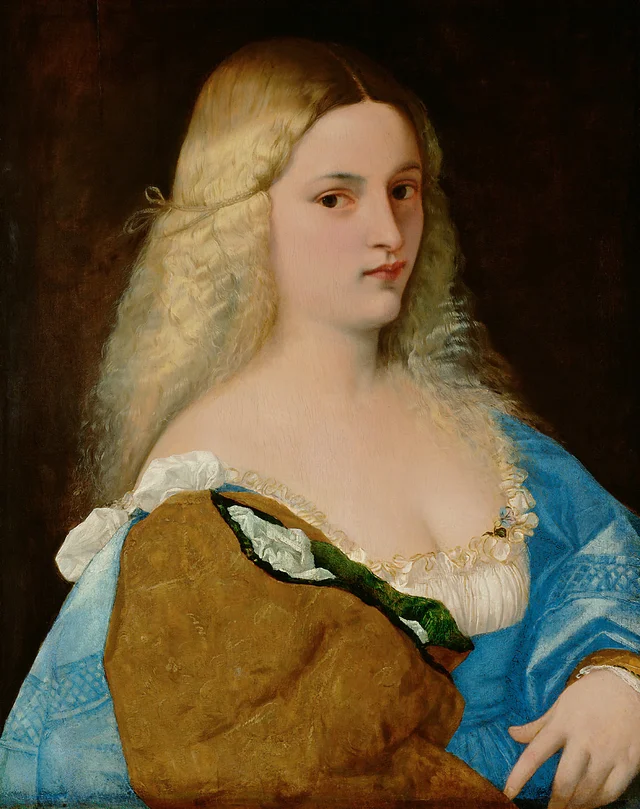 ViolanteTiziano, 1515
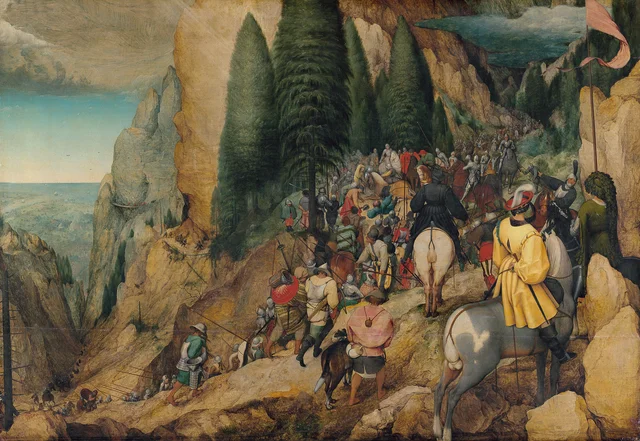 Conversione di san PaoloPieter Brueghel il Vecchio, 1567
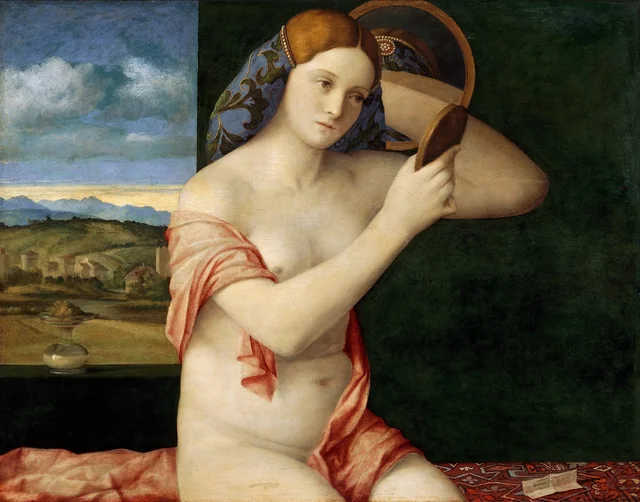 Giovane donna nuda allo specchioGiovanni Bellini, 1515
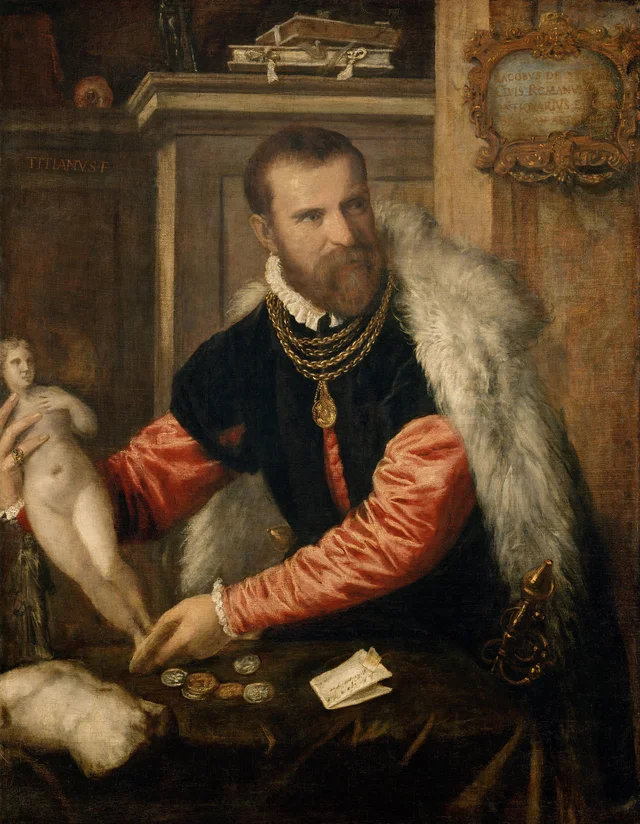 Ritratto di Jacopo StradaTiziano, 1567
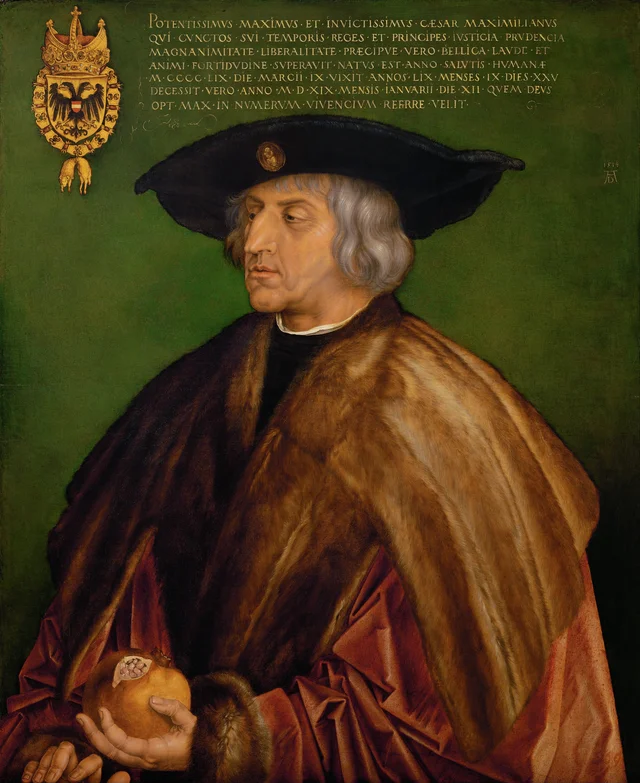 L'imperatore Massimiliano IAlbrecht Dürer, 1519
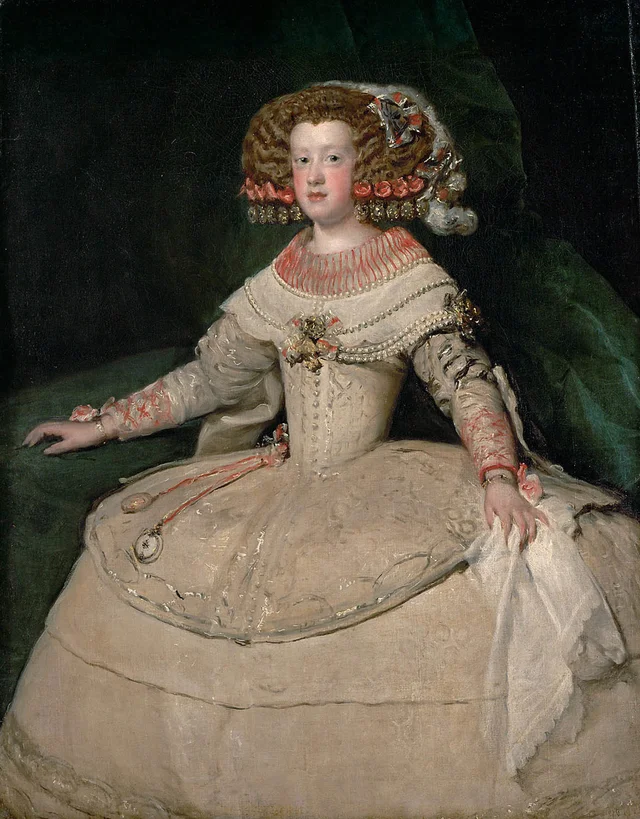 Ritratto dell'infanta Maria Teresa di SpagnaDiego Velázquez, 1652
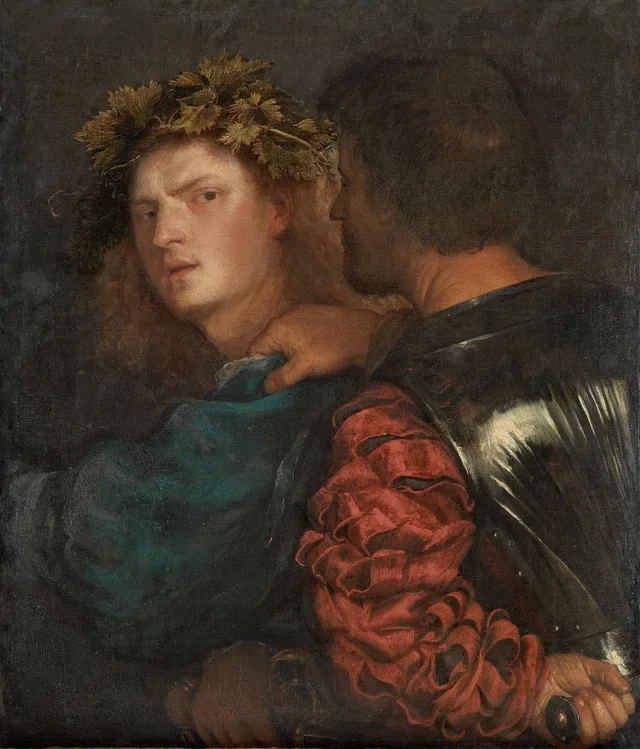 Il BravoTiziano, 1520
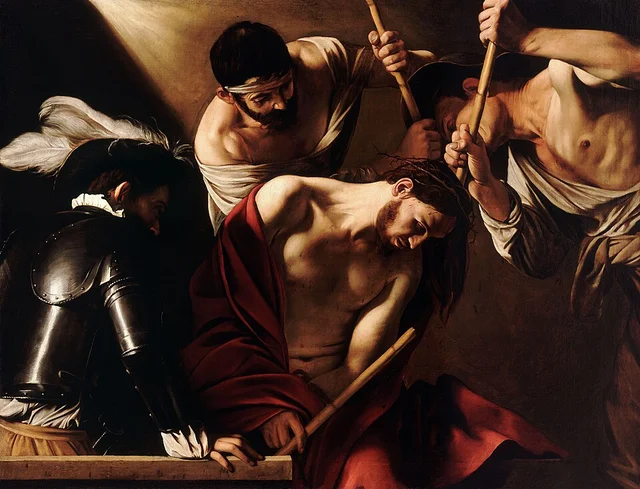 L'incoronazione di spineCaravaggio, 1602
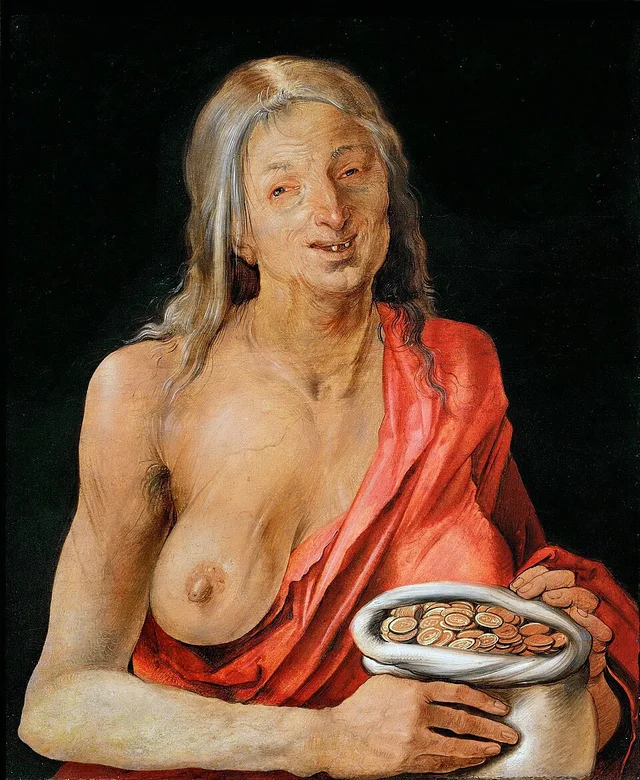 L'avariziaAlbrecht Dürer, 1507
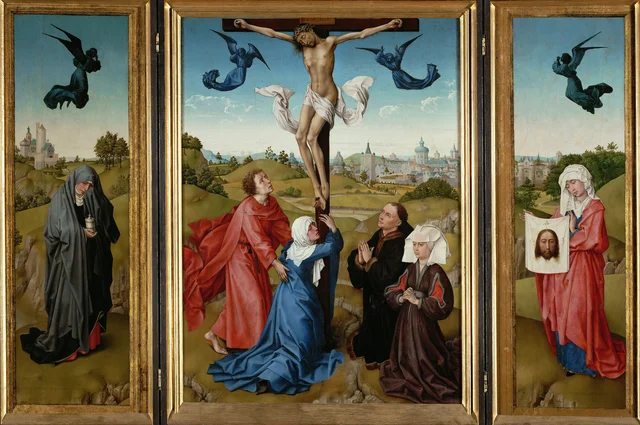 Trittico della CrocifissioneRogier van der Weyden, 1440
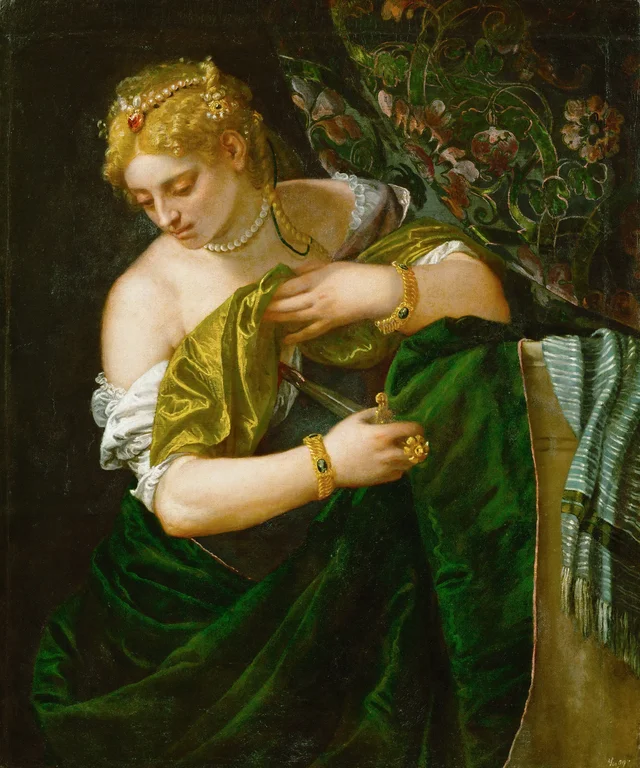 LucreziaPaolo Veronese, 1580
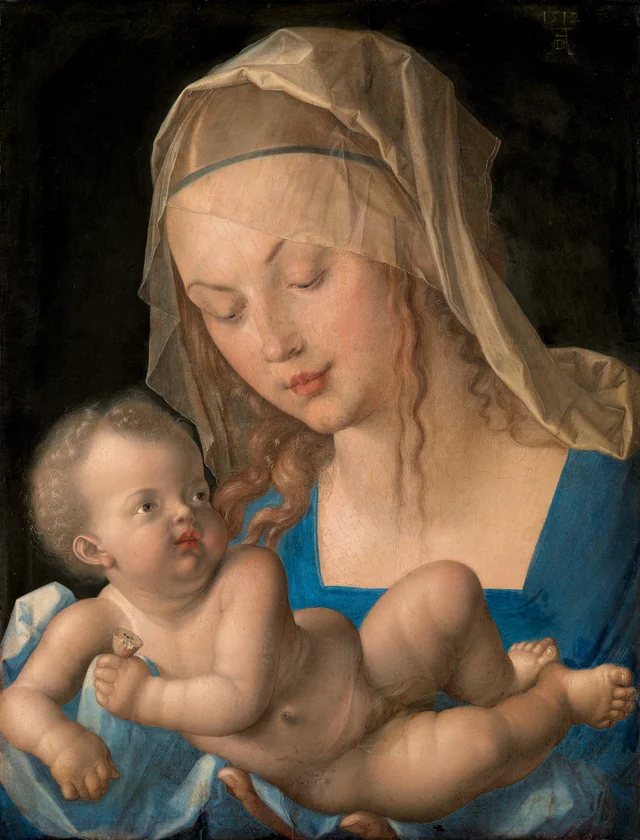 Madonna col BambinoAlbrecht Dürer, 1512
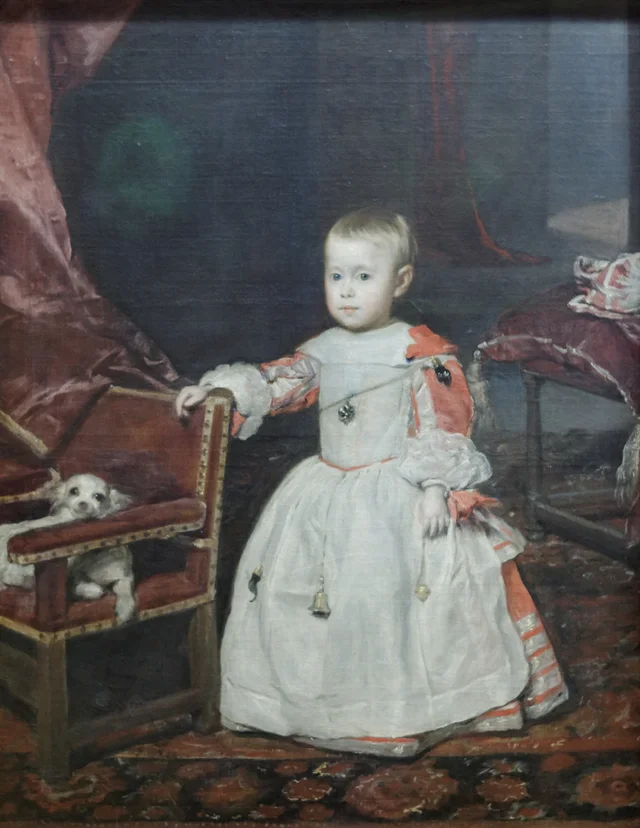 Ritratto del principe Filippo ProsperoDiego Velázquez, 1659
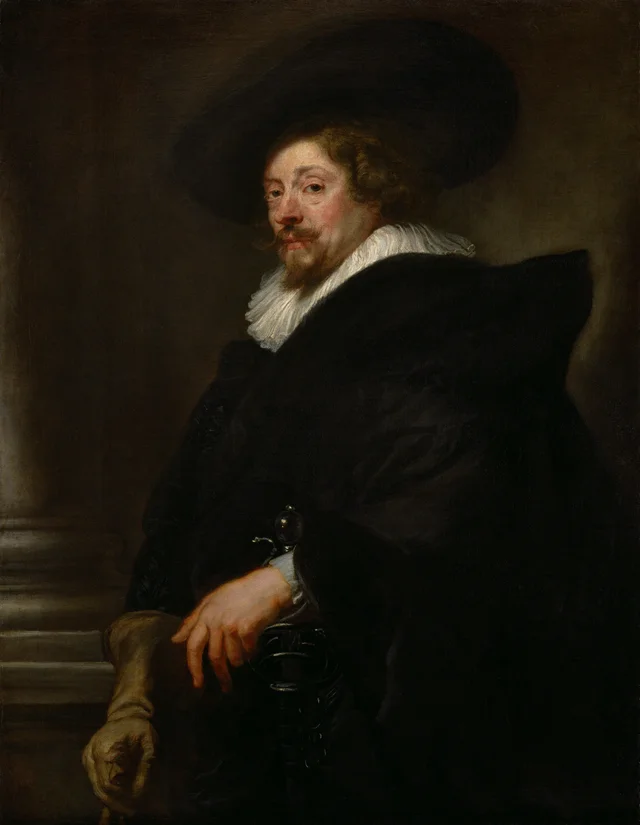 AutoritrattoPieter Paul Rubens, 1638
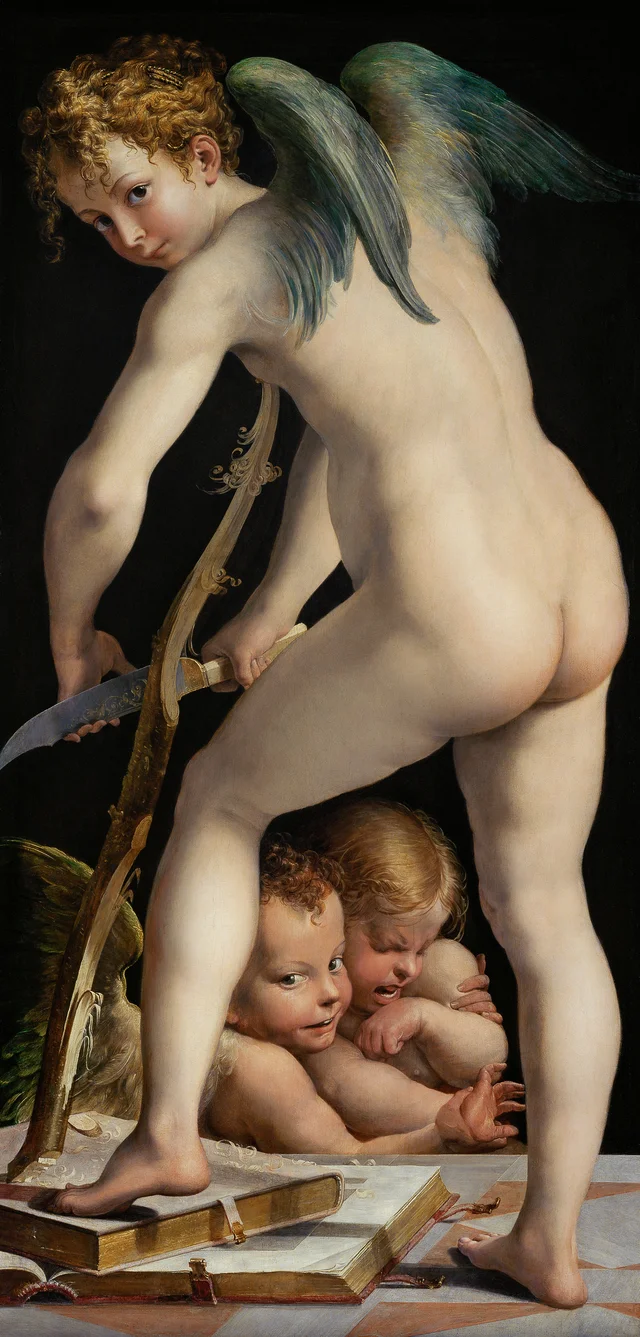 Amore che fabbrica l'arcoParmigianino, 1536
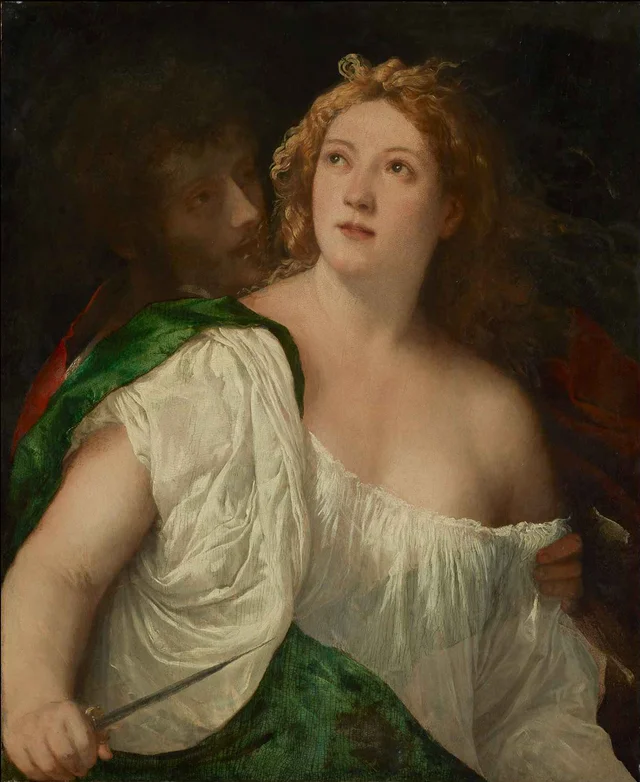 Lucrezia e il marito Lucio Tarquinio CollatinoTiziano, 1515
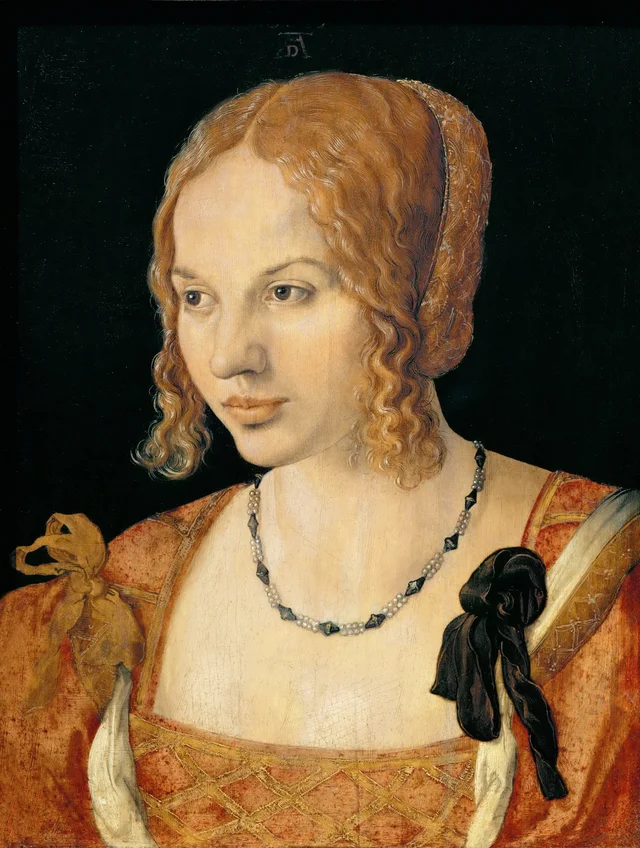 Ritratto di venezianaAlbrecht Dürer, 1505
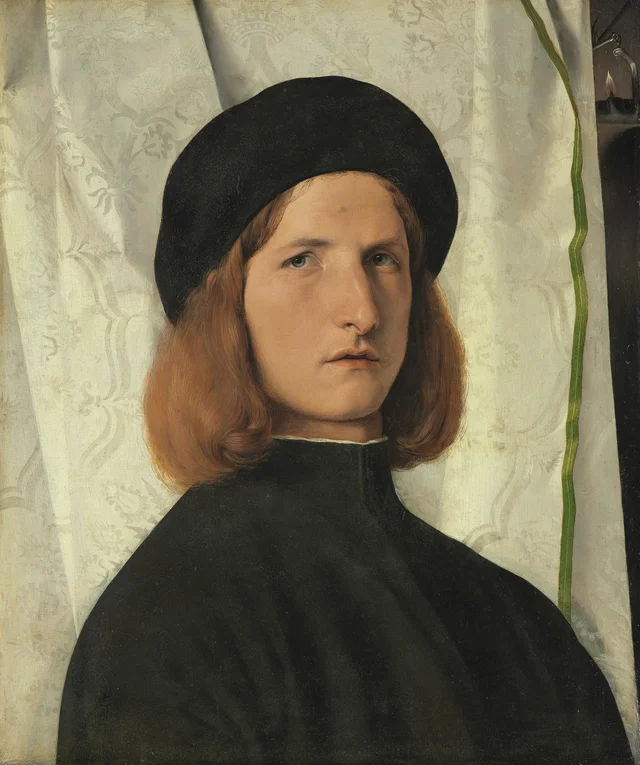 Ritratto di giovane con lucernaLorenzo Lotto, 1508
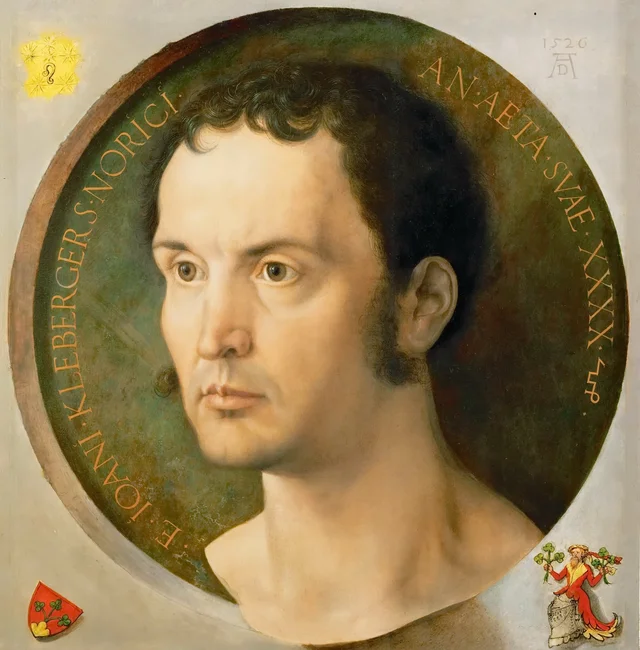 Ritratto di Johann KleebergerAlbrecht Dürer, 1526
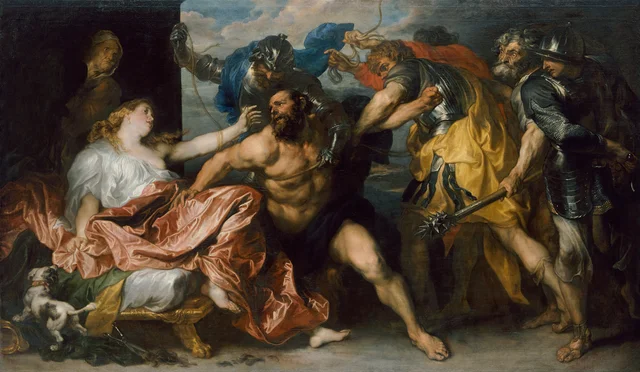 Sansone e DalilaAnton van Dyck, 1630
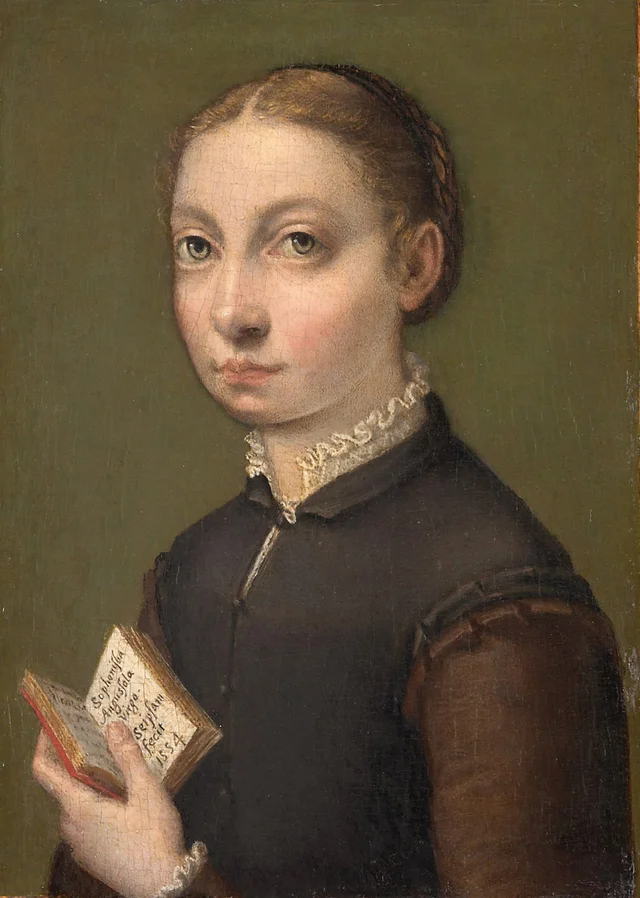 AutoritrattoSofonisba Anguissola, 1554
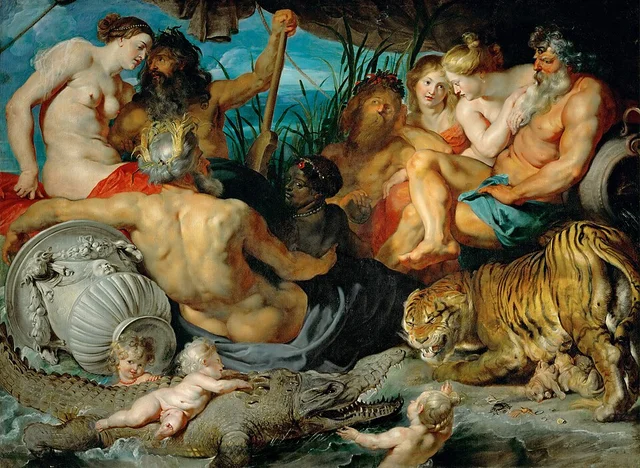 I quattro continentiPieter Paul Rubens, 1615