La storia
Il Louvre nacque come fortezza. Filippo II Augusto la eresse sulla riva destra della Senna intorno al 1190 per difendere la Parigi medievale, e nei secoli successivi i re di Francia la trasformarono in un palazzo reale, finché Luigi XIV nel 1682 spostò la corte a Versailles e lasciò le sale incompiute alle collezioni reali e agli artisti che vi alloggiavano.
Fu la Rivoluzione a farne un museo pubblico. Il 10 agosto 1793 il Muséum central des arts aprì le porte, mostrando le opere confiscate alla corona e alla Chiesa a qualunque cittadino volesse entrare. Napoleone lo riempì con il bottino delle sue campagne e per un breve periodo gli diede il proprio nome. Molto fu restituito dopo Waterloo, ma l'idea rimase, una collezione nazionale ordinata per lo studio e gratuita per il pubblico.
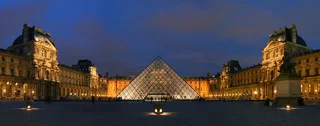
Oggi il Louvre conserva più di 35.000 opere, dalla Venere di Milo alla Zattera della Medusa di Géricault. La folla, però, si accalca verso un piccolo ritratto. Nell'agosto 1911 sparì: Vincenzo Peruggia, un tuttofare italiano che aveva lavorato nel museo, staccò dalla parete la Gioconda di Leonardo e la portò fuori sotto il cappotto. Per due anni la cornice restò vuota mentre i visitatori venivano a fissare quel vuoto, e il dipinto tornò solo nel 1913, dopo che Peruggia cercò di venderlo a un mercante di Firenze. La piramide di vetro di I. M. Pei, collocata nel cortile nel 1989, segna oggi l'ingresso.
Altri articoli
Collezione
1174 opere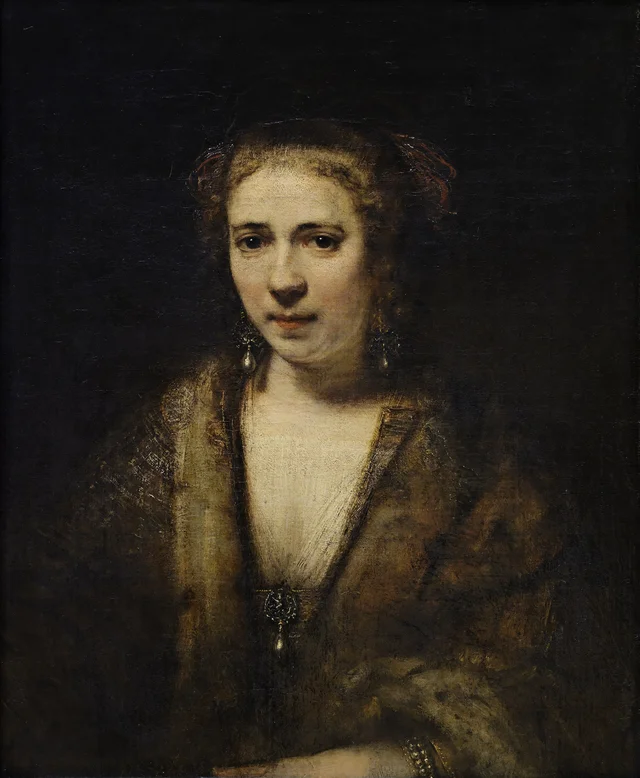 Hendrickje StoffelsRembrandt, 1654
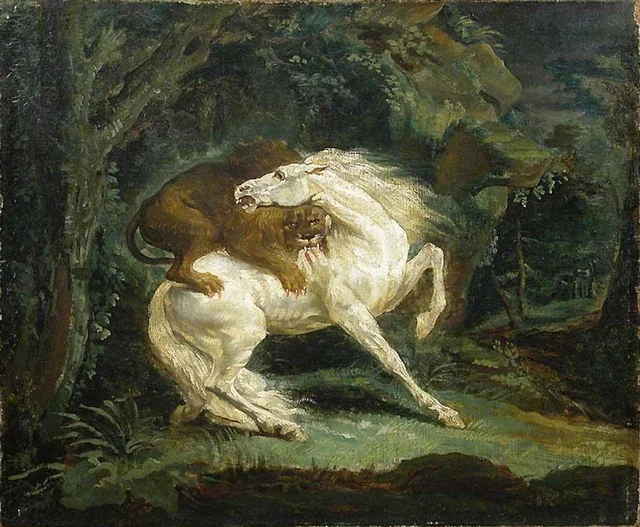 Cavallo assalito da un leoneThéodore Géricault, 1820
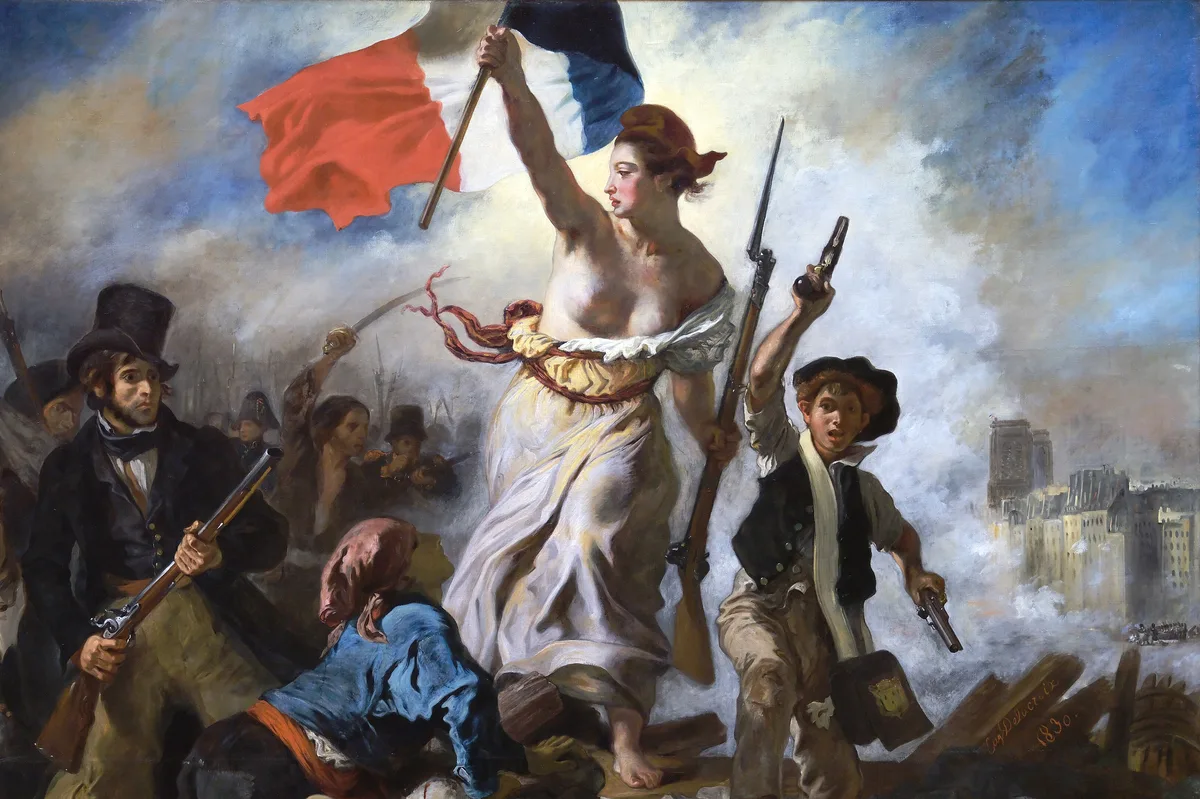
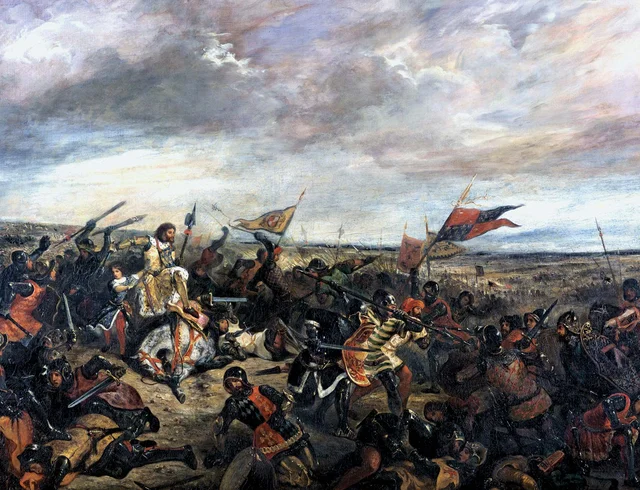 La battaglia di PoitiersEugène Delacroix, 1830
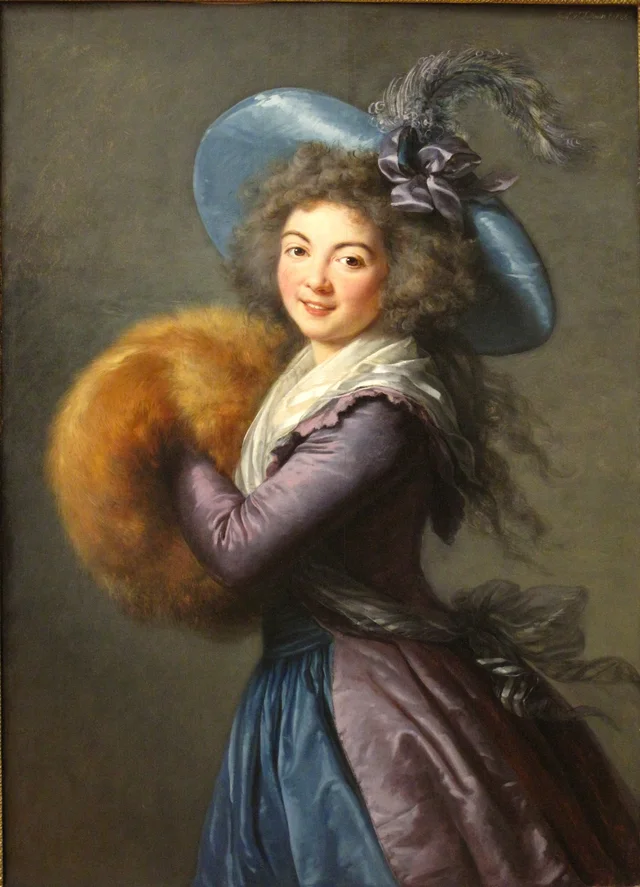 Madame Molé-Reymond con manicottoÉlisabeth Louise Vigée Le Brun, 1786
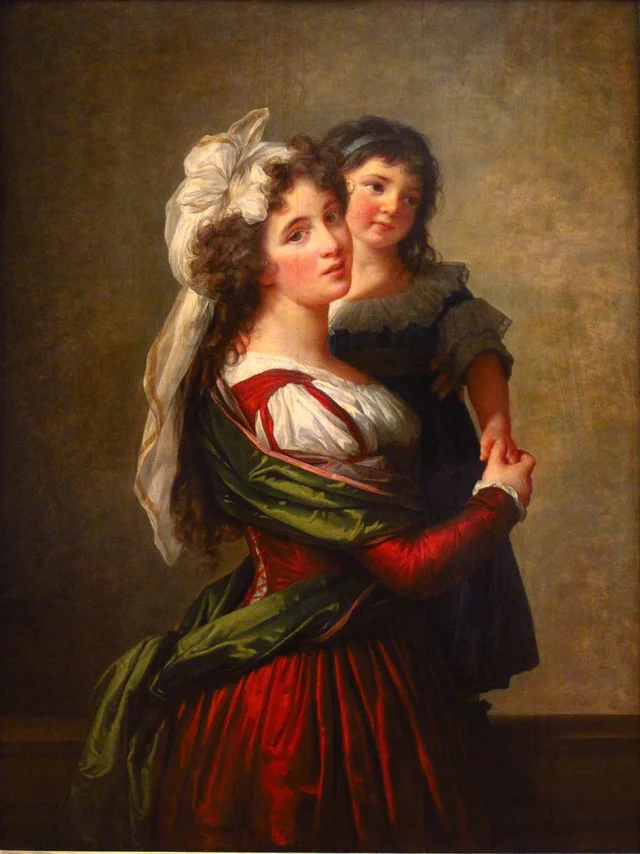 Madame Rousseau e sua figliaÉlisabeth Louise Vigée Le Brun, 1789
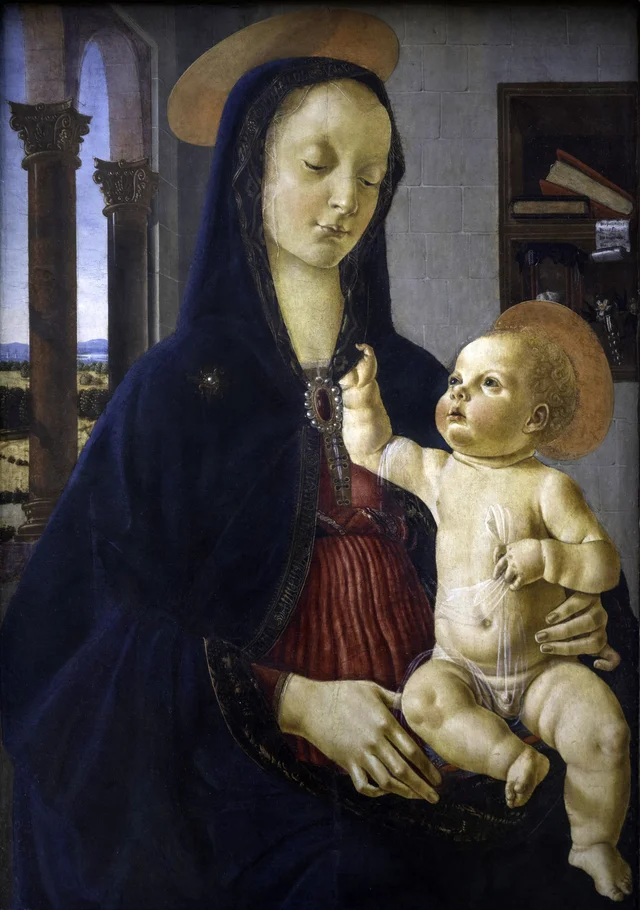 Madonna col BambinoDomenico Ghirlandaio, 1475
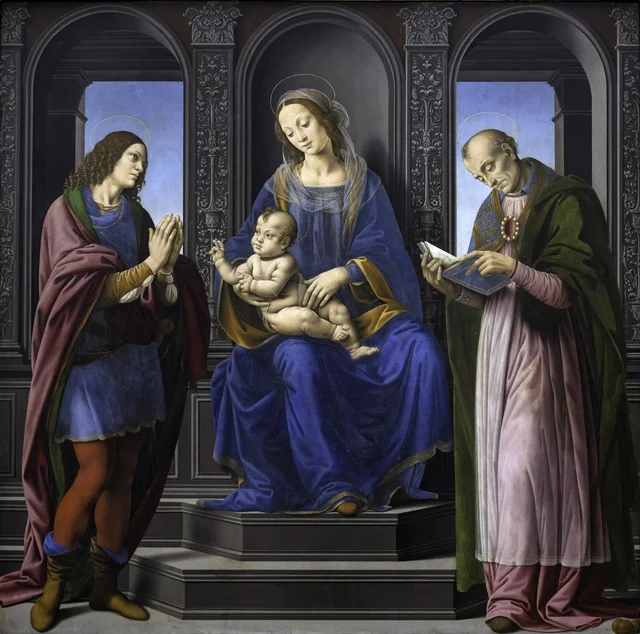 Madonna col Bambino tra i santi Giuliano e NicolaLorenzo di Credi, 1494
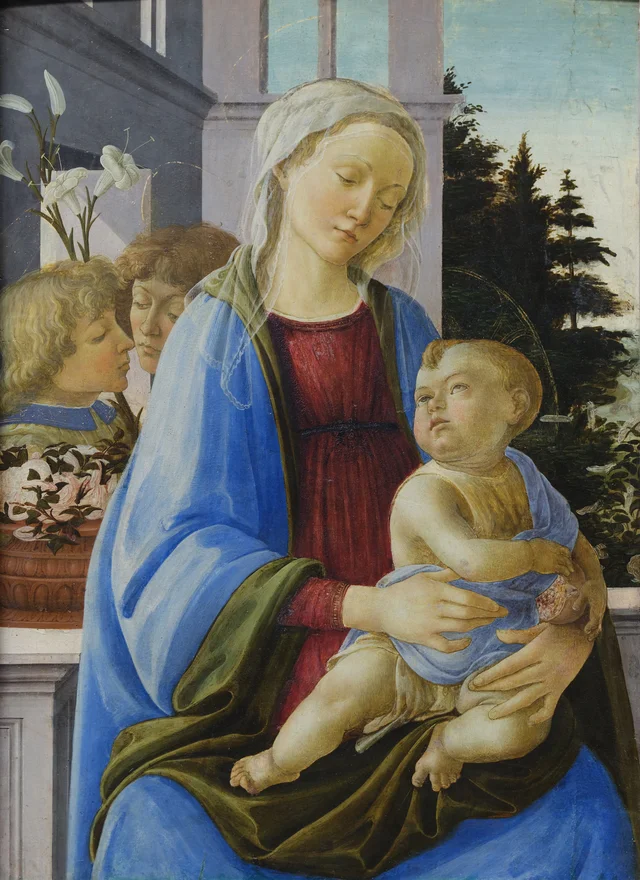 Madonna col Bambino e due angeliFilippino Lippi, 1472
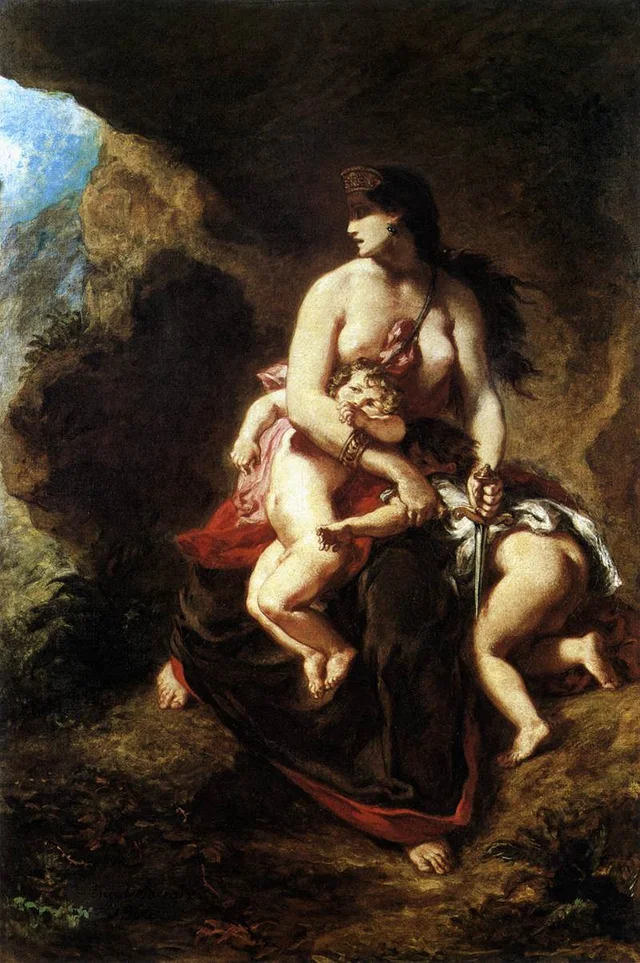 Medea sul punto di uccidere i suoi figliEugène Delacroix, 1862
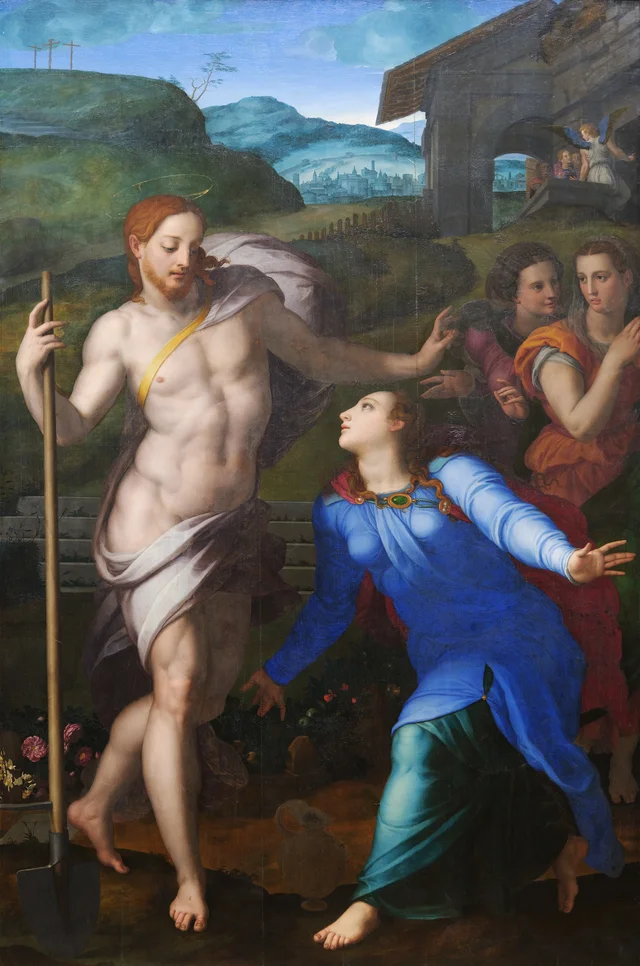 Noli me tangereBronzino, 1561
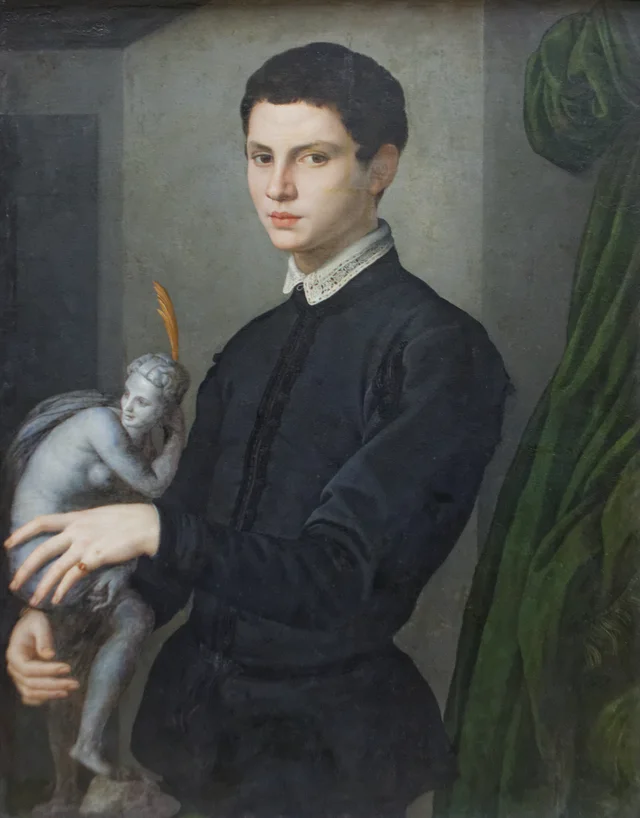 Ritratto di un uomo con una statuettaBronzino, 1550
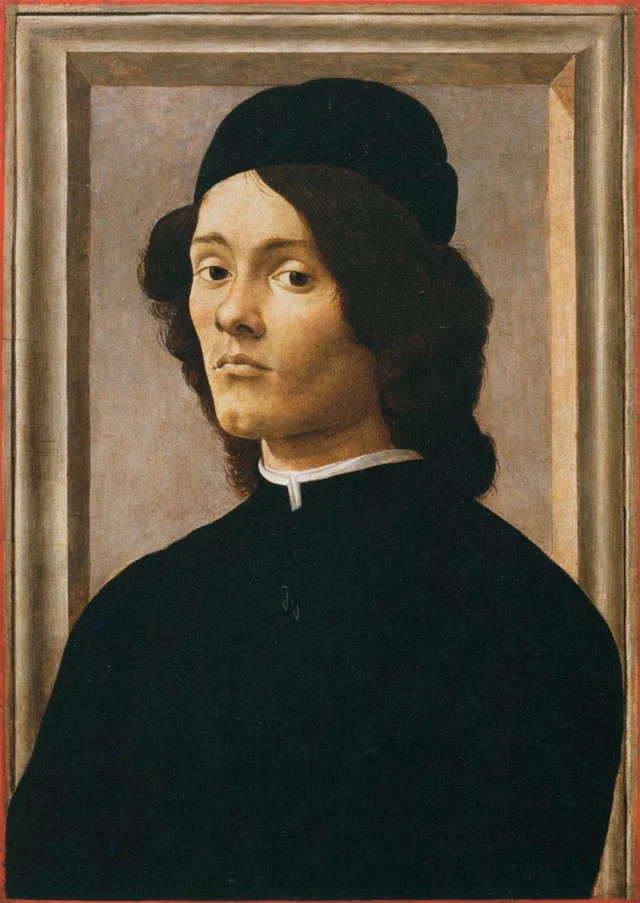 Ritratto di giovane uomoSandro Botticelli, 1490
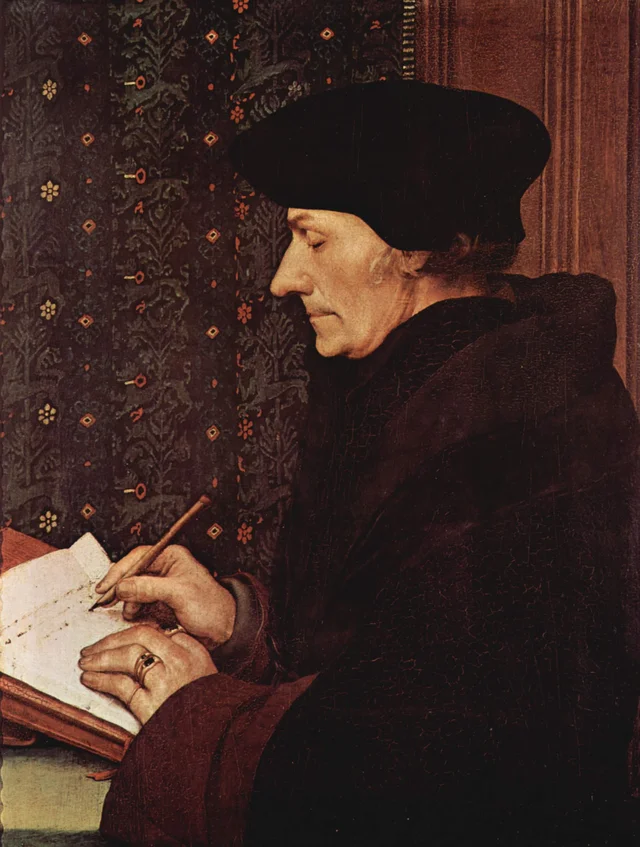 Ritratto di Erasmo (1467-1536) che scriveHans Holbein il Giovane, 1528
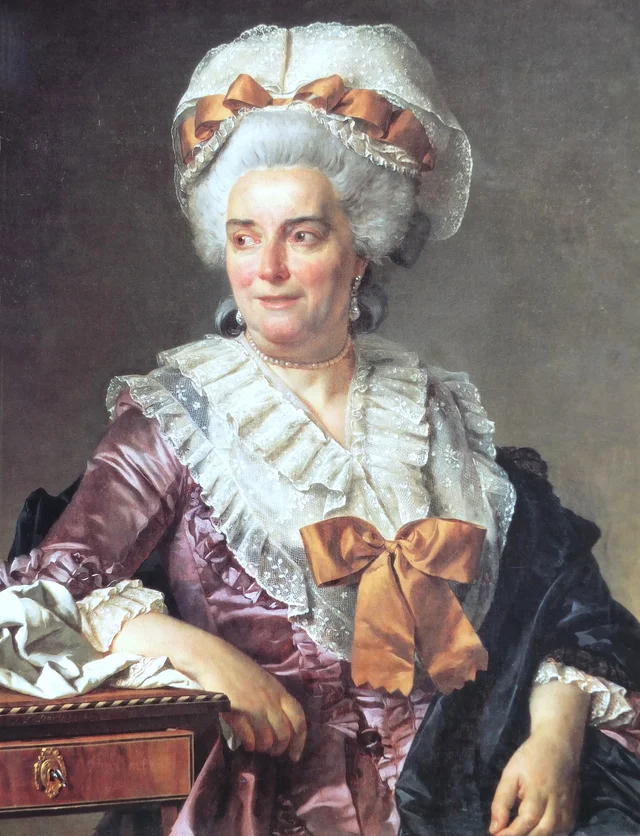 Ritratto di Madame Charles-Pierre PecoulJacques-Louis David, 1784
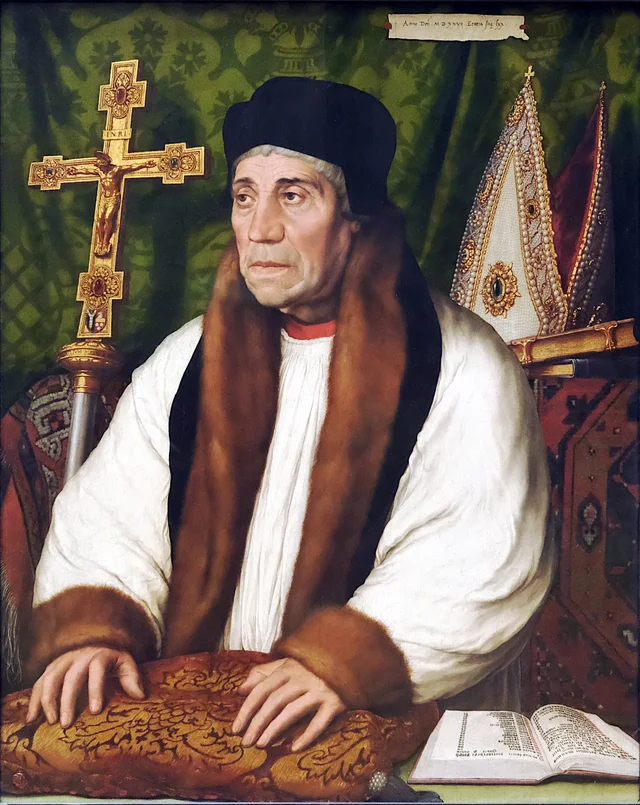 Ritratto di William WarhamHans Holbein il Giovane, 1528
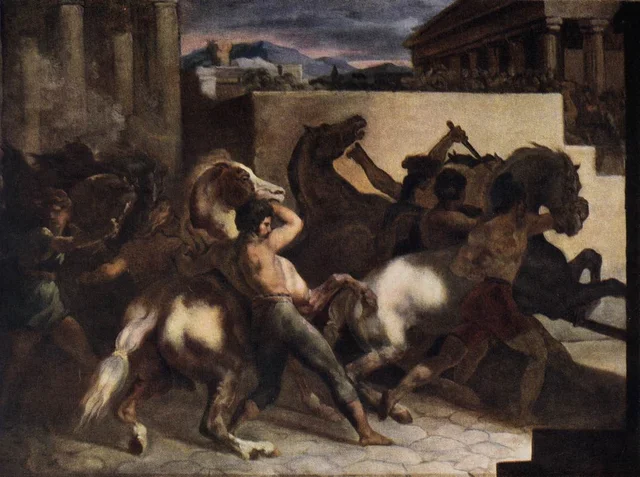 Corsa di cavalli liberiThéodore Géricault, 1817
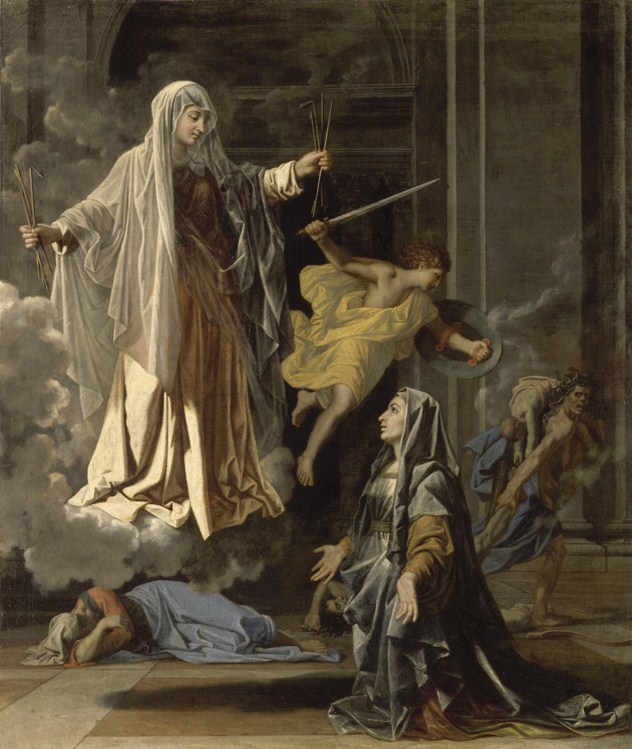 Santa Francesca Romana annuncia a Roma la fine della pesteNicolas Poussin, 1657
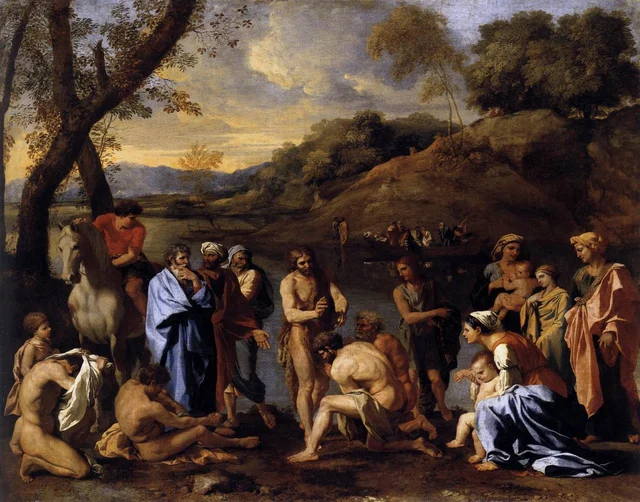 San Giovanni battezza il popoloNicolas Poussin, 1635
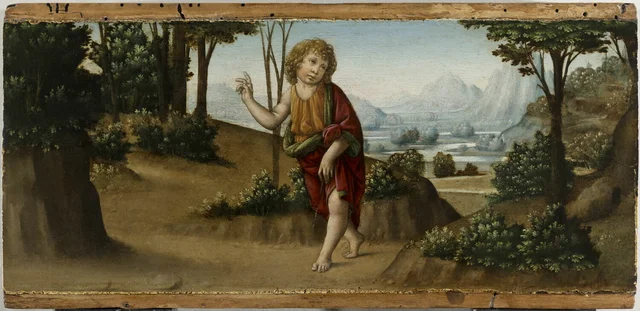 San Giovanni Battista che si ritira nel desertoLorenzo di Credi, 1480
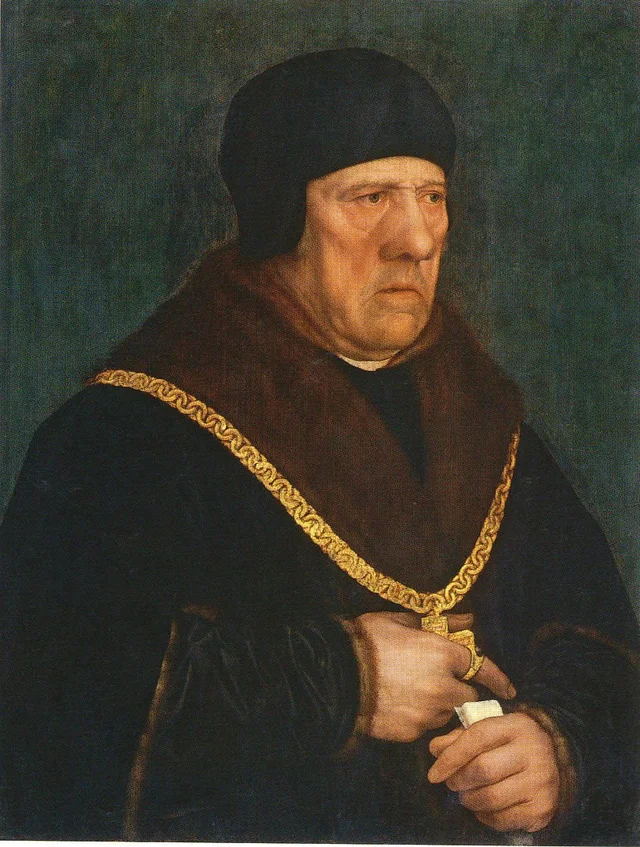 Sir Henry WyattHans Holbein il Giovane, 1528
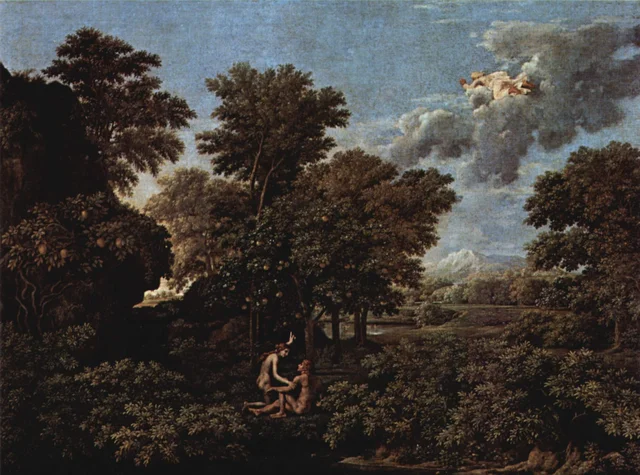 La primaveraNicolas Poussin, 1662
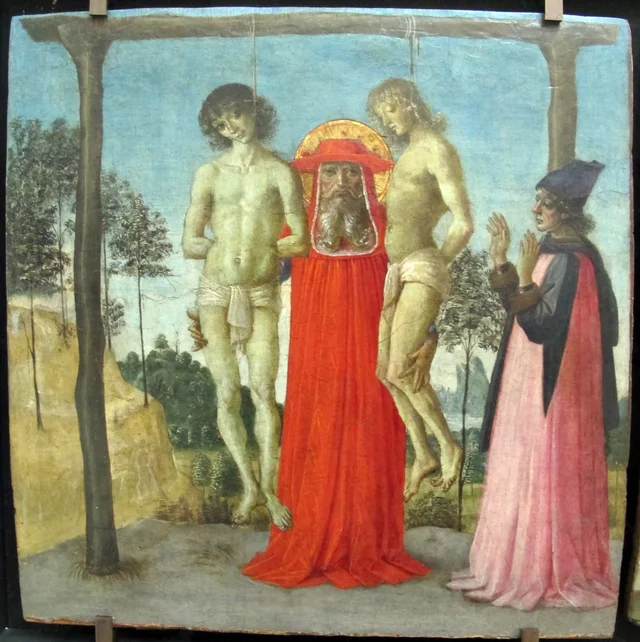 San Girolamo che sorregge due giovani impiccatiPietro Perugino, 1472
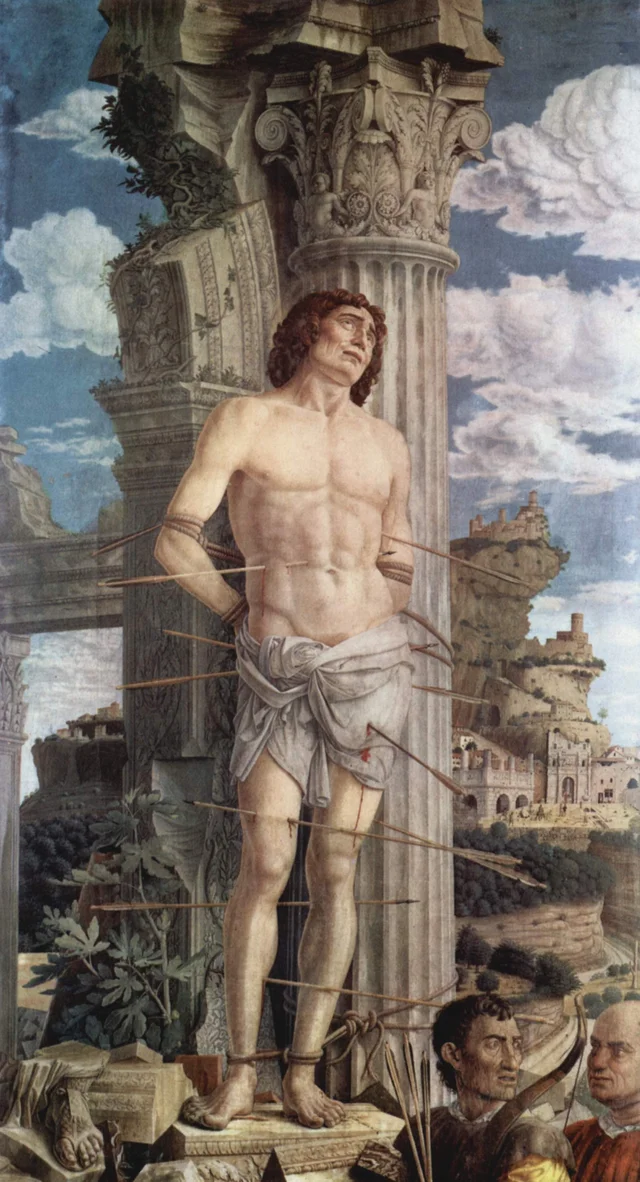 San SebastianoAndrea Mantegna, 1480
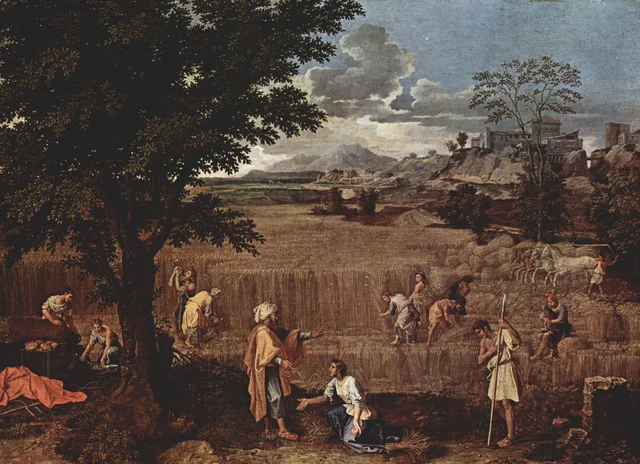 L'estateNicolas Poussin, 1660
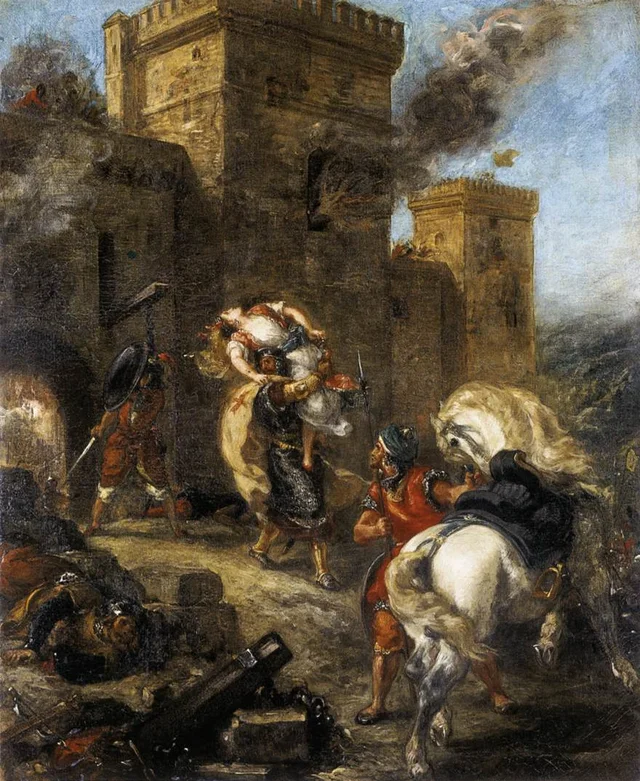 Il ratto di RebeccaEugène Delacroix, 1858