La storia
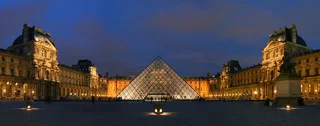
Il Louvre nacque come fortezza. Filippo II Augusto la eresse sulla riva destra della Senna intorno al 1190 per difendere la Parigi medievale, e nei secoli successivi i re di Francia la trasformarono in un palazzo reale, finché Luigi XIV nel 1682 spostò la corte a Versailles e lasciò le sale incompiute alle collezioni reali e agli artisti che vi alloggiavano.
Fu la Rivoluzione a farne un museo pubblico. Il 10 agosto 1793 il Muséum central des arts aprì le porte, mostrando le opere confiscate alla corona e alla Chiesa a qualunque cittadino volesse entrare. Napoleone lo riempì con il bottino delle sue campagne e per un breve periodo gli diede il proprio nome. Molto fu restituito dopo Waterloo, ma l'idea rimase, una collezione nazionale ordinata per lo studio e gratuita per il pubblico.
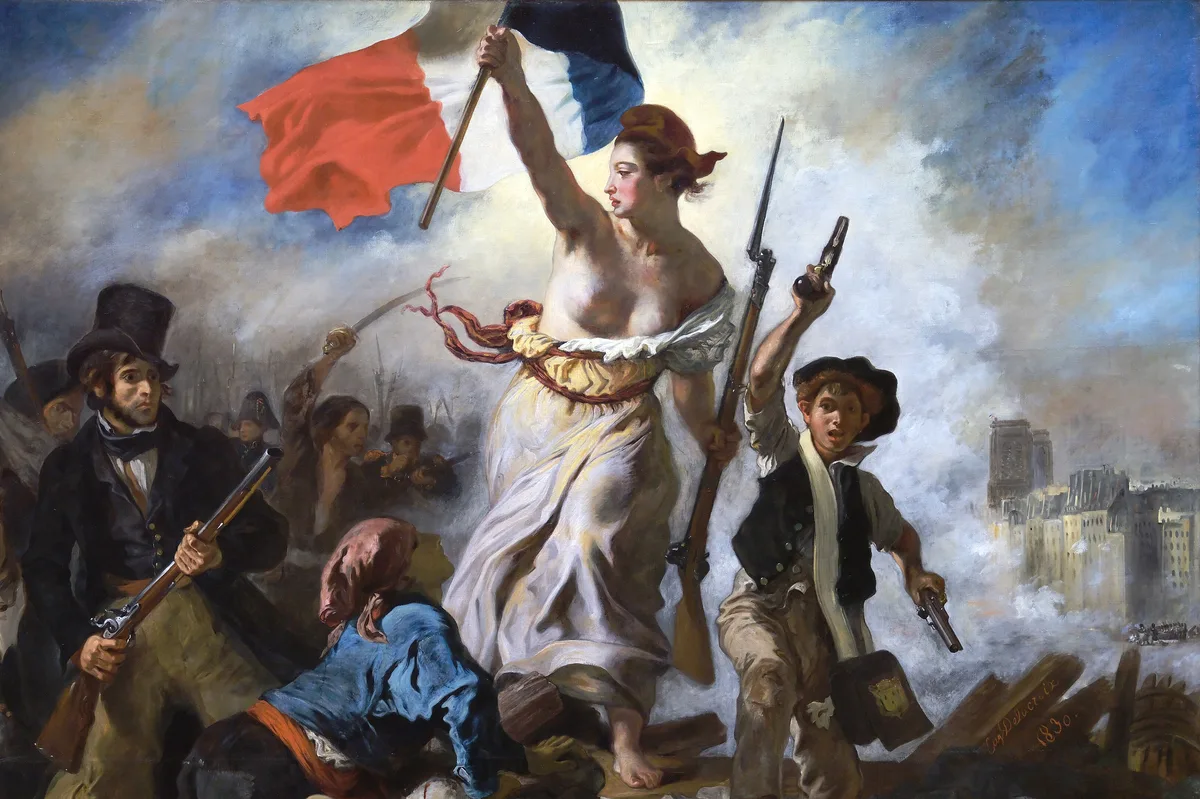
Oggi il Louvre conserva più di 35.000 opere, dalla Venere di Milo alla Zattera della Medusa di Géricault. La folla, però, si accalca verso un piccolo ritratto. Nell'agosto 1911 sparì: Vincenzo Peruggia, un tuttofare italiano che aveva lavorato nel museo, staccò dalla parete la Gioconda di Leonardo e la portò fuori sotto il cappotto. Per due anni la cornice restò vuota mentre i visitatori venivano a fissare quel vuoto, e il dipinto tornò solo nel 1913, dopo che Peruggia cercò di venderlo a un mercante di Firenze. La piramide di vetro di I. M. Pei, collocata nel cortile nel 1989, segna oggi l'ingresso.
Altri articoli
Collezione
1174 opere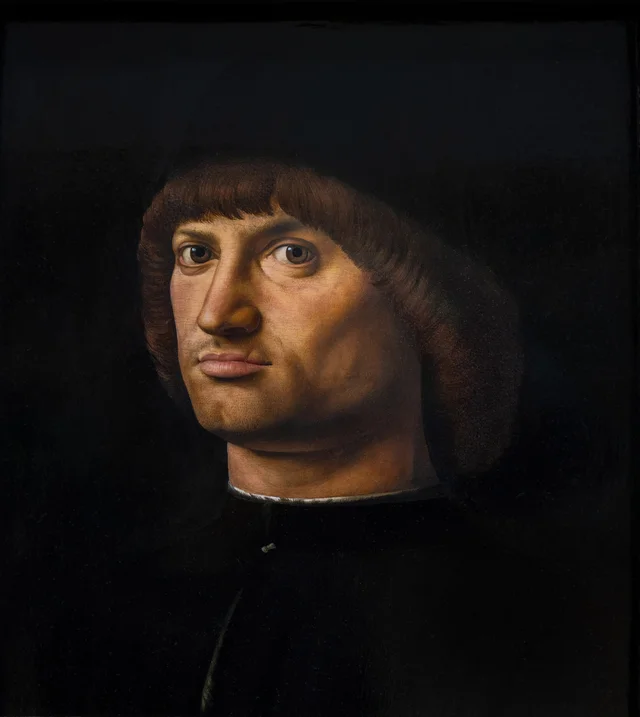 Ritratto d'uomo, detto il CondottiereAntonello da Messina, 1475
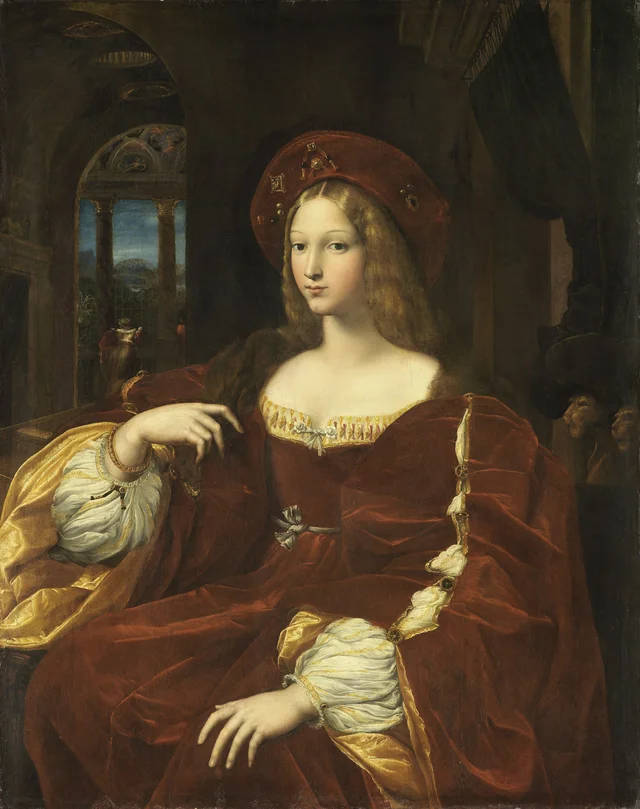 Ritratto di Isabel de Requesens y Enríquez de Cardona-AnglesolaRaffaello, 1518
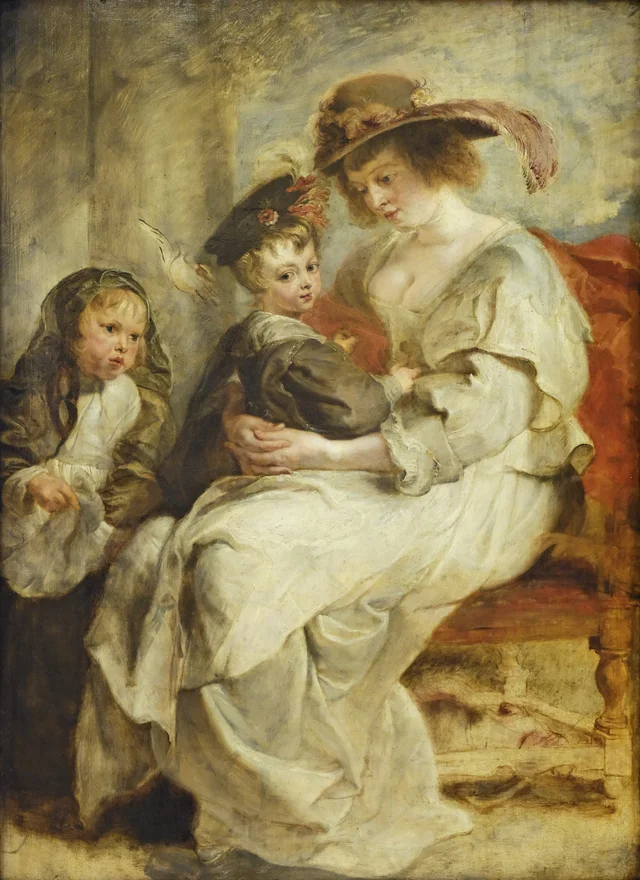 Ritratto di Helena Fourment con due dei suoi figliPieter Paul Rubens, 1636
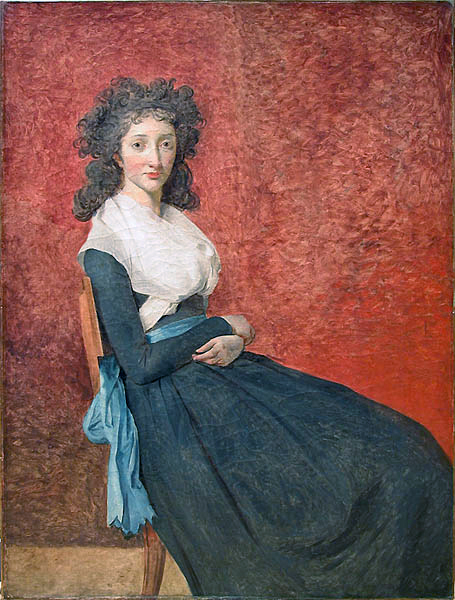 Ritratto di Madame Marie-Louise TrudaineJacques-Louis David, 1794
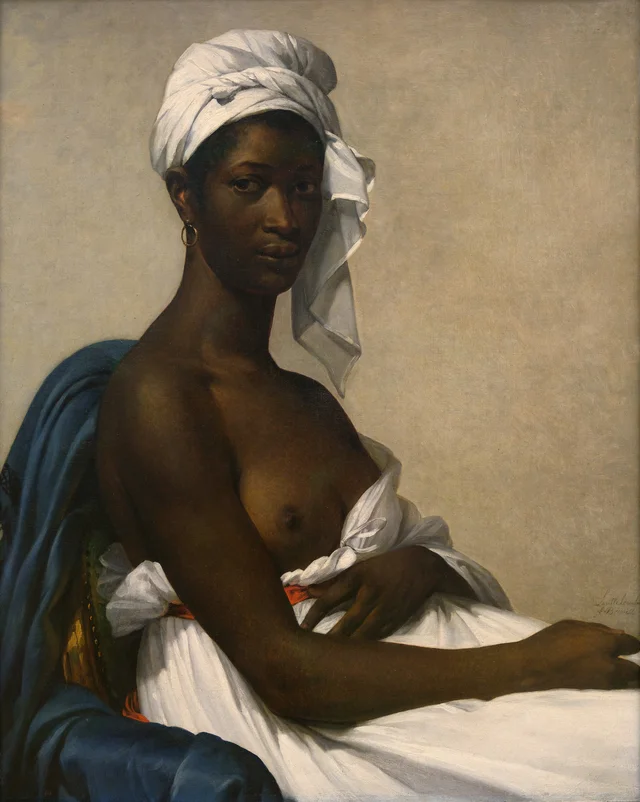 Ritratto di MadeleineMarie-Guillemine Benoist, 1800
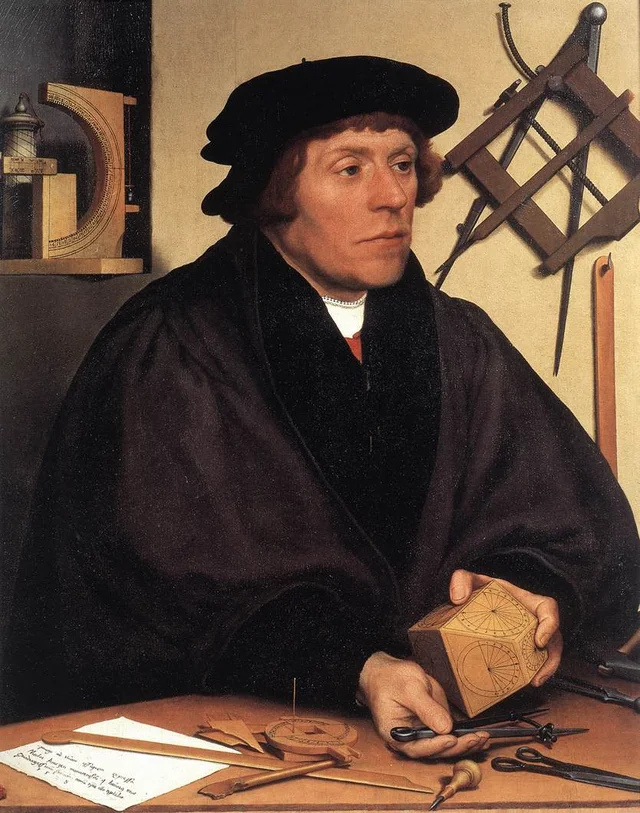 Ritratto di Nikolaus KratzerHans Holbein il Giovane, 1528
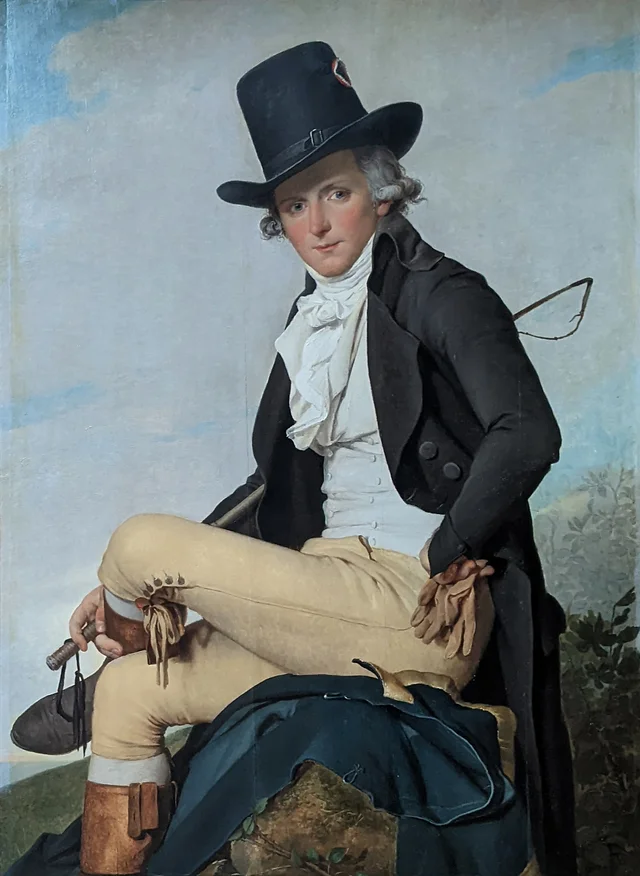 Ritratto di Pierre SériziatJacques-Louis David, 1795
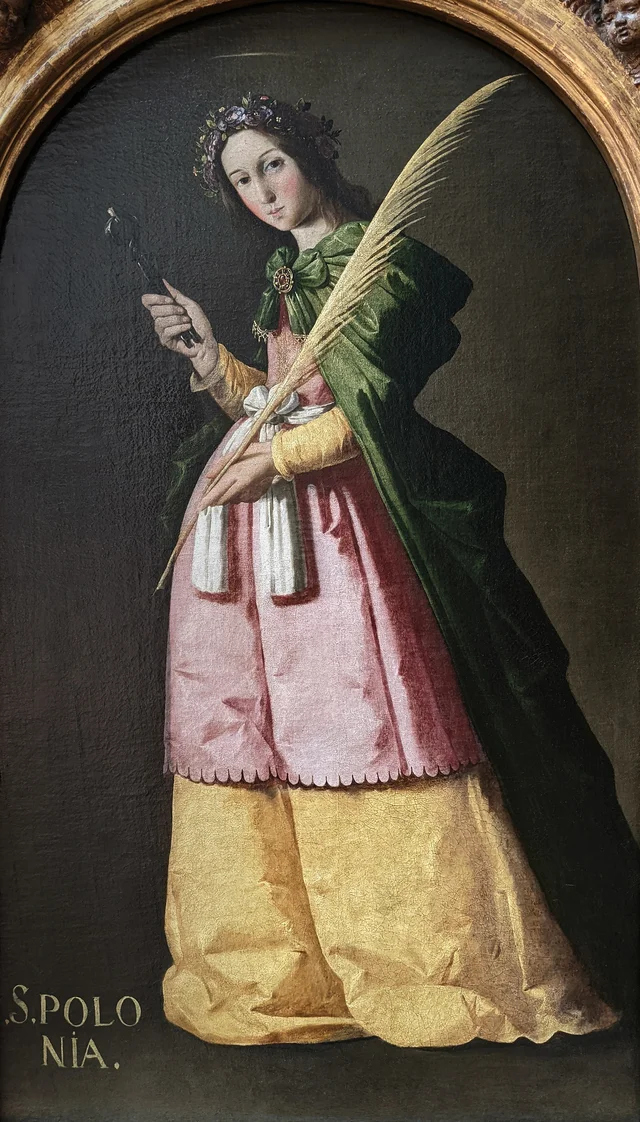 Sant'ApolloniaFrancisco de Zurbarán, 1637
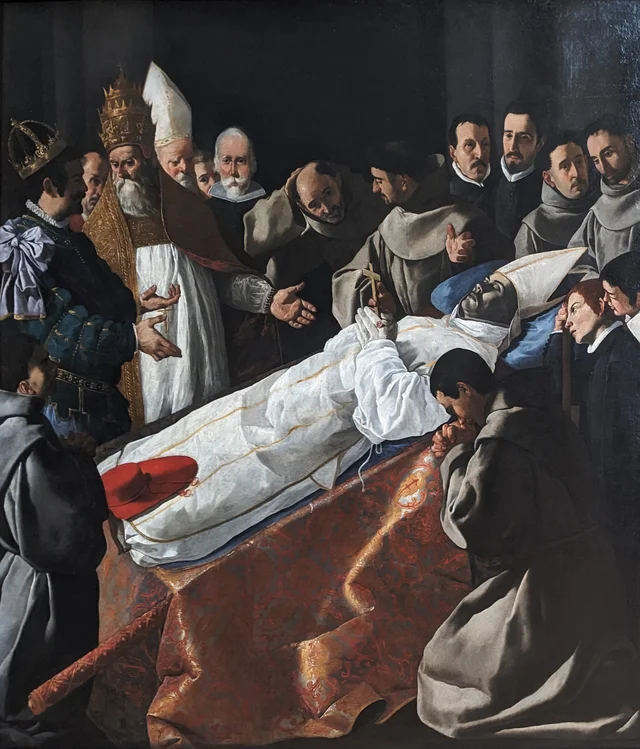 L'esposizione del corpo di san BonaventuraFrancisco de Zurbarán, 1629
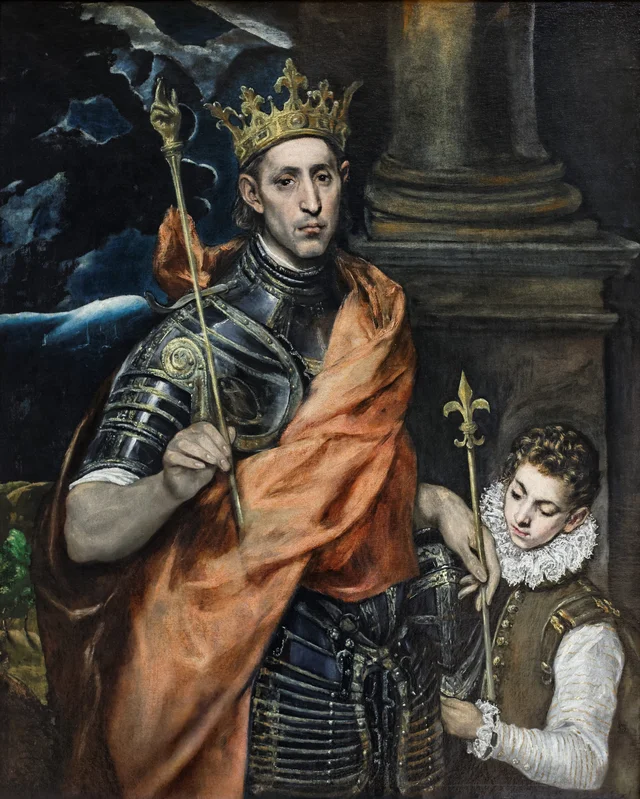 San Luigi, re di FranciaEl Greco, 1592
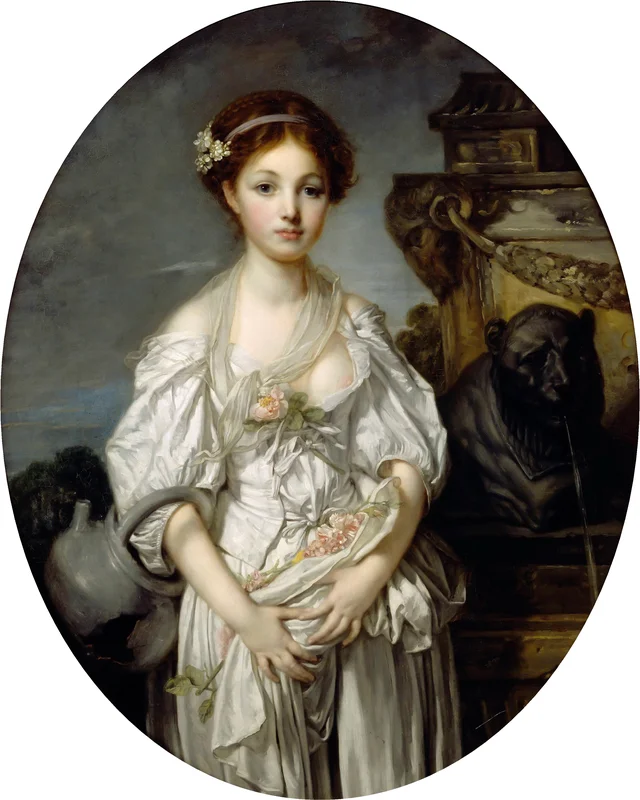 La brocca rottaJean-Baptiste Greuze, 1771
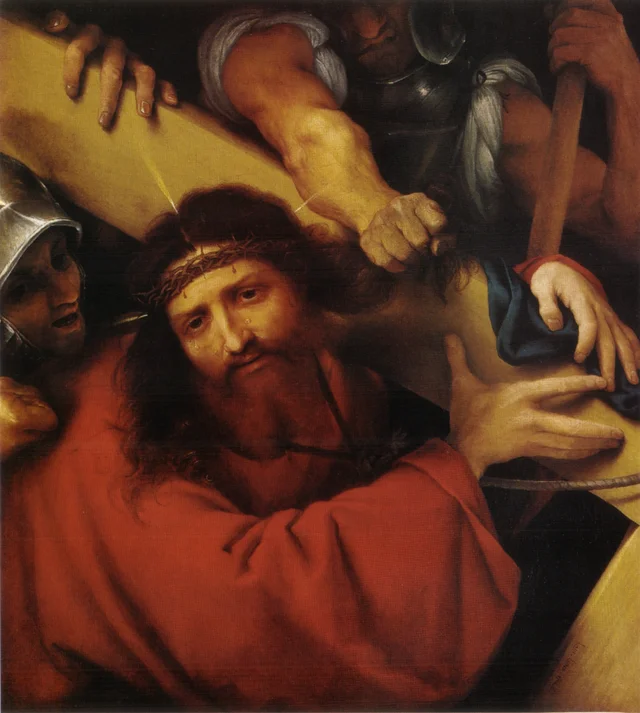 Andata al CalvarioLorenzo Lotto, 1526
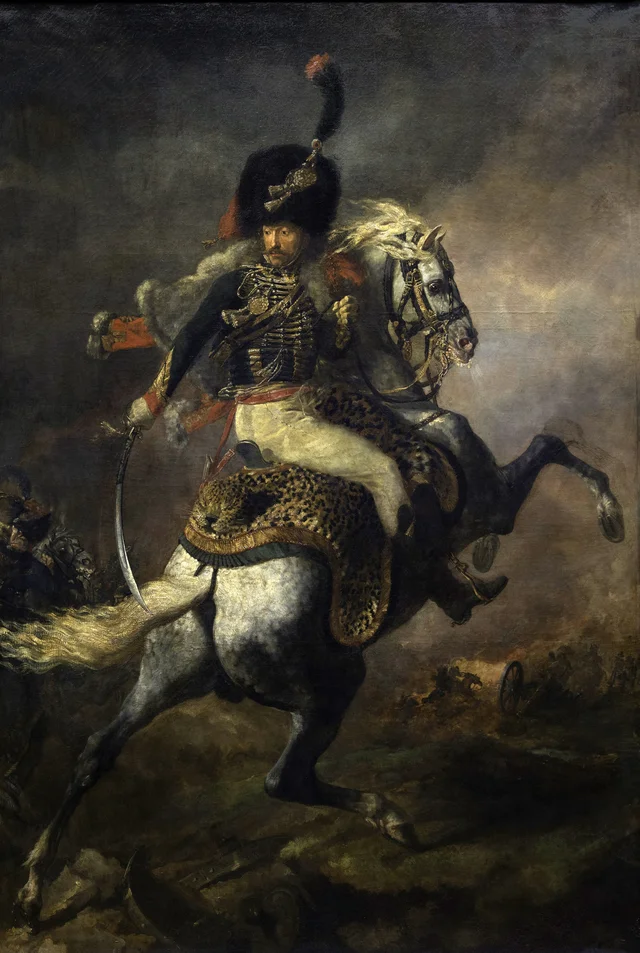 Ufficiale dei cacciatori a cavallo alla caricaThéodore Géricault, 1812
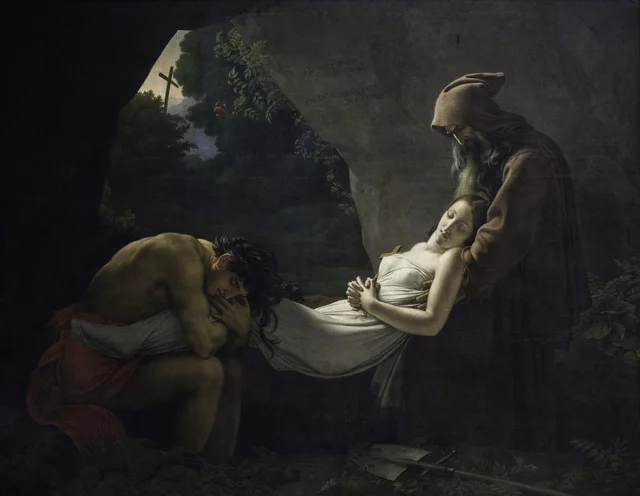 La sepoltura di AtalaAnne-Louis Girodet, 1808
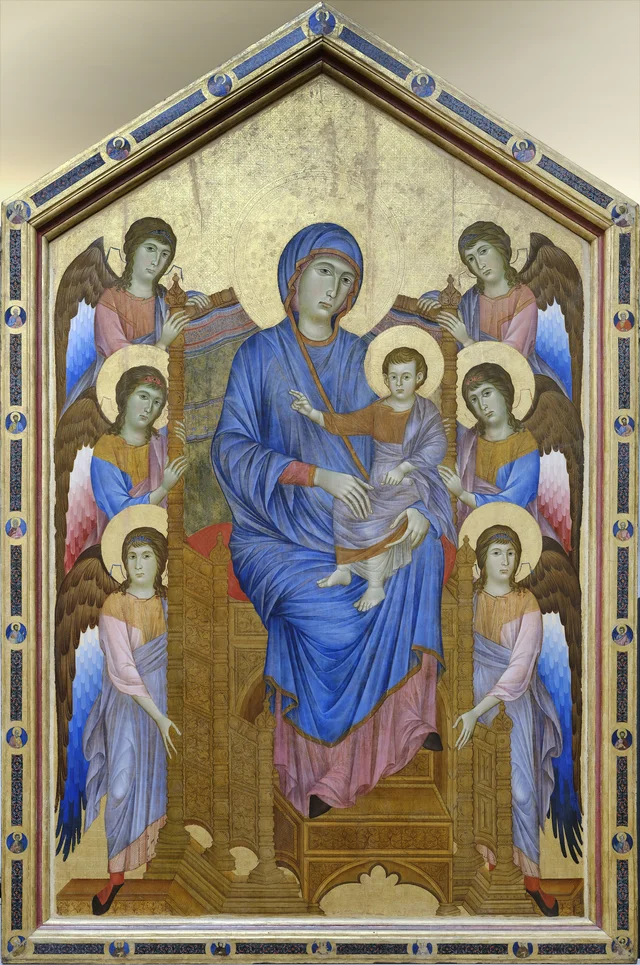 La Madonna col Bambino in maestà circondata da angeliCimabue, 1300
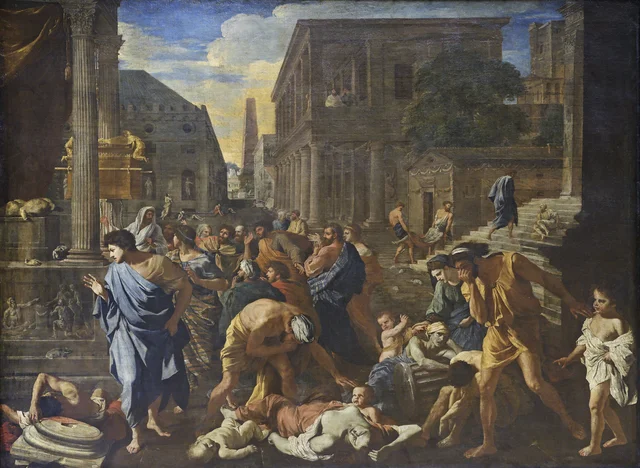 La peste di AsdodNicolas Poussin, 1630
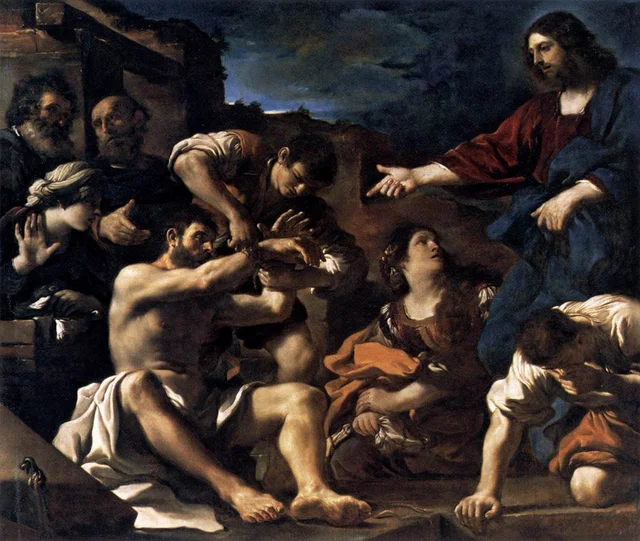 La resurrezione di LazzaroGuercino, 1619
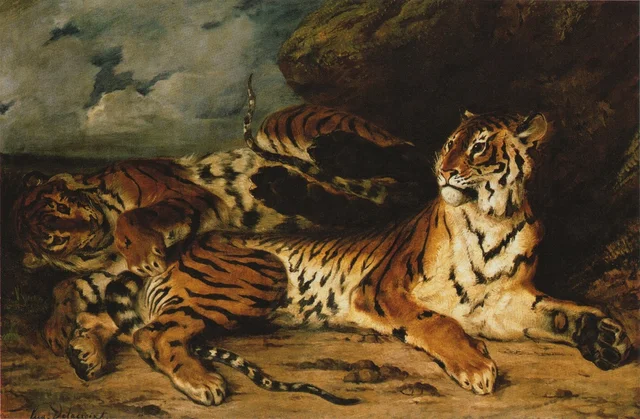 Giovane tigre che gioca con la madreEugène Delacroix, 1830
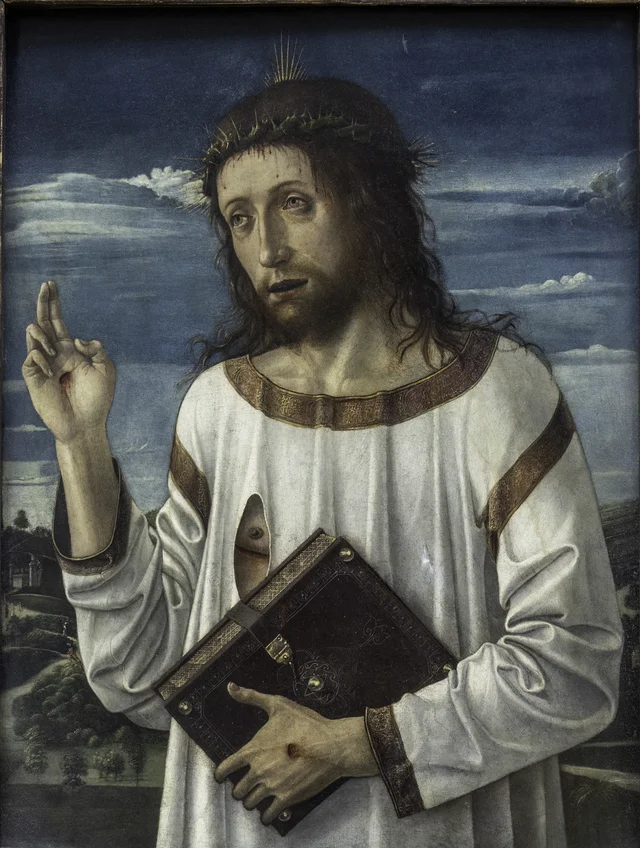 Cristo benedicenteGiovanni Bellini, 1464
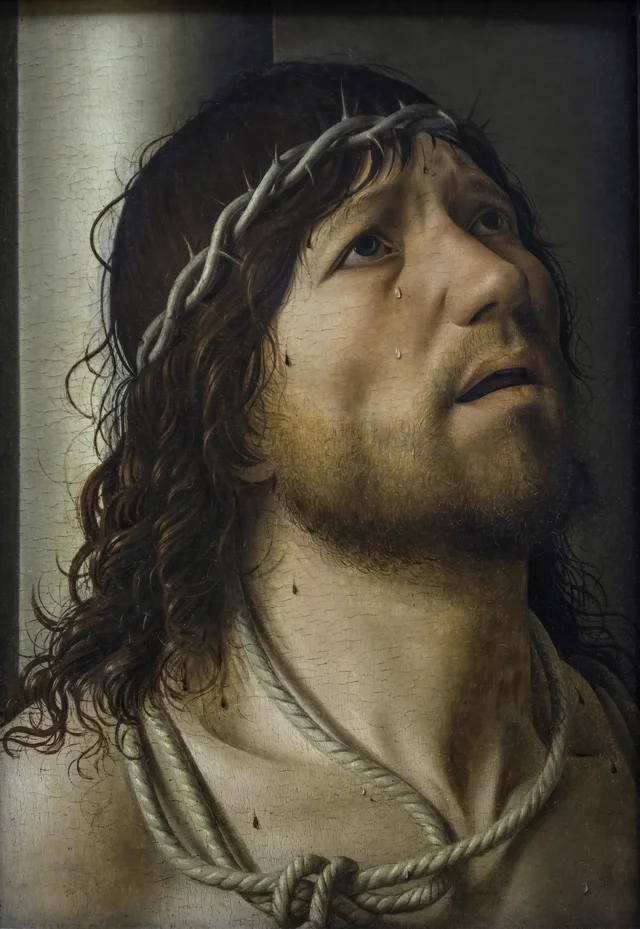 Cristo alla colonnaAntonello da Messina, 1477
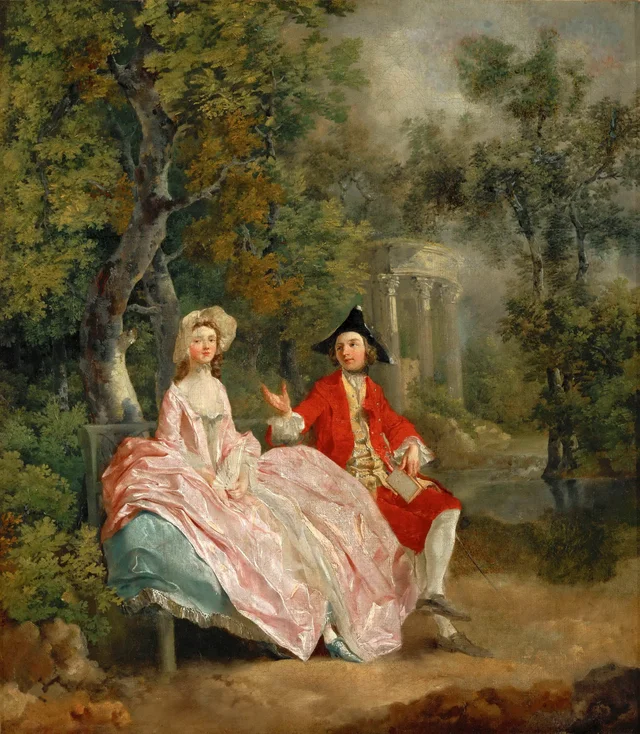 Conversazione in un parcoThomas Gainsborough, 1746
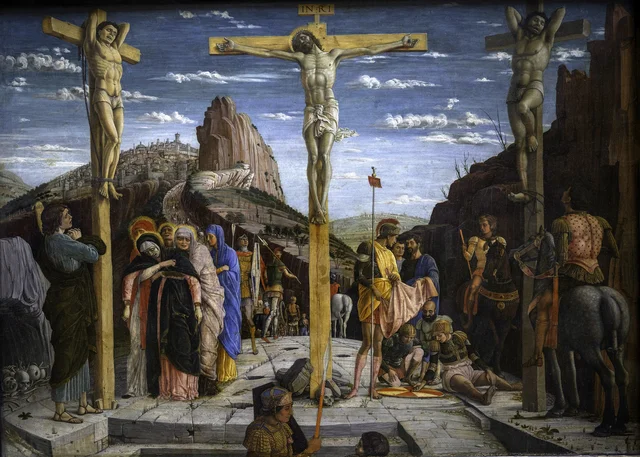 CrocifissioneAndrea Mantegna, 1457
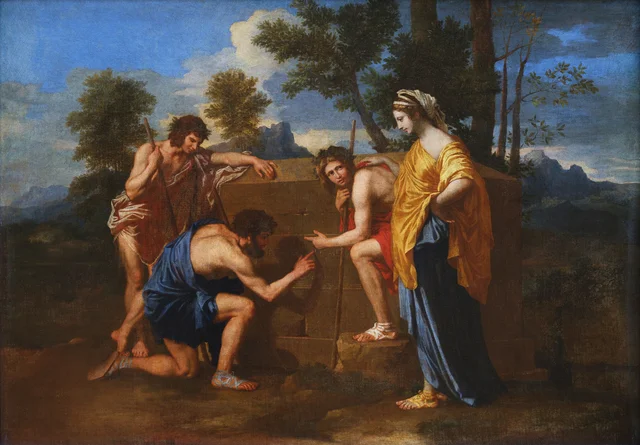 Et in Arcadia egoNicolas Poussin, 1638
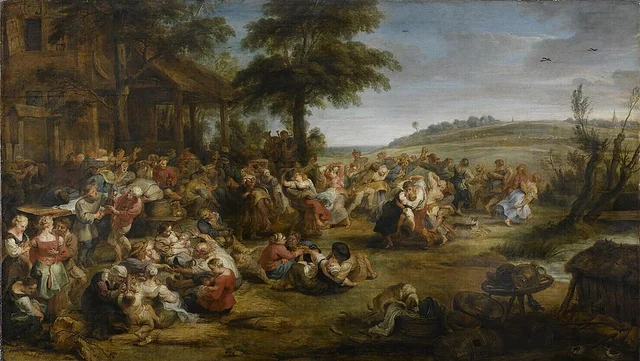 Contadini in festa e in danzaPieter Paul Rubens, 1635
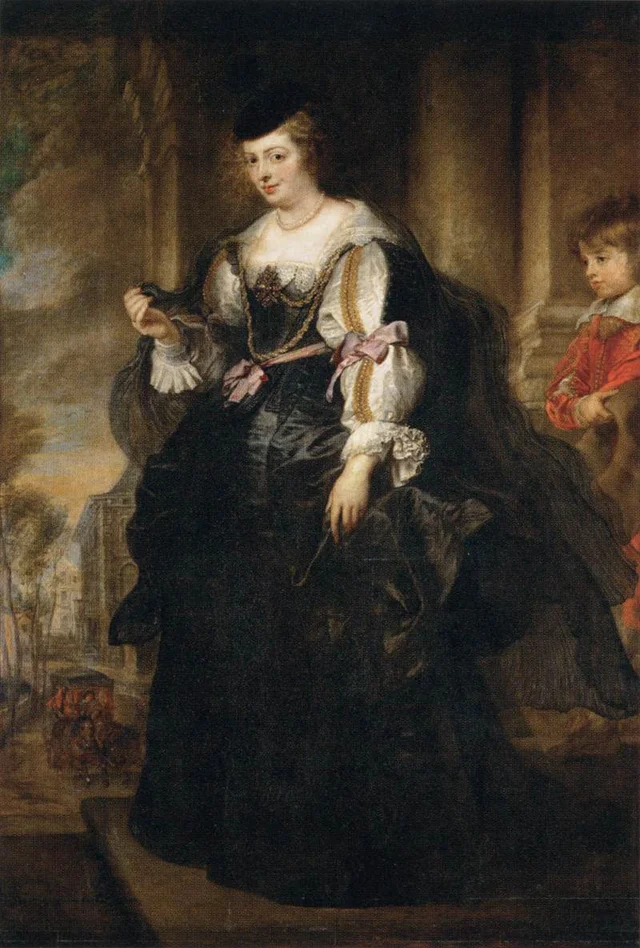 Helena Fourment con una carrozzaPieter Paul Rubens, 1639