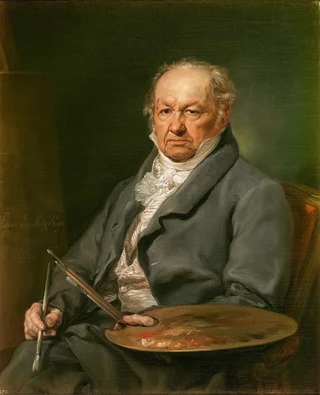
フランシスコ・ゴヤ
1746–1828 · スペイン · ロマン主義
ストーリー
フランシスコ・デ・ゴヤは、18世紀のスペインで画家が到達しうる高みにほぼ達した人物だった。アラゴンの地方都市の出から身を起こし、マドリードで国王付きの首席宮廷画家にまで上り詰め、明るいタペストリーの下絵や王室の肖像画を量産していた。ところが1792年の冬、いまだに確たる病名のわからない病に倒れる。数か月に及ぶ発熱、めまい、耳鳴りの果てに、病が去ったとき彼は完全な聾となり、残りの35年の生涯をその状態のまま過ごすことになった。宮廷画家の地位は保ち続けたが、その作風はどこか内へ、そして暗い方へと転じていった。
自らの沈黙のうちに閉ざされたまま、彼は魔女、ロバ、怪物にあふれた一連の銅版画《ロス・カプリチョス》を制作した。そのうちの一枚には「理性の眠りは怪物を生む」との銘がある。やがて歴史がこの私的な暗闇に追いついてくる。1808年、ナポレオンの軍がスペインになだれ込み、皇帝の兄弟を王座につけると、マドリードの民衆はこれに蜂起し、フランス軍は反乱者たちを夜通し次々に銃殺した。数年後、ゴヤはその夜を描いた――白いシャツの男が、顔のない銃殺隊を前に両腕を広げ、その間にはランタンが一つ地面に置かれている。しばしばこれは、栄光のかけらもない、最初の真に近代的な戦争画と評される。
晩年、彼はさらに先へ進んだ。老い、聾となり、自らが生き抜いてきたものに病んだ彼は、マドリード郊外の自宅の壁を、誰に売るためでもない絵で埋め尽くした。黒く、私的で、悪夢のような作品群であり、そのなかには自らの子を貪り食う巨大な神も含まれている。彼はそれらに一つも題を与えず、私たちはそれを「黒い絵」と呼んでいる。80歳近くになり、スペイン王室と折り合いがつかなくなって国を離れ、フランスのボルドーへ向かった際も、彼はそれらを持っていかなかった。壁画は数十年後に壁から剥がされ、いまはマドリードに架かっている。
他の記事
作品
374点の作品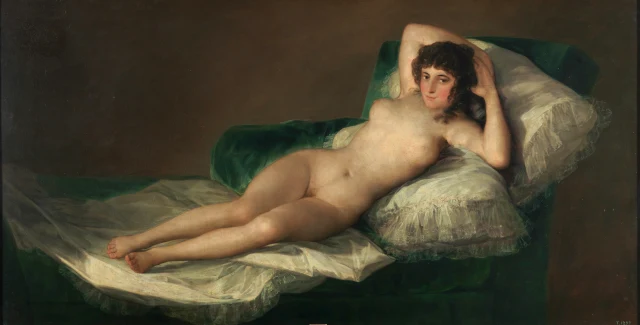 裸のマハフランシスコ・ゴヤ, 1800
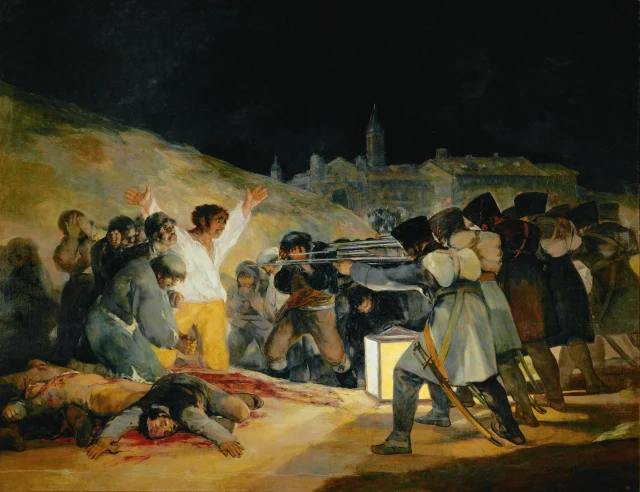 1808年5月3日、マドリードにてフランシスコ・ゴヤ, 1814
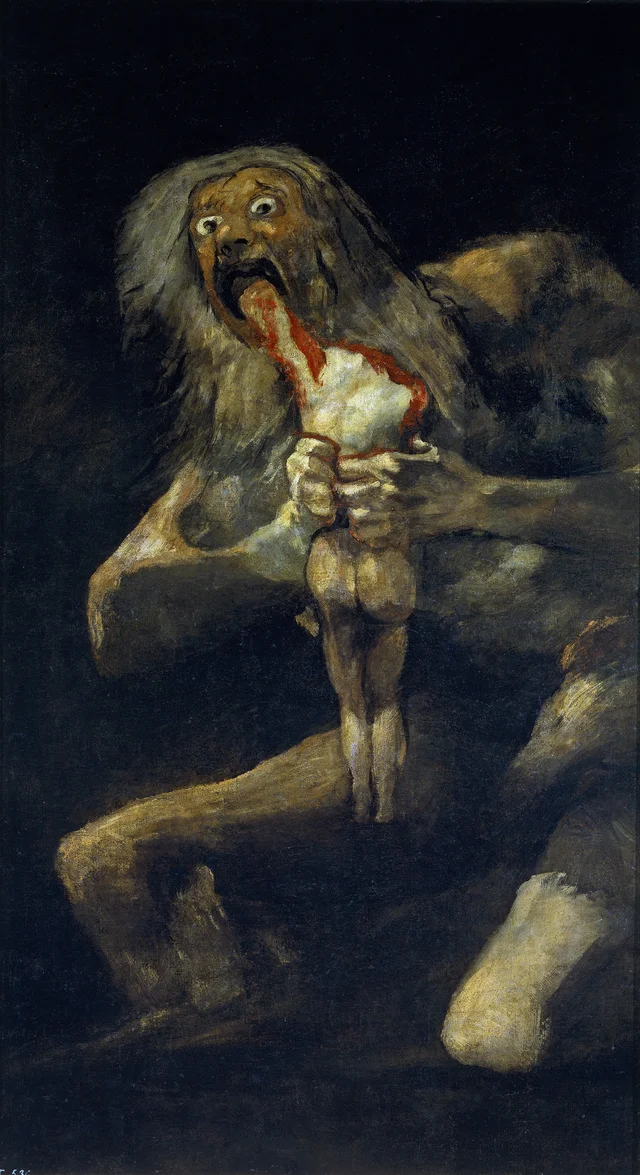 我が子を食らうサトゥルヌスフランシスコ・ゴヤ, 1819
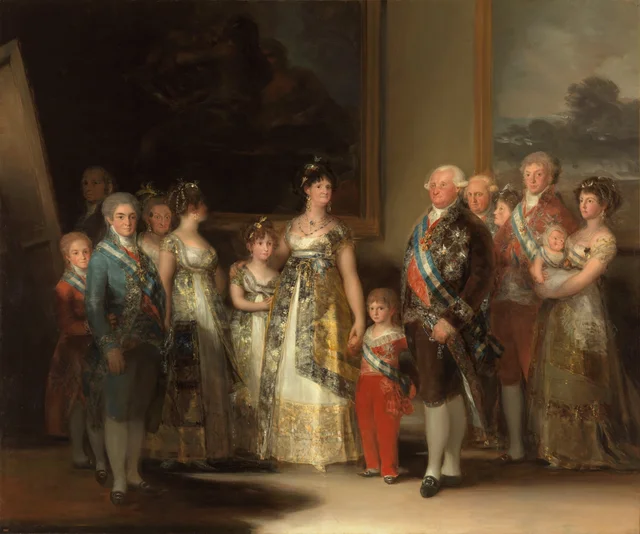 カルロス4世の家族フランシスコ・ゴヤ, 1800
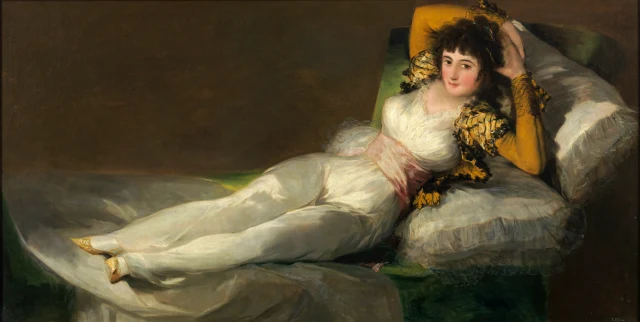 着衣のマハフランシスコ・ゴヤ, 1800
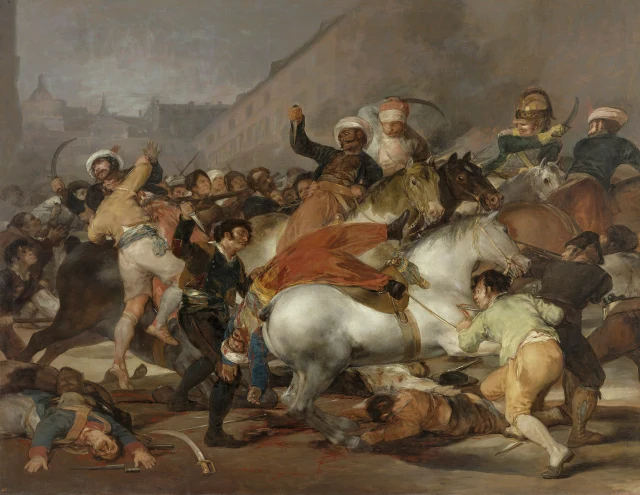 1808年5月2日フランシスコ・ゴヤ, 1814
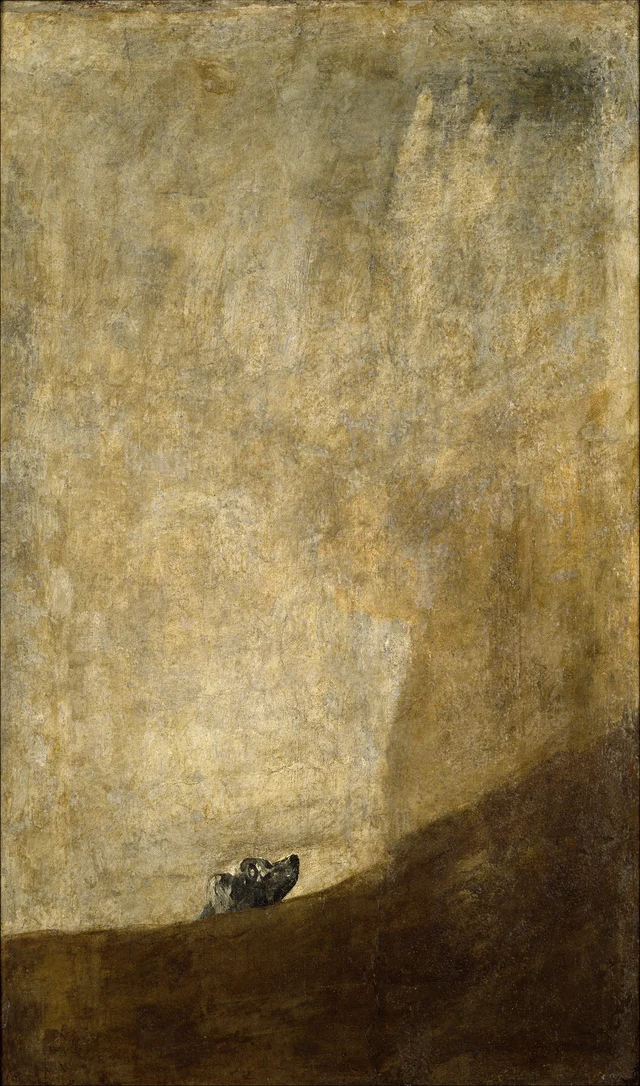 犬フランシスコ・ゴヤ, 1819
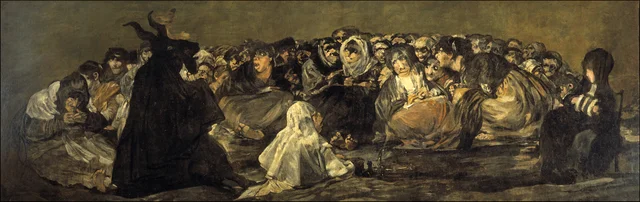 魔女の夜宴フランシスコ・ゴヤ, 1820
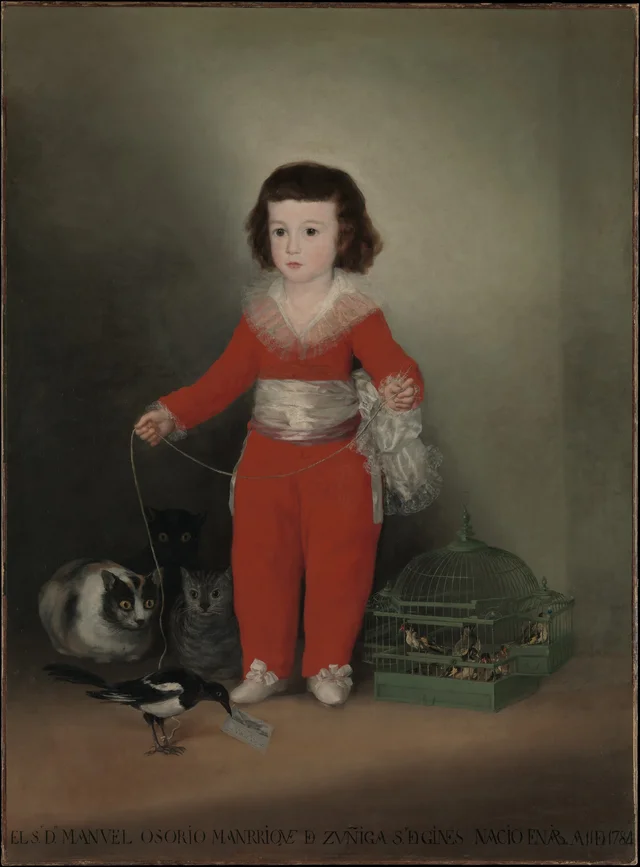 ドン・マヌエル・オソリオ・マンリケ・デ・スニガフランシスコ・ゴヤ, 1787
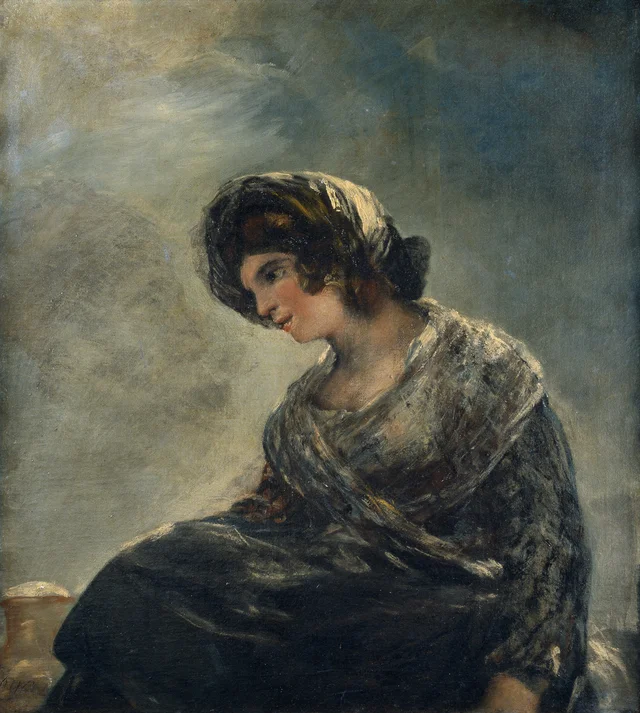 ボルドーの牛乳売り娘フランシスコ・ゴヤ, 1827
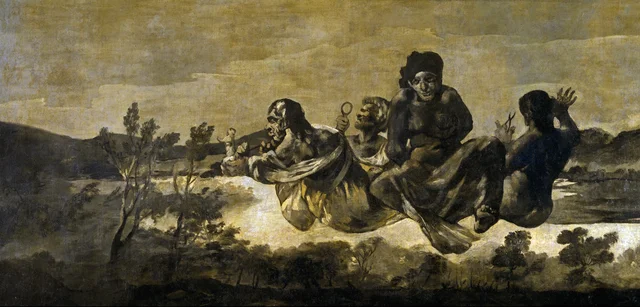 アトロポスフランシスコ・ゴヤ, 1819
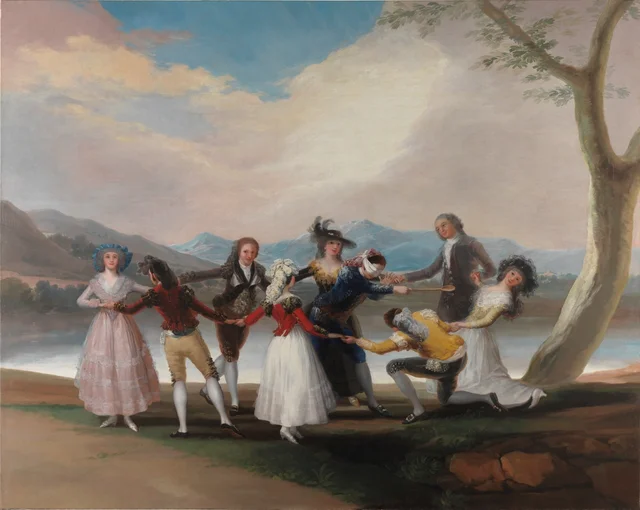 目隠し鬼フランシスコ・ゴヤ, 1788
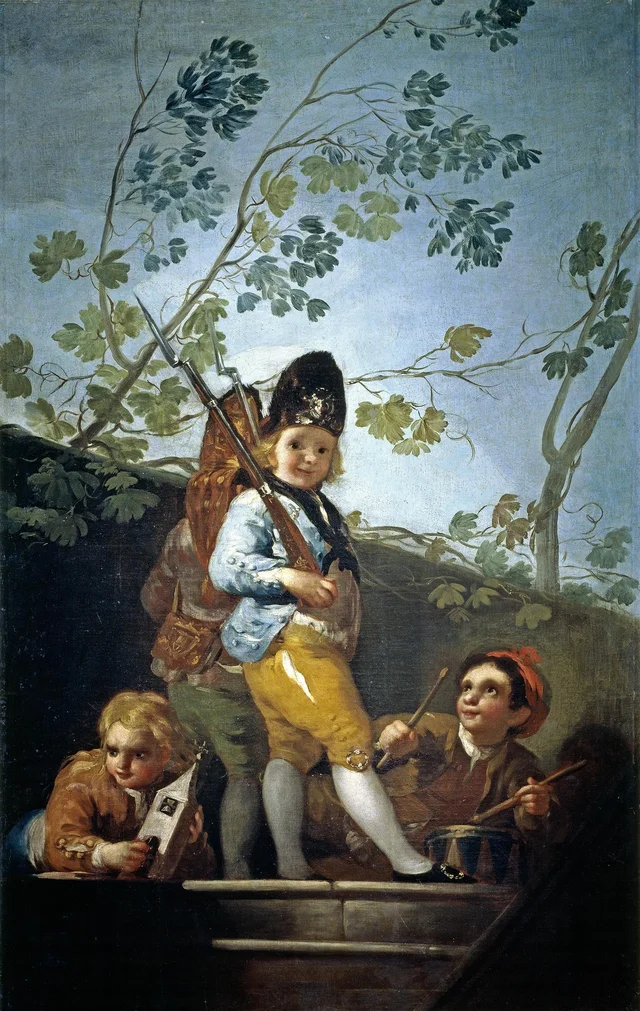 兵隊ごっこをする子供たちフランシスコ・ゴヤ, 1778
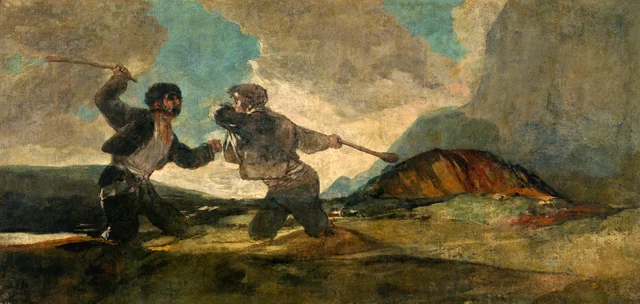 棍棒での決闘フランシスコ・ゴヤ, 1820
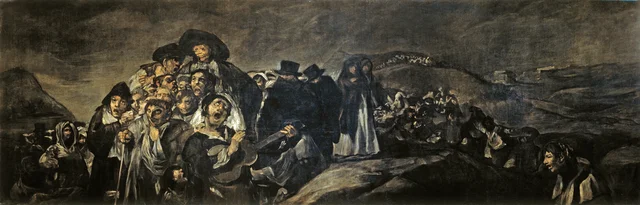 聖イシドロの巡礼フランシスコ・ゴヤ, 1820
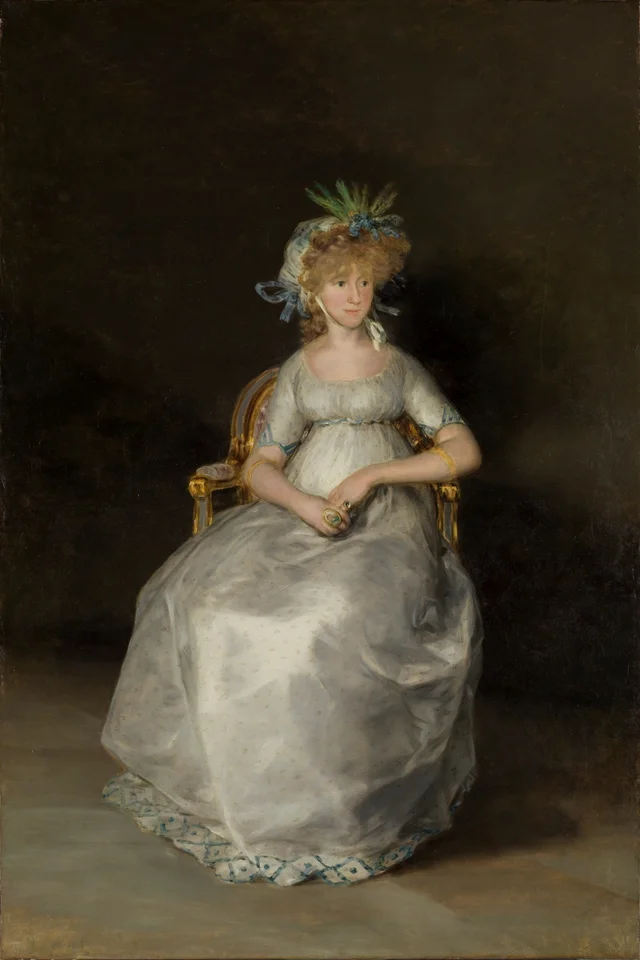 チンチョン伯爵夫人フランシスコ・ゴヤ, 1800
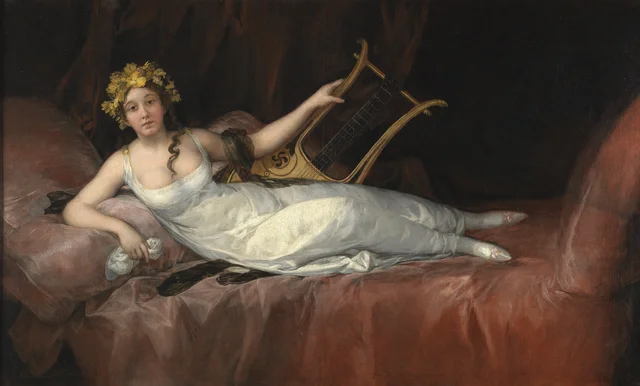 サンタ・クルス侯爵夫人の肖像フランシスコ・ゴヤ, 1805
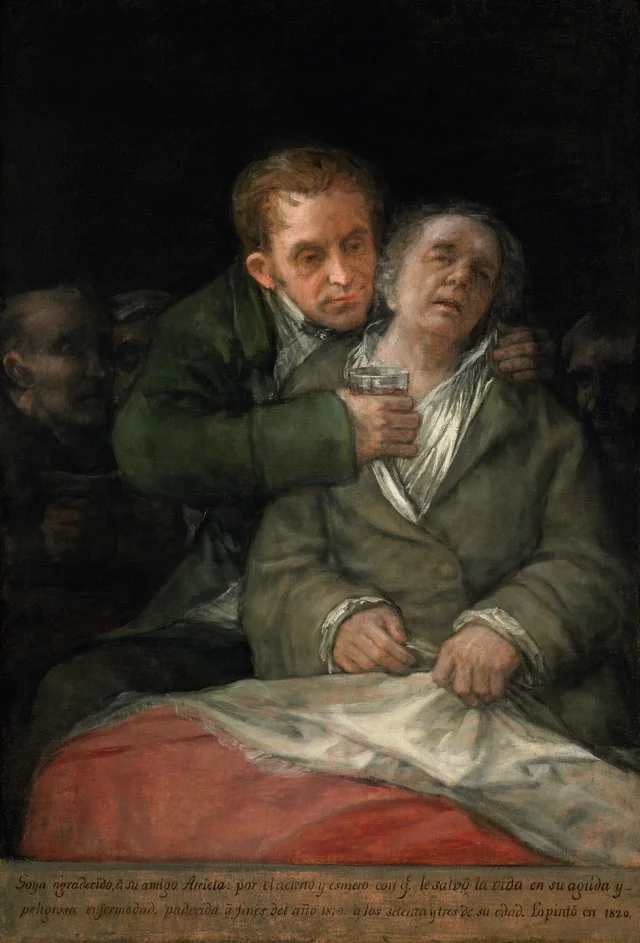 アリエタ医師と自画像フランシスコ・ゴヤ, 1820
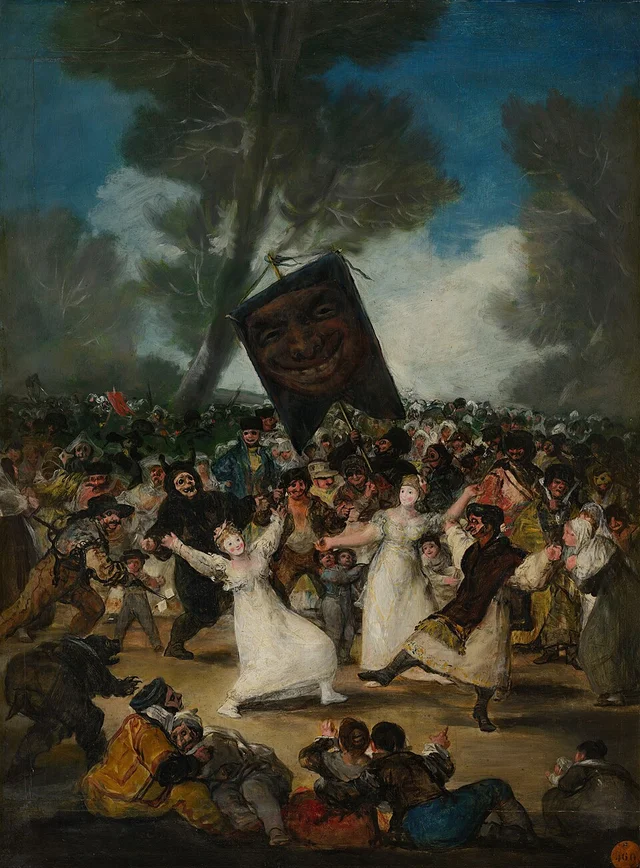 鰯の埋葬フランシスコ・ゴヤ, 1814
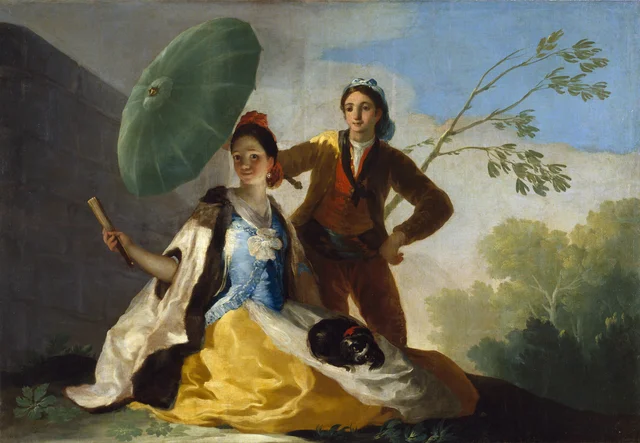 日傘フランシスコ・ゴヤ, 1777
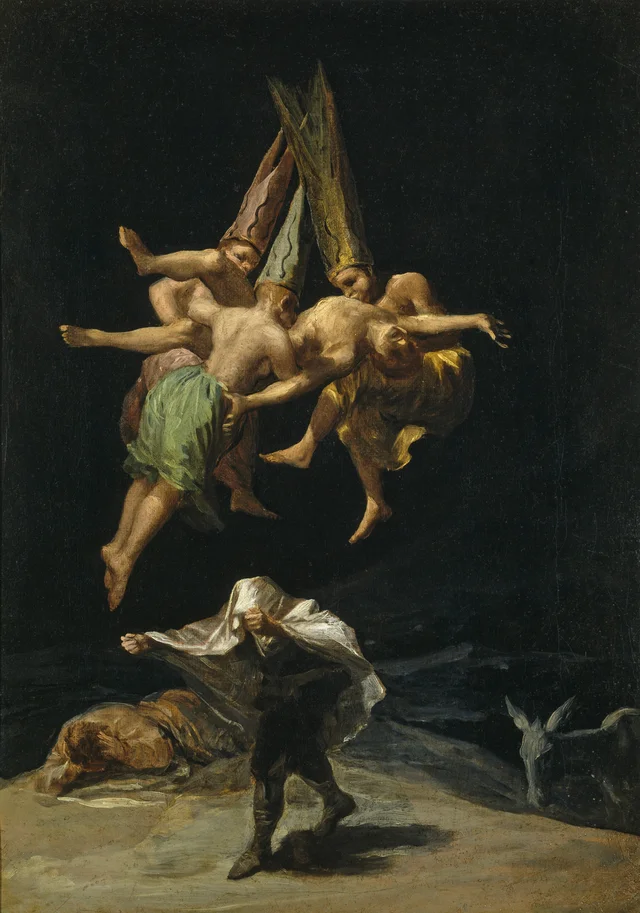 魔女たちの飛翔フランシスコ・ゴヤ, 1797
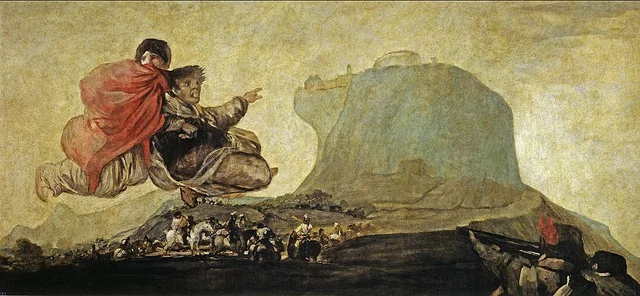 アスモデアフランシスコ・ゴヤ, 1819
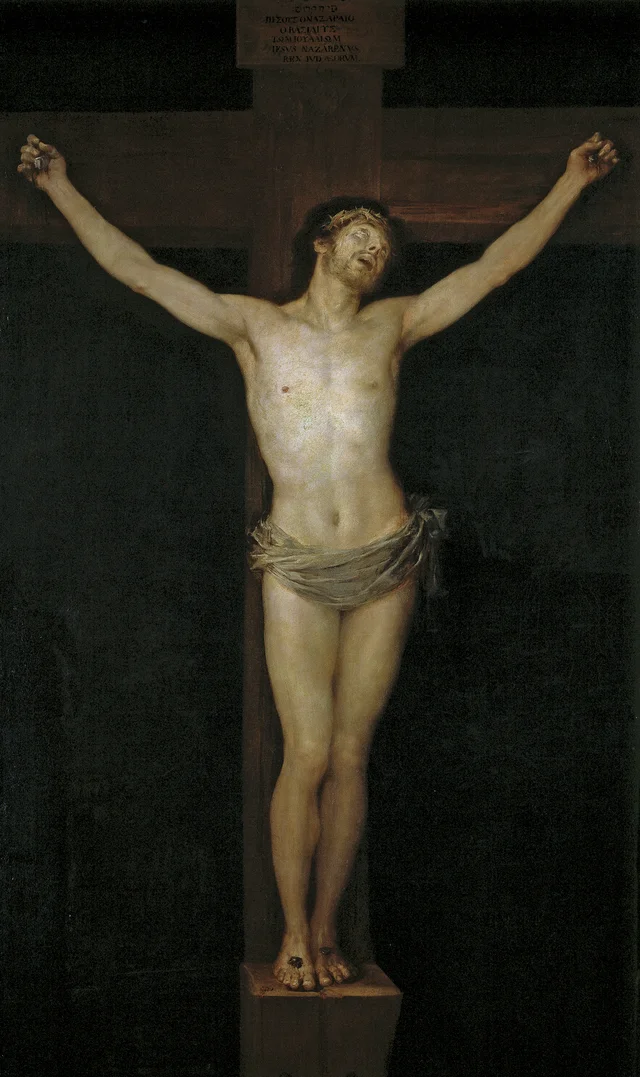 磔刑のキリストフランシスコ・ゴヤ, 1780
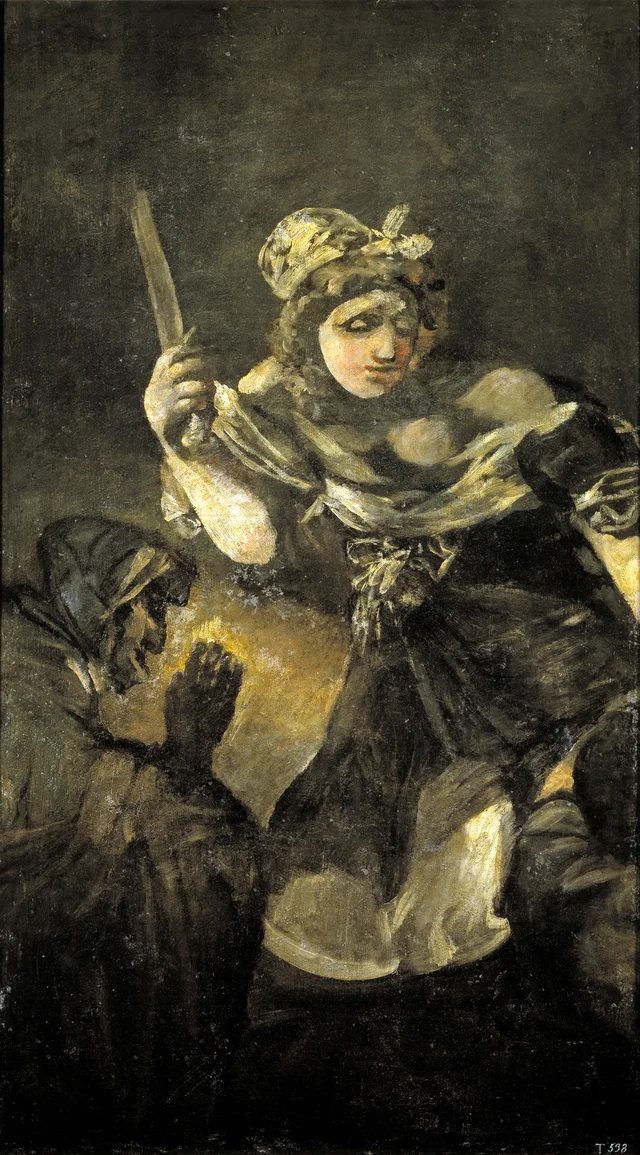 ユディトとホロフェルネスフランシスコ・ゴヤ, 1819
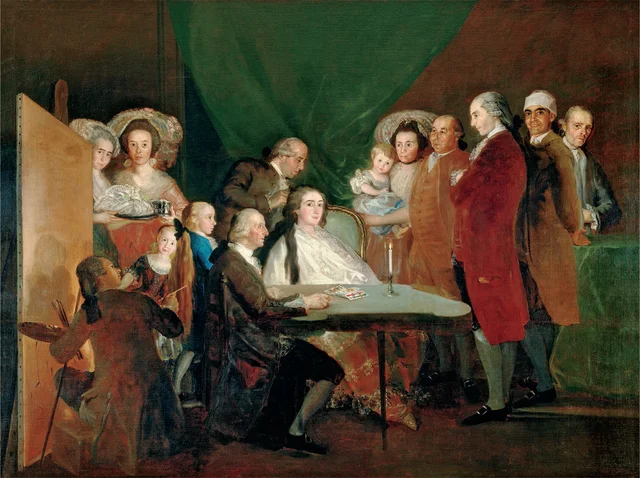 インファンテ・ドン・ルイスの家族フランシスコ・ゴヤ, 1783