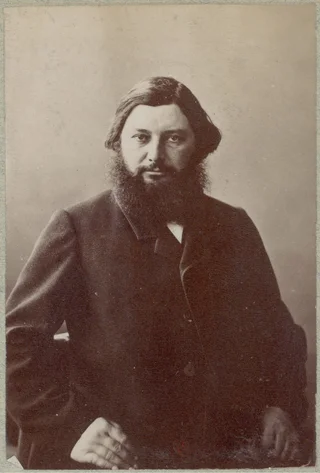
ギュスターヴ・クールベ
1819–1877 · フランス · フランス写実主義
ストーリー
1849年、ギュスターヴ・クールベは、フランス東部の小さな町、故郷オルナンで営まれた大伯父の葬儀を描いた。画面には等身大の町の住人40人以上が、それまで王や聖人にしか許されなかったような重厚さと厳粛さで描き込まれた。《オルナンの埋葬》が1850年のパリ・サロンに出品されると、ただの墓掘り人や会葬者を歴史画に匹敵する規模で描いたことに批評家たちは憤慨した。彼らが侮蔑の意を込めて用いたその呼び名、「レアリスム(写実主義)」が、以後20年にわたってクールベが率いる運動の名となった。
1871年3月、プロイセンに敗れたフランスの混乱のなかで、クールベはパリを短期間統治した革命政府パリ・コミューンの議員に選ばれ、その芸術委員会の委員長を務めた。コミューンが権力を握っていた2か月のあいだに、ナポレオンの戦勝を記念して捕獲した敵の大砲を鋳直して作られたヴァンドーム広場の青銅の円柱が、戦争の記念碑として引き倒された。
同年5月にコミューンが崩壊すると、クールベは逮捕されて6か月投獄され、のちに円柱の再建費用を個人として負担するよう命じられた。その額はあまりに巨額で、彼の収入では返済に数十年を要するほどだった。1873年、所有する絵画の差し押さえを避けるため、クールベはスイスへ渡り、二度とフランスの土を踏むことはなかった。1877年、亡命先のラ・トゥール=ド=ペルで世を去った。
他の記事
作品
265点の作品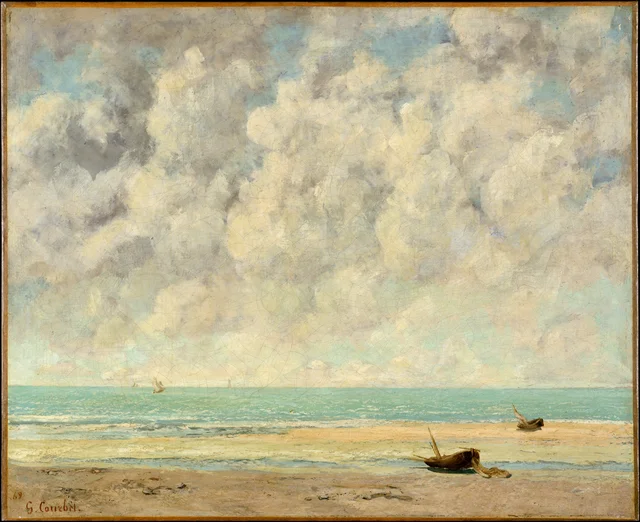 静かな海ギュスターヴ・クールベ, 1869
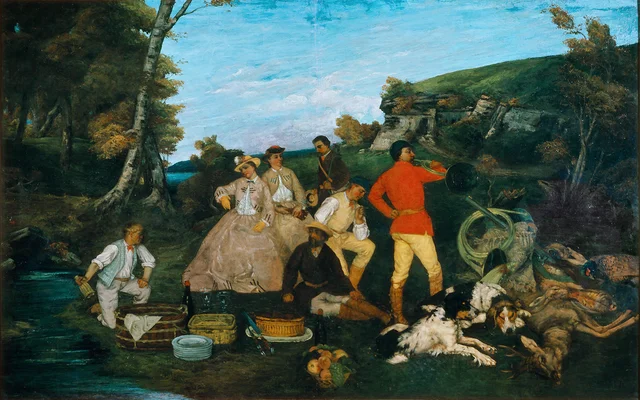 狩りの食事ギュスターヴ・クールベ, 1858
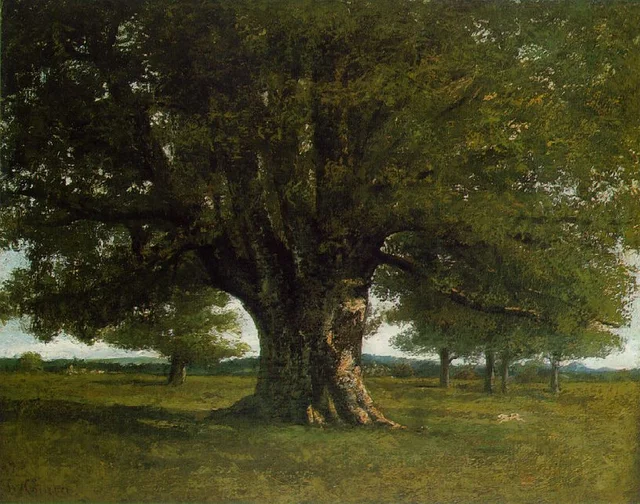 フラジェの樫の木ギュスターヴ・クールベ, 1864
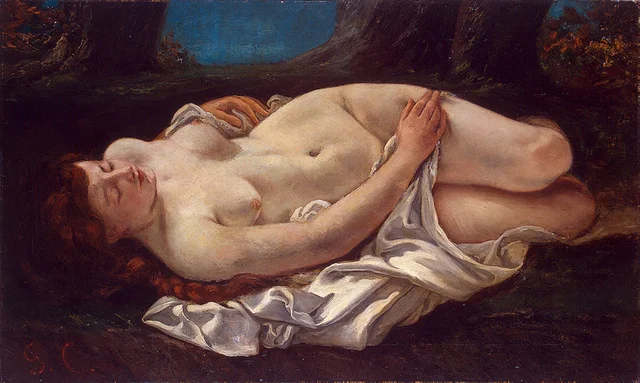 横たわる女ギュスターヴ・クールベ, 1865
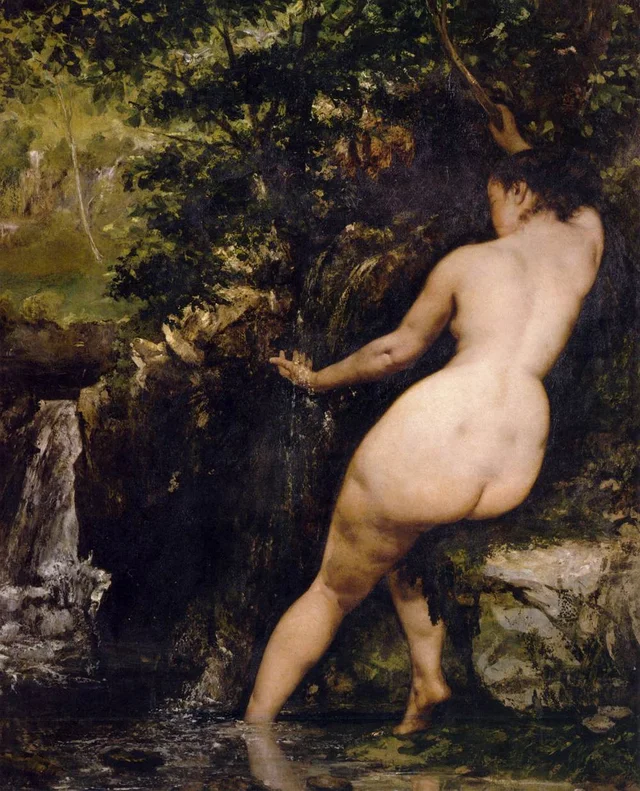 泉ギュスターヴ・クールベ, 1868
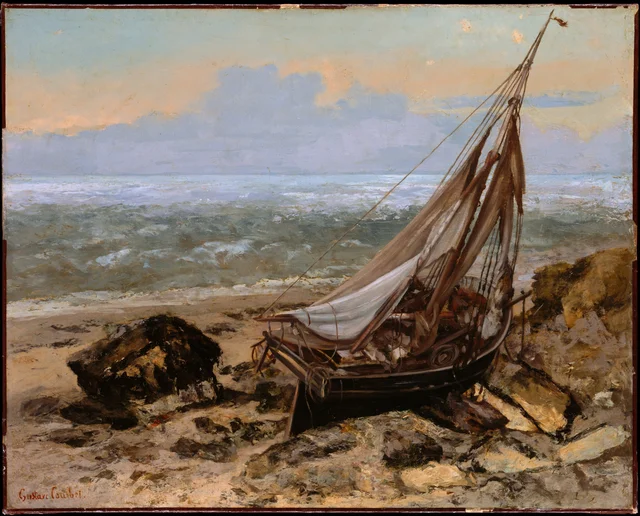 漁船ギュスターヴ・クールベ, 1865
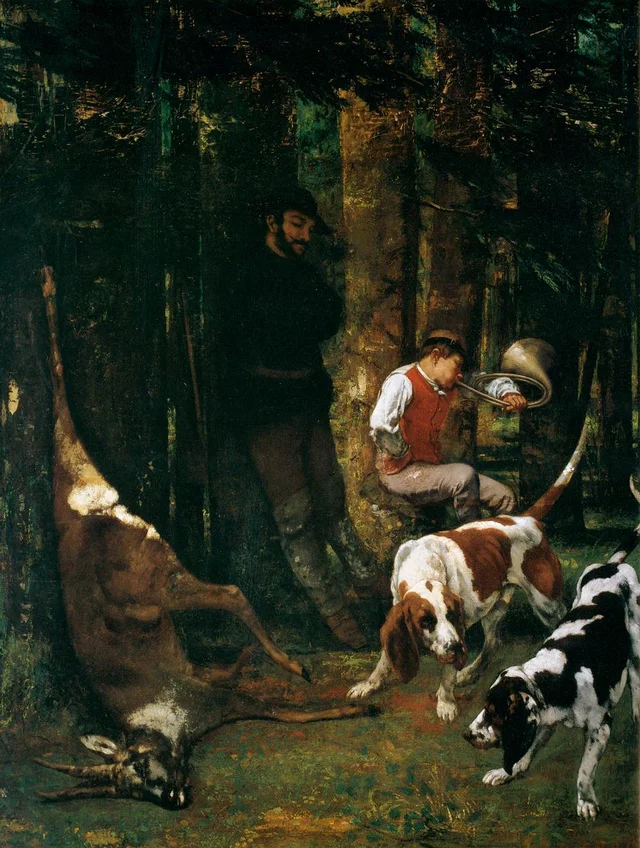 獲物ギュスターヴ・クールベ, 1857
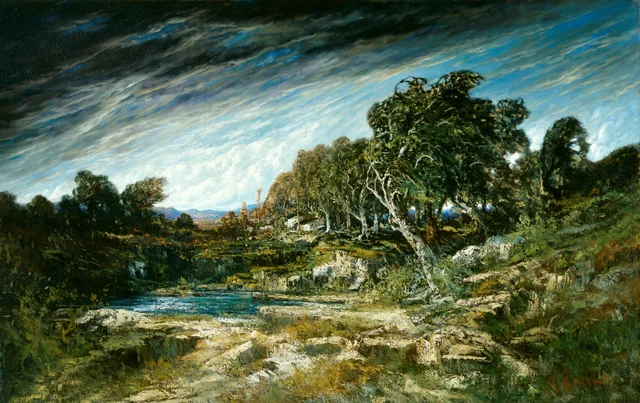 突風ギュスターヴ・クールベ, 1865
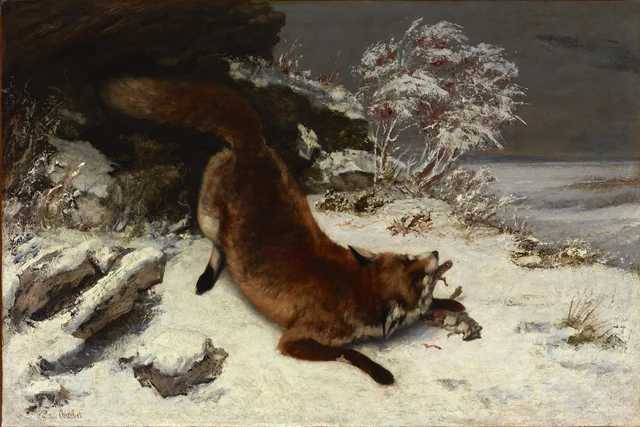 雪の中の狐ギュスターヴ・クールベ, 1860
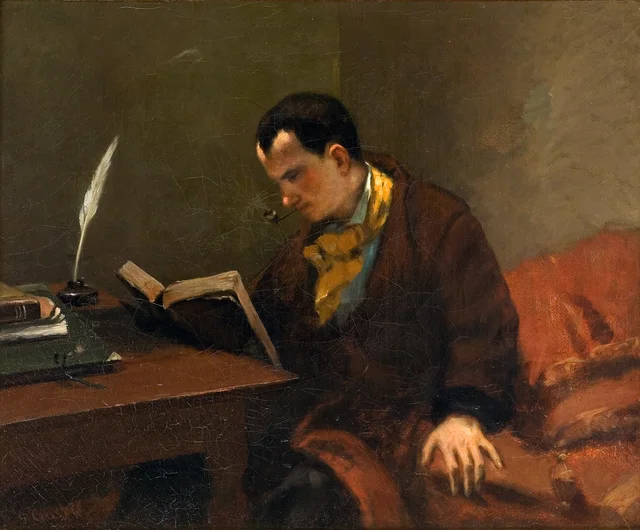 ボードレールの肖像ギュスターヴ・クールベ, 1848
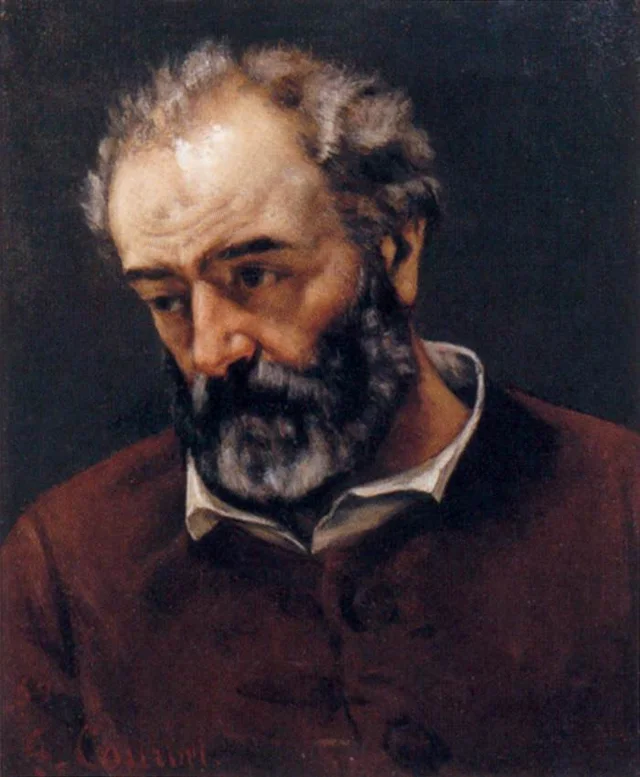 ポール・シュナヴァールの肖像ギュスターヴ・クールベ, 1869
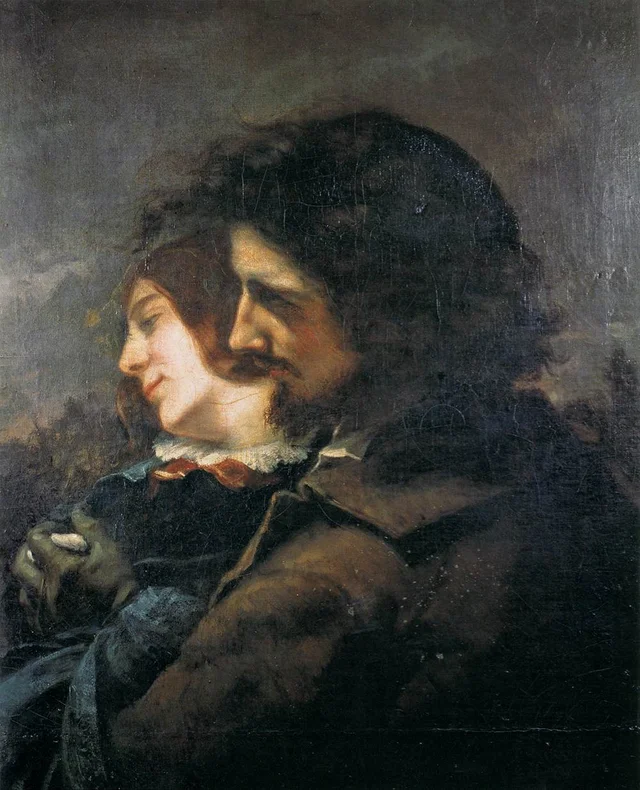 幸せな恋人たちギュスターヴ・クールベ, 1844
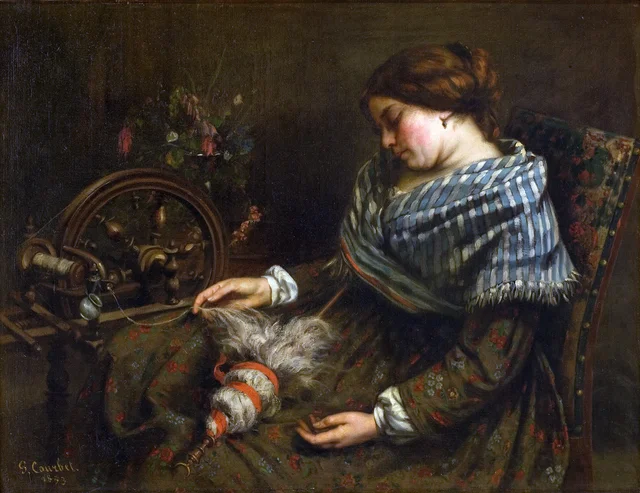 眠る糸紡ぎの女ギュスターヴ・クールベ, 1853
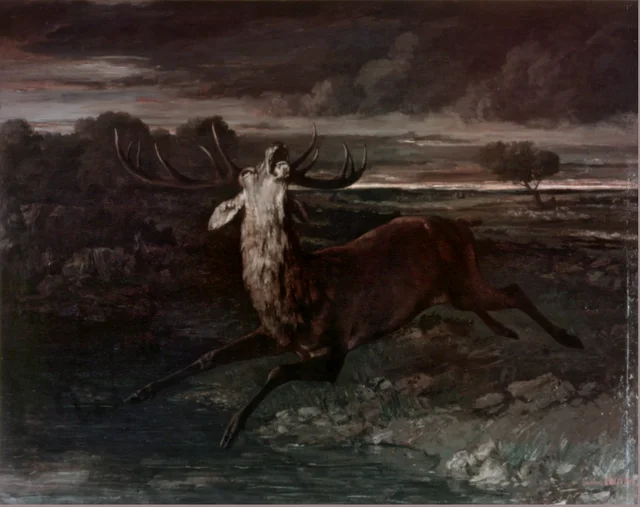 水辺の鹿ギュスターヴ・クールベ, 1861
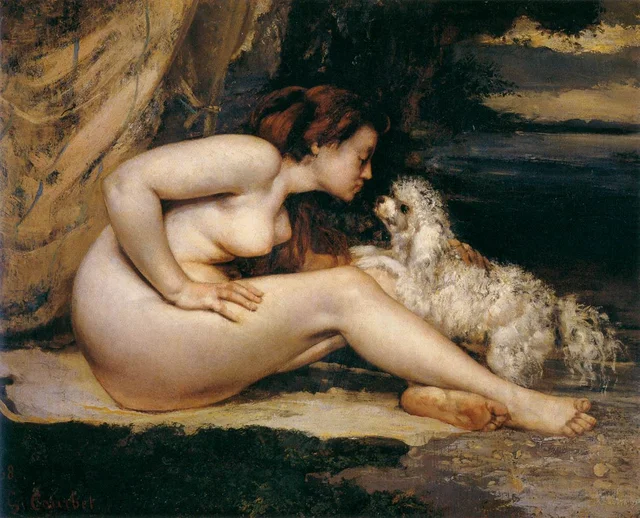 犬と裸婦ギュスターヴ・クールベ, 1861
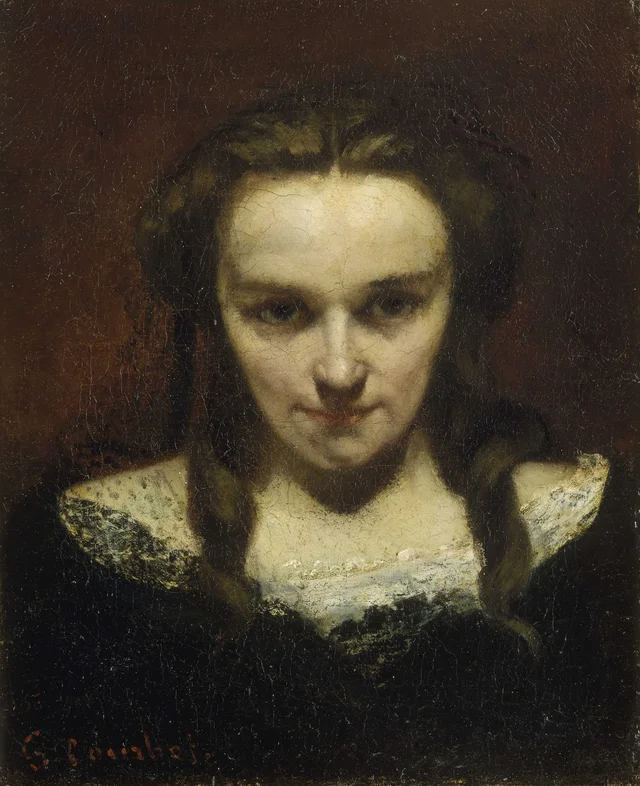 見者ギュスターヴ・クールベ, 1855
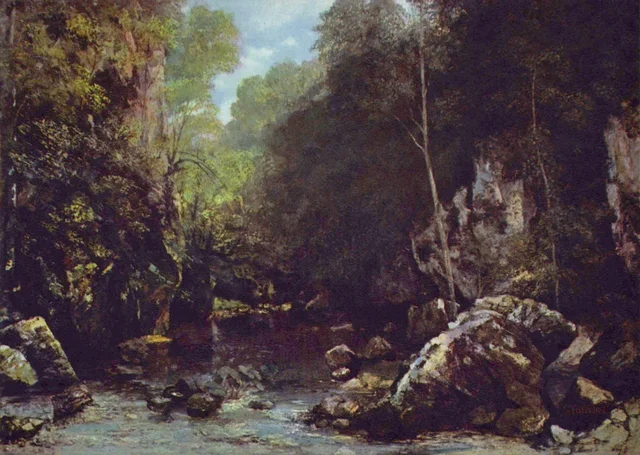 黒い小川ギュスターヴ・クールベ, 1865
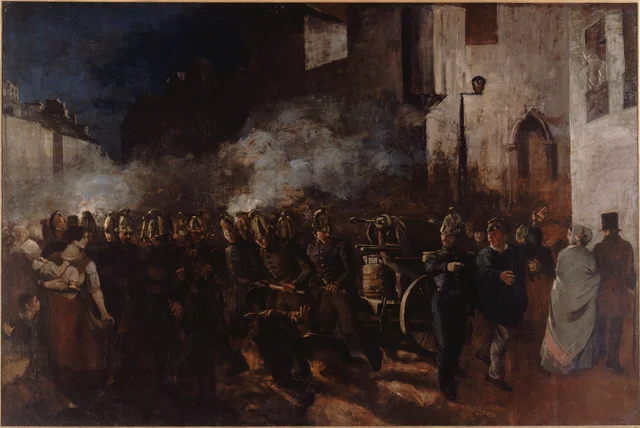 火事に駆けつける消防士たちギュスターヴ・クールベ, 1850
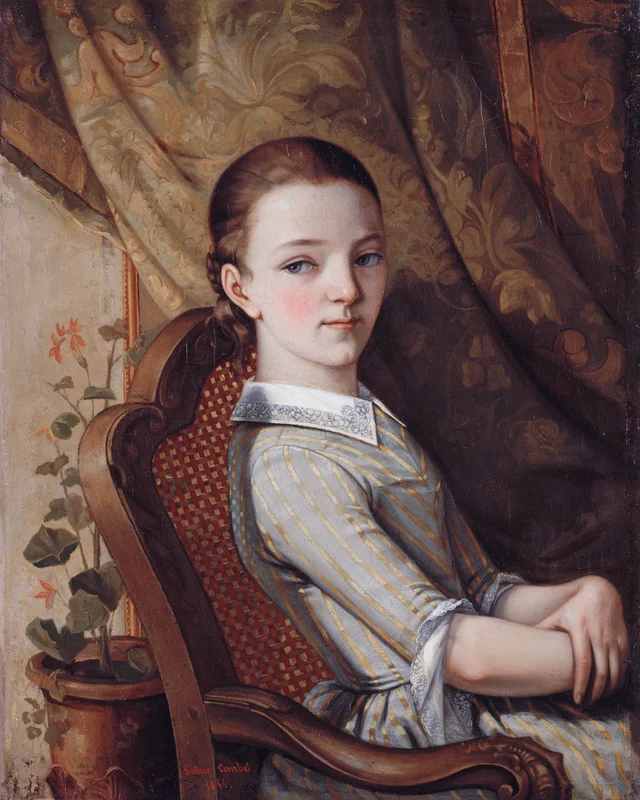 ジュリエット・クールベの肖像ギュスターヴ・クールベ, 1844
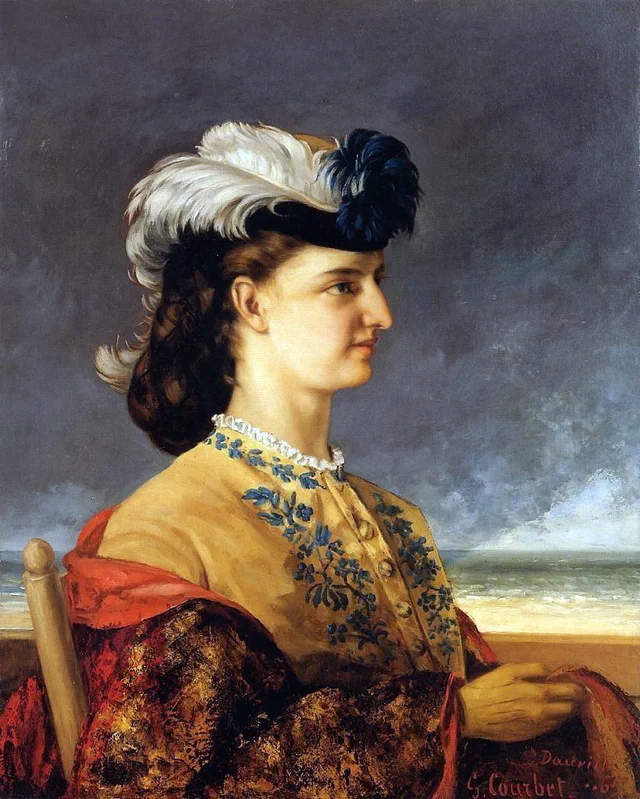 カーロイ伯爵夫人の肖像ギュスターヴ・クールベ, 1865
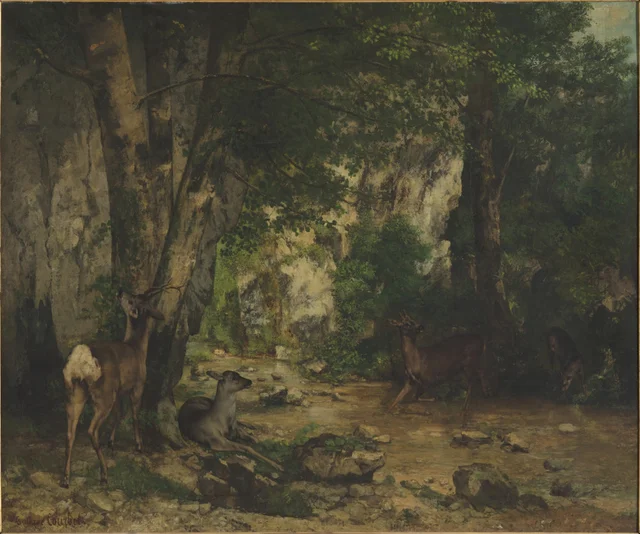 プレジール・フォンテーヌの小川の鹿の隠れ家ギュスターヴ・クールベ, 1866
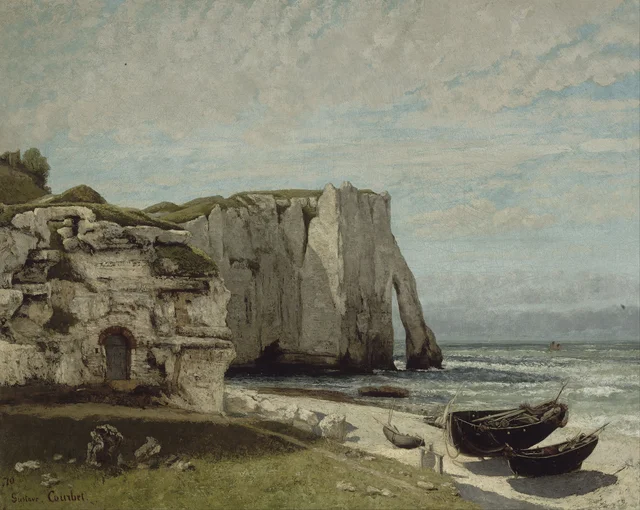 嵐の後のエトルタの断崖ギュスターヴ・クールベ, 1870
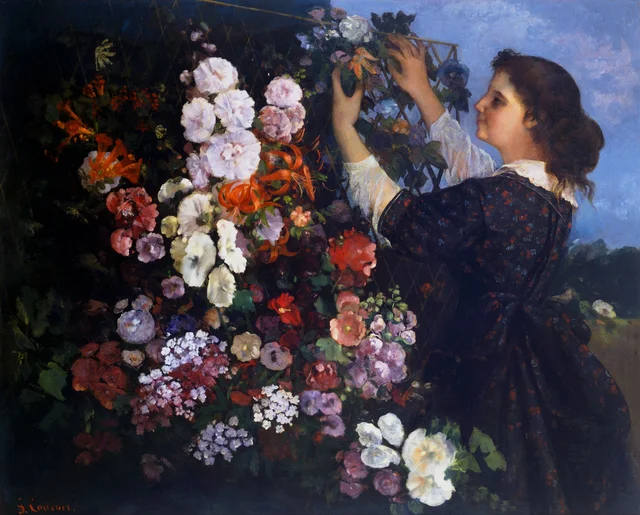 トレリスギュスターヴ・クールベ, 1862
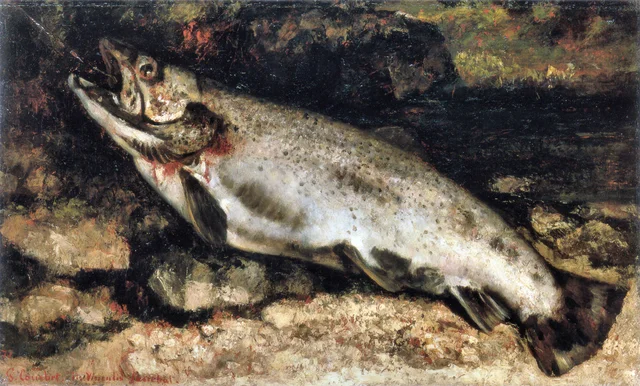 鱒ギュスターヴ・クールベ, 1872
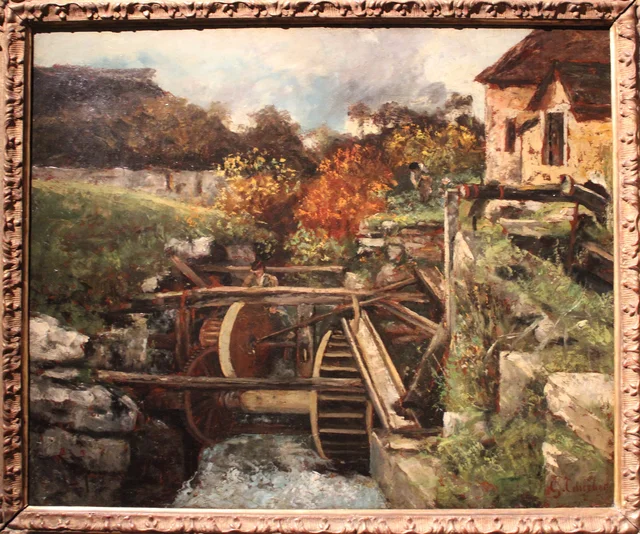 オルナンの製紙工場ギュスターヴ・クールベ, 1865