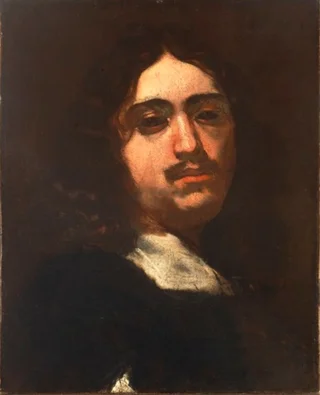
フセペ・デ・リベーラ
1591–1652 · アラゴン連合王国 · バロック
ストーリー
1616年、一人の若いスペイン人画家が、返せない借金の取り立てから一歩先んじて、ローマを離れナポリへ向かった。当時ナポリはスペインの領地で、マドリードから送られた副王が治めていた。だからそこにいるスペイン人は、地元ナポリの上流階級と、訪れるスペインの貴族の両方のために同時に仕事ができた。リベーラは腰を落ち着けた。その同じ年、彼はナポリの画家の娘カテリーナ・アッツォリーノと結婚した。新参者に必要な扉を開く縁組だった。
彼は、数年前にナポリで活動し1610年にその地で亡くなったイタリアの画家カラヴァッジョが切り開いた、暗から明へと劇的に移る様式で描いた。リベーラは自然主義をさらに推し進め、殉教した聖人や老いた哲学者、皮を剥がれるサテュロスのマルシュアスを、赤裸々なほどの率直さで描き、それが「ロ・スパニョレット(小さなスペイン人)」というあだ名を彼にもたらした。スペインの副王たちは彼のカンヴァスを買い、本国スペインへと送った。そうしてこの地に一度も戻らなかった画家が、なおスペインでもっとも有名な芸術家の一人となり、今日ではディエゴ・ベラスケスやフランシスコ・デ・スルバランといった、ほかのスペイン・バロックの巨匠と並び称されている。
1630年代初めには、彼の光は強い明暗の対比から、より拡散したものへと和らいでいった。1642年に描かれ、いまはパリのルーヴル美術館にある、内反足の物乞いの少年の絵は、少年が笑みを浮かべ、神の愛のために施しを乞う旨をラテン語で記した紙を手にしている姿を見せている。
作品
114点の作品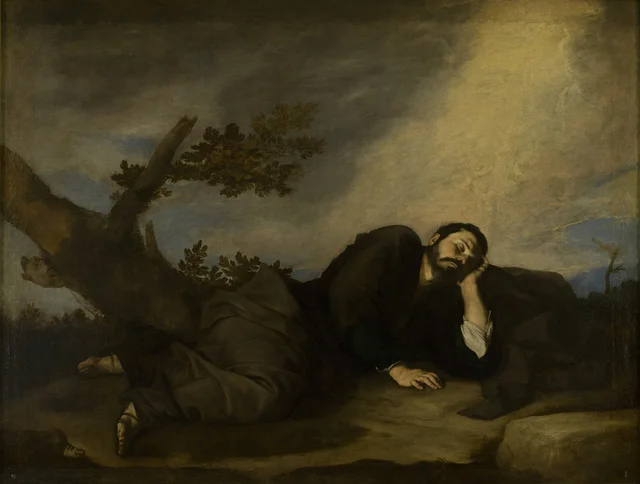 ヤコブの夢フセペ・デ・リベーラ, 1639
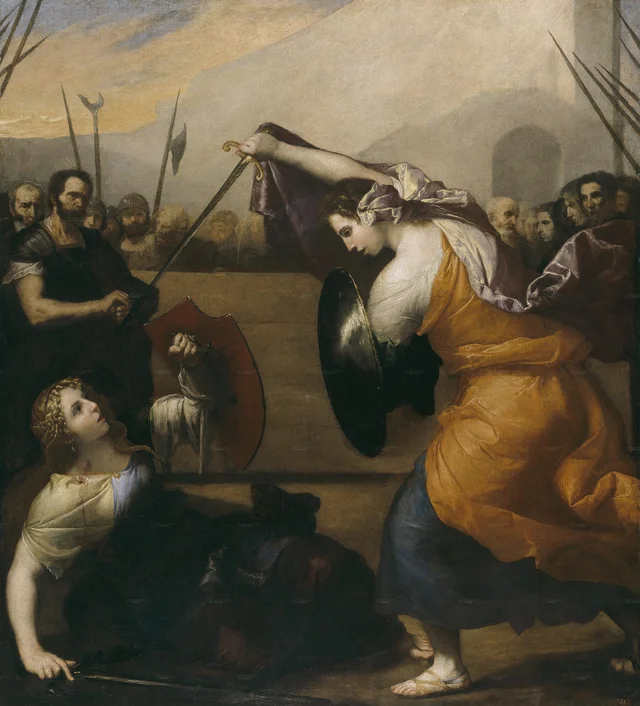 女剣闘士フセペ・デ・リベーラ, 1636
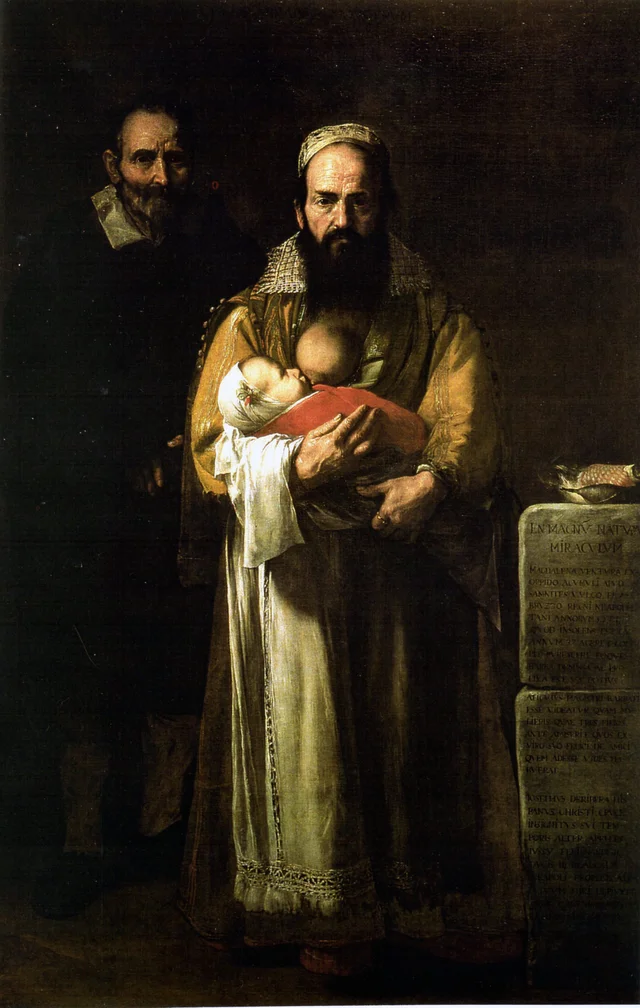 夫と息子とともにいるマグダレーナ・ヴェントゥーラフセペ・デ・リベーラ, 1631
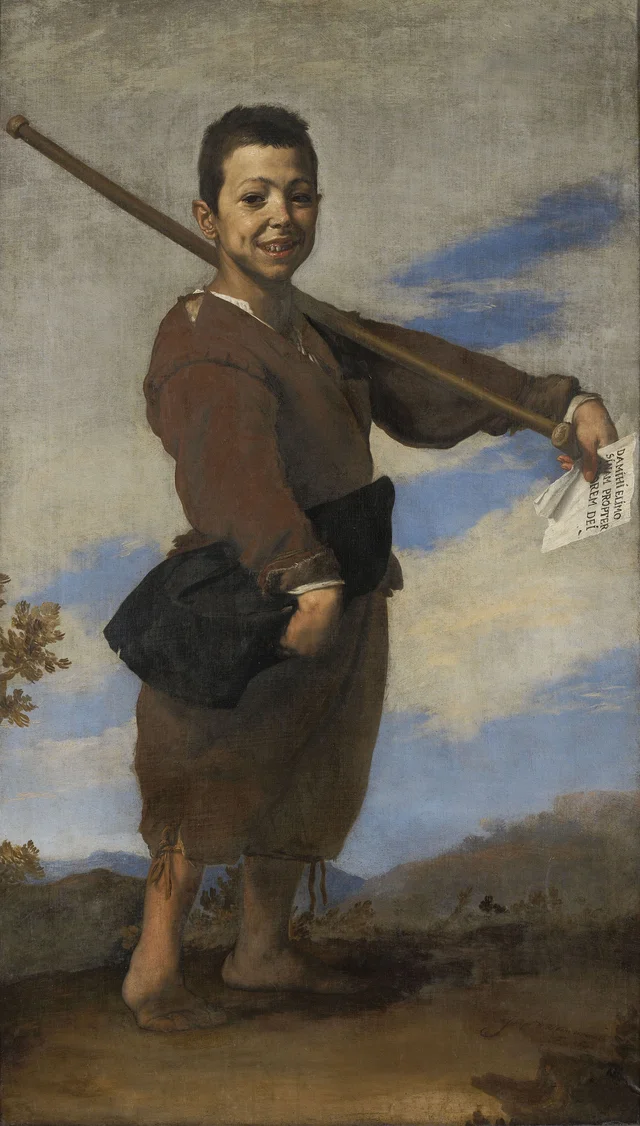 えび足の少年フセペ・デ・リベーラ, 1642
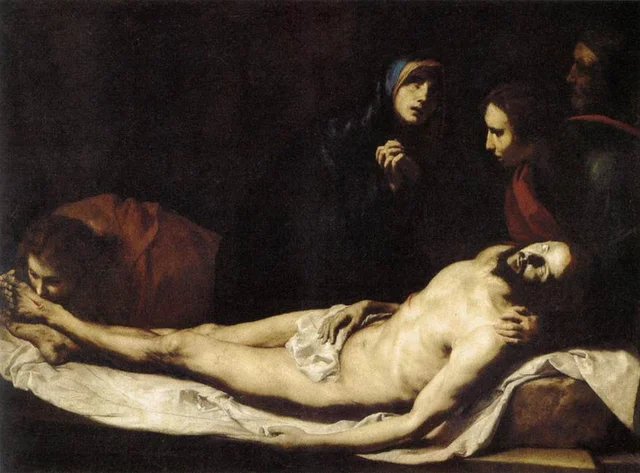 ピエタフセペ・デ・リベーラ, 1633
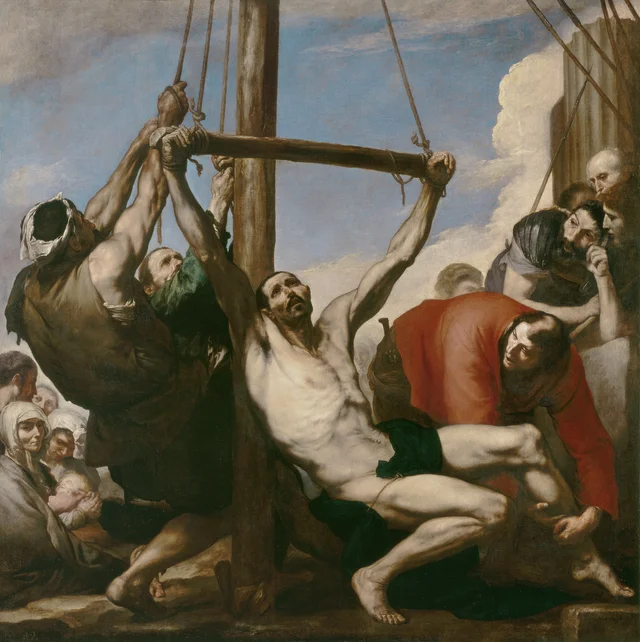 聖フィリポの殉教フセペ・デ・リベーラ, 1639
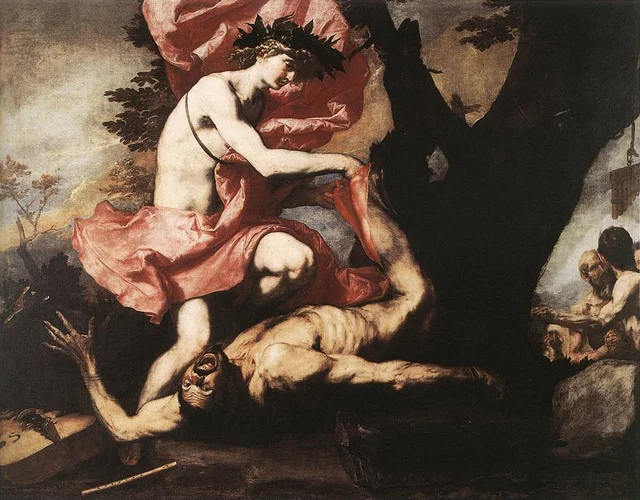 マルシュアスの皮を剥ぐアポロンフセペ・デ・リベーラ, 1637
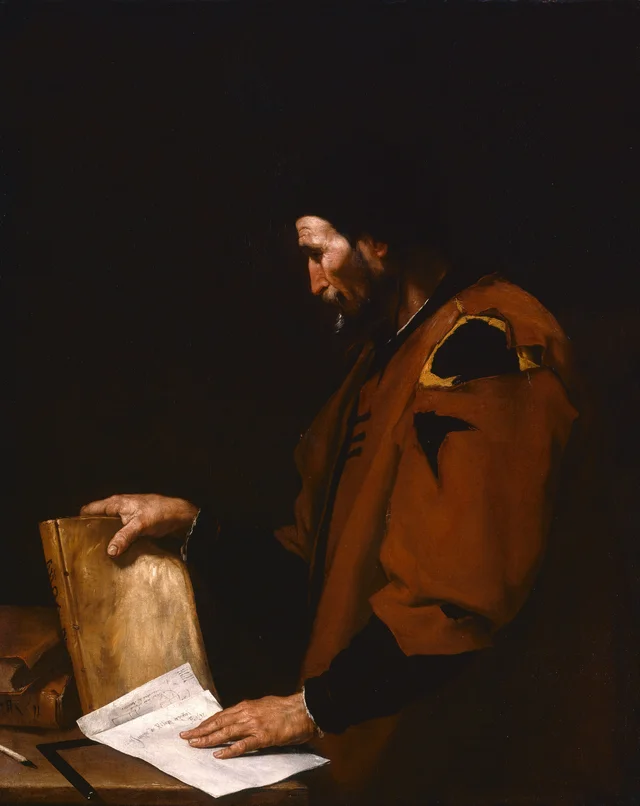 アリストテレスフセペ・デ・リベーラ, 1637
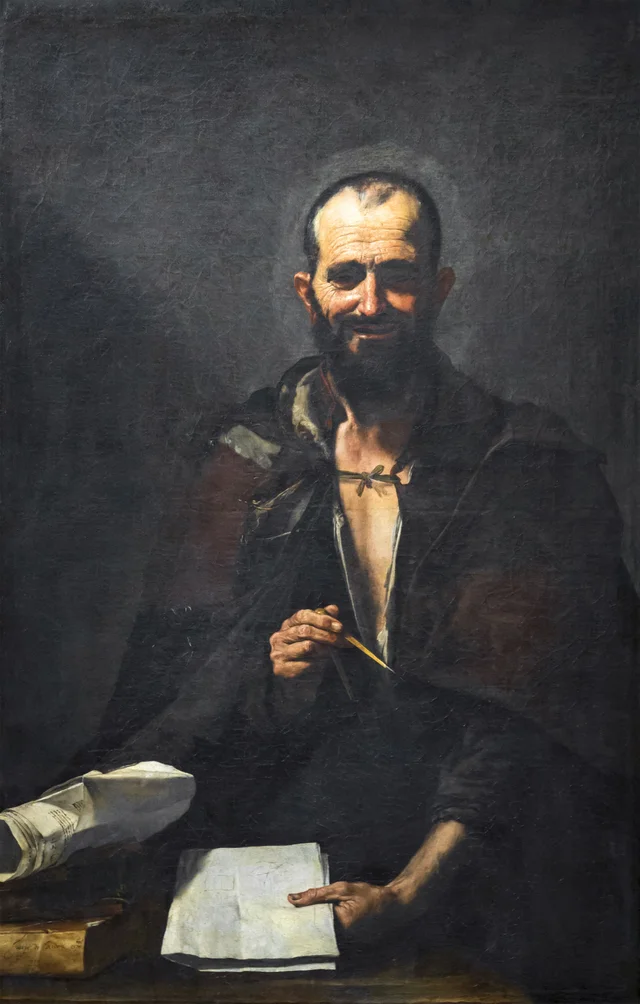 デモクリトスフセペ・デ・リベーラ, 1630
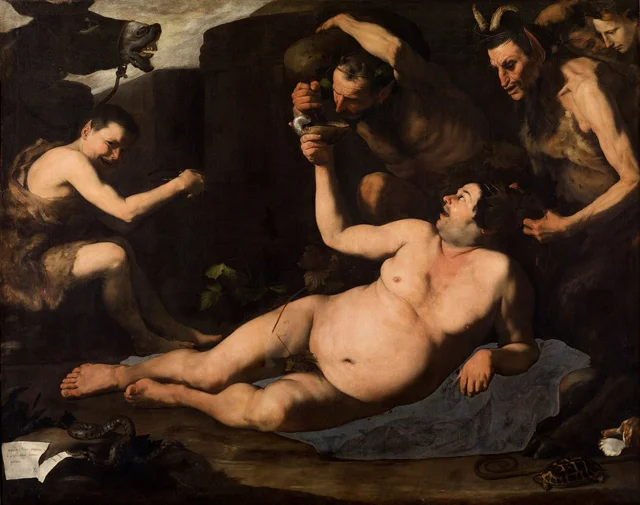 酔えるシレノスフセペ・デ・リベーラ, 1626
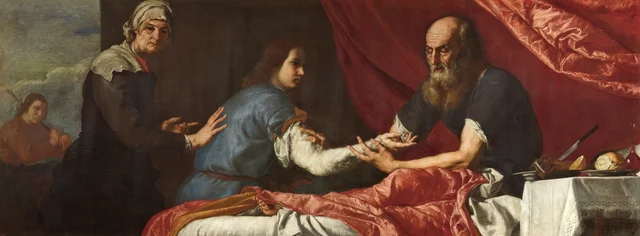 イサクとヤコブフセペ・デ・リベーラ, 1637
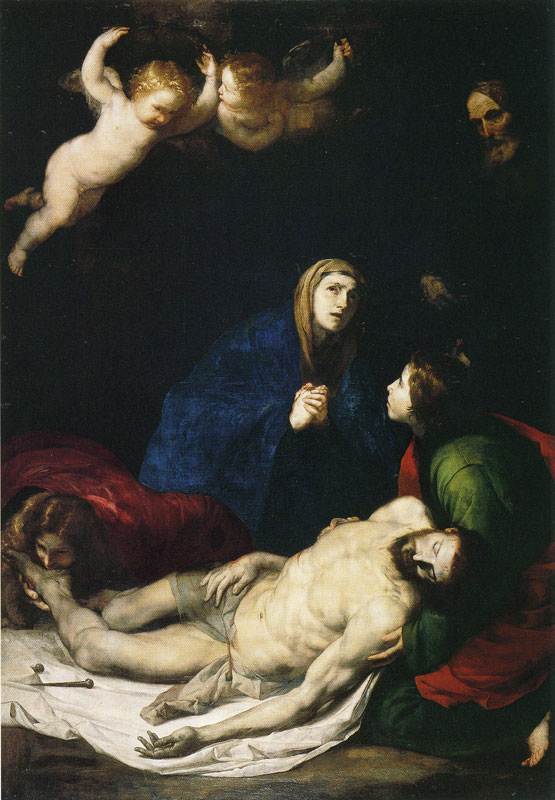 死せるキリストへの哀悼フセペ・デ・リベーラ, 1637
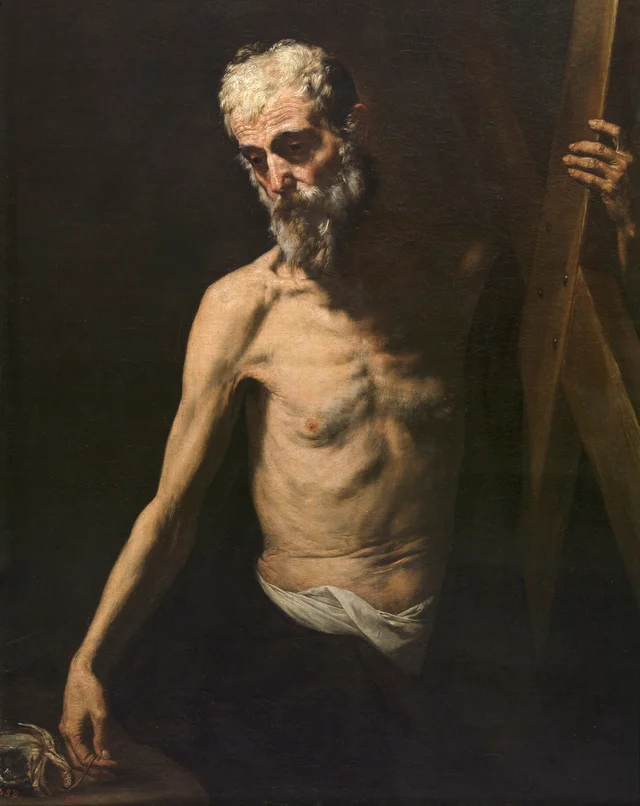 聖アンデレフセペ・デ・リベーラ, 1631
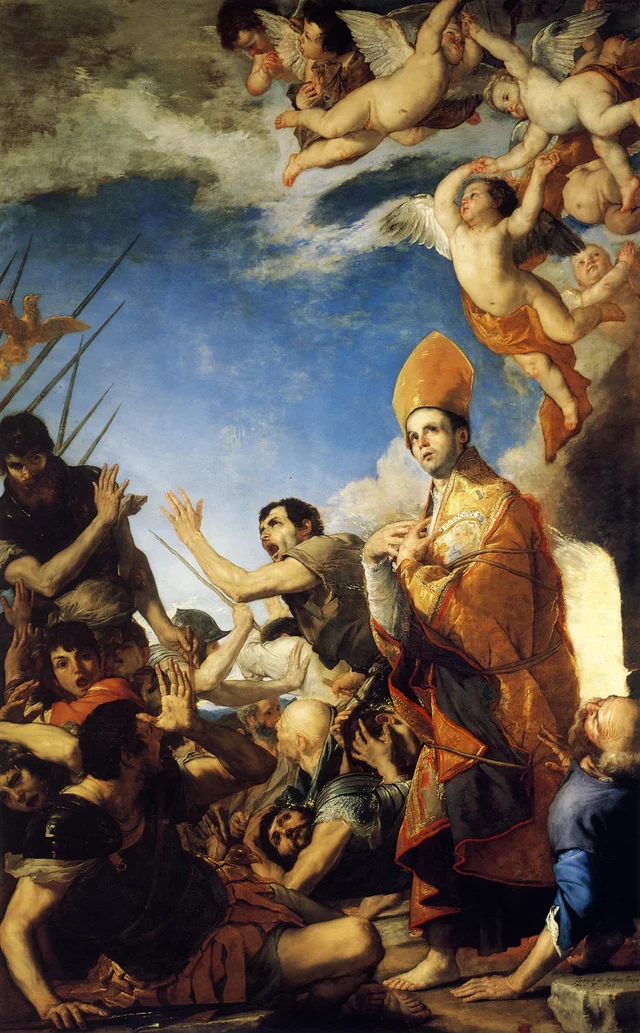 炉から出る聖ヤヌアリウスフセペ・デ・リベーラ, 1646
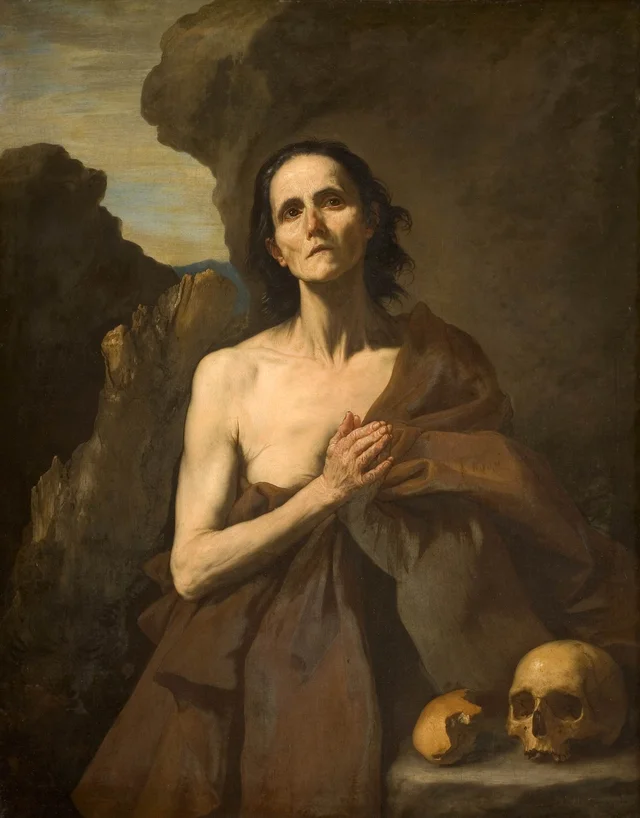 エジプトの聖マリアフセペ・デ・リベーラ, 1641
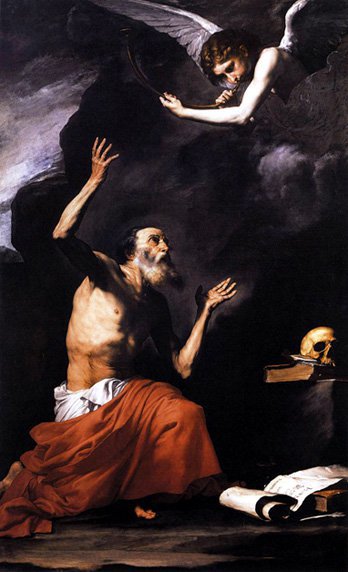 聖ヒエロニムスと審判の天使フセペ・デ・リベーラ, 1626
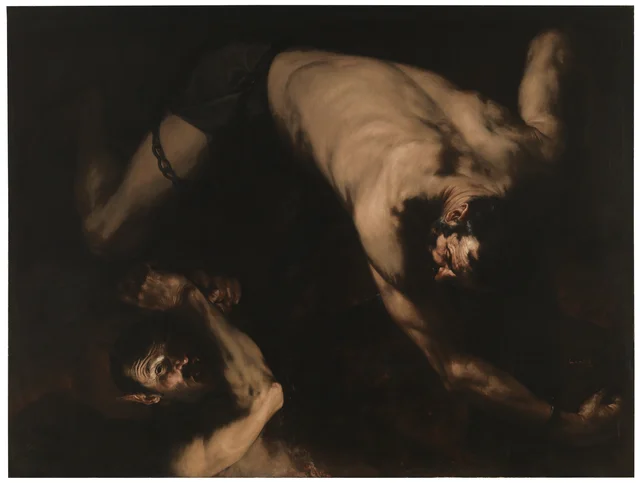 イクシオンフセペ・デ・リベーラ, 1632
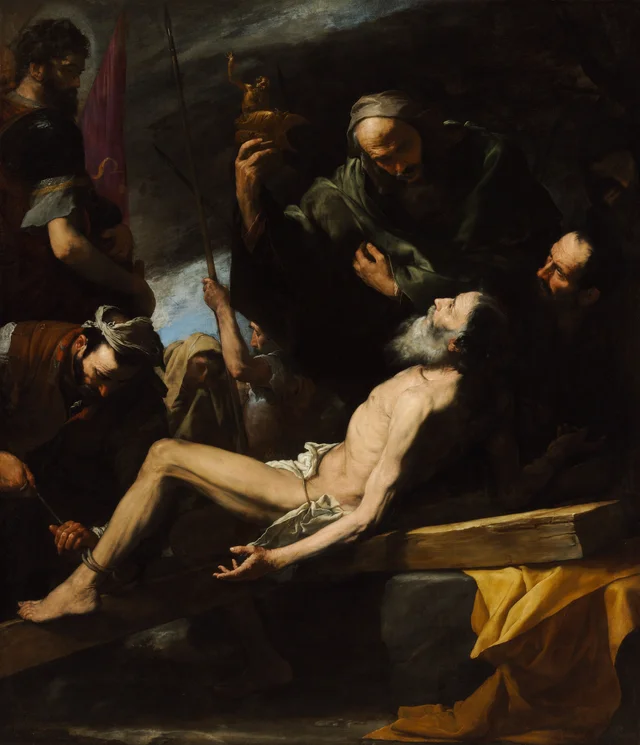 聖アンデレの殉教フセペ・デ・リベーラ, 1628
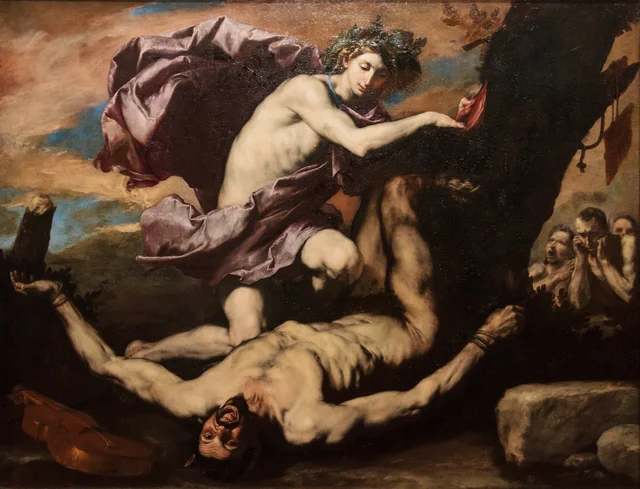 マルシュアスの皮を剥ぐアポロンフセペ・デ・リベーラ, 1637
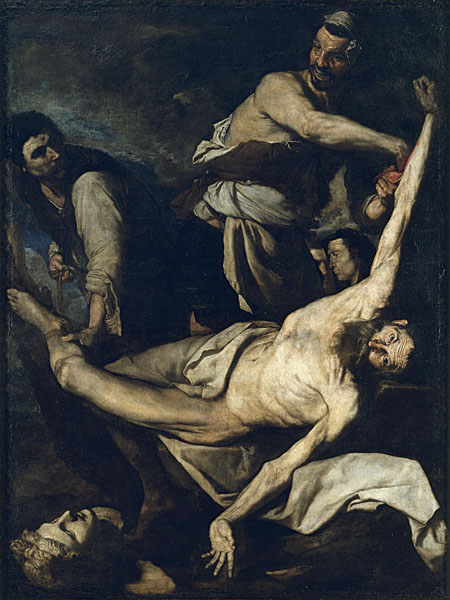 聖バルトロマイの殉教フセペ・デ・リベーラ, 1644
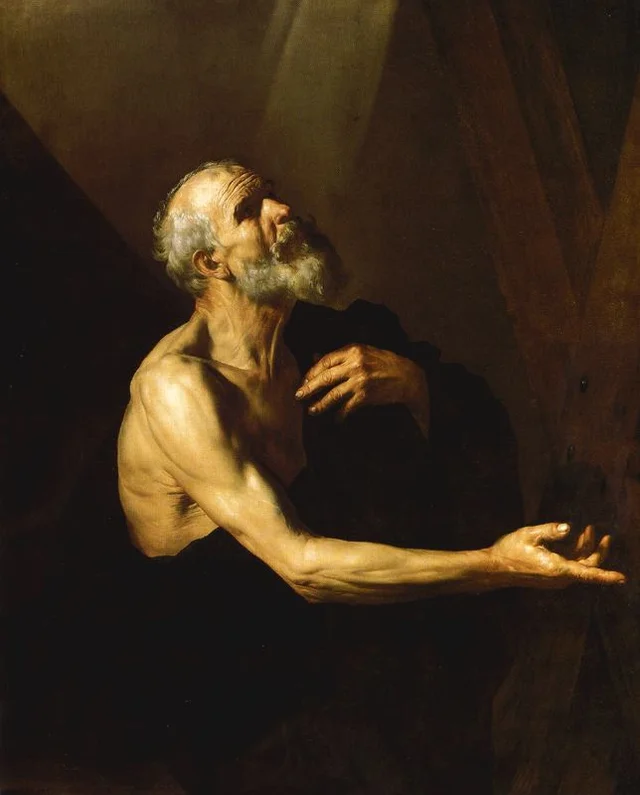 聖アンデレフセペ・デ・リベーラ, 1616
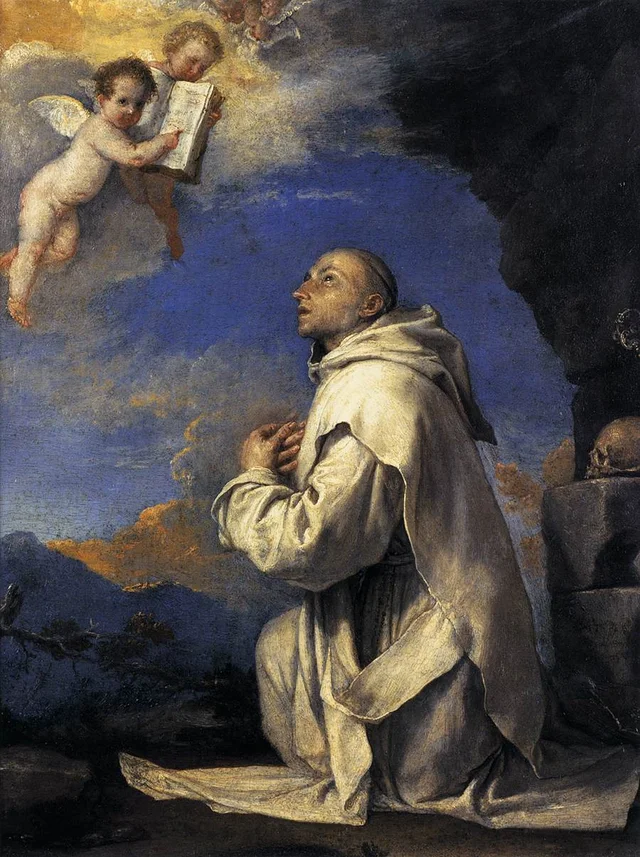 戒律を受ける聖ブルーノフセペ・デ・リベーラ, 1643
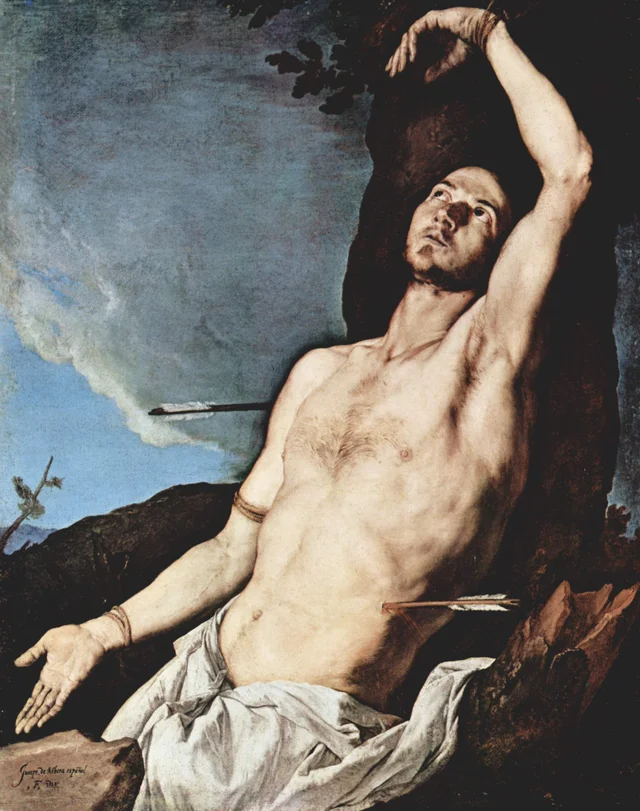 聖セバスティアヌスフセペ・デ・リベーラ, 1651
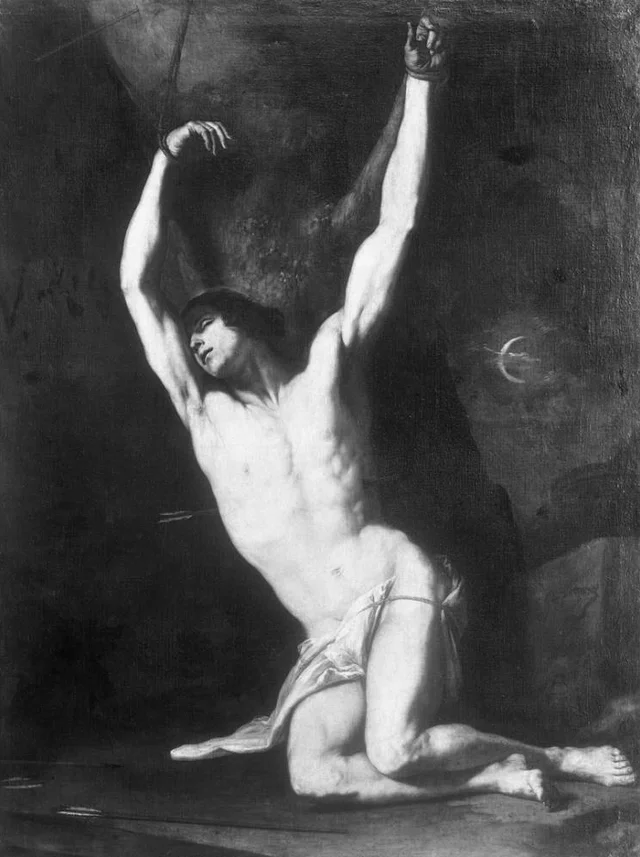 聖セバスティアヌスフセペ・デ・リベーラ, 1636
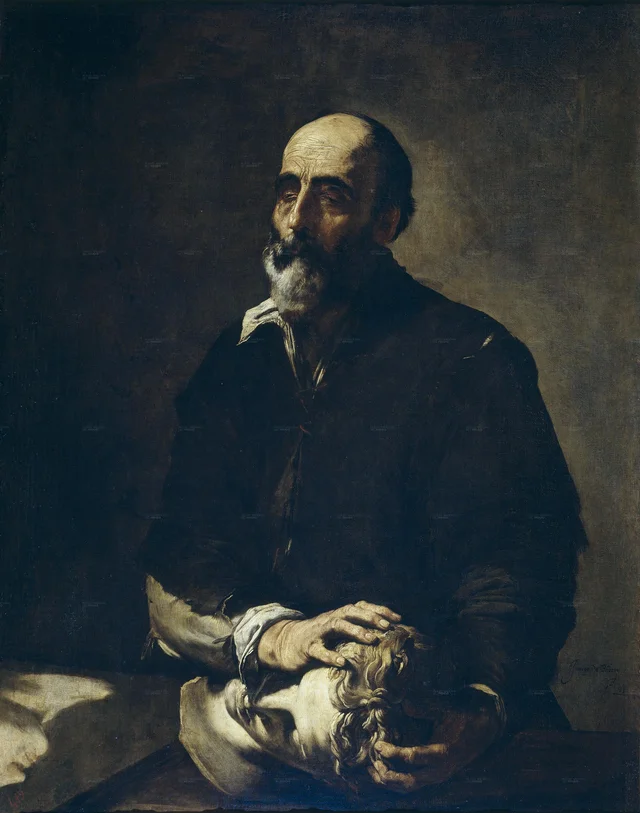 盲目の彫刻家フセペ・デ・リベーラ, 1632