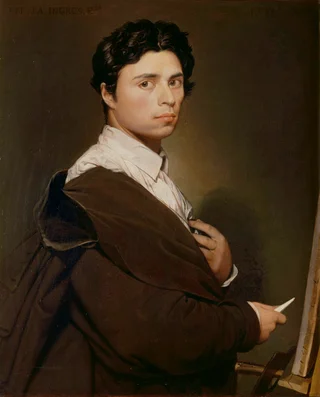
Jean-Auguste-Dominique Ingres
1780–1867 · França · Neoclassicismo
A história
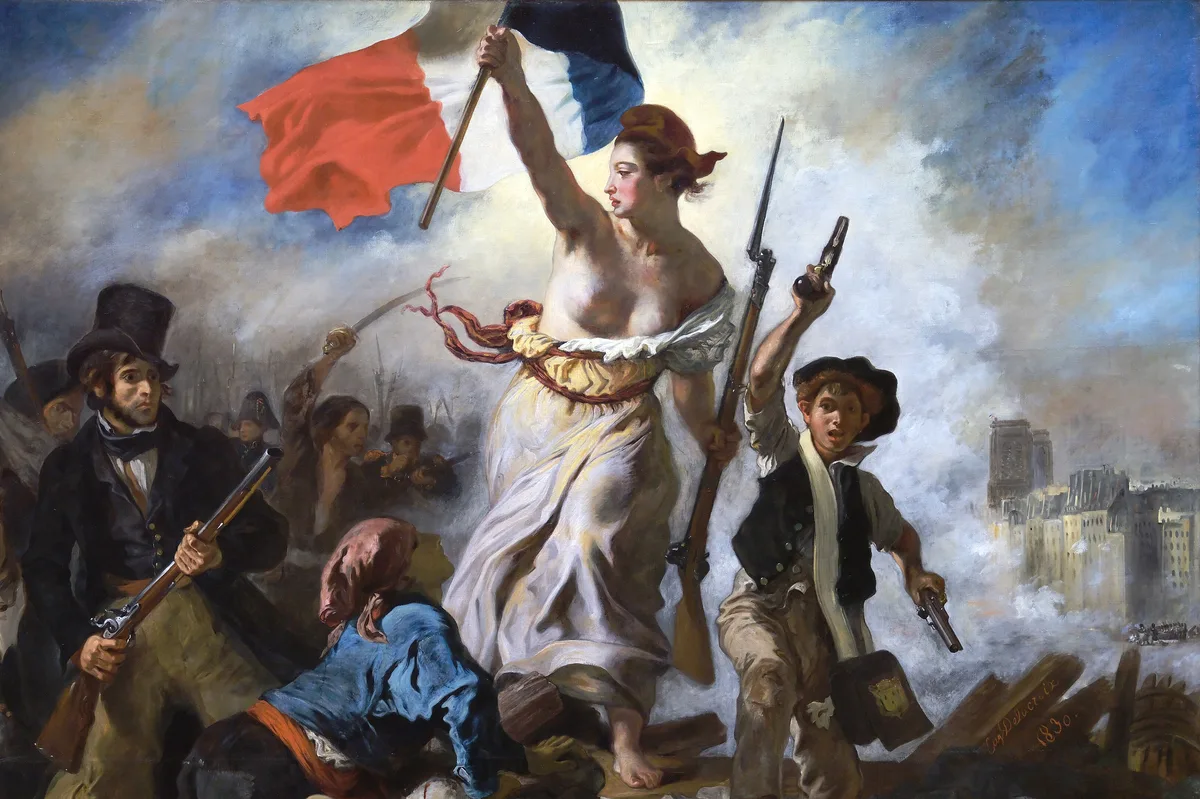
Ingres se via como o último homem honesto da pintura francesa, o guardião do desenho, do contorno limpo e do exemplo de Rafael, contra uma geração mais nova que ele considerava borrar cores pela tela e chamar aquilo de arte. Essa geração tinha um líder, Eugène Delacroix, e por décadas o mundo da arte parisiense se dividiu em dois campos: o partido da linha, atrás de Ingres, e o partido da cor, atrás de Delacroix. Ingres chamava o rival de apóstolo da feiura, e na exposição universal de Paris de 1855 os organizadores teriam precisado colocar os dois em salas separadas.
Ele tinha conquistado o direito de ser dogmático. Formado no ateliê de Jacques-Louis David, o grande pintor da Revolução e de Napoleão, Ingres desenhava com uma precisão que quase ninguém igualava. E, no entanto, seu quadro mais famoso quebra todas as regras que pregava. A Grande Odalisca, de 1814, uma mulher de harém reclinada pintada para a irmã de Napoleão, tem as costas alongadas em duas ou três vértebras a mais e uma pélvis que não poderia existir fisicamente. Os críticos berraram que ele havia esquecido a anatomia; ele fizera aquilo de propósito, alongando o corpo pela linha longa, fria e contínua que amava mais do que a correção.
Há uma coisa menor pela qual é lembrado. Desde menino, Ingres tocava violino, bem o suficiente na adolescência para sentar-se na orquestra da ópera de Toulouse, e manteve um violino ao lado do cavalete a vida inteira. O hábito deu à língua francesa uma expressão, un violon d'Ingres, para o hobby sério que alguém mantém ao lado do seu verdadeiro trabalho. Em 1924 o fotógrafo Man Ray tomou emprestada a expressão para uma imagem sua, pintando as duas efes curvas de um violino sobre as costas nuas de uma modelo.
Mais artigos
Obras
120 obras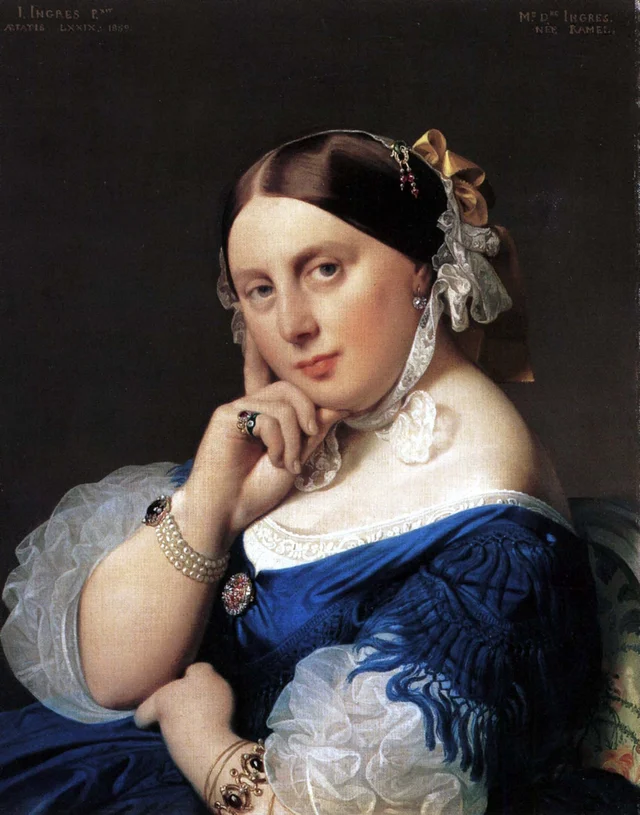 Retrato de Delphine RamelJean-Auguste-Dominique Ingres, 1859
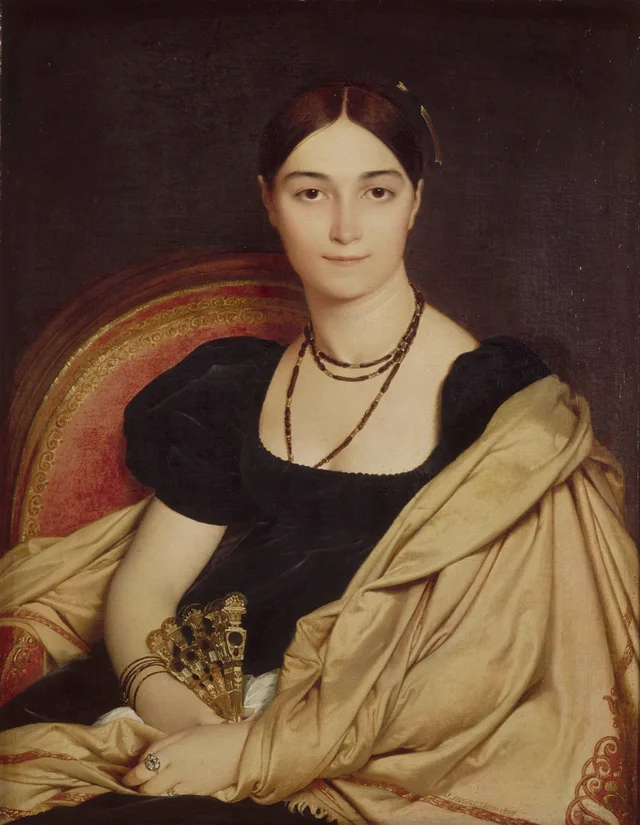 Retrato de Madame DevauçayJean-Auguste-Dominique Ingres, 1807
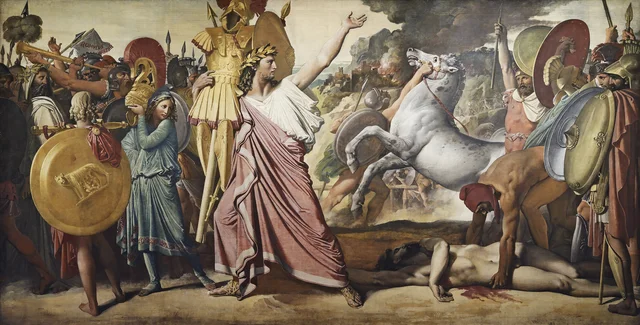 RômuloJean-Auguste-Dominique Ingres, 1812
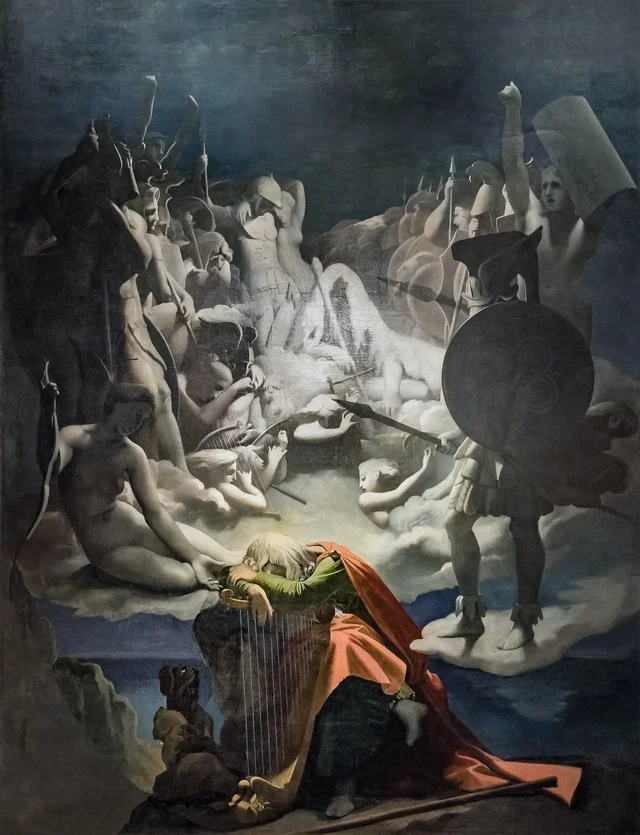 O sonho de OssianJean-Auguste-Dominique Ingres, 1813
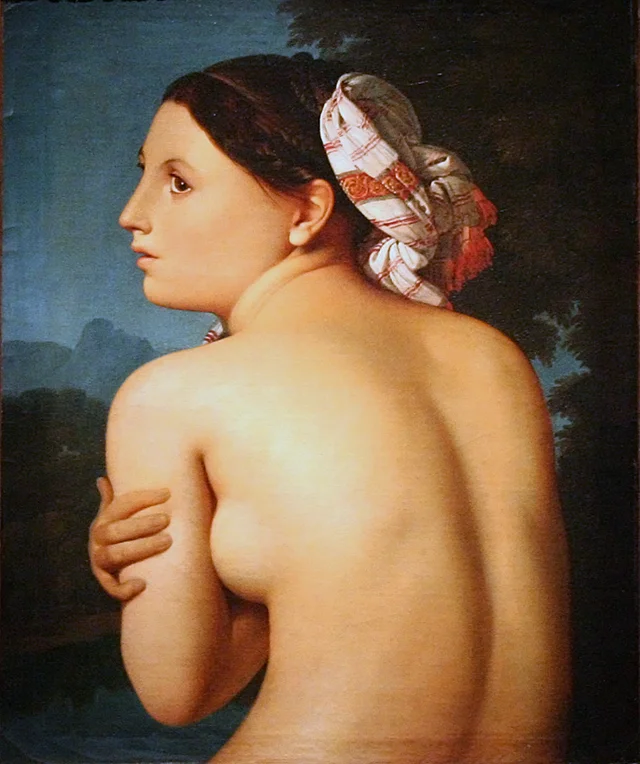 A banhista de meio corpoJean-Auguste-Dominique Ingres, 1807
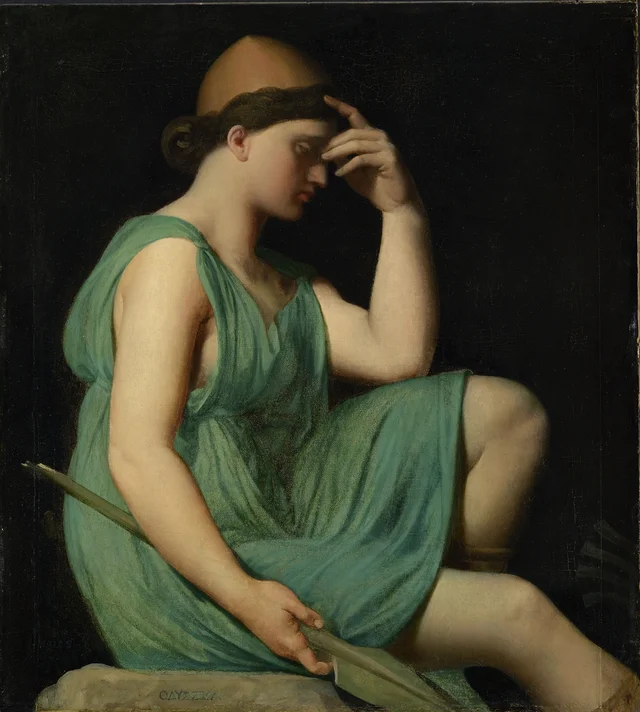 A OdisseiaJean-Auguste-Dominique Ingres, 1850
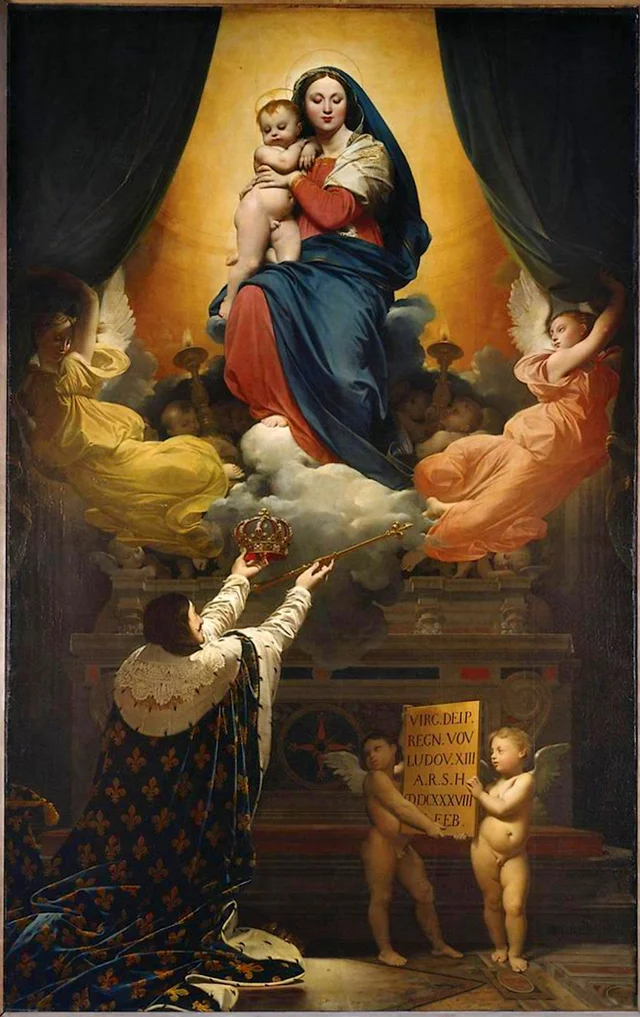 O voto de Luís XIIIJean-Auguste-Dominique Ingres, 1824
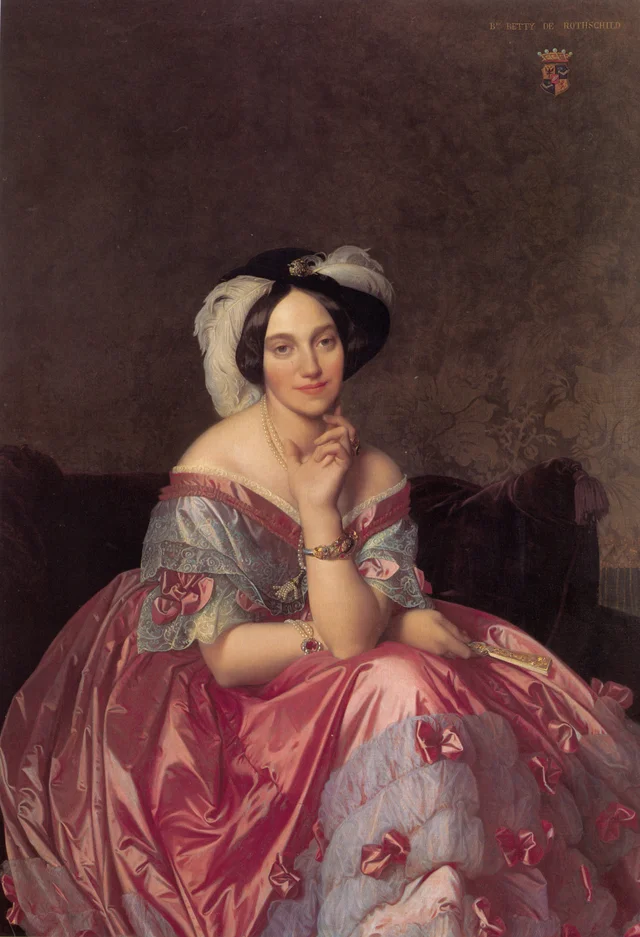 A baronesa de RothschildJean-Auguste-Dominique Ingres, 1848
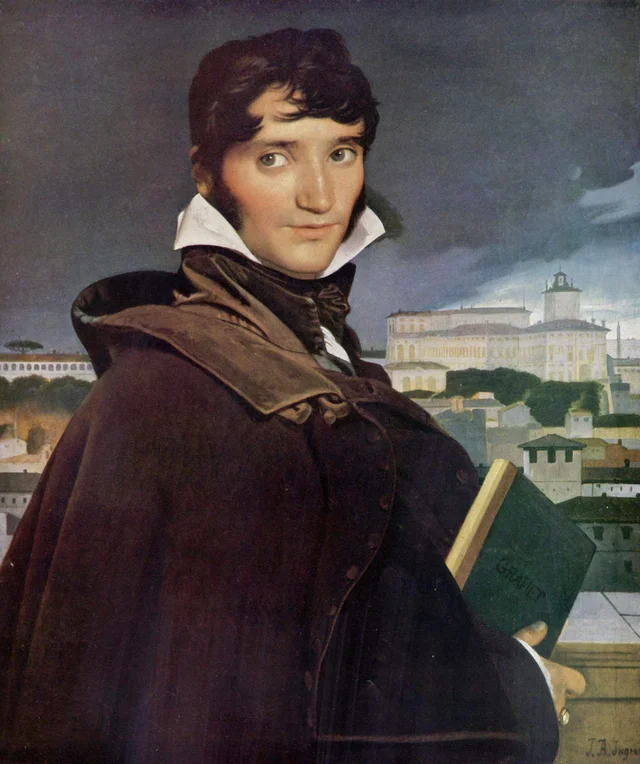 François Marius GranetJean-Auguste-Dominique Ingres, 1807
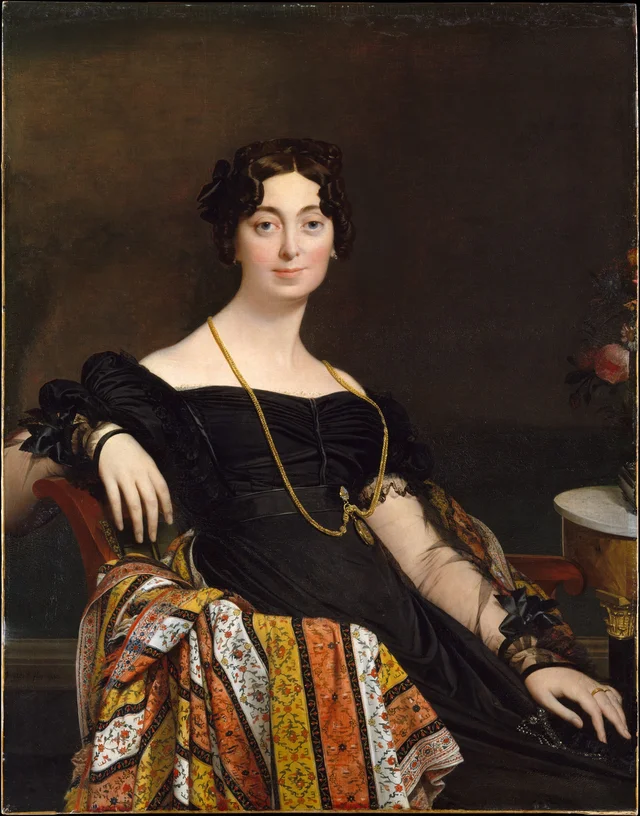 Madame Jacques-Louis Leblanc (Françoise Poncelle, 1788–1839)Jean-Auguste-Dominique Ingres, 1823
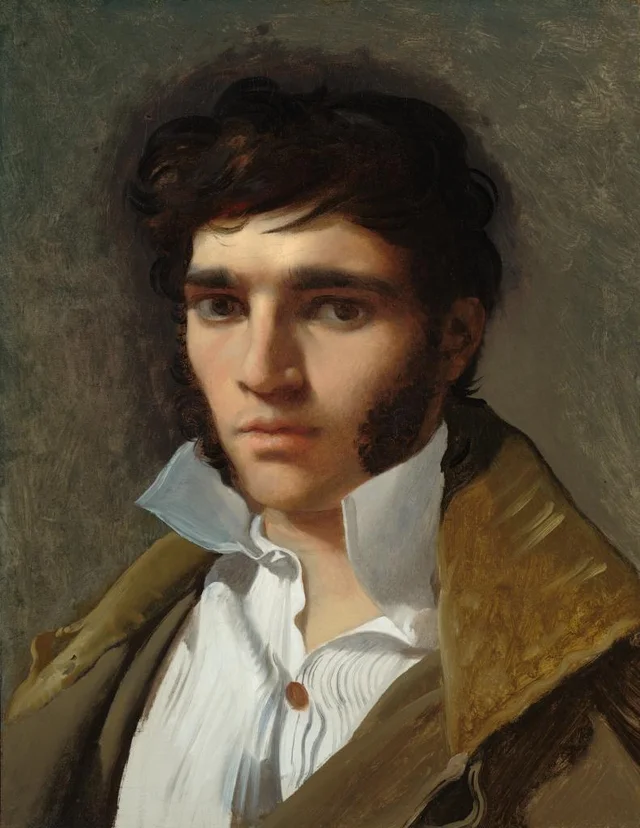 Retrato de Paul LemoyneJean-Auguste-Dominique Ingres, 1810
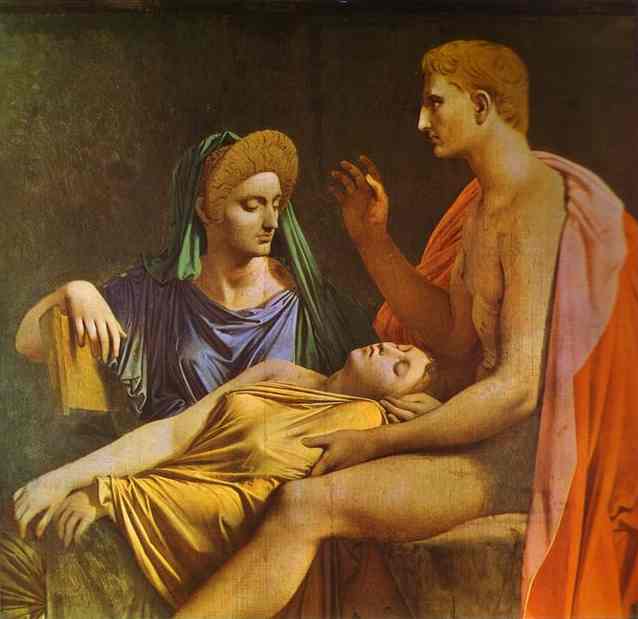 Augusto ouvindo a leitura da EneidaJean-Auguste-Dominique Ingres, 1812
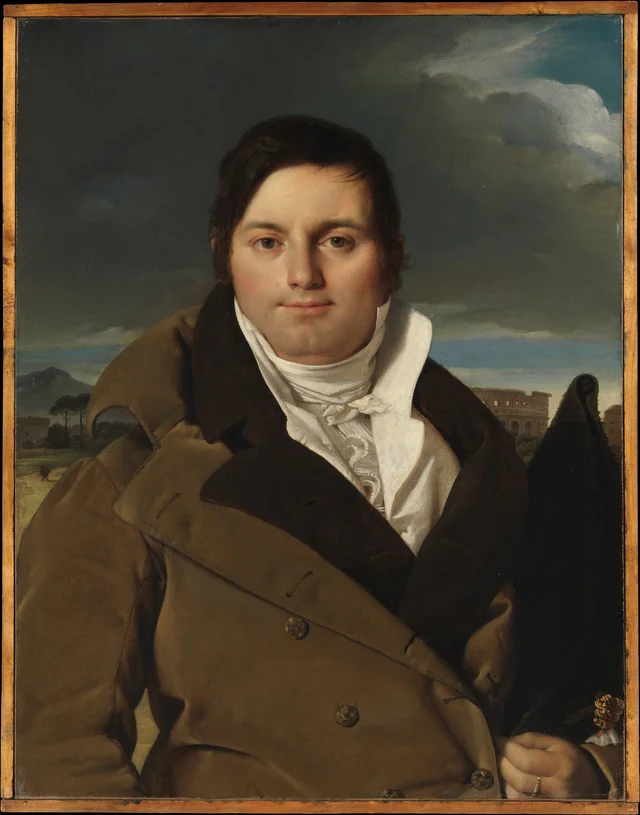 Joseph-Antoine MoltedoJean-Auguste-Dominique Ingres, 1810
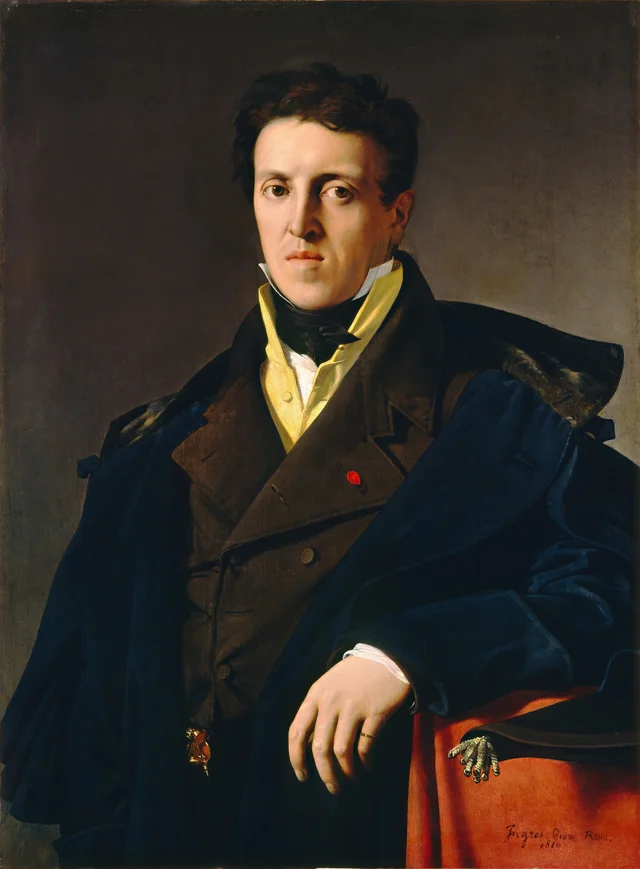 Marcotte d’ArgenteuilJean-Auguste-Dominique Ingres, 1810
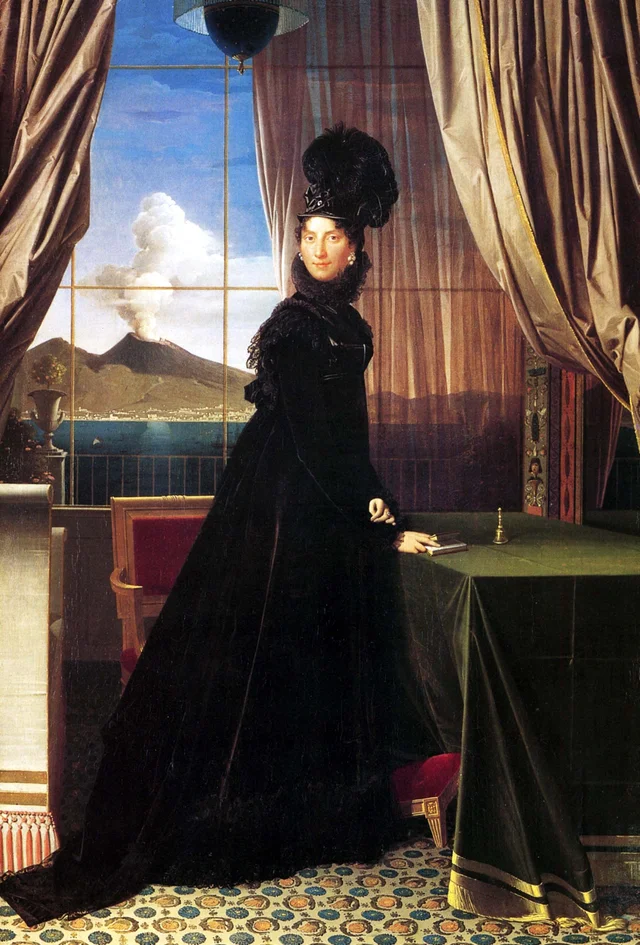 Retrato de Carolina Murat, Rainha de NápolesJean-Auguste-Dominique Ingres, 1814
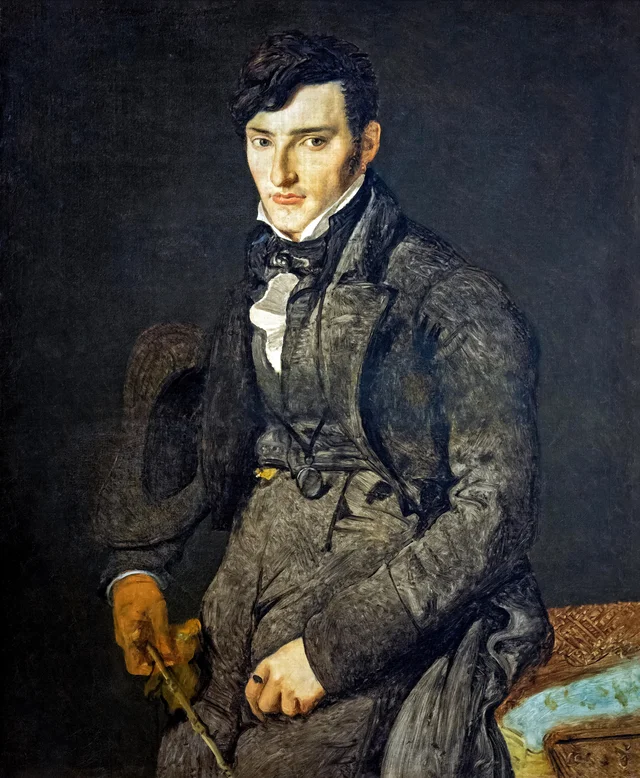 Retrato de Jean-Pierre-François GilibertJean-Auguste-Dominique Ingres, 1805
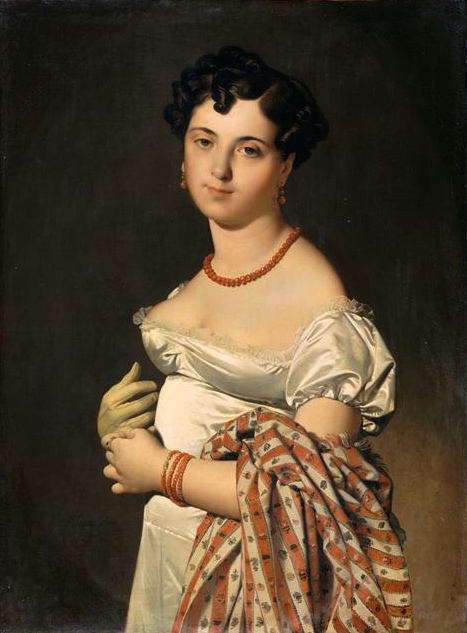 Retrato de Madame PanckouckeJean-Auguste-Dominique Ingres, 1811
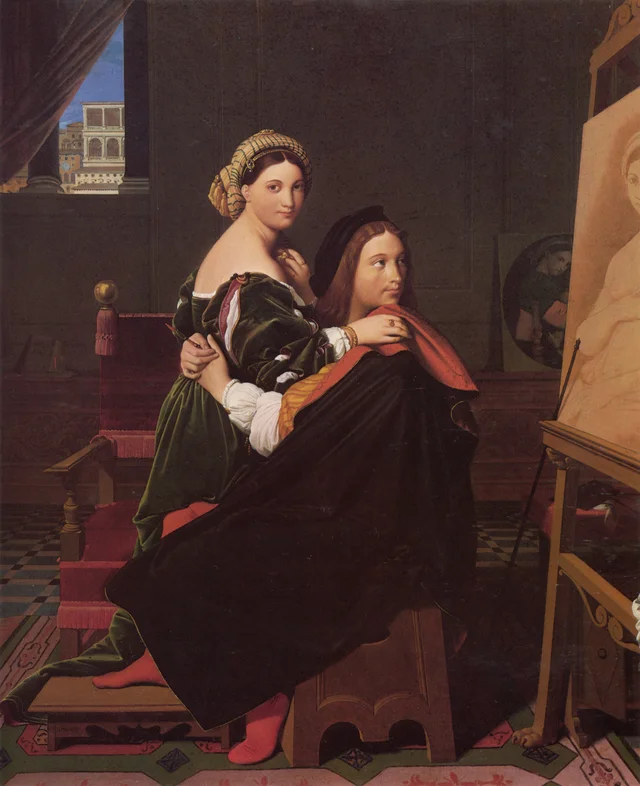 Rafael e a FornarinaJean-Auguste-Dominique Ingres, 1814
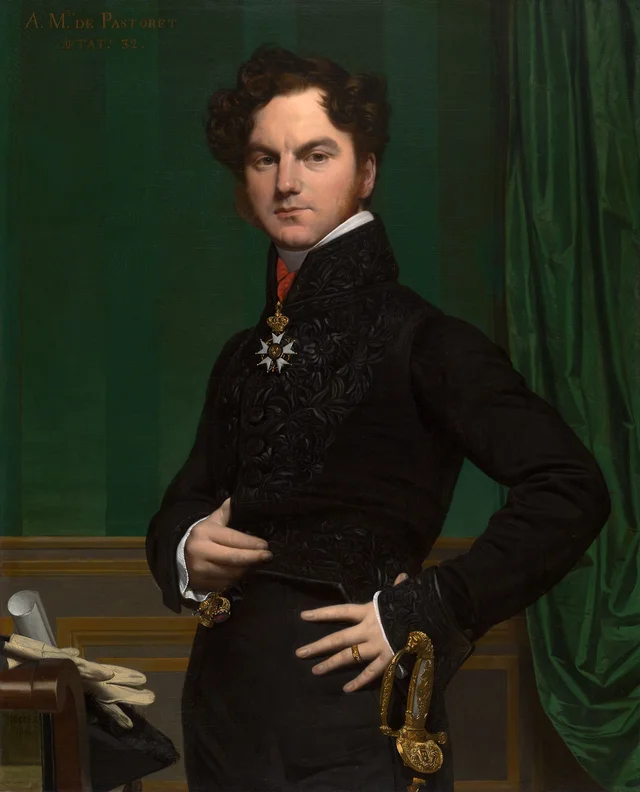 Amédée-David, conde de PastoretJean-Auguste-Dominique Ingres, 1823
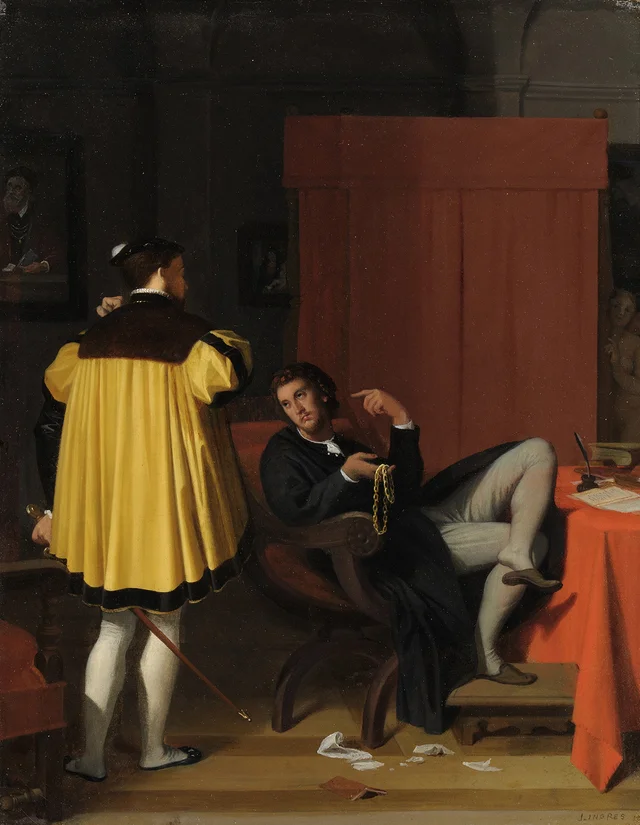 Aretino e o Embaixador de Carlos VJean-Auguste-Dominique Ingres, 1848
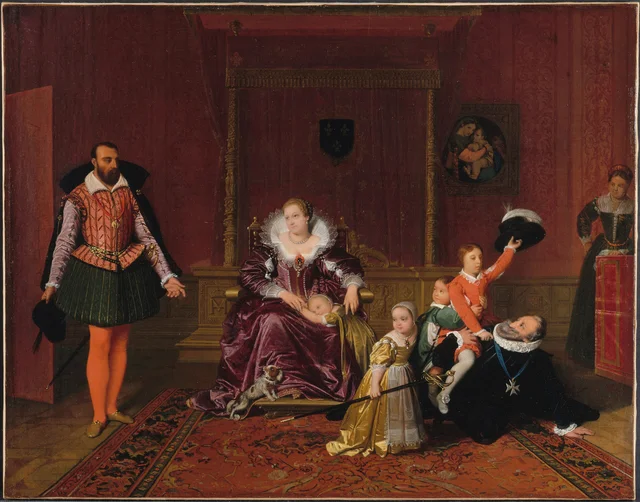 Henrique IV Recebendo o Embaixador da EspanhaJean-Auguste-Dominique Ingres, 1817
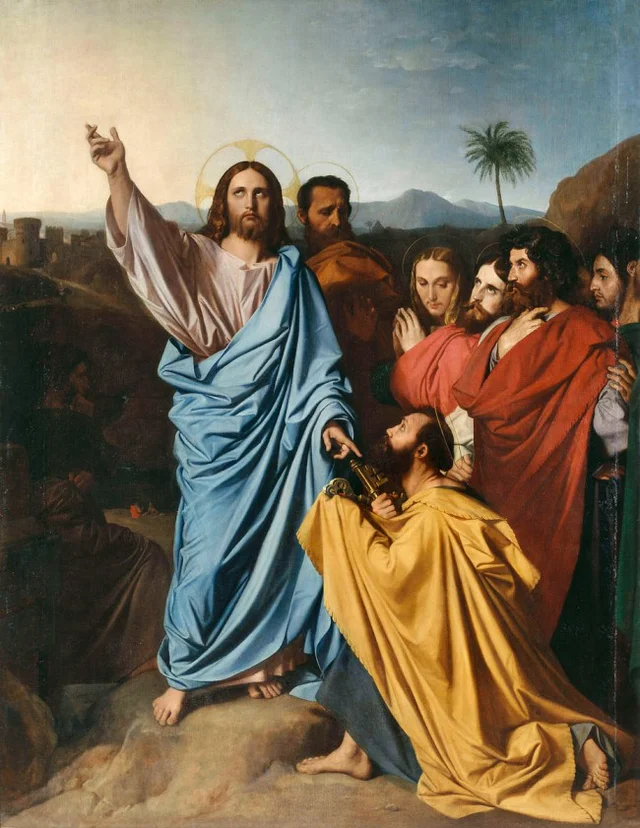 Jesus entregando as chaves a São PedroJean-Auguste-Dominique Ingres, 1820
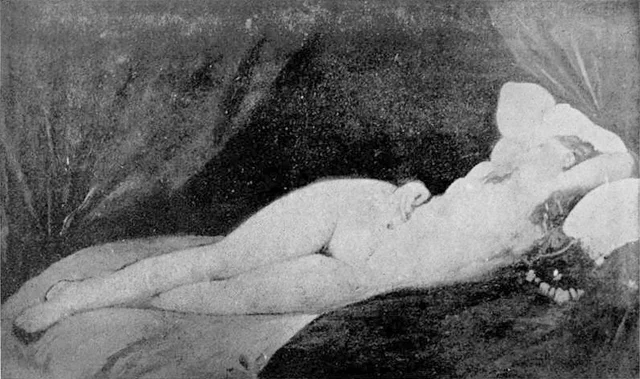 A Adormecida de NápolesJean-Auguste-Dominique Ingres, 1809
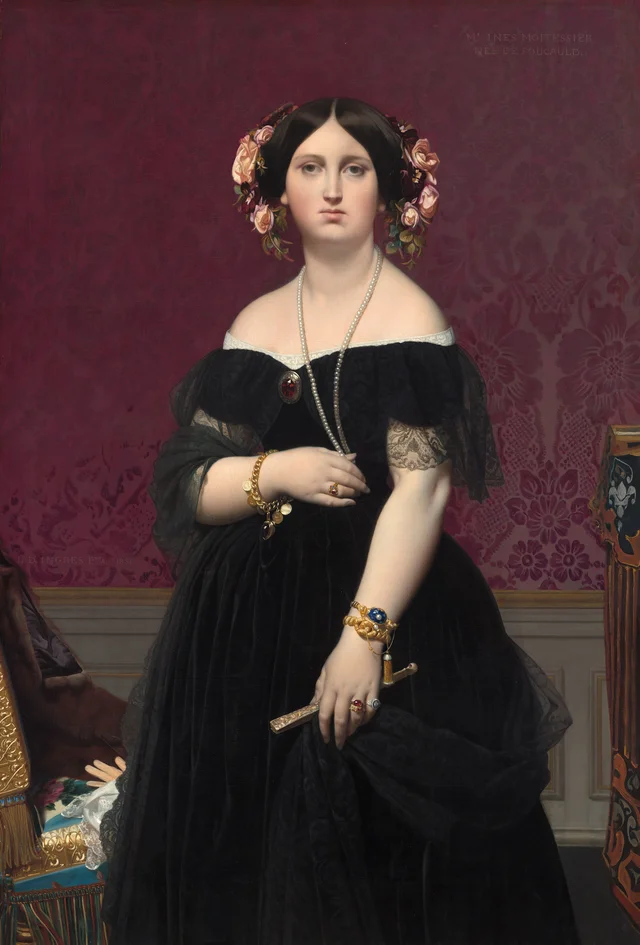 Madame MoitessierJean-Auguste-Dominique Ingres, 1851
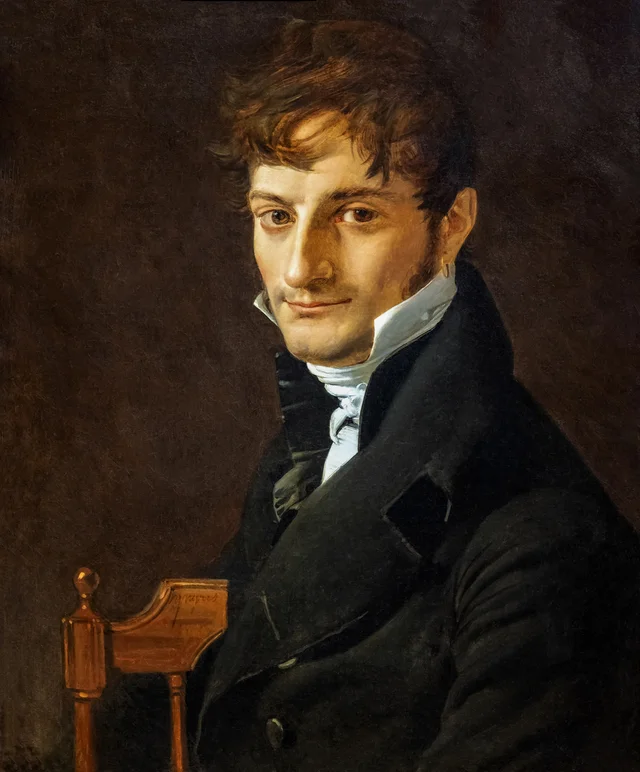 Retrato de Belvèze-FoulonJean-Auguste-Dominique Ingres, 1805