A história
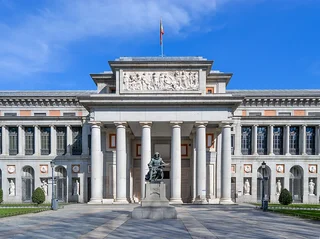
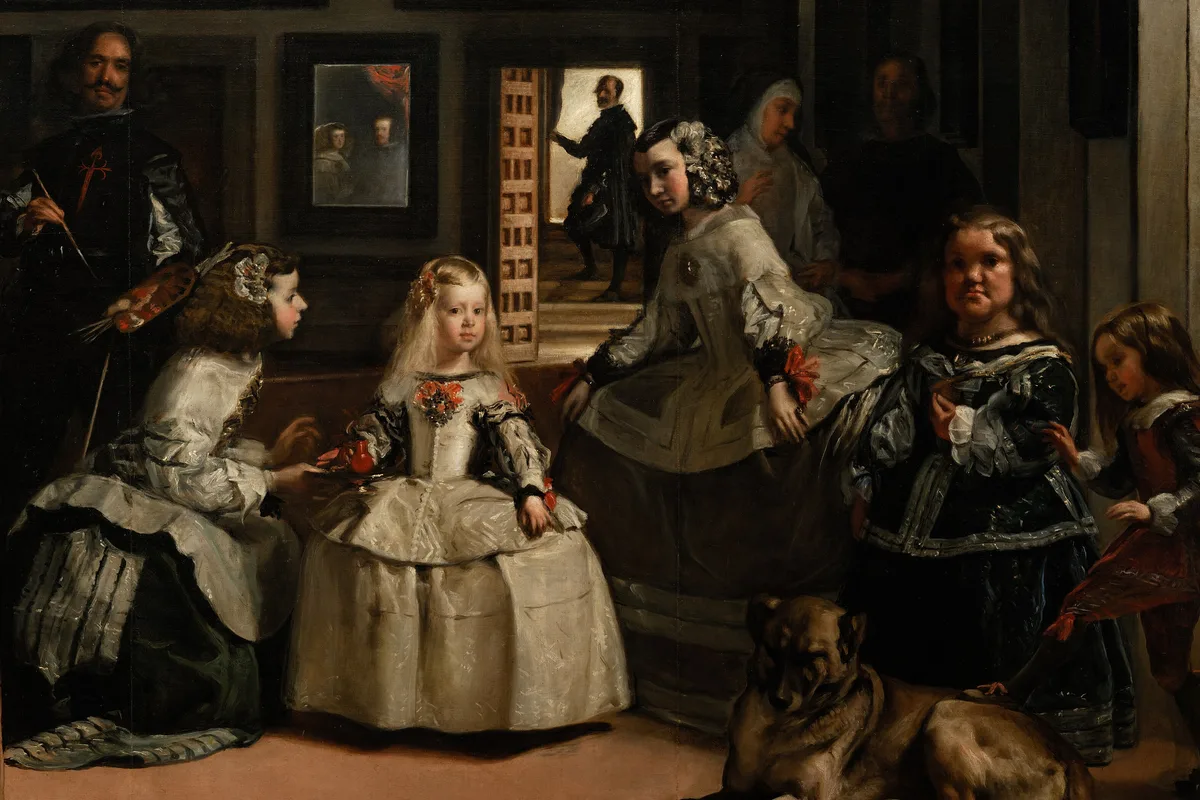
O Prado é a coleção de um rei tornada pública. Durante três séculos os Habsburgo e os Bourbon espanhóis compraram e encomendaram em escala real, e seu gosto é o próprio museu, com Ticiano e Rubens, que os reis amavam, e Velázquez, que serviu à corte espanhola por quase toda a vida. Sua tela As Meninas está no coração do edifício, o pintor olhando por trás da própria tela numa sala do antigo Alcázar real.
A galeria abriu em 1819 num edifício que o arquiteto Juan de Villanueva projetara primeiro como um salão de ciências naturais. Suas paredes carregam os rumos mais sombrios da arte espanhola ao lado de seu esplendor: o Três de Maio de 1808 de Goya, o pelotão de fuzilamento erguendo suas lanternas no escuro, e as Pinturas Negras que ele lançou diretamente sobre as paredes de sua própria casa no fim da vida, surdo e recluso, sem nunca pretender mostrá-las.
O mais antigo de seus grandes tesouros é anterior a esse gosto real espanhol, o Jardim das Delícias Terrenas de Hieronymus Bosch, a visão em três painéis do paraíso, do desejo e do inferno, mais tarde incorporada à coleção de Filipe II e enviada a seu palácio-mosteiro de El Escorial. Hoje atrai multidões ao que outrora só à corte era permitido ver.
Mais artigos
Acervo
870 obras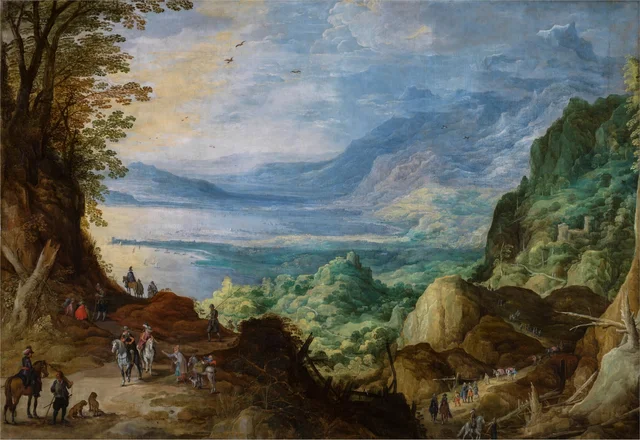 Paisagem com mar e montanhasJoos de Momper, o Jovem, 1623
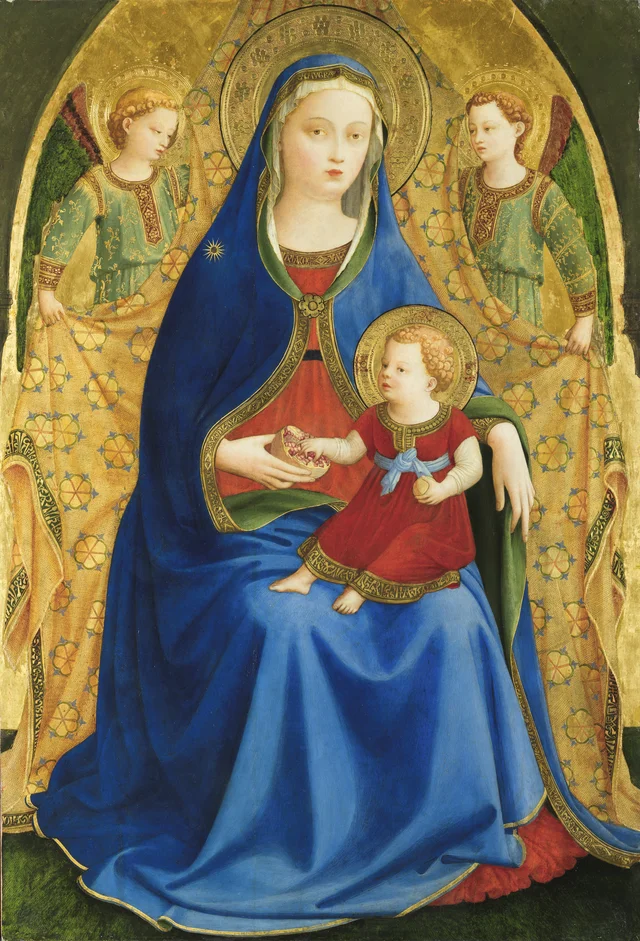 Virgem da romãFra Angelico, 1426
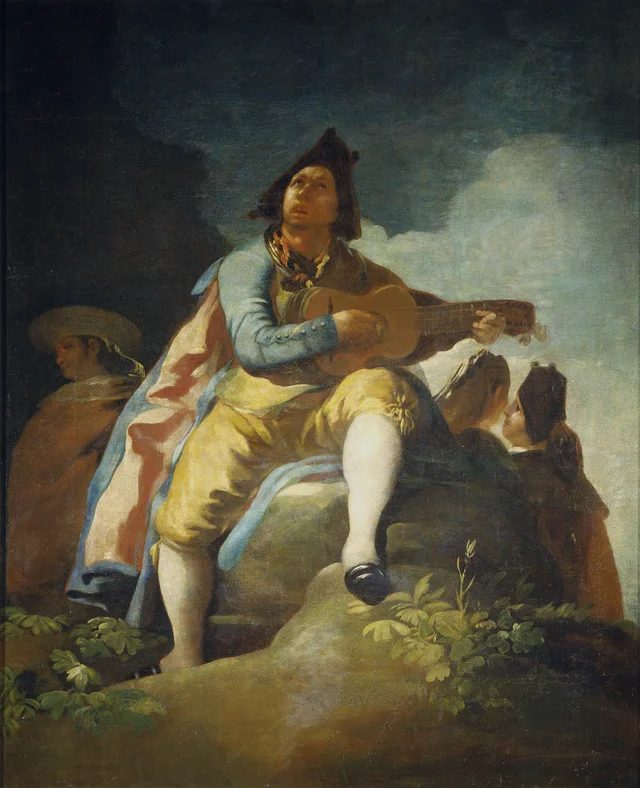 Majo com violãoFrancisco Goya, 1779
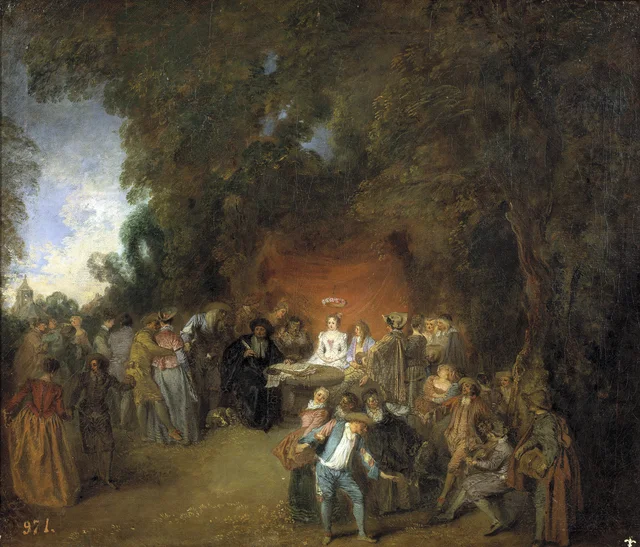 Contrato de casamento e dança campestreJean-Antoine Watteau, 1711
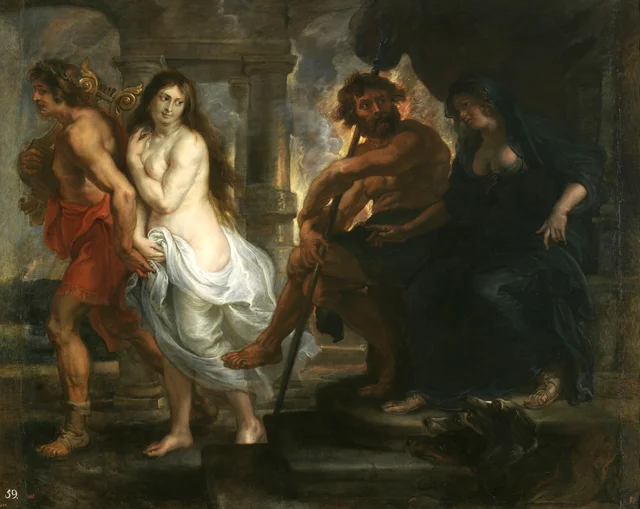 Orfeu e EurídicePedro Paulo Rubens, 1636
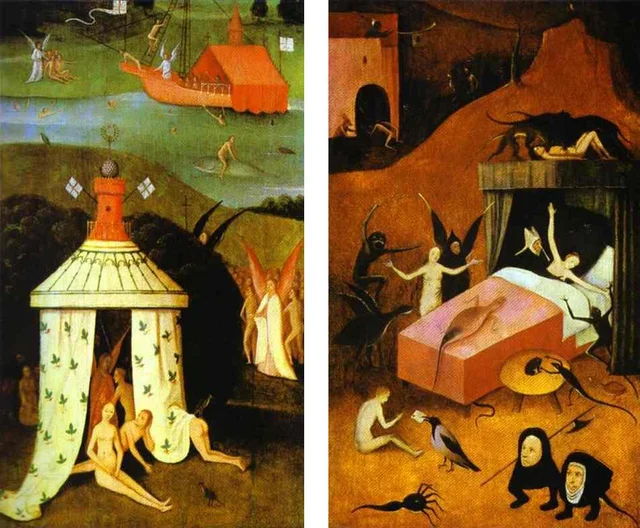 O Paraíso e o InfernoSeguidor de Hieronymus Bosch, 1513
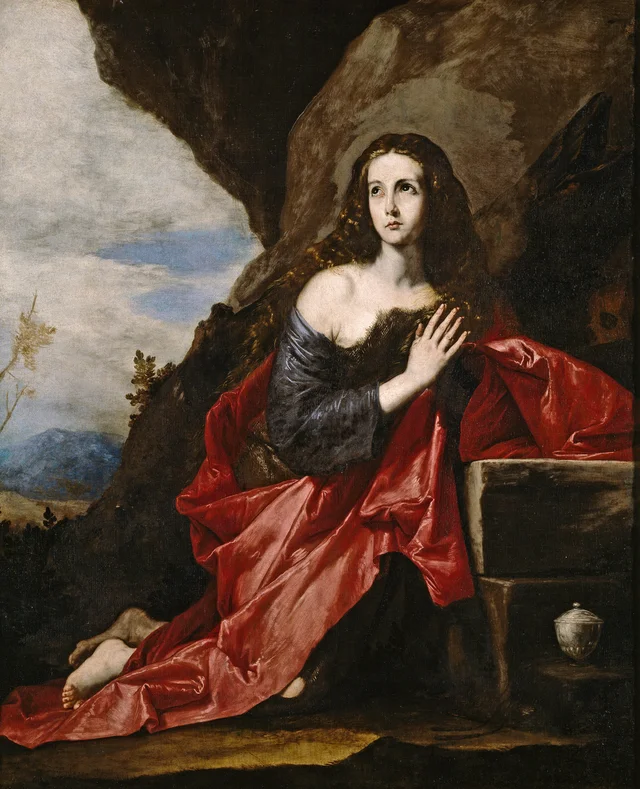 Madalena PenitenteJusepe de Ribera, 1641
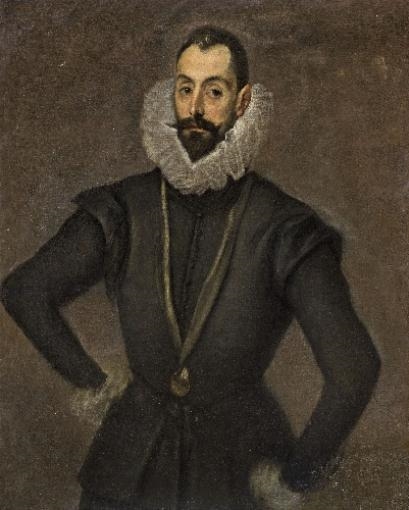 Retrato de um cavalheiroEl Greco, 1605
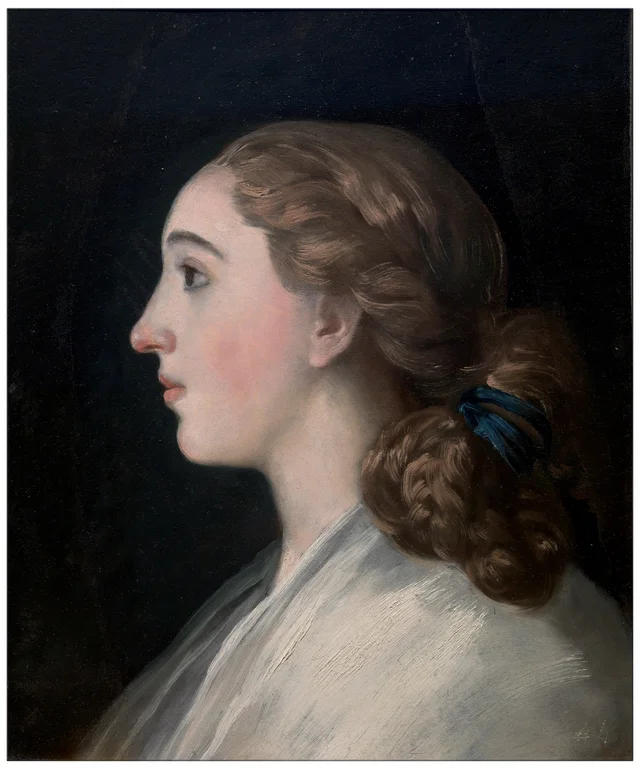 Retrato de Maria Teresa de VallabrigaFrancisco Goya, 1783
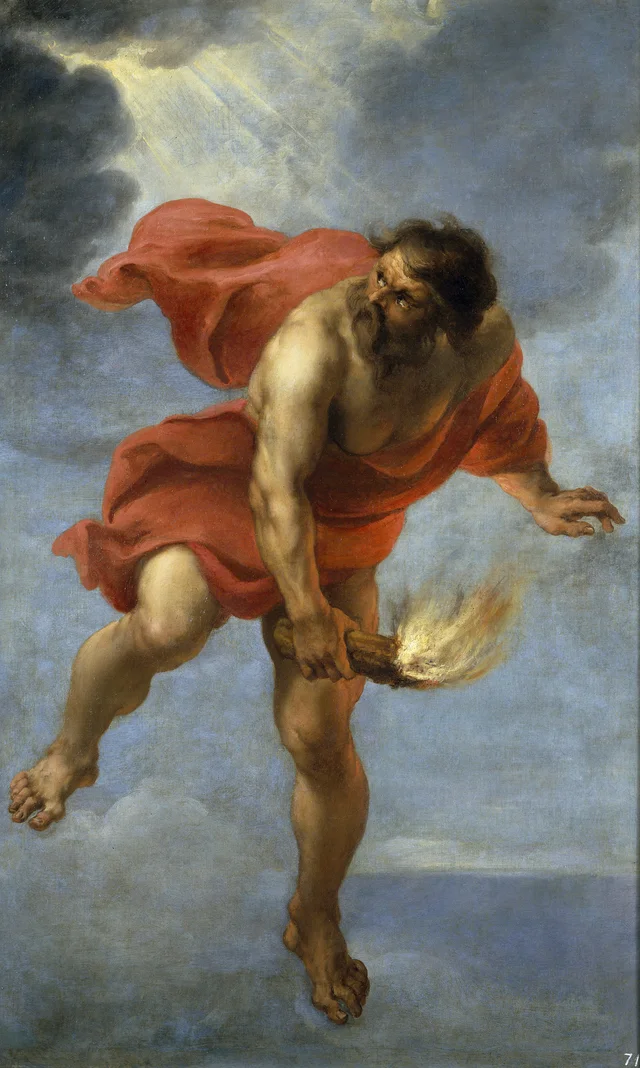 Prometeu carregando o fogoJan Cossiers, 1637
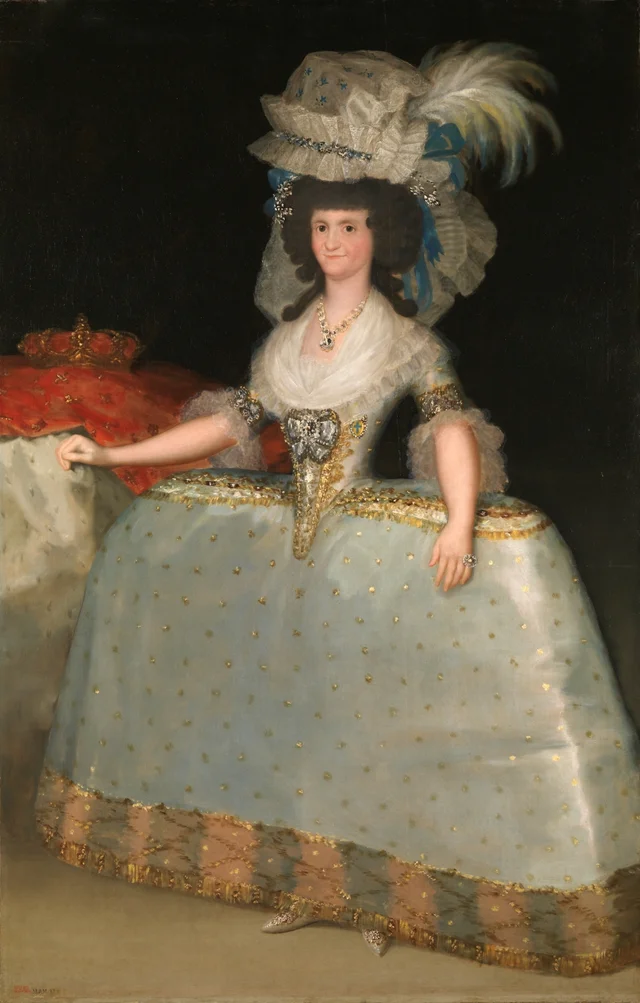 A rainha Maria Luísa em vestido com anquinhasFrancisco Goya, 1789
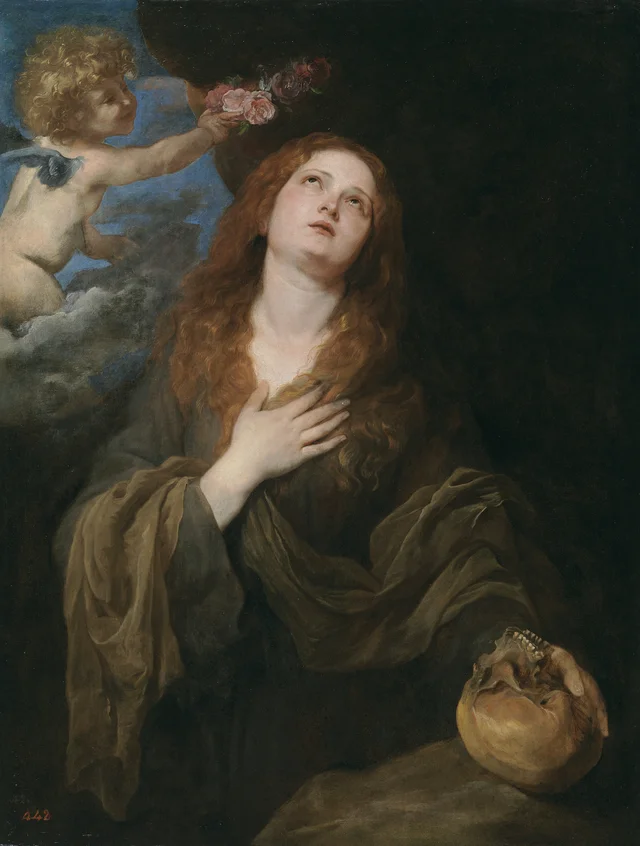 Santa RosáliaAnton van Dyck, 1625
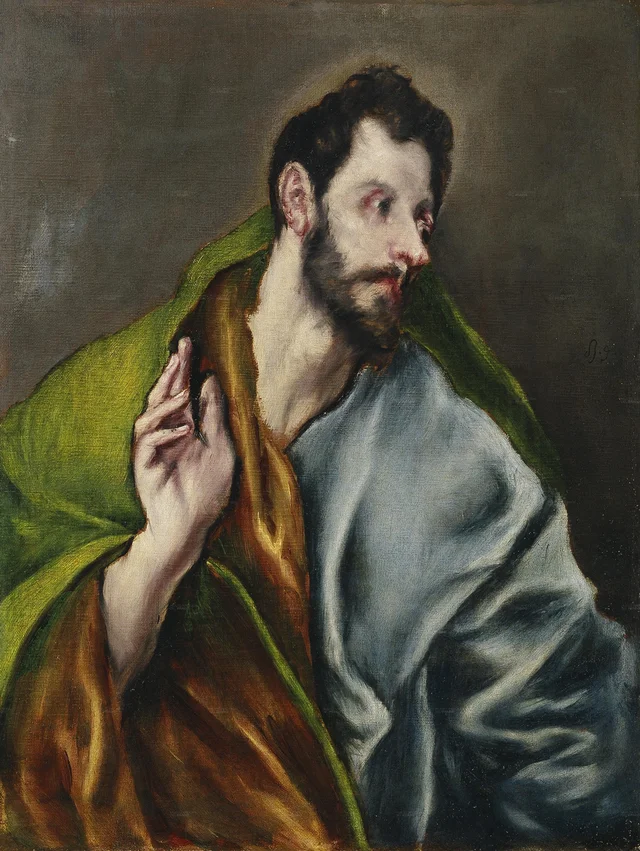 São Tomé ApóstoloEl Greco, 1608
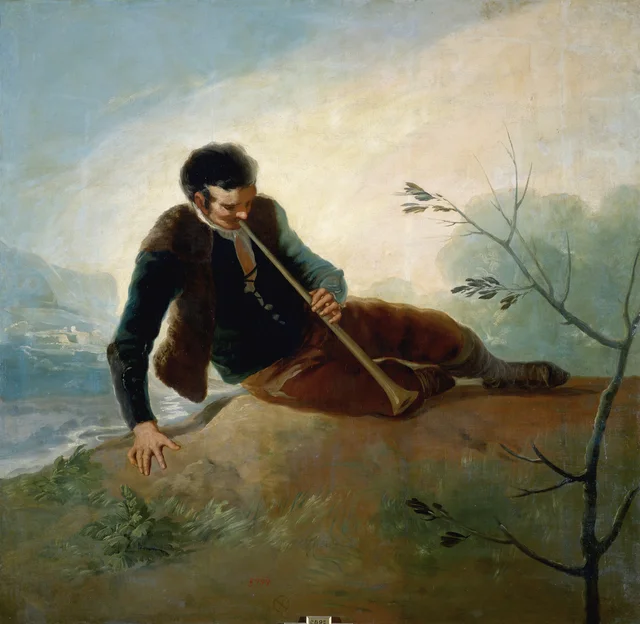 O pastor tocando a dulzainaFrancisco Goya, 1786
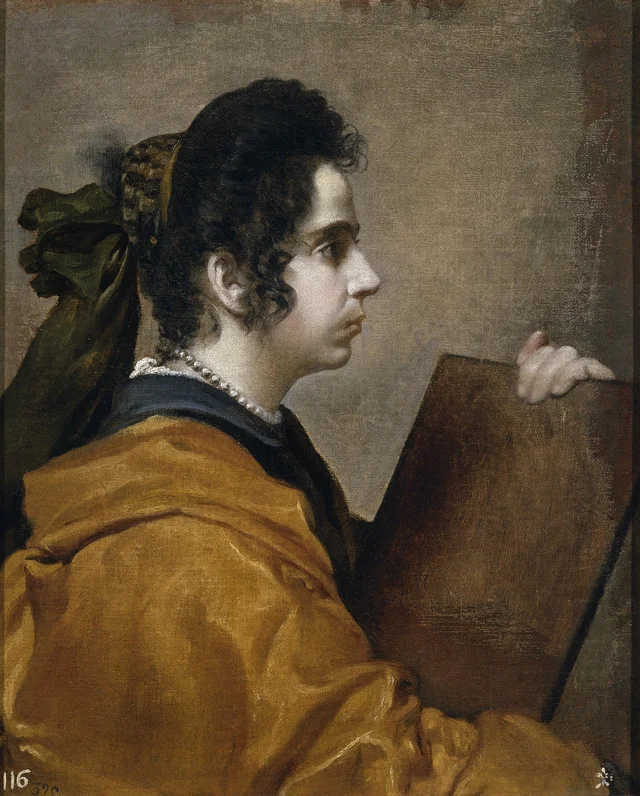 SibilaDiego Velázquez, 1632
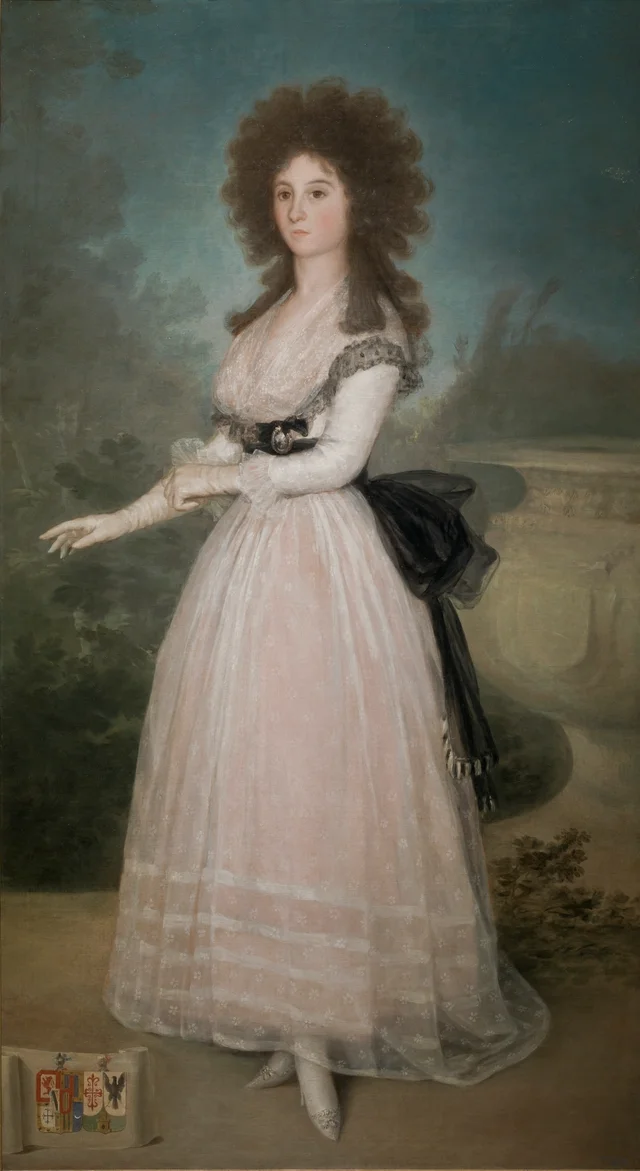 Tadea Arias de EnríquezFrancisco Goya, 1789
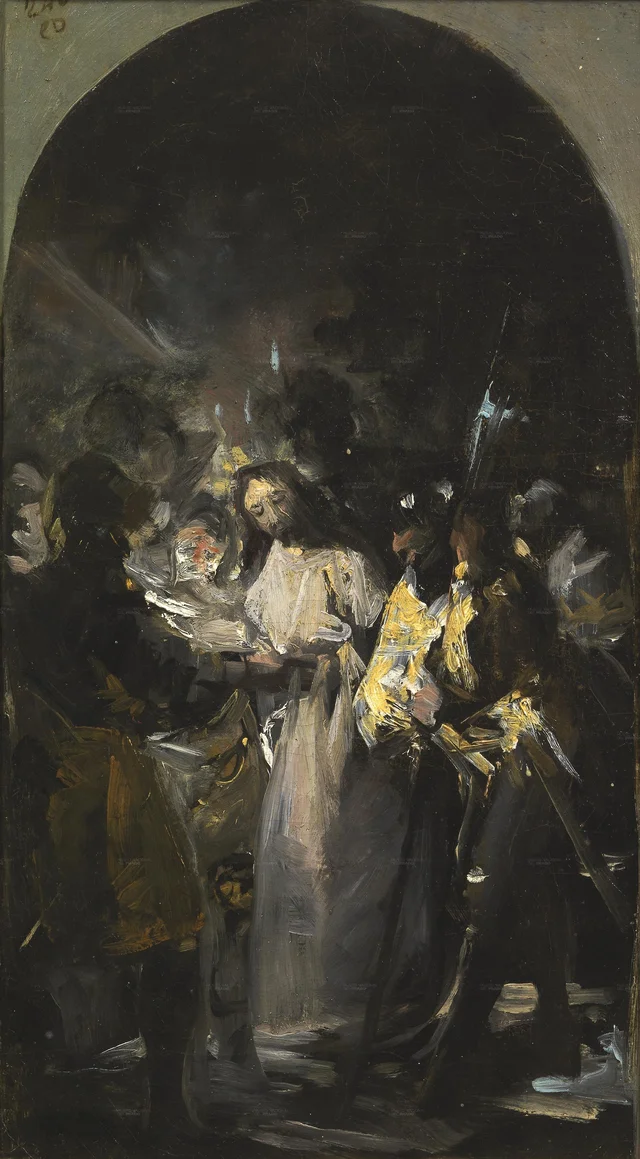 A Prisão de CristoFrancisco Goya, 1798
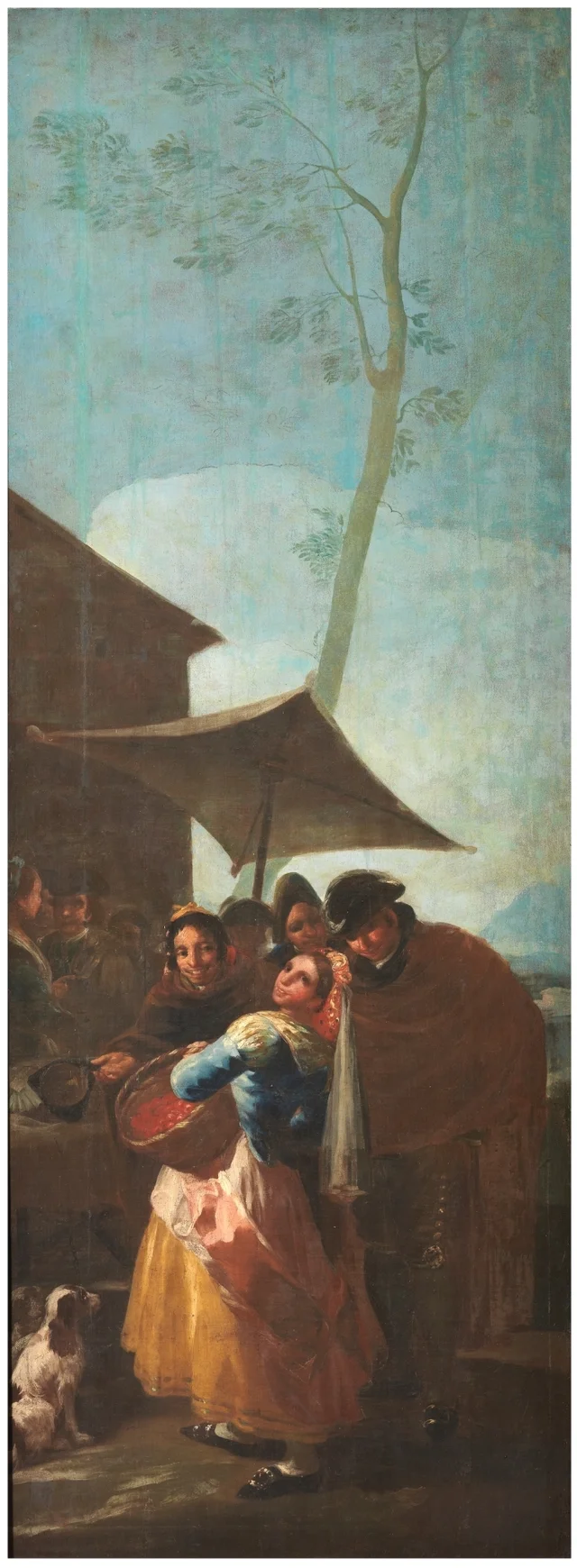 A vendedora de louçasFrancisco Goya, 1778
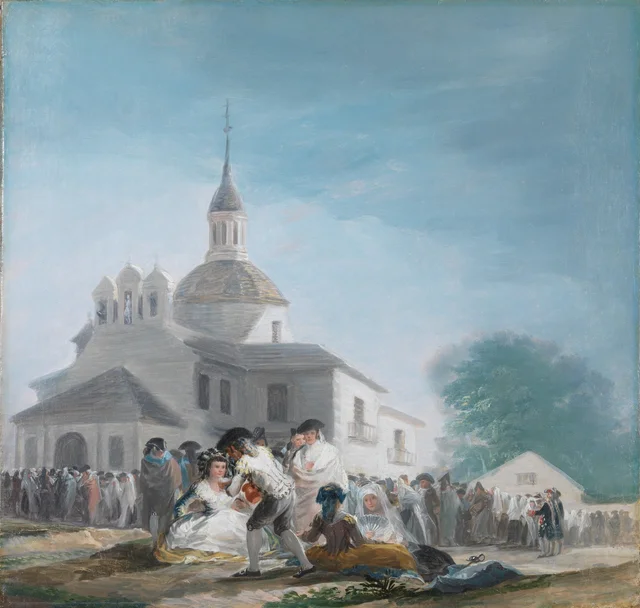 A ermida de Santo IsidoroFrancisco Goya, 1788
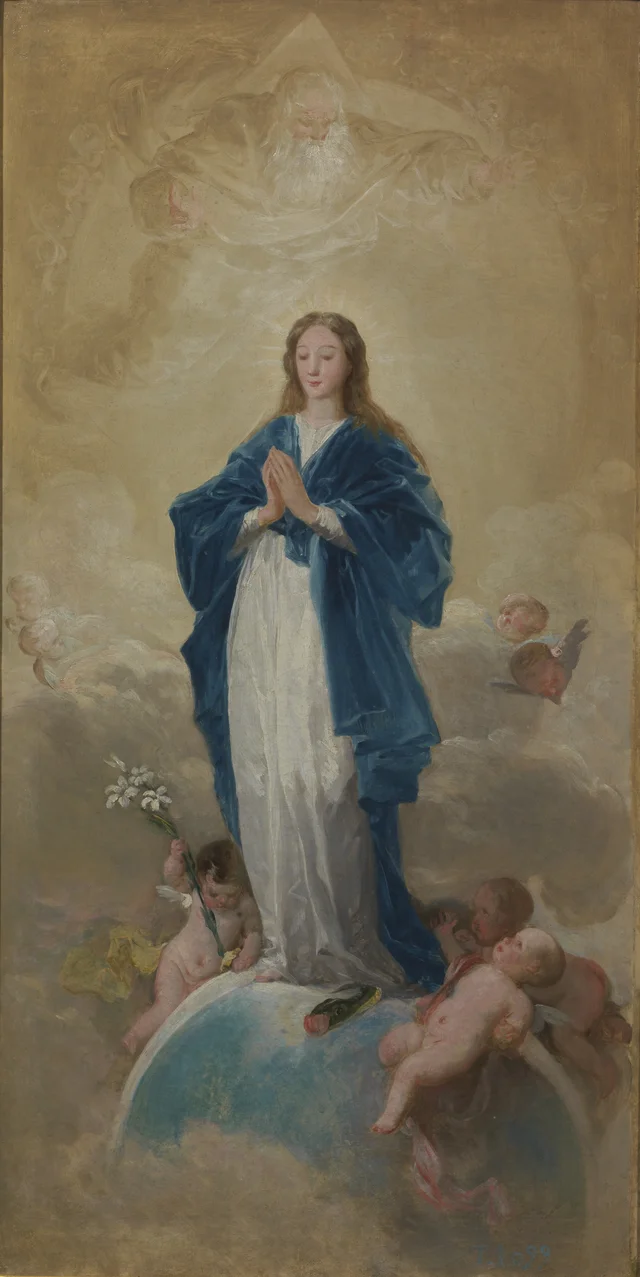 A Imaculada ConceiçãoFrancisco Goya, 1784
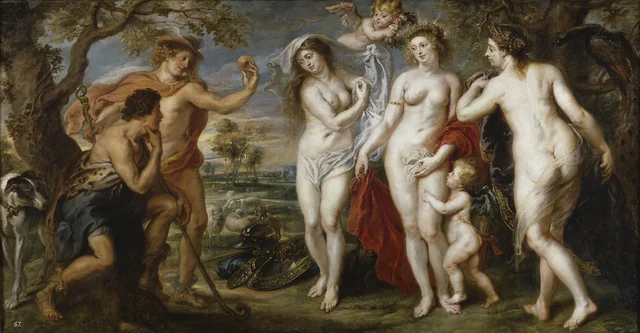 O Julgamento de ParisPedro Paulo Rubens, 1638
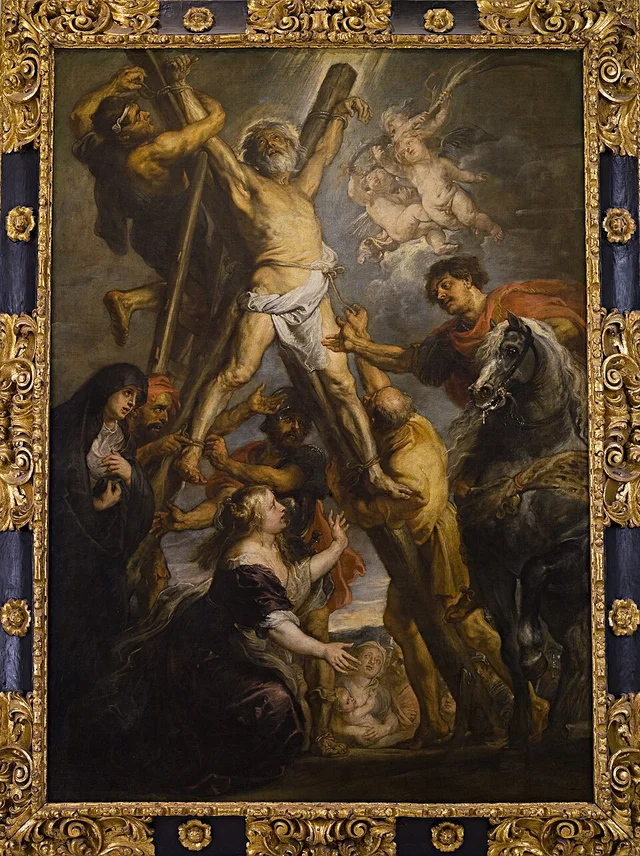 O Martírio de Santo AndréPedro Paulo Rubens, 1639
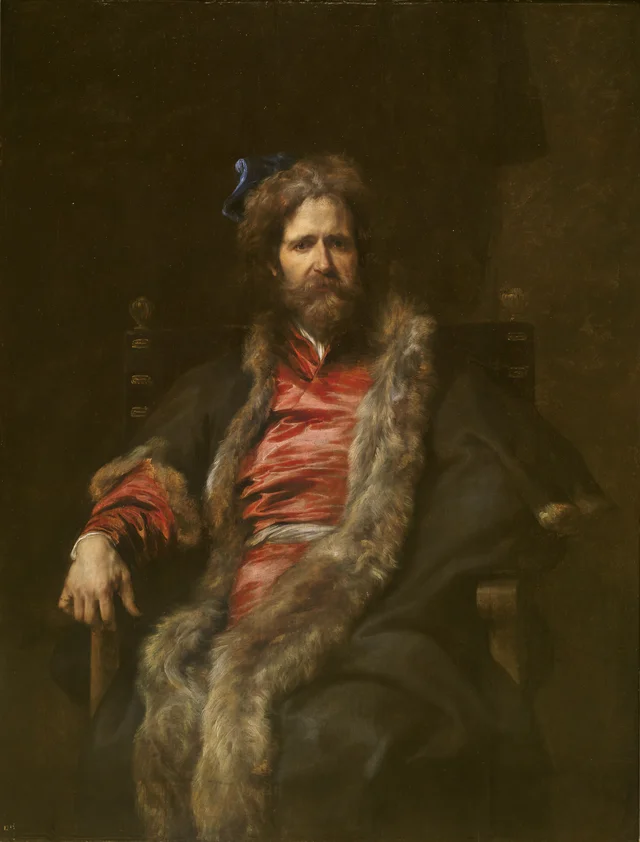 O pintor Martin RyckaertAnton van Dyck, 1631
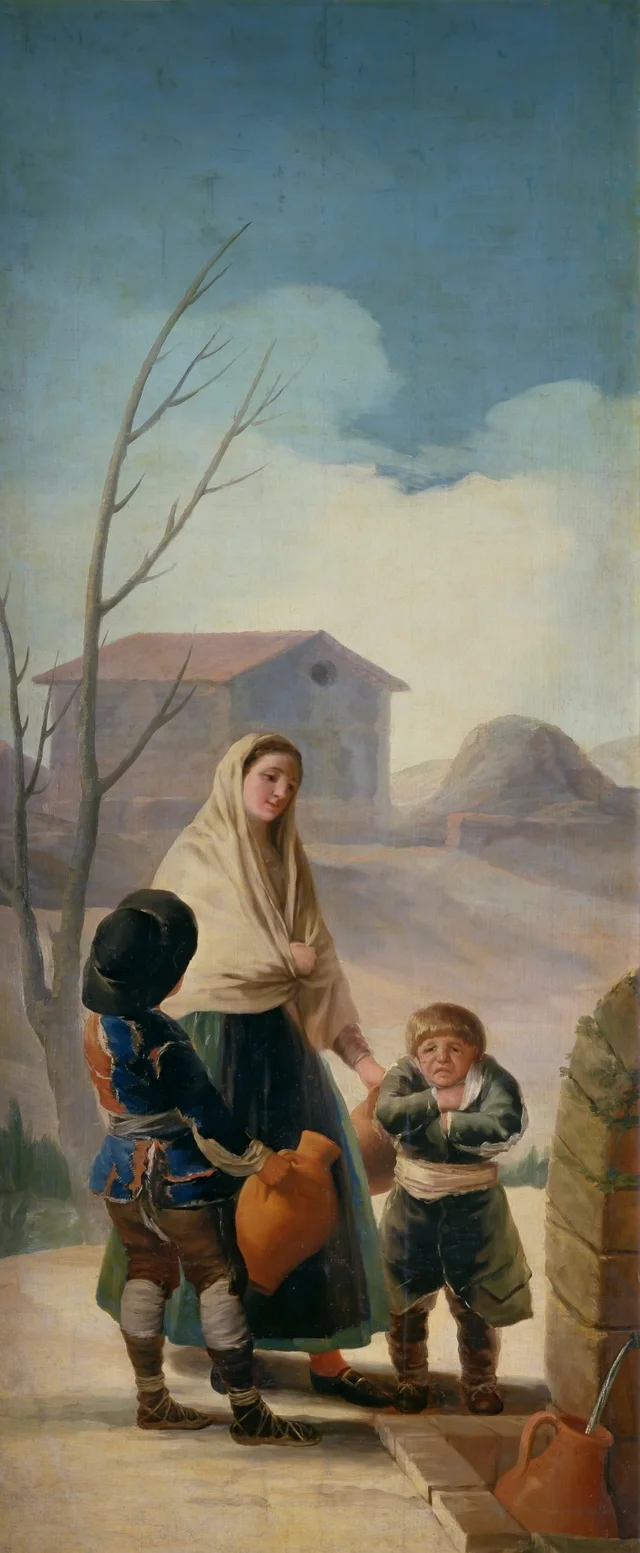 Os pobres na fonteFrancisco Goya, 1786
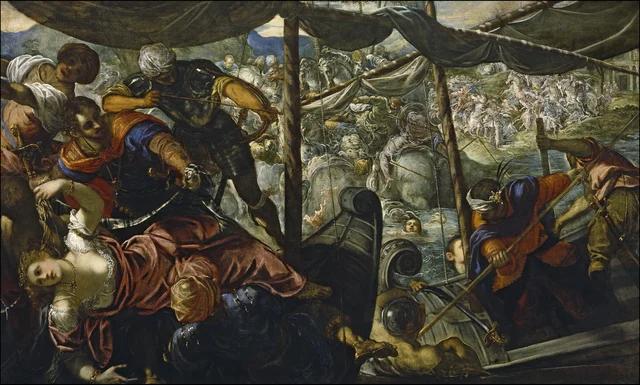 O Rapto de HelenaJacopo Tintoretto, 1578