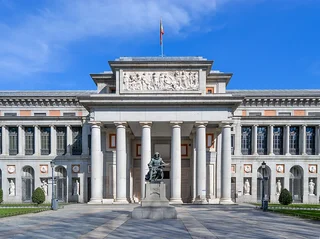
A história
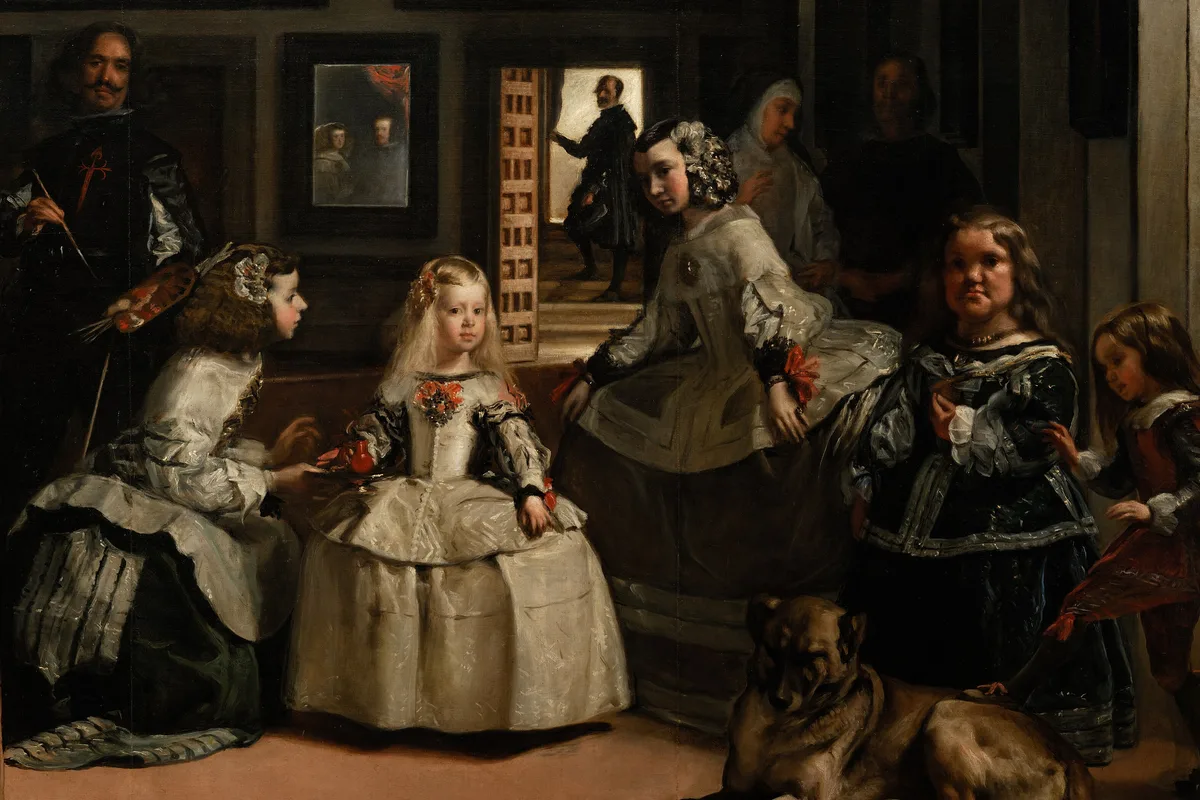
O Prado é a coleção de um rei tornada pública. Durante três séculos os Habsburgo e os Bourbon espanhóis compraram e encomendaram em escala real, e seu gosto é o próprio museu, com Ticiano e Rubens, que os reis amavam, e Velázquez, que serviu à corte espanhola por quase toda a vida. Sua tela As Meninas está no coração do edifício, o pintor olhando por trás da própria tela numa sala do antigo Alcázar real.
A galeria abriu em 1819 num edifício que o arquiteto Juan de Villanueva projetara primeiro como um salão de ciências naturais. Suas paredes carregam os rumos mais sombrios da arte espanhola ao lado de seu esplendor: o Três de Maio de 1808 de Goya, o pelotão de fuzilamento erguendo suas lanternas no escuro, e as Pinturas Negras que ele lançou diretamente sobre as paredes de sua própria casa no fim da vida, surdo e recluso, sem nunca pretender mostrá-las.
O mais antigo de seus grandes tesouros é anterior a esse gosto real espanhol, o Jardim das Delícias Terrenas de Hieronymus Bosch, a visão em três painéis do paraíso, do desejo e do inferno, mais tarde incorporada à coleção de Filipe II e enviada a seu palácio-mosteiro de El Escorial. Hoje atrai multidões ao que outrora só à corte era permitido ver.
Mais artigos
Acervo
870 obras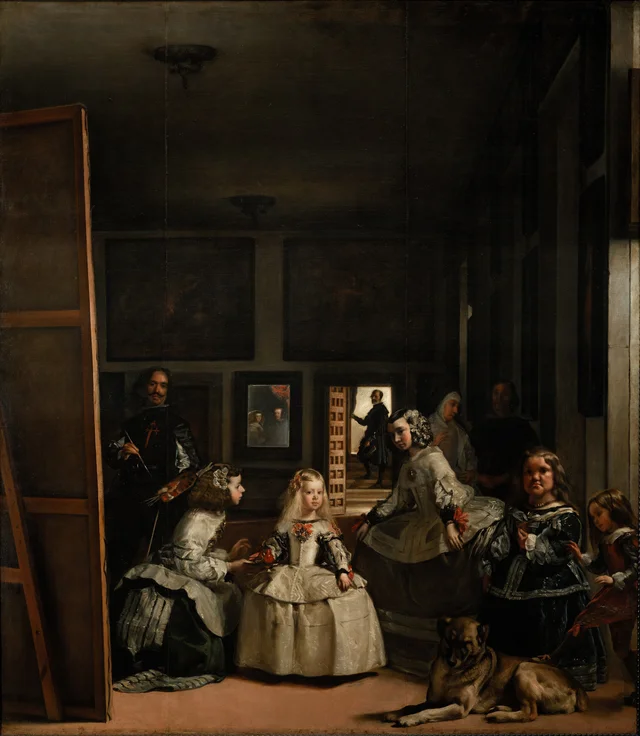 As MeninasDiego Velázquez, 1656
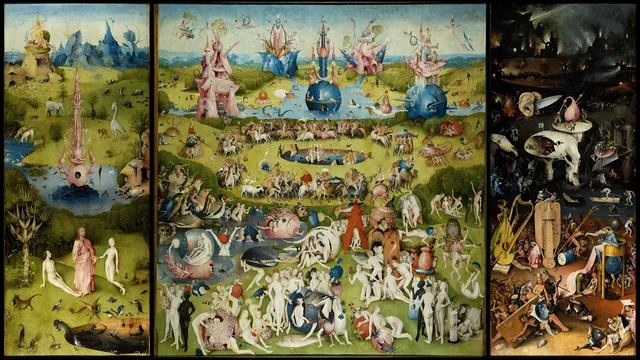 O Jardim das DelíciasHieronymus Bosch, 1490
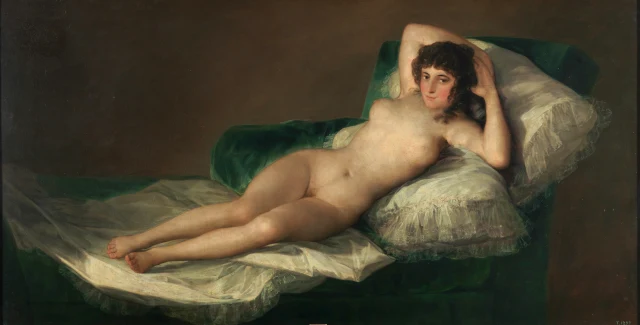 A Maja NuaFrancisco Goya, 1800
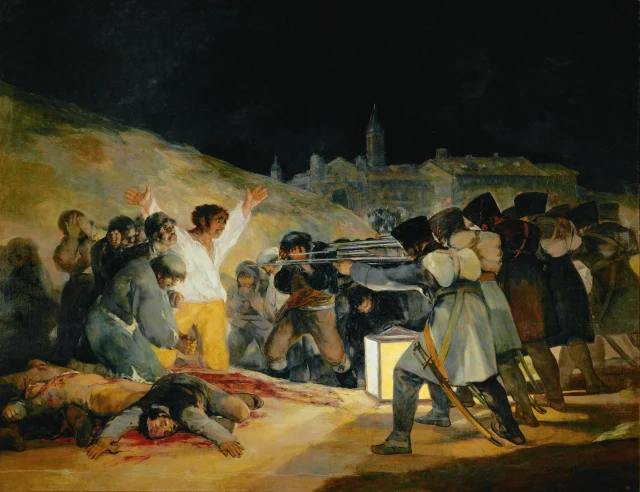 O Três de Maio de 1808Francisco Goya, 1814
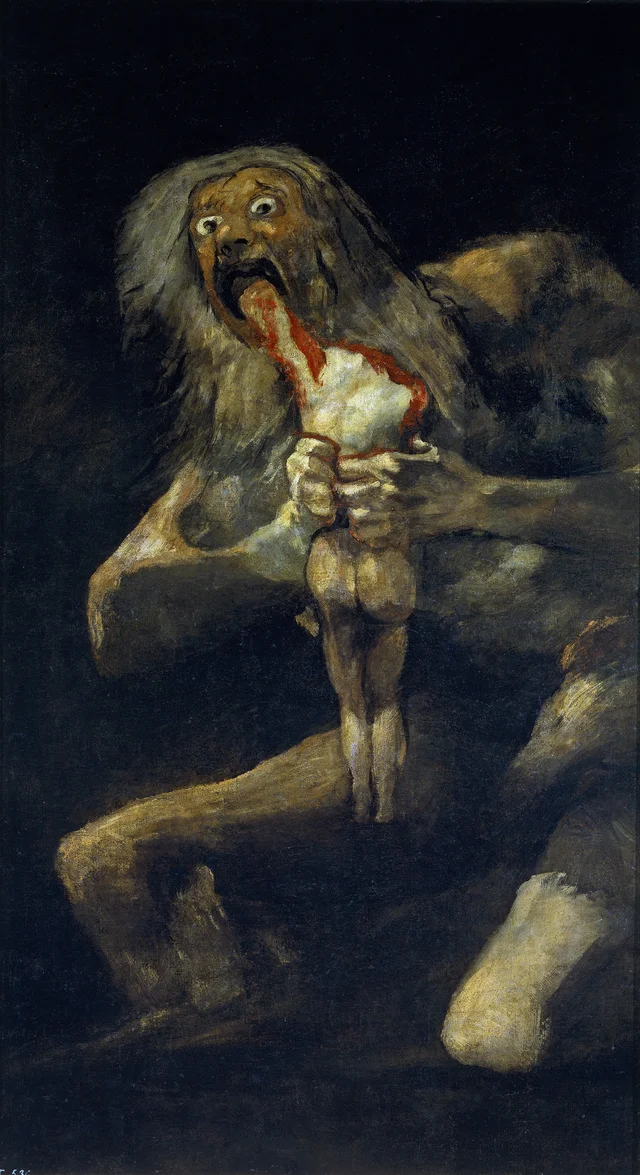 Saturno devorando um filhoFrancisco Goya, 1819
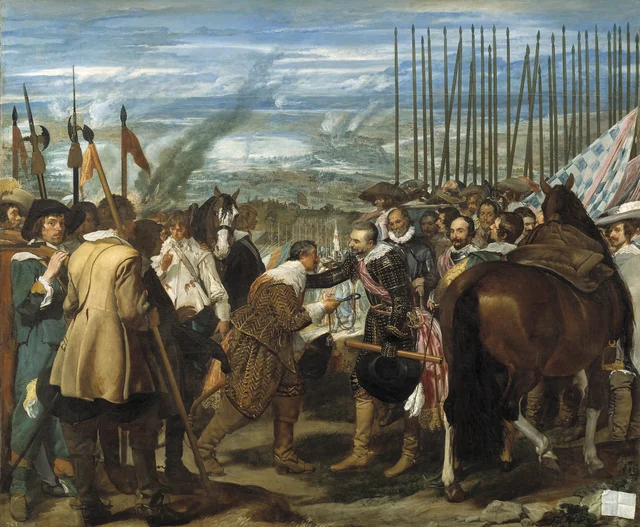 A Rendição de BredaDiego Velázquez, 1635
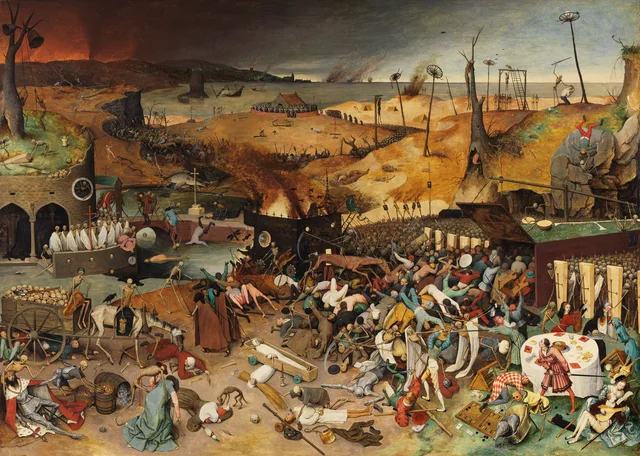 O Triunfo da MortePieter Brueghel, o Velho, 1562
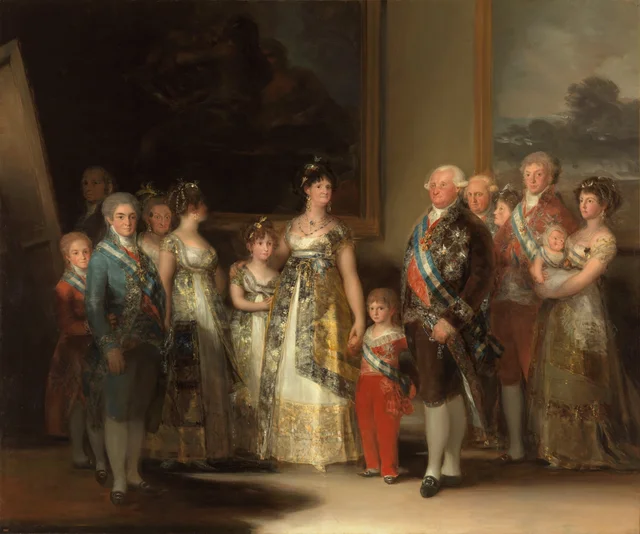 A Família de Carlos IVFrancisco Goya, 1800
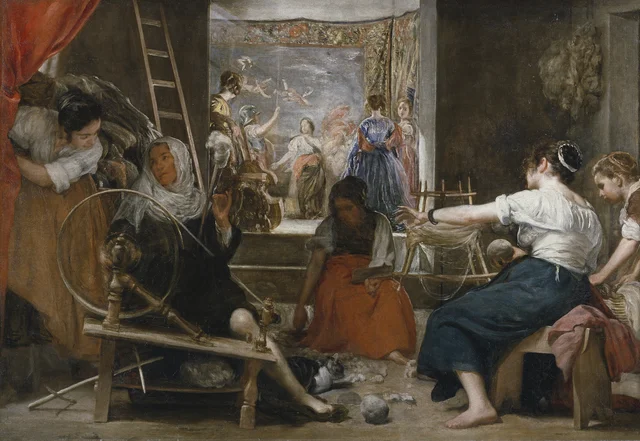 As FiandeirasDiego Velázquez, 1655
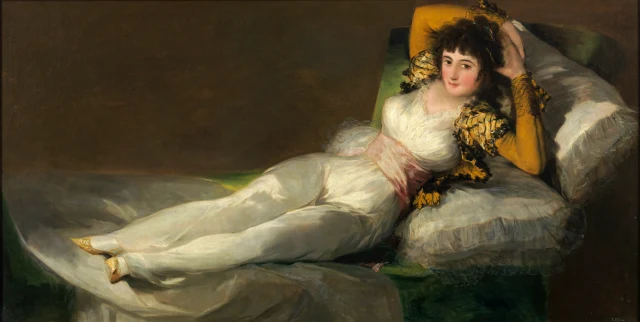 A Maja VestidaFrancisco Goya, 1800
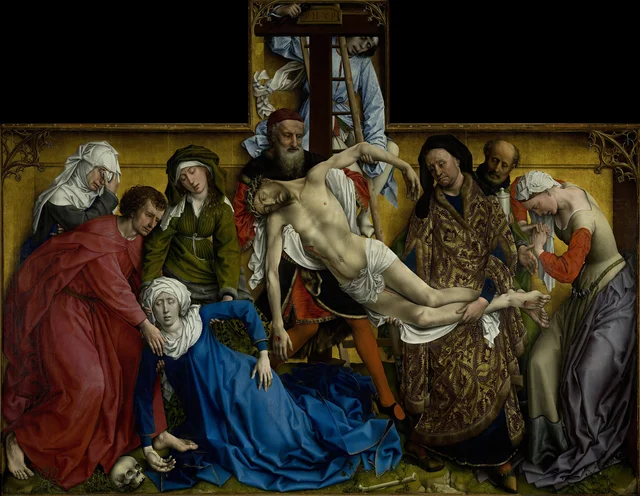 Descida da CruzRogier van der Weyden, 1440
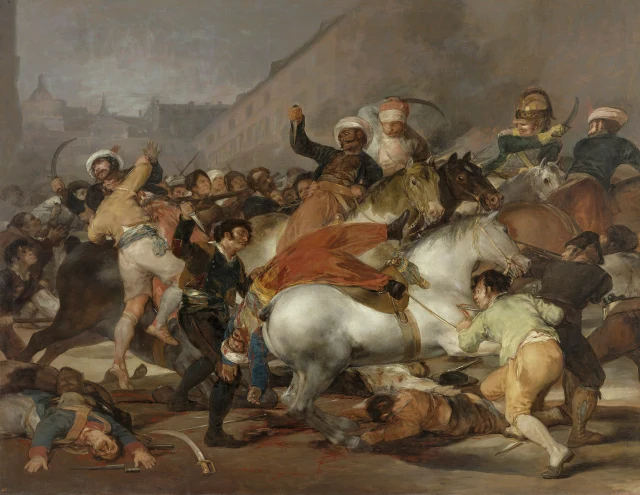 2 de maio de 1808Francisco Goya, 1814
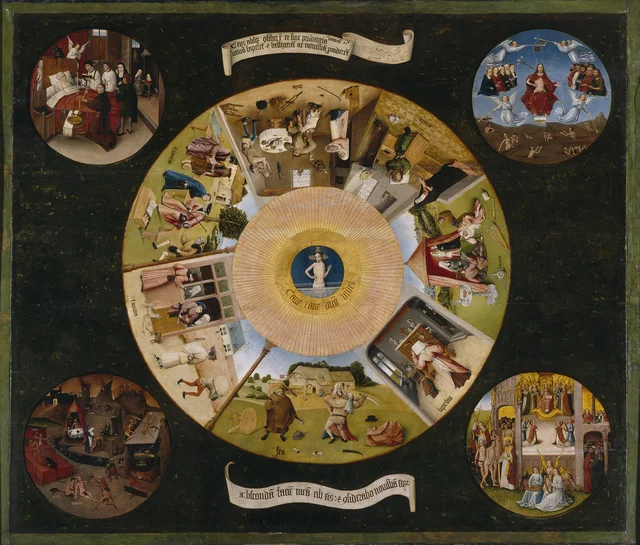 Os Sete Pecados Capitais e as Quatro Últimas CoisasHieronymus Bosch, 1500
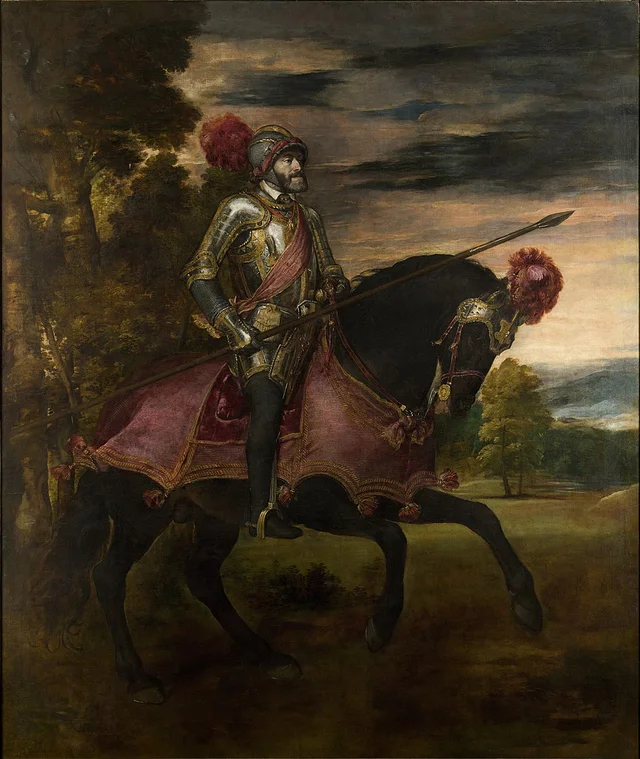 Retrato equestre de Carlos VTiciano, 1548
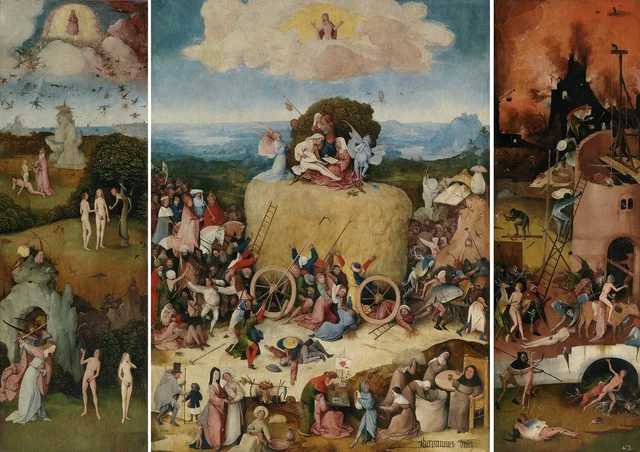 O Tríptico do Carro de FenoHieronymus Bosch, 1510
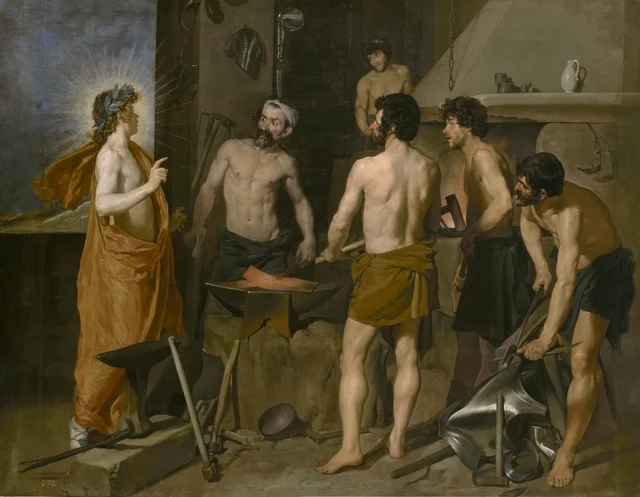 Apolo na Forja de VulcanoDiego Velázquez, 1630
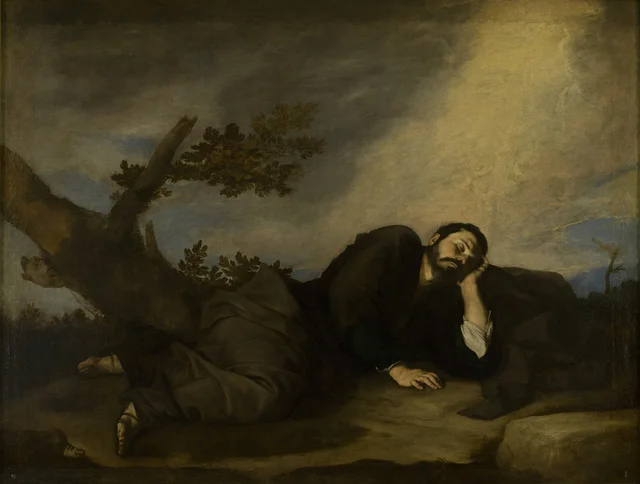 O Sonho de JacóJusepe de Ribera, 1639
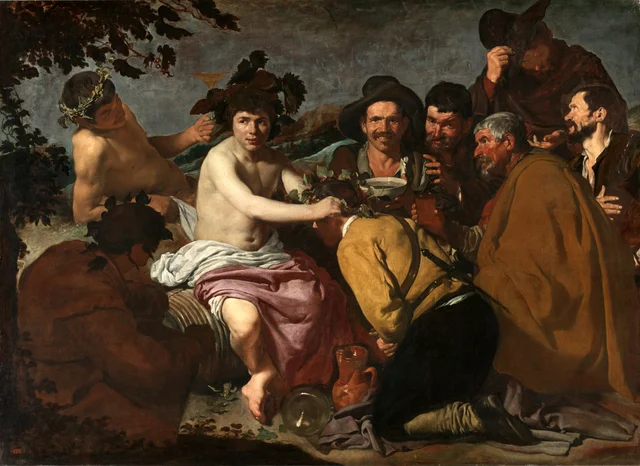 O Triunfo de BacoDiego Velázquez, 1628
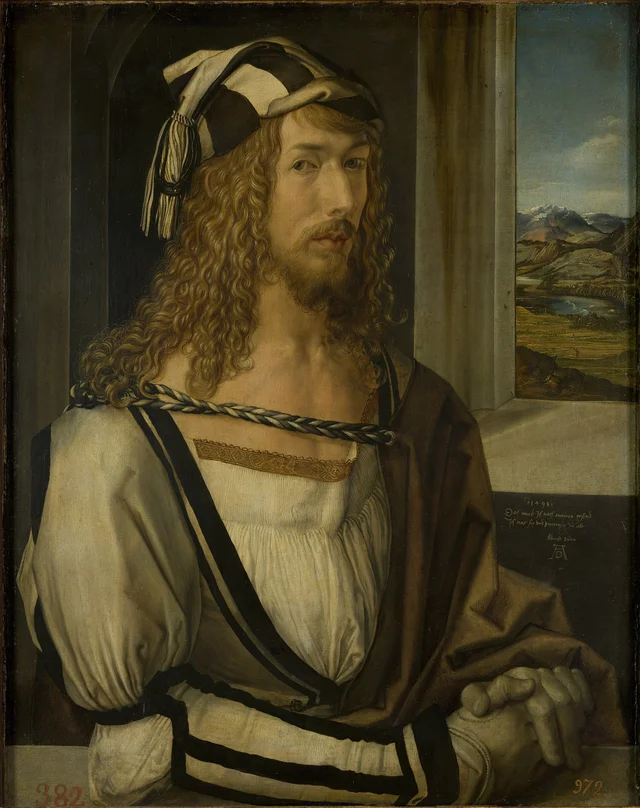 AutorretratoAlbrecht Dürer, 1498
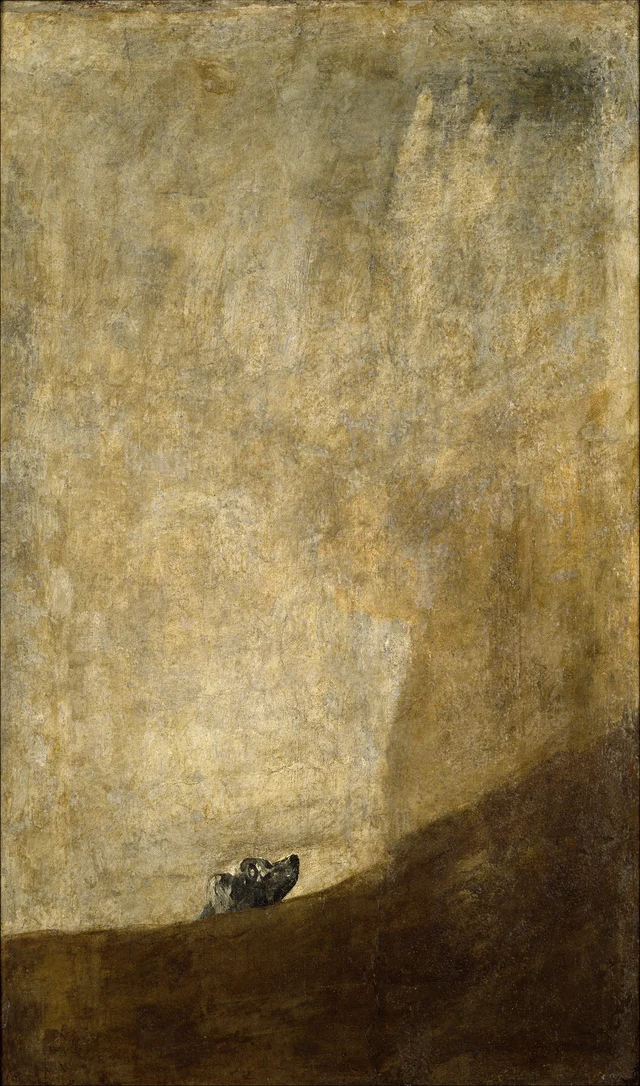 O CãoFrancisco Goya, 1819
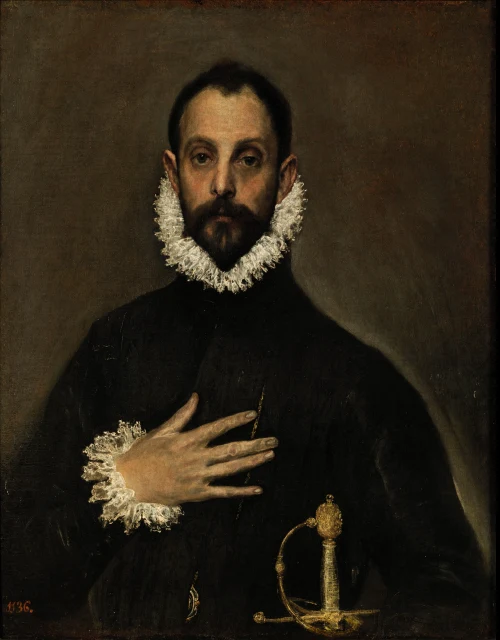 O Fidalgo da Mão no PeitoEl Greco, 1580
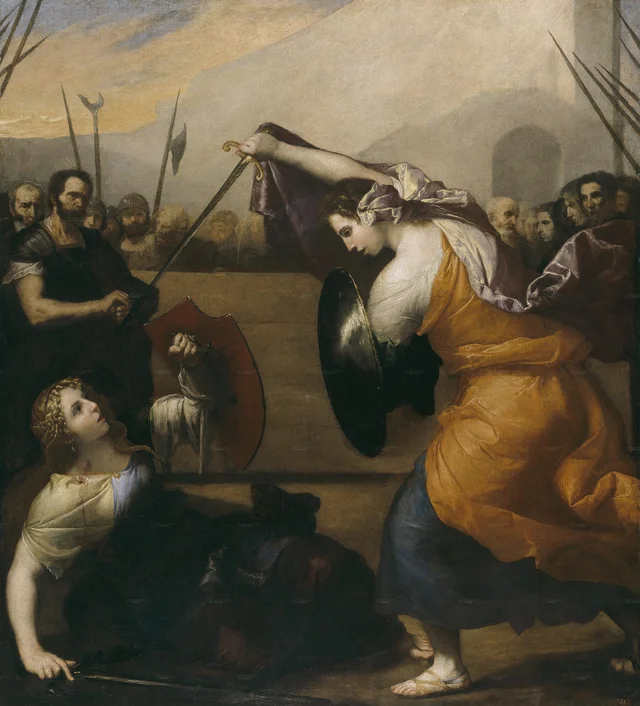 Mulheres GladiadorasJusepe de Ribera, 1636
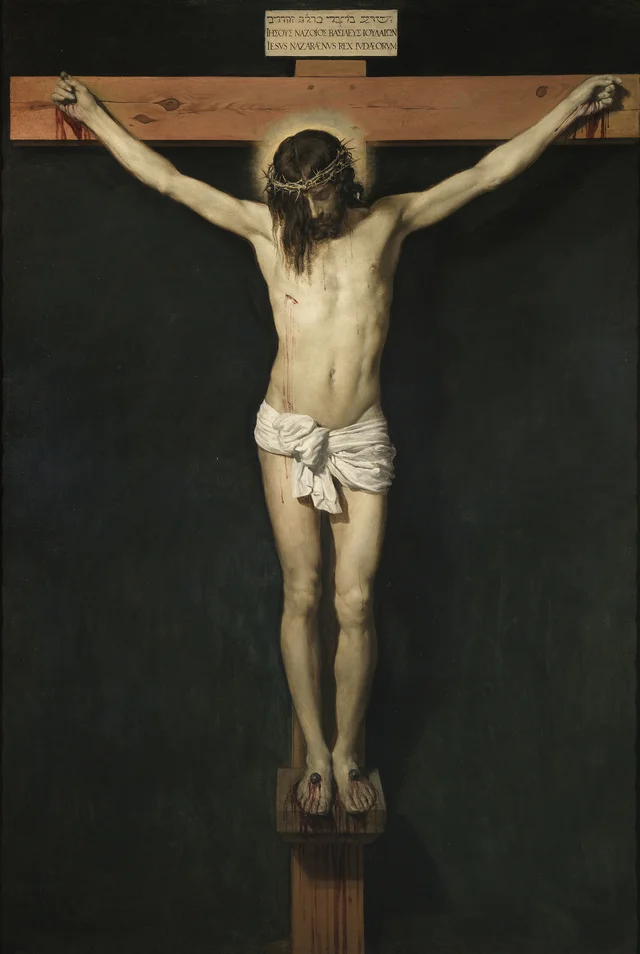 Cristo crucificadoDiego Velázquez, 1632
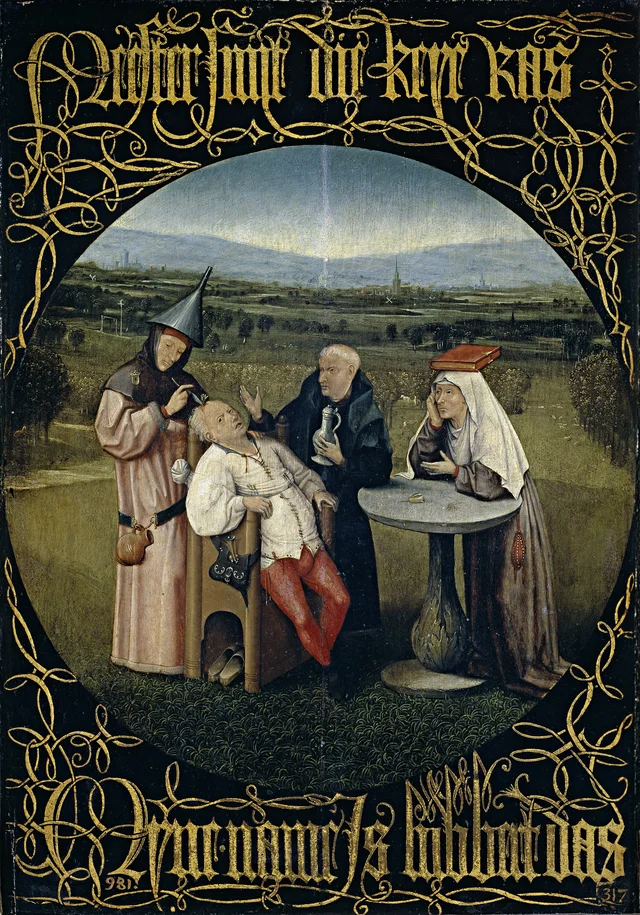 A Extração da Pedra da LoucuraHieronymus Bosch, 1503
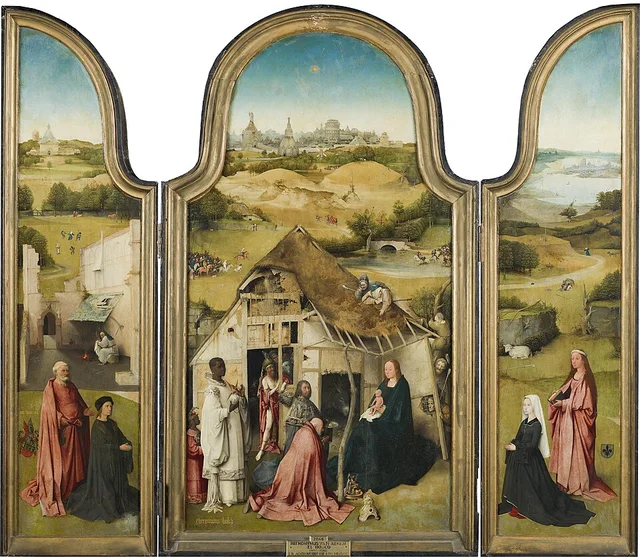 A Adoração dos Reis MagosHieronymus Bosch, 1494