История
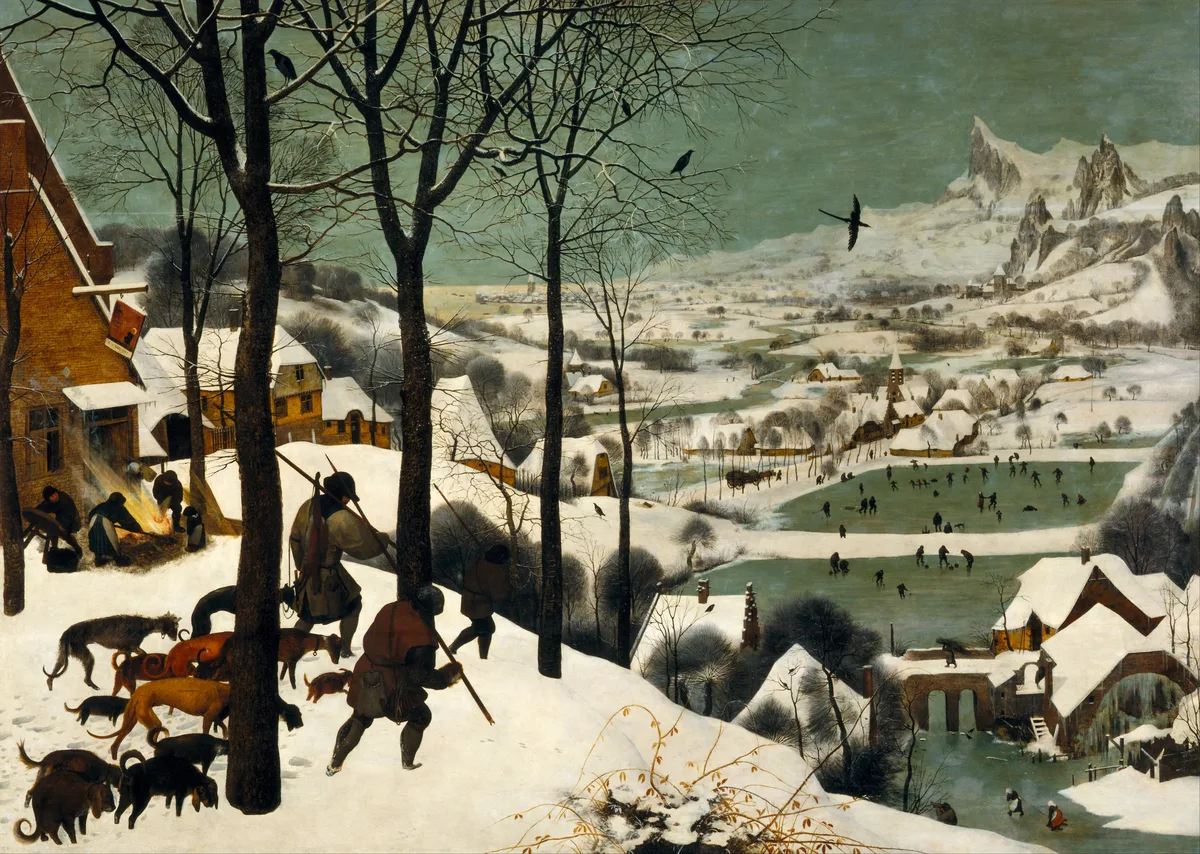
В одном зале на втором этаже собрано больше картин Питера Брейгеля Старшего, чем где-либо ещё на земле, около дюжины, включая «Охотников на снегу» — вереницу усталых охотников с собаками, что бредут через холм над замёрзшей долиной, написанную в 1565 году. Тем, что Вена вообще ими владеет, она обязана Габсбургам, династии, что веками правила большей частью Европы и немалую долю той власти тратила на покупку искусства.
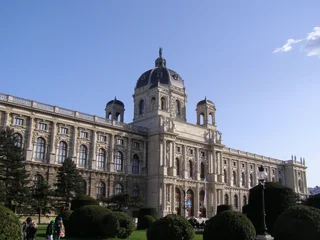
Музей и строили, чтобы всё это показать. Император Франц Иосиф открыл его в 1891 году на Рингштрассе, парадном бульваре на месте старых венских стен, в здании-дворце Готфрида Земпера и Карла фон Хазенауэра, чью лестницу украсил молодой Густав Климт, ещё не ставший Климтом золота и скандала. Замысел был собрать разрозненные императорские коллекции под одной крышей и пустить публику.
И стены читаются как опись габсбургского размаха. «Искусство живописи» Вермеера, где художник виден со спины у мольберта, которое семья хранила как одно из своих сокровищ. Залы Тициана, Рубенса и Веласкеса, чьи испанские придворные портреты маленьких строгих инфант пришли в Вену через браки, связавшие две ветви рода. А под картинными галереями расположилась Кунсткамера, лабиринт резной кости, заводных автоматов и кубков из самоцветов, собранных императорами, которым странное и хитроумное было мило не меньше прекрасного. Её самый знаменитый предмет — золотая солонка, сделанная Бенвенуто Челлини для короля Франции.
Другие статьи
Коллекция
381 работа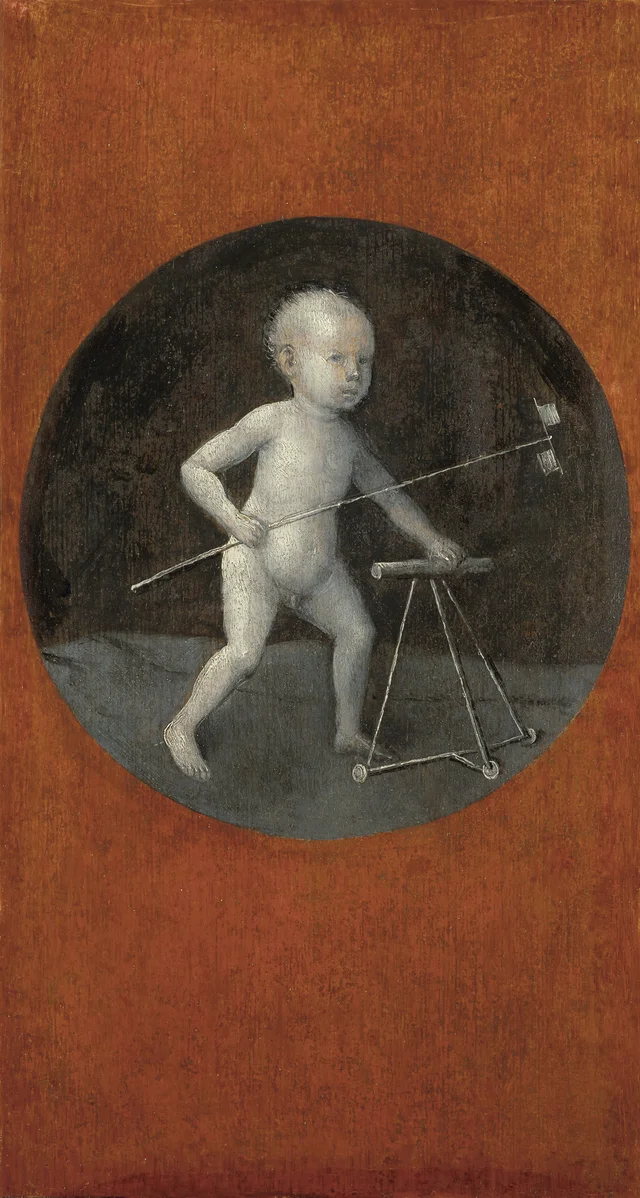 Младенец Христос с ходункамиИероним Босх, 1500
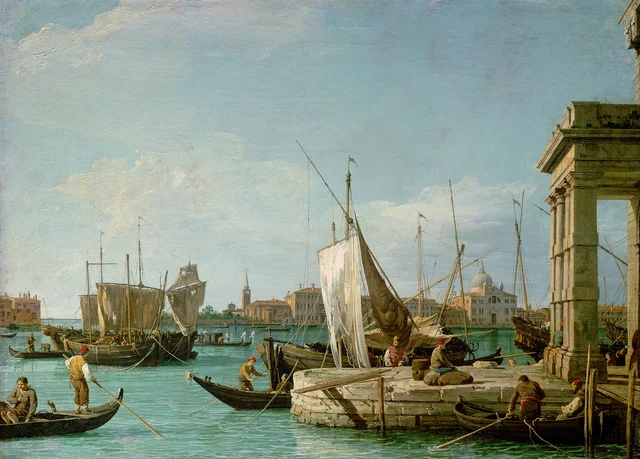 Пунта-делла-ДоганаКаналетто, 1726
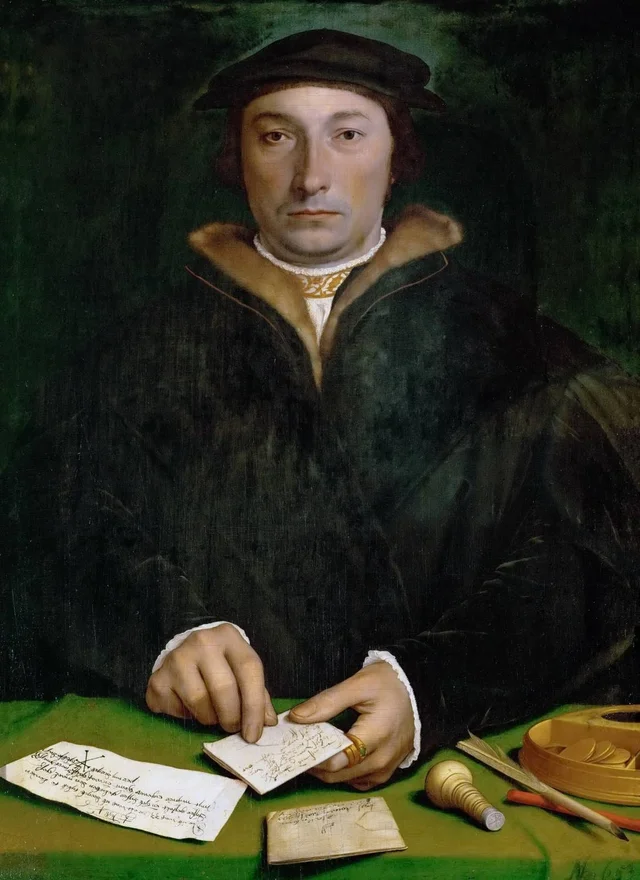 Дирк Тибис, купец из ДуйсбургаГанс Гольбейн Младший, 1533
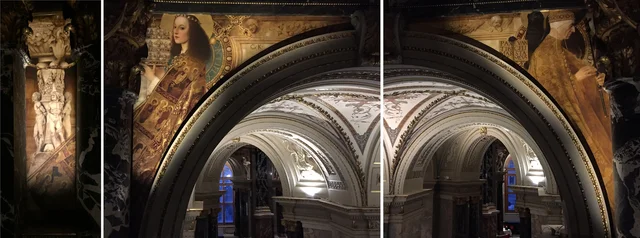 Кватроченто в Риме и ВенецииГустав Климт, 1891
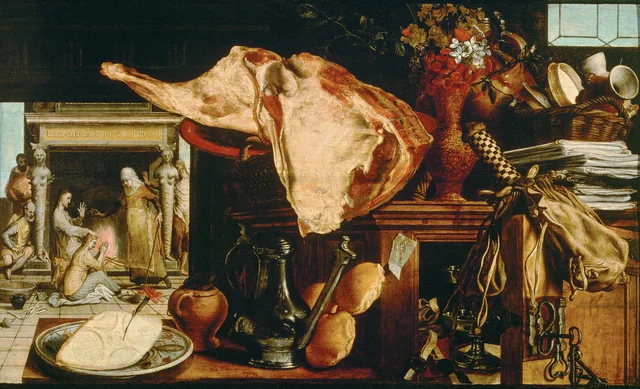 Натюрморт-ванитас с Христом в доме Марфы и МарииПитер Артсен, 1552
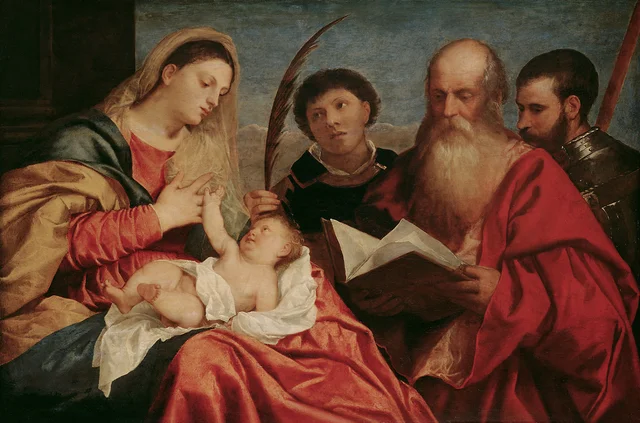 Богоматерь с Младенцем и святыми Стефаном, Иеронимом и МаврикиемТициан, 1520
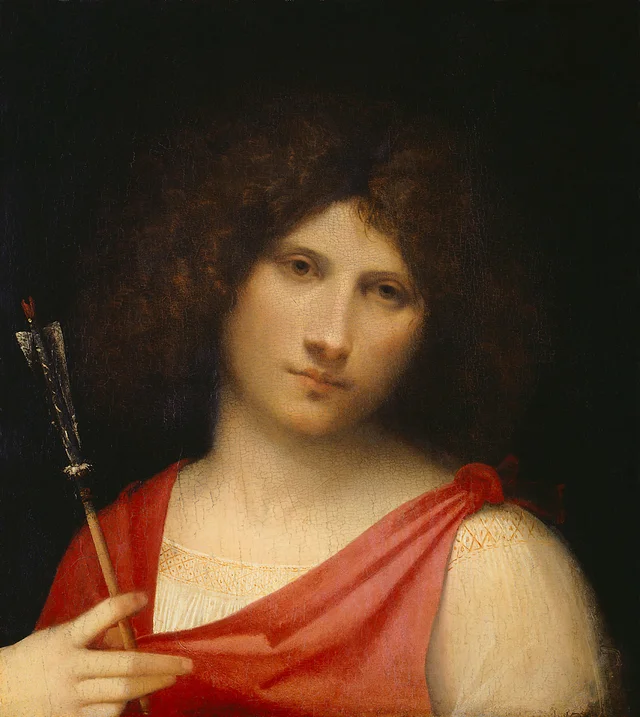 Юноша со стрелойДжорджоне, 1505
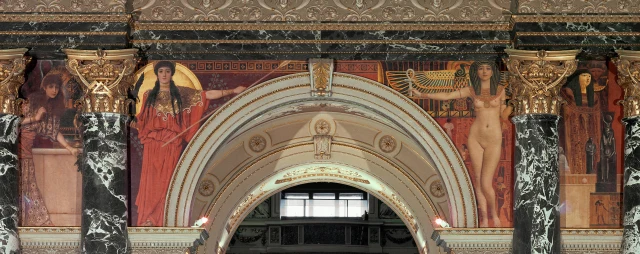 Древняя Греция и Древний ЕгипетГустав Климт, 1891
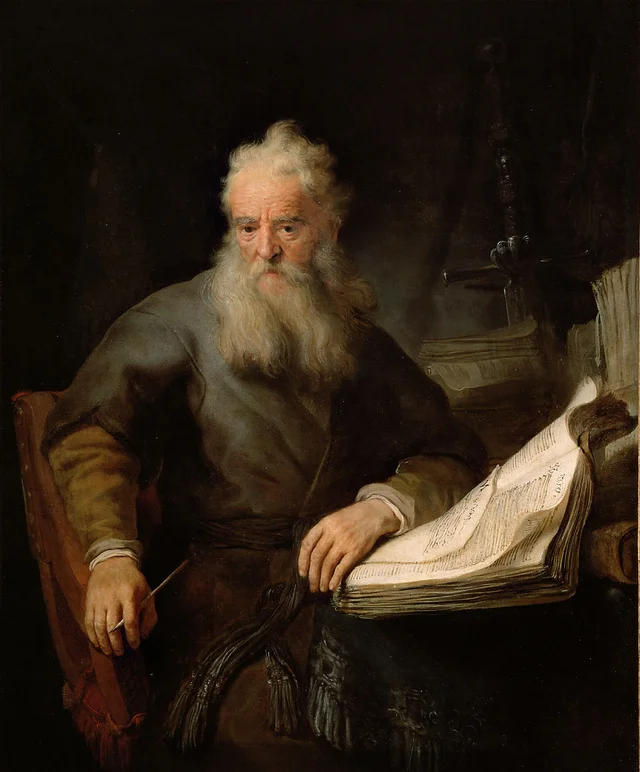 Апостол ПавелПриписывается Рембрандту, 1633
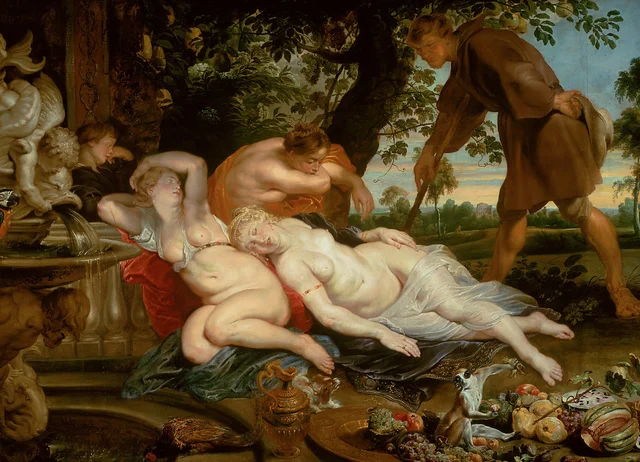 Кимон и ИфигенияПитер Пауль Рубенс, 1617
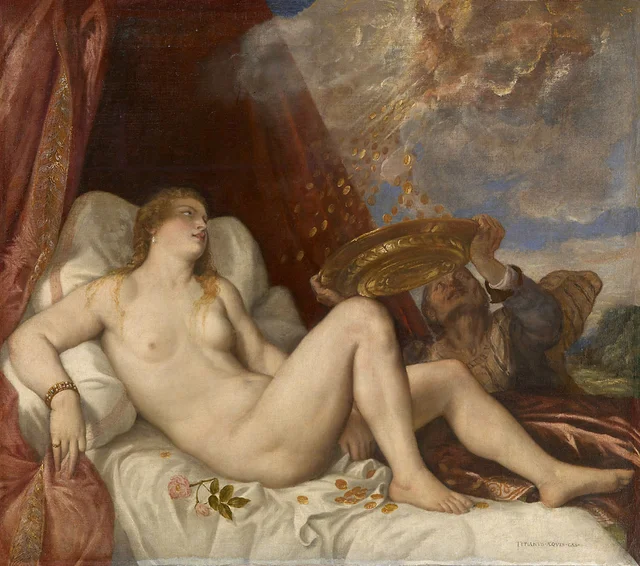 ДанаяТициан, 1550
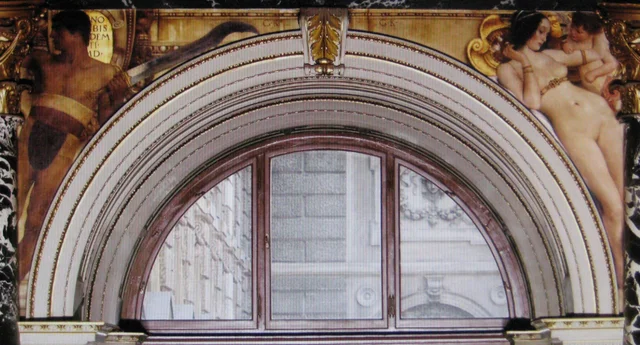 Флоренция чинквеченто и кватрочентоГустав Климт, 1891
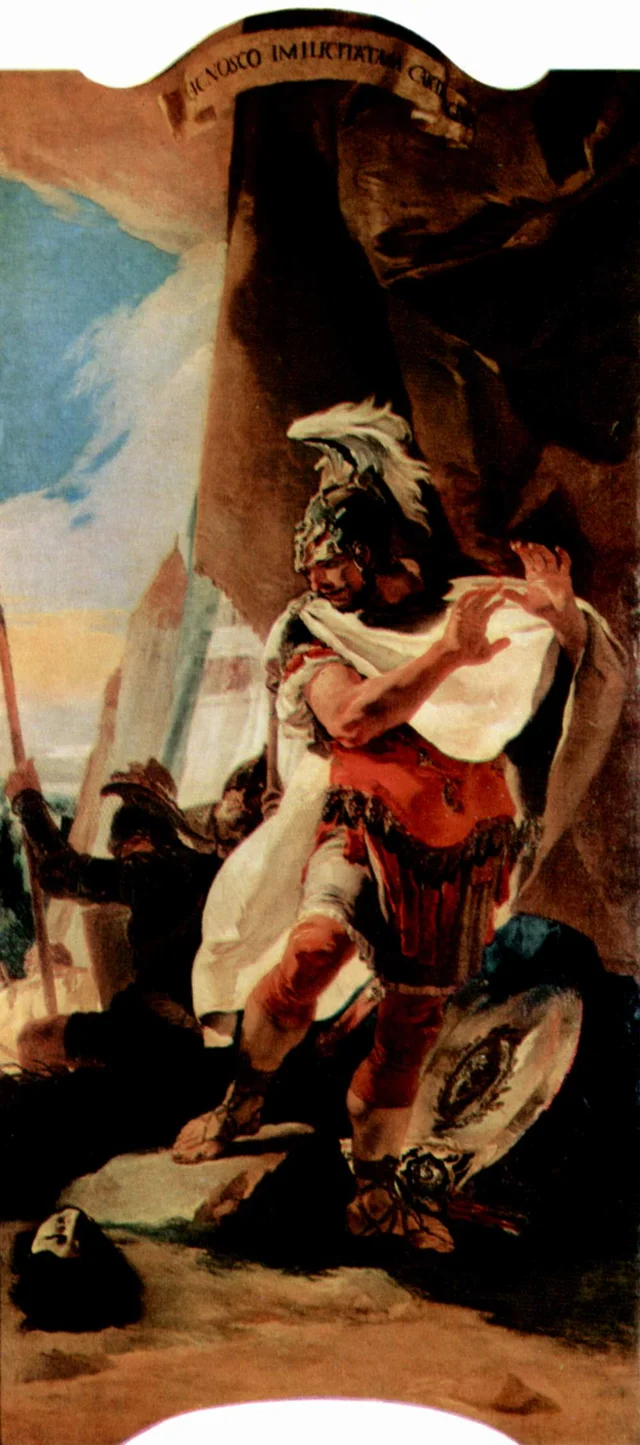 Ганнибал узнаёт голову своего брата ГасдрубалаДжованни Баттиста Тьеполо, 1729
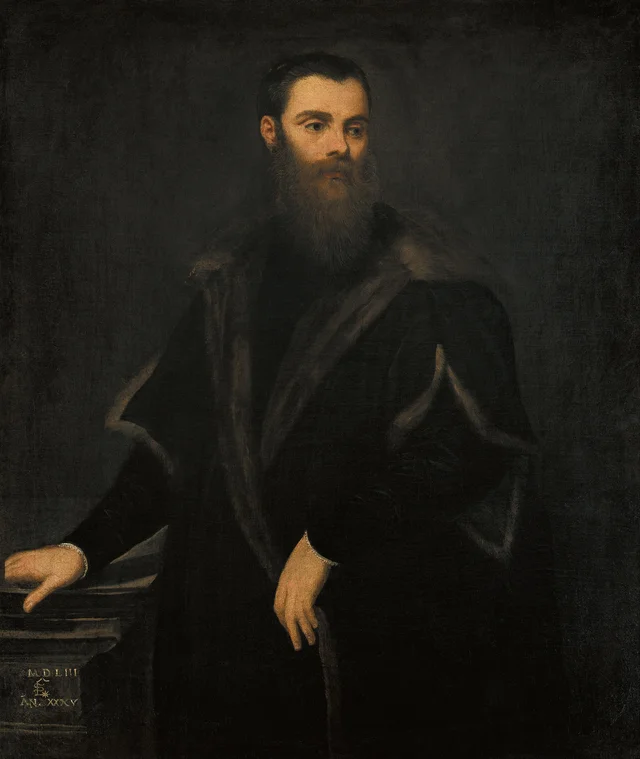 Лоренцо СоранцоЯкопо Тинторетто, 1553
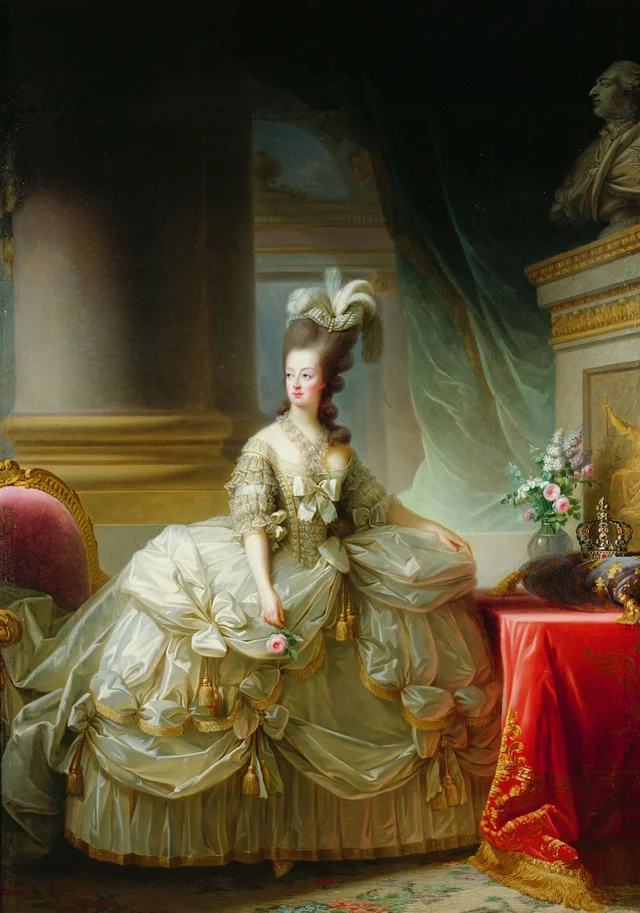 Мария-Антуанетта в придворном платьеЭлизабет Виже-Лебрен, 1778
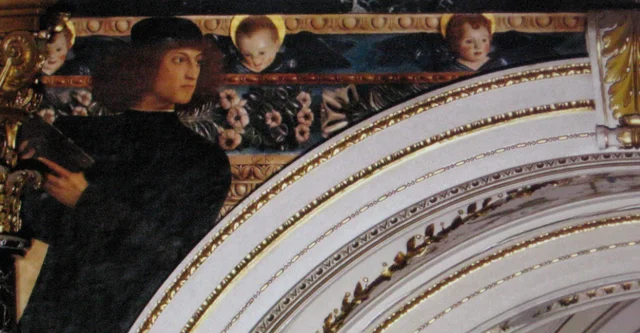 Старинное итальянское искусствоГустав Климт, 1891
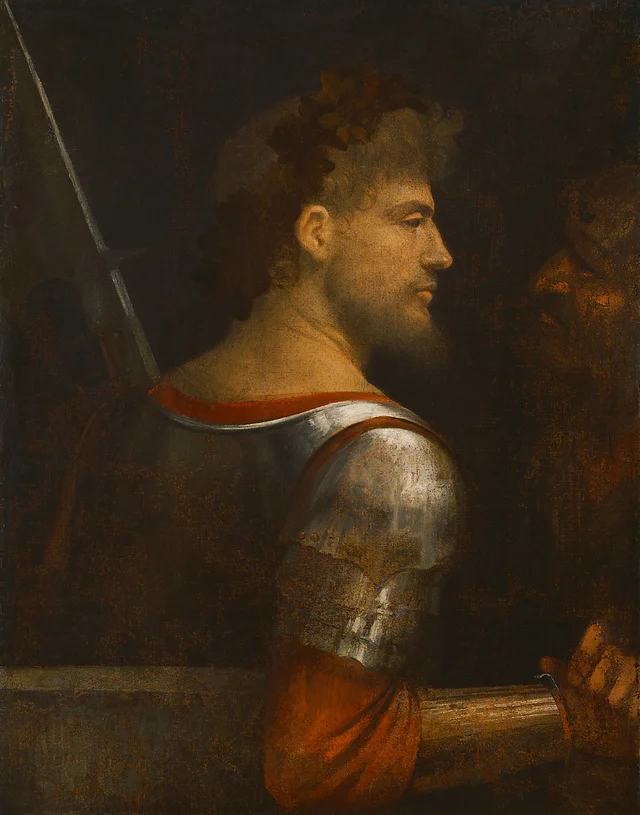 Портрет воинаДжорджоне, 1500
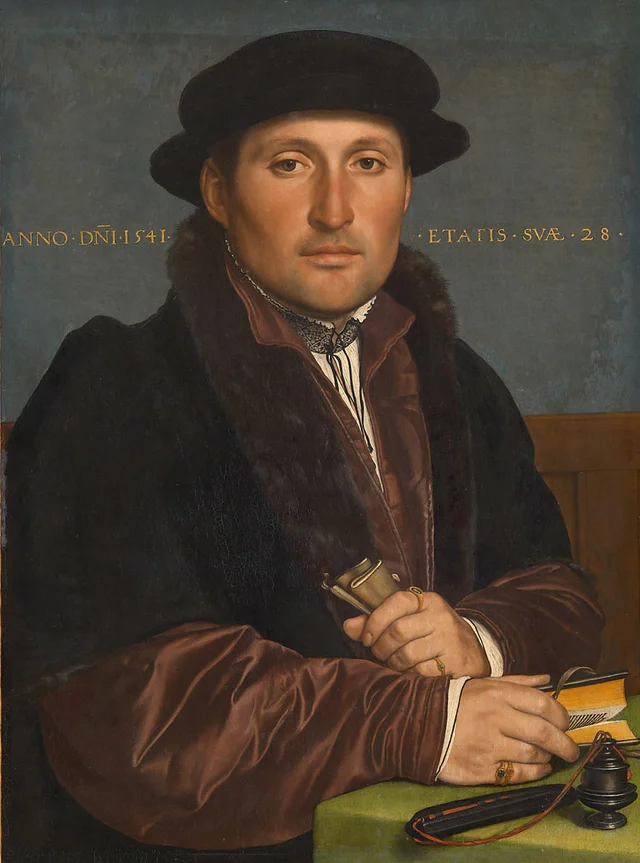 Портрет молодого купцаГанс Гольбейн Младший, 1541
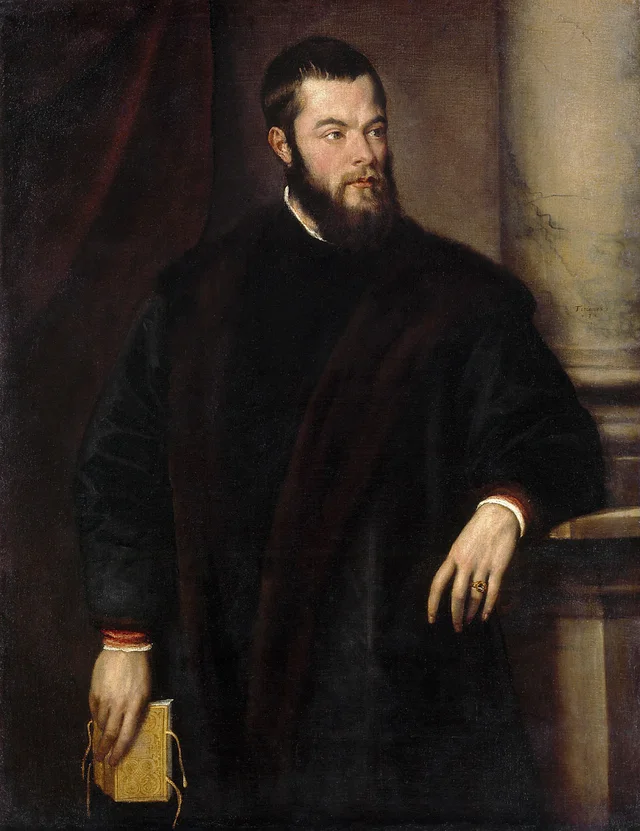 Портрет Бенедетто ВаркиТициан, 1540
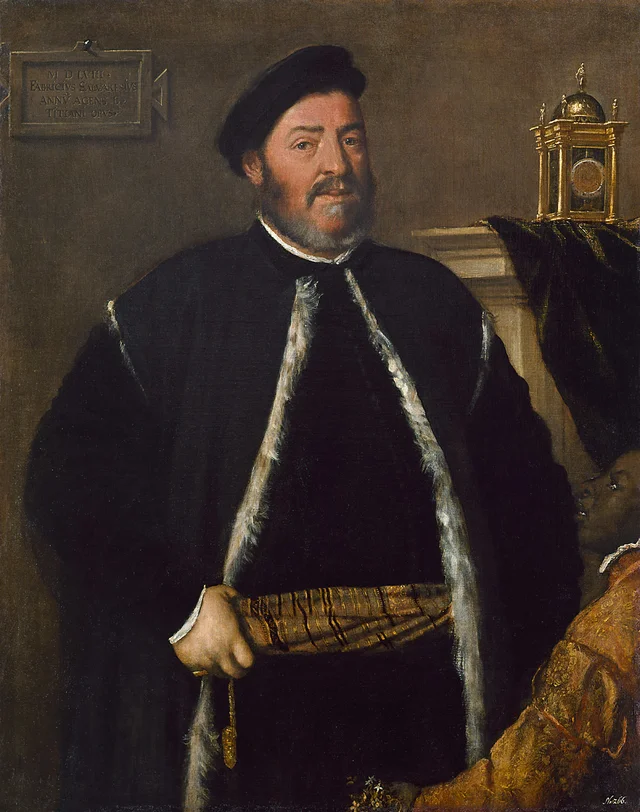 Портрет Фабрицио СальваресиоТициан, 1558
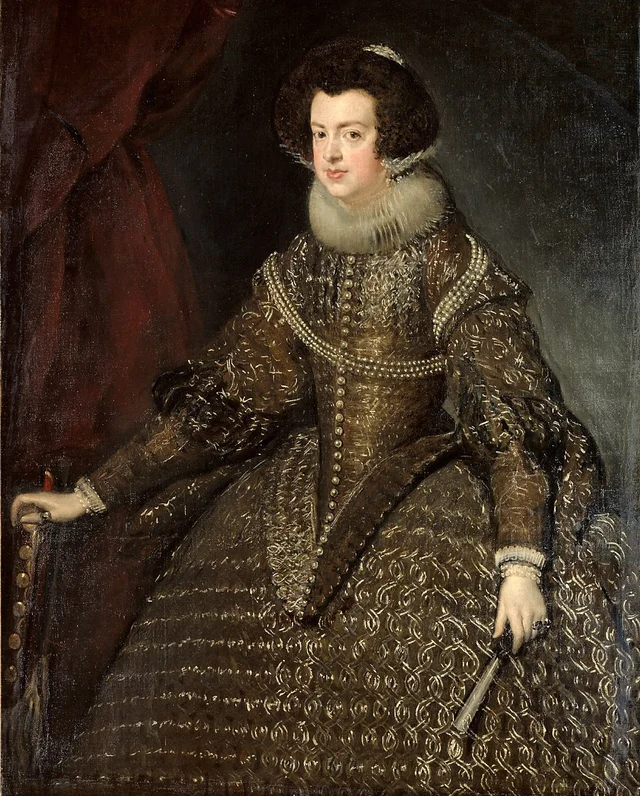 Королева Изабелла Испанская (1602-1644)Диего Веласкес и мастерская, 1632
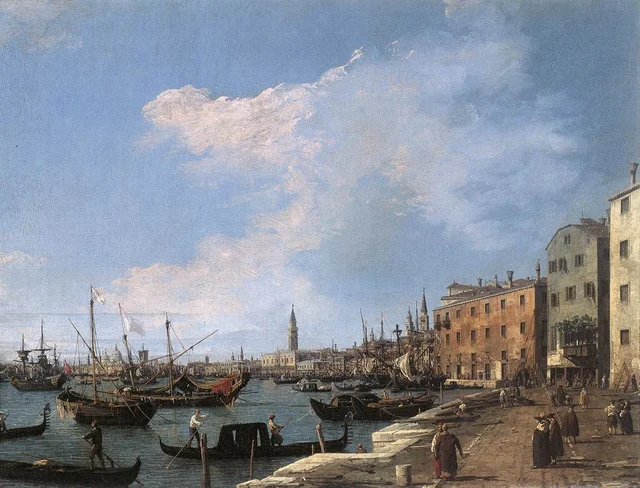 Рива-дельи-СкьявониКаналетто, 1730
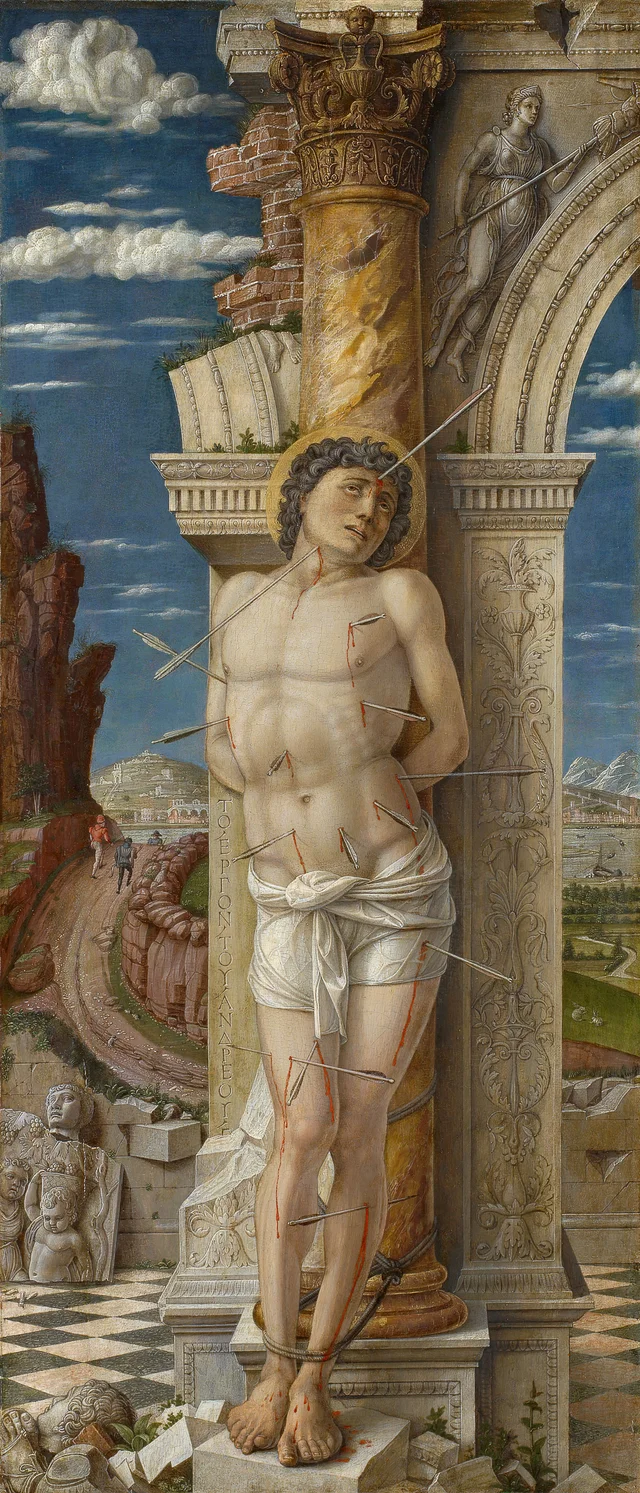 Святой СебастьянАндреа Мантенья, 1458
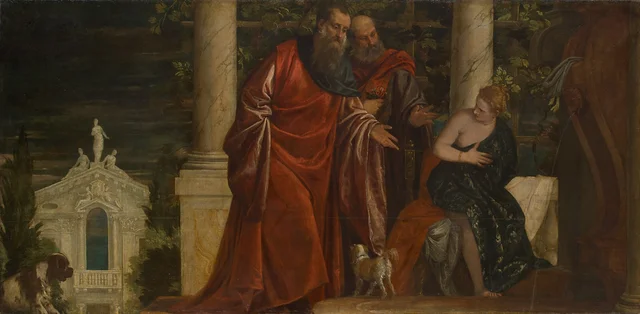 Сусанна и старцыПаоло Веронезе и мастерская, 1585
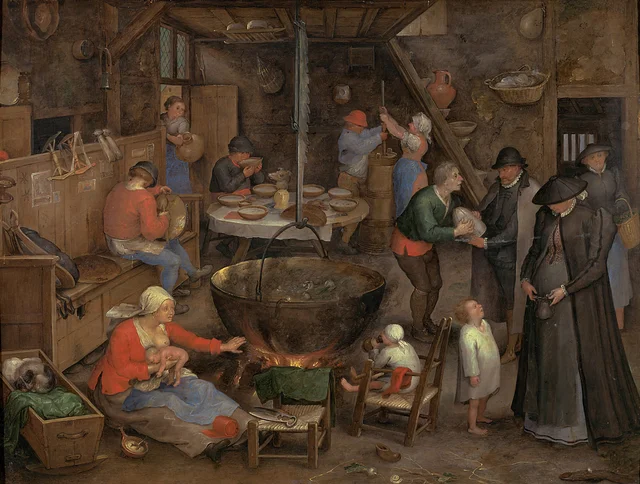 Визит на фермуЯн Брейгель Старший, 1597