语音导览
故事
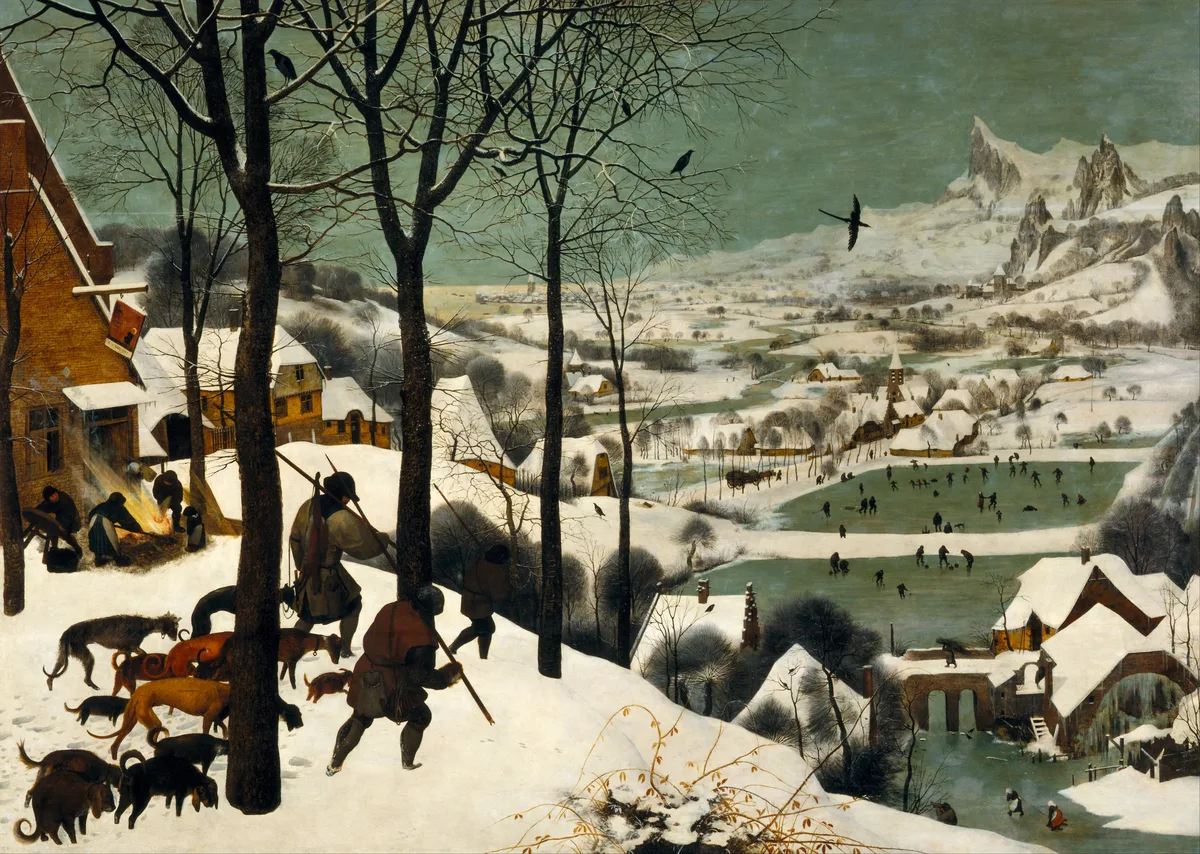
二楼有一间屋子,藏着的老彼得·勃鲁盖尔的画比地球上任何地方都多,约有十来幅,其中包括1565年所作的《雪中猎人》,一列疲惫的猎人带着他们的狗,翻过一道山坡,走在结冰的山谷之上。维也纳能拥有这些画,全要归功于哈布斯堡家族,这个统治了欧洲大片土地几个世纪的王朝,把那份权力中相当一部分花在了购藏艺术上。
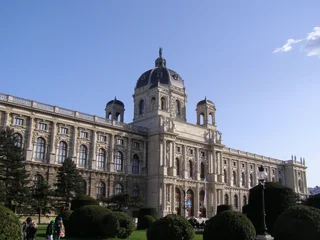
这座博物馆正是为炫示这一切而建。皇帝弗朗茨·约瑟夫1891年在环城大道上把它开放,那条宏伟的林荫大道正铺设在维也纳旧日城墙曾经所在之处,建筑宫殿般宏大,出自戈特弗里德·森佩尔和卡尔·冯·哈森瑙尔之手,楼梯间的装饰由年轻的古斯塔夫·克里姆特绘制,那时他还没成为日后金色与丑闻缠身的克里姆特。它的用意,是把散落的皇家收藏聚于一个屋顶之下,并让公众进来。
于是这些墙面读起来就像一份哈布斯堡势力所及的清单。维米尔的《绘画艺术》,画中艺术家背对观者立在画架前,被这个家族当作珍宝之一保存。一间间提香、鲁本斯和委拉斯开兹,后者为西班牙宫廷所作的、画着神情肃穆的小公主们的肖像,是经由把家族两支联结起来的联姻来到维也纳的。画廊之下还有珍宝馆,一处满是雕花象牙、发条自动机械和宝石杯的迷宫,由那些既要美、也要奇巧机灵的皇帝们聚集而成。其中最著名的一件,是本韦努托·切利尼为法国国王所制的一只黄金盐盒。
更多文章
馆藏
381 件作品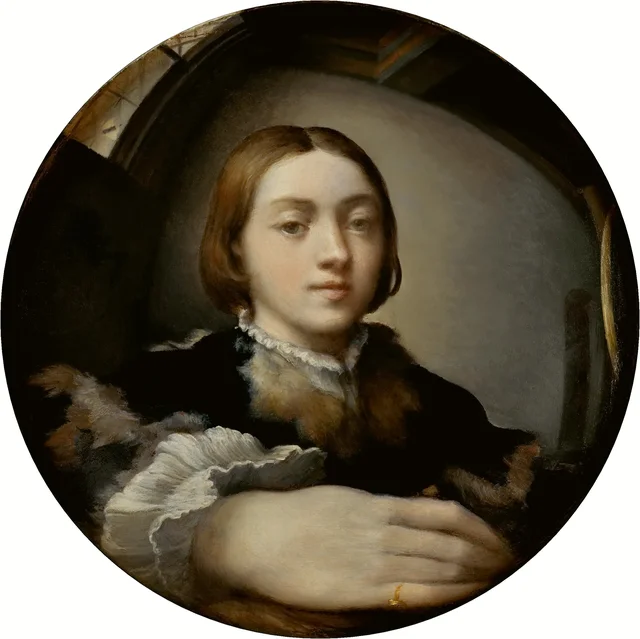 凸面镜中的自画像帕尔米贾尼诺, 1523
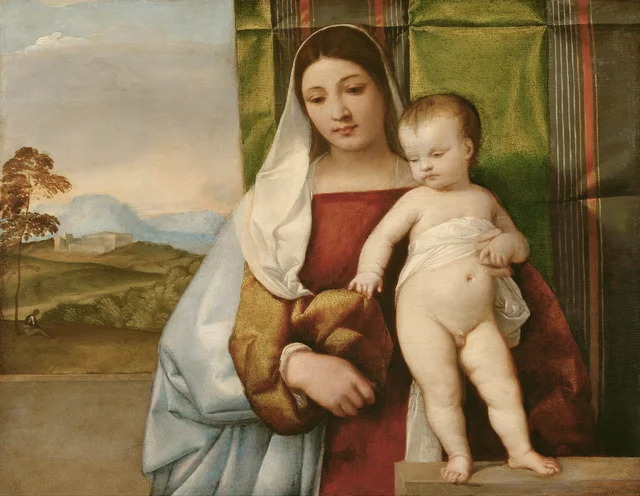 吉普赛圣母提香, 1510
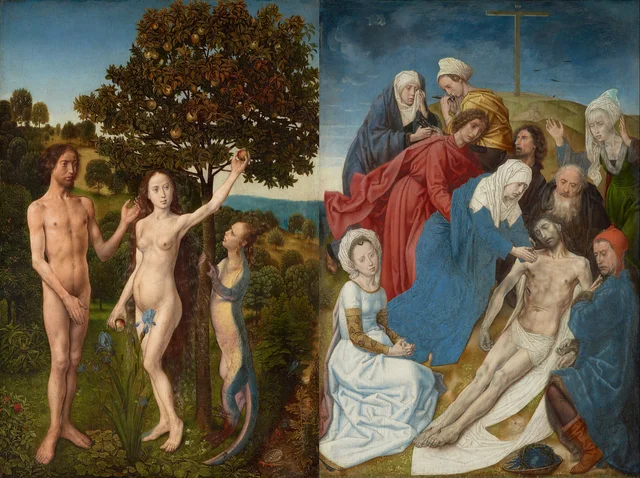 维也纳双联画雨果·凡·德·古斯, 1480
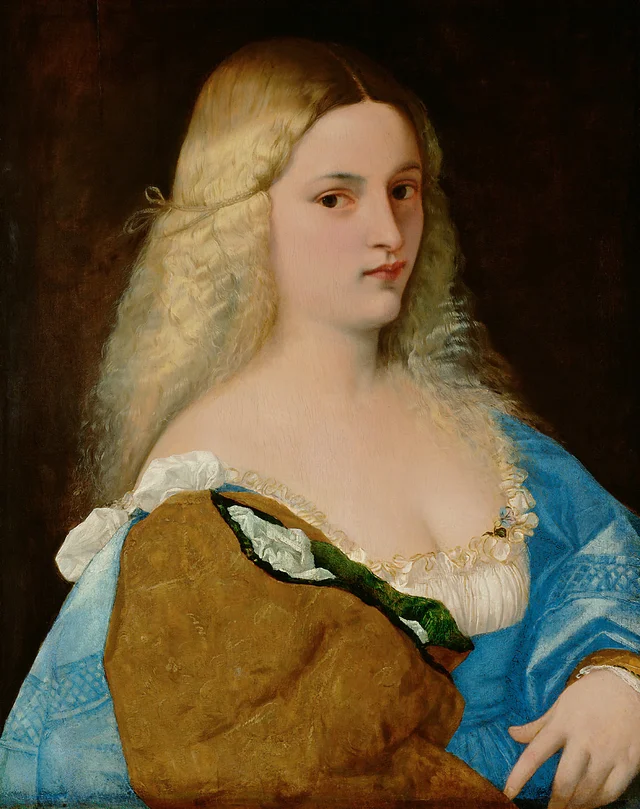 维奥兰特提香, 1515
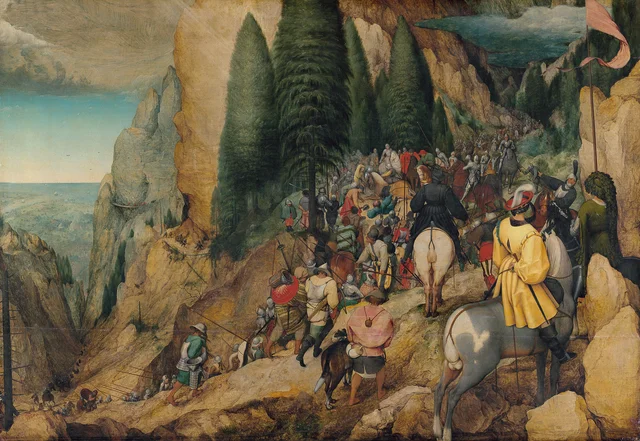 圣保罗的皈依老彼得·勃鲁盖尔, 1567
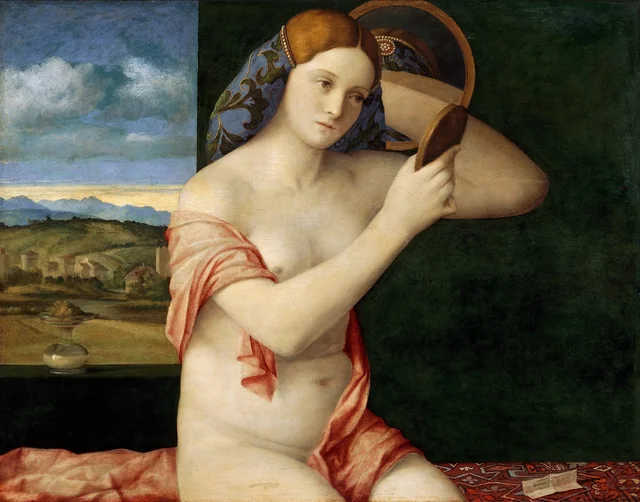 镜前的裸体少女乔凡尼·贝利尼, 1515
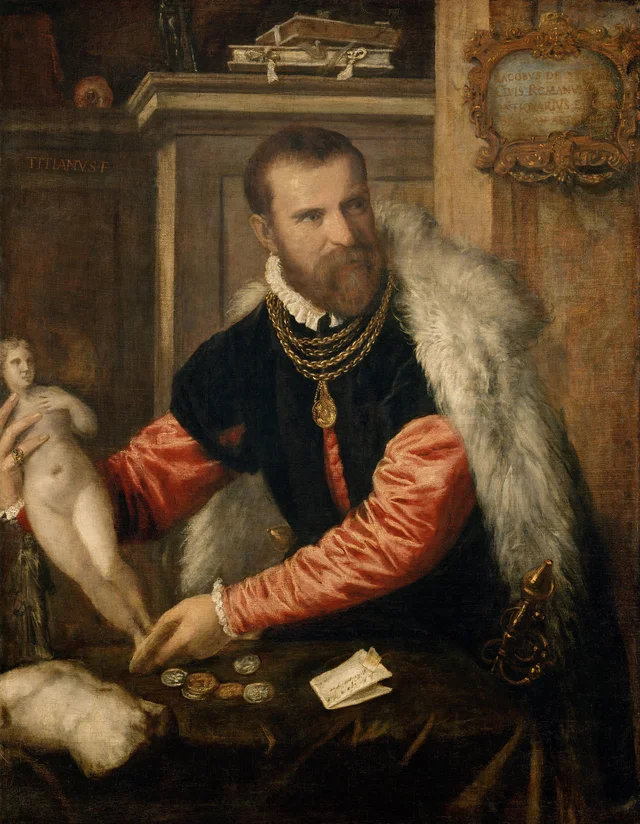 雅各布·斯特拉达肖像提香, 1567
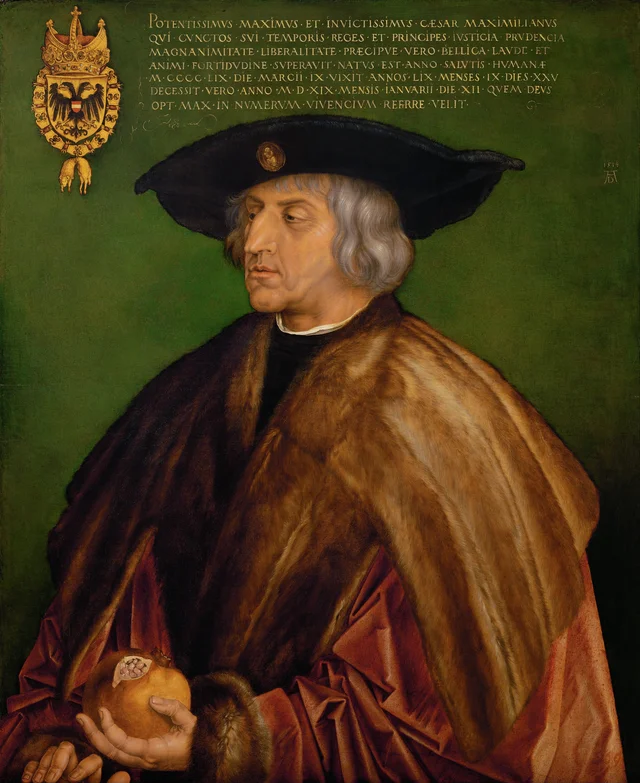 皇帝马克西米利安一世阿尔布雷希特·丢勒, 1519
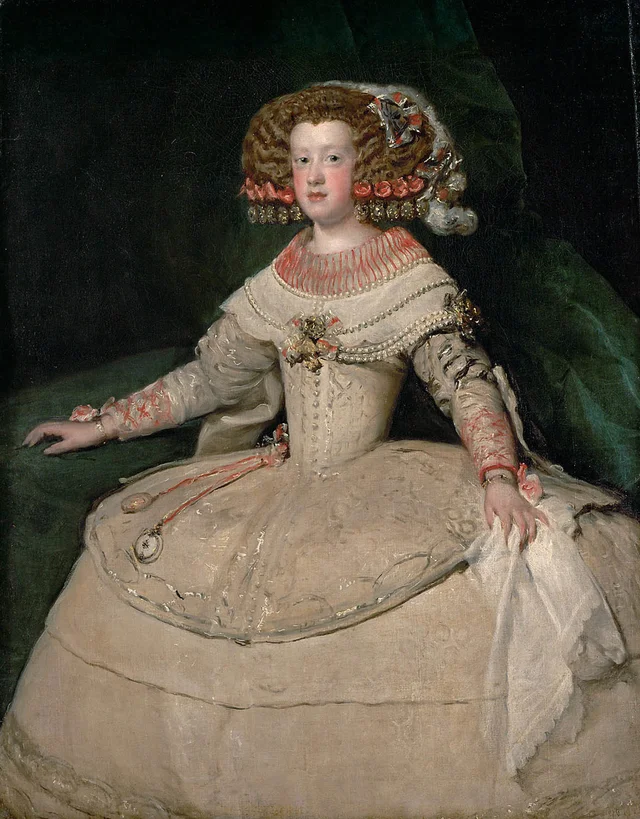 西班牙公主玛丽亚·特蕾莎肖像迭戈·委拉斯开兹, 1652
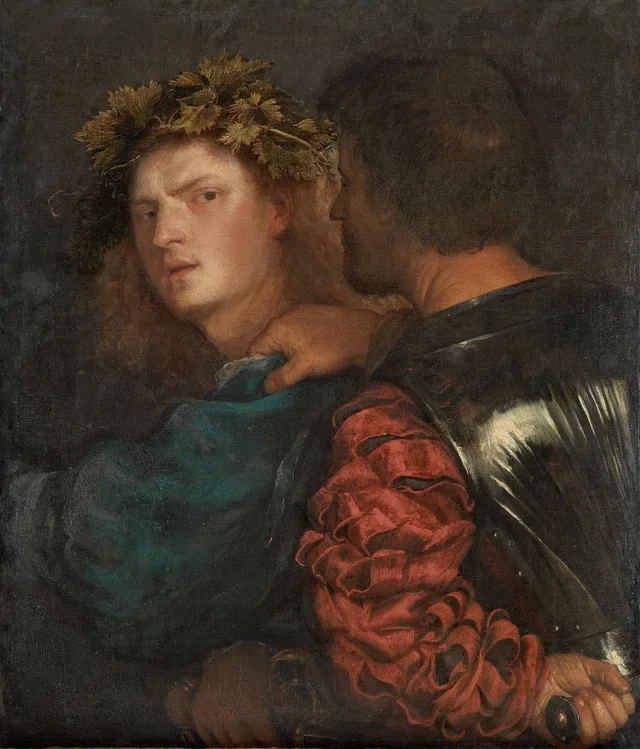 刺客提香, 1520
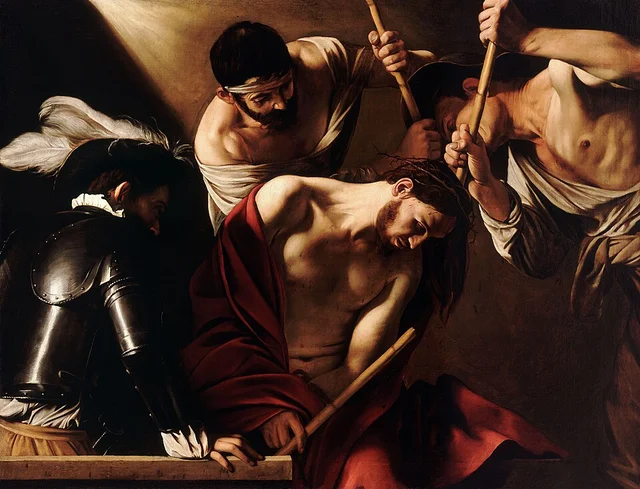 戴荆棘冠冕卡拉瓦乔, 1602
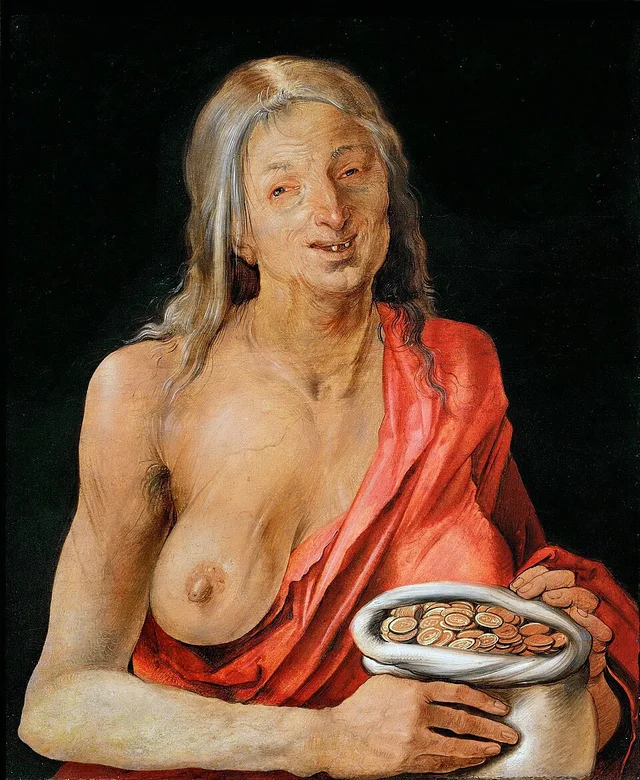 贪婪阿尔布雷希特·丢勒, 1507
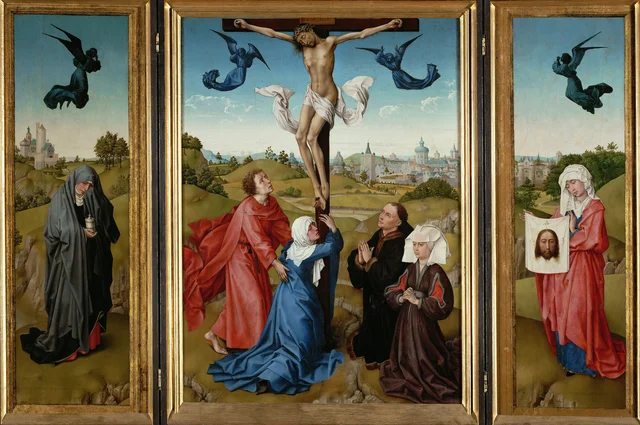 耶稣受难三联画罗希尔·范德魏登, 1440
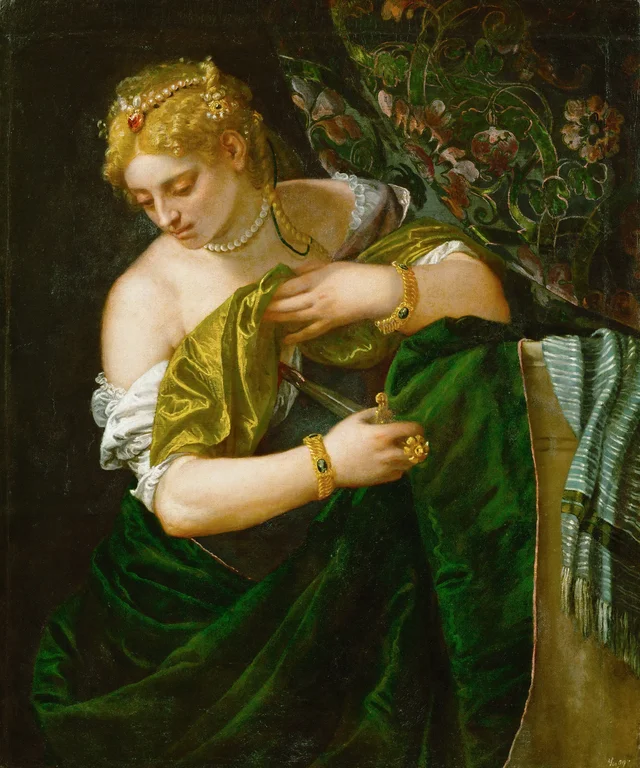 卢克蕾提娅保罗·委罗内塞, 1580
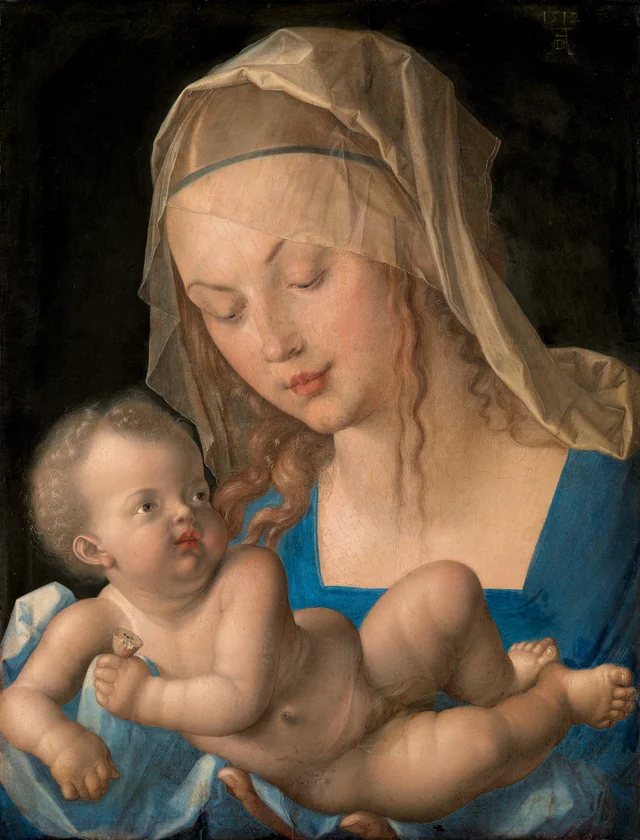 圣母子阿尔布雷希特·丢勒, 1512
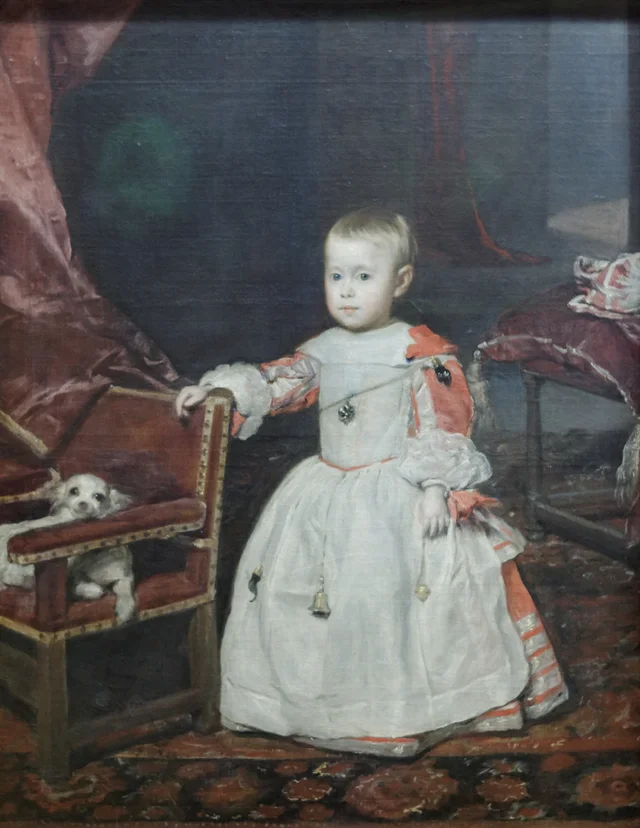 菲利普·普罗斯佩罗王子肖像迭戈·委拉斯开兹, 1659
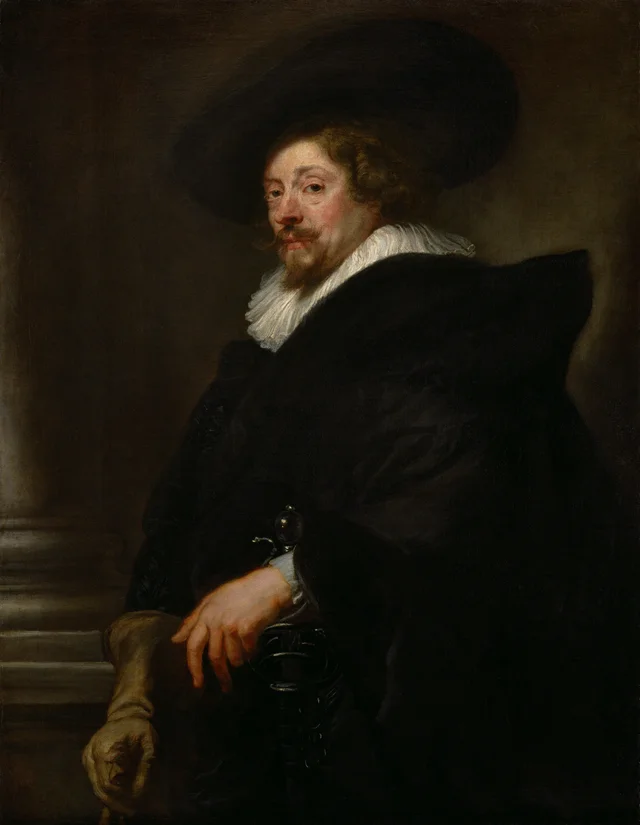 自画像彼得·保罗·鲁本斯, 1638
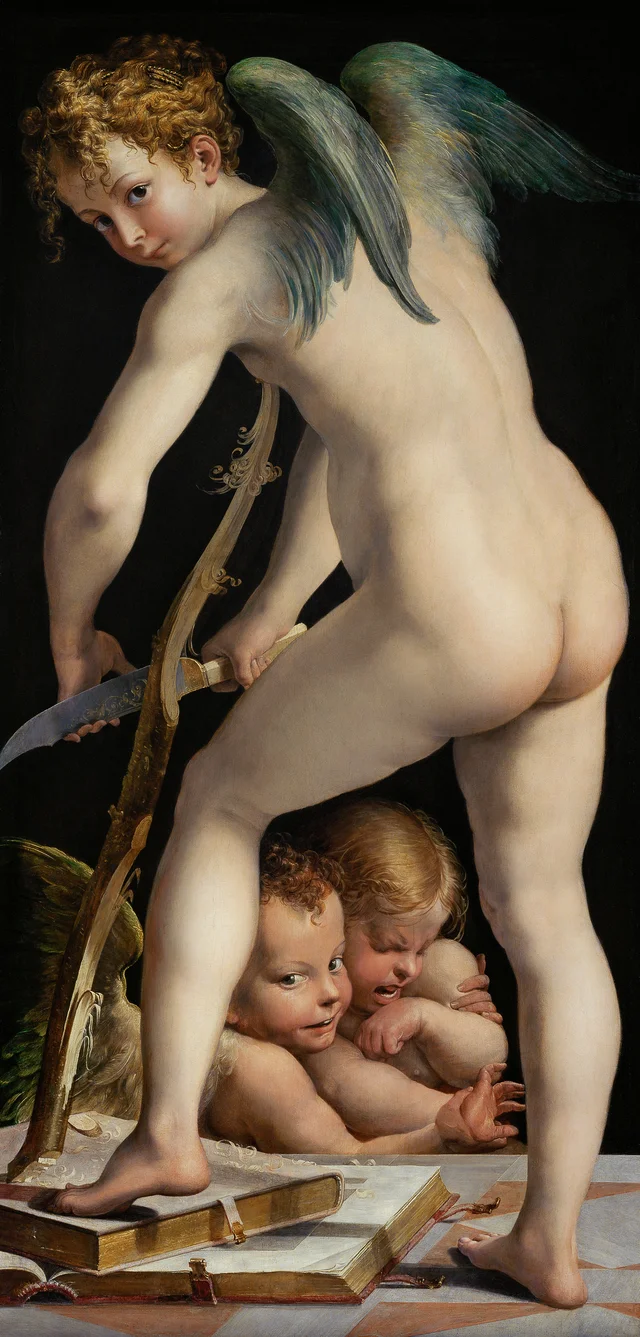 制弓的丘比特帕尔米贾尼诺, 1536
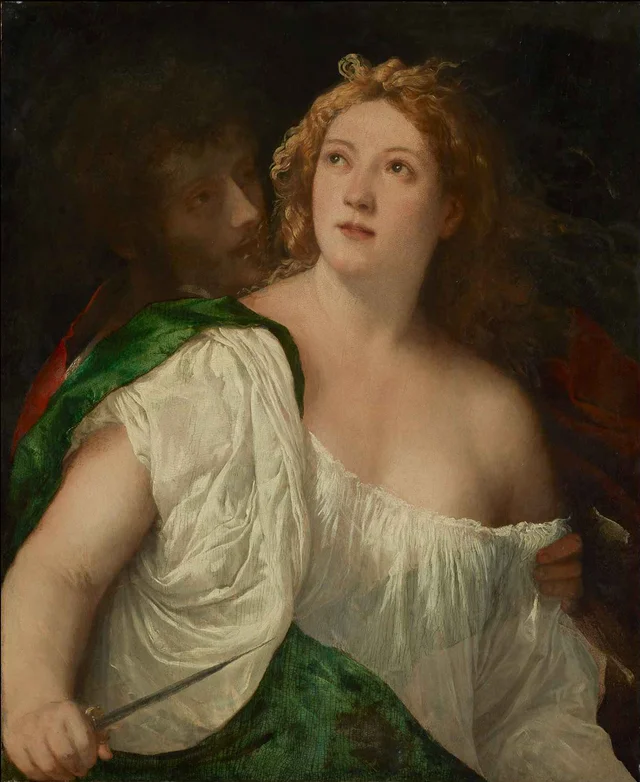 卢克蕾提亚与其丈夫卢修斯·塔克文·科拉提努斯提香, 1515
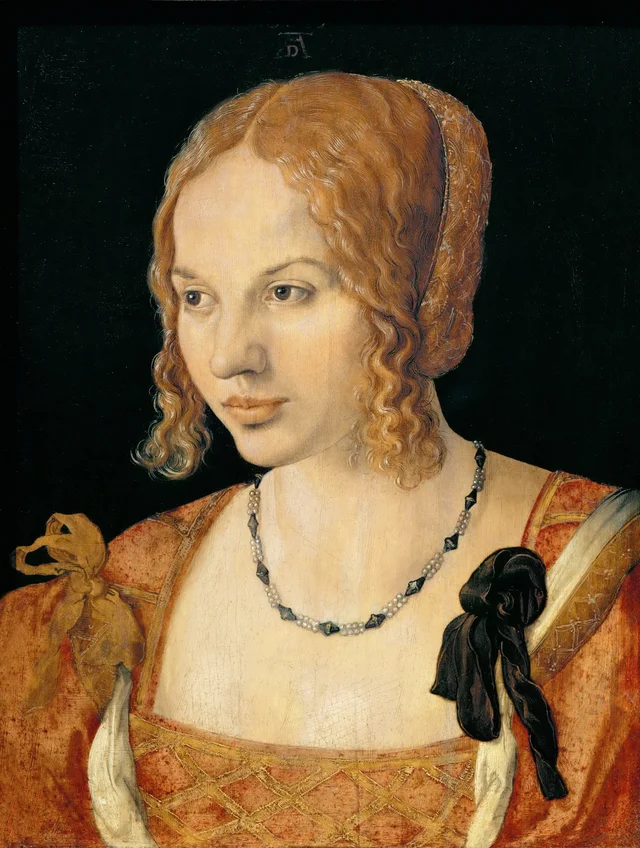 威尼斯女子肖像阿尔布雷希特·丢勒, 1505
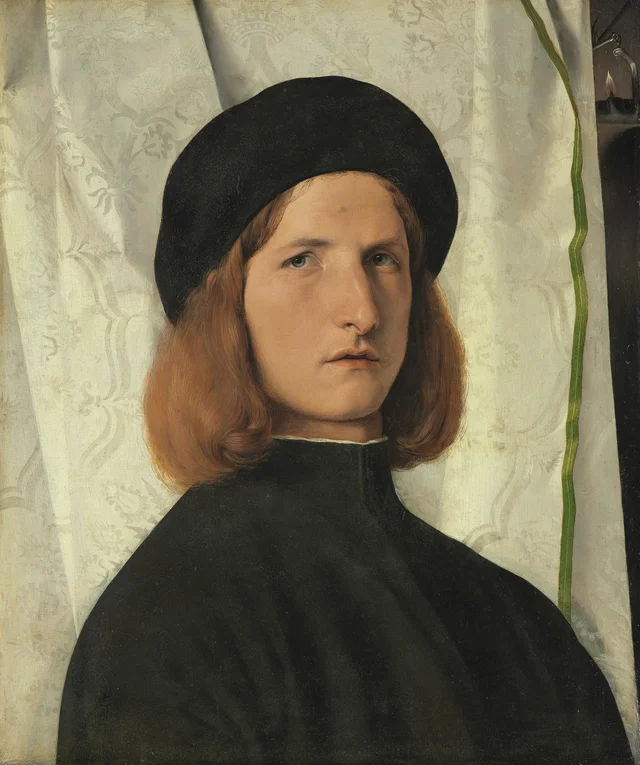 持灯的年轻男子肖像洛伦佐·洛托, 1508
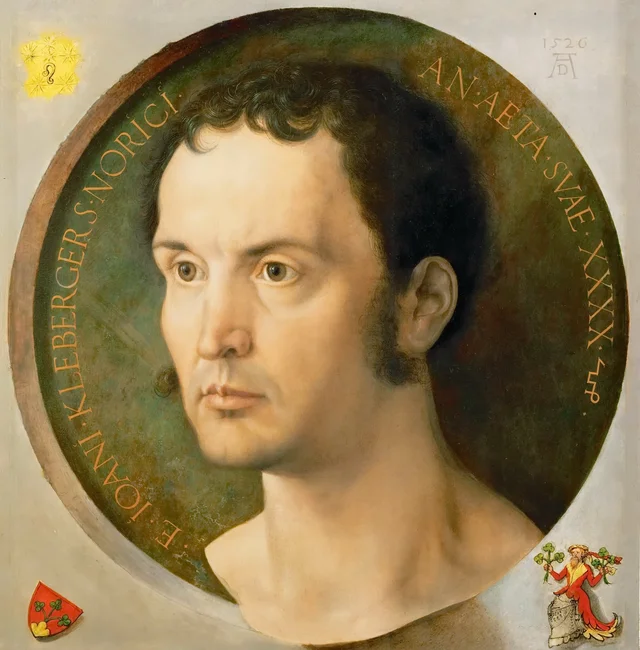 约翰·克莱贝格尔肖像阿尔布雷希特·丢勒, 1526
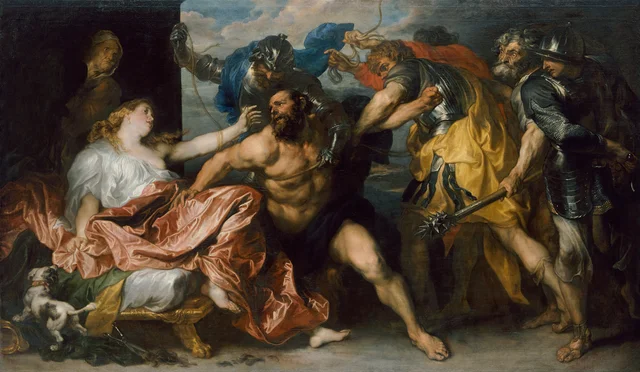 参孙与达莉拉安东尼·凡·戴克, 1630
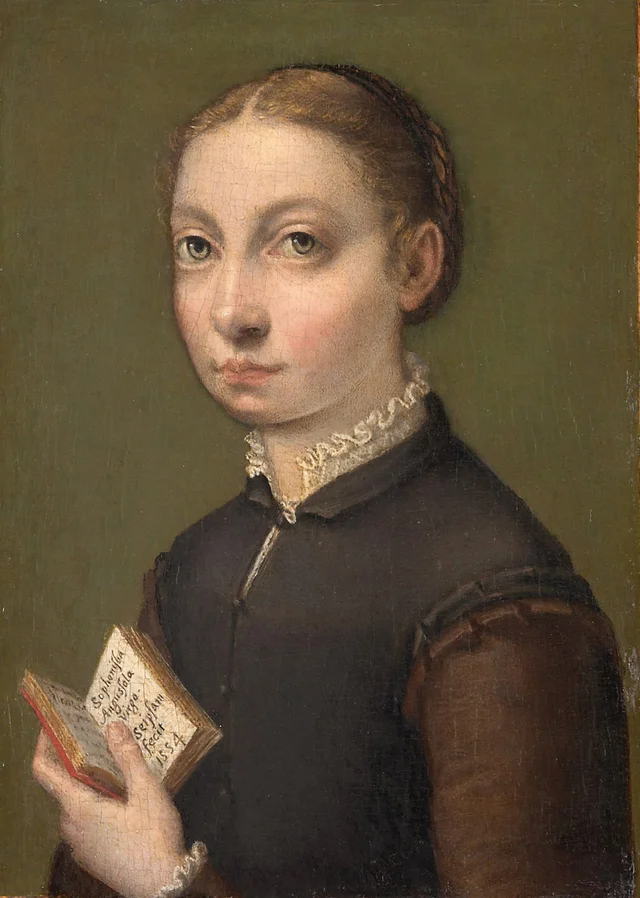 自画像索福尼斯巴·安圭索拉, 1554
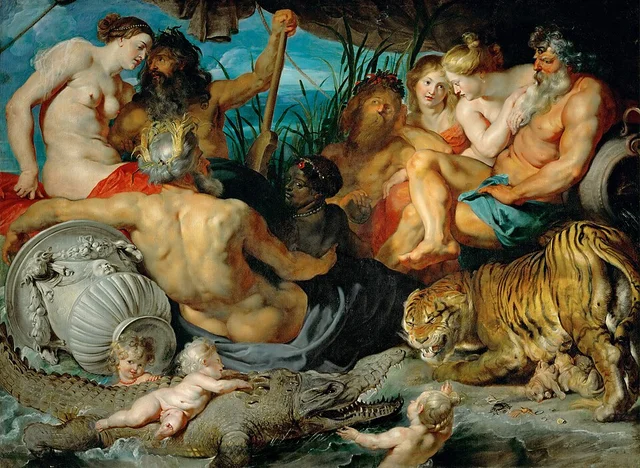 四大洲彼得·保罗·鲁本斯, 1615