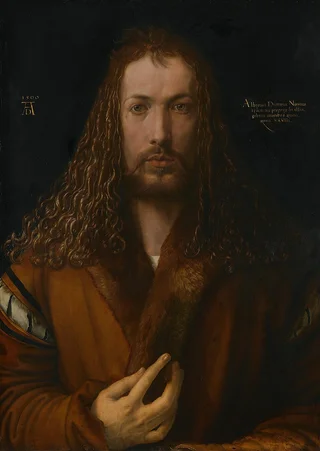
Albrecht Dürer
1471–1528 · Heiliges Römisches Reich · Deutsche Renaissance
Die Geschichte
1515 traf in Lissabon ein lebendes Nashorn ein, ein Geschenk von einem Sultan in Indien an den König von Portugal – das erste Tier dieser Art, das seit über 1.000 Jahren, seit den römischen Arenen, jemand in Europa gesehen hatte. Albrecht Dürer, oben in Nürnberg, bekam es nie zu Gesicht. Was ihn erreichte, war ein Brief samt grober Skizze, weitergereicht über Handelsnetze. Aus dieser Beschreibung aus zweiter Hand schnitt er einen Holzschnitt des Tieres, herrlich und selbstbewusst falsch: Die Haut als genietete Rüstungsplatten, ein zusätzliches Horn an den Schultern, die Beine wie bei einer Eidechse beschuppt. Er druckte sogar eine Textzeile über dem Bild, die für dessen Genauigkeit bürgte. Das echte Nashorn ertrank kurz darauf bei einem Schiffbruch vor Italien, sodass ihn kaum jemand korrigieren konnte.
Dürers gepanzerte Fassung wurde zum Nashorn der europäischen Vorstellungswelt, über die nächsten 250 Jahre in Schulbücher und Enzyklopädien kopiert. Genau das ist der Punkt bei Dürer: Er begriff das gedruckte Bild als neue Form von Macht. Ein Gemälde hängt in einem Raum, doch ein Holzschnitt oder Kupferstich ließ sich in hunderten Abzügen über den Kontinent verkaufen, und niemand trieb dieses Medium weiter als er, jedes Blatt signiert mit einem Monogramm, einem A um ein D, das wie eine moderne Marke funktionierte.
Er war Sohn eines Nürnberger Goldschmieds, brachte sich selbst bei, wie ein Mathematiker über Proportion und Perspektive zu denken, und lebte genau in dem Moment, als die Reformation über Deutschland hereinbrach. Er verehrte Martin Luther und trauerte im Tagebuch über ein falsches Gerücht, Luther sei gefangen genommen worden. Der Kupferstich, den viele für seinen Höhepunkt halten, Melencolia I von 1514, ist ein bis heute umstrittenes Rätsel: eine grüblerische geflügelte Gestalt, umgeben von den Werkzeugen der Geometrie, untätig zwischen ihnen sitzend.
Weitere Artikel
 Artikel · 38 Min. LesezeitMuseo Thyssen-Bornemisza: Zwanzig Bilder, die Vater und Sohn gekauft haben
 Artikel · 39 Min. LesezeitGemäldegalerie Berlin: 20 Bilder, die Berlin kaufte, verlor und teilte
 Artikel · 33 Min. LesezeitDie Gemäldegalerie Alte Meister in Dresden: wie 15 Bilder gekauft, umbenannt und zurückgegeben wurden
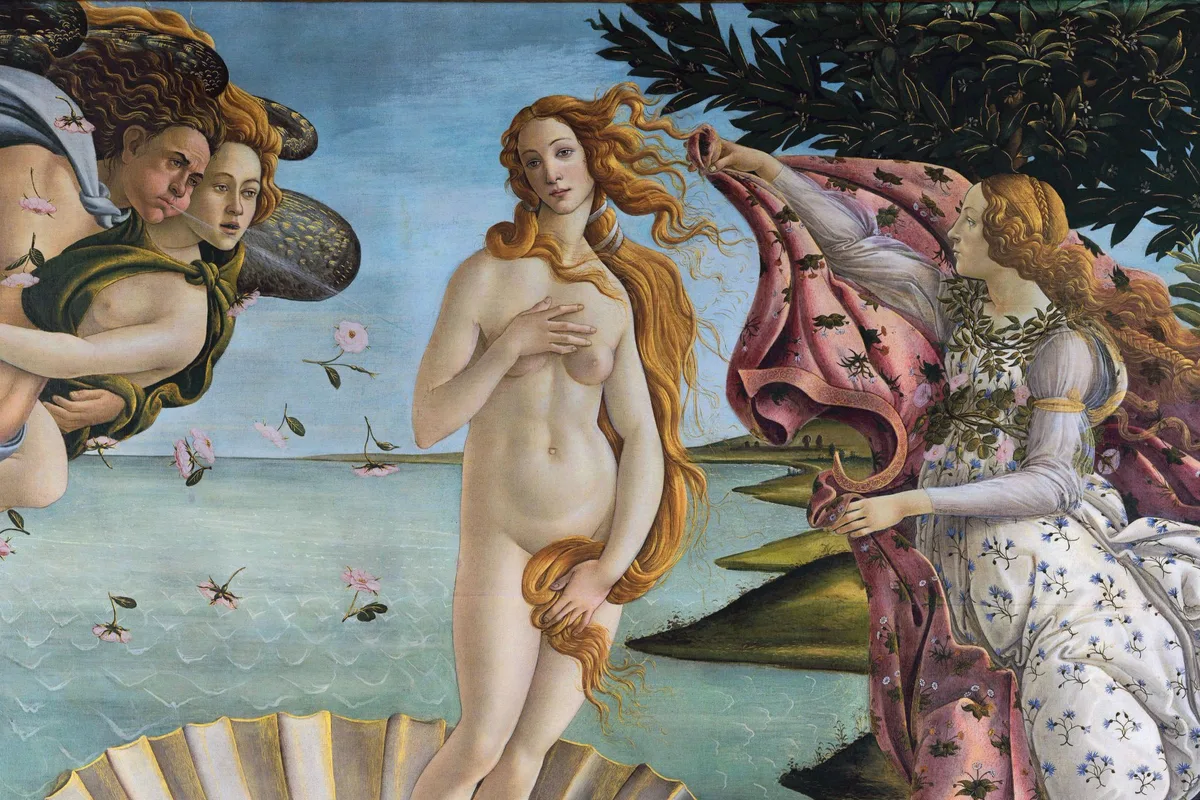 Artikel · 40 Min. LesezeitUffizien: das Museum, das die Medici überlebt hat
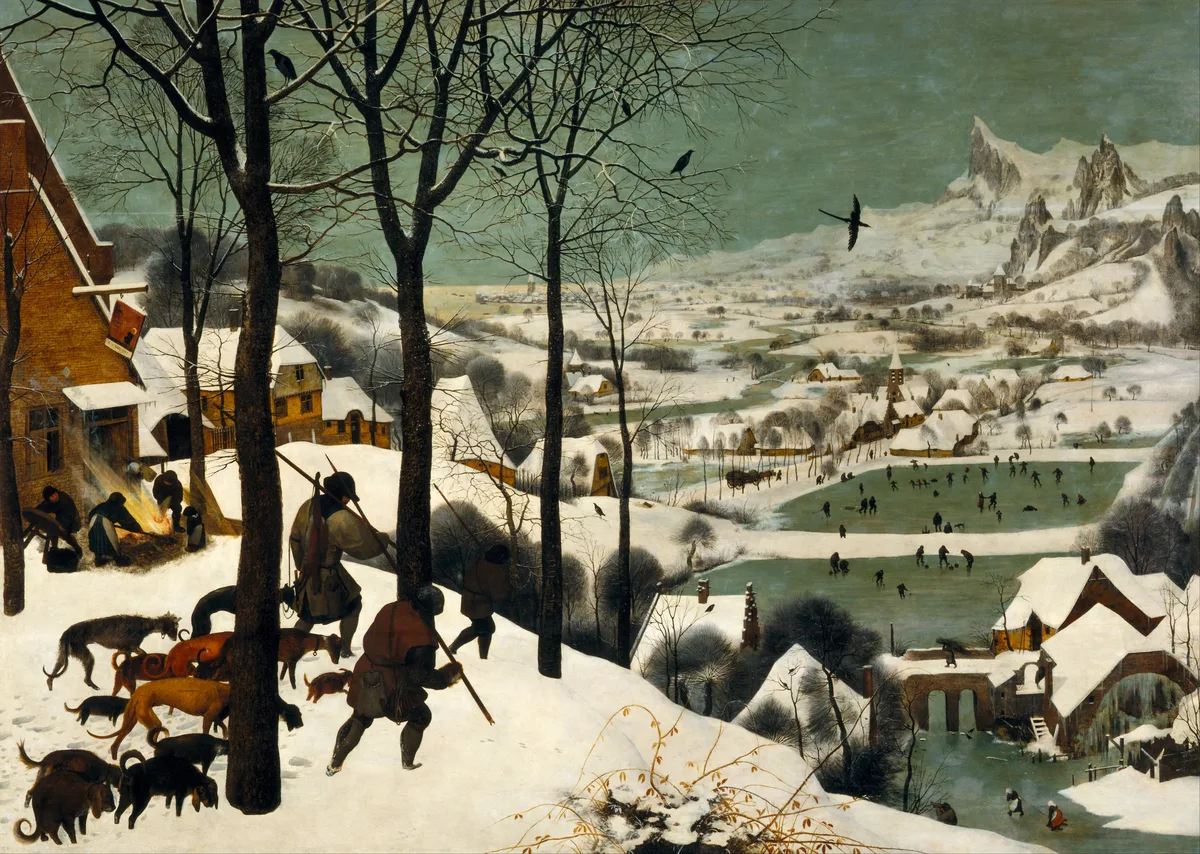 Artikel · 43 Min. LesezeitKunsthistorisches Museum Wien: 25 Werke und wie sie zu den Habsburgern kamen
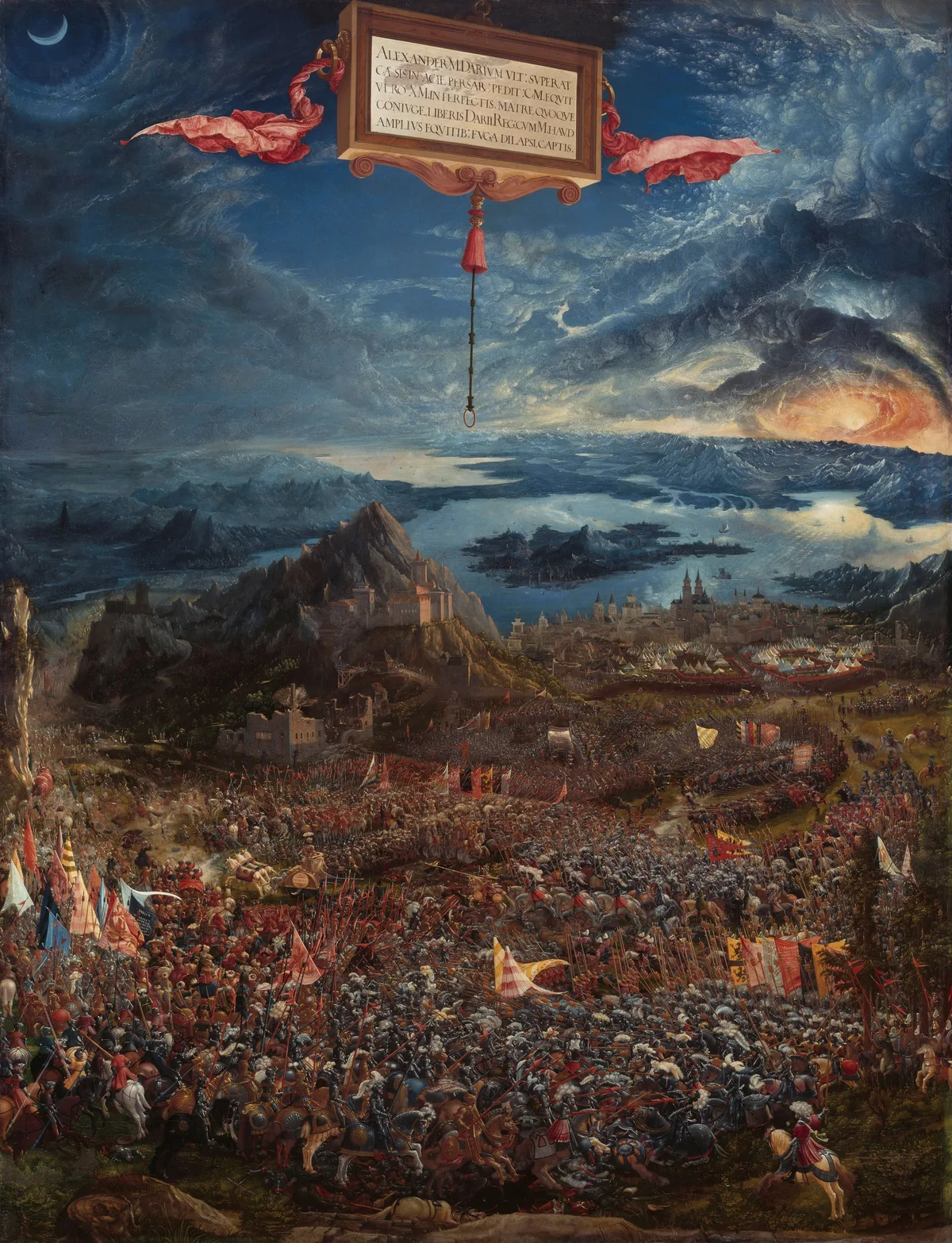 Artikel · 38 Min. LesezeitAlte Pinakothek: 20 Gemälde und wie sie nach München kamen
Werke
92 Werke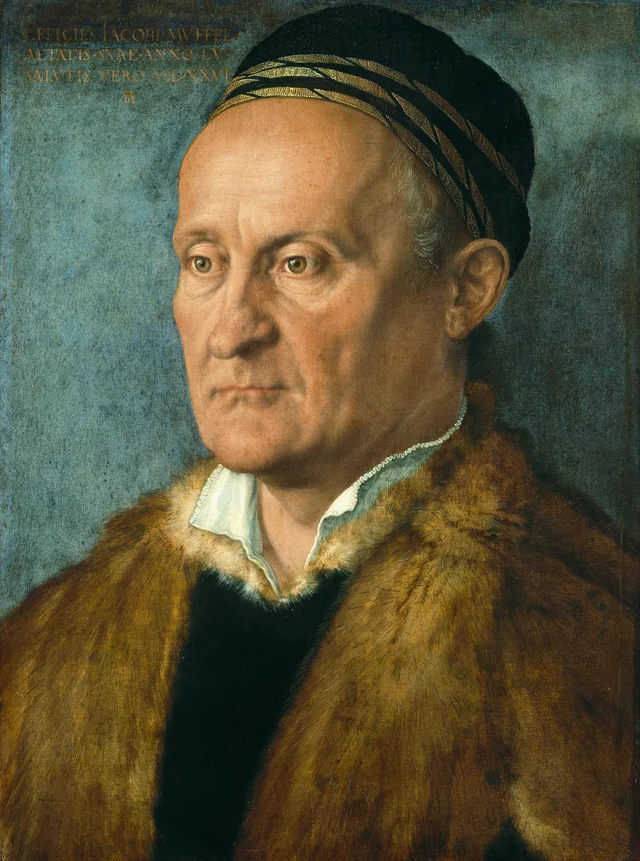 Bildnis des Jakob MuffelAlbrecht Dürer, 1526
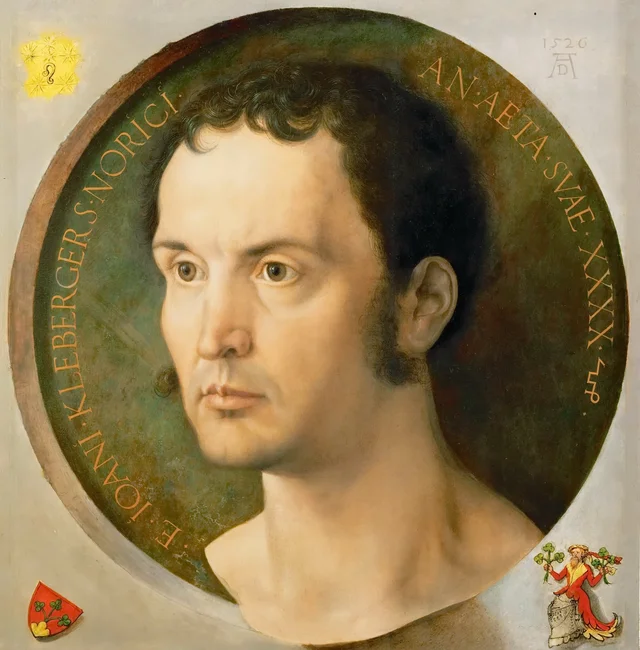 Bildnis des Johann KleebergerAlbrecht Dürer, 1526
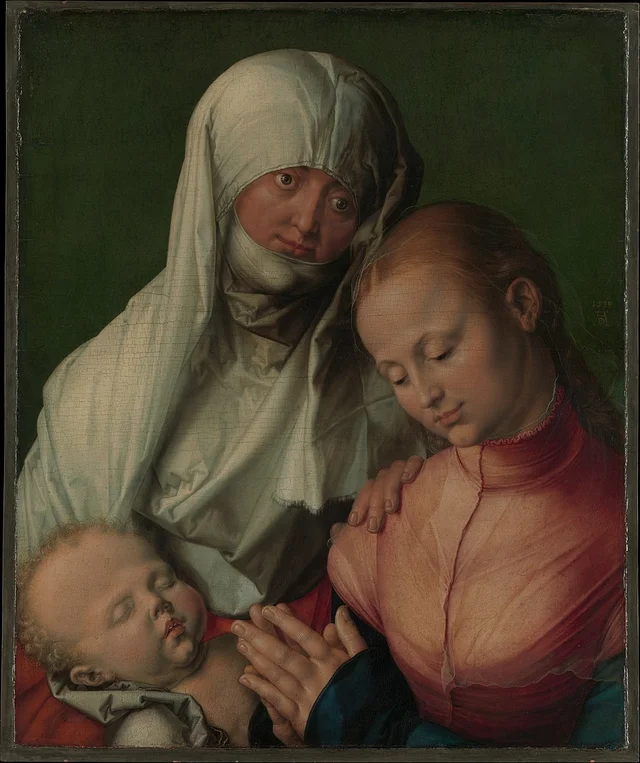 Maria mit dem Kind und der heiligen AnnaAlbrecht Dürer, 1519
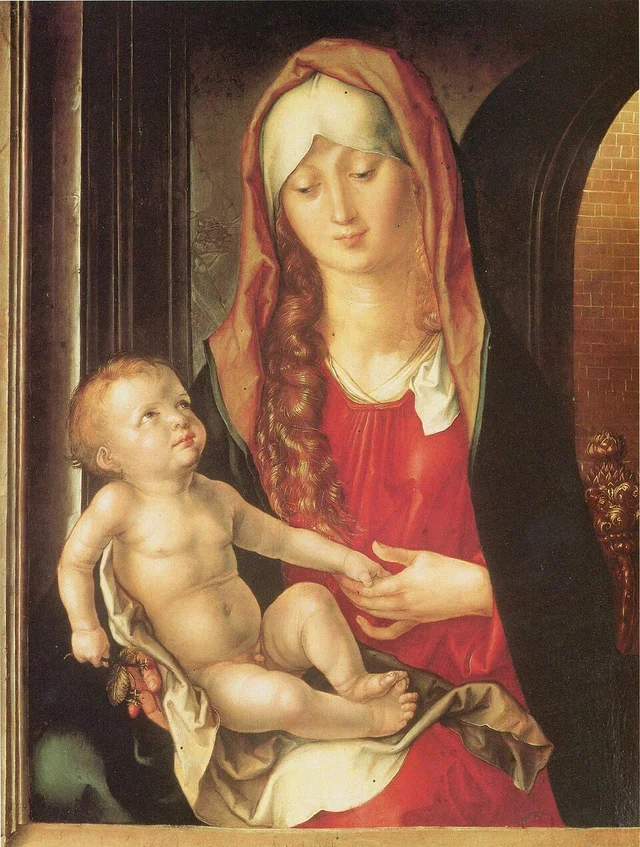 Madonna von BagnacavalloAlbrecht Dürer, 1495
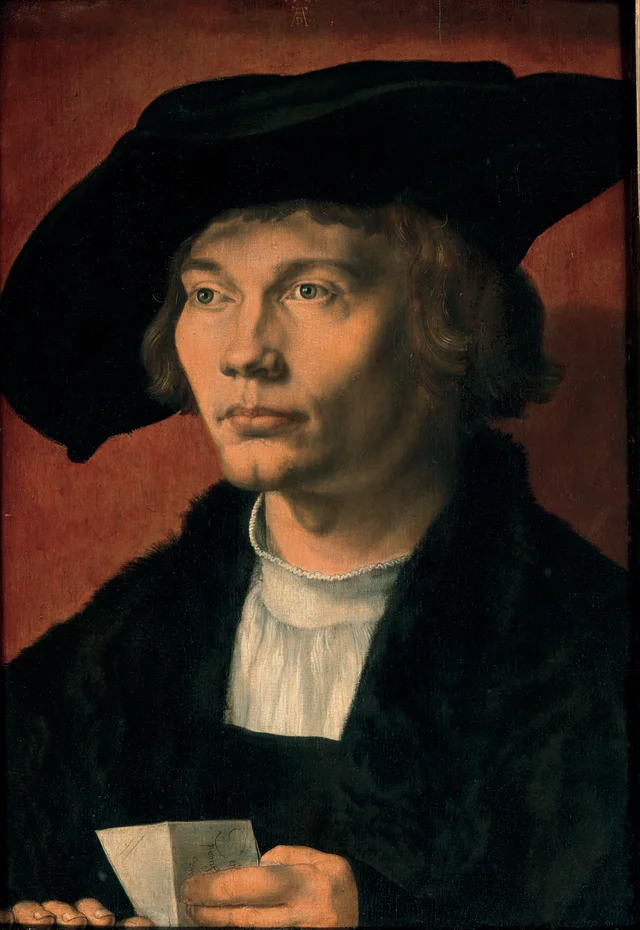 Bildnis des Bernhart von ReesenAlbrecht Dürer, 1521
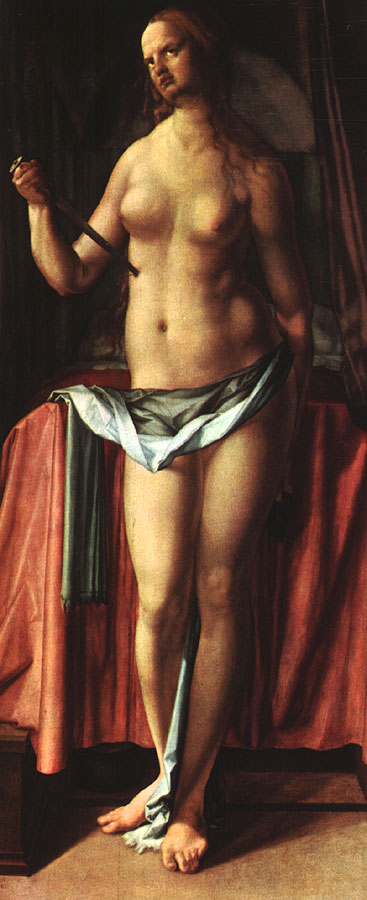 Der Selbstmord der LucretiaAlbrecht Dürer, 1518
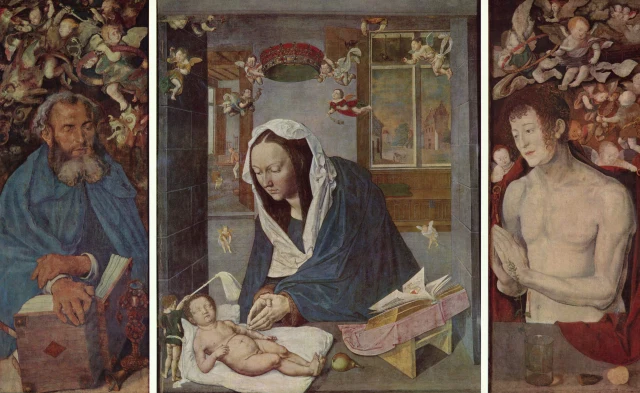 Dresdner AltarAlbrecht Dürer, 1496
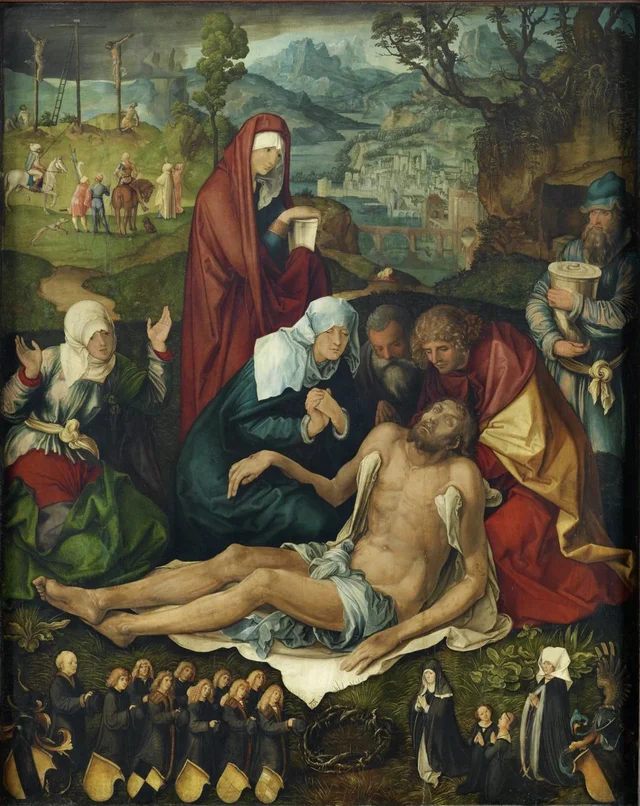 Die Beweinung ChristiAlbrecht Dürer, 1498
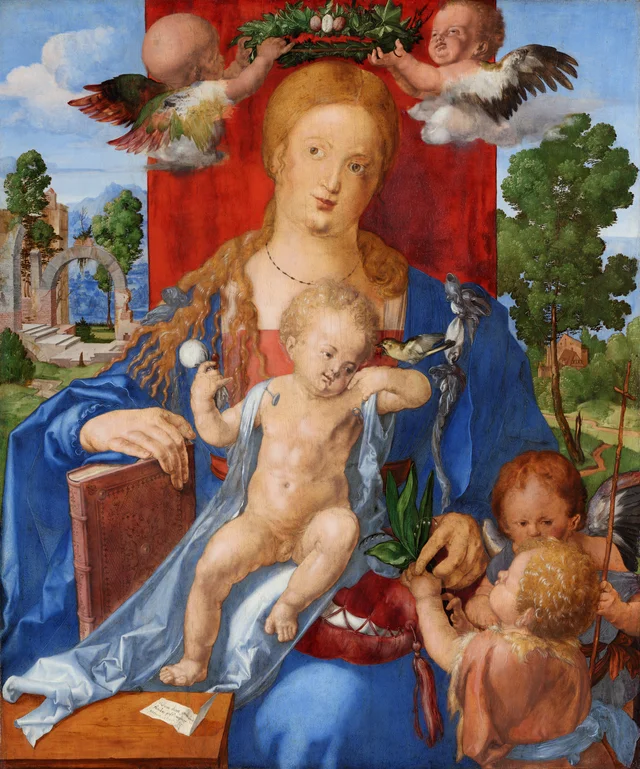 Madonna mit dem ZeisigAlbrecht Dürer, 1506
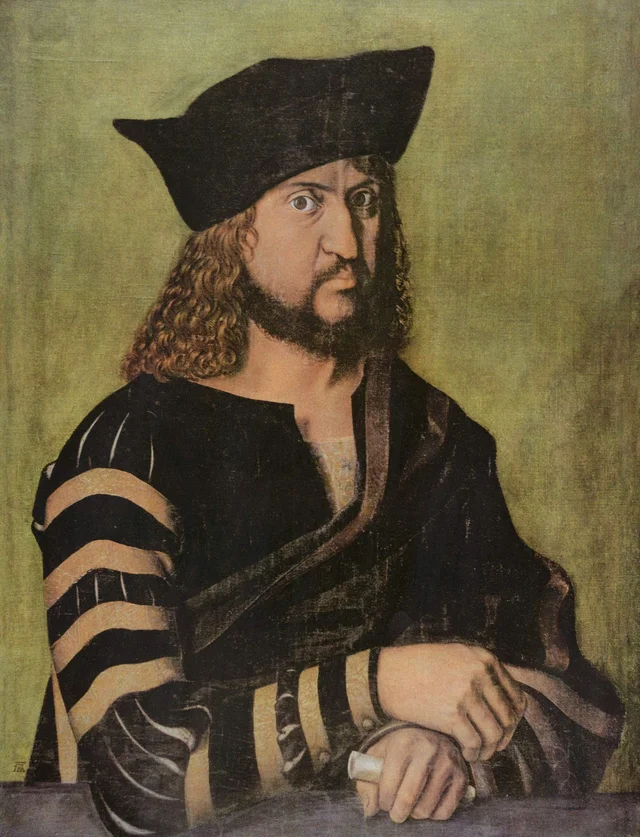 Bildnis Friedrichs III. von SachsenAlbrecht Dürer, 1496
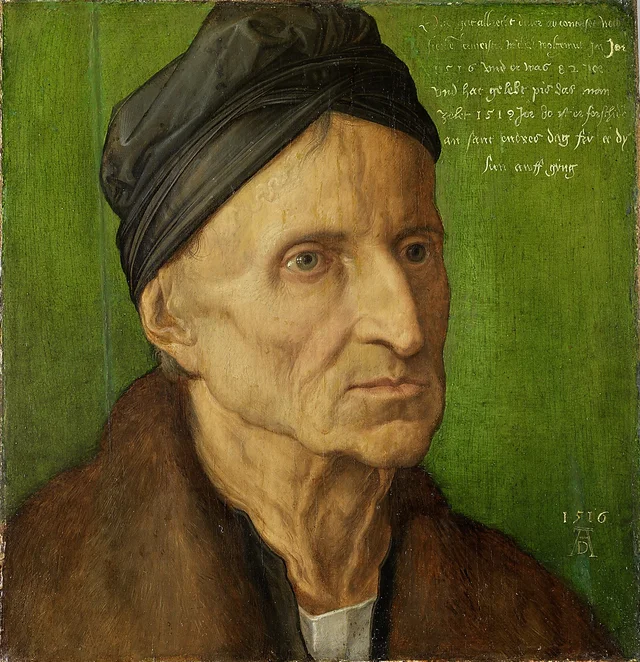 Bildnis des Nürnberger Malers Michael WolgemutAlbrecht Dürer, 1516
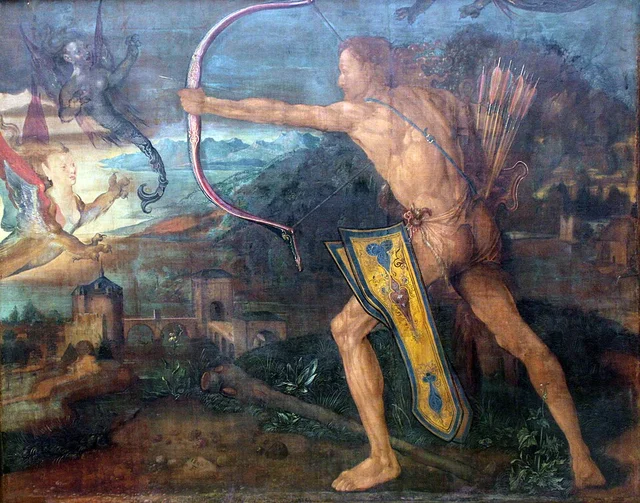 Herkules erschlägt die stymphalischen VögelAlbrecht Dürer, 1500
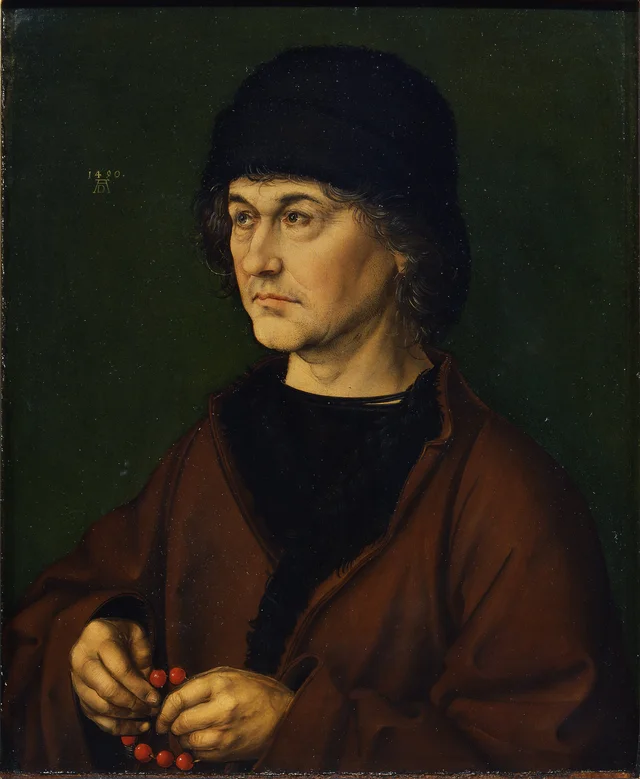 Bildnis des Vaters des KünstlersAlbrecht Dürer, 1490
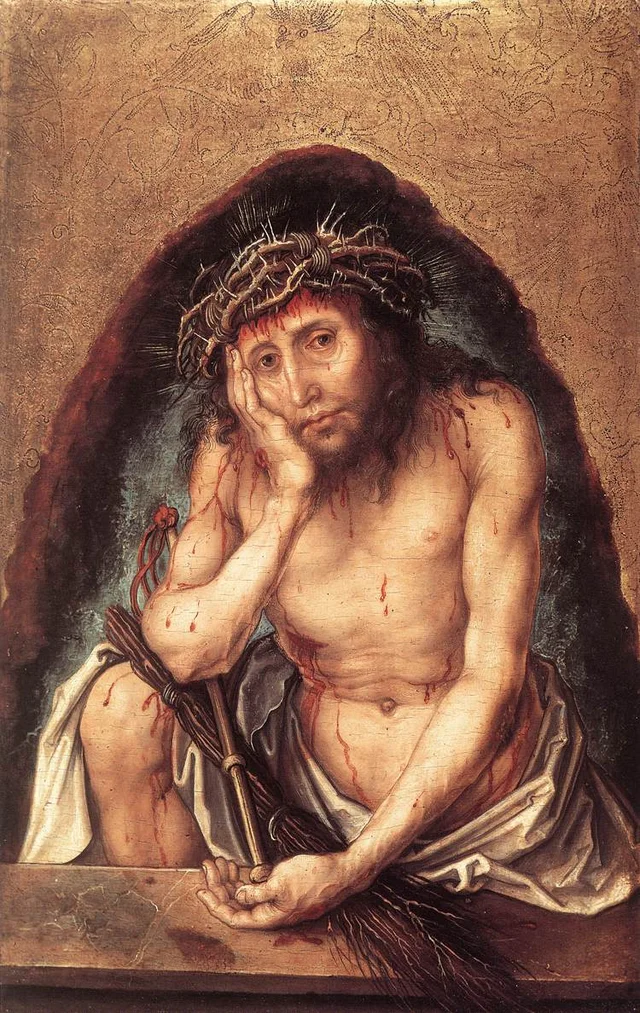 Christus als SchmerzensmannAlbrecht Dürer, 1493
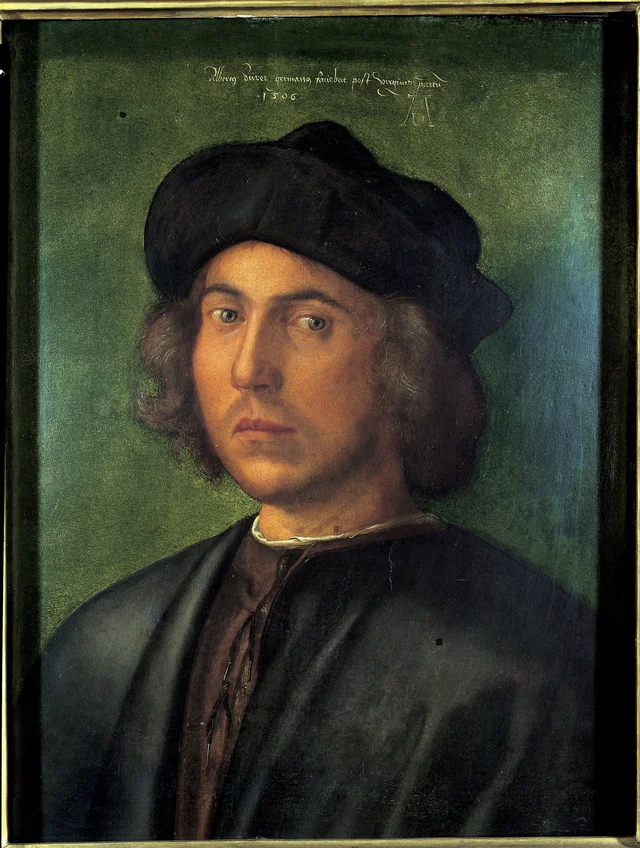 Bildnis eines jungen MannesAlbrecht Dürer, 1506
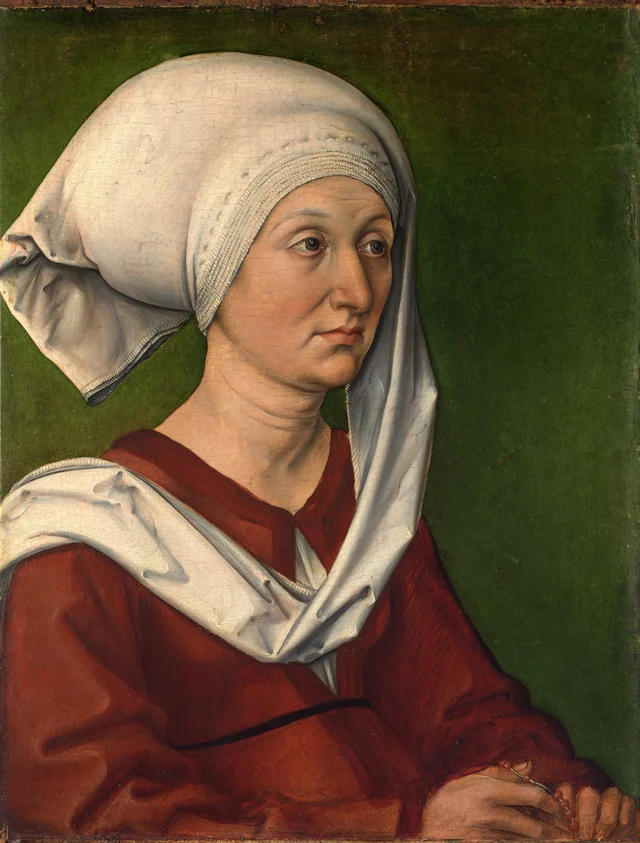 Porträt der Barbara HolperAlbrecht Dürer, 1490
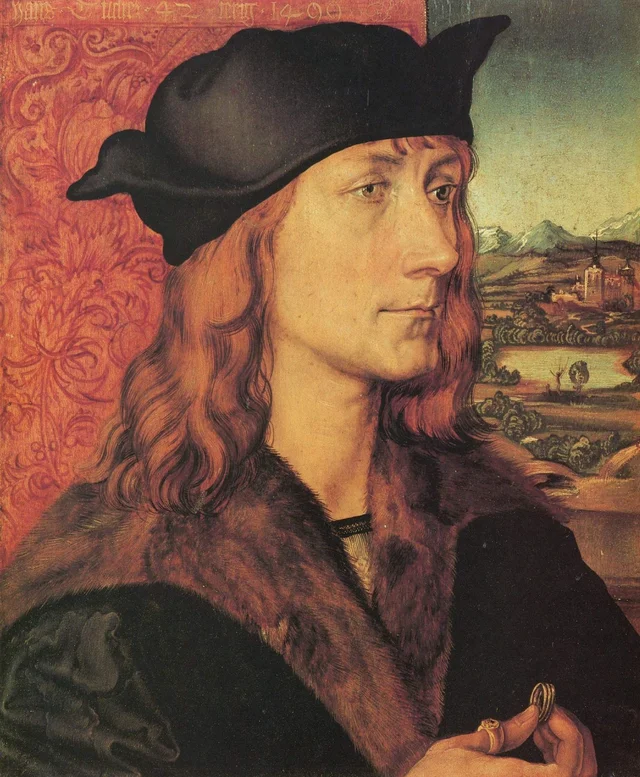 Bildnis des Hans TucherAlbrecht Dürer, 1499
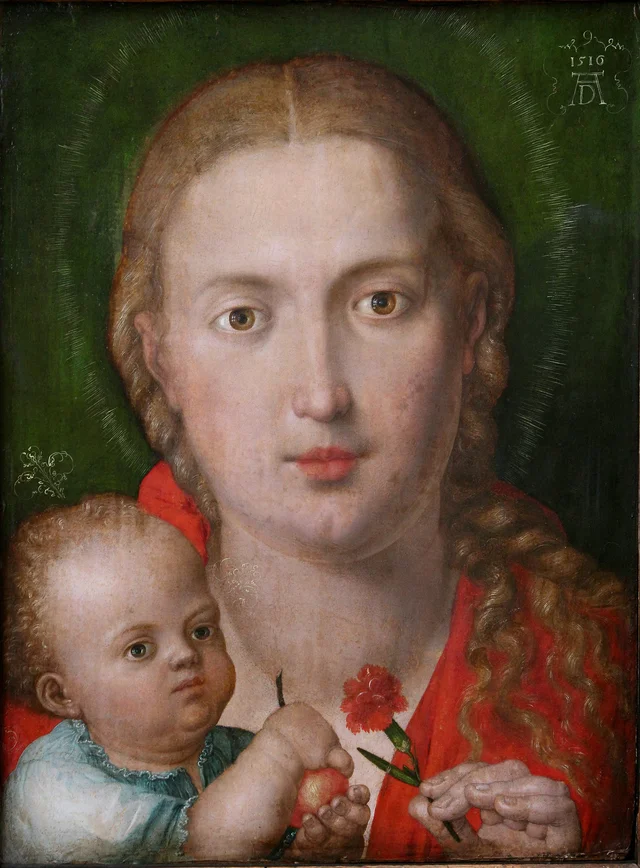 Maria mit der NelkeAlbrecht Dürer, 1516
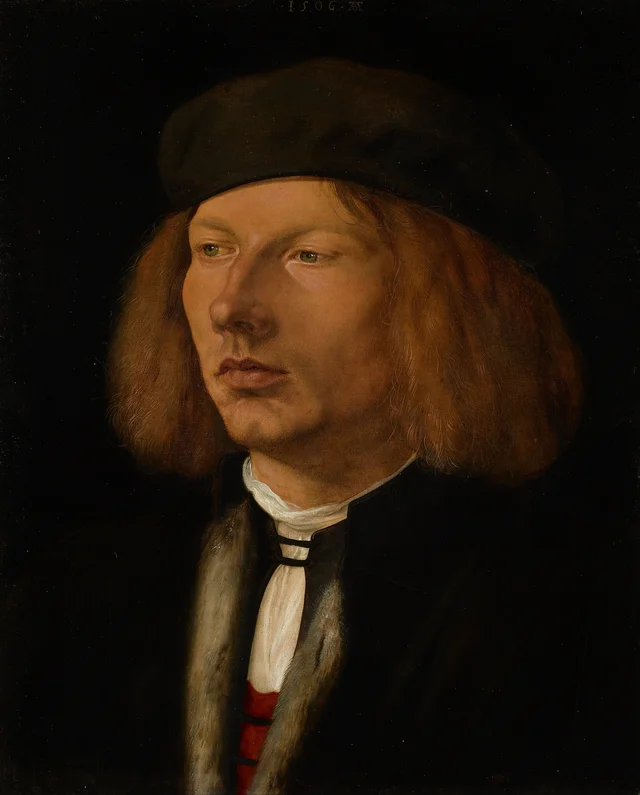 Burkard von SpeyerAlbrecht Dürer, 1506
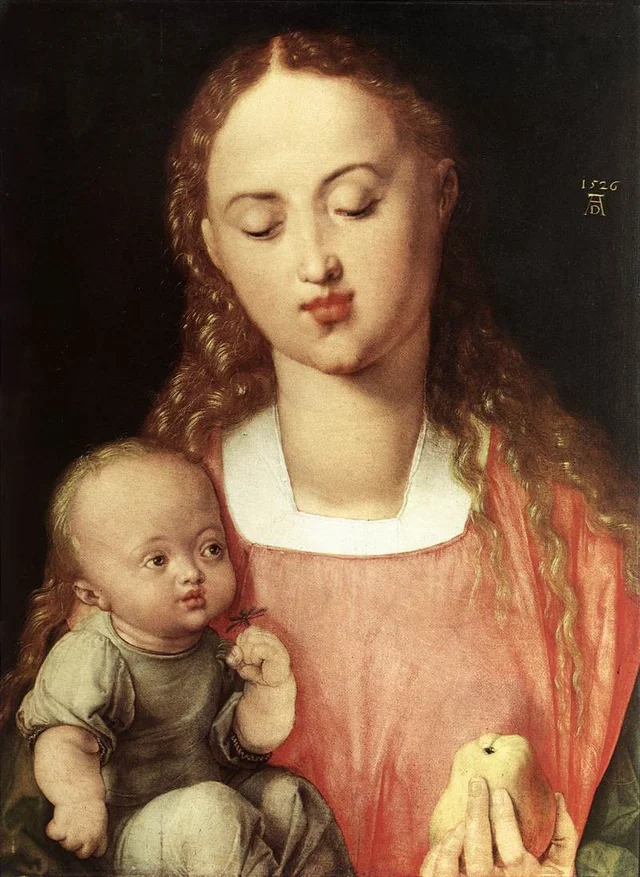 Madonna mit KindAlbrecht Dürer, 1526
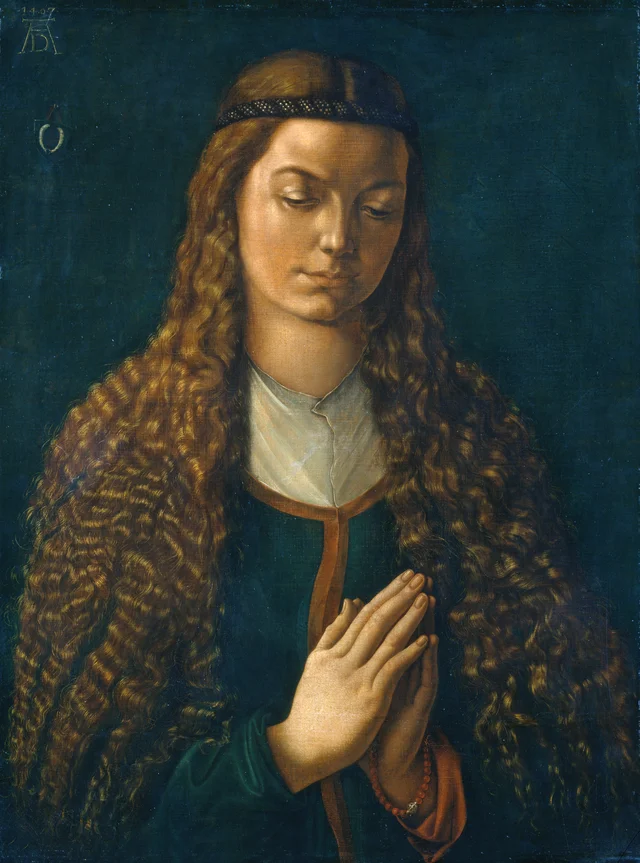 Bildnis der jungen Fürlegerin mit offenem HaarAlbrecht Dürer, 1497
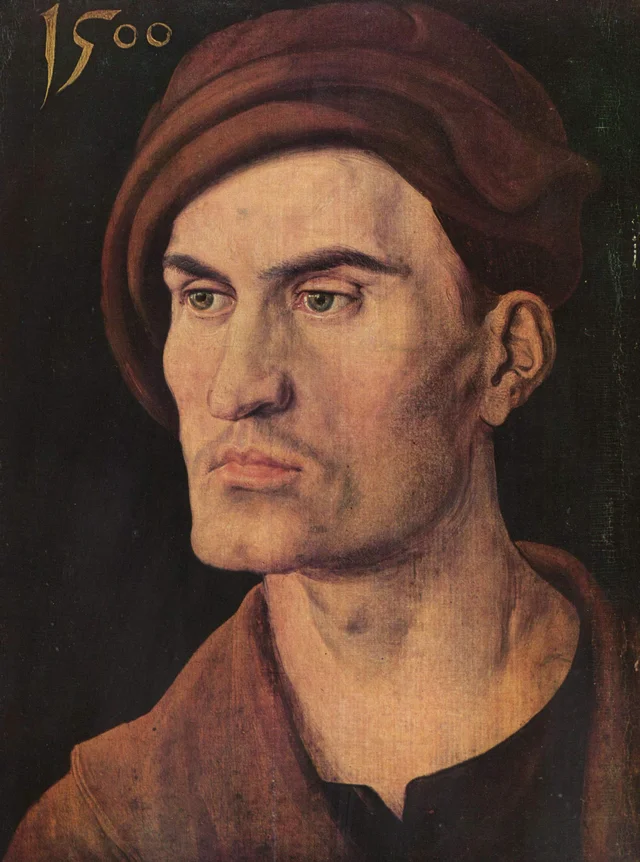 Bildnis eines jungen MannesAlbrecht Dürer, 1500
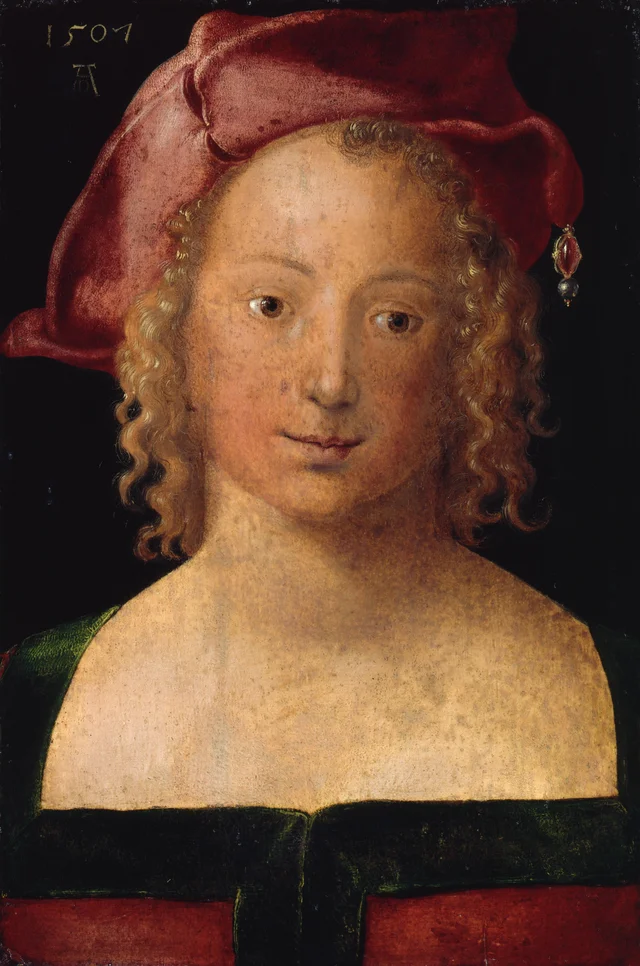 Bildnis einer jungen Frau mit (rotem) BarettAlbrecht Dürer, 1507
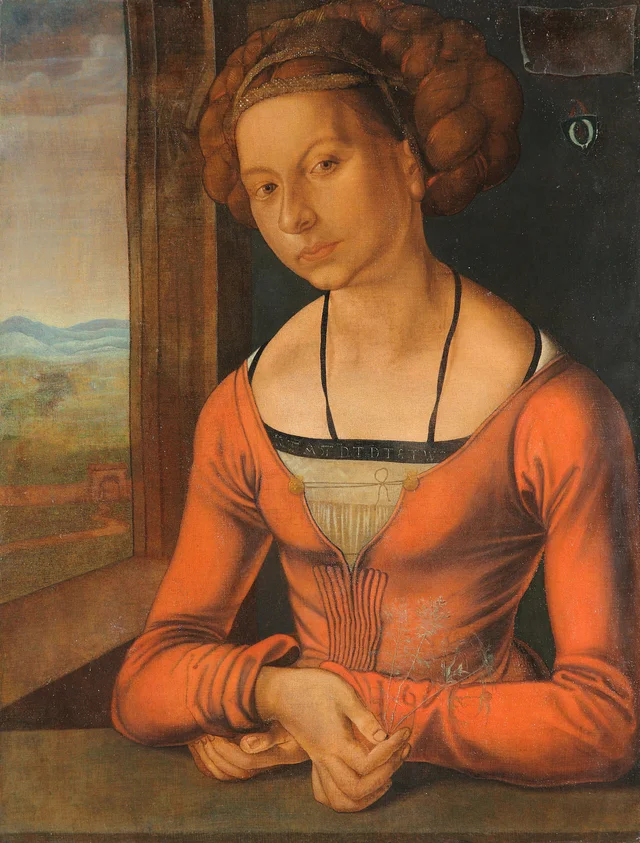 Bildnis einer jungen Frau mit geflochtenem HaarAlbrecht Dürer, 1497
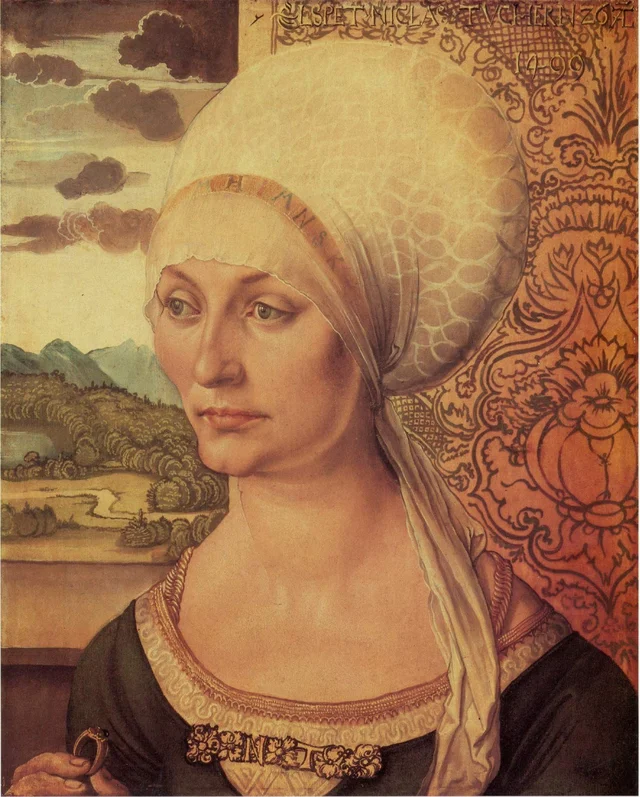 Bildnis der Elspeth TucherAlbrecht Dürer, 1499