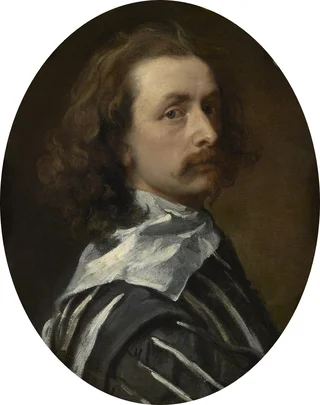
Anthonis van Dyck
1599–1641 · Spanische Niederlande · Barockmalerei
Die Geschichte
1632 holte Karl I. von England, ein König, dem viel an der Erscheinung einer Autorität lag, die er gegenüber dem Parlament nicht wirklich besaß, den Antwerpener Maler Anthony van Dyck nach London, schlug ihn zum Ritter und gab ihm Räume in Blackfriars sowie ein Boot, das ihn die Themse hinauf zum königlichen Palast brachte. Van Dyck hatte Jahre zuvor im Atelier von Peter Paul Rubens gelernt, dem führenden Maler der Südlichen Niederlande, und einen Großteil seiner Zwanziger in Italien verbracht, wo er in Genua Tizians Porträts studierte. Was er mit nach England brachte, war eine Art, den Adel zu malen, die formelle Porträts entspannt, fast intim wirken ließ, ohne dabei ein Gramm an Erhabenheit zu verlieren.
Den Rest des Jahrzehnts malte van Dyck fast ausschließlich den König, die Königin und ihren Kreis und schuf Bild um Bild einer Monarchie, die sich in Farbe genau so festhalten ließ, wie sie in Erinnerung bleiben wollte. Karl saß danach kaum noch einem anderen Maler Modell. Diese Porträts sind bis heute das Bild, das die meisten Menschen vom Stuart-Hof im Kopf haben: gestreckte Hände, Seide, Lässigkeit, ein König, der auf seinem Thron völlig sicher wirkt.
Van Dyck starb im Dezember 1641 in London, ein Jahr bevor zwischen Karl und dem Parlament der Bürgerkrieg ausbrach. Karl wurde 1649 vor seinem eigenen Banqueting House in Whitehall hingerichtet, angeblich in zwei Hemden gegen die Januarkälte, damit er nicht zittere und für ängstlich gehalten würde.
Weitere Artikel
Werke
240 Werke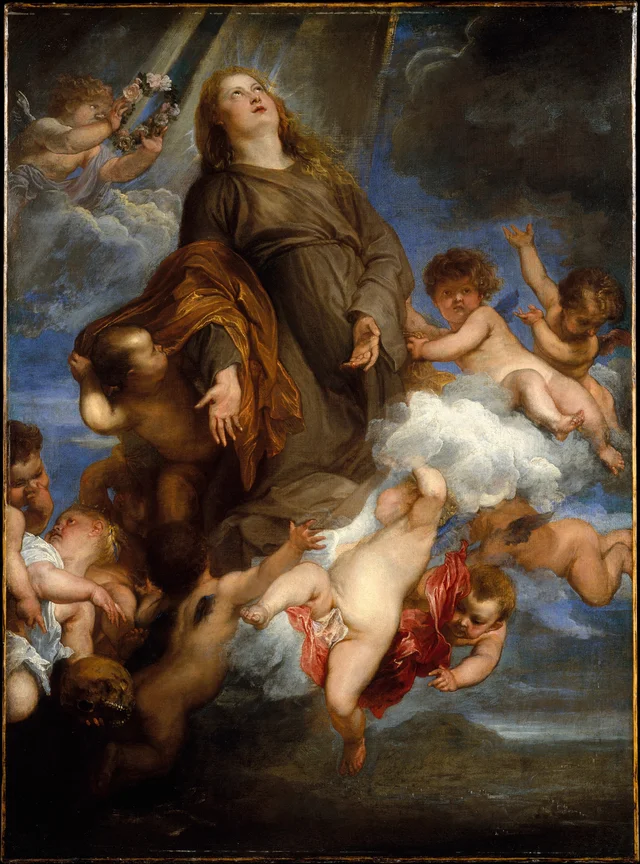 Die heilige Rosalia bittet für die Pestkranken von PalermoAnthonis van Dyck, 1624
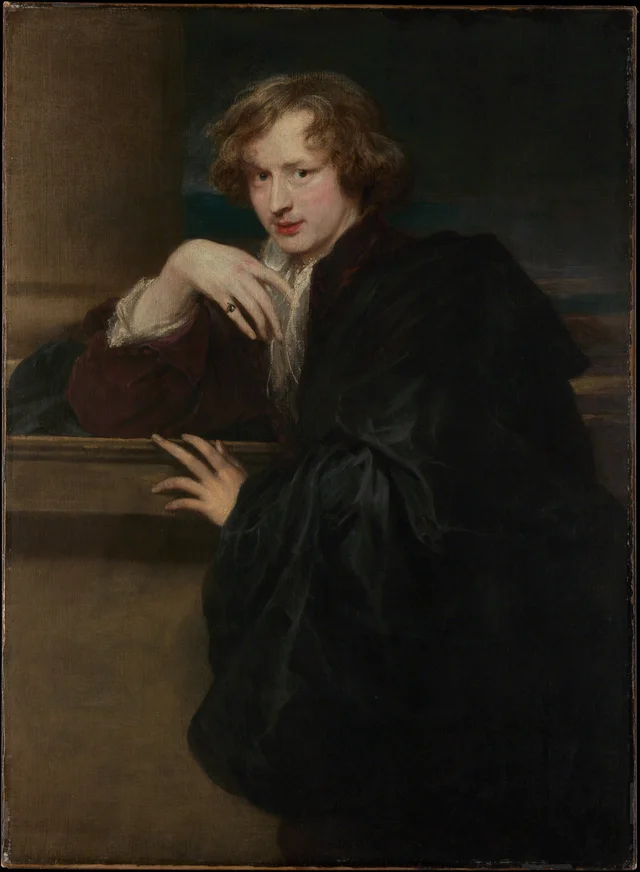 SelbstbildnisAnthonis van Dyck, 1620
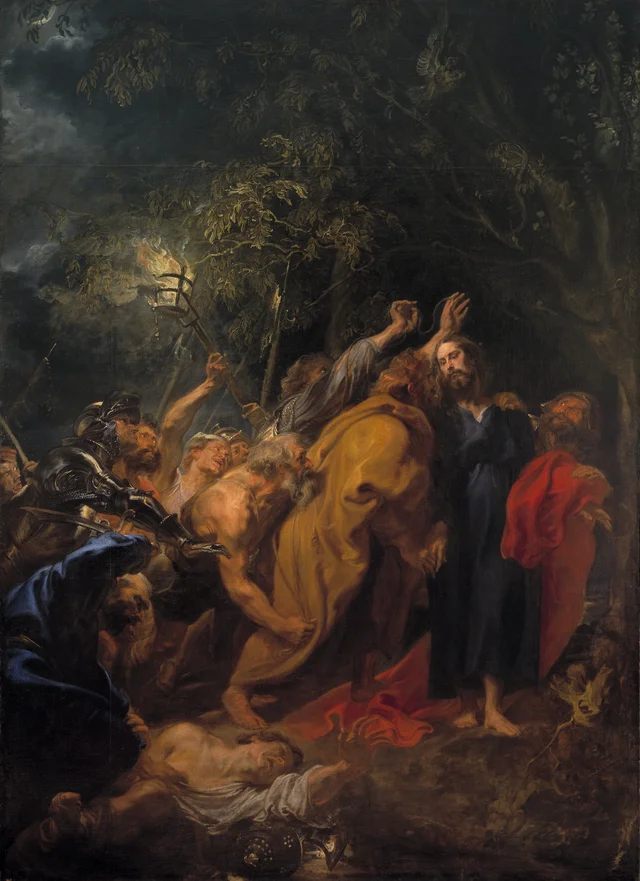 Die Gefangennahme ChristiAnthonis van Dyck, 1618
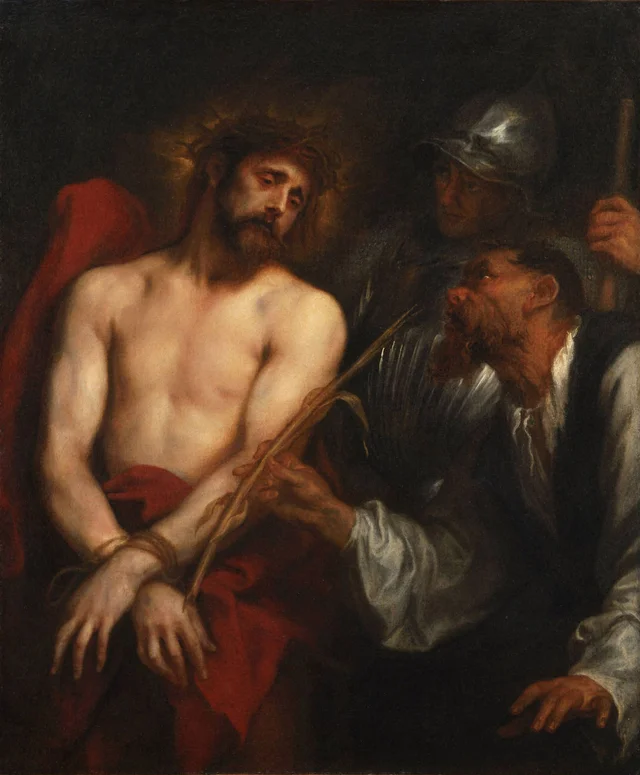 Die Verspottung ChristiAnthonis van Dyck, 1628
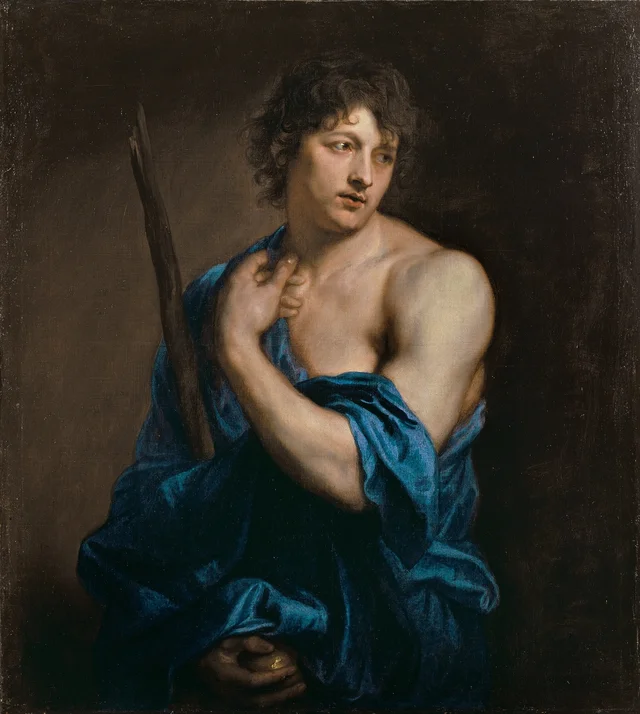 Der Hirte Paris als Personifikation des künstlerischen UrteilsAnthonis van Dyck, 1628
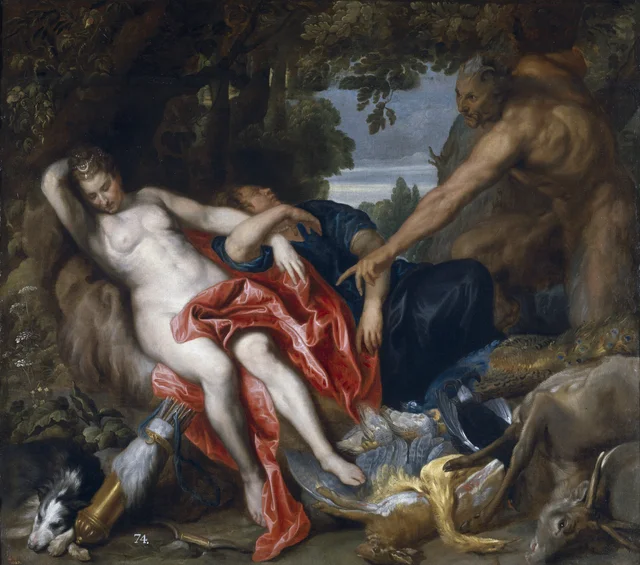 Diana und eine Nymphe von einem Satyr überraschtAnthonis van Dyck, 1622
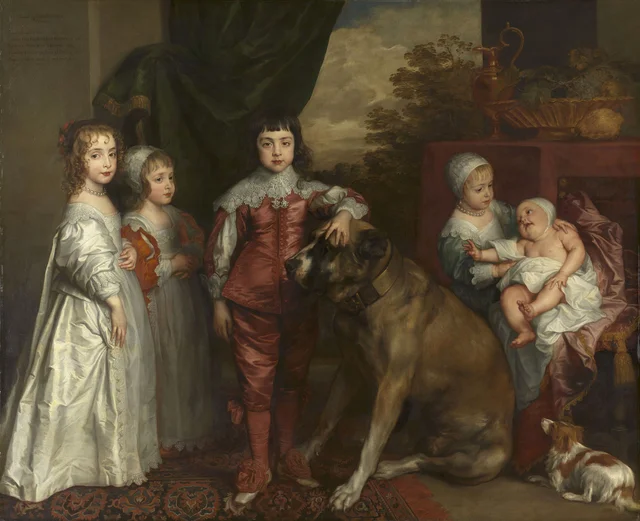 Die fünf ältesten Kinder Karls I.Anthonis van Dyck, 1637
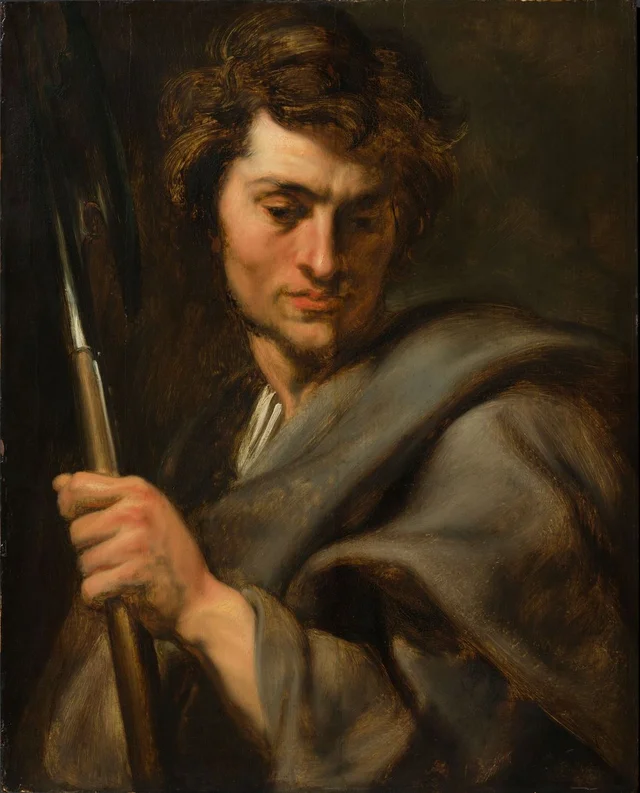 Der Apostel MatthäusAnthonis van Dyck, 1619
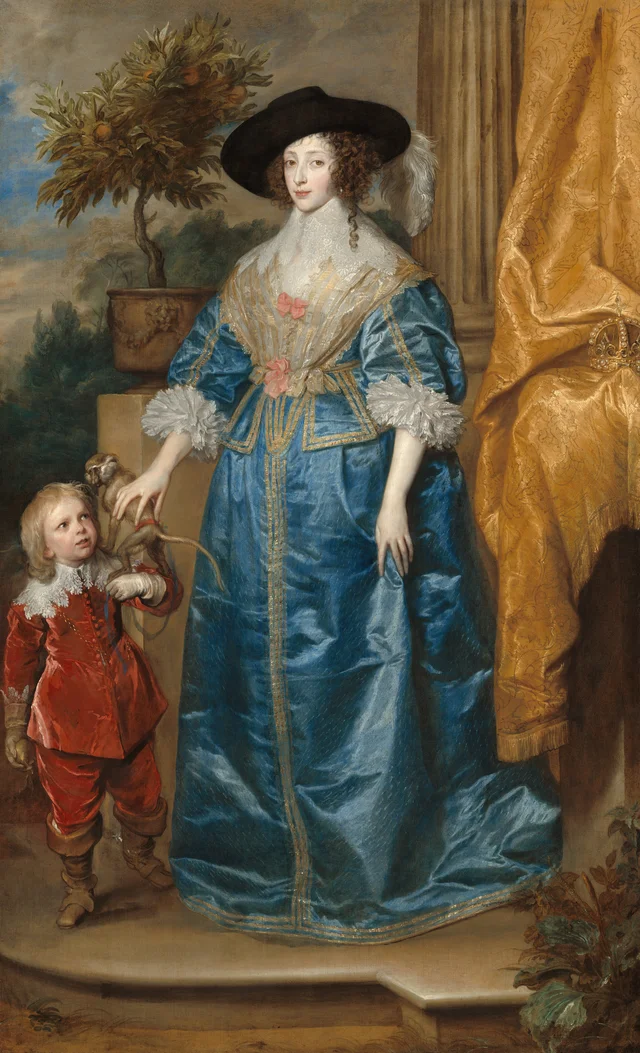 Königin Henrietta Maria mit Sir Jeffrey HudsonAnthonis van Dyck, 1633
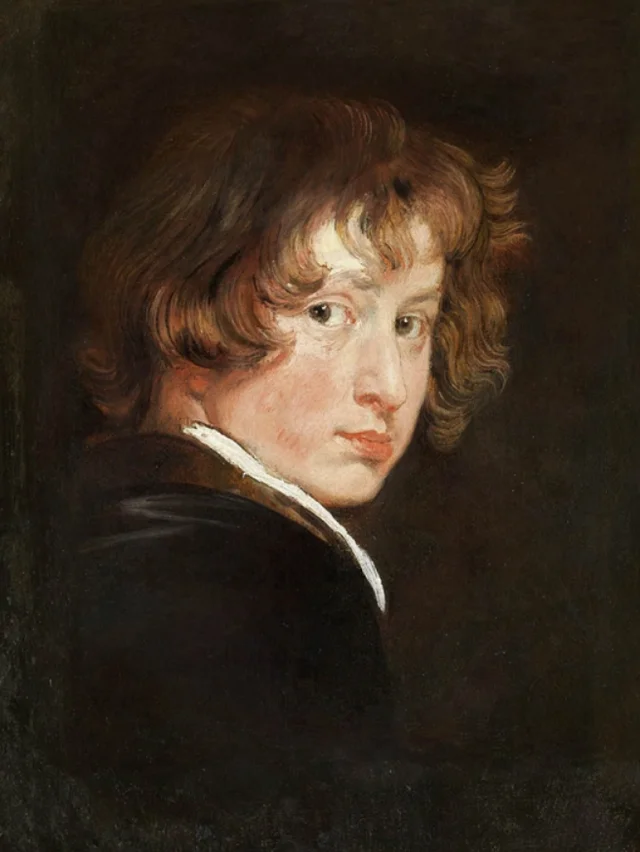 SelbstbildnisAnthonis van Dyck, 1613
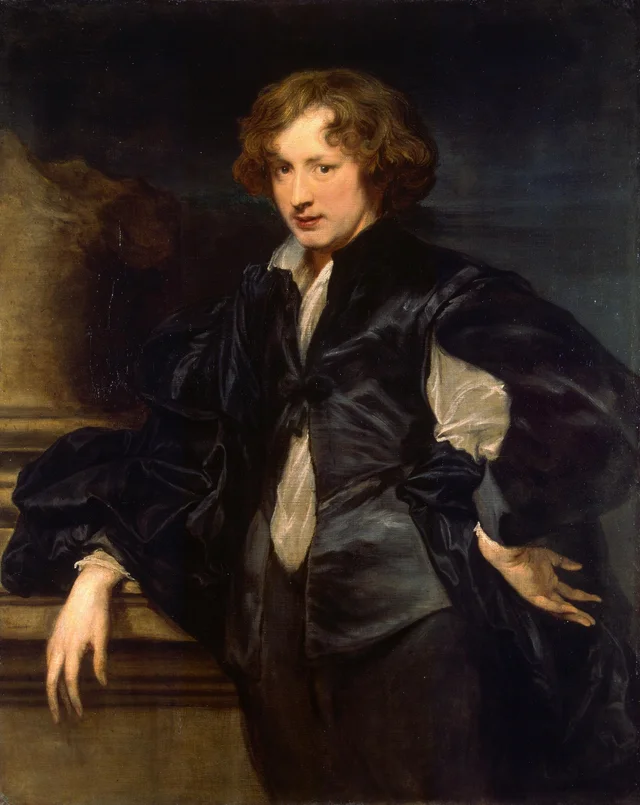 SelbstbildnisAnthonis van Dyck, 1622
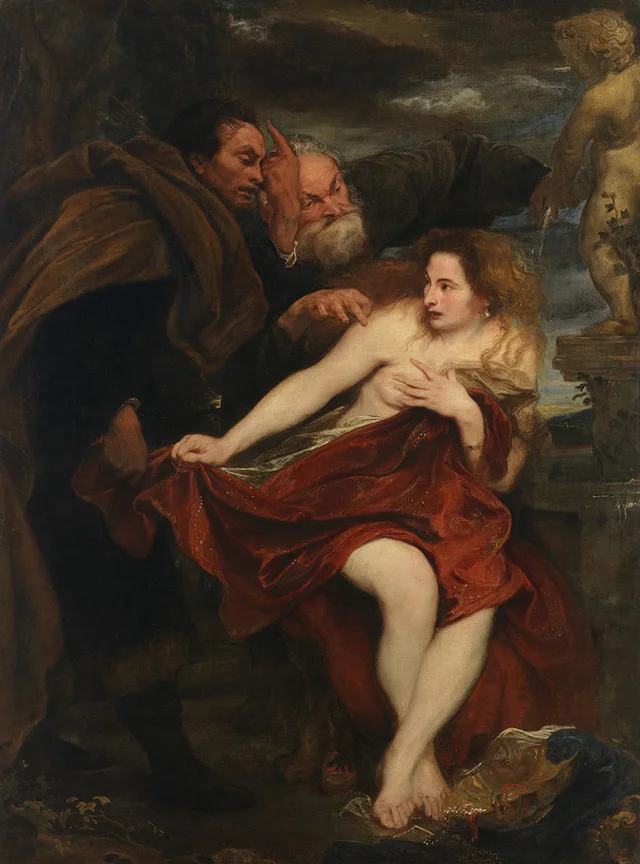 Susanna und die beiden AltenAnthonis van Dyck, 1622
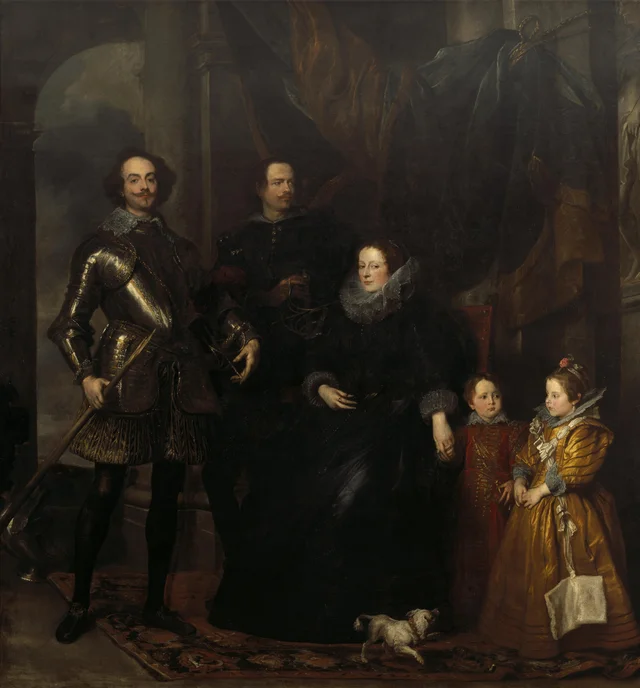 Die Familie LomelliniAnthonis van Dyck, 1623
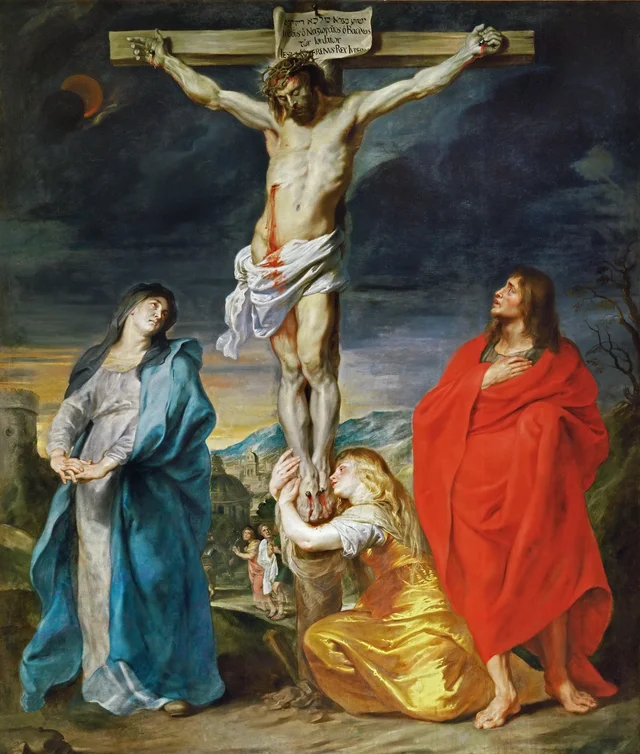 Kreuzigung mit der Jungfrau Maria, dem heiligen Johannes und der heiligen Maria MagdalenaAnthonis van Dyck, 1618
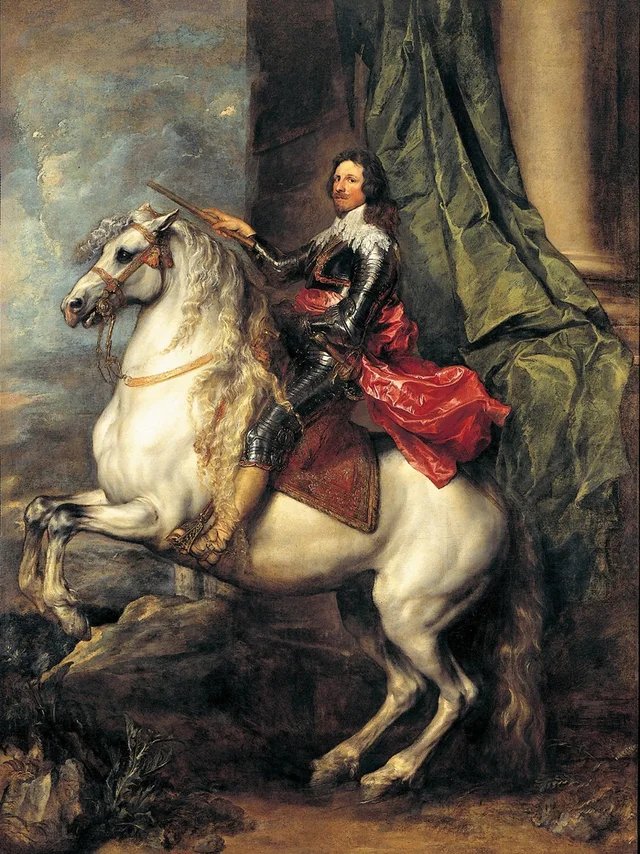 Reiterporträt des Prinzen Tommaso von Savoyen-CarignanAnthonis van Dyck, 1634
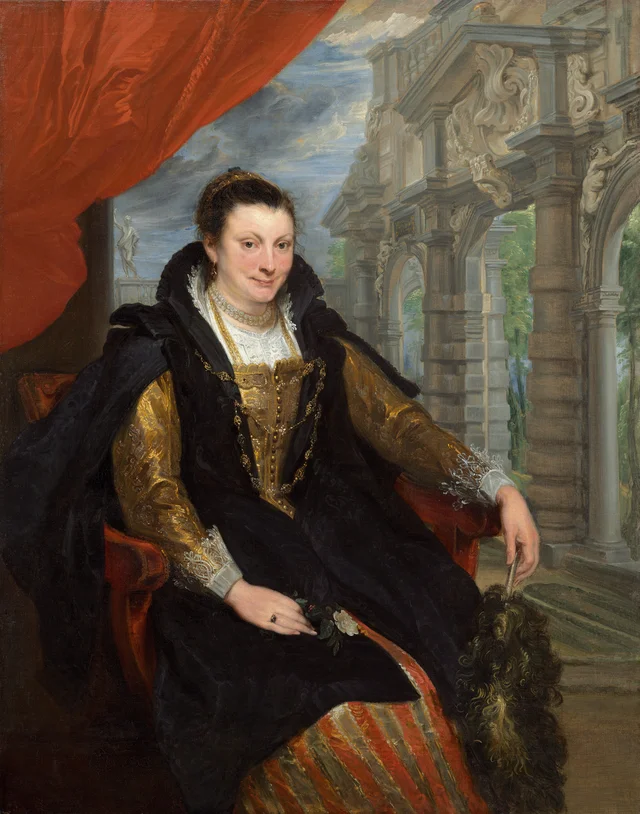 Isabella BrantAnthonis van Dyck, 1621
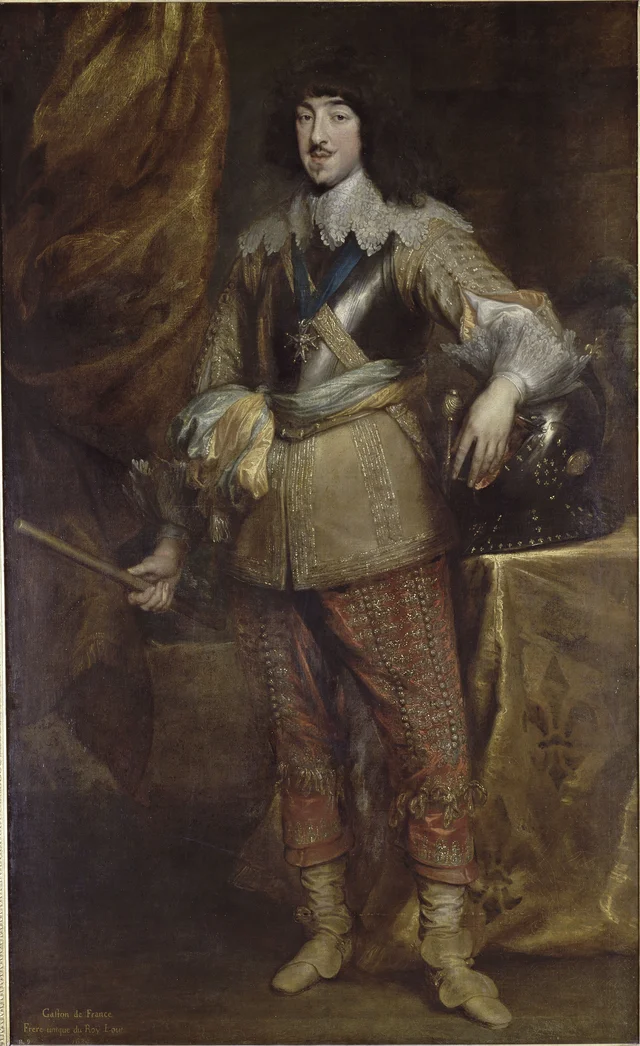 Porträt von Gaston von FrankreichAnthonis van Dyck, 1632
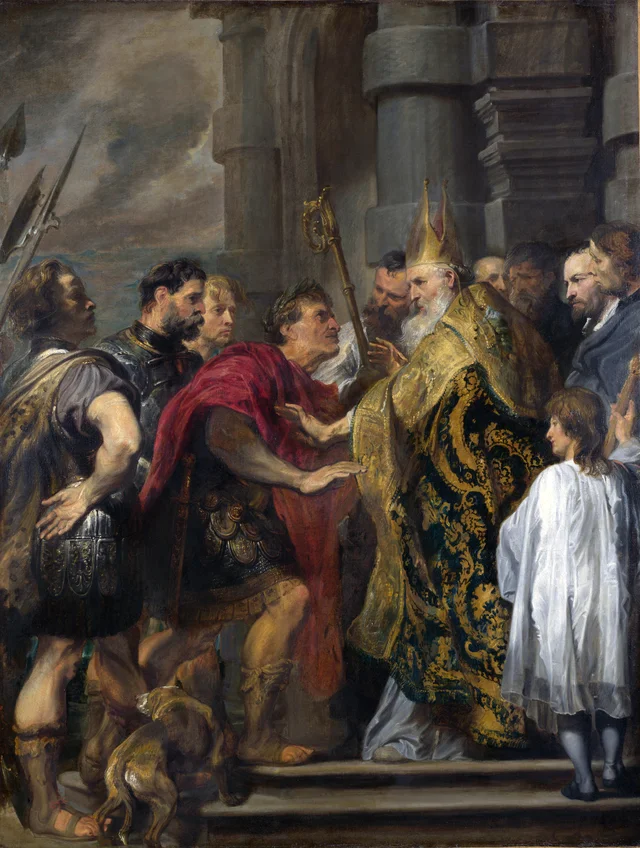 Der heilige Ambrosius verwehrt Theodosius den Zutritt zum Mailänder DomAnthonis van Dyck, 1619
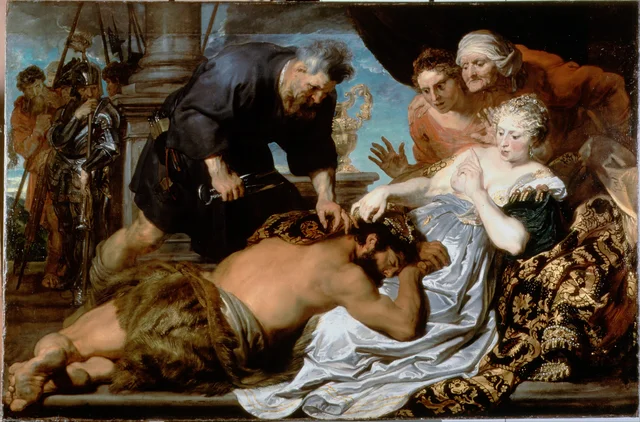 Simson und DelilaAnthonis van Dyck, 1620
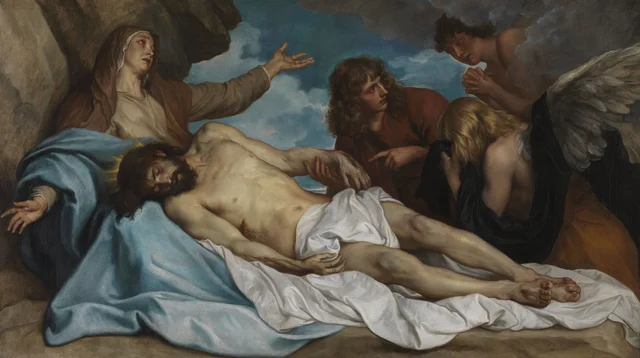 Beweinung ChristiAnthonis van Dyck, 1635
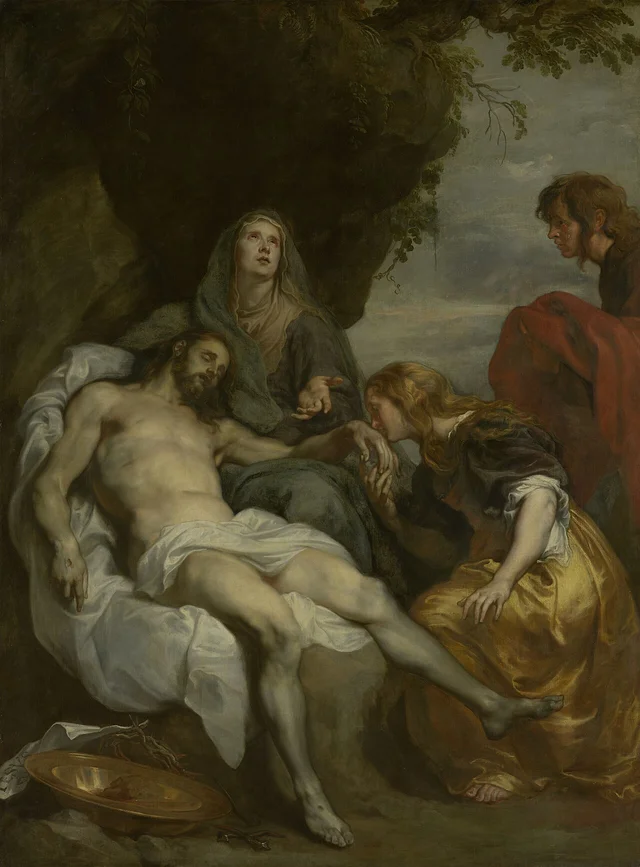 Beweinung ChristiAnthonis van Dyck, 1629
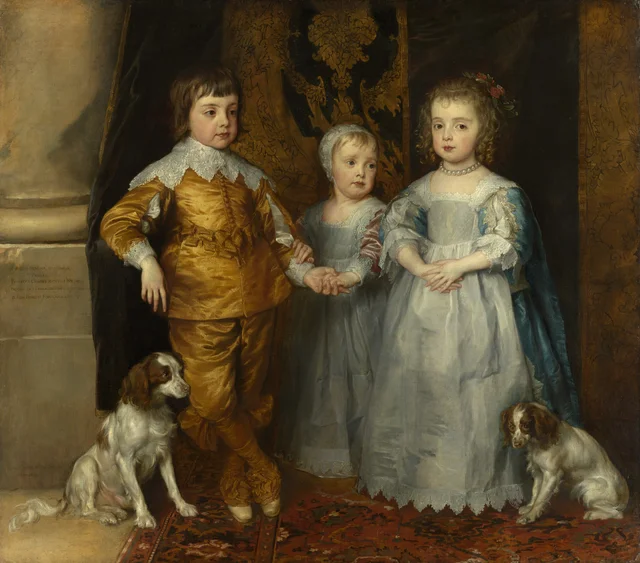 Die drei ältesten Kinder Karls I.Anthonis van Dyck, 1635
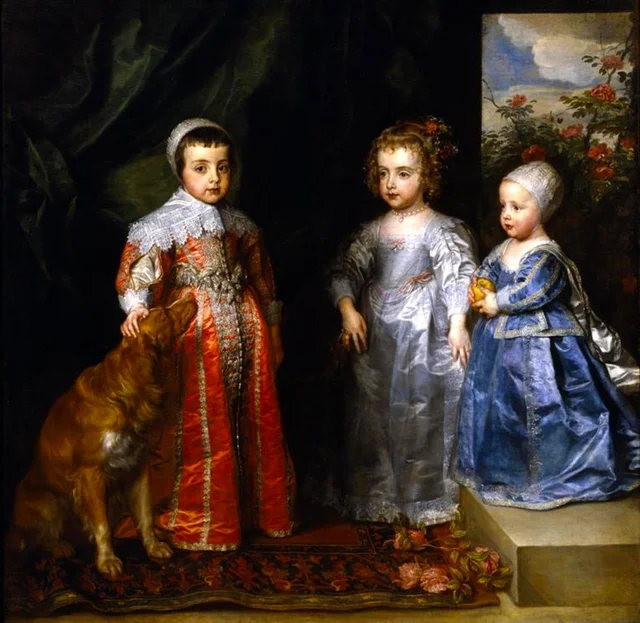 Die drei ältesten Kinder Karls I. Stuart (1600-1649) und Henriettas Maria von Bourbon (1609-1669): Karl (1630-1685), Maria (1631-1666) und Jakob (1633-1685)Anthonis van Dyck, 1635
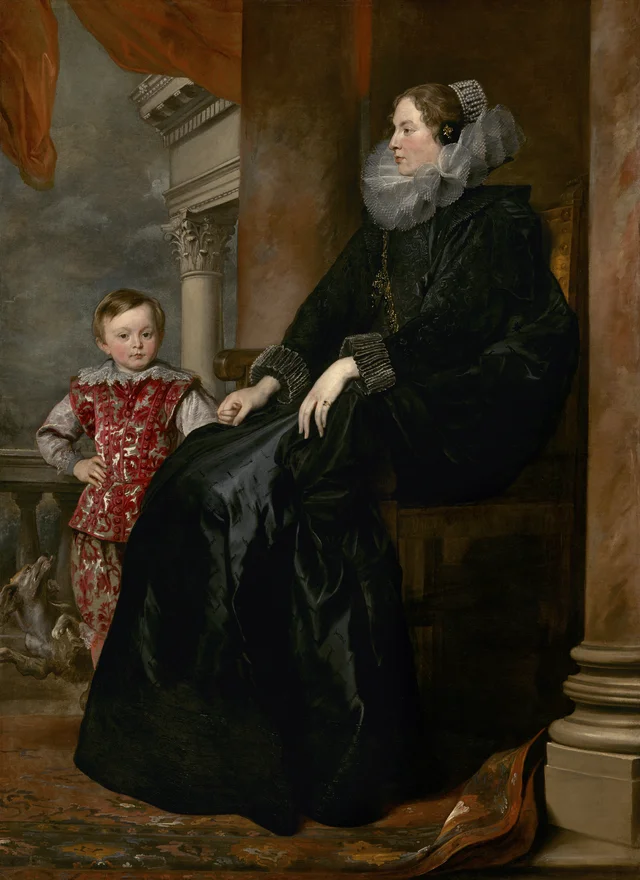 Eine genuesische Adlige mit ihrem SohnAnthonis van Dyck, 1626
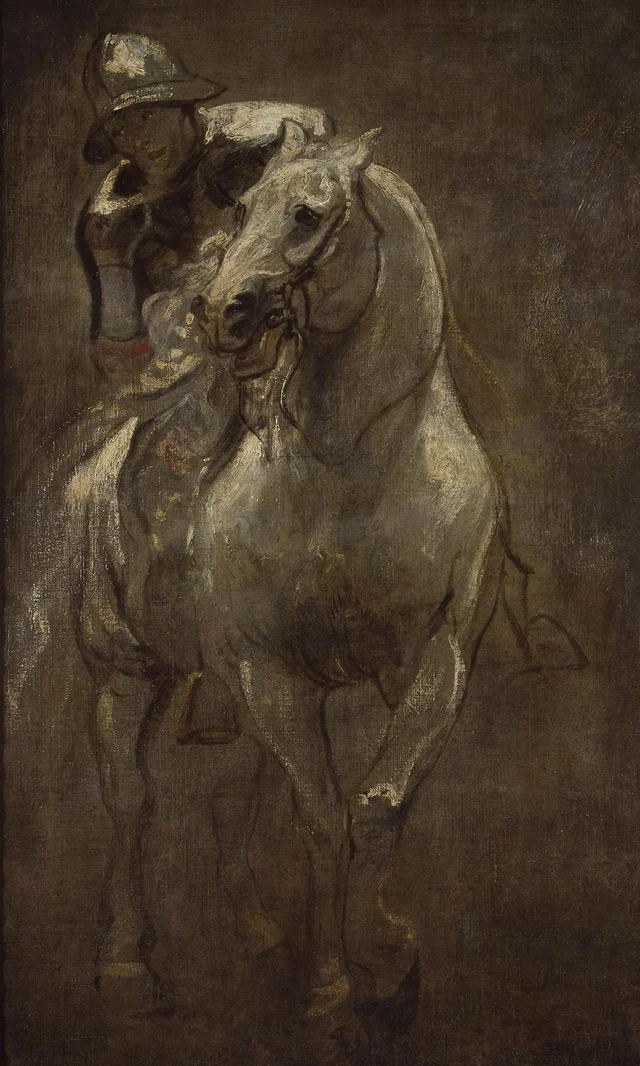 Ein Soldat zu PferdeAnthonis van Dyck, 1616