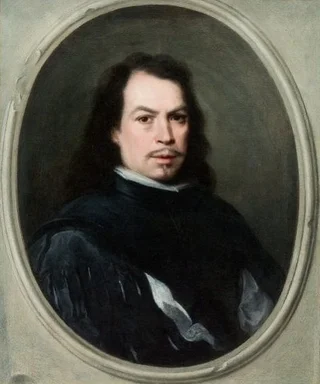
Bartolomé Esteban Murillo
1617–1682 · Spanien · Barockmalerei
Die Geschichte
Bartolomé Esteban Murillo musste früh erwachsen werden. In Sevilla starben beide Eltern innerhalb weniger Monate, 1627 und 1628, sodass er mit zehn Jahren zur Waise wurde; mit zwölf ging er beim örtlichen Maler Juan del Castillo in die Lehre. Diese frühe Erfahrung mit Armut begleitete ihn zeitlebens: Neben den frommen Bildern, die seinen Namen begründeten, malte er eine lange Reihe von Straßenkindern, darunter Der junge Bettler im Louvre, mit Blumenverkäuferinnen, Gassenjungen und Buben, die Melone und Trauben essen – mit einer Wärme, die in einer Epoche, die diese Kinder meist ignorierte, selten war.
Sein größerer Ruf gründete sich jedoch auf die Muttergottes mit Kind und vor allem auf die Unbefleckte Empfängnis, ein Thema, zu dem er über vier Jahrzehnte hinweg dutzende Male zurückkehrte und das er in einer weichen, leuchtenden Technik ausführte, die Sevillas Kirchen und Bruderschaften ihm immer wieder in Auftrag gaben. 1660 gründete er zusammen mit dem Architekten Francisco Herrera dem Jüngeren, mit dem er sich die Leitung teilte, die Academia de Bellas Artes der Stadt und verschaffte Sevillas Malern damit eine formale Ausbildungsstätte unabhängig von der alten Zunftordnung.
Murillo arbeitete bis in seine Sechziger, ohne nachzulassen. 1682, während er auf einem Gerüst an einem Fresko für die Kapuzinerkirche in Cádiz malte, stürzte er und wurde schwer verletzt; er starb wenige Monate später zurück in Sevilla, am 3. April 1682.
Weitere Artikel
Werke
115 Werke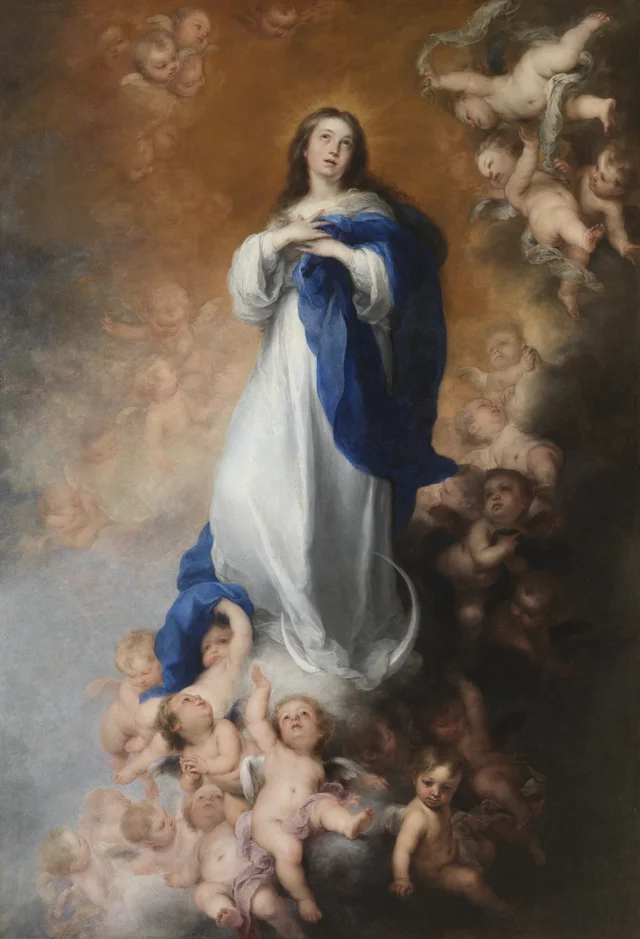 Die Unbefleckte Empfängnis von Los VenerablesBartolomé Esteban Murillo, 1678
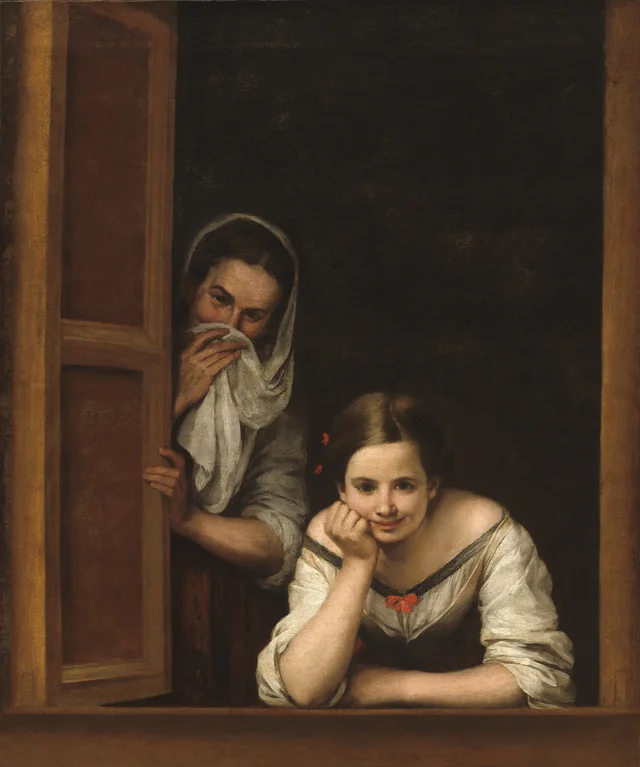 Zwei Frauen am FensterBartolomé Esteban Murillo, 1670
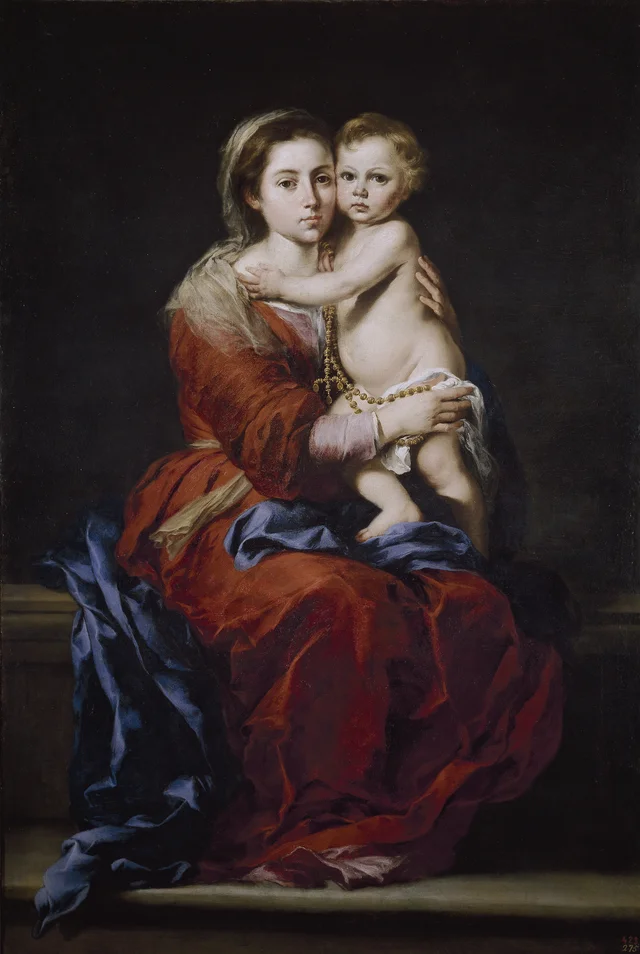 Maria mit dem Kind und dem RosenkranzBartolomé Esteban Murillo, 1650
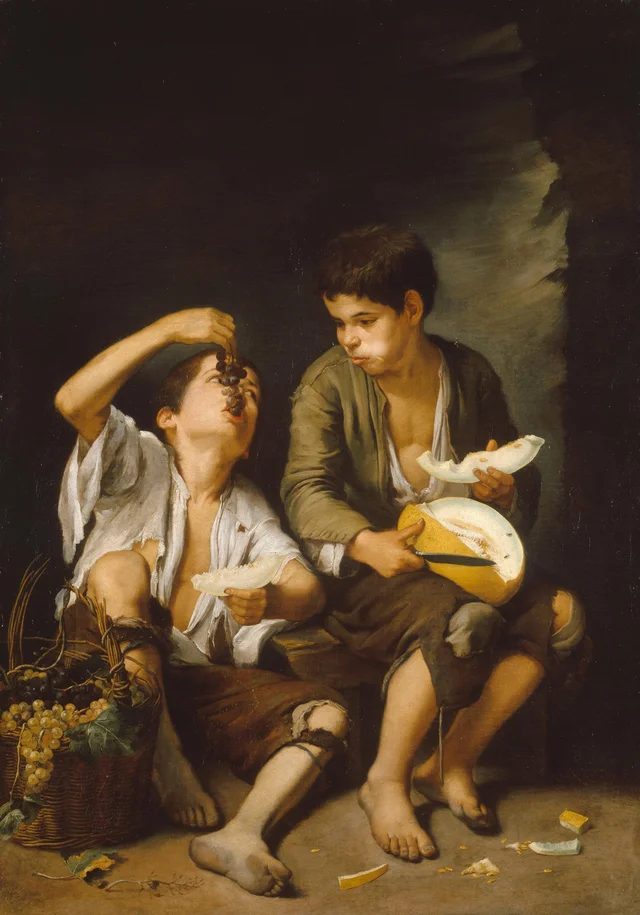 Trauben und Melonen essende JungenBartolomé Esteban Murillo, 1650
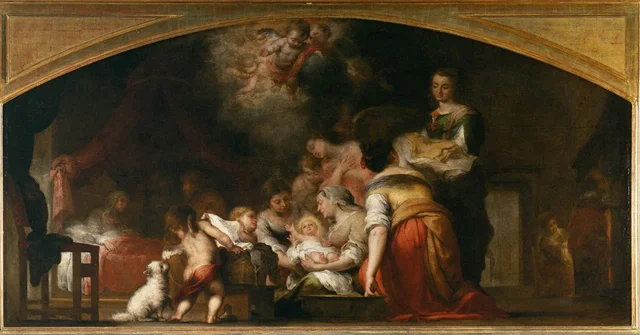 Die Geburt MariäBartolomé Esteban Murillo, 1661
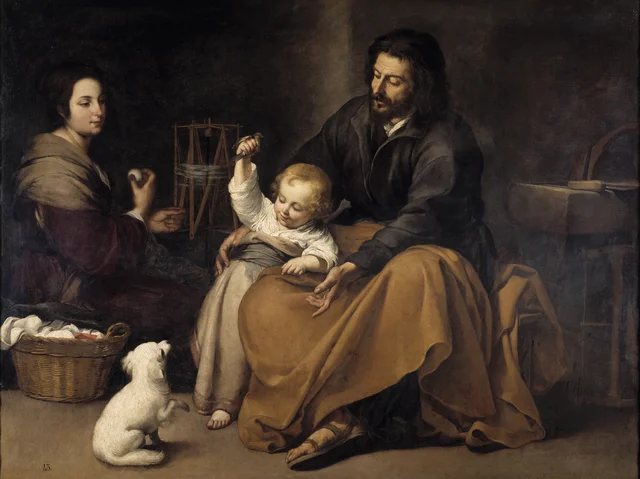 Die Heilige Familie mit dem VögleinBartolomé Esteban Murillo, 1650
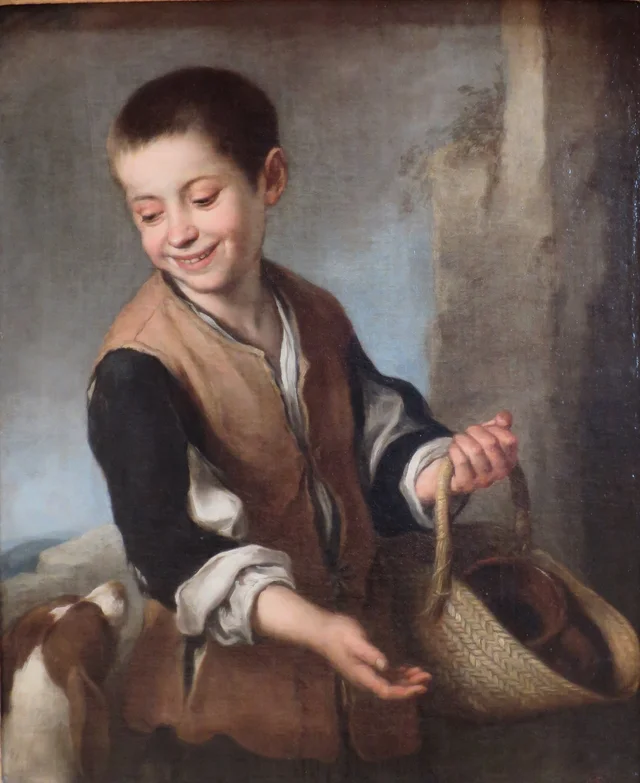 Knabe mit HundBartolomé Esteban Murillo, 1655
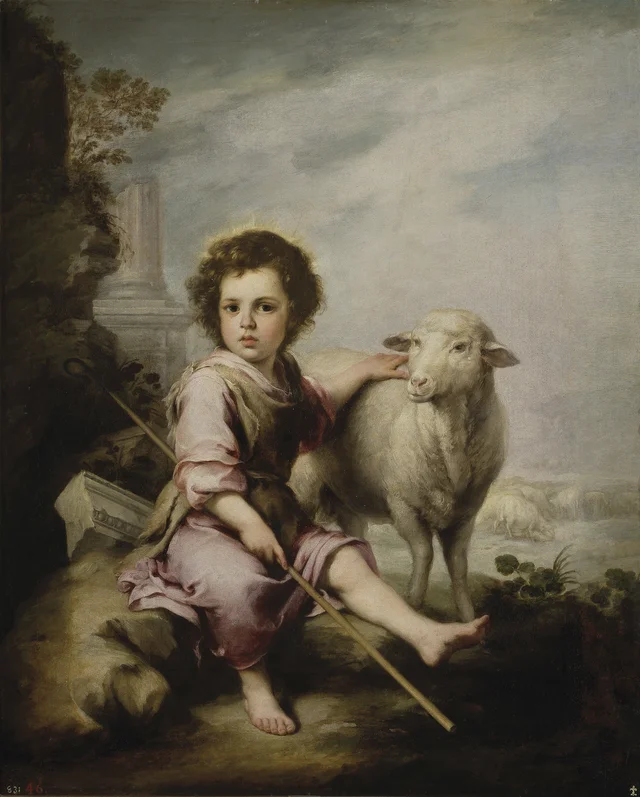 Der gute HirteBartolomé Esteban Murillo, 1664
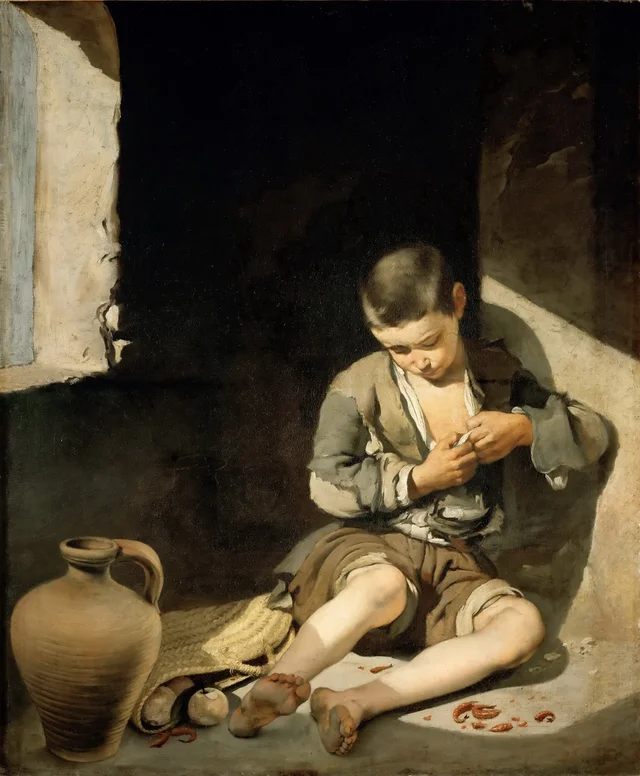 Der junge BettlerBartolomé Esteban Murillo, 1650
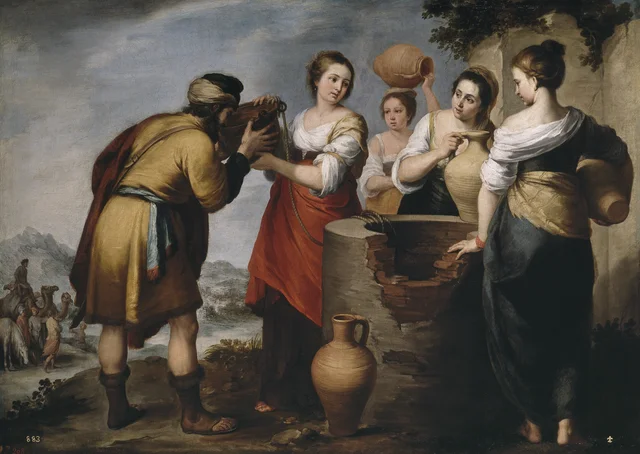 Rebekka und EliezerBartolomé Esteban Murillo, 1660
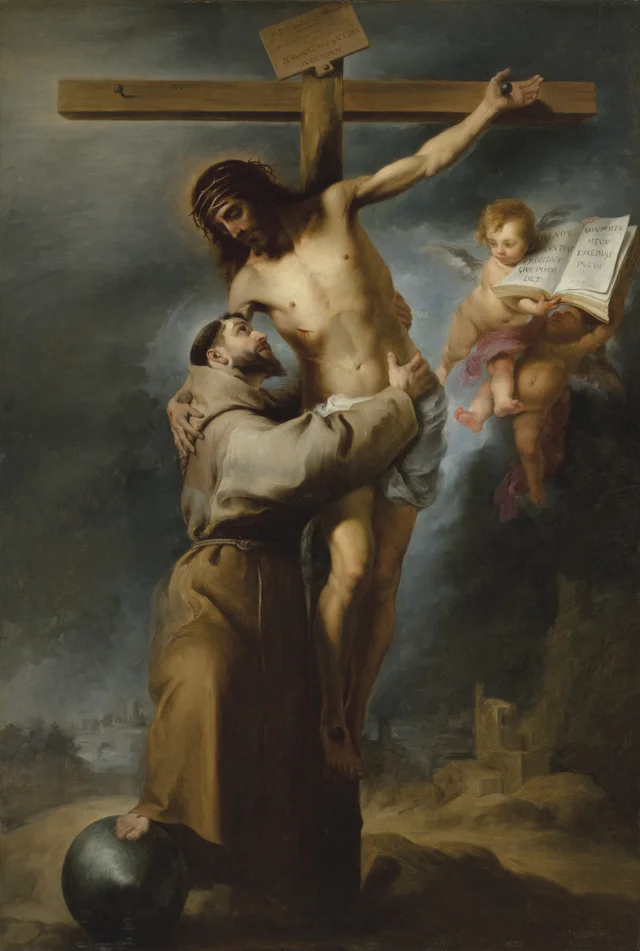 Der heilige Franziskus umarmt den gekreuzigten ChristusBartolomé Esteban Murillo, 1668
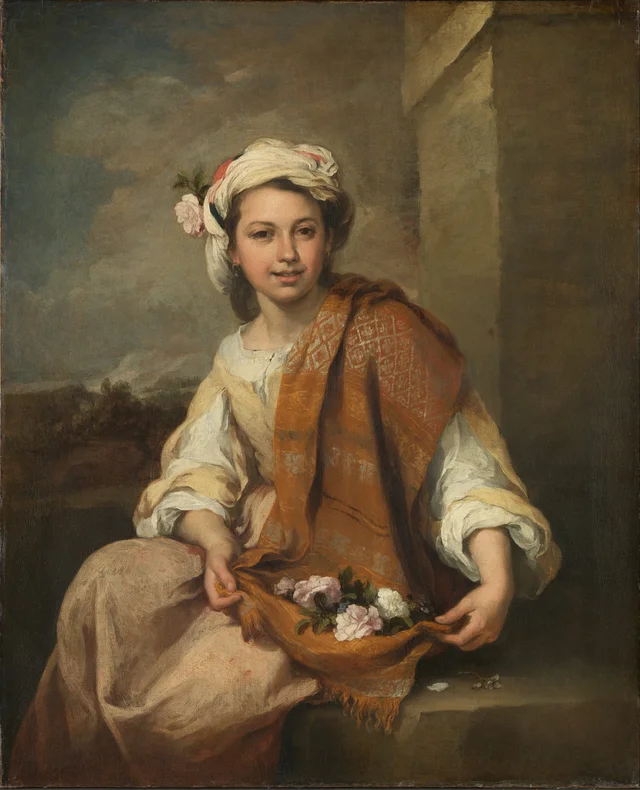 Das BlumenmädchenBartolomé Esteban Murillo, 1665
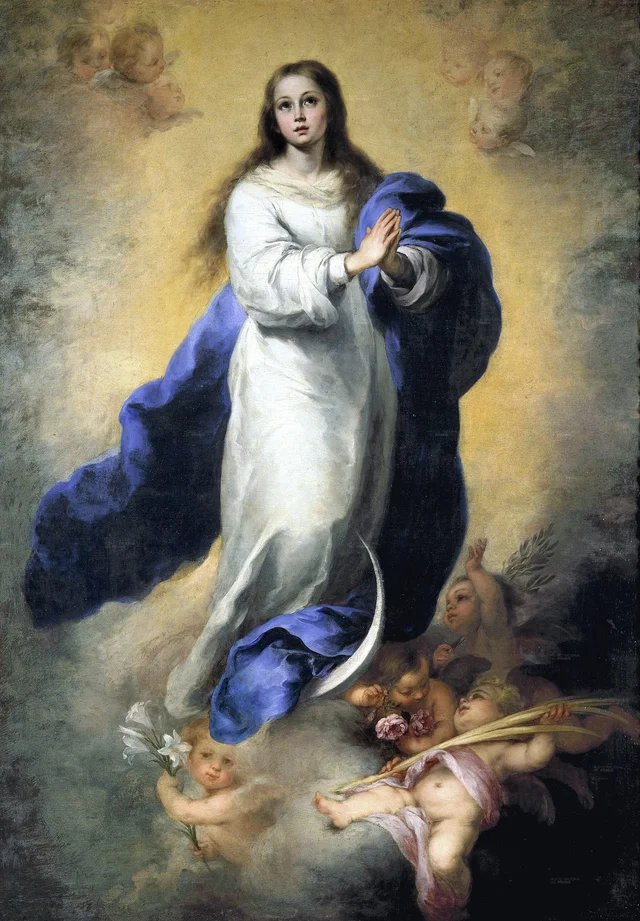 Unbefleckte Empfängnis des EscorialBartolomé Esteban Murillo, 1660
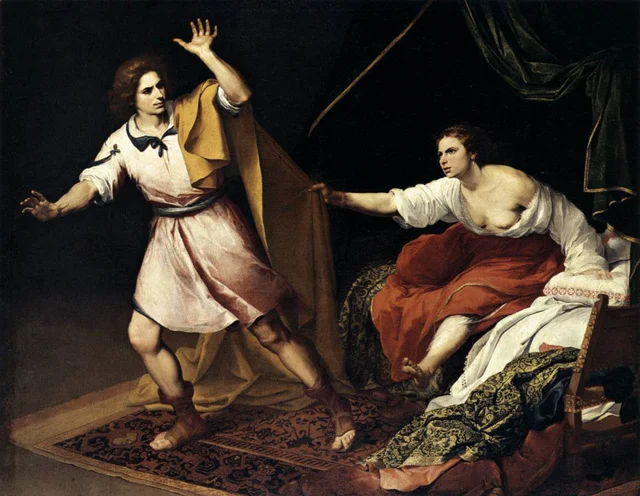 Josef und die Frau des PotipharBartolomé Esteban Murillo, 1640
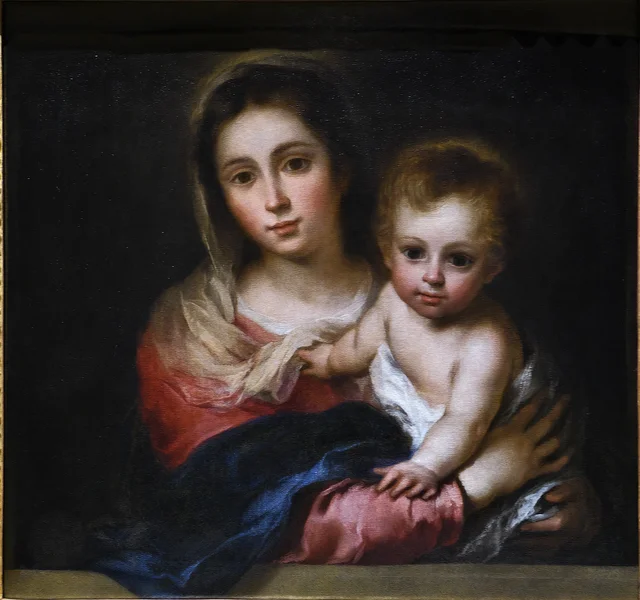 Madonna mit der ServietteBartolomé Esteban Murillo, 1668
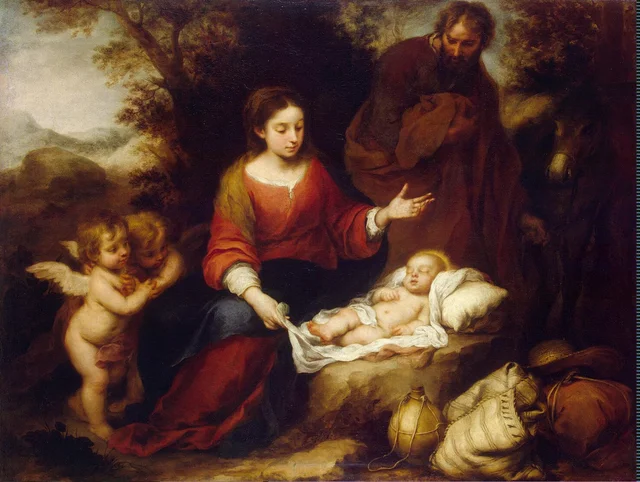 Ruhe auf der Flucht nach ÄgyptenBartolomé Esteban Murillo, 1665
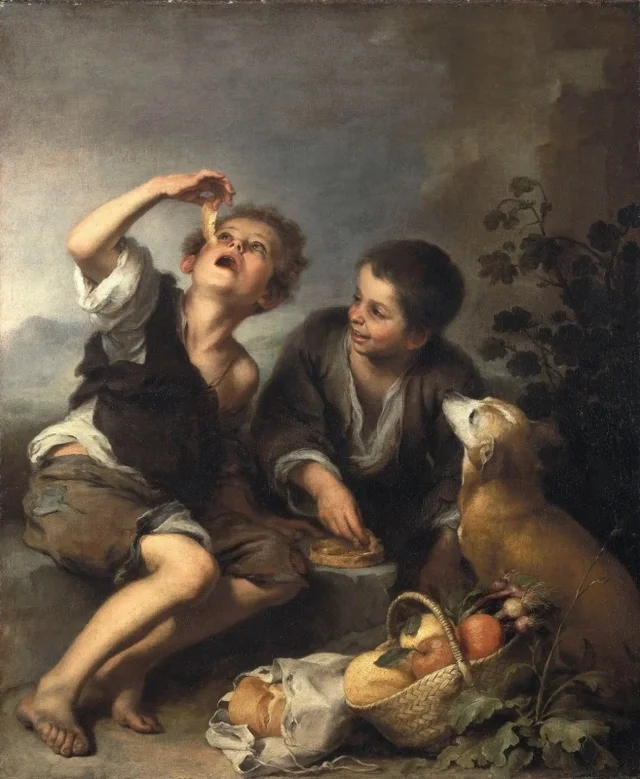 Die PastetenesserBartolomé Esteban Murillo, 1670
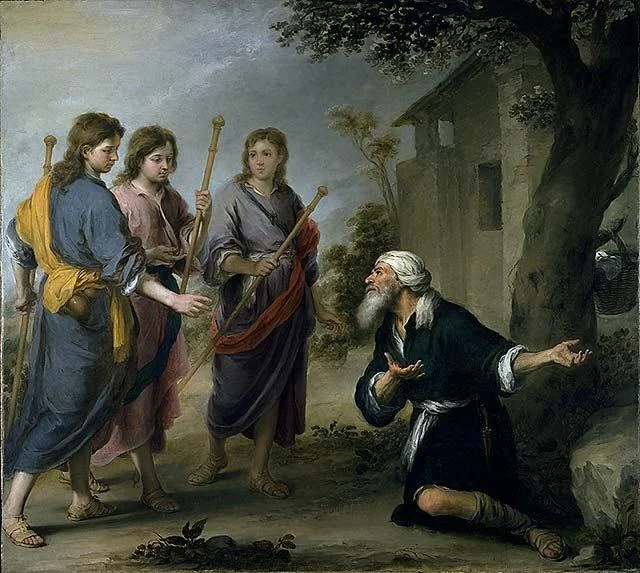 Abraham empfängt die drei EngelBartolomé Esteban Murillo, 1670
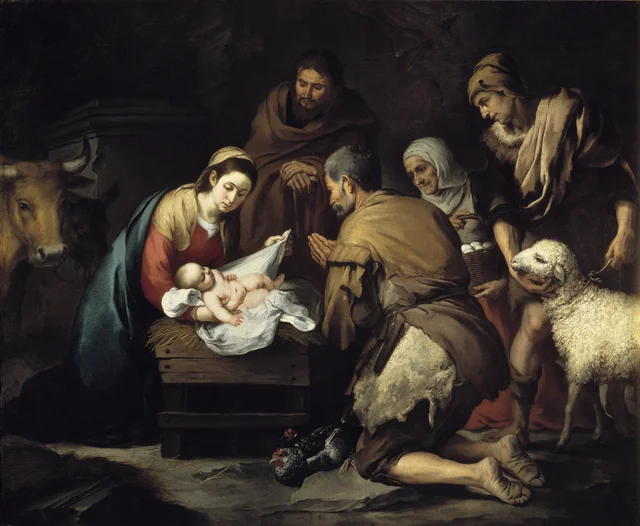 Anbetung der HirtenBartolomé Esteban Murillo, 1650
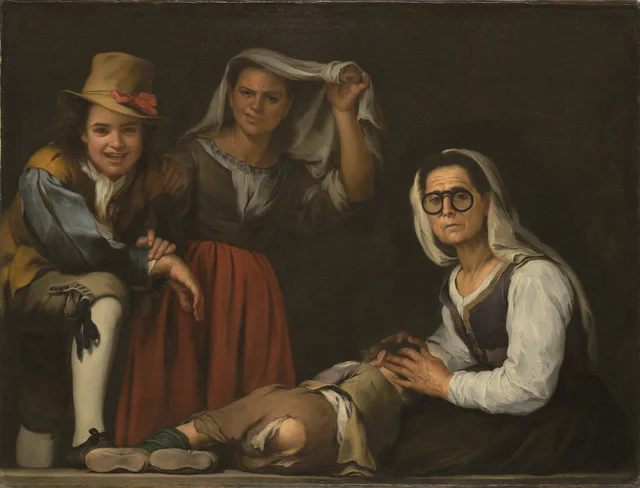 Vier Figuren auf einer StufeBartolomé Esteban Murillo, 1655
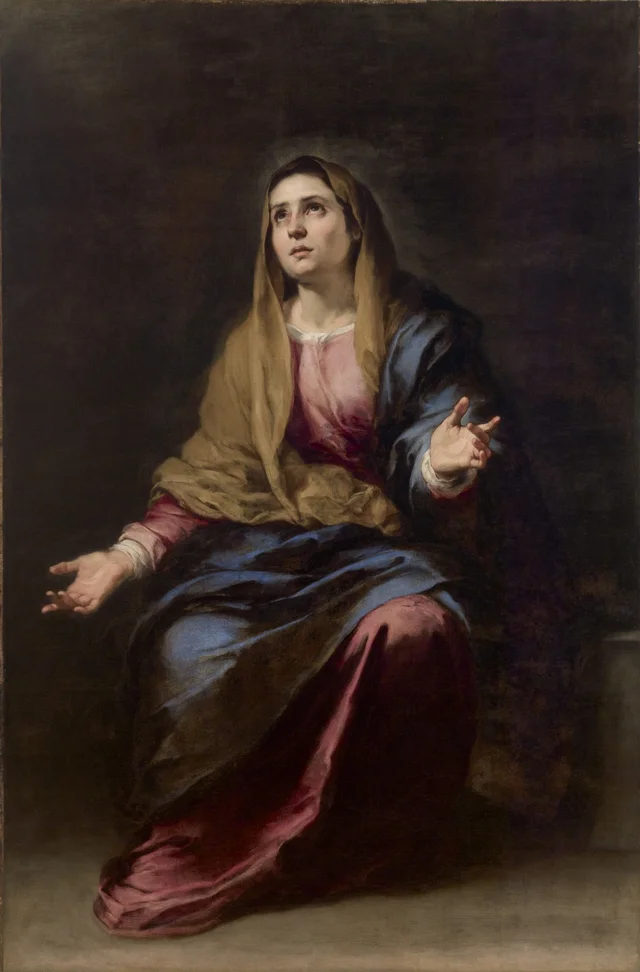 Mater Dolorosa (Schmerzensmutter)Bartolomé Esteban Murillo, 1660
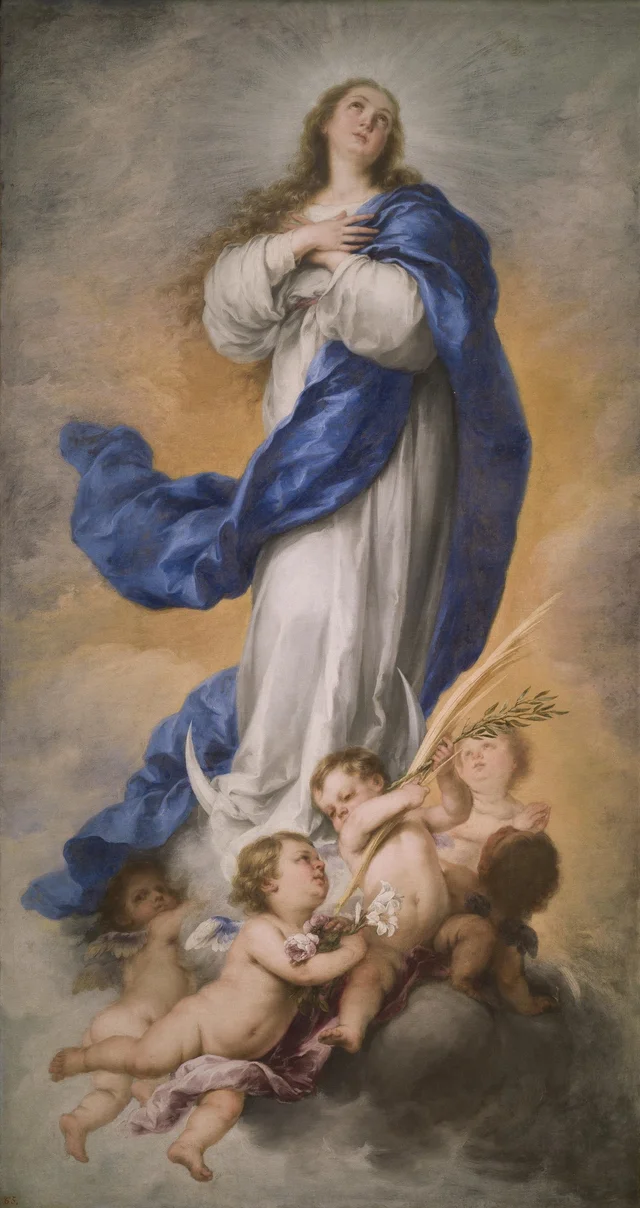 Die Unbefleckte Empfängnis von AranjuezBartolomé Esteban Murillo, 1675
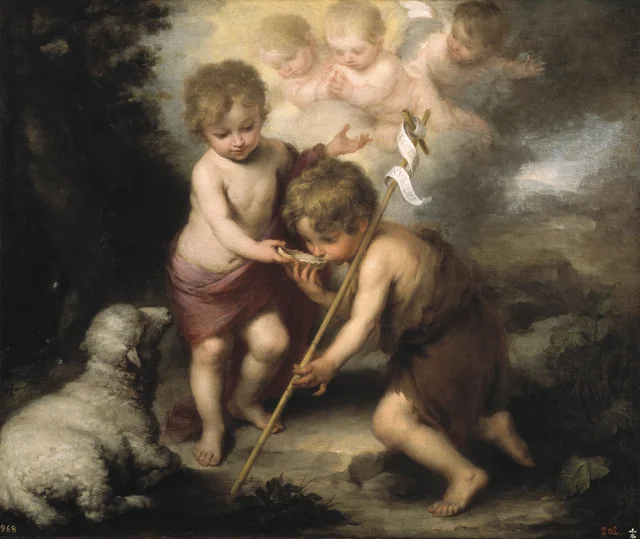 Die heiligen Kinder mit der MuschelBartolomé Esteban Murillo, 1670
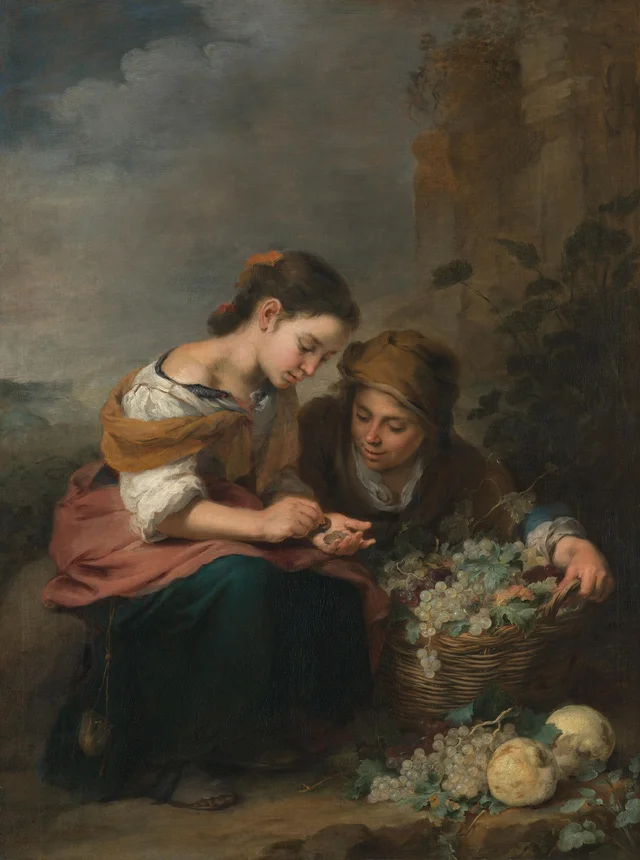 Die kleine ObstverkäuferinBartolomé Esteban Murillo, 1670
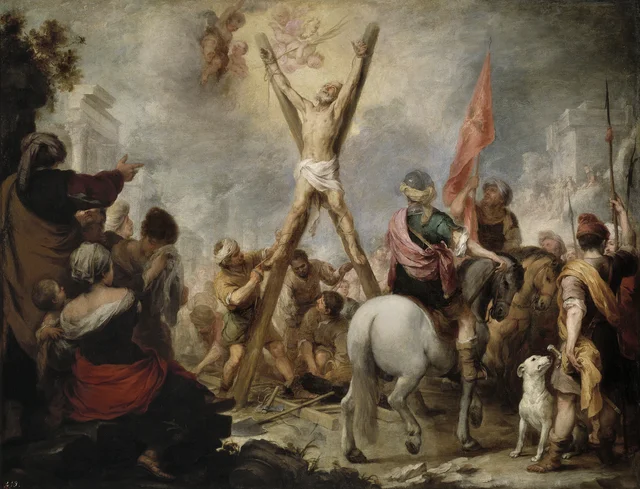 Das Martyrium des heiligen AndreasBartolomé Esteban Murillo, 1675