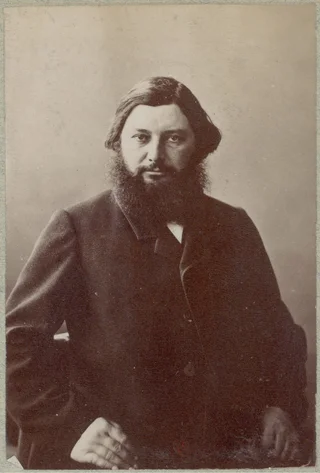
Gustave Courbet
1819–1877 · Frankreich · Französischer Realismus
Die Geschichte
1849 malte Gustave Courbet die Beerdigung seines eigenen Großonkels in seiner Heimatstadt Ornans im Osten Frankreichs, mit mehr als vierzig lebensgroßen Bewohnern der Stadt, dargestellt mit jener Gewichtigkeit und Ernsthaftigkeit, die die akademische Malerei sonst Königen und Heiligen vorbehielt. Als Ein Begräbnis in Ornans im Pariser Salon von 1850 gezeigt wurde, empörten sich Kritiker darüber, dass gewöhnliche Totengräber und Trauernde im Maßstab der Historienmalerei dargestellt worden waren; die Bezeichnung, mit der sie das Bild beleidigen wollten, Realismus, wurde zum Namen der Bewegung, die Courbet die folgenden zwei Jahrzehnte anführte.
Im März 1871, im Chaos nach Frankreichs Niederlage gegen Preußen, wurde Courbet in die Commune gewählt, die kurzlebige revolutionäre Regierung, die Paris kurzzeitig regierte, und leitete deren Kunstkommission. Während der zwei Monate an der Macht wurde die Bronzesäule auf der Place Vendôme, gegossen aus erbeuteten feindlichen Kanonen zur Feier von Napoleons Siegen, als Kriegsdenkmal niedergerissen.
Als die Commune im Mai fiel, wurde Courbet verhaftet, sechs Monate inhaftiert und später persönlich für die Kosten der Wiedererrichtung der Säule haftbar gemacht, eine Summe, die er mit Jahrzehnten seines Einkommens hätte abtragen müssen. 1873 setzte er sich, statt die Beschlagnahmung seiner Gemälde hinzunehmen, in die Schweiz ab und kehrte nie nach Frankreich zurück; er starb im Exil in La Tour-de-Peilz 1877.
Weitere Artikel
 Artikel · 29 Min. LesezeitWas man im Met gesehen haben sollte: 15 Werke
 Artikel · 45 Min. LesezeitMusée d’Orsay: vom Kauf des Cabanel durch Napoleon III. bis zum Caillebotte für 43 Millionen
 Artikel · 33 Min. LesezeitDie Gemäldegalerie Alte Meister in Dresden: wie 15 Bilder gekauft, umbenannt und zurückgegeben wurden
Werke
265 Werke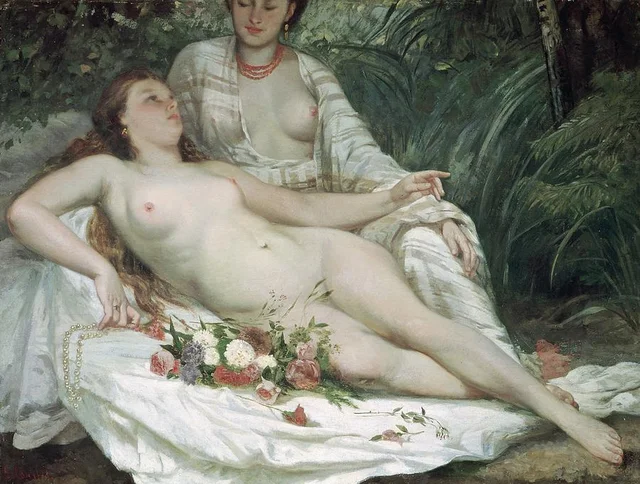 BadendeGustave Courbet, 1858
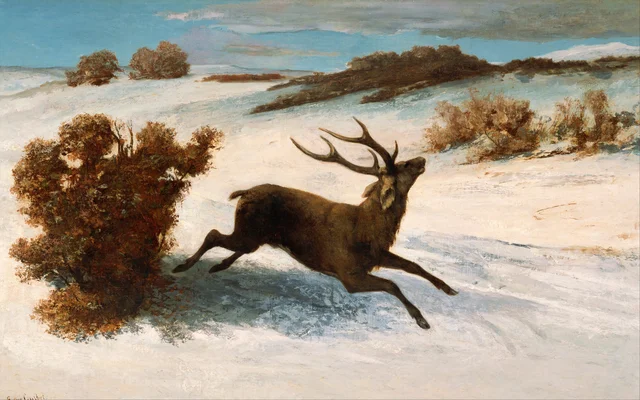 Hirsch, im Schnee laufendGustave Courbet, 1856
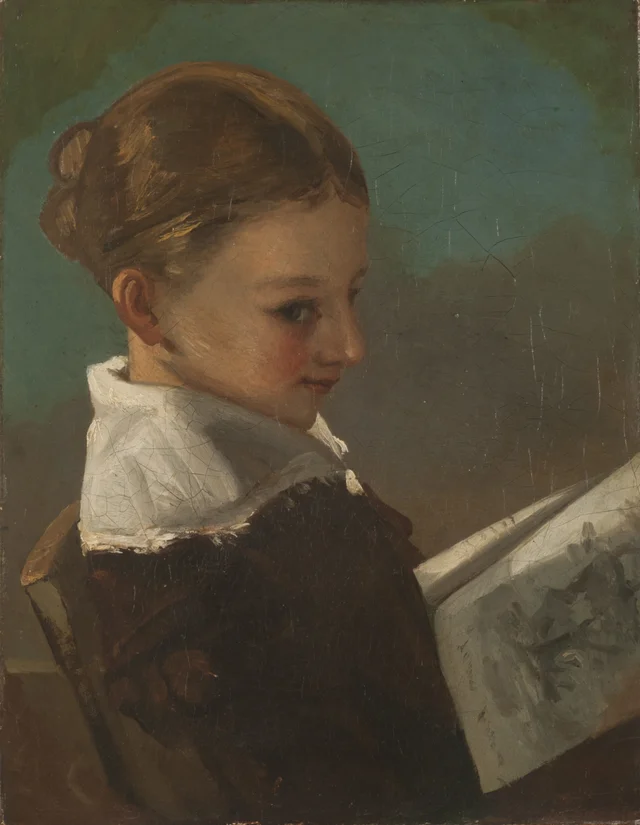 Juliette Courbet im Alter von zehn JahrenGustave Courbet, 1841
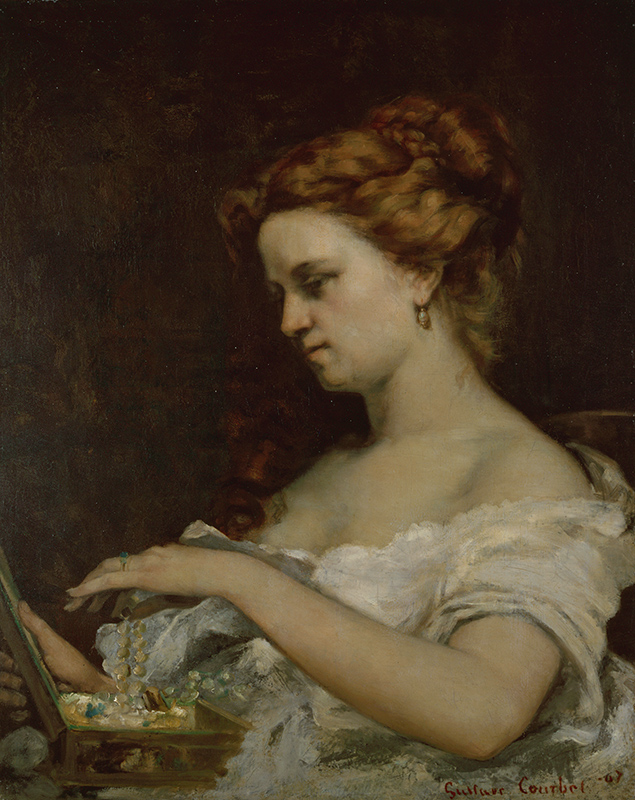 Die Dame mit den JuwelenGustave Courbet, 1867
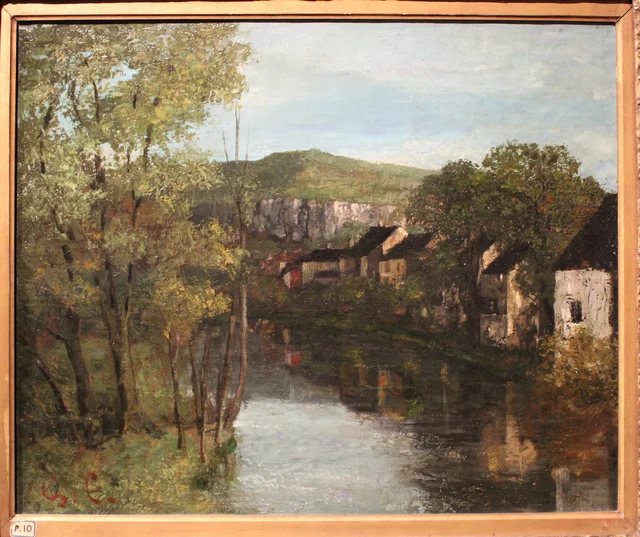 Landschaft: bei OrnansGustave Courbet, 1872
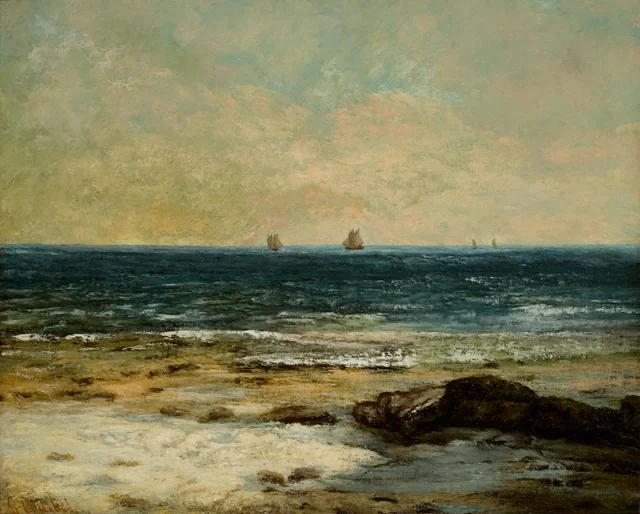 Das Meeresufer bei PalavasGustave Courbet, 1854
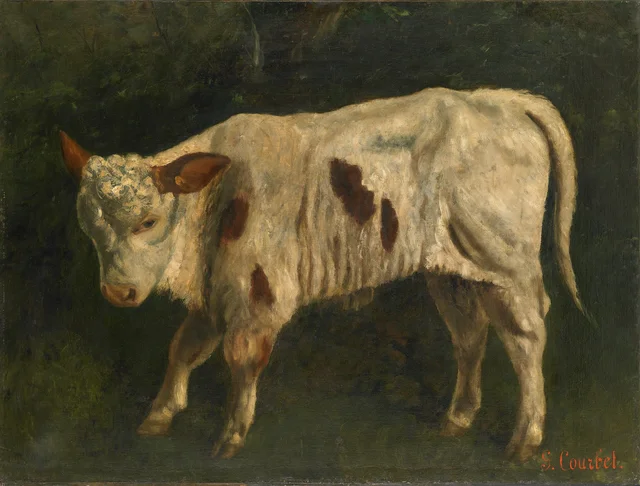 Das weiße KalbGustave Courbet, 1873
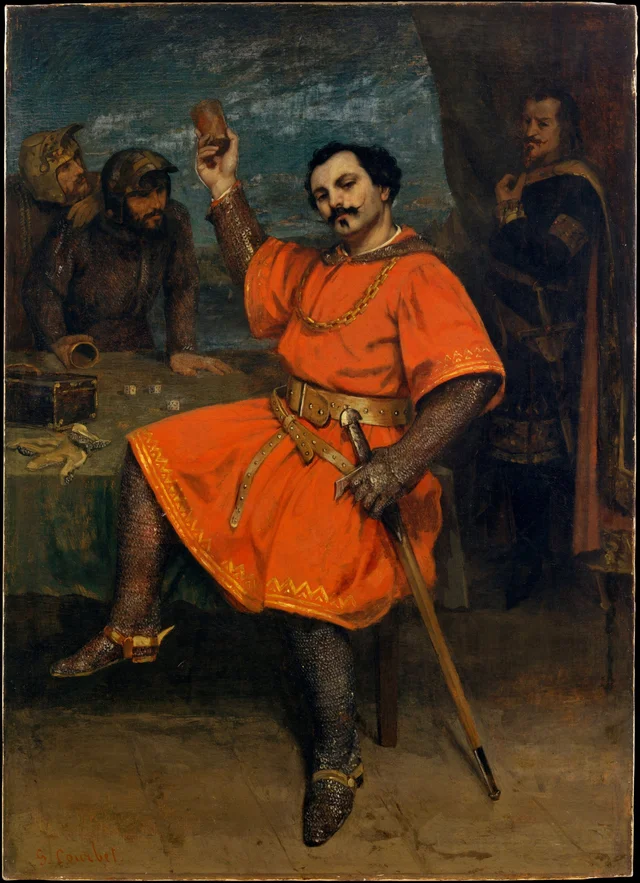 Louis Gueymard (1822–1880) als Robert der TeufelGustave Courbet, 1857
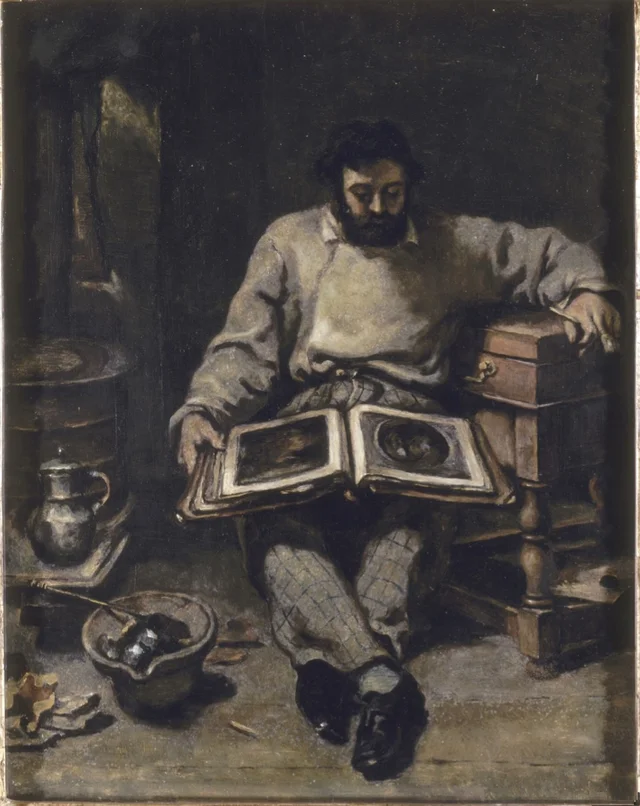 Marc Trapadoux betrachtet ein StichwerkGustave Courbet, 1849
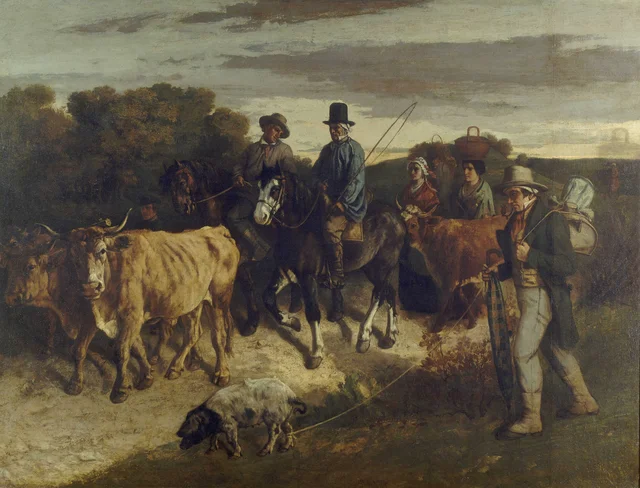 Die Bauern von Flagey bei der Rückkehr vom JahrmarktGustave Courbet, 1850
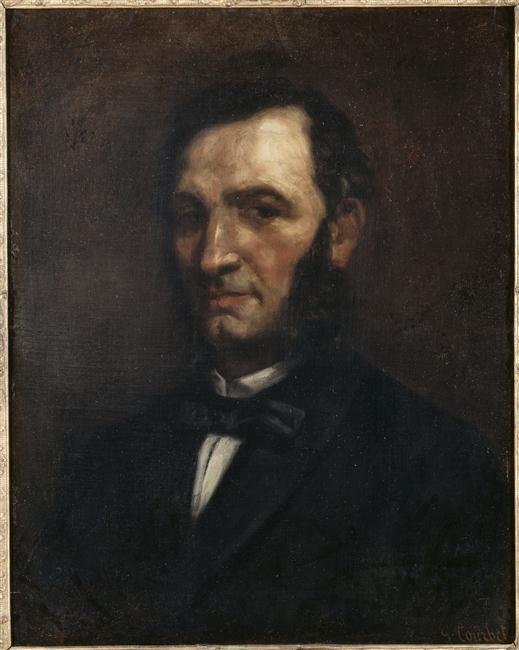 Porträt von Gustave ChaudeyGustave Courbet, 1870
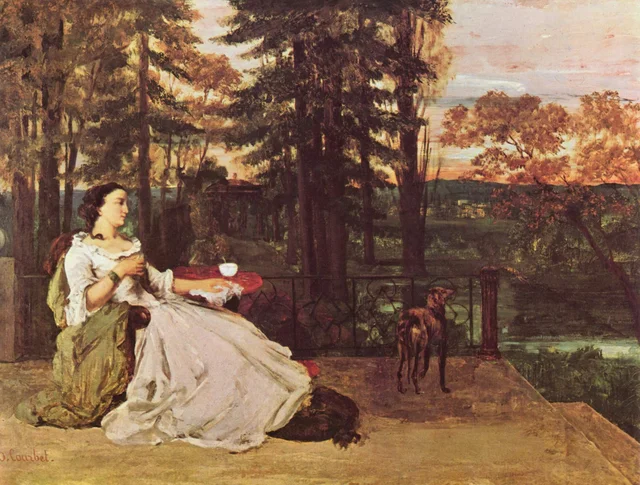 Porträt einer Dame, sitzend in einem Park (Die Dame von Frankfurt)Gustave Courbet, 1858
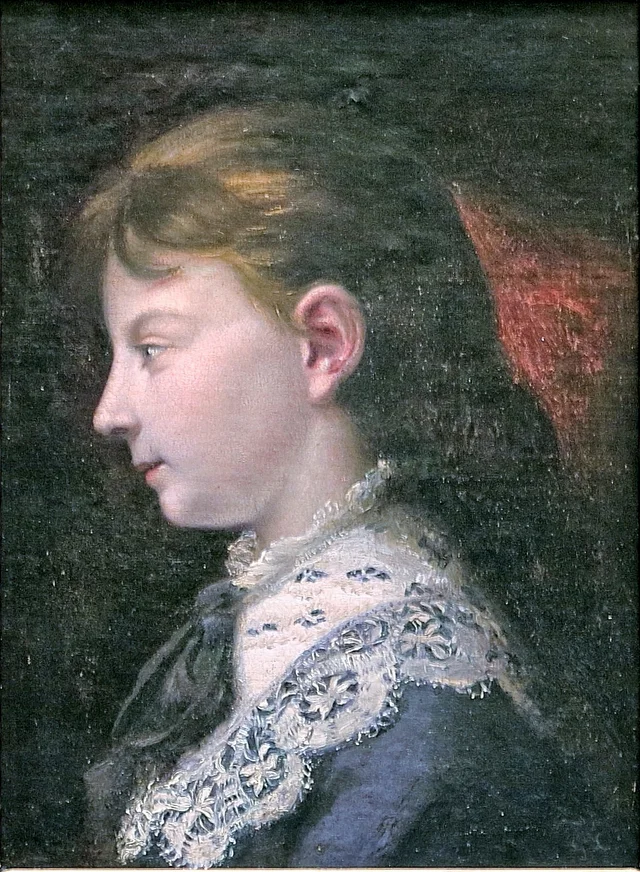 Porträt der JulietteGustave Courbet, 1842
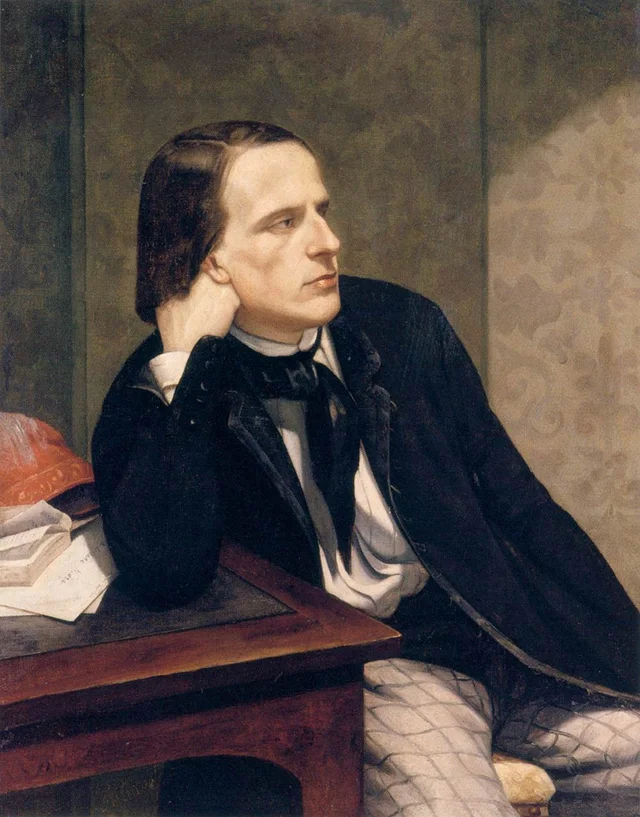 Porträt von Paul AnsoutGustave Courbet, 1844
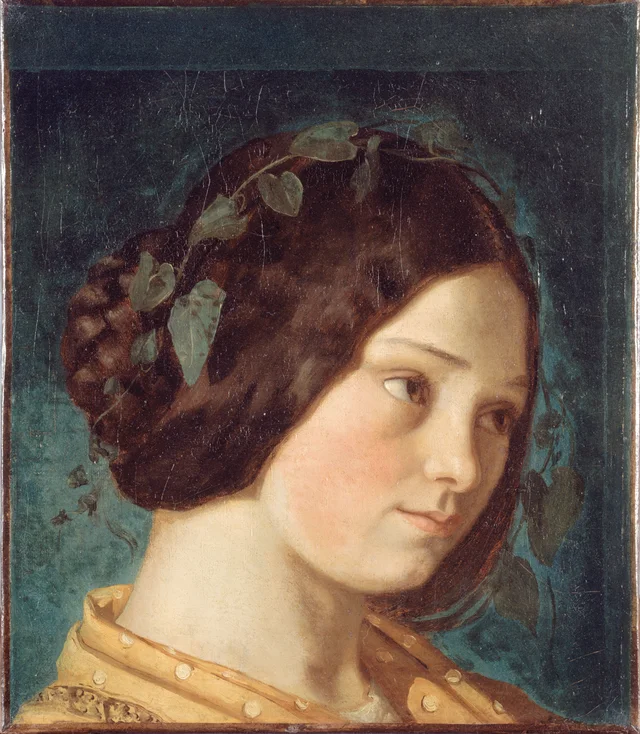 Porträt von Zélie CourbetGustave Courbet, 1842
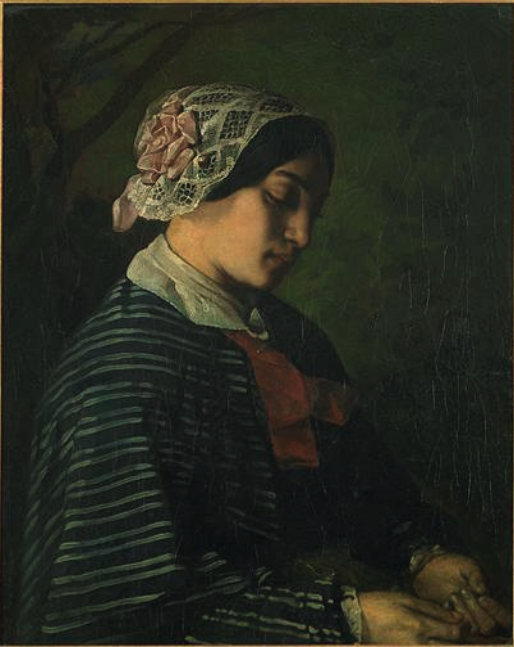 Vermutetes Porträt eines jungen Mädchens aus OrnansGustave Courbet, 1842
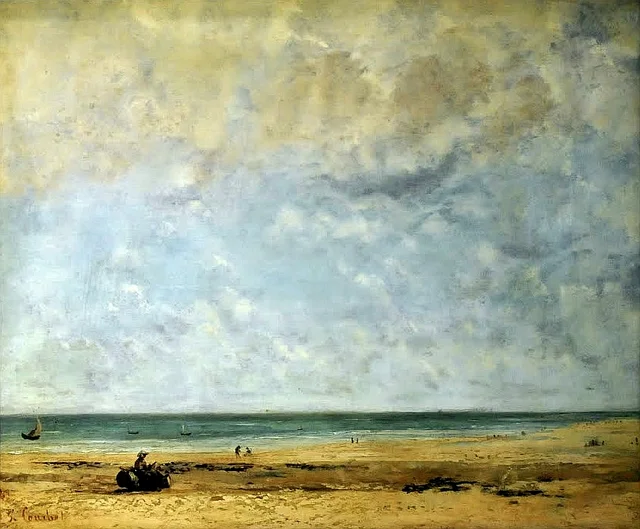 MeeresuferGustave Courbet, 1863
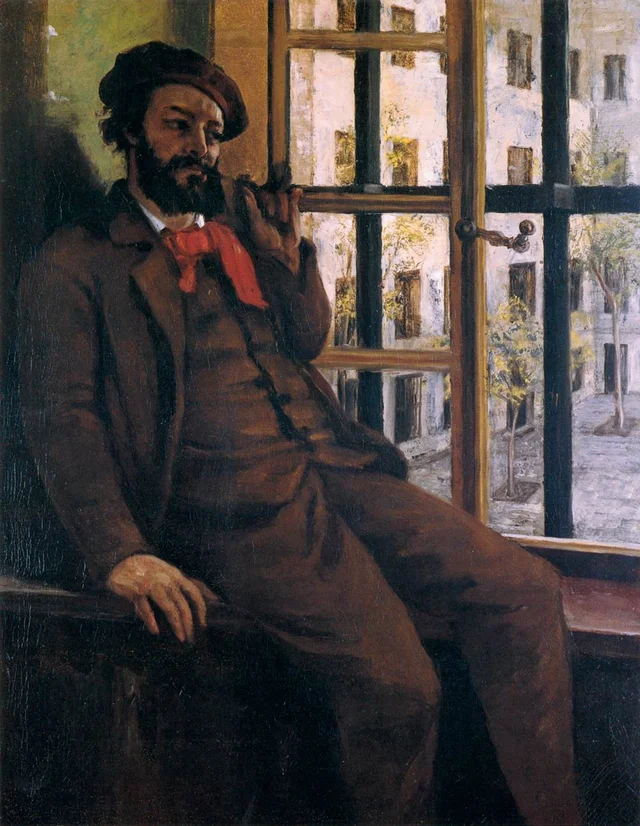 Selbstbildnis in Sainte-PélagieGustave Courbet, 1872
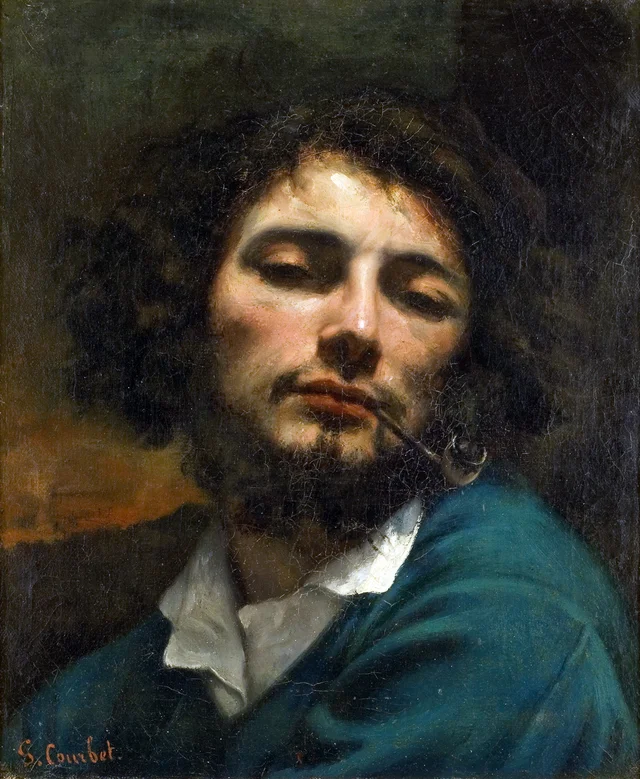 Selbstbildnis mit PfeifeGustave Courbet, 1849
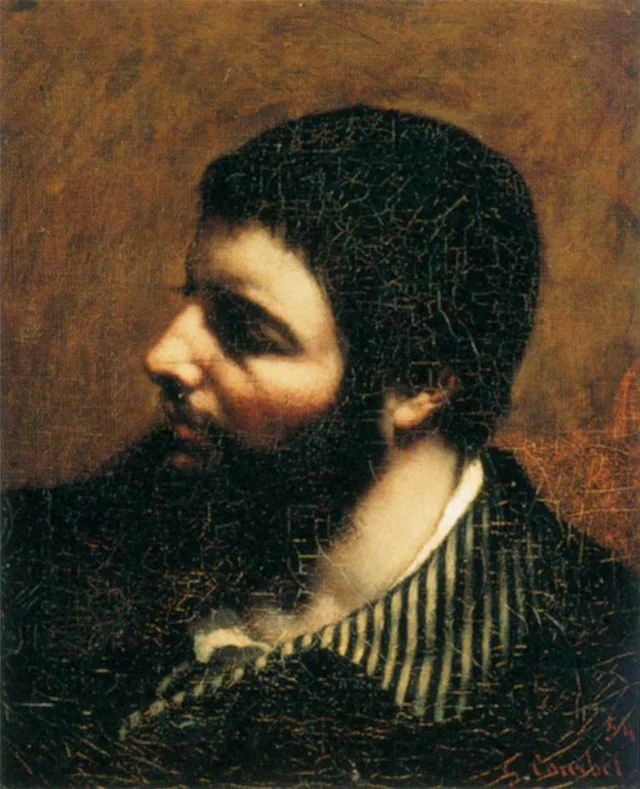 Selbstbildnis mit gestreiftem KragenGustave Courbet, 1854
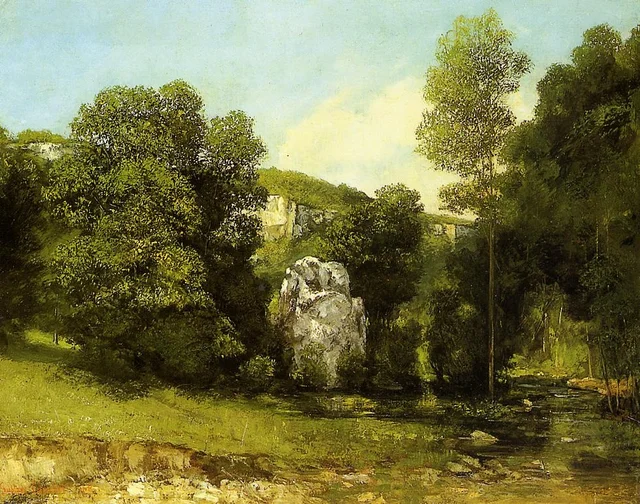 Der Bach von BrêmeGustave Courbet, 1865
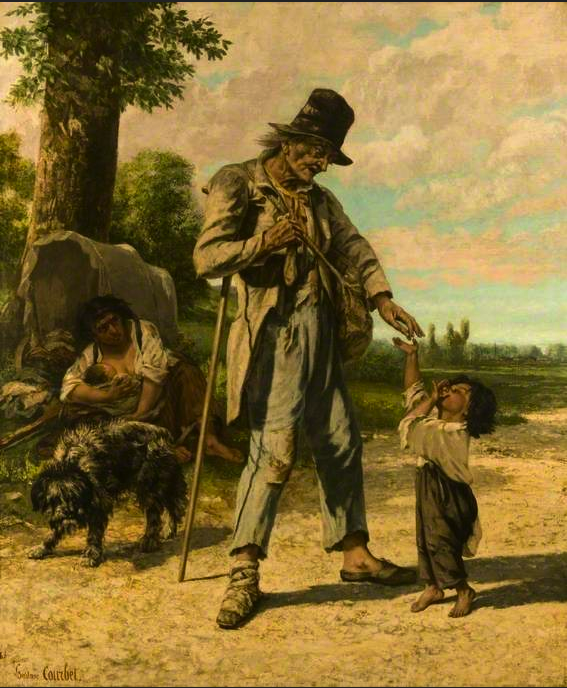 Die Almosen eines Bettlers in OrnansGustave Courbet, 1868
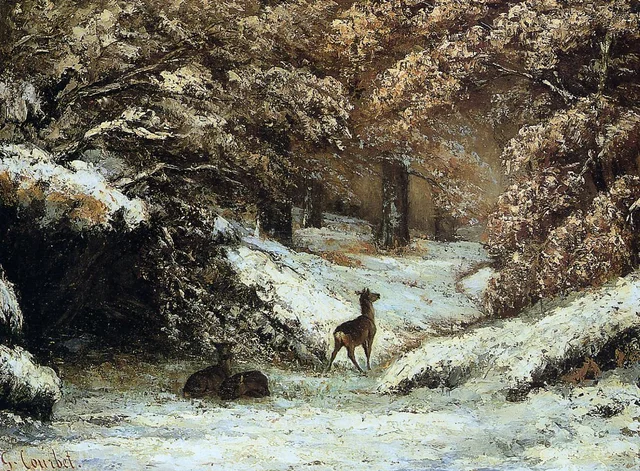 Der Unterschlupf der Rehe im WinterGustave Courbet, 1866
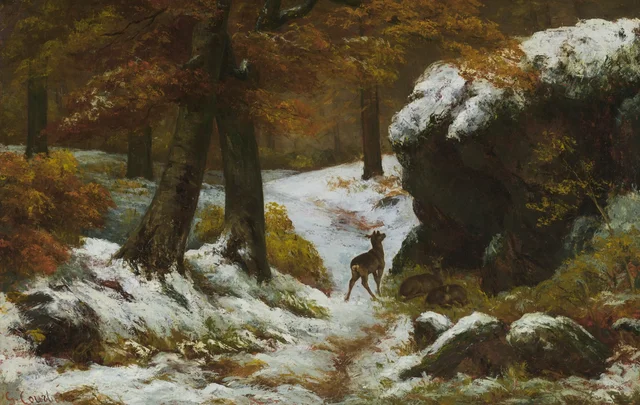 Der Wald im WinterGustave Courbet, 1860
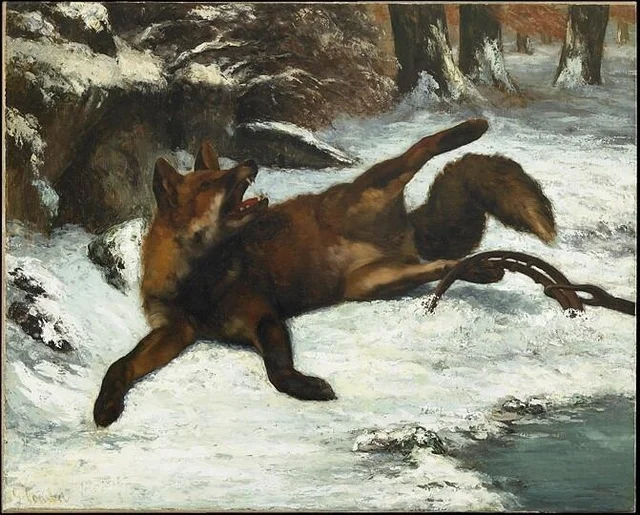 Der in der Falle gefangene FuchsGustave Courbet, 1860