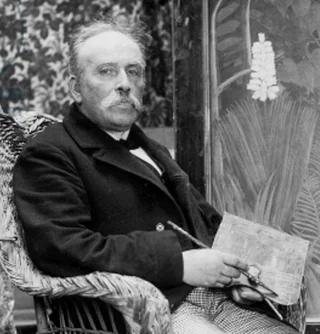
Henri Rousseau
1844–1910 · Frankreich · Naive Kunst, Postimpressionismus
Die Geschichte
Henri Rousseau verbrachte den größten Teil seines Arbeitslebens als Zolleinnehmer für die Stadt Paris und kontrollierte an den Stadttoren Karren und Waren für eine Abgabe, die die Franzosen octroi nannten. Ernsthaft zu malen begann er erst mit vierzig, brachte es sich vollständig selbst bei und ging erst mit 49 Jahren aus dem Zollhäuschen in den Ruhestand, um sich ganz der Malerei zu widmen. Kritiker verspöttelten jahrelang seine flache Perspektive und die steifen Figuren, und Rousseau stellte trotzdem weiter im Salon des Indépendants aus, jener Ausstellung, die jeden aufnahm, der die Teilnahmegebühr zahlte.
Seine Dschungelszenen, dicht bevölkert mit Löwen, Affen und überdimensionierten Blättern, beruhten nie auf eigenen Reisen. Rousseau baute sie stattdessen aus Besuchen im Botanischen Garten und im Zoo von Paris sowie aus Bilderbüchern zusammen und verdichtete die Pflanzen zu einem Gewirr, das in keinem echten Dschungel seinesgleichen findet.
Die Wende in seinem Schicksal kam 1908, als der junge Pablo Picasso eines von Rousseaus Gemälden auf einer Pariser Straße als gebrauchte Leinwand zum Verkauf entdeckte, billig genug, um darüber zu malen. Picasso erkannte, was er vor sich hatte, suchte Rousseau auf und richtete ihm später in seinem Atelier im Bateau-Lavoir ein Bankett aus, halb Ehrerbietung, halb ausgeklügelter Scherz, den Rousseau, den meisten Berichten zufolge, vollkommen ernst nahm.
Weitere Artikel
 Artikel · 45 Min. LesezeitMusée d’Orsay: vom Kauf des Cabanel durch Napoleon III. bis zum Caillebotte für 43 Millionen
 Artikel · 37 Min. LesezeitKunstmuseum Basel: Vom Kauf des Amerbach-Kabinetts bis zum Fall der „Muse“, 1661–2023
 Artikel · 19 Min. LesezeitMusée de l’Orangerie: Monet, Paul Guillaume und Domenica
Werke
94 Werke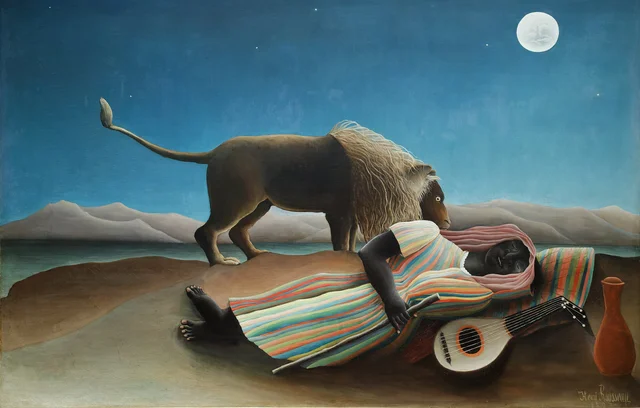 Die schlafende ZigeunerinHenri Rousseau, 1897
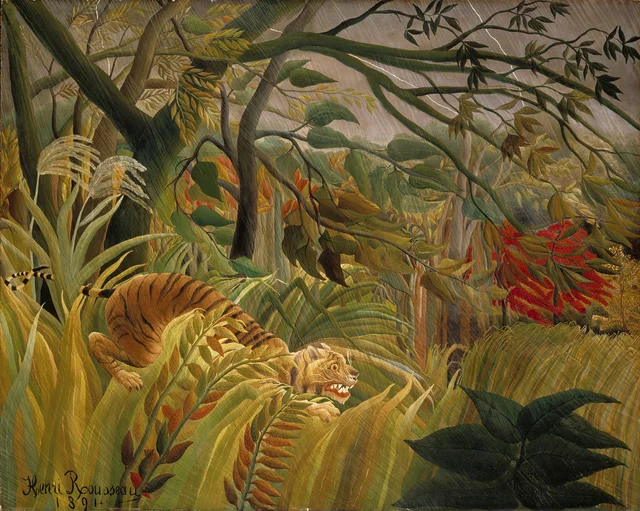 Tiger im tropischen SturmHenri Rousseau, 1891
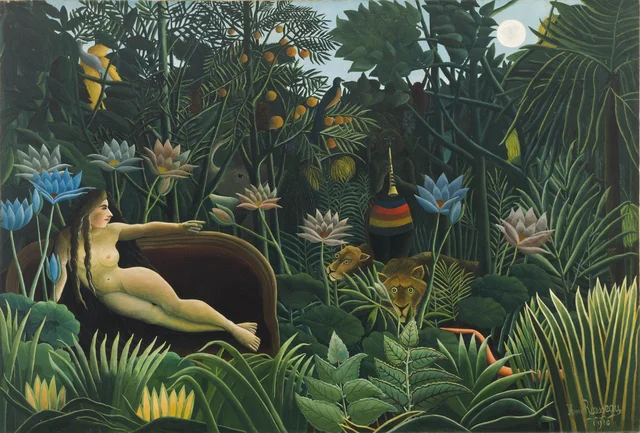 Der TraumHenri Rousseau, 1910
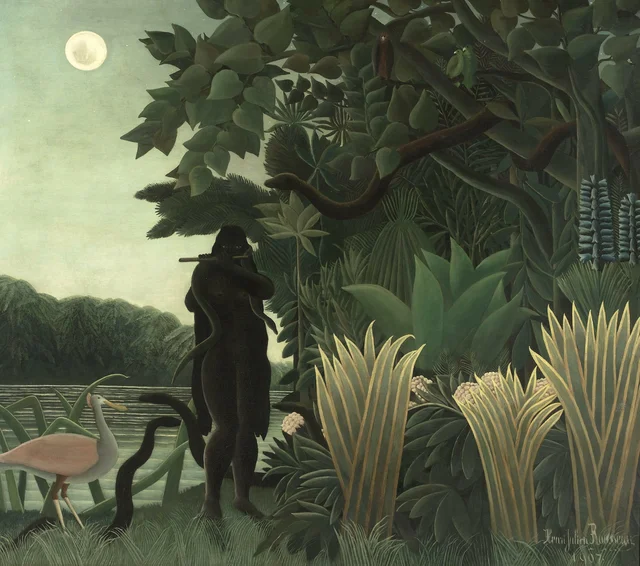 Die SchlangenbeschwörerinHenri Rousseau, 1907
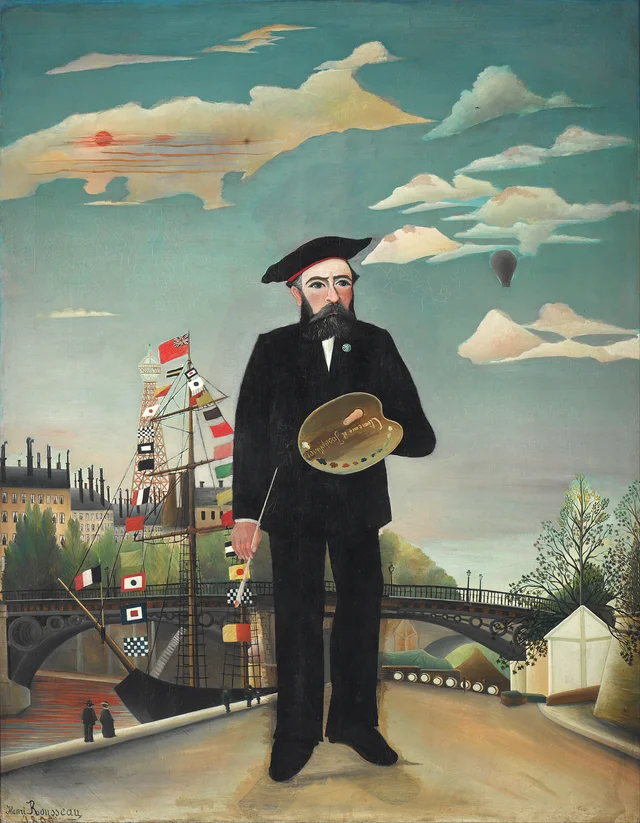 Ich selbst: Porträt-LandschaftHenri Rousseau, 1890
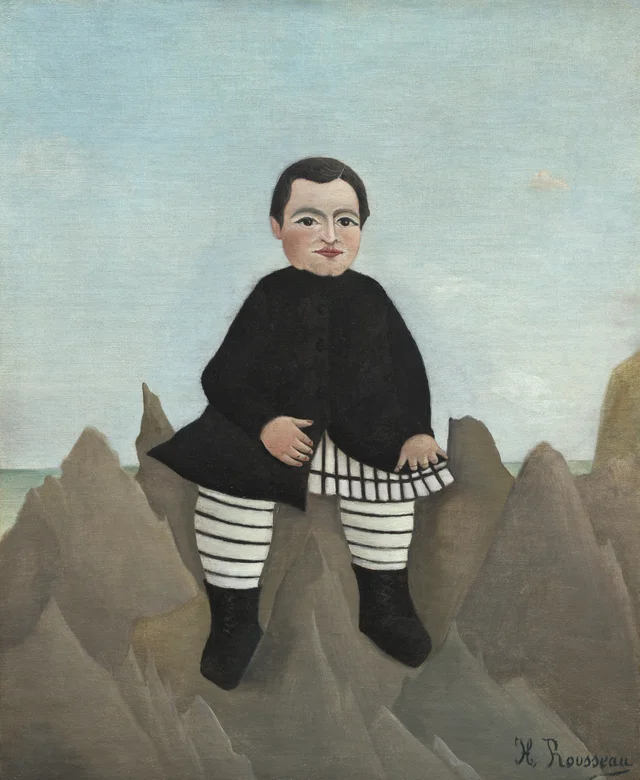 Junge auf den FelsenHenri Rousseau, 1897
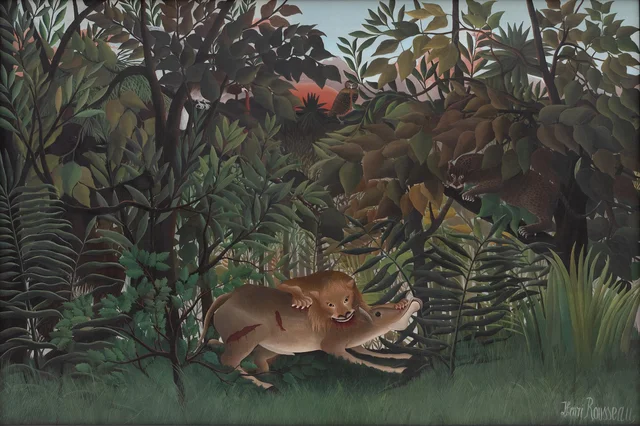 Der hungrige Löwe stürzt sich auf die AntilopeHenri Rousseau, 1905
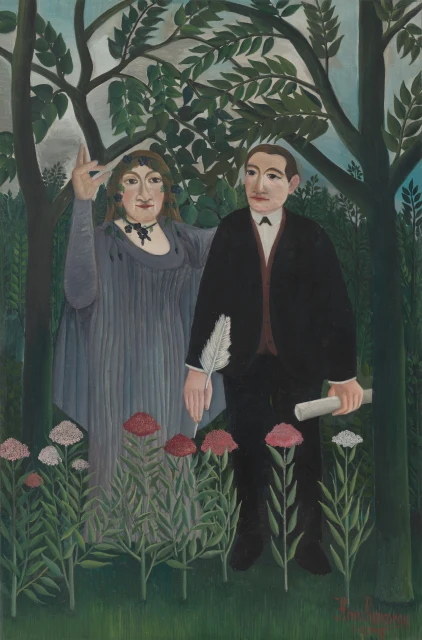 Die Muse inspiriert den DichterHenri Rousseau, 1909
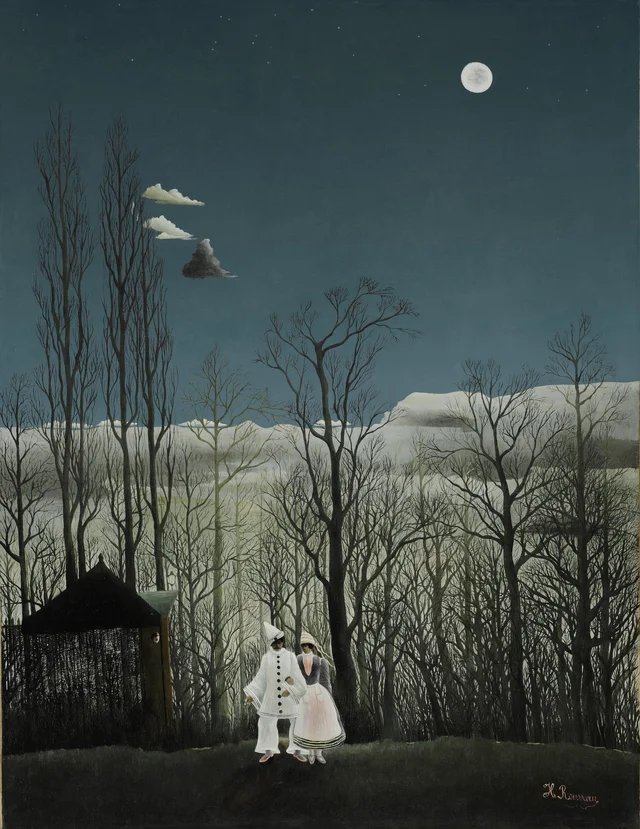 Ein KarnevalsabendHenri Rousseau, 1886
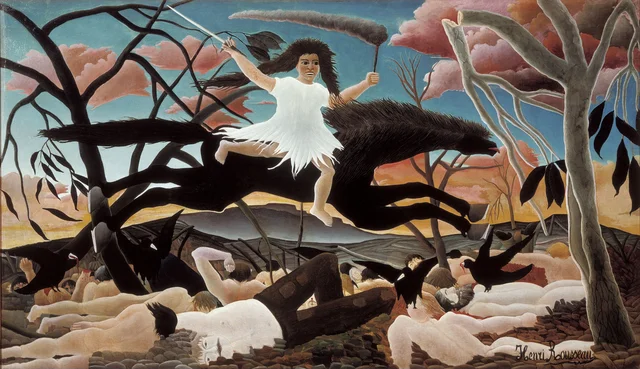 Der KriegHenri Rousseau, 1894
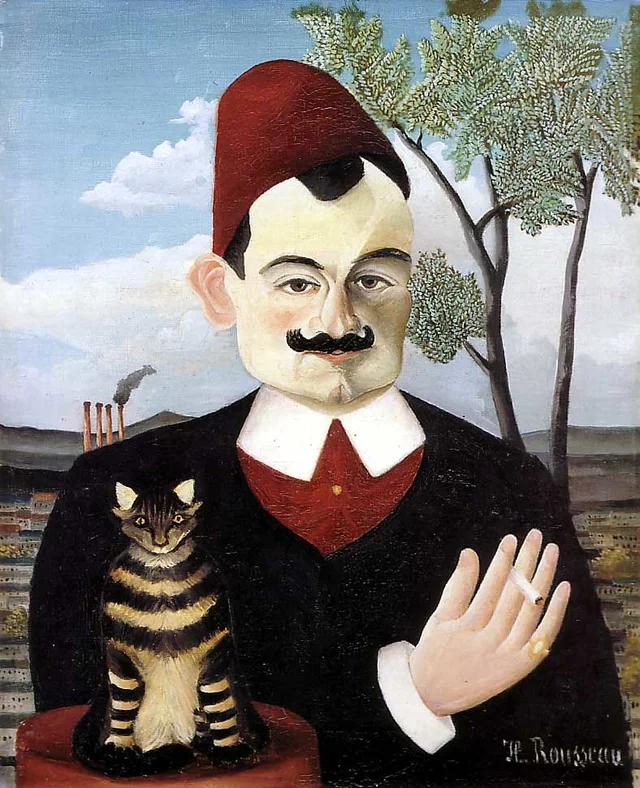 Porträt des Monsieur X (Pierre Loti)Henri Rousseau, 1906
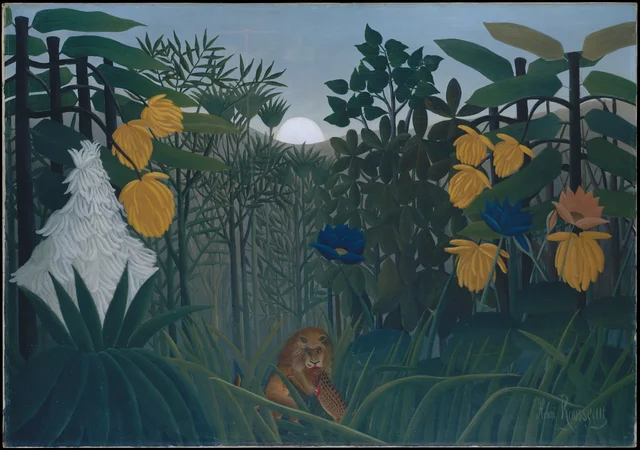 Das Mahl des LöwenHenri Rousseau, 1907
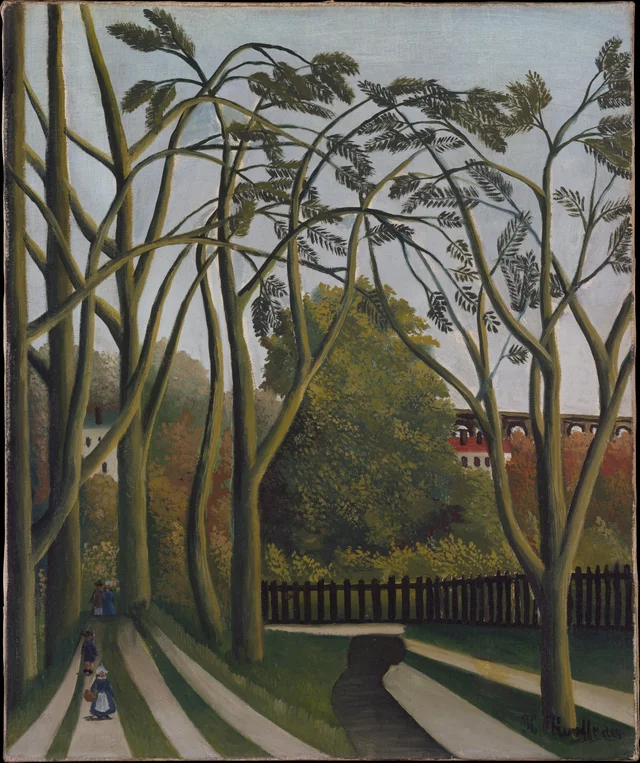 Die Ufer der Bièvre bei BicêtreHenri Rousseau, 1908
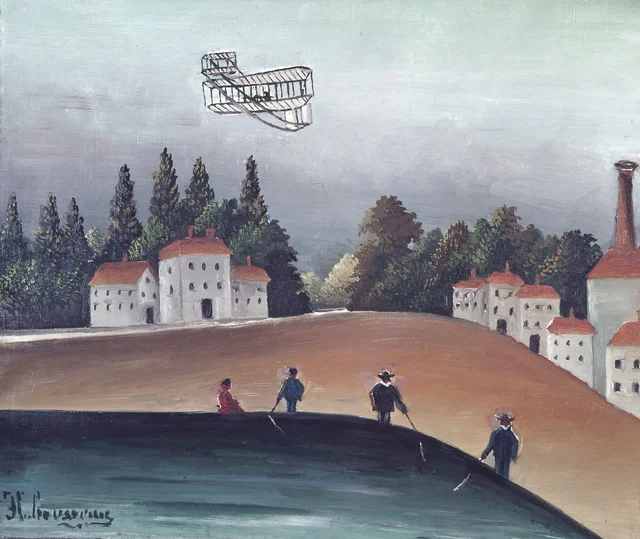 Die AnglerHenri Rousseau, 1908
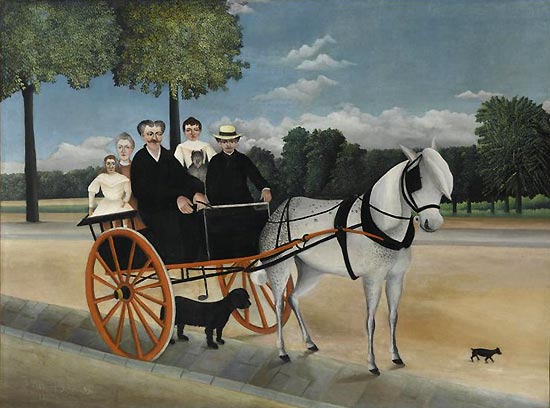 Der Wagen von Vater JunierHenri Rousseau, 1908
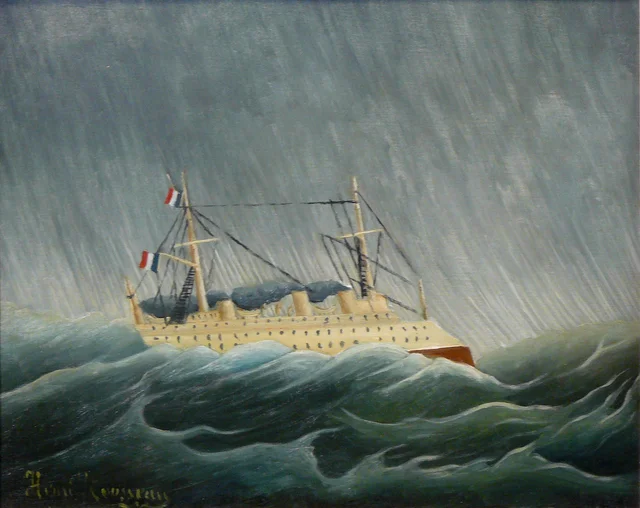 Das Schiff im SturmHenri Rousseau, 1899
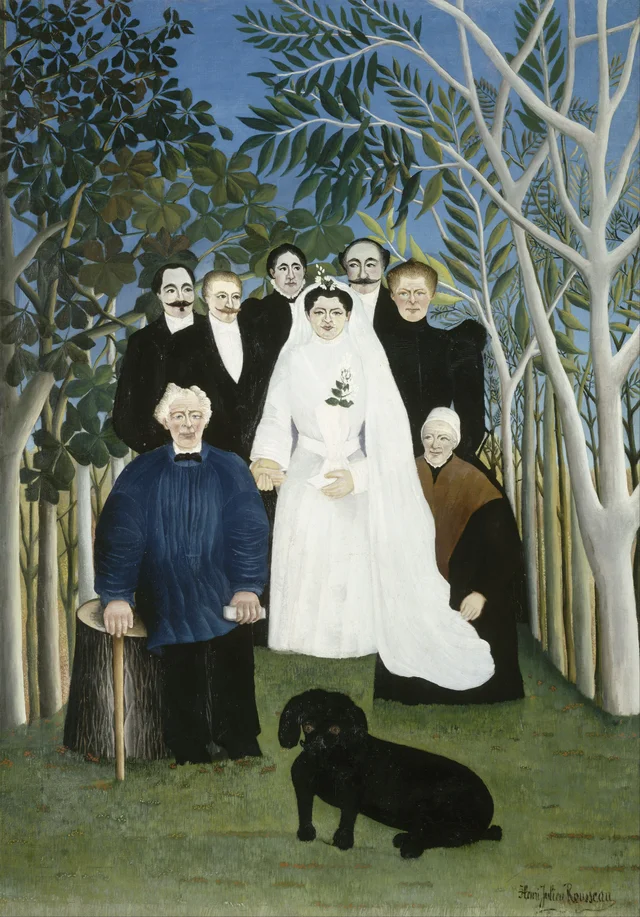 Die HochzeitHenri Rousseau, 1905
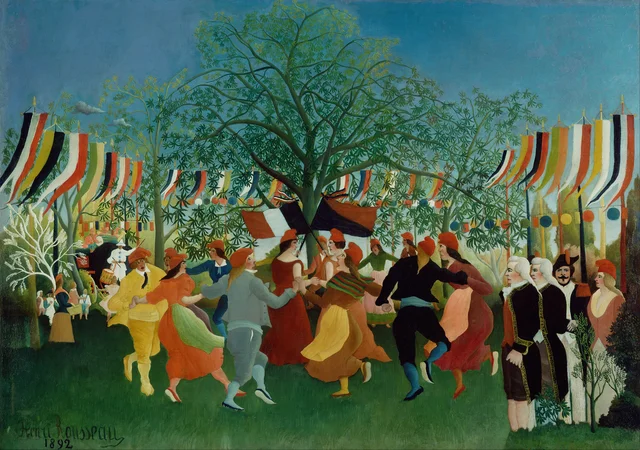 Das Jahrhundert der UnabhängigkeitHenri Rousseau, 1892
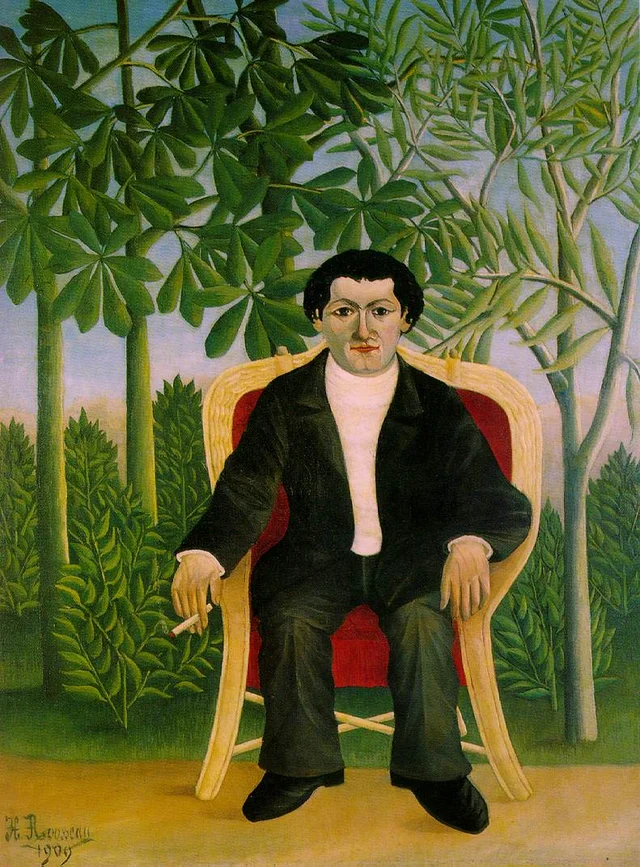 Porträt von Joseph BrummerHenri Rousseau, 1909
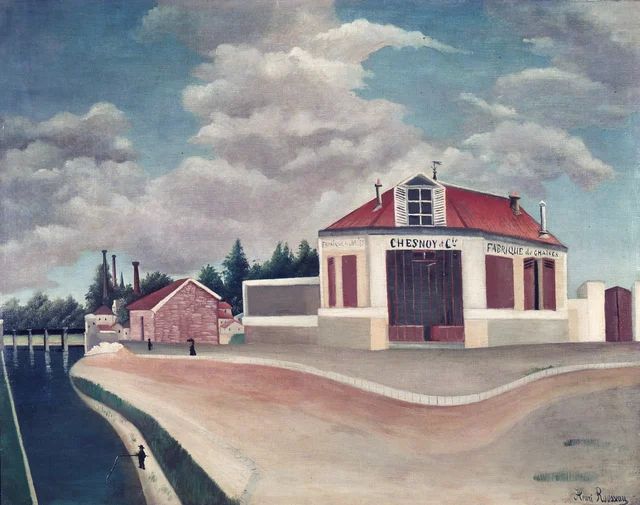 Die Stuhlfabrik in AlfortvilleHenri Rousseau, 1897
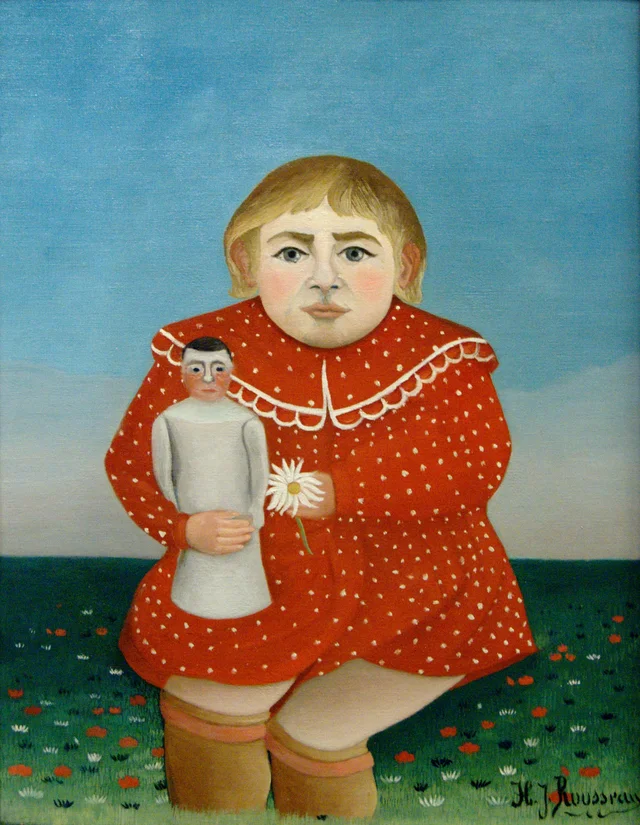 Das Kind mit der PuppeHenri Rousseau, 1892
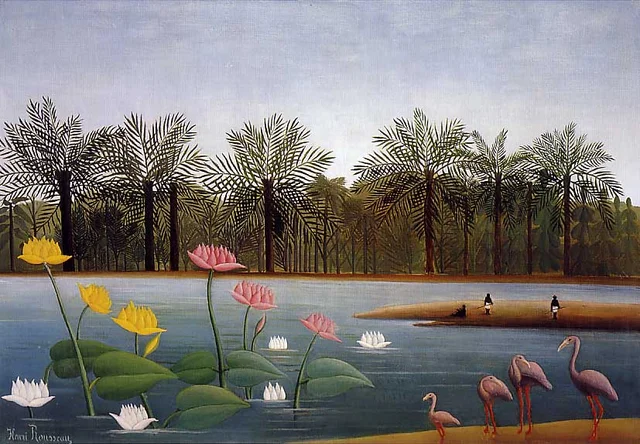 Die FlamingosHenri Rousseau, 1907
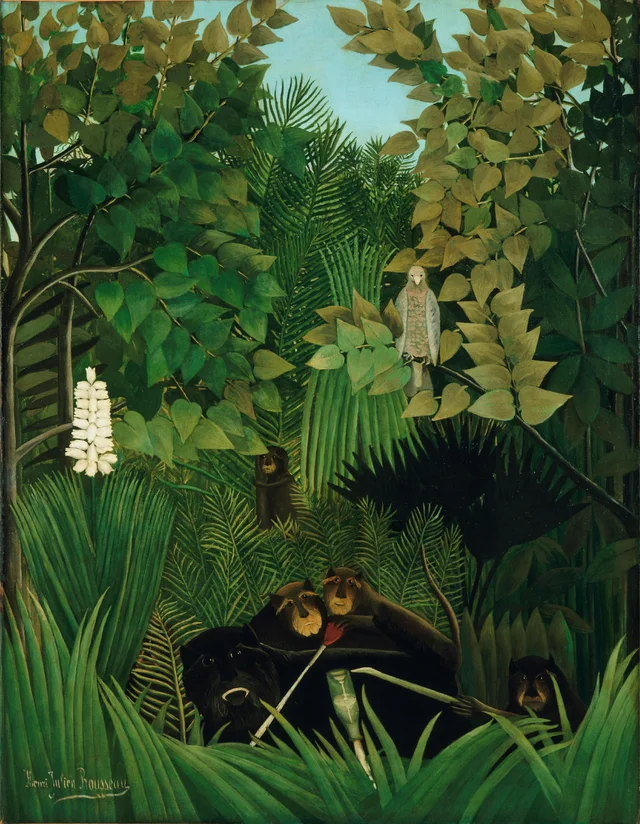 Die fröhlichen SpaßvögelHenri Rousseau, 1906
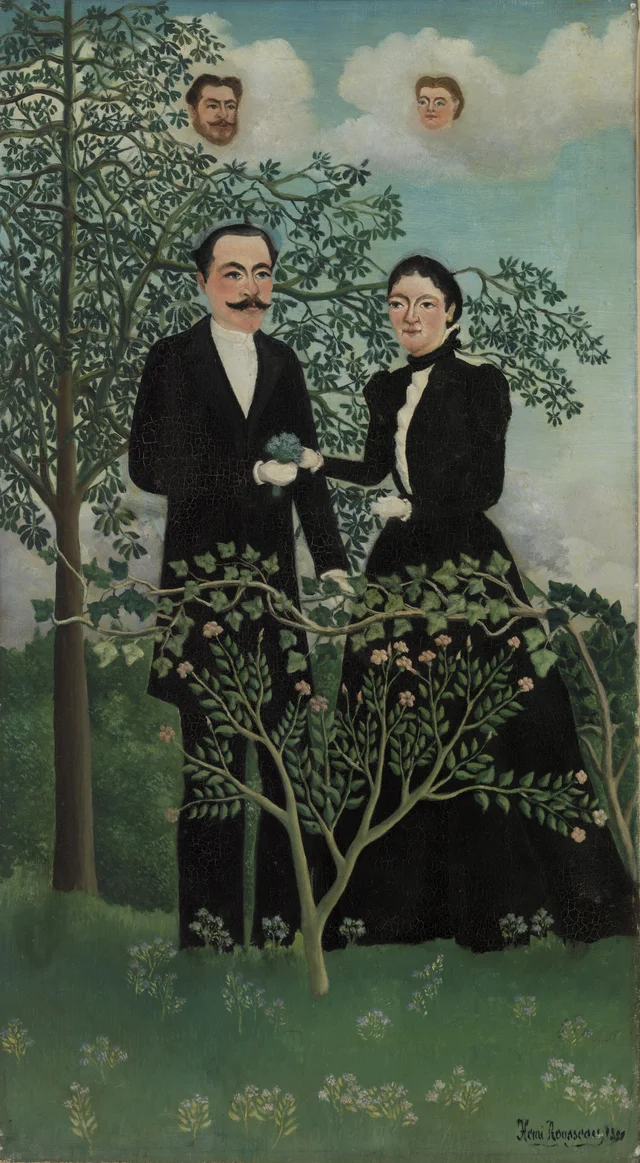 Die Vergangenheit und die GegenwartHenri Rousseau, 1899
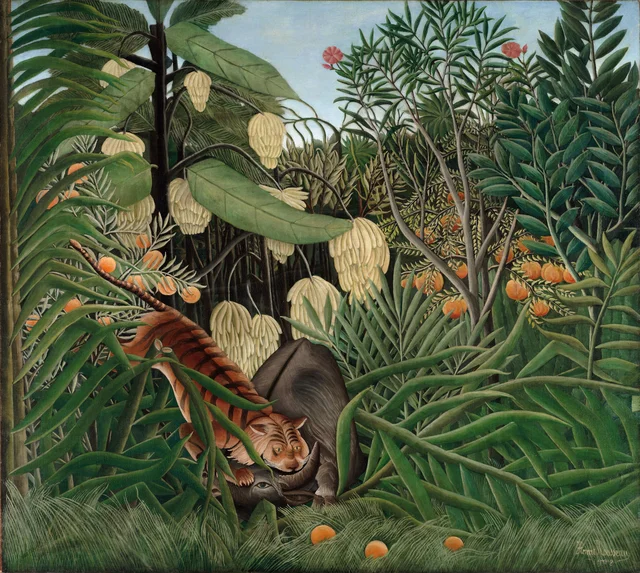 Kampf zwischen Tiger und BüffelHenri Rousseau, 1908