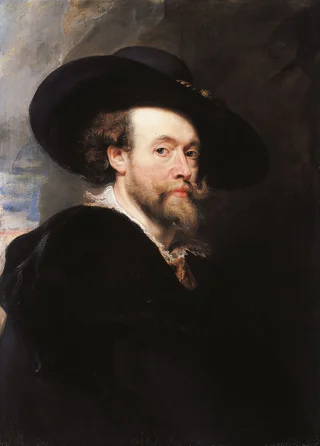
Peter Paul Rubens
1577–1640 · Spanische Niederlande · Flämische Barockmalerei
Die Geschichte
Die meisten großen Maler blieben im Atelier. Rubens dagegen verbrachte einen guten Teil seiner Laufbahn als tätiger Diplomat, und beide Rollen befruchteten einander. Er sprach mehrere Sprachen fließend, bewegte sich mühelos unter Fürsten und leitete zugleich die geschäftigste Malwerkstatt Europas in Antwerpen, damals Teil der Spanischen Niederlande. Könige vertrauten ihm mehr an als nur Porträts.
Das deutlichste Beispiel ereignete sich 1629. Spanien und England lagen seit Jahren im Krieg, und Philipp IV. von Spanien schickte Rubens unter dem Deckmantel eines reisenden Künstlers nach London – eine Tarnung, die ihm erlaubte, ohne Argwohn am Hof empfangen zu werden, während er still für Spaniens Sache warb. Über etwa neun Monate arbeitete er auf König Charles I. ein, einen leidenschaftlichen Kunstsammler, plädierte für Frieden zwischen den beiden Kronen und malte für ihn zugleich. Eines der dort entstandenen Bilder, eine Allegorie von Frieden und Krieg, war selbst Teil dieser Argumentation und zeigte die Wohltaten des Friedens neben der Verwüstung, die der Krieg mit sich bringt.
Es wirkte. 1630 wurde ein Vertrag zwischen England und Spanien geschlossen, und bevor Rubens abreiste, schlug Charles ihn zum Ritter. Später tat Philipp IV. dasselbe, sodass Rubens am Ende Ritter beider Königreiche war, die er hatte versöhnen helfen. Bis zum Ende malte er in gewaltigem Tempo weiter, vieles davon mit Gehilfen, die seine Entwürfe vorbereiteten, und in seinem letzten Lebensjahrzehnt kaufte er ein Landhaus südlich von Antwerpen, Het Steen, dessen Felder und regenschwere Himmel die Landschaftsbilder füllen, die er ganz für sich selbst malte.
Weitere Artikel
 Artikel · 40 Min. LesezeitDas Mauritshuis in Den Haag: 20 Bilder und wie sie hierherkamen
 Artikel · 39 Min. LesezeitWas Sie im Louvre sehen sollten: die 25 wichtigsten Werke
 Artikel · 18 Min. LesezeitMuseo del Prado: die Bilder, die ihre Welten überlebt haben
 Artikel · 38 Min. LesezeitMuseo Thyssen-Bornemisza: Zwanzig Bilder, die Vater und Sohn gekauft haben
 Artikel · 34 Min. LesezeitPinacoteca di Brera: von den napoleonischen Beschlagnahmen bis zur Grande Brera
 Artikel · 39 Min. LesezeitGemäldegalerie Berlin: 20 Bilder, die Berlin kaufte, verlor und teilte
Werke
486 Werke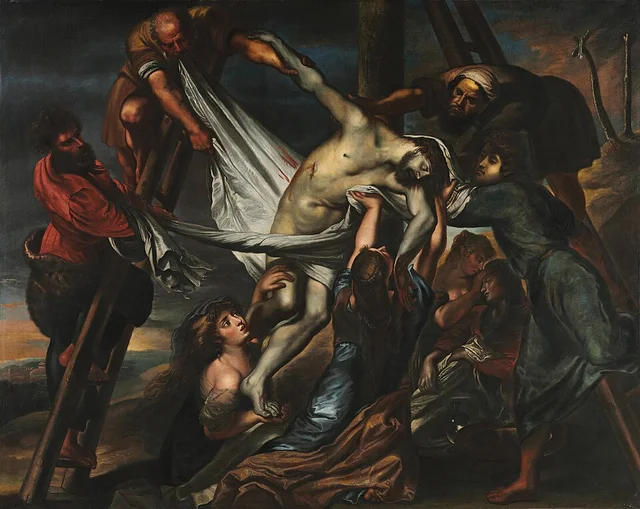 KreuzabnahmePeter Paul Rubens, 1601
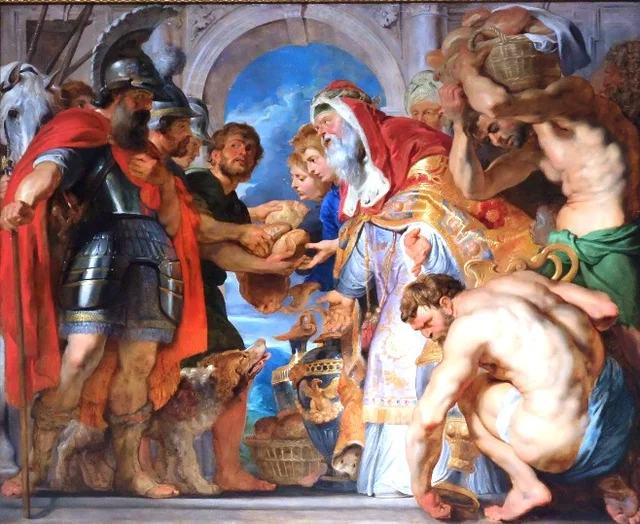 Die Begegnung Abrahams mit MelchisedekPeter Paul Rubens, 1616
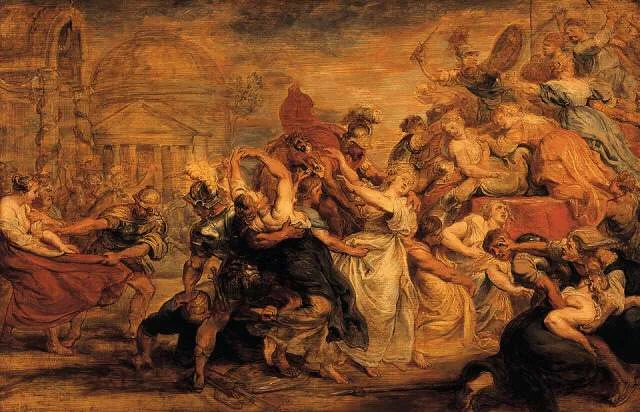 Der Raub der SabinerinnenPeter Paul Rubens, 1635
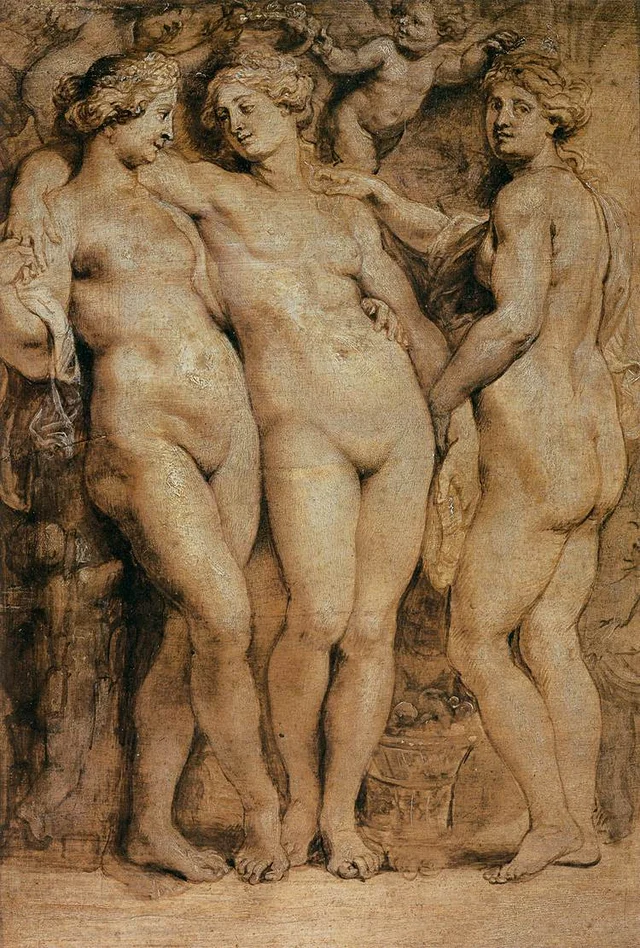 Die drei GrazienPeter Paul Rubens, 1620
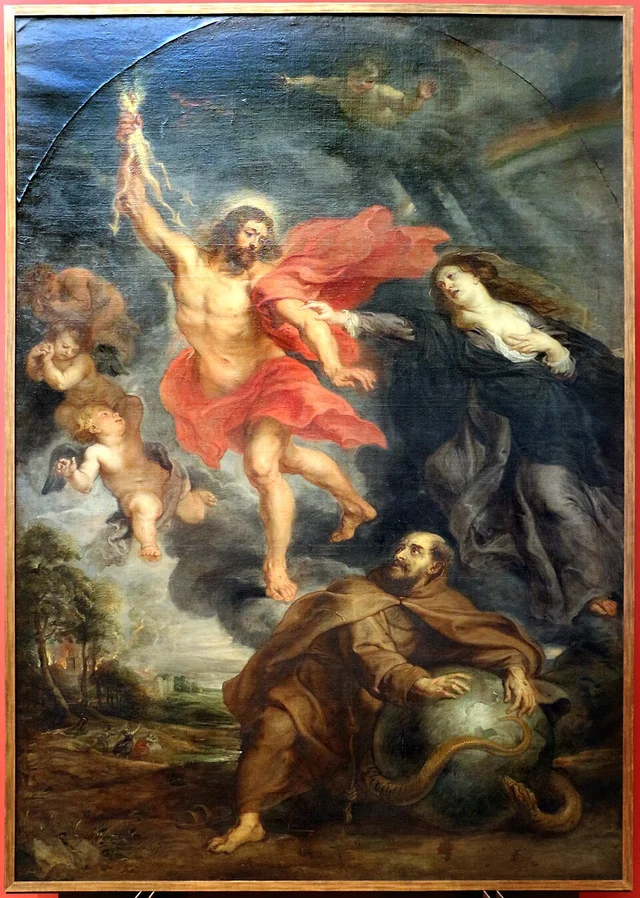 Die Jungfrau und der heilige Franziskus retten die Welt vor dem Zorn ChristiPeter Paul Rubens, 1614
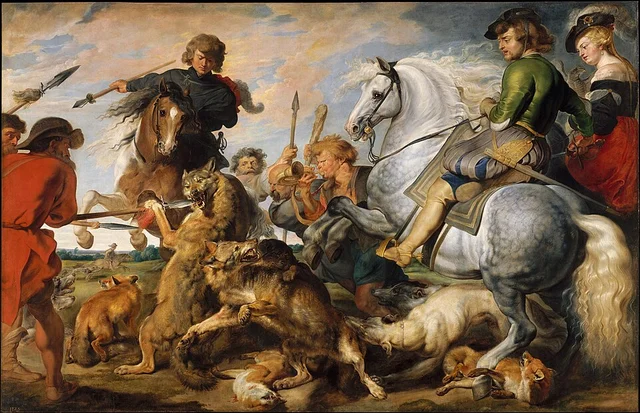 Wolfs- und FuchsjagdPeter Paul Rubens, 1616
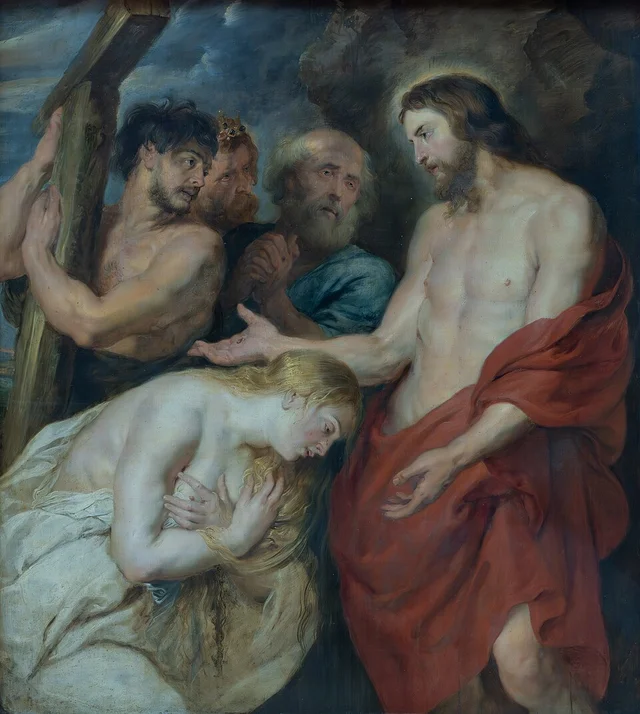 Christus und die reuigen SünderPeter Paul Rubens, 1617
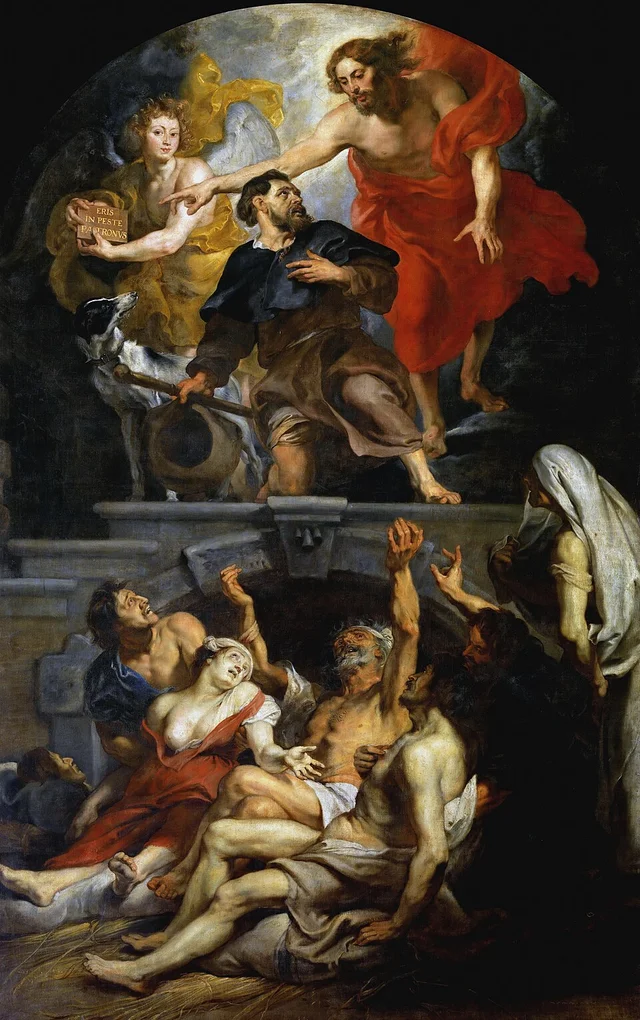 Christus ernennt den heiligen Rochus zum Schutzpatron der PestkrankenPeter Paul Rubens, 1623
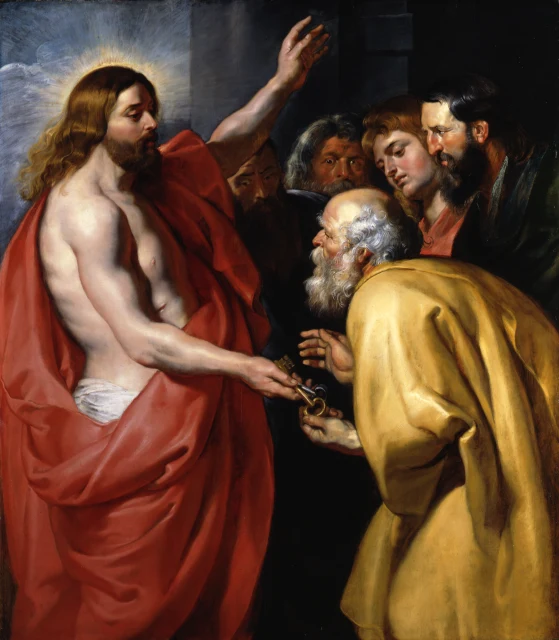 Christus übergibt Petrus die SchlüsselPeter Paul Rubens, 1613
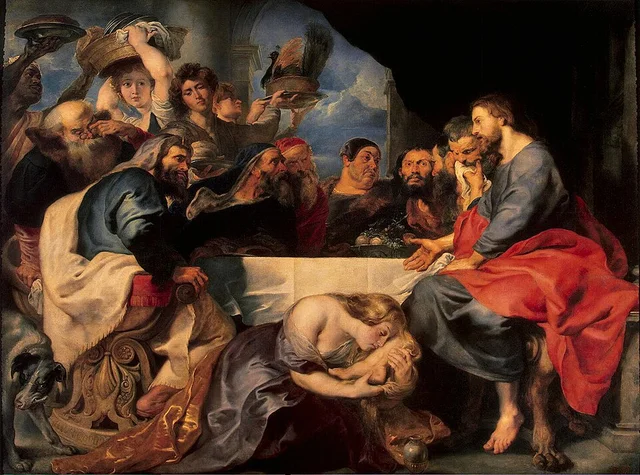 Das Mahl im Hause Simons des PharisäersPeter Paul Rubens, 1619
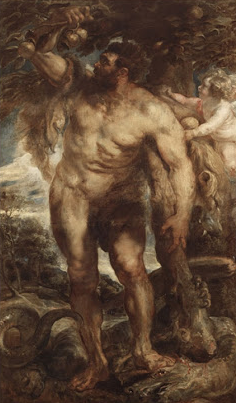 Herkules im Garten der HesperidenPeter Paul Rubens, 1638
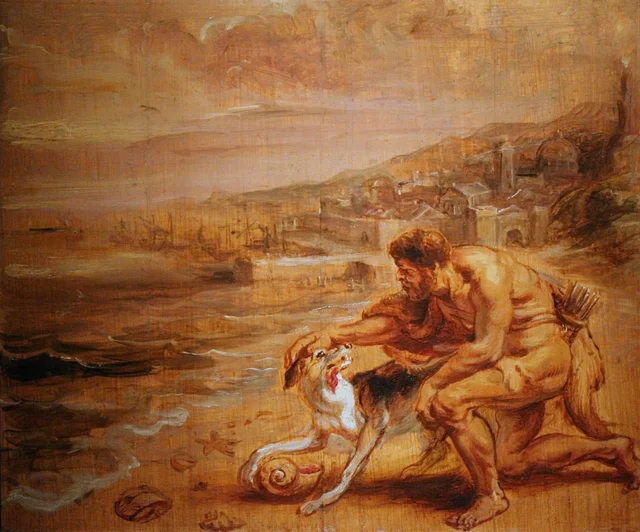 Herkules' Hund entdeckt den tyrischen PurpurPeter Paul Rubens, 1636
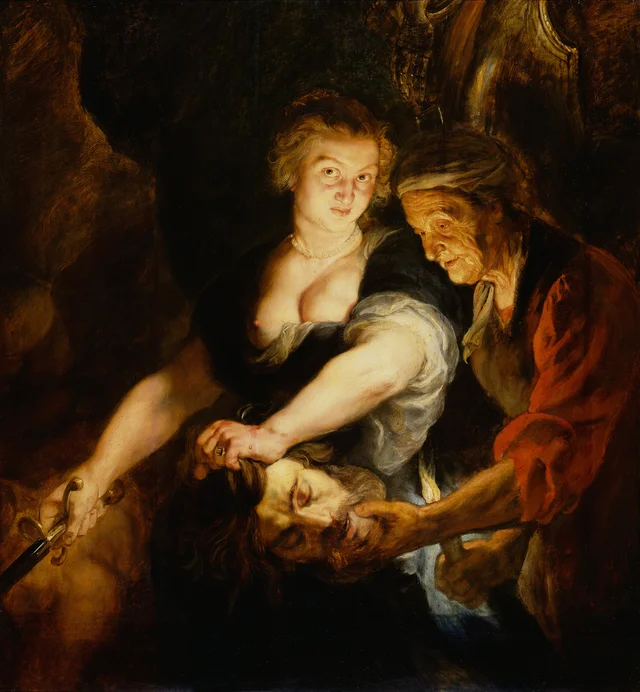 Judith mit dem Haupt des HolofernesPeter Paul Rubens, 1616
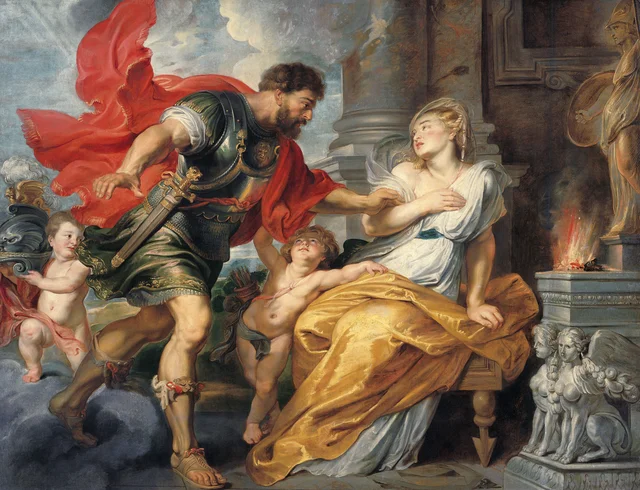 Mars und Rhea SilviaPeter Paul Rubens, 1617
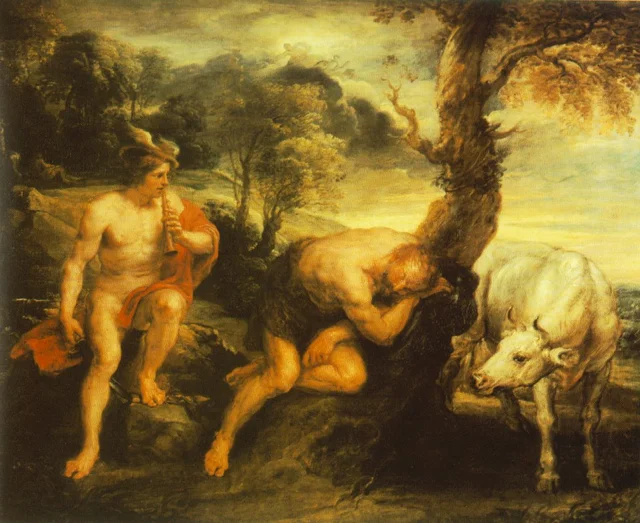 Merkur und ArgusPeter Paul Rubens, 1635
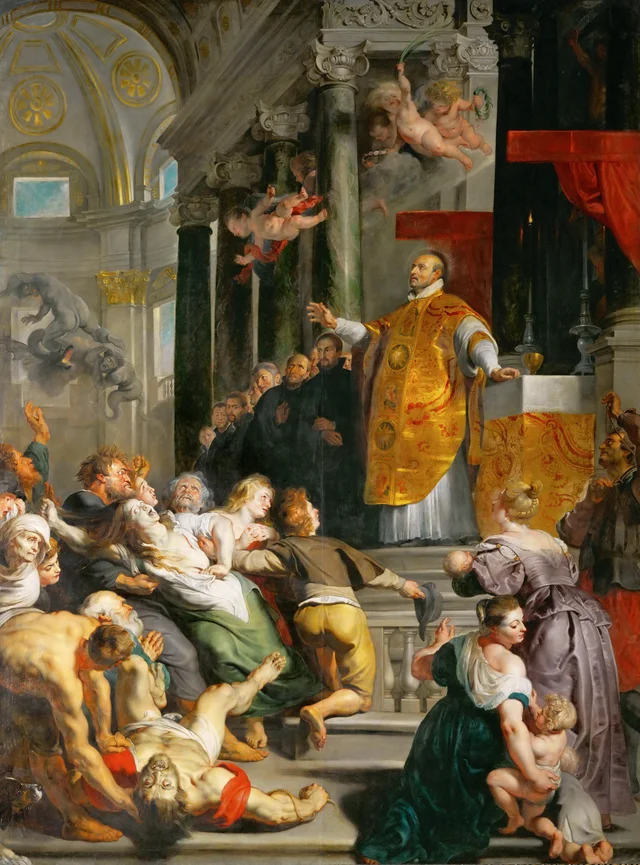 Das Wunder des heiligen Ignatius von LoyolaPeter Paul Rubens, 1618
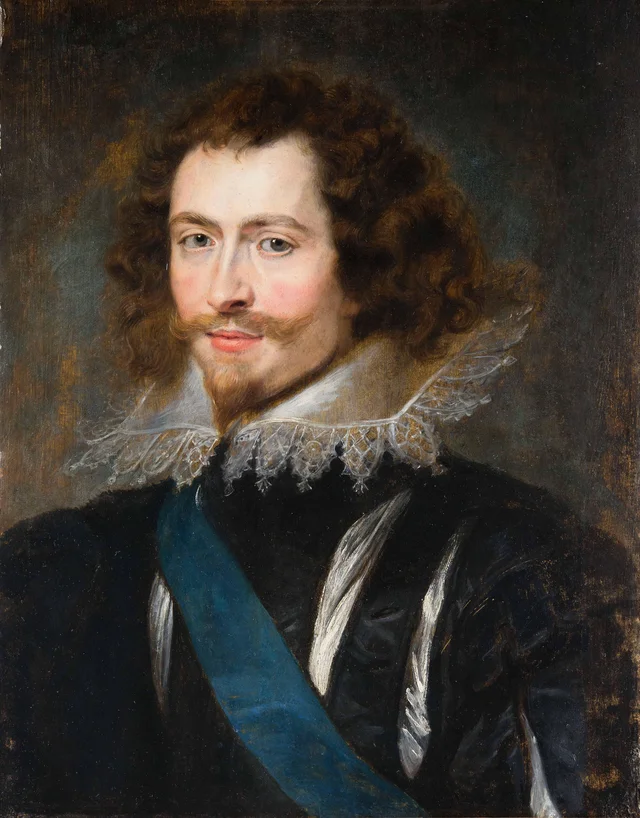 Porträt von George Villiers, 1. Herzog von BuckinghamPeter Paul Rubens, 1625
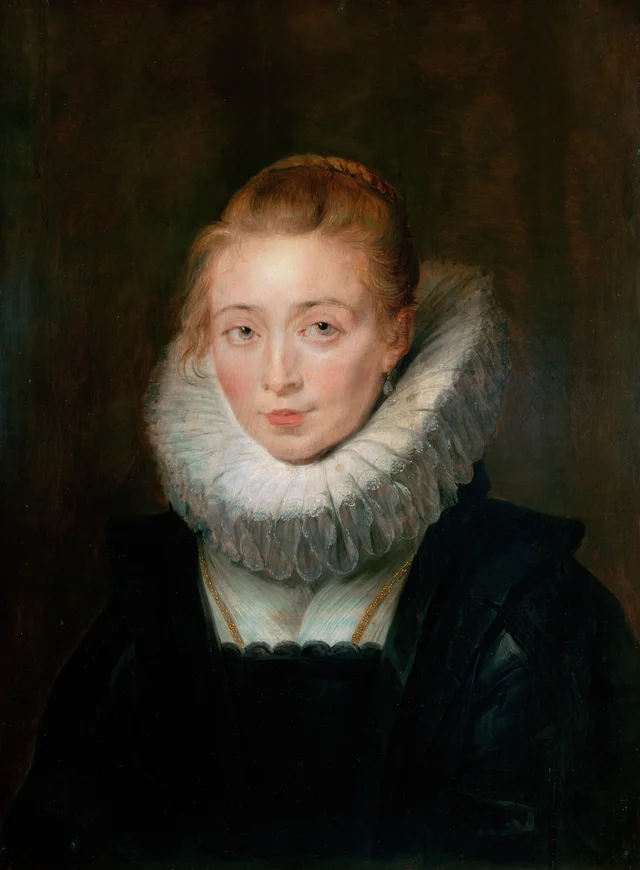 Bildnis einer Hofdame der Infantin IsabellaPeter Paul Rubens, 1625
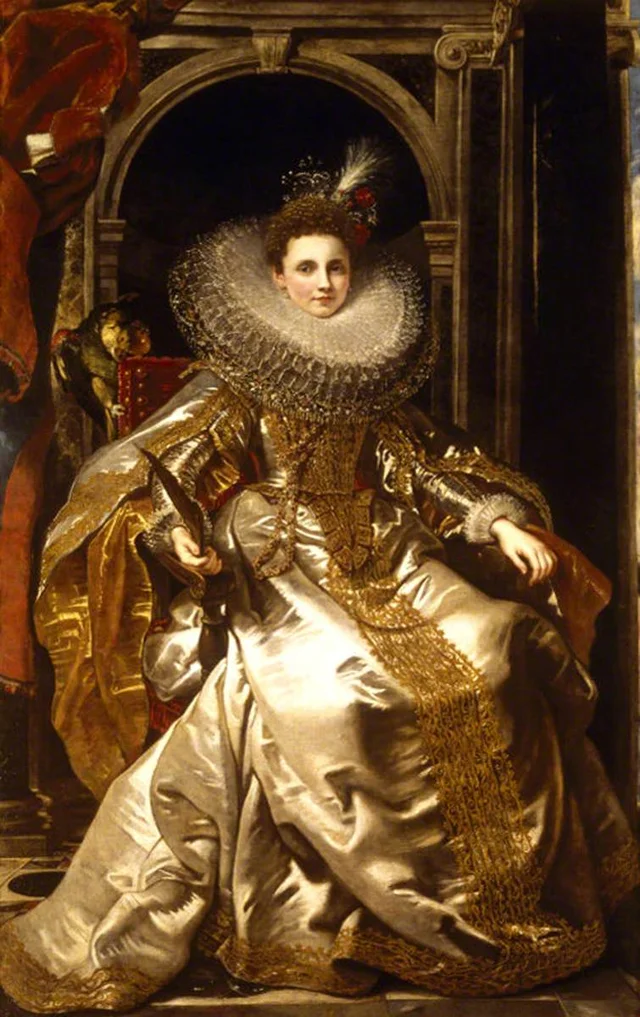 Porträt der Marchesa Maria Serra PallavicinoPeter Paul Rubens, 1606
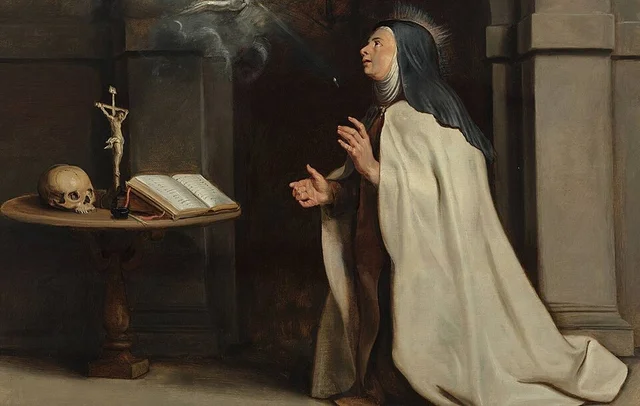 Die Vision des Heiligen Geistes der heiligen Teresa von ÁvilaPeter Paul Rubens, 1614
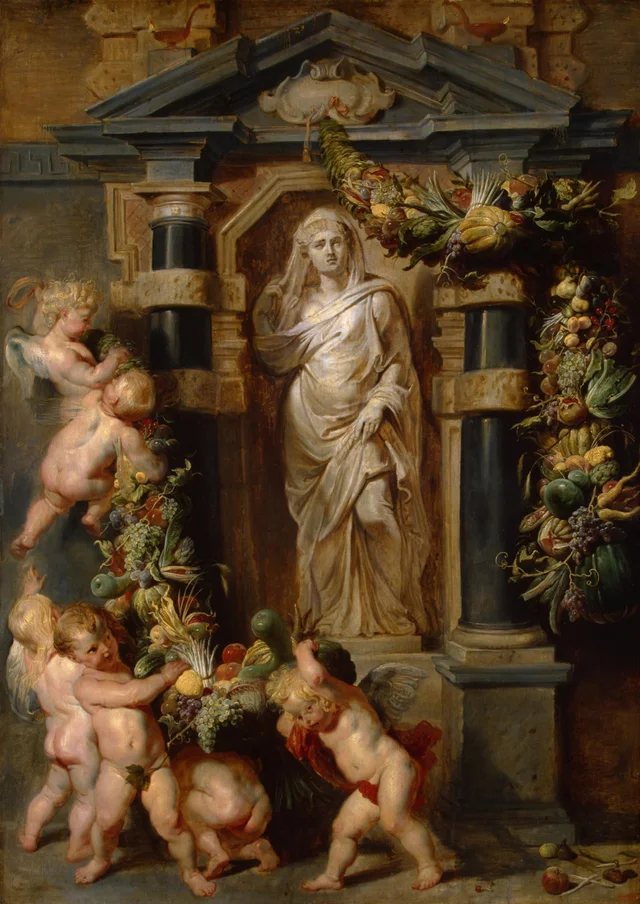 Statue der CeresPeter Paul Rubens, 1615
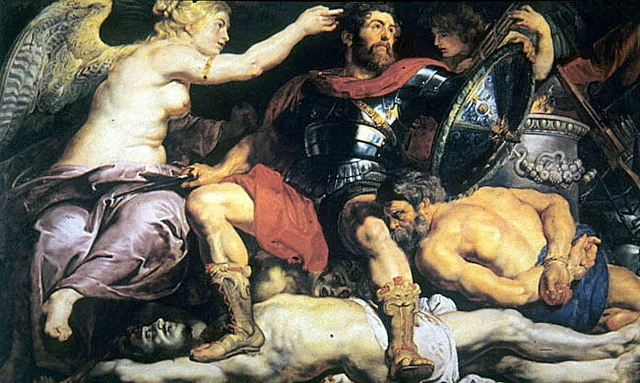 Die Krönung des tugendhaften HeldenPeter Paul Rubens, 1613
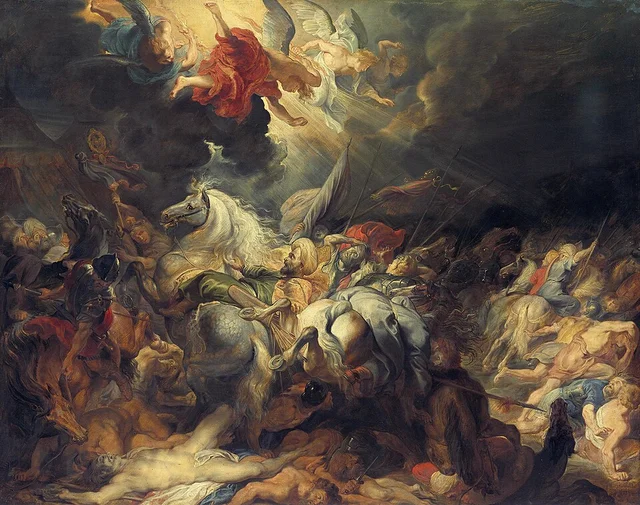 Die Niederlage SanheribsPeter Paul Rubens, 1617
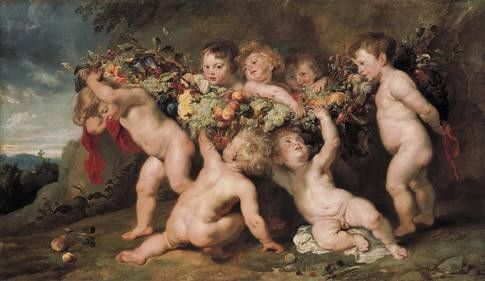 Die FruchtgirlandePeter Paul Rubens, 1616
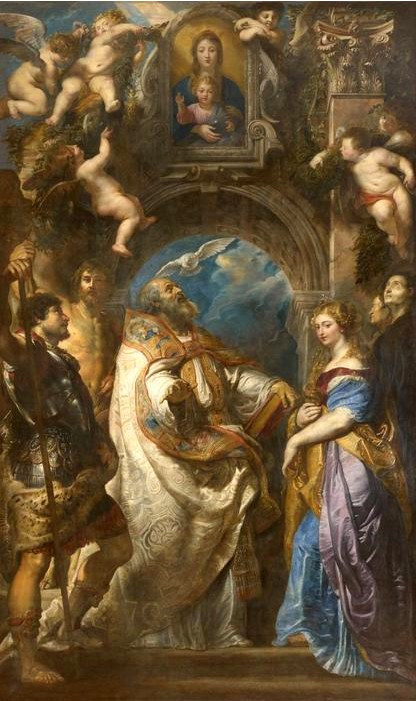 Die Madonna della Vallicella, verehrt vom heiligen Gregor mit den Heiligen Maurus und Papianus; die heilige Domitilla mit den Heiligen Nereus und AchilleusPeter Paul Rubens, 1606