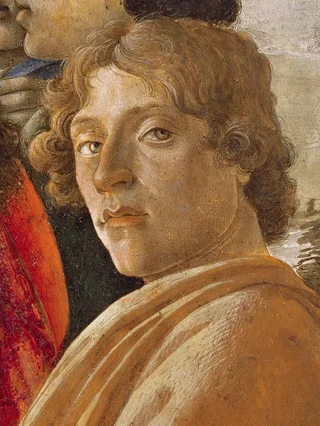
Sandro Botticelli
1445–1510 · Republik Florenz · Frührenaissance
Die Geschichte
Für einige Jahrzehnte im späten 15. Jahrhundert wurde Florenz de facto von den Medici regiert, einer Bankiersfamilie, die ihre Macht gern in Poesie und Philosophie kleidete. Sandro Botticelli war ihr Maler dafür. Geboren wurde er um 1445 in Florenz, ausgebildet in den Werkstätten der Stadt, und mit vierzig Jahren malte er bereits jene Bilder, auf die wir noch heute zurückgreifen, wenn wir uns die selbstbewussteste Renaissance vorstellen — Venus, die auf einer Muschel ankommt, der Frühling, der durch einen Orangenhain schreitet, beide für Medici-Cousins gemalt und in deren Villen aufgehängt.
Diese Bilder waren schon damals ungewöhnlich. Große mythologische Szenen fast nackter heidnischer Götter, gemalt für ein Privathaus statt für eine Kirche, stützten sich auf das griechische Wissen, das der Medici-Kreis gerade wiederbelebte. Der Philosoph Marsilio Ficino, im Umkreis der Medici tätig, vertrat die Ansicht, heidnische Schönheit und christlicher Glaube ließen sich versöhnen, und Botticellis Venus kommt dieser Idee in Farbe so nahe wie kaum ein anderes Werk.
Dann brach alles zusammen. Lorenzo de' Medici starb 1492, die Familie wurde zwei Jahre später vertrieben, und ein Dominikanermönch namens Savonarola bemächtigte sich der Stadt mit Predigten über Sünde und das nahende Ende der Welt. 1497 errichteten seine Anhänger auf dem Hauptplatz den "Scheiterhaufen der Eitelkeiten" und verbrannten Spiegel, feine Kleidung, Bücher und als unmoralisch beurteilte Gemälde. Botticellis Mythologien überstanden dies wohl vor allem, weil sie sicher in privaten Medici-Räumen hingen. Der Maler selbst scheint von den Predigten erschüttert worden zu sein, sein Spätwerk wird religiös und streng, die frühere Leichtigkeit verschwindet. Er starb 1510, aus der Mode gekommen, und blieb bis ins 19. Jahrhundert weitgehend vergessen, als man seine Venus wieder ins Blickfeld rückte.
Weitere Artikel
 Artikel · 35 Min. LesezeitNational Gallery of Art in Washington: Zwanzig Bilder aus privater Hand
 Artikel · 39 Min. LesezeitGemäldegalerie Berlin: 20 Bilder, die Berlin kaufte, verlor und teilte
 Artikel · 40 Min. LesezeitUffizien: das Museum, das die Medici überlebt hat
 Artikel · 38 Min. LesezeitAlte Pinakothek: 20 Gemälde und wie sie nach München kamen
 Artikel · 36 Min. LesezeitWie die National Gallery entstand: von Angerstein bis Artemisia
Werke
119 Werke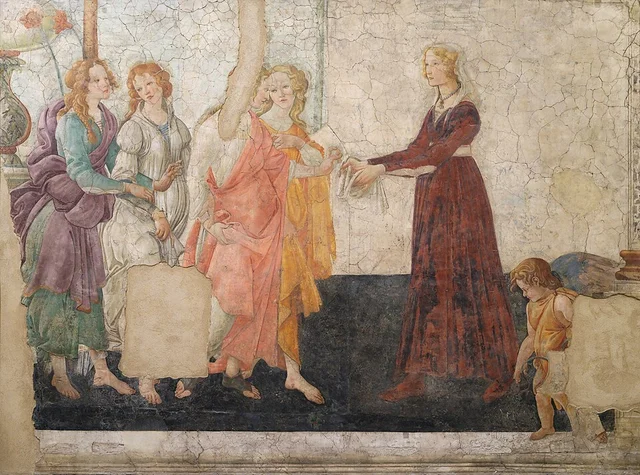 Venus und die drei Grazien überreichen Giovanna degli Albizzi GeschenkeSandro Botticelli, 1484
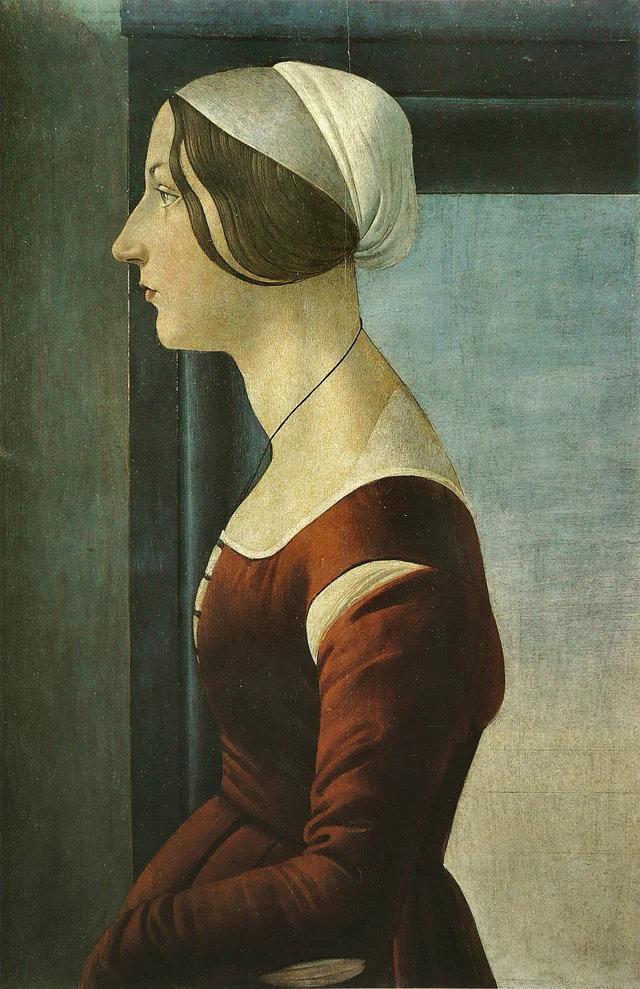 Bildnis einer jungen FrauSandro Botticelli, 1485
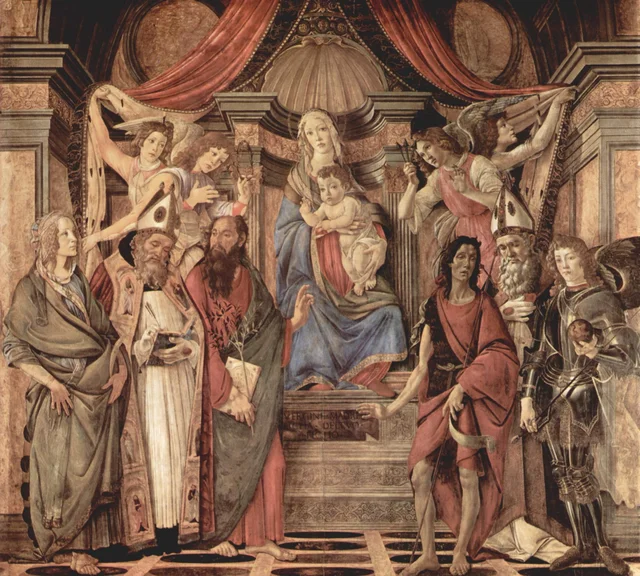 Barnabas-AltarSandro Botticelli, 1487
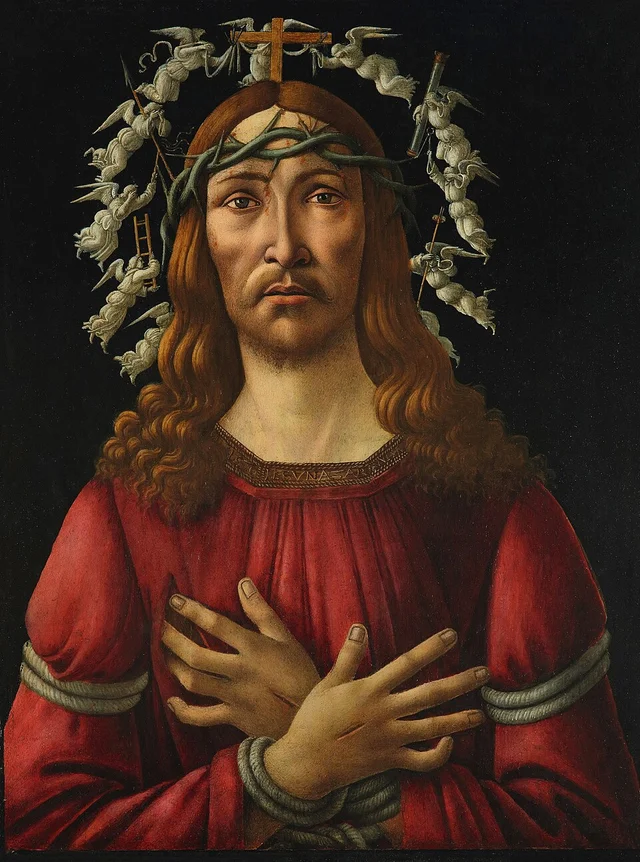 SchmerzensmannSandro Botticelli, 1500
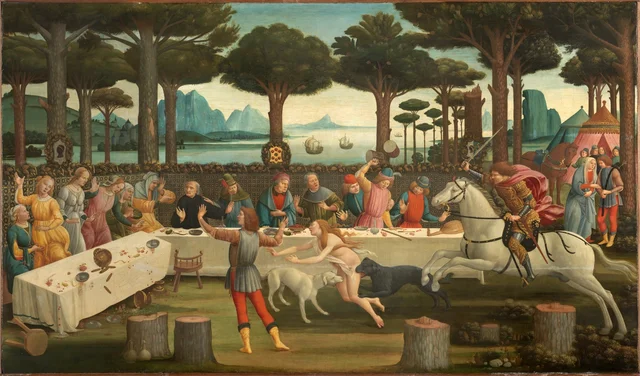 Die Geschichte des Nastagio degli Onesti, dritter TeilSandro Botticelli, 1483
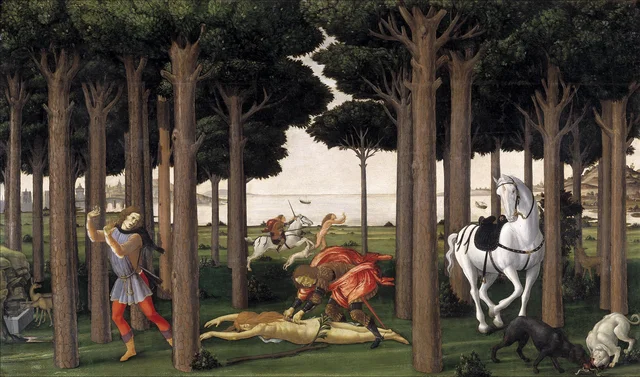 Die Geschichte des Nastagio degli Onesti, zweiter TeilSandro Botticelli, 1483
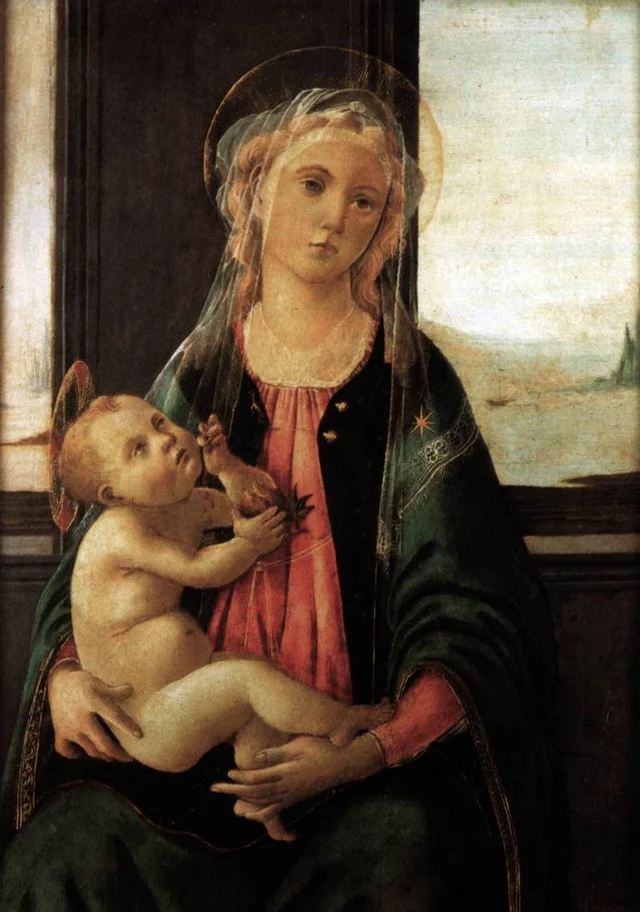 Madonna des MeeresSandro Botticelli, 1477
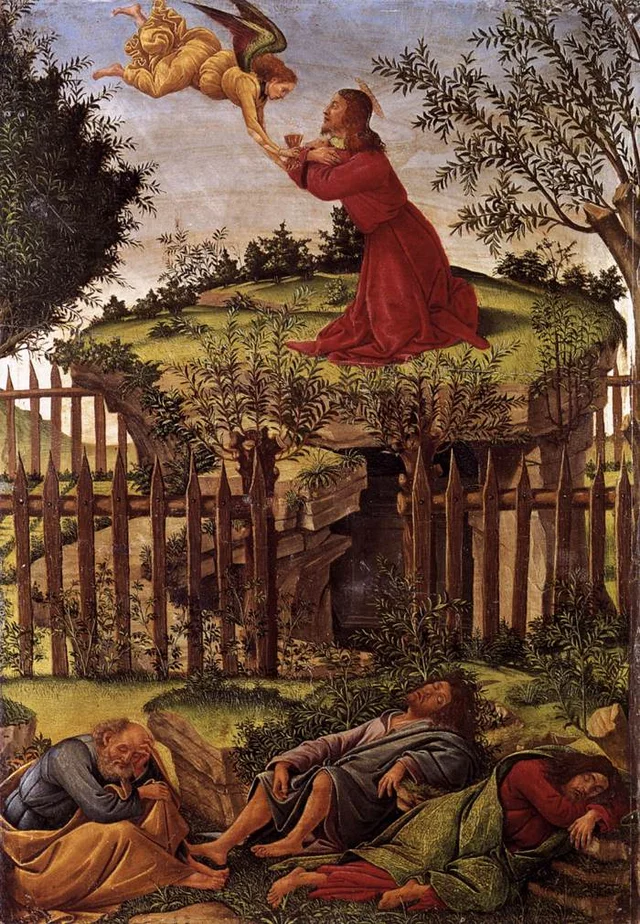 Christus am ÖlbergSandro Botticelli, 1499
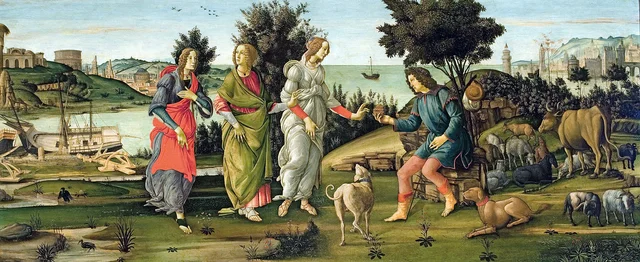 Das Urteil des ParisSandro Botticelli, 1486
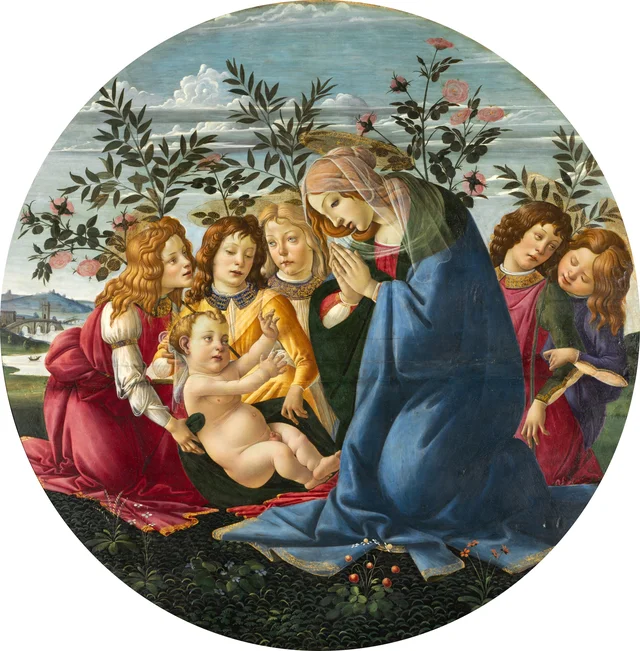 Madonna, das Kind anbetend, mit fünf EngelnSandro Botticelli, 1480
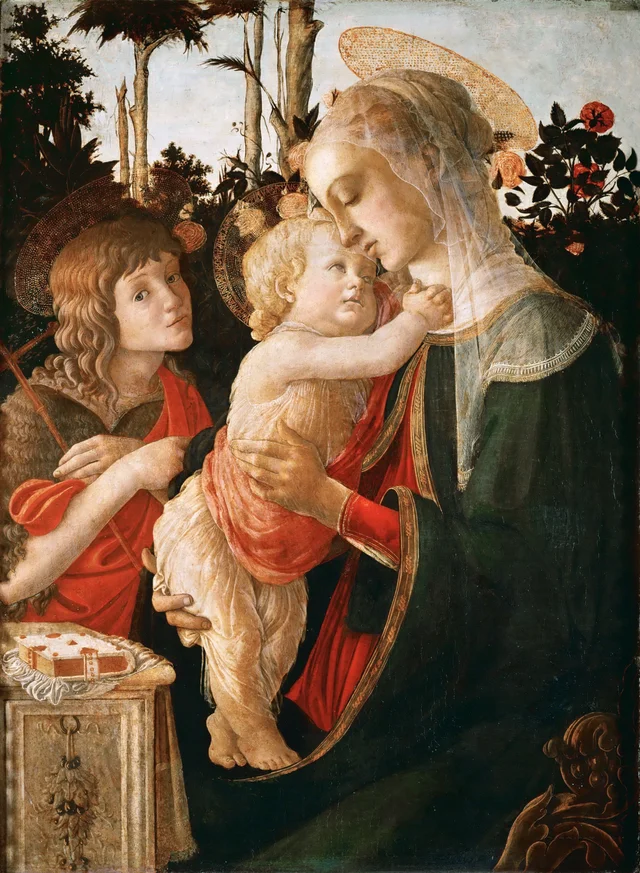 Madonna mit Kind und dem jungen Johannes dem TäuferSandro Botticelli, 1500
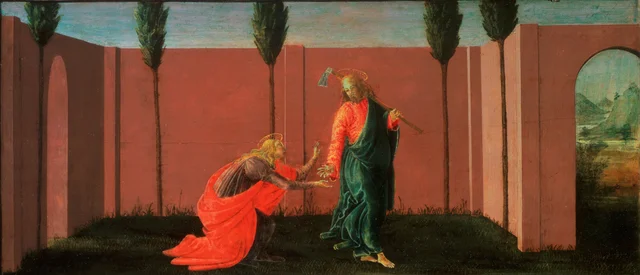 Noli me tangereSandro Botticelli, 1491
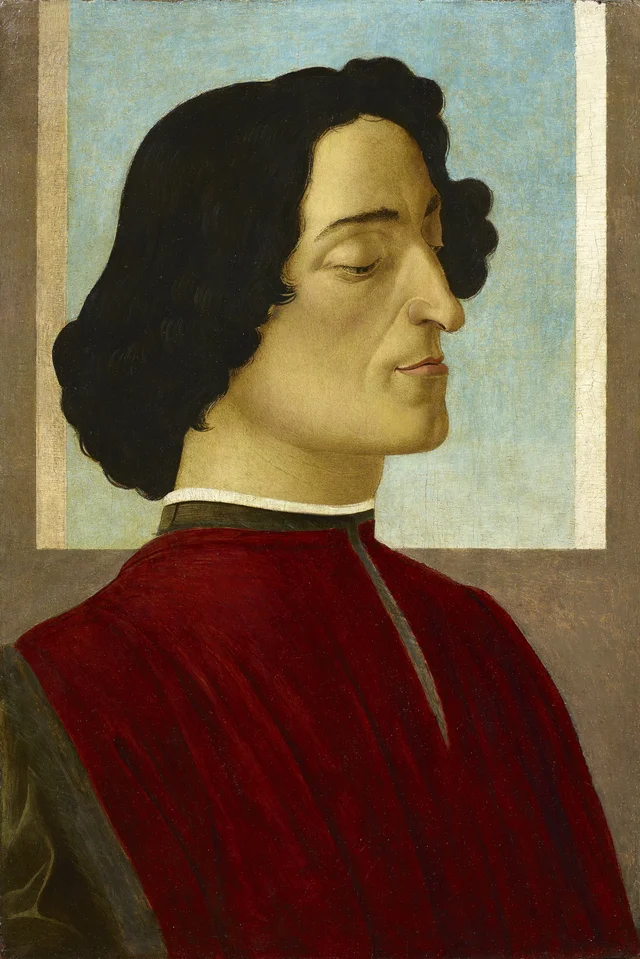 Bildnis des Giuliano de' MediciSandro Botticelli, 1479
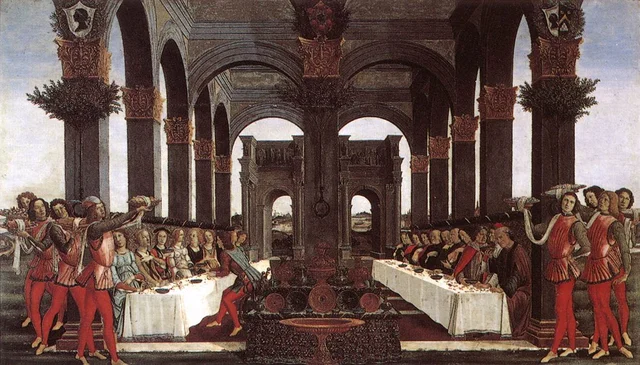 Die Geschichte des Nastagio degli Onesti, vierter TeilSandro Botticelli, 1483
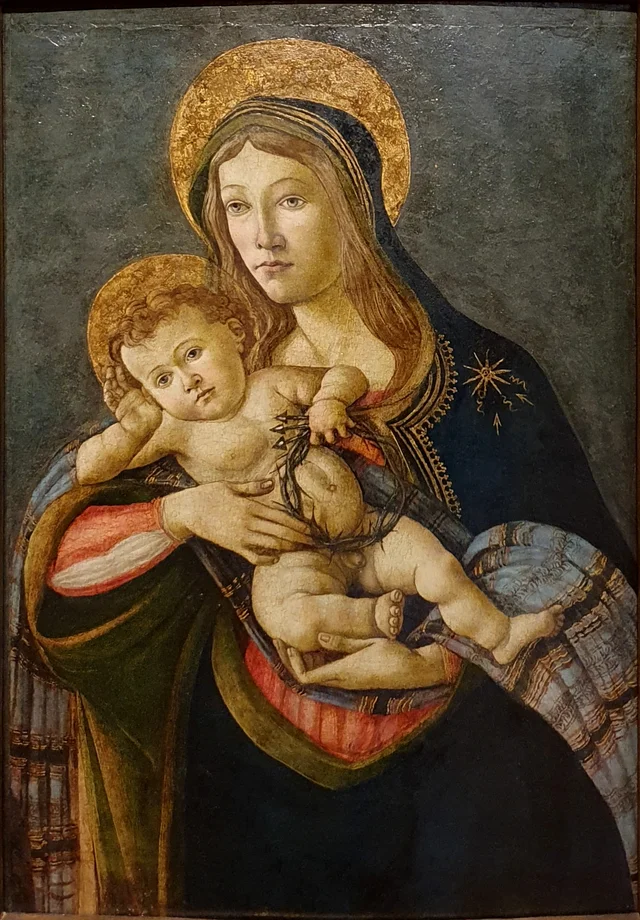 Die Jungfrau und das Kind mit der Dornenkrone und drei NägelnSandro Botticelli, 1477
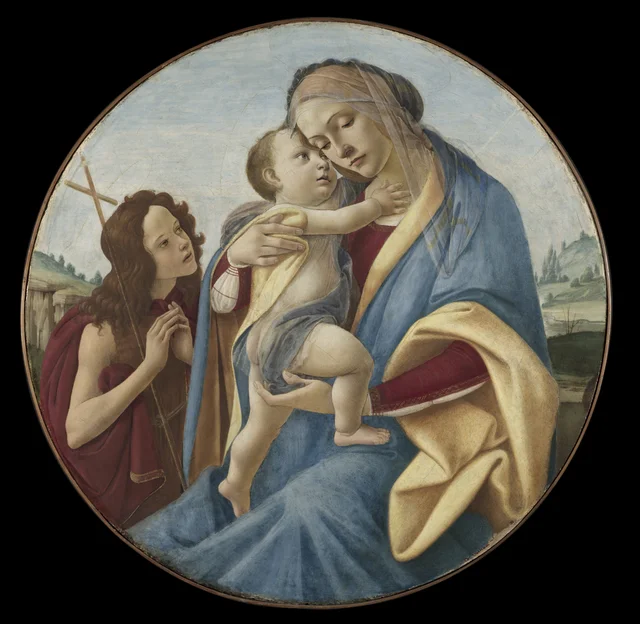 Madonna mit Kind und dem jungen Johannes dem TäuferSandro Botticelli, 1490
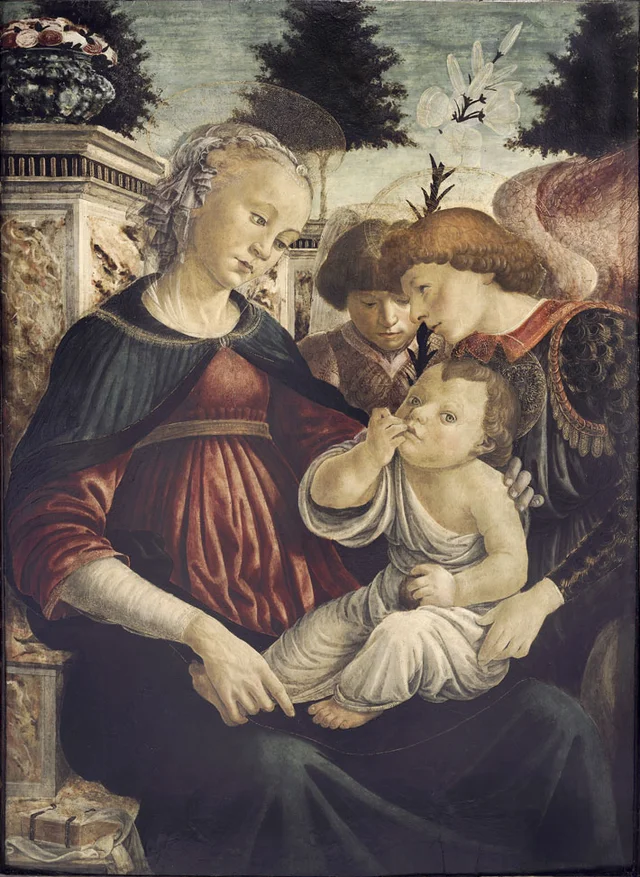 Madonna mit Kind und zwei EngelnSandro Botticelli, 1468
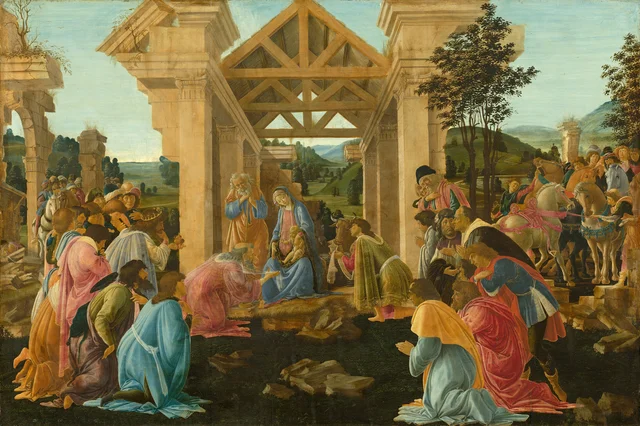 Anbetung der Heiligen Drei KönigeSandro Botticelli, 1482
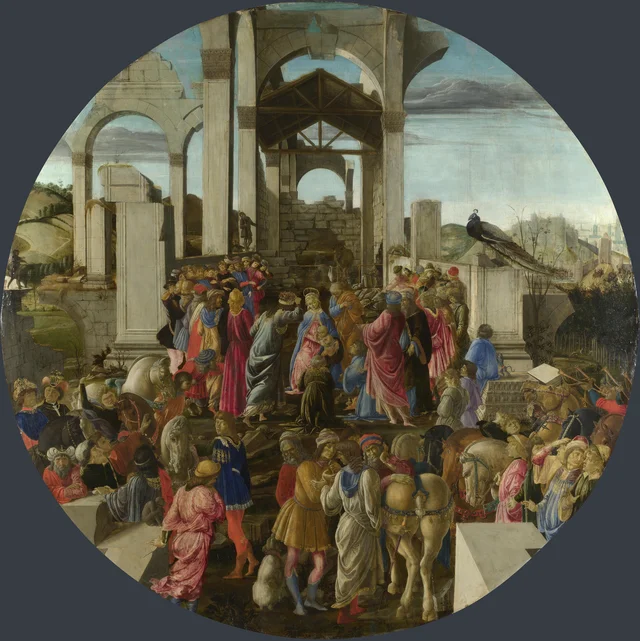 Anbetung der Könige (um 1470-1475)Sandro Botticelli, 1470
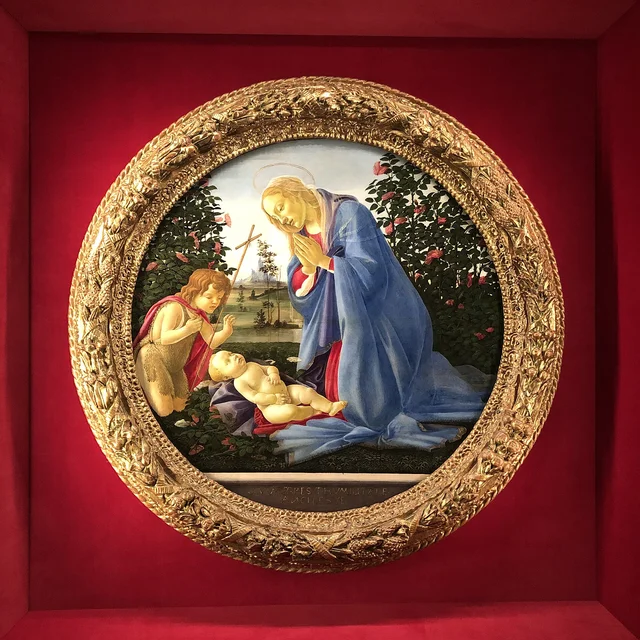 Maria betet das Kind an, mit dem heiligen Johannes dem TäuferSandro Botticelli, 1477
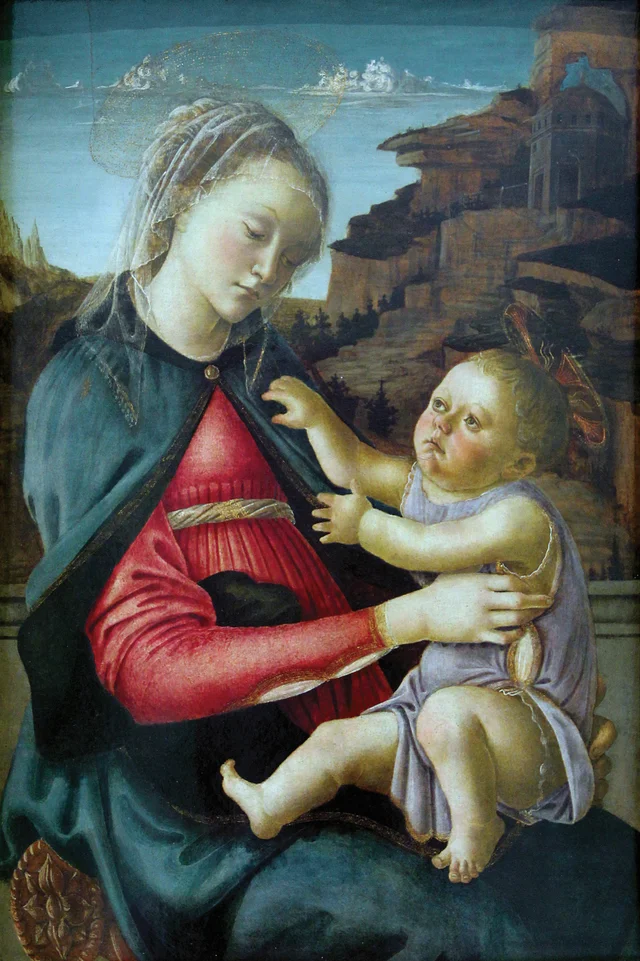 Maria mit KindSandro Botticelli, 1465
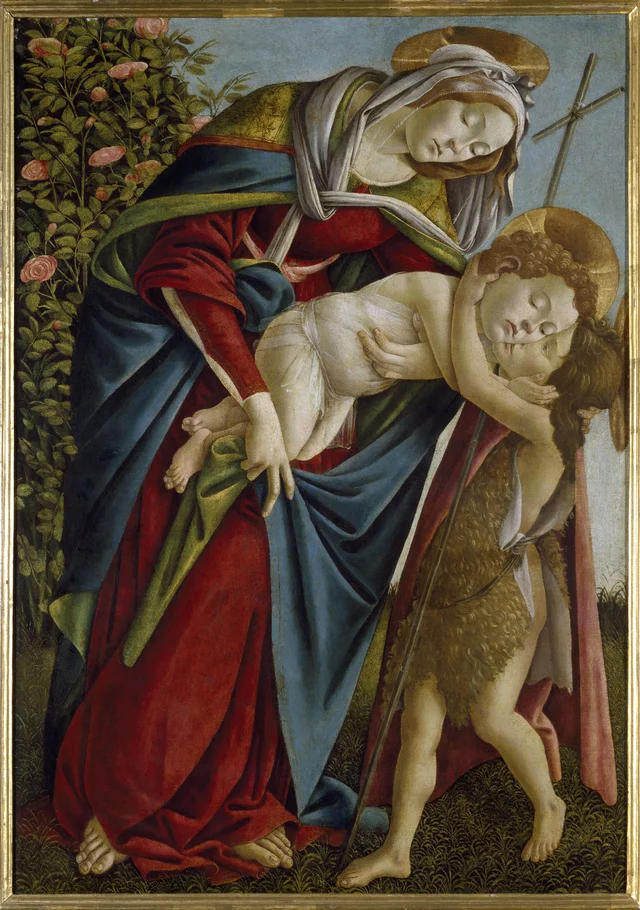 Madonna mit Kind und dem jungen Johannes dem TäuferSandro Botticelli, 1505
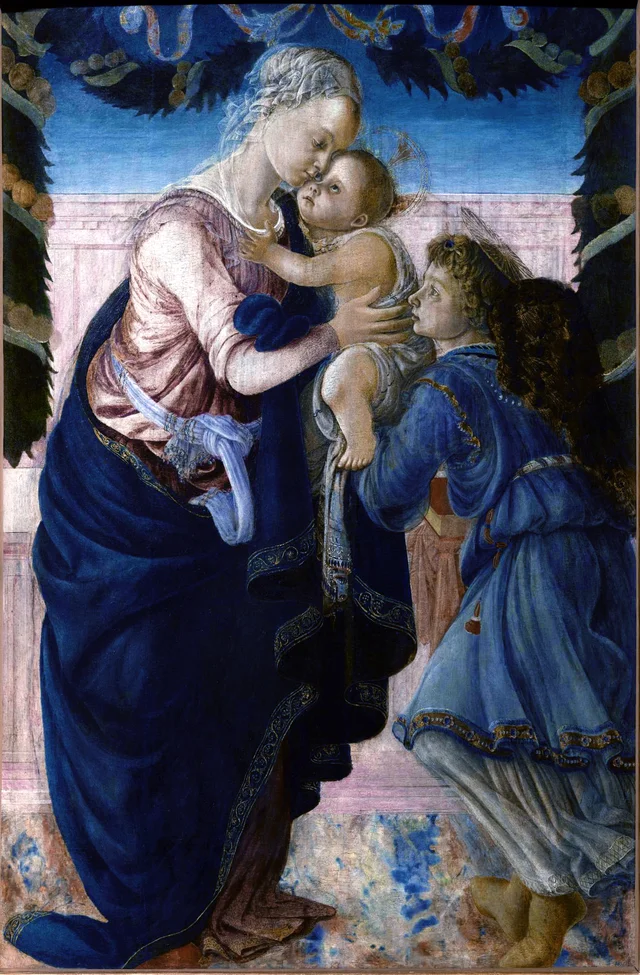 Madonna mit Kind und EngelSandro Botticelli, 1465
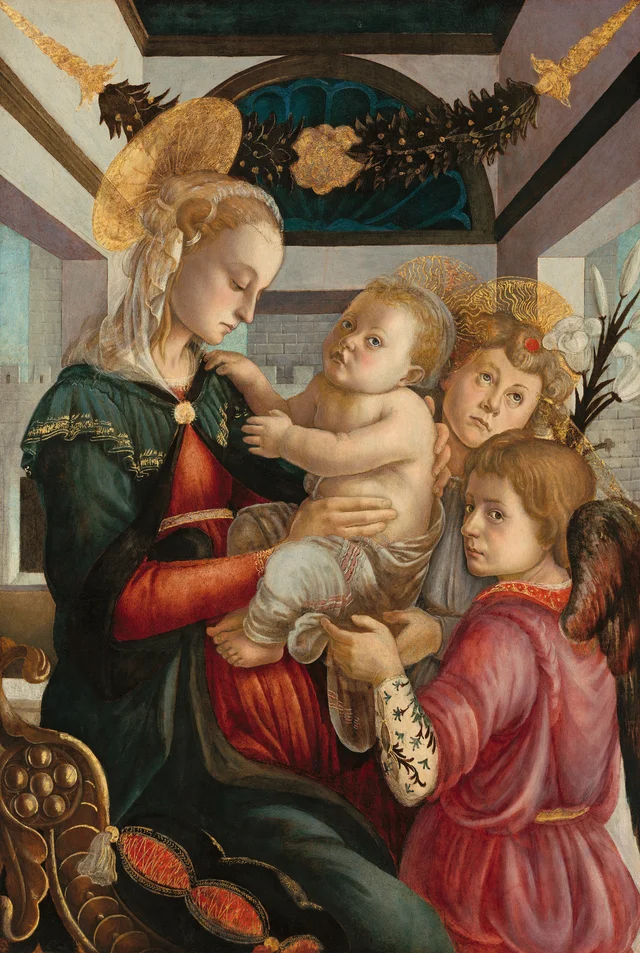 Madonna mit Kind und EngelnSandro Botticelli, 1470
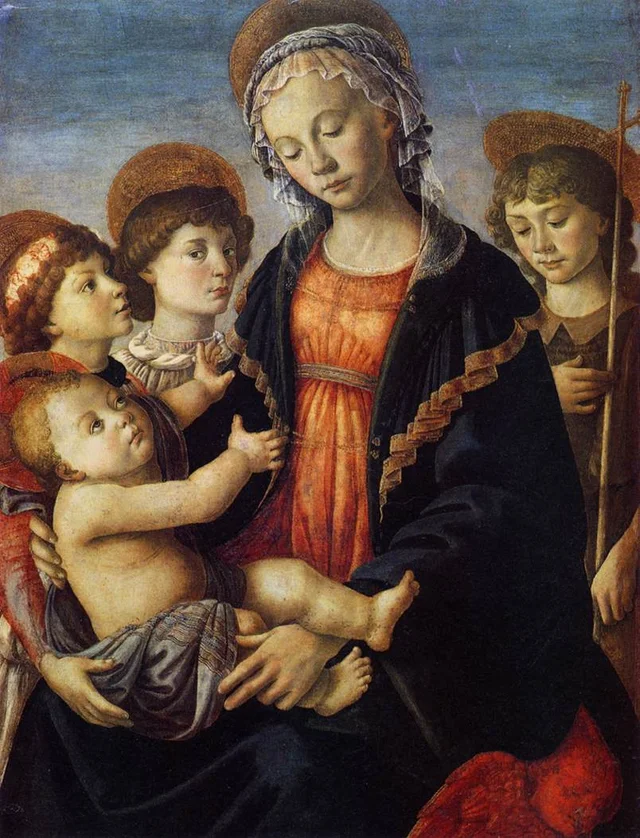 Maria mit Kind, dem heiligen Johannes dem Täufer und zwei EngelnSandro Botticelli, 1470