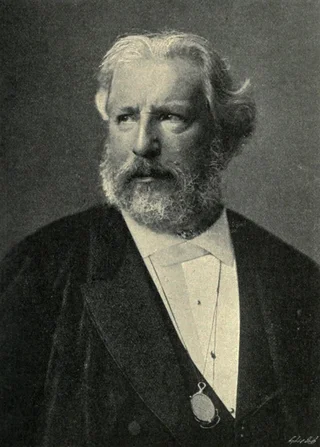
William-Adolphe Bouguereau
1825–1905 · Frankreich · Akademische Kunst
Die Geschichte
In den 1870er Jahren war Bouguereau wohl der erfolgreichste Maler Frankreichs, eine feste Größe des Salons, dessen glatte, klassisch vollendete Akte und mythologische Szenen für riesige Summen verkauft wurden und ihn reich machten. Er saß auch in den Jurys, die entschieden, was im Salon hängen durfte, und nutzte diese Stellung, zusammen mit dem Großteil der akademischen Führungsschicht, um die Impressionisten fernzuhalten.
Die Impressionisten erwiderten die Verachtung. Degas und sein Kreis prägten das Wort „Bouguereauté“ für jedes Bild, das ihnen zu glatt und zu künstlich erschien, ein glänzendes, geleckt wirkendes Finish, das sie für unehrlich darüber hielten, wie Farbe sich wirklich verhält. Bouguereau rückte nie von seiner eigenen Überzeugung ab, dass Malerei ihren Pinselstrich ganz verbergen und die Illusion von Fleisch so überzeugend wie möglich vortäuschen solle. Er lehrte auch jahrzehntelang an der Académie Julian, einem der wenigen Pariser Ateliers, die Frauen zuließen, und setzte sich für ihre Aufnahme in die Aktzeichenklassen ein, zu einer Zeit, als die meisten Akademien dies rundweg verweigerten.
Binnen zwanzig Jahren nach seinem Tod 1905 war sein Ruf fast völlig zusammengebrochen, und die Museen lagerten seine Bilder den Großteil des 20. Jahrhunderts in Kellern ein, als zu sentimental und zu glatt, um sie ernst zu nehmen. Eine Ausstellung 1984 im Petit Palais in Paris, die erste große Retrospektive seit Generationen, gilt gemeinhin als Wiederbelebung des Interesses, und seine Bilder erzielen heute bei Auktionen Millionen.
Werke
85 Werke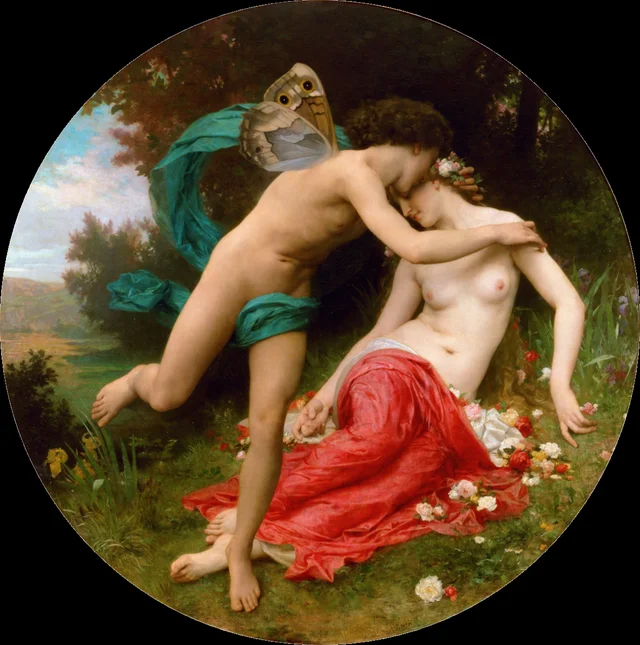 Flora und ZephyrWilliam-Adolphe Bouguereau, 1875
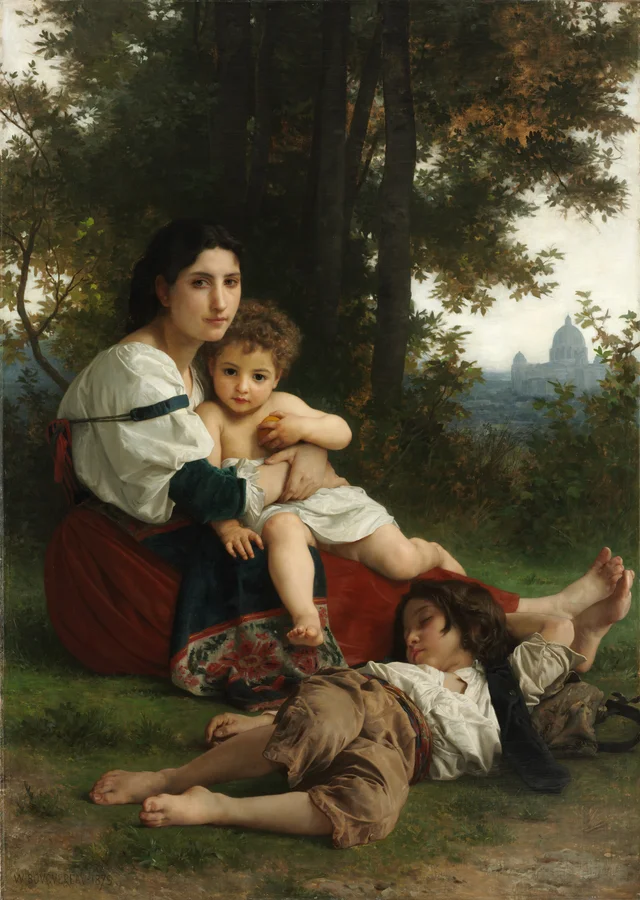 RastWilliam-Adolphe Bouguereau, 1879
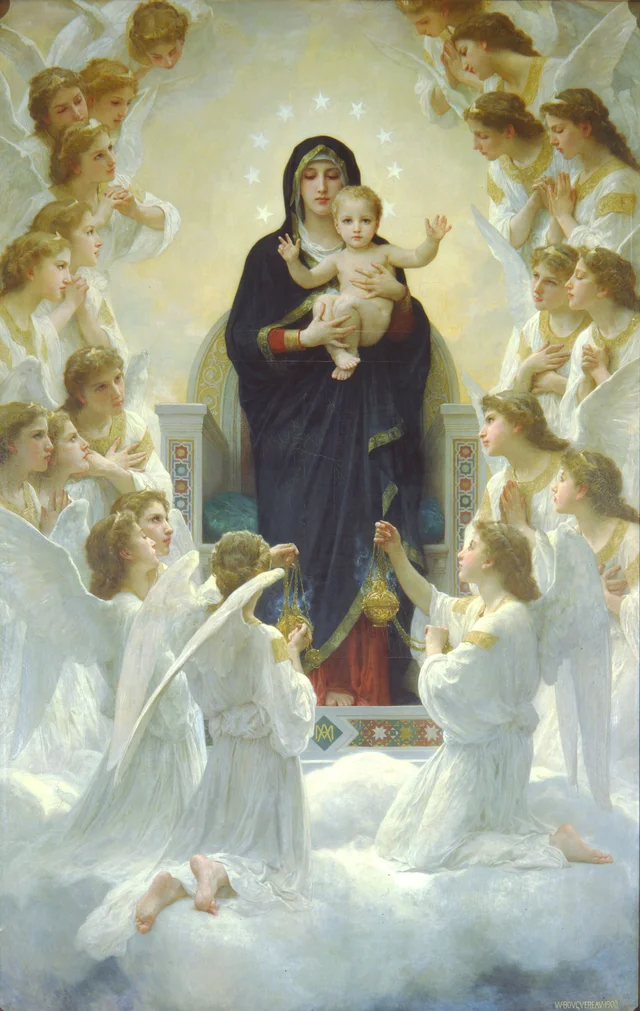 Die Jungfrau mit den EngelnWilliam-Adolphe Bouguereau, 1900
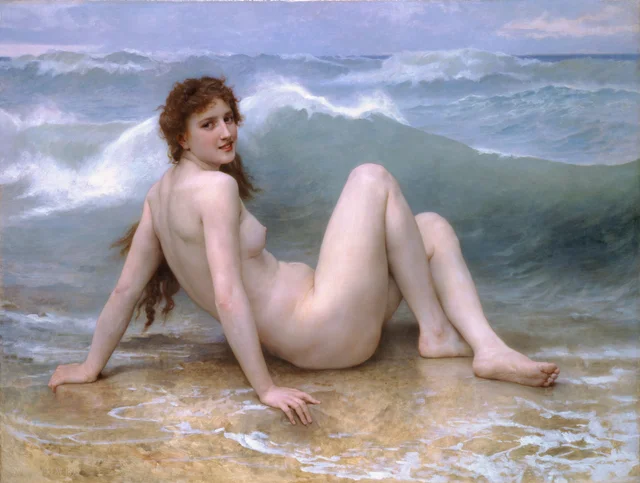 Die WelleWilliam-Adolphe Bouguereau, 1896
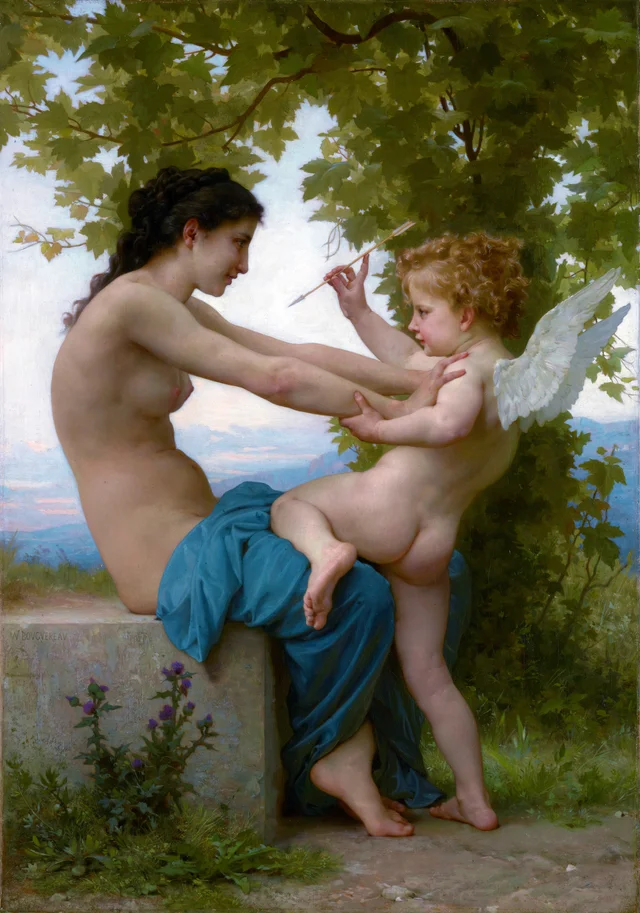 Junges Mädchen, das sich gegen Eros wehrtWilliam-Adolphe Bouguereau, 1880
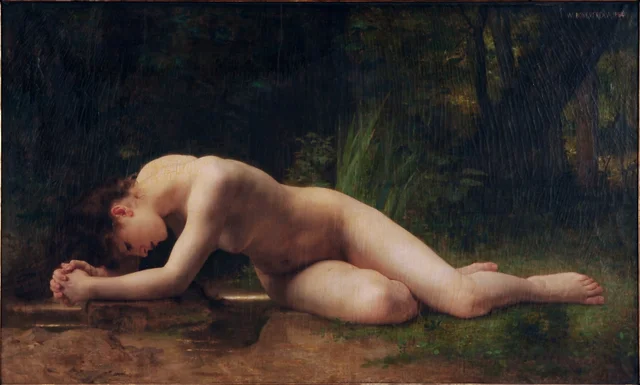 ByblisWilliam-Adolphe Bouguereau, 1884
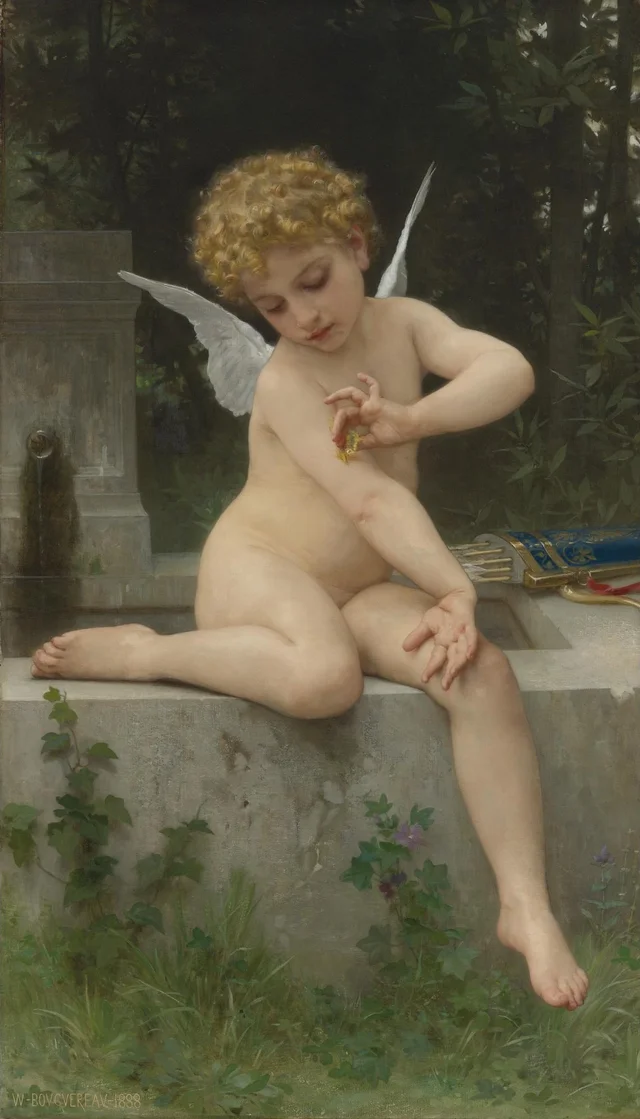 Amor mit einem SchmetterlingWilliam-Adolphe Bouguereau, 1888
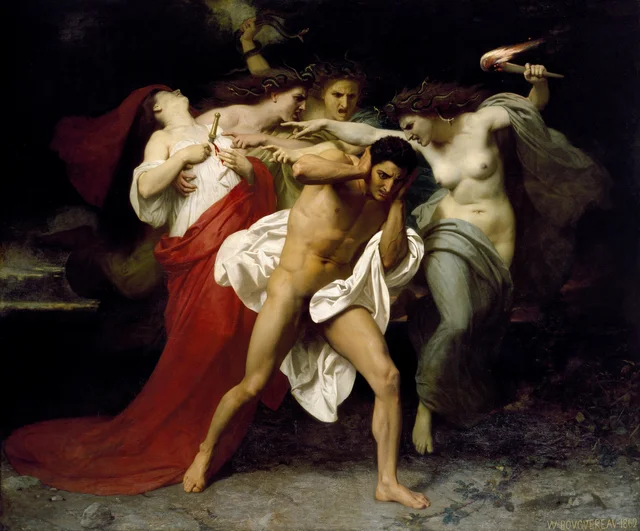 Orest von den Furien verfolgtWilliam-Adolphe Bouguereau, 1862
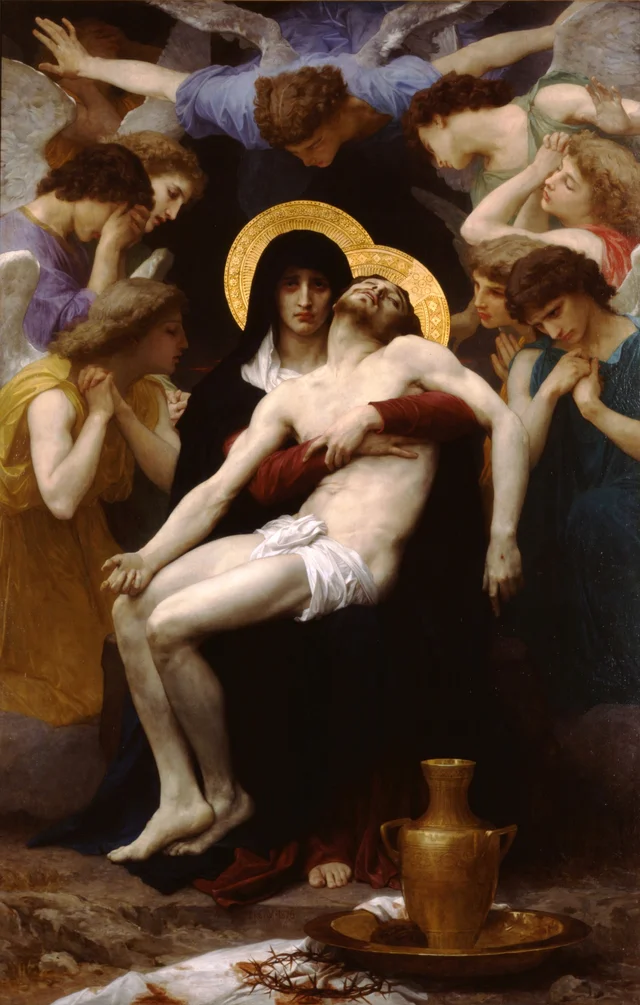 PietàWilliam-Adolphe Bouguereau, 1876
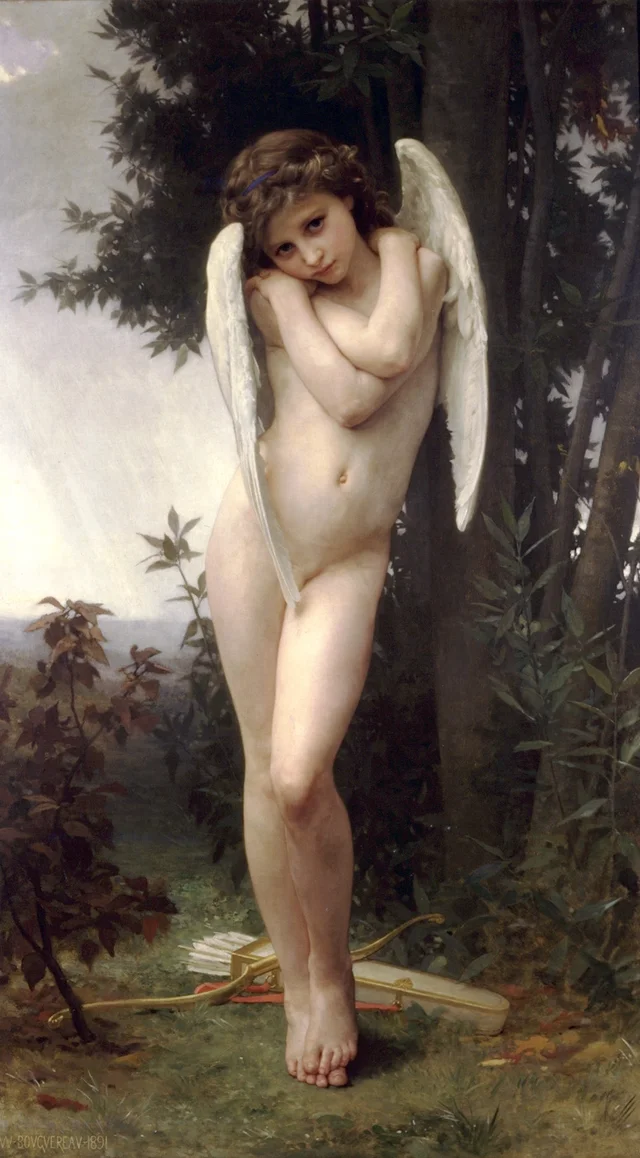 Nasser AmorWilliam-Adolphe Bouguereau, 1891
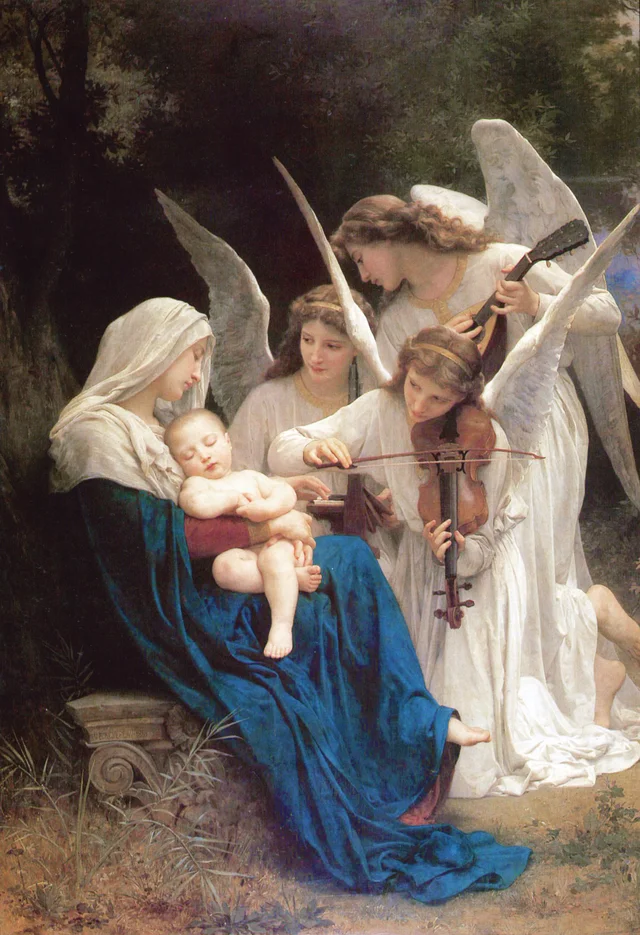 Jungfrau mit EngelnWilliam-Adolphe Bouguereau, 1881
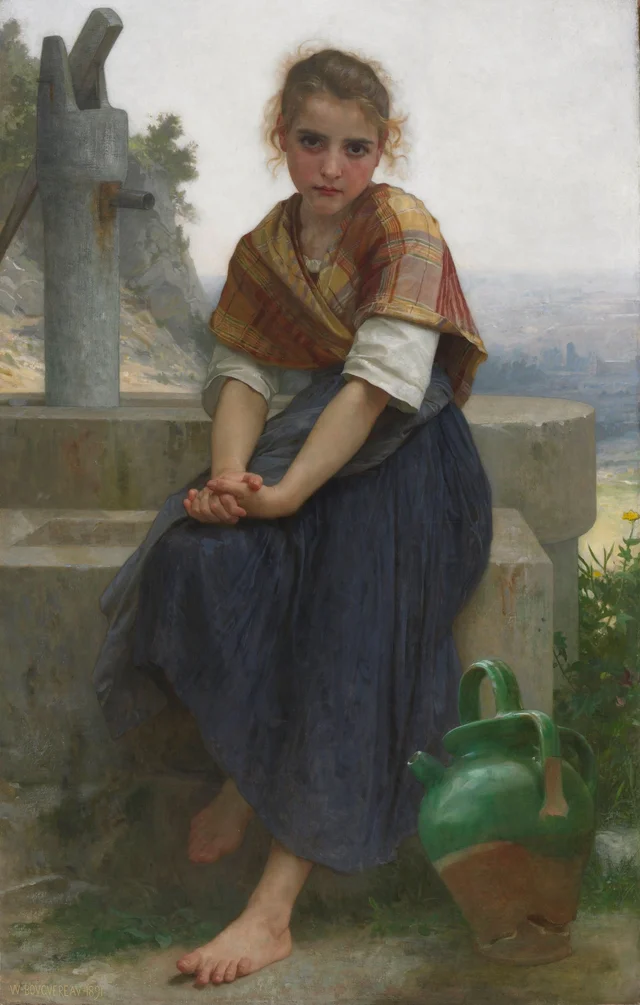 Der zerbrochene KrugWilliam-Adolphe Bouguereau, 1891
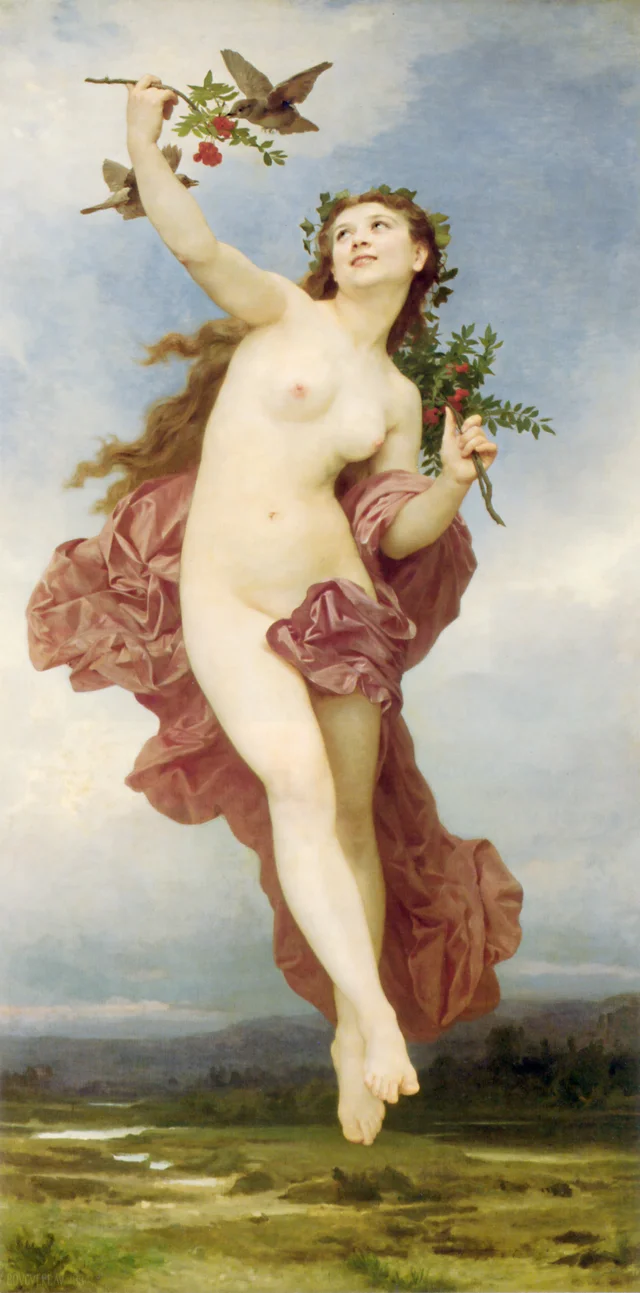 Der TagWilliam-Adolphe Bouguereau, 1884
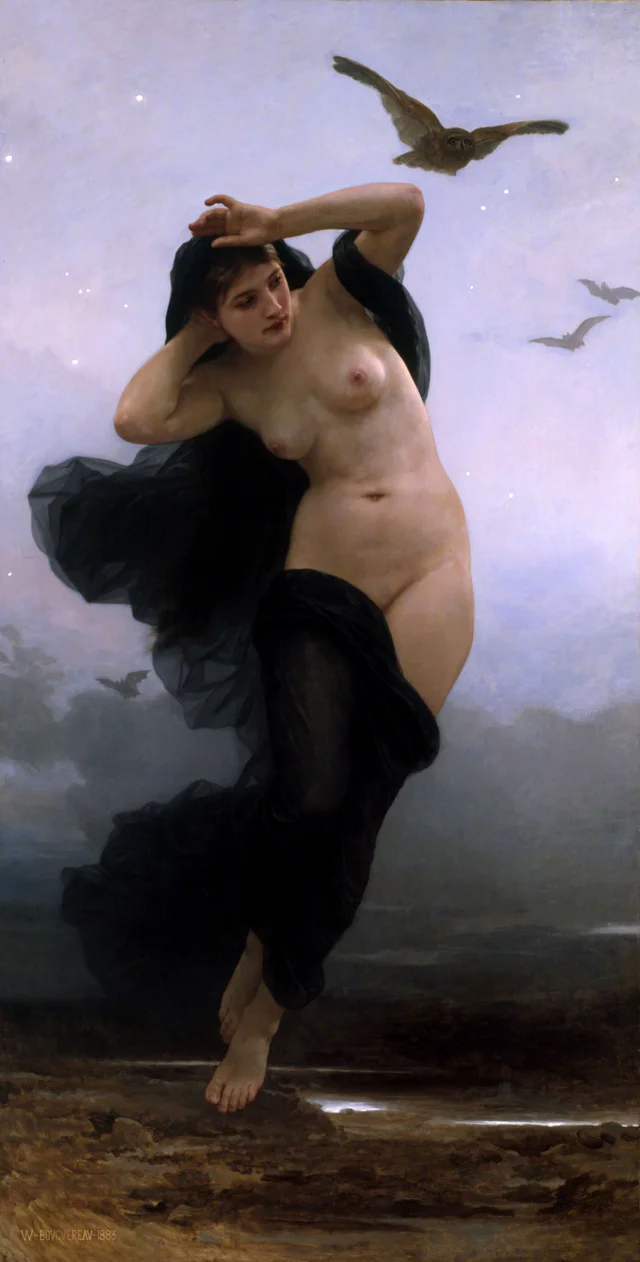 Die NachtWilliam-Adolphe Bouguereau, 1883
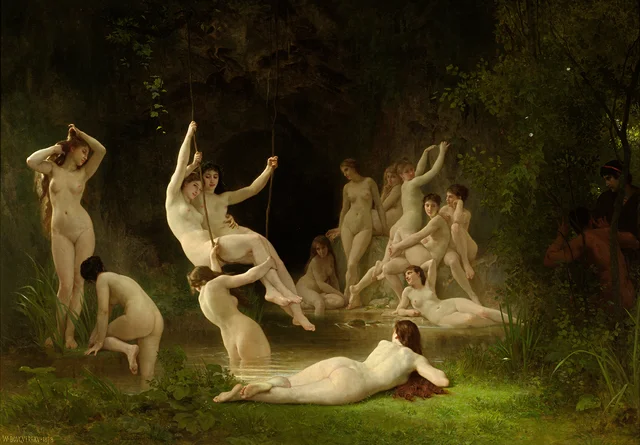 Das NymphäumWilliam-Adolphe Bouguereau, 1878
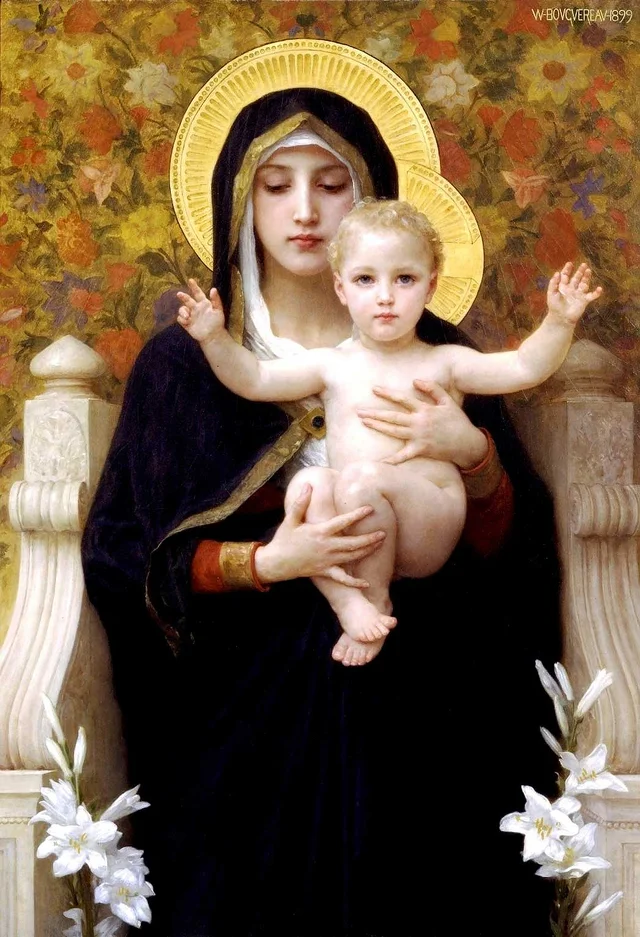 Die Jungfrau der LilienWilliam-Adolphe Bouguereau, 1899
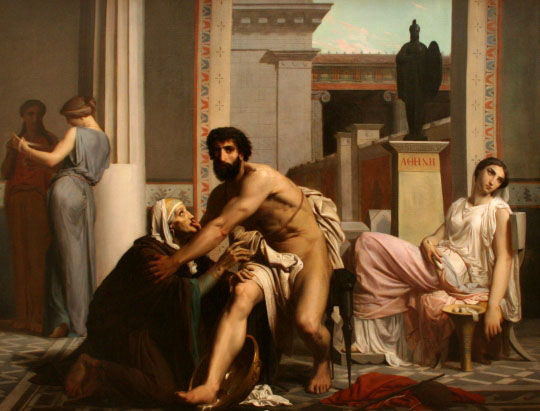 Odysseus, von seiner Amme bei seiner Rückkehr aus Troja erkanntWilliam-Adolphe Bouguereau, 1849
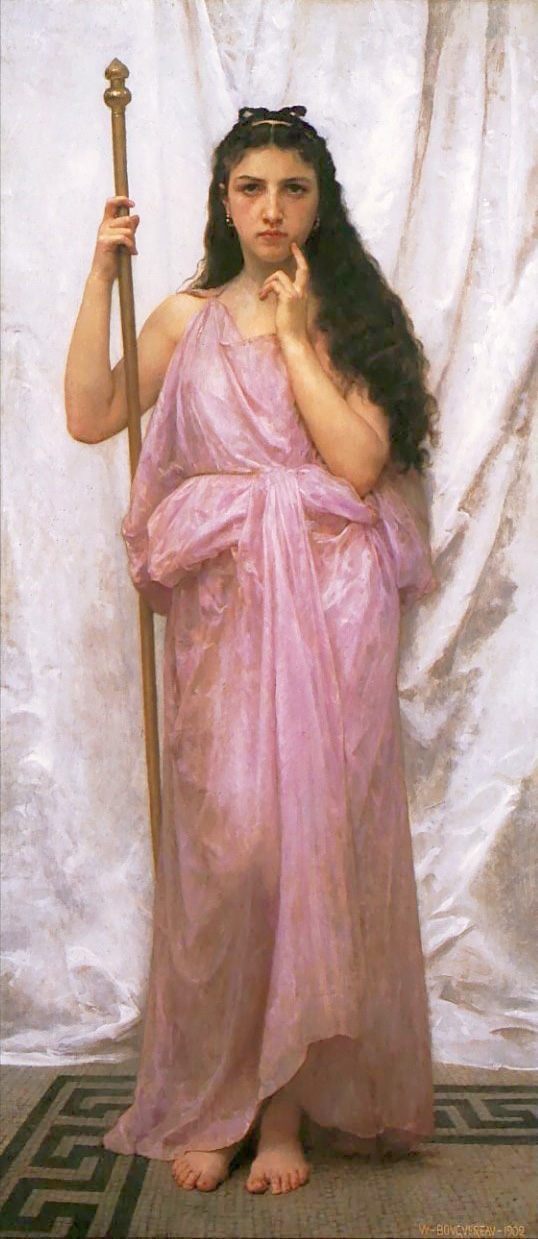 Junge PriesterinWilliam-Adolphe Bouguereau, 1902
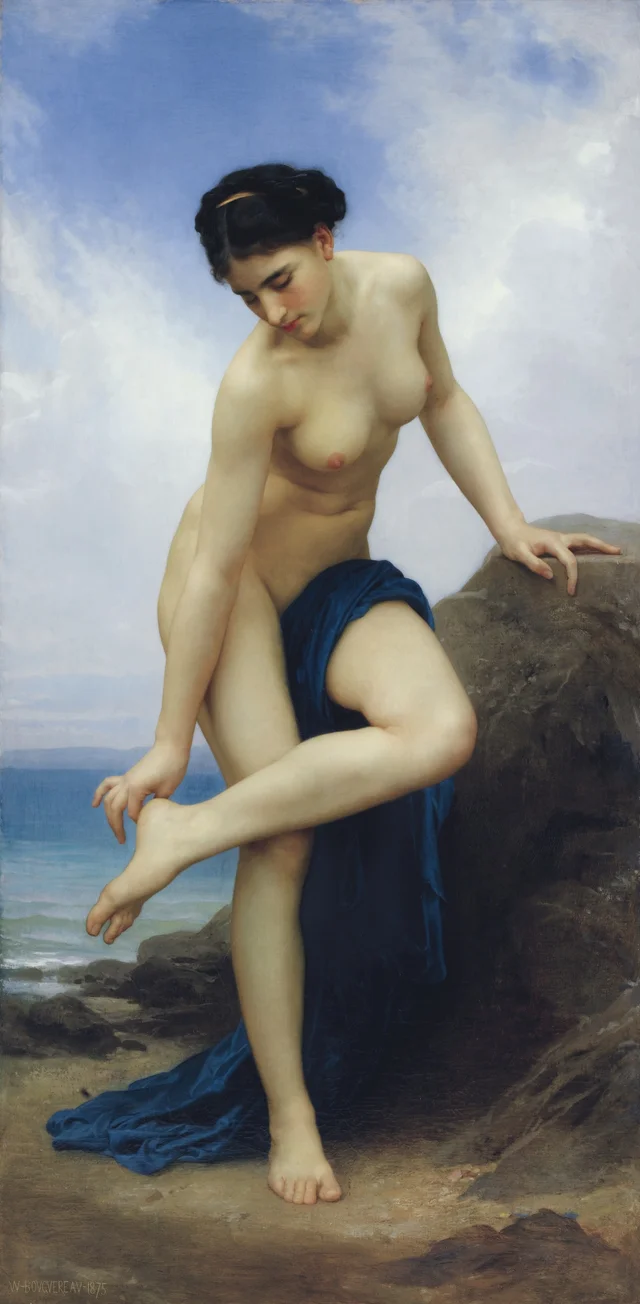 Nach dem BadWilliam-Adolphe Bouguereau, 1875
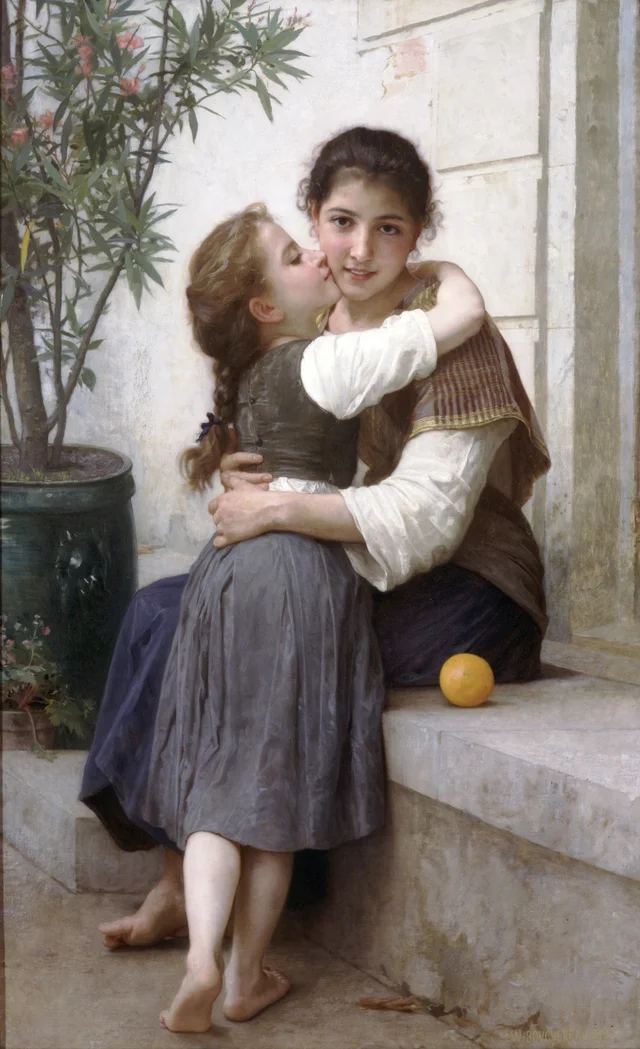 Ein wenig ÜberredungWilliam-Adolphe Bouguereau, 1890
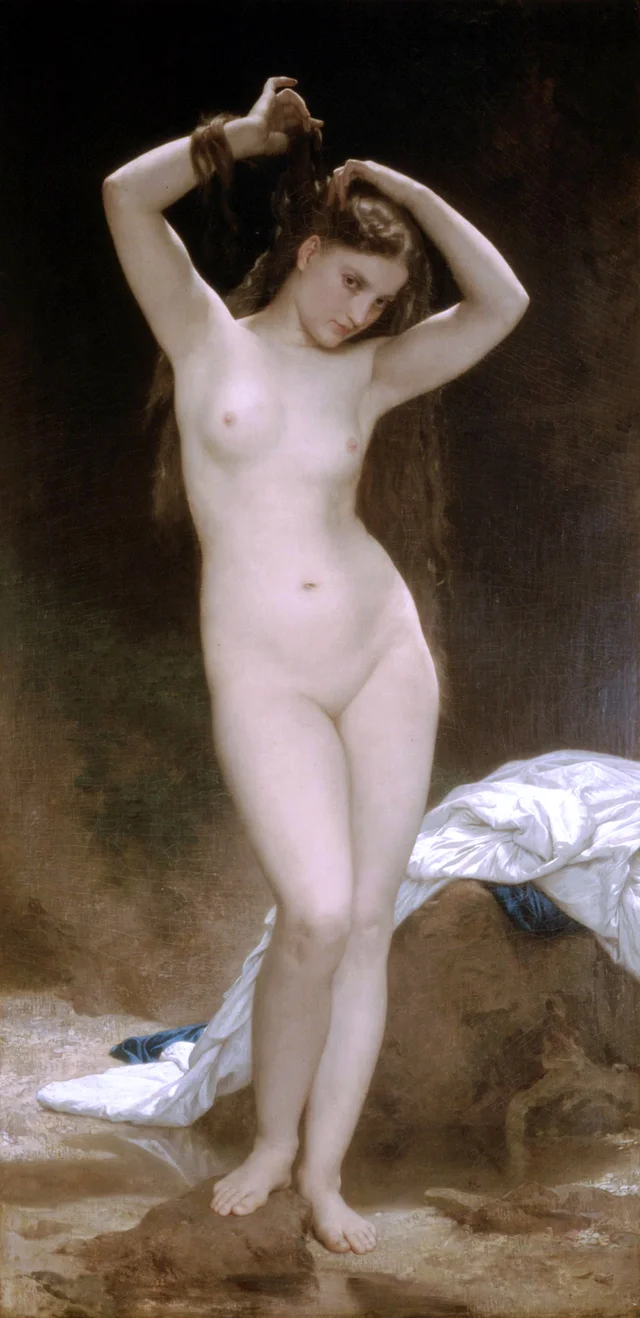 BadendeWilliam-Adolphe Bouguereau, 1870
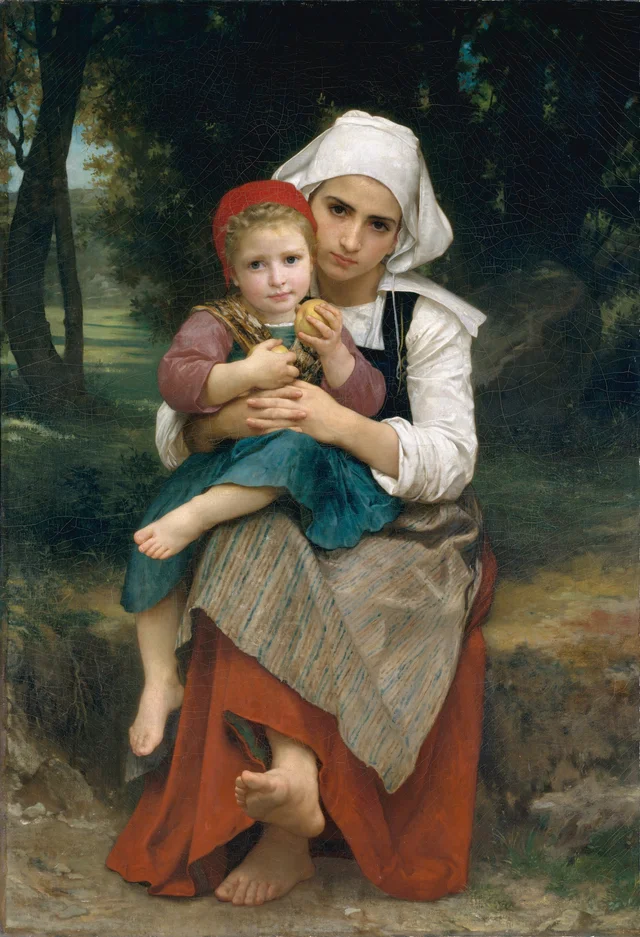 Bretonischer Bruder und SchwesterWilliam-Adolphe Bouguereau, 1871
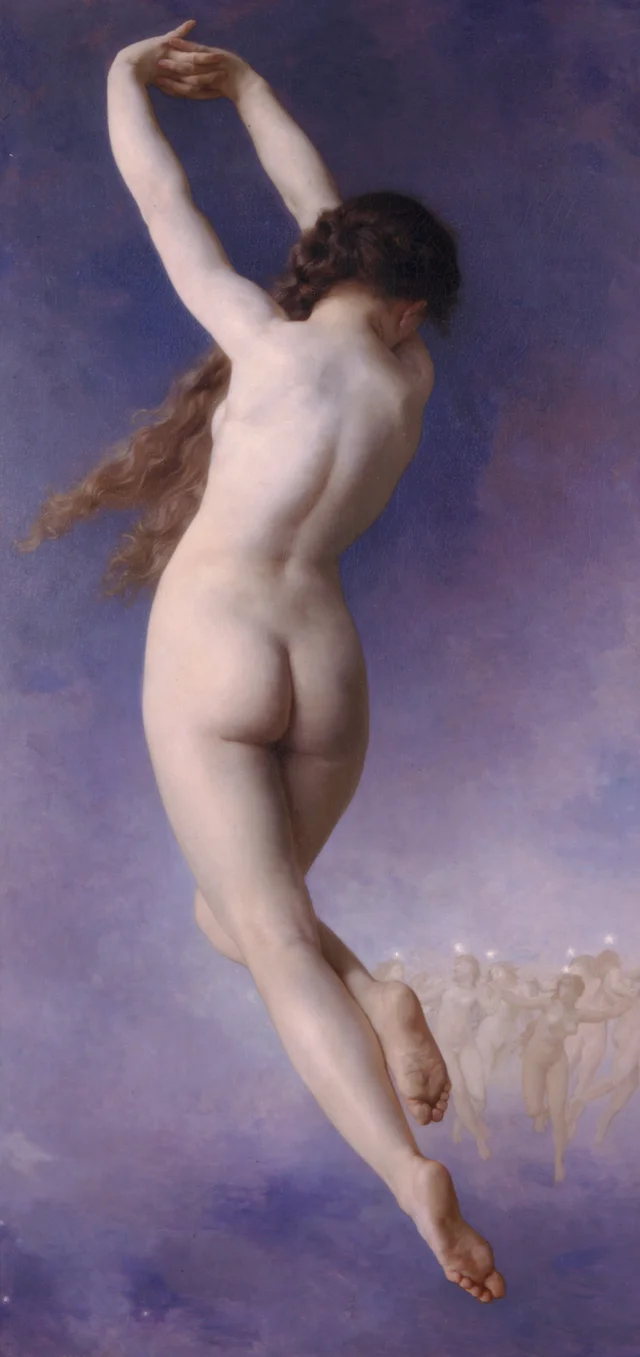 Die verlorene PlejadeWilliam-Adolphe Bouguereau, 1884
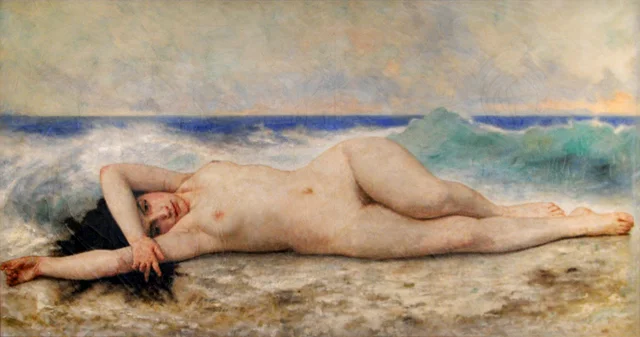 OzeannympheWilliam-Adolphe Bouguereau, 1904
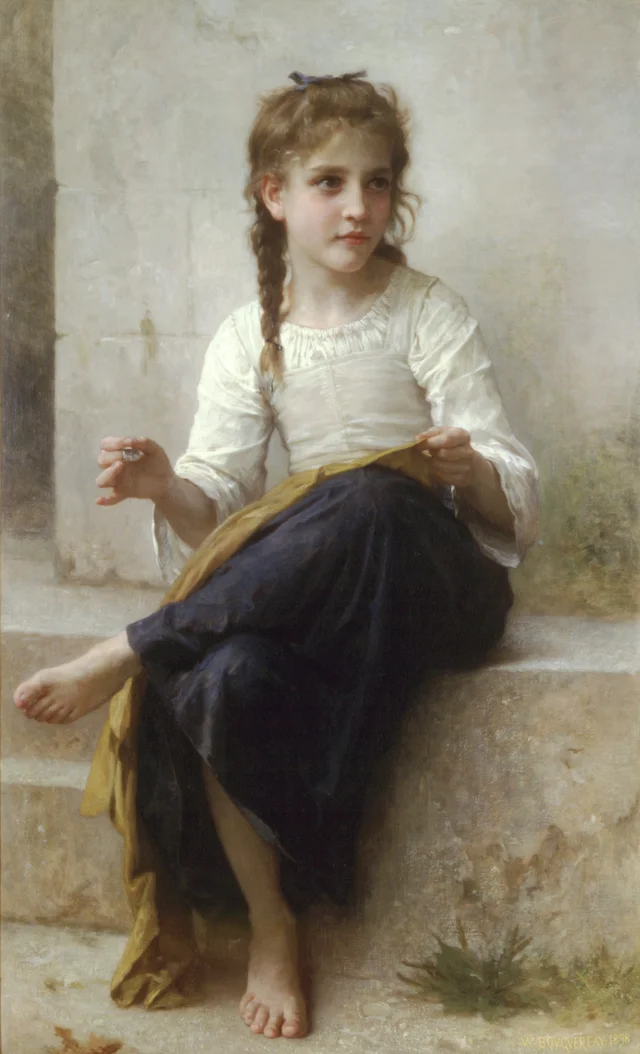 NähenWilliam-Adolphe Bouguereau, 1898