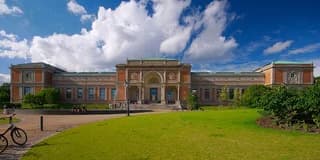
Die Geschichte
Was heute die Nationalgalerie Dänemarks ist, begann als privater Hort seiner Könige. Die königliche Gemäldesammlung reicht bis ins frühe 16. Jahrhundert zurück, und einer ihrer ältesten Schätze kam als Geschenk, als Albrecht Dürer König Christian II. eine Reihe seiner feinsten Druckgrafiken sandte. Jahrhundertelang blieben diese Werke in königlicher Hand. Ab 1843 wurden sie der Öffentlichkeit gezeigt, und 1896 zogen sie in eine eigens errichtete Galerie mitten in Kopenhagen, wo sie geblieben sind.
Die große Stärke des Museums ist das Dänische Goldene Zeitalter, die Blüte der Malerei in der ersten Hälfte des 19. Jahrhunderts. Christoffer Wilhelm Eckersberg, oft der Vater der dänischen Malerei genannt, lehrte eine Generation, das gewöhnliche Licht genau zu betrachten, und sein Schüler Christen Købke malte die Dächer, Wälle und stillen Morgen Kopenhagens mit einer ruhigen Genauigkeit, die noch heute modern wirkt. Ihre kleinen, stillen Bilder sind es, weswegen viele Besucher kommen.
Um sie herum weitet sich die Sammlung zu sieben Jahrhunderten europäischer Kunst, mit Mantegna, Tizian, Rubens und Rembrandt und einem starken modernen Flügel bis zu Matisse und den dänischen Modernen. Ein glasüberdachter Anbau verbindet das alte Gebäude von 1896 mit einer langen Skulpturenstraße, sodass der Weg selbst von der königlichen Bildergalerie in eine offene, taghelle Halle führt.
Sammlung
28 Werke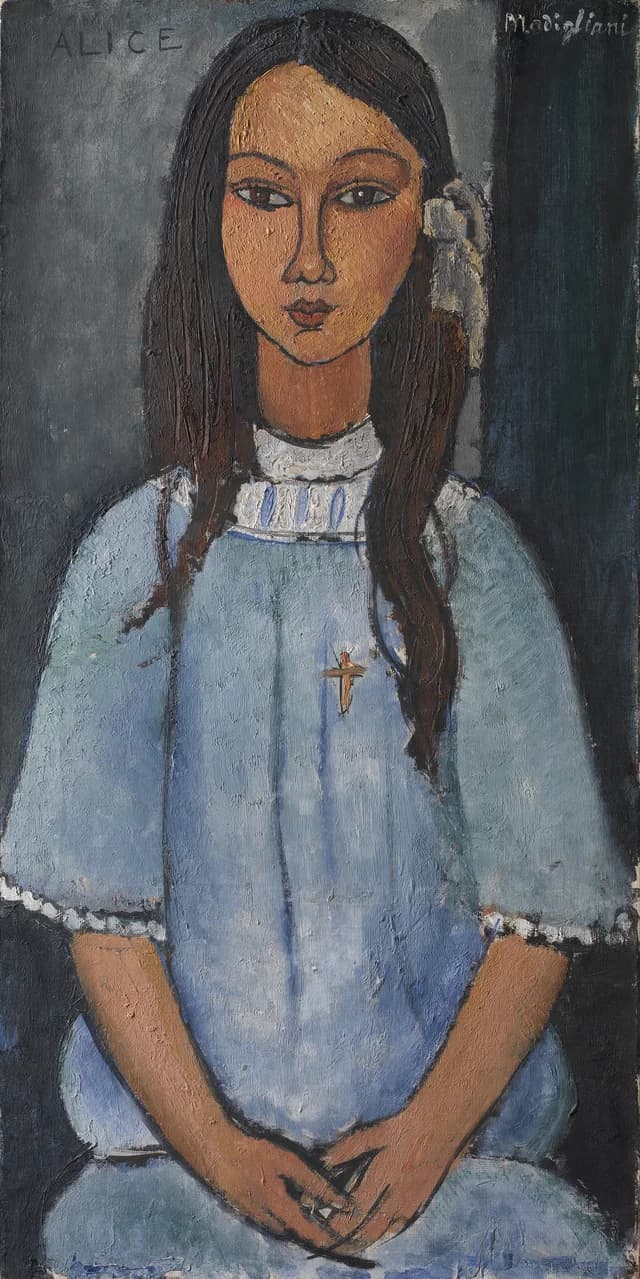 AliceAmedeo Modigliani, 1918
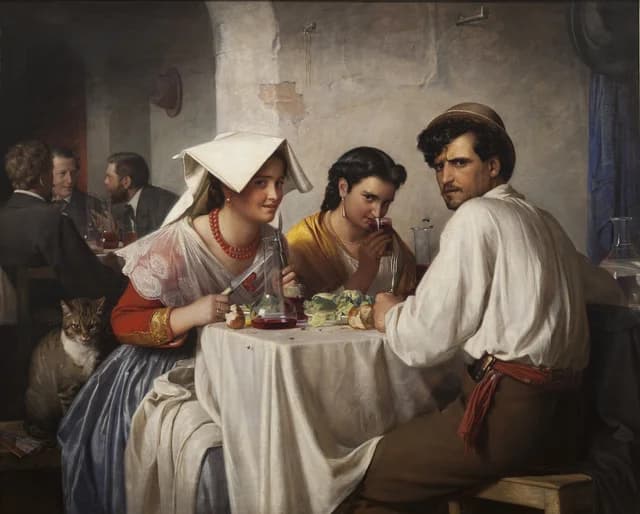 In einer römischen OsteriaCarl Bloch, 1866
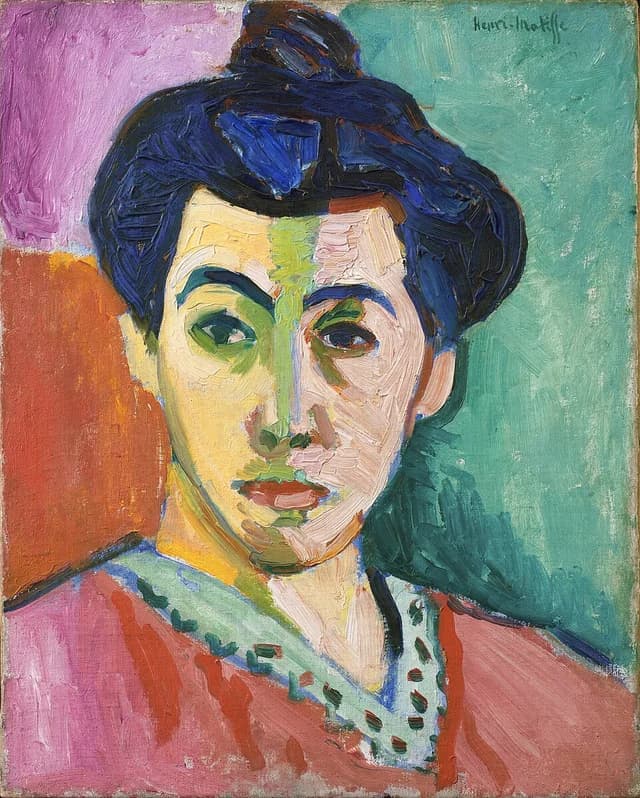 Der grüne StreifenHenri Matisse, 1905
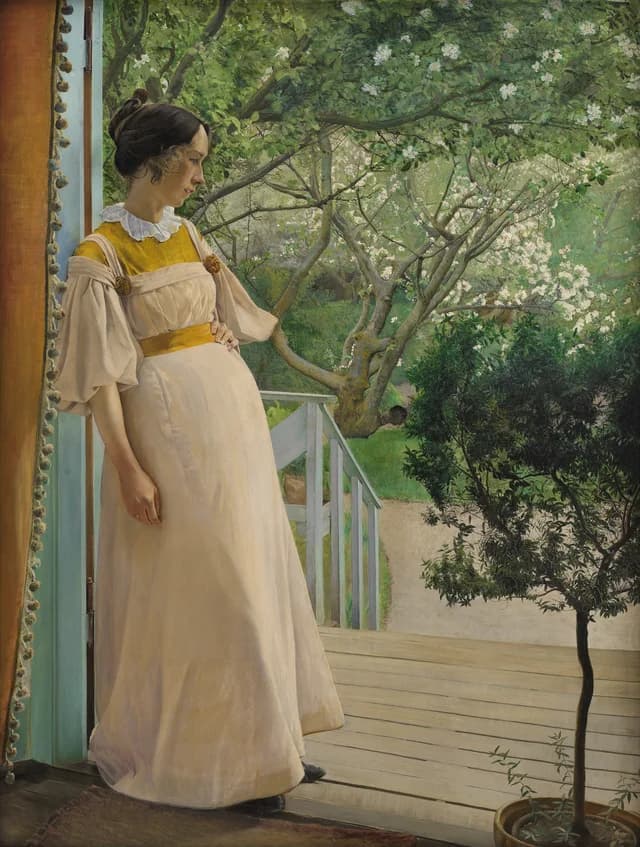 Am Fenster. Die Frau des KünstlersLaurits Andersen Ring, 1897
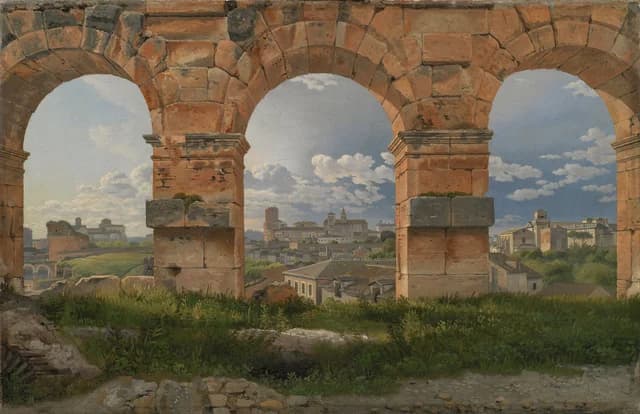 Blick durch drei der nordwestlichen Arkaden des dritten Stockwerks des KolosseumsChristoffer Wilhelm Eckersberg, 1815
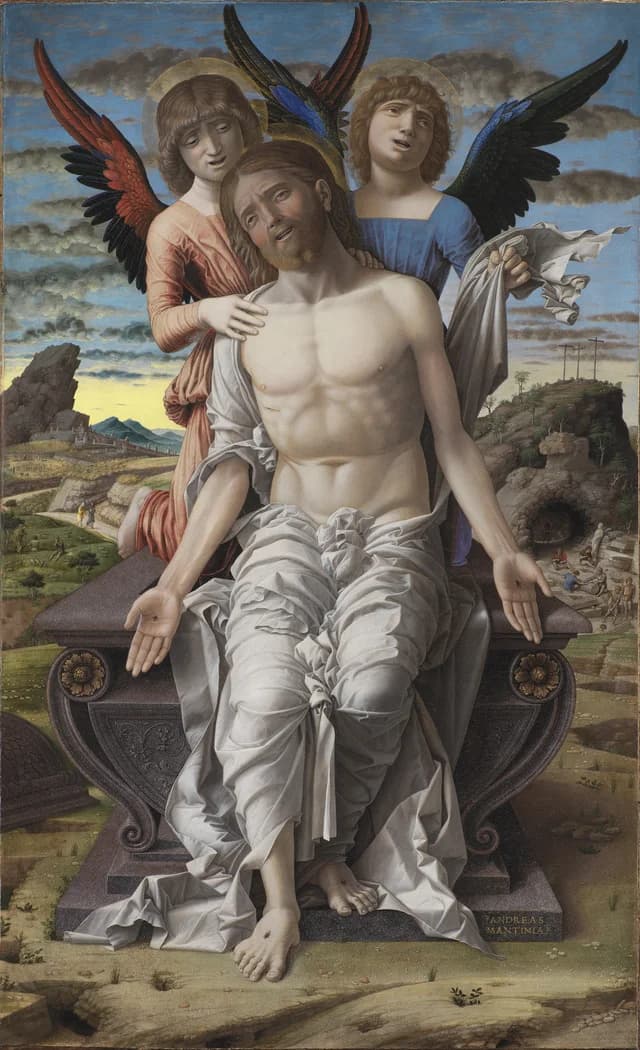 Christus als leidender ErlöserAndrea Mantegna, 1488
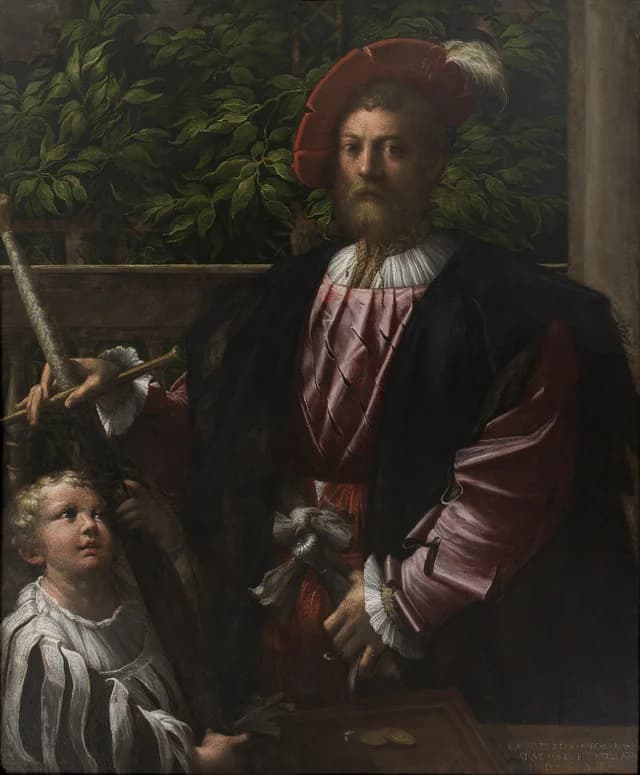 Bildnis des Lorenzo CyboParmigianino, 1524
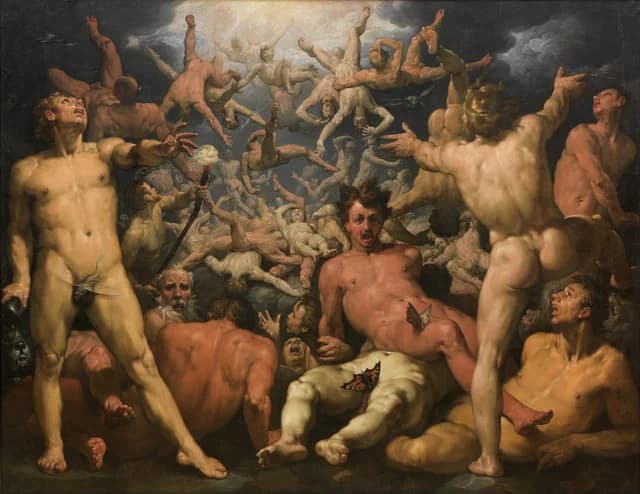 Der Sturz der TitanenCornelis van Haarlem, 1588
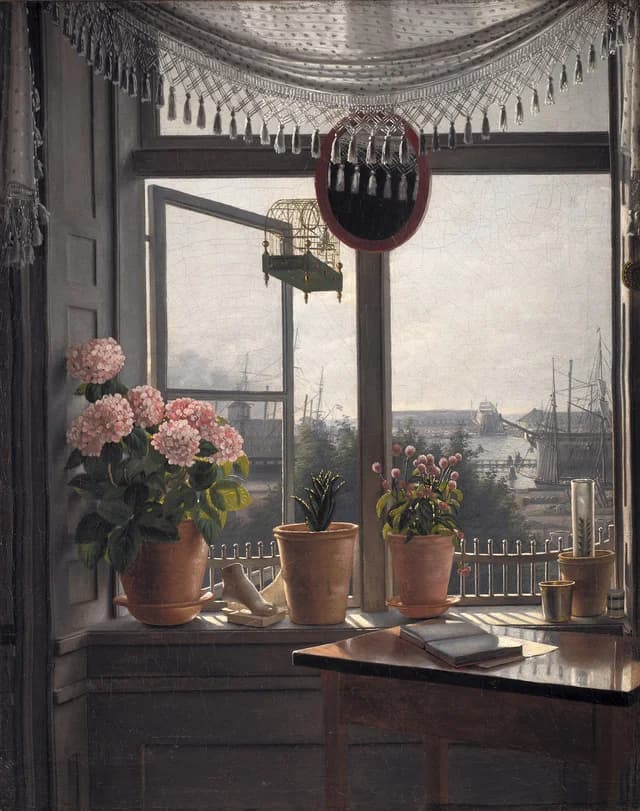 Blick aus dem Fenster des KünstlersMartinus Rørbye, 1825
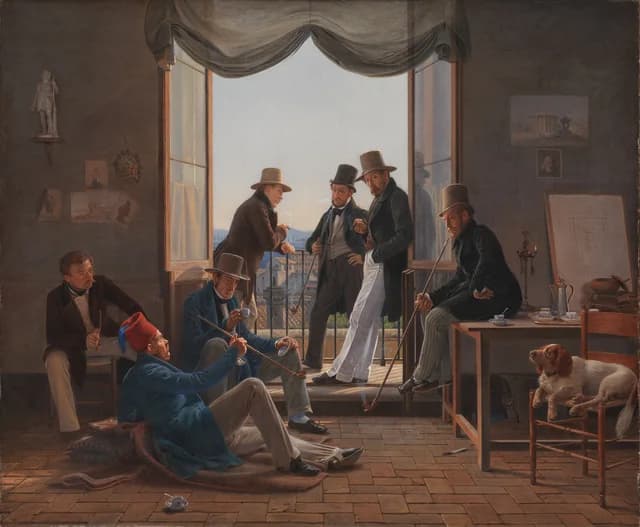 Eine Gruppe dänischer Künstler in RomConstantin Hansen, 1837
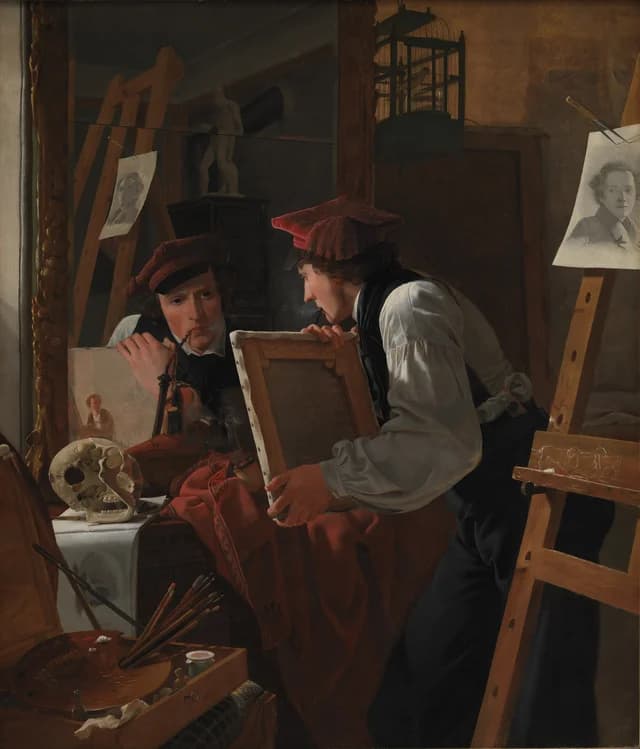 Ein junger Künstler (Ditlev Blunck) betrachtet eine Skizze im SpiegelWilhelm Bendz, 1826
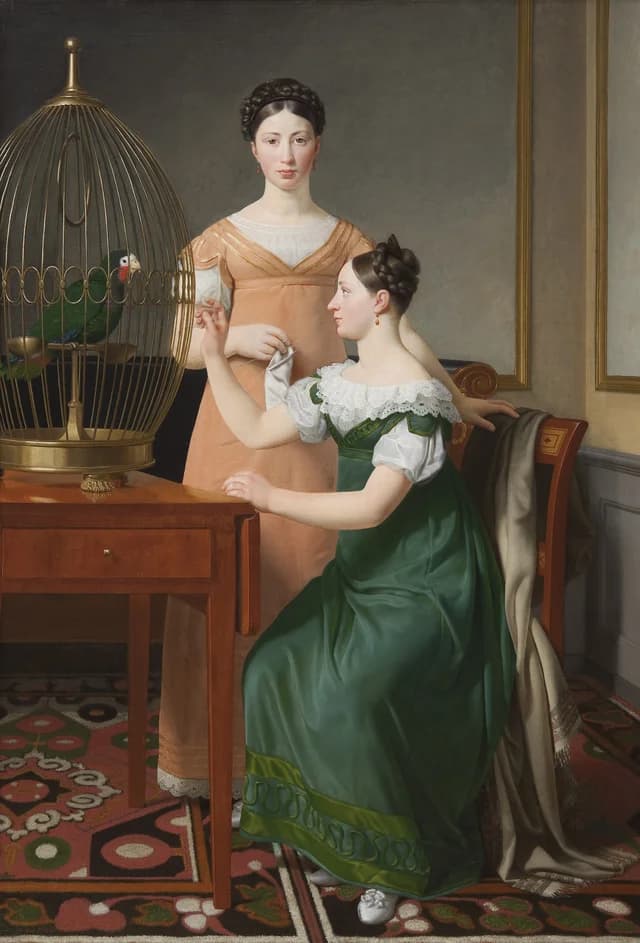 Bella und Hanna. Die ältesten Töchter von M. L. NathansonChristoffer Wilhelm Eckersberg, 1820
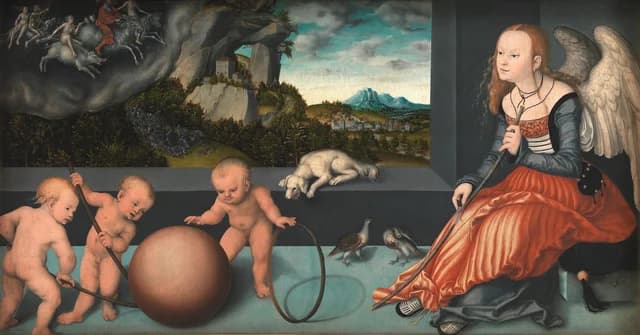 Die MelancholieLucas Cranach der Ältere, 1532
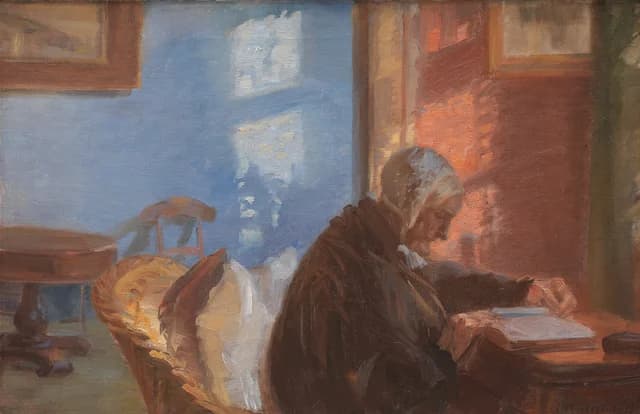 Die Mutter der Künstlerin, Ane Hedvig Brøndum, im roten ZimmerAnna Ancher, 1909
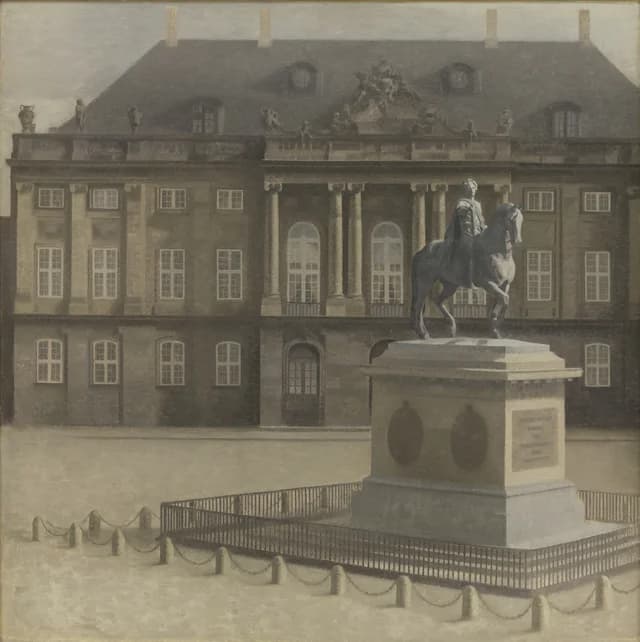 Der Amalienborg-Platz, KopenhagenVilhelm Hammershøi, 1896
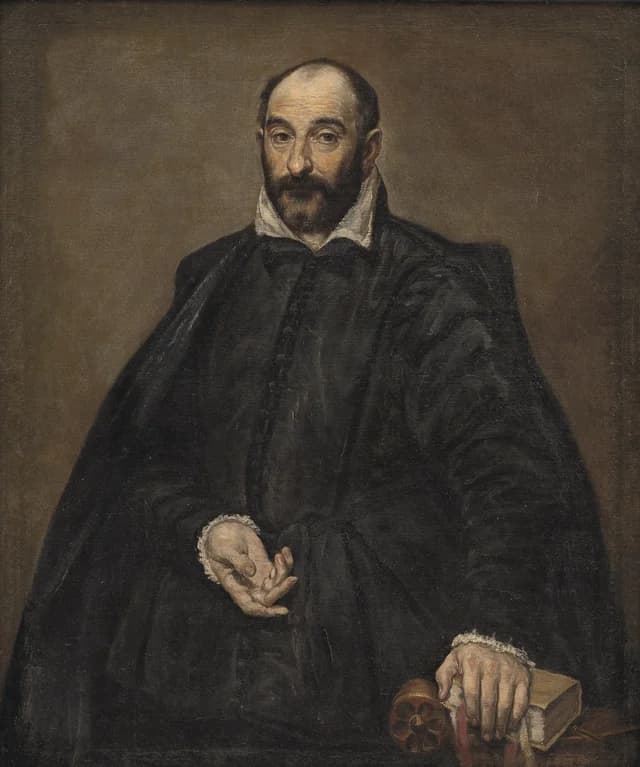 Bildnis eines MannesEl Greco, 1570
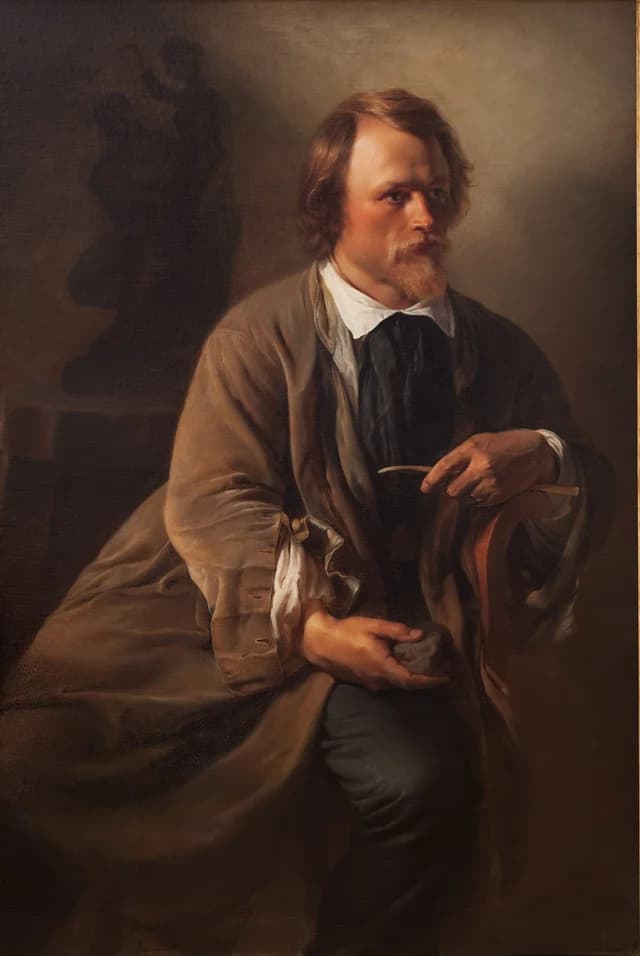 Der Bildhauer Jens Adolf Jerichau, der Ehemann der KünstlerinElisabeth Baumann, 1846
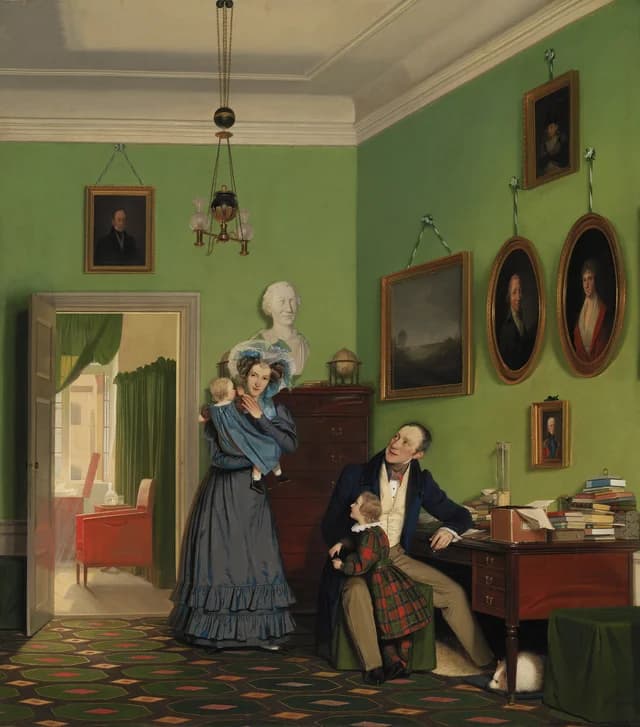 Die Familie WaagepetersenWilhelm Bendz, 1830
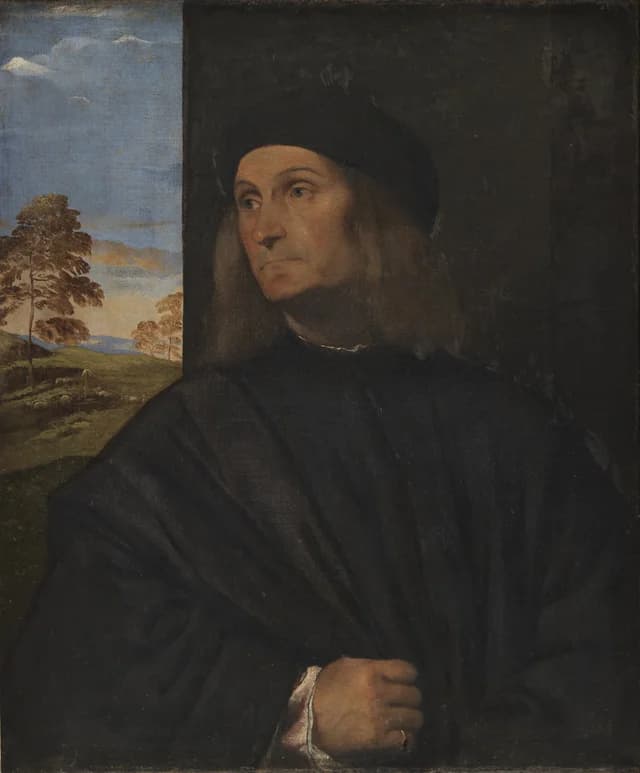 Porträt des venezianischen Malers Giovanni Bellini (?)Tizian, 1511
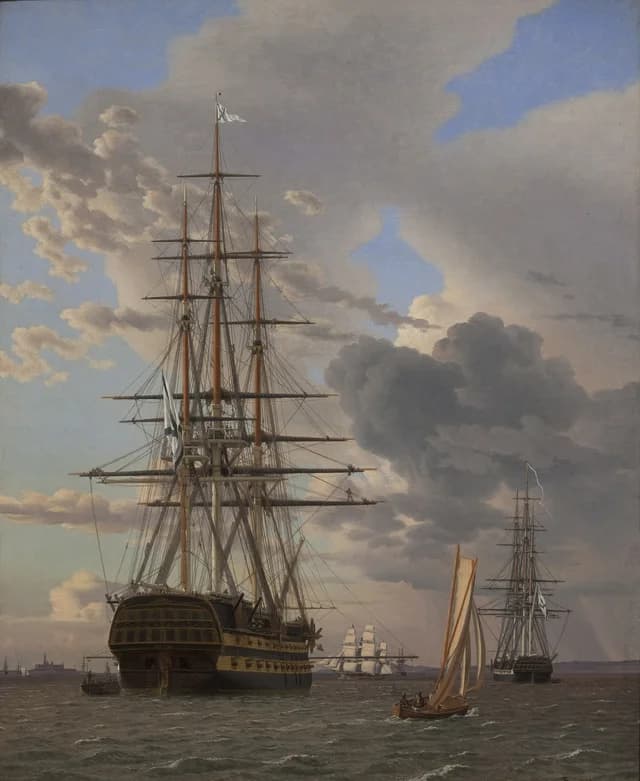 Das russische Linienschiff „Asow“ und eine Fregatte vor Anker auf der Reede von HelsingørChristoffer Wilhelm Eckersberg, 1828
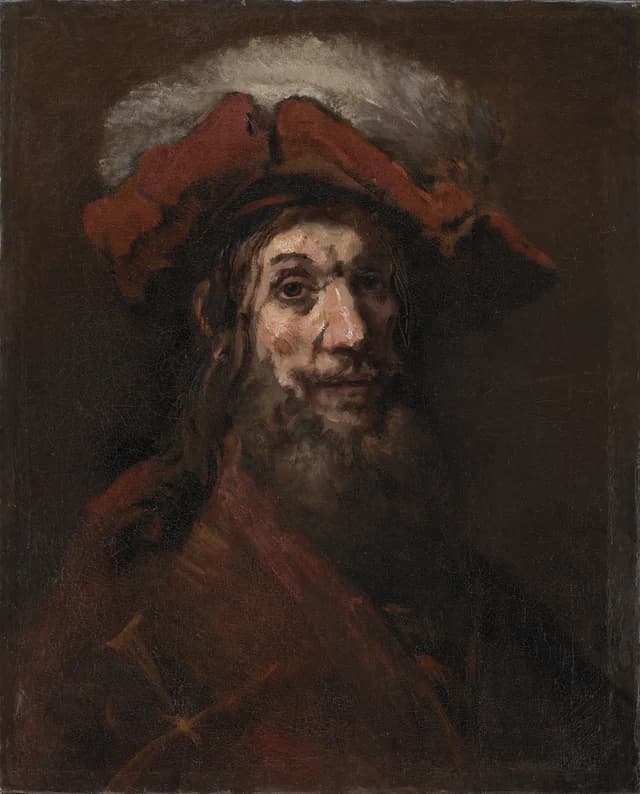 Mann mit gefiedertem BarettRembrandt, 1659
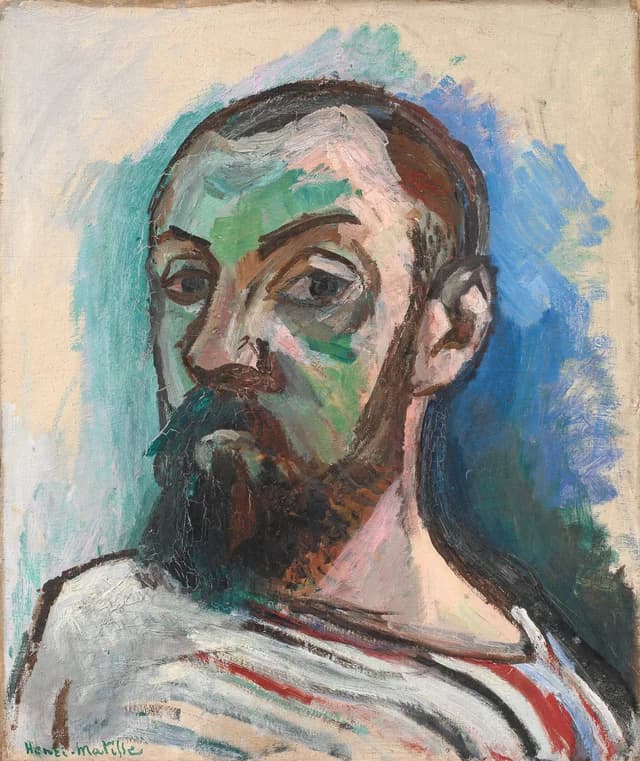 Selbstbildnis im gestreiften HemdHenri Matisse, 1906
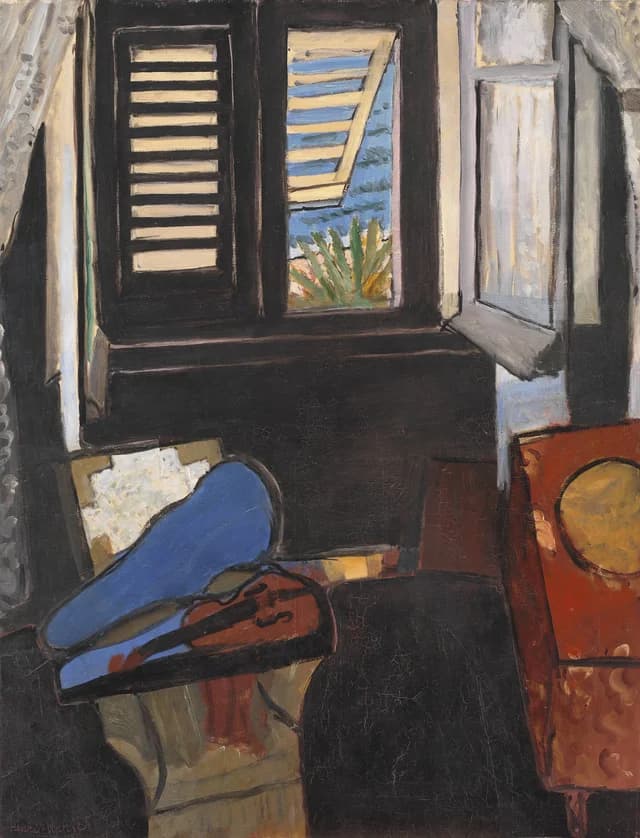 Interieur mit GeigeHenri Matisse, 1918
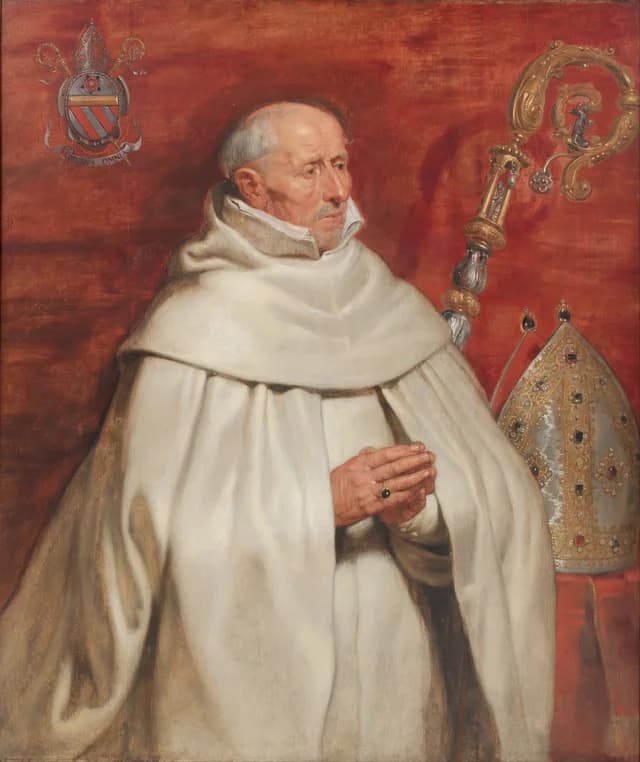 Porträt des Matthaeus Yrsselius, Abt der Michaelisabtei in AntwerpenPeter Paul Rubens, 1624
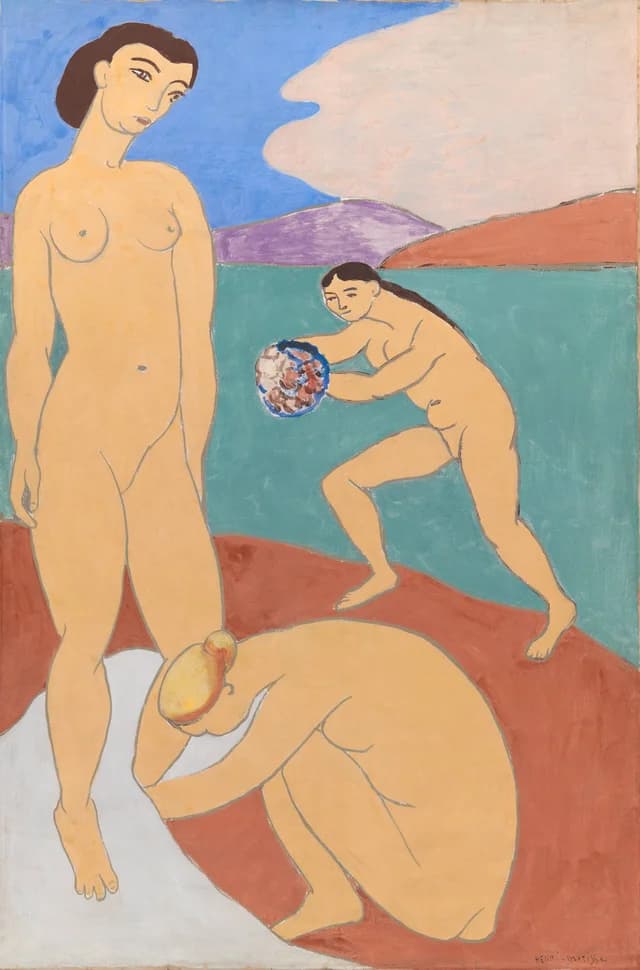 Der Luxus IIHenri Matisse, 1908