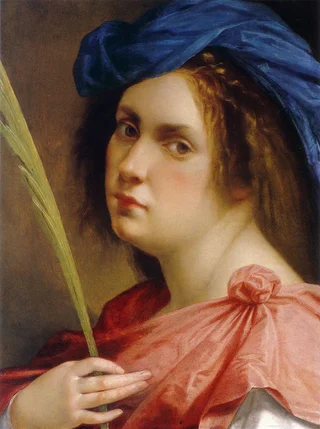
Artemisia Gentileschi
1593 · Papal States · Caravaggisti
The story
By 1610, at seventeen, Artemisia Gentileschi had already painted Susanna and the Elders, a large biblical scene signed with her own name, trained since childhood in her father Orazio's workshop in Rome. Two years later she spent seven months testifying in a rape trial. The accused was Agostino Tassi, a painter her father had hired to tutor her. Because the court did not trust a woman's word alone, she was made to give her testimony with cords tightened around her fingers, a routine method meant to test whether pain would make her change her story. It did not. Tassi was convicted, though the sentence against him was quietly never enforced.
Around that same period she painted her own version of Judith Beheading Holofernes, the Old Testament widow who saves her city by killing an invading general in his tent. Earlier painters of the scene, including her father's friend Caravaggio, had kept Judith at a careful distance from the violence. Gentileschi's Judith and her maid lean their full weight into the act, blood arcing across the sheets, and art historians have long pointed out the resemblance between the dying general's face and Tassi's.
She went on to build a career few women of her era could match, painting for the Medici court in Florence, then in Rome, Venice, Naples and briefly for Charles I in London, and in 1616 became the first woman admitted to Florence's Accademia delle Arti del Disegno, the city's painters' academy.
More articles
 Article · 41 min readThe Uffizi: The Museum That Outlived the Medici
 Article · 45 min readCapodimonte: how 20 works came to the hill above Naples
 Article · 36 min readPalazzo Pitti: From Aretino's Gift to the Savoy Throne Room
 Article · 39 min readHow the National Gallery Came Together: From Angerstein to Artemisia
Works
76 works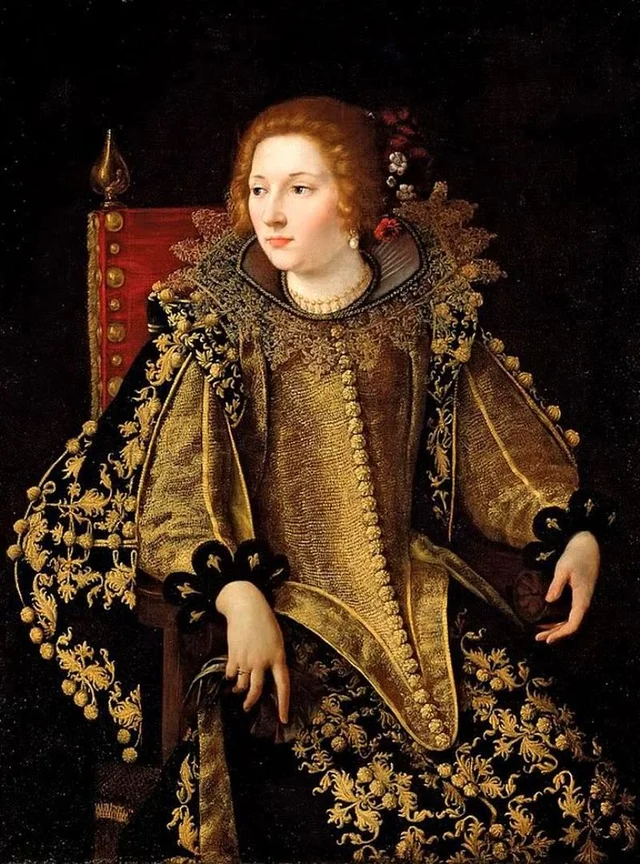 Portrait of a seated lady (senora Caterina Savelli?)Artemisia Gentileschi, 1625
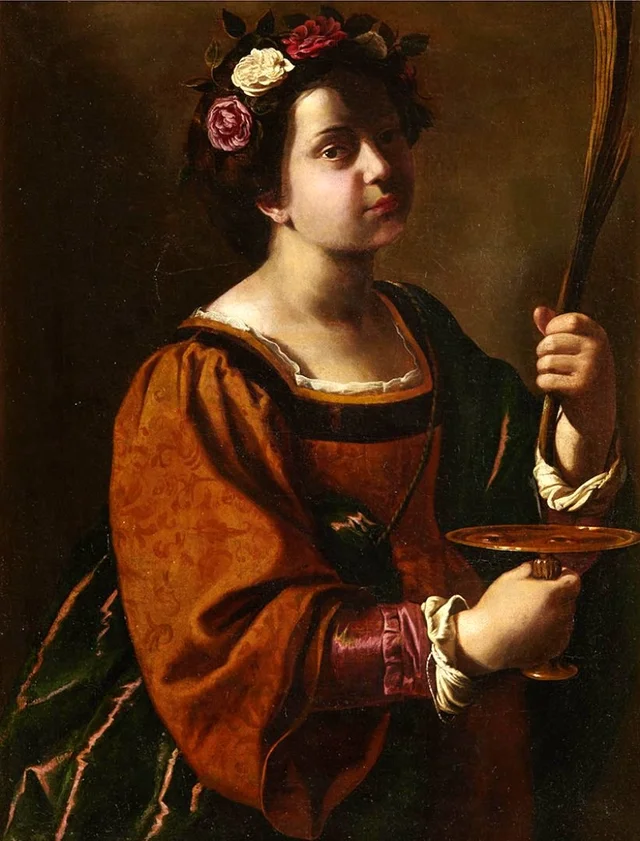 Saint LucyArtemisia Gentileschi, 1642
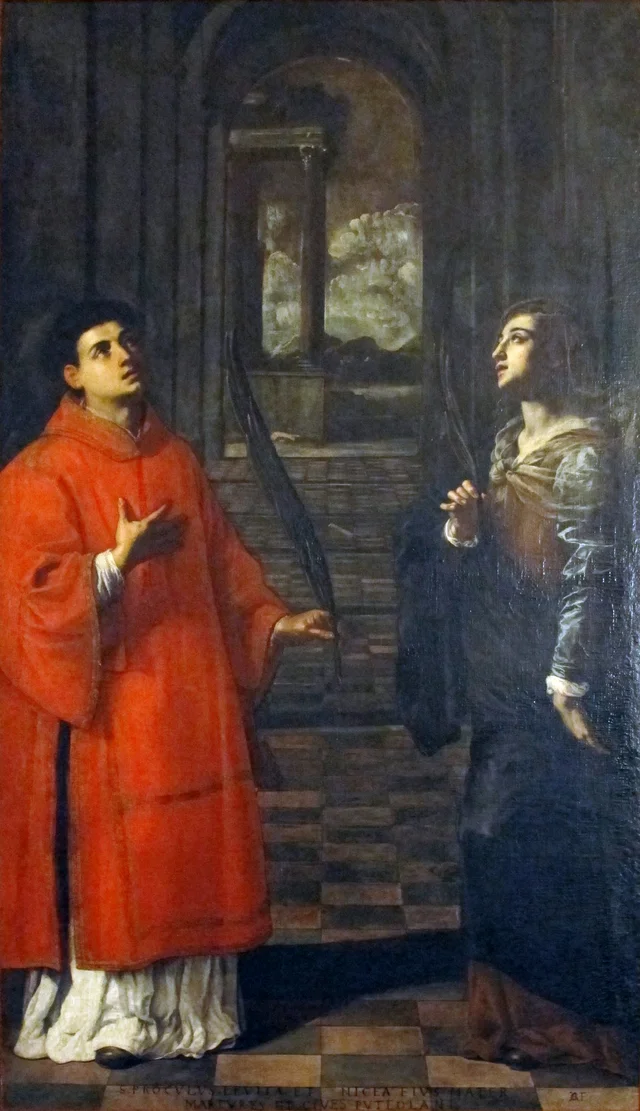 Saint Proculus of Pozzuoli and his mother Santa NicaeaArtemisia Gentileschi, 1637
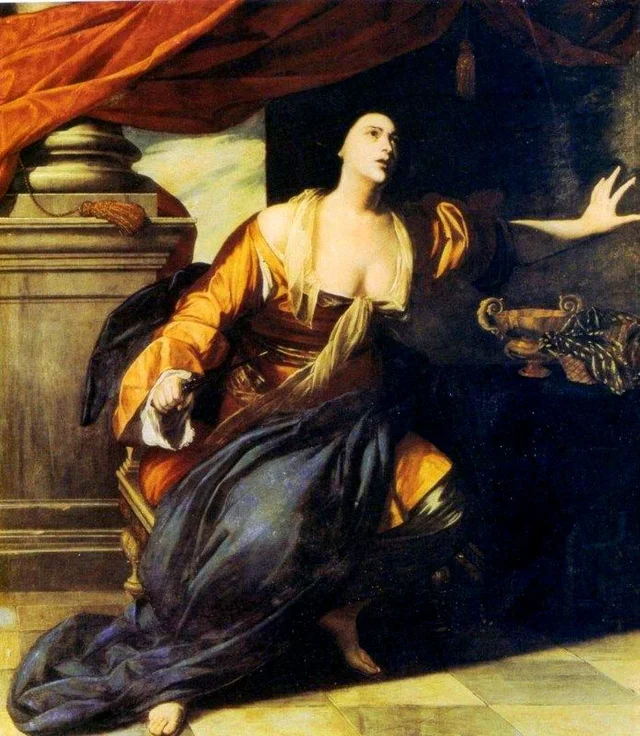 LucretiaArtemisia Gentileschi, 1643
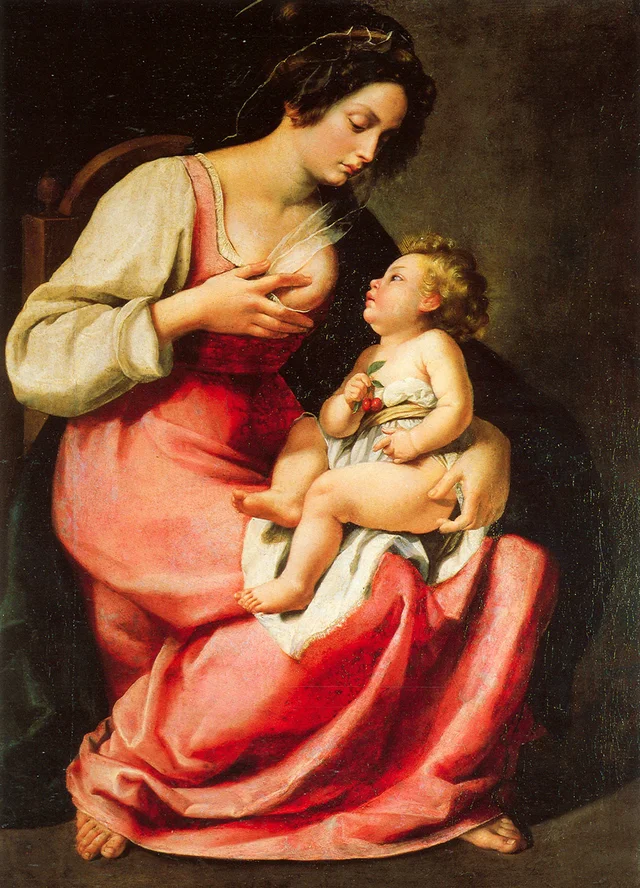 Madonna and ChildArtemisia Gentileschi, 1610
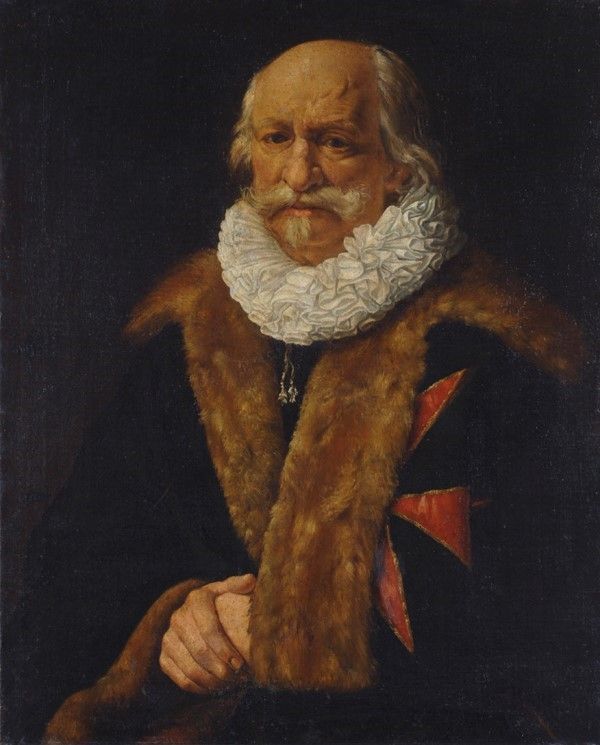 Portrait of a Knight of the Order of Saint StephenArtemisia Gentileschi, 1619
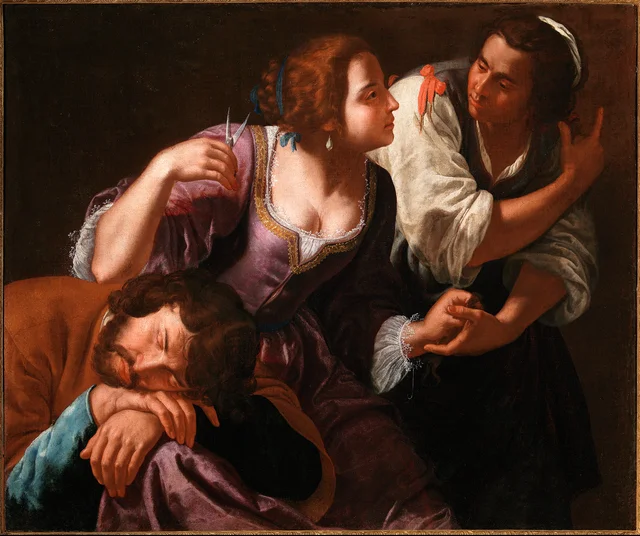 Samson and DelilahArtemisia Gentileschi, 1638
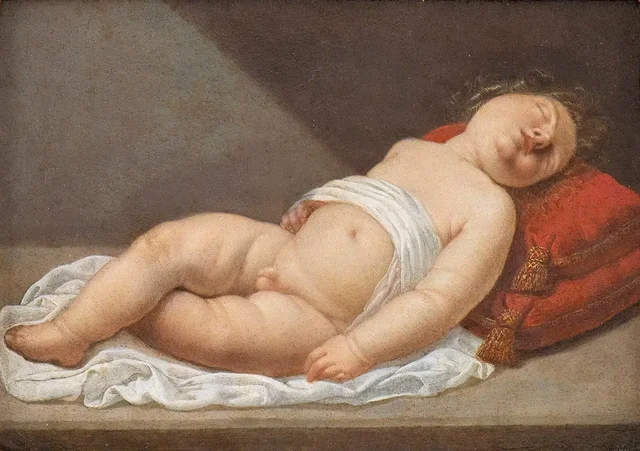 Sleeping CupidArtemisia Gentileschi, 1620
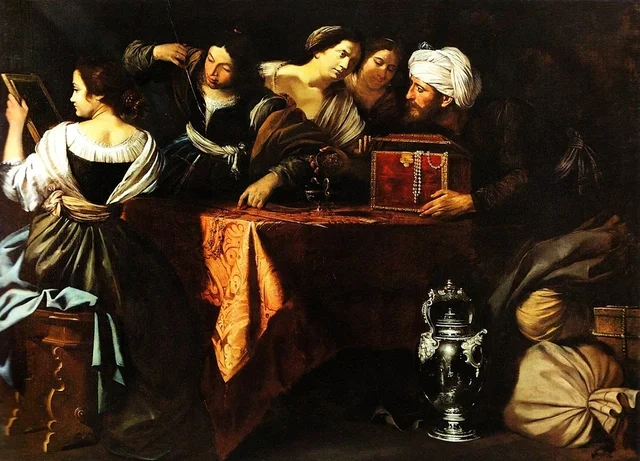 Ulysses finding Achilles at the Court of King LycomedesArtemisia Gentileschi, 1640
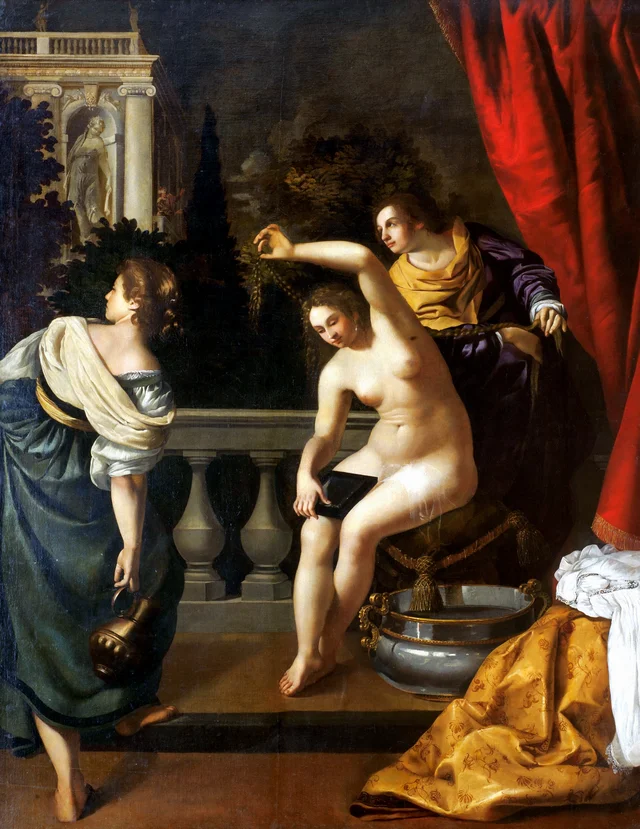 BathshebaArtemisia Gentileschi, 1640
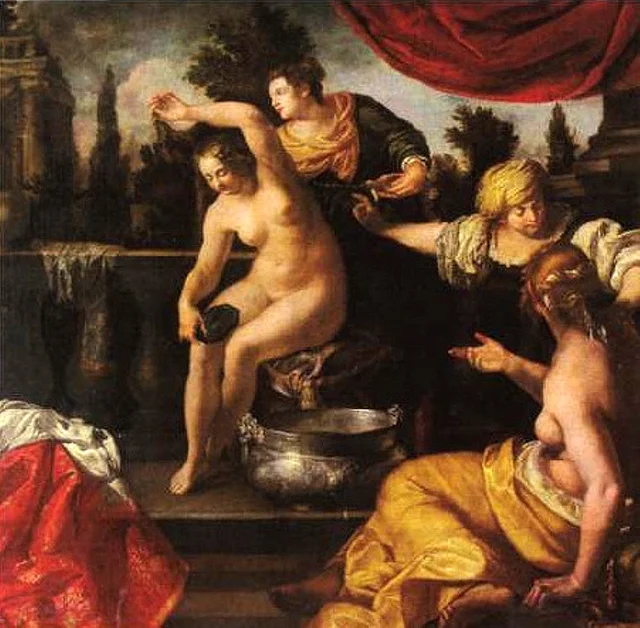 BathshebaArtemisia Gentileschi, 1640
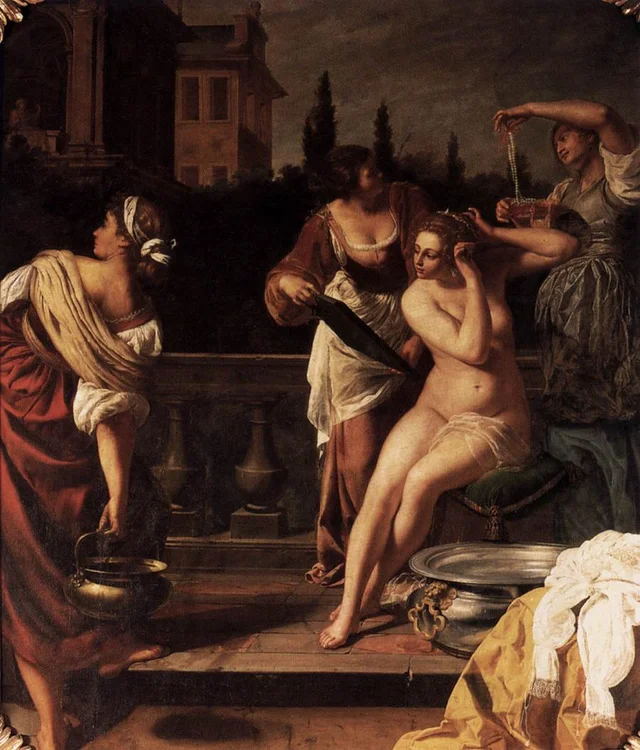 BathshebaArtemisia Gentileschi, 1645
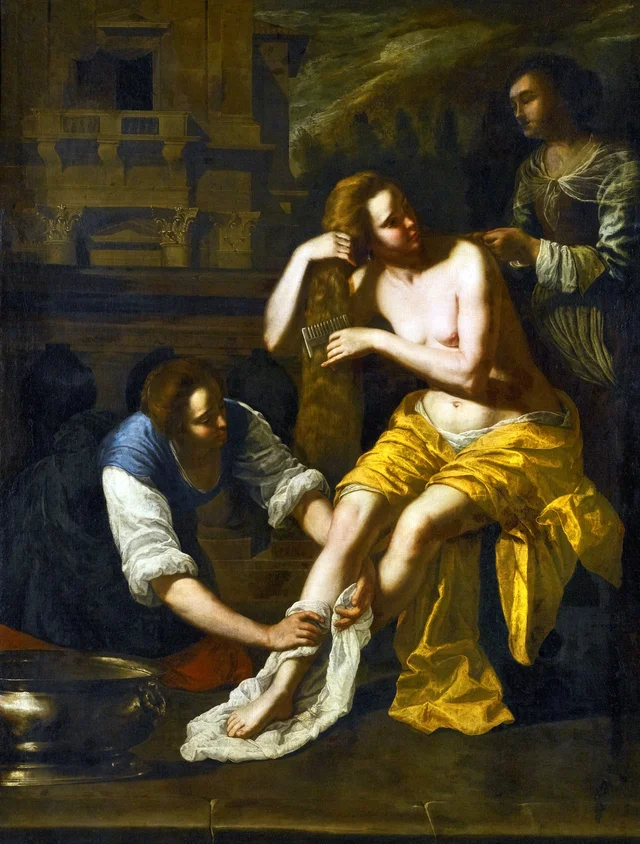 Bathsheba at Her BathArtemisia Gentileschi, 1638
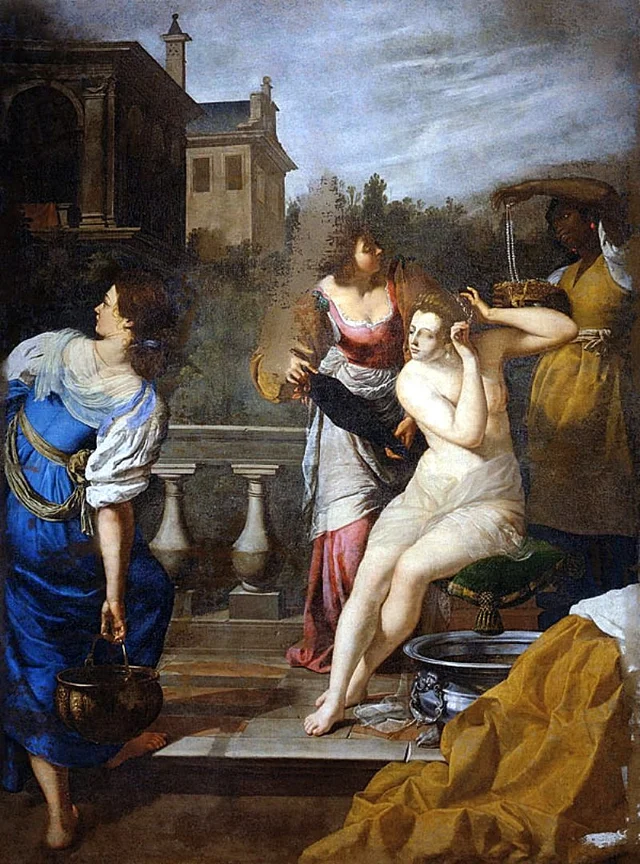 David and BathshebaArtemisia Gentileschi, 1645
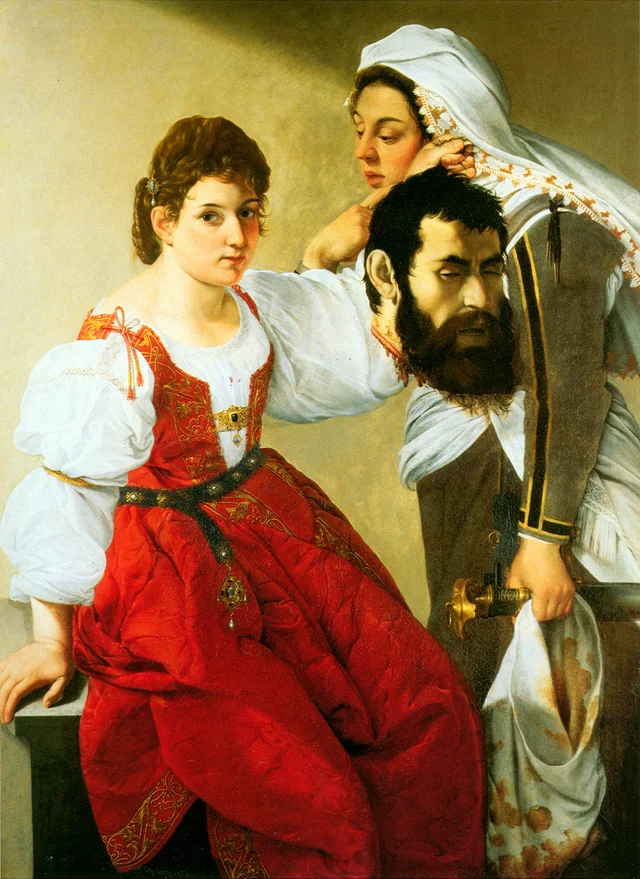 Judith and her Servant with the Head of HolofernesArtemisia Gentileschi, 1610
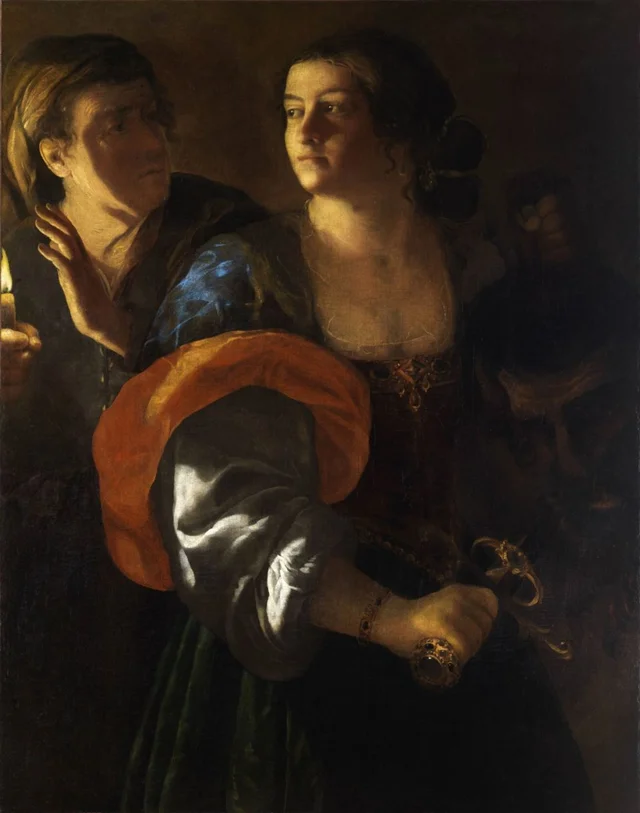 Judith carrying the head of HolofernesArtemisia Gentileschi, 1635
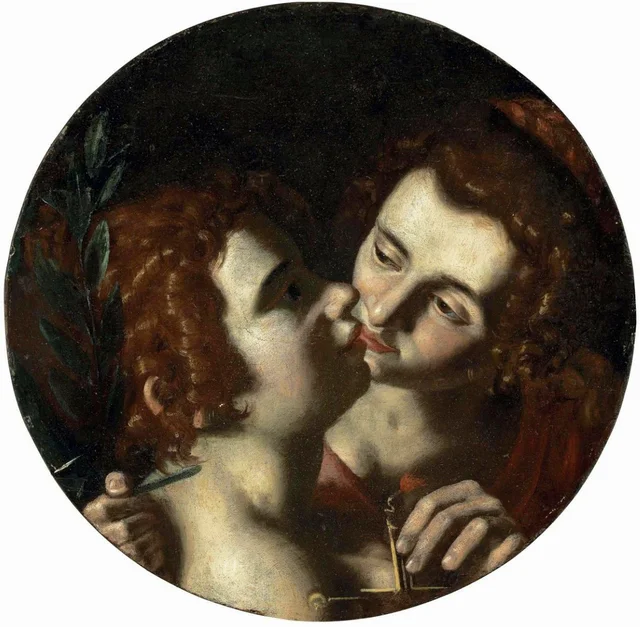 Justice embracing PeaceArtemisia Gentileschi, 1635
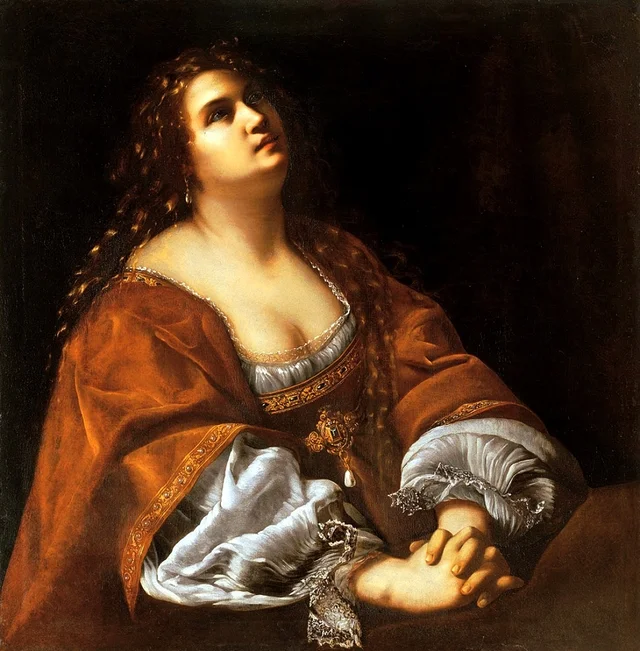 Mary MagdaleneArtemisia Gentileschi, 1630
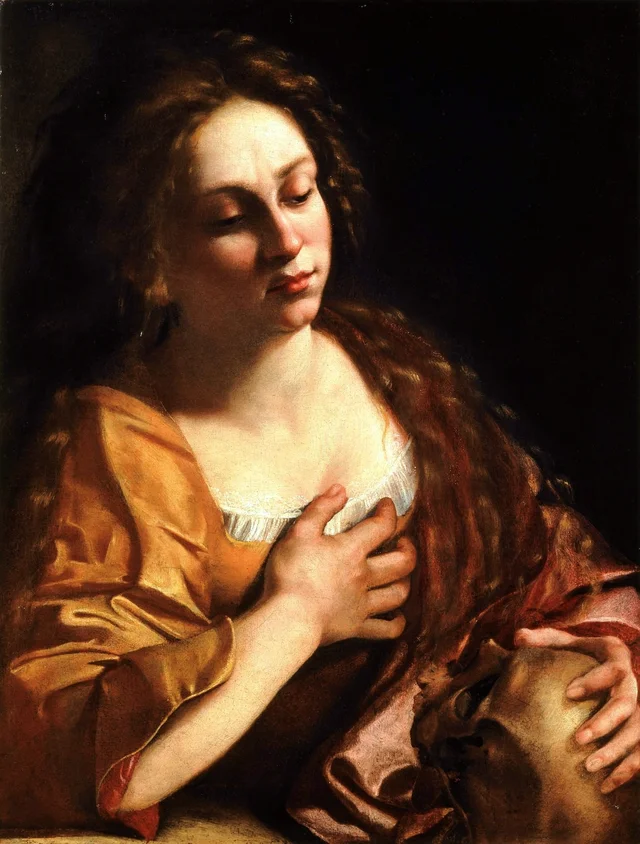 Mary Magdalene holding a SkullArtemisia Gentileschi, 1631
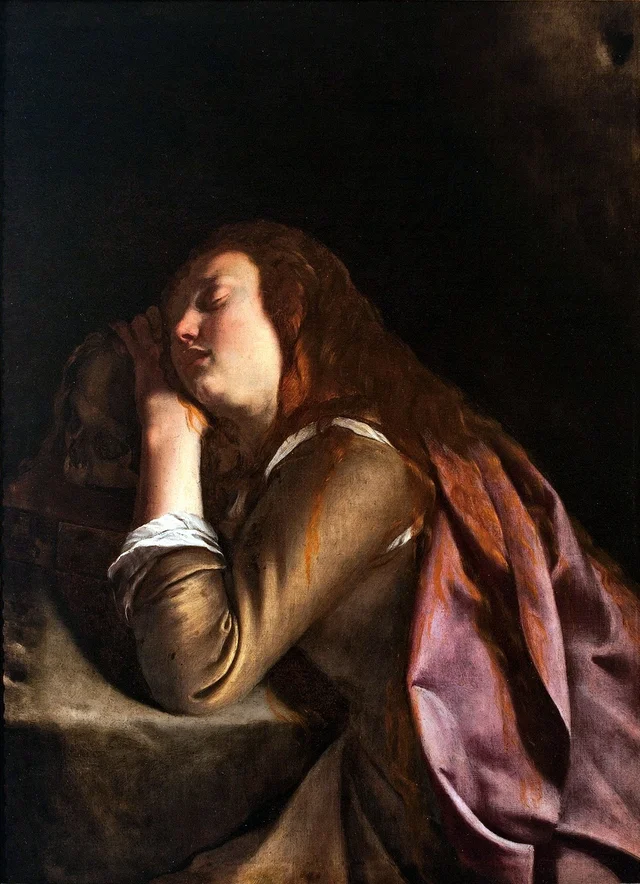 Penitent MagdaleneArtemisia Gentileschi, 1629
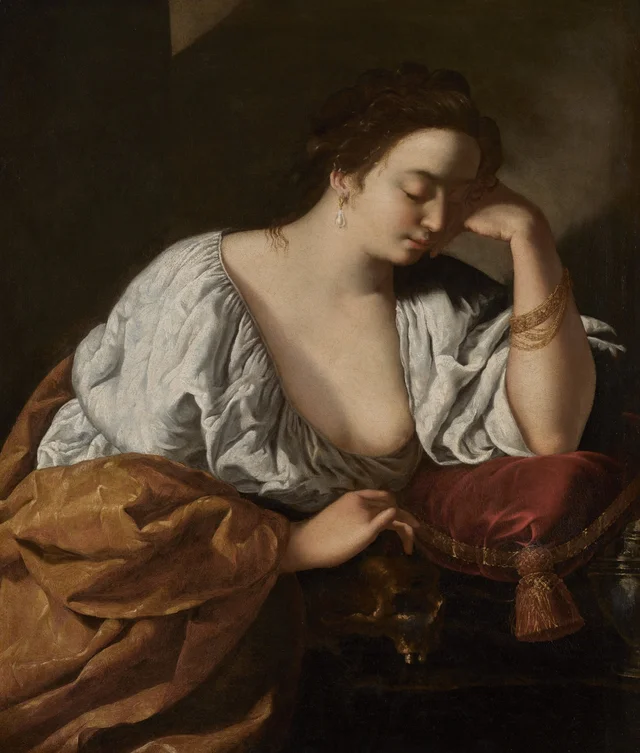 Penitent MagdaleneArtemisia Gentileschi, 1625
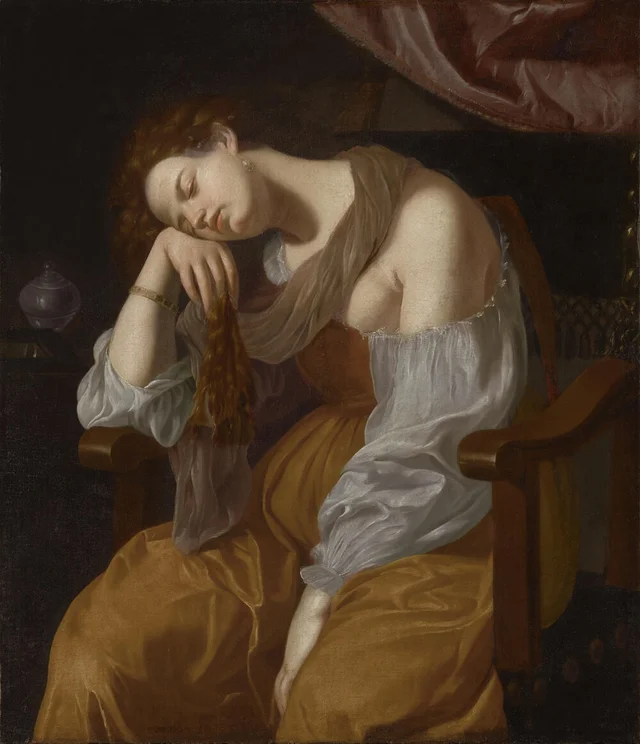 Penitent Mary MagdaleneArtemisia Gentileschi, 1625
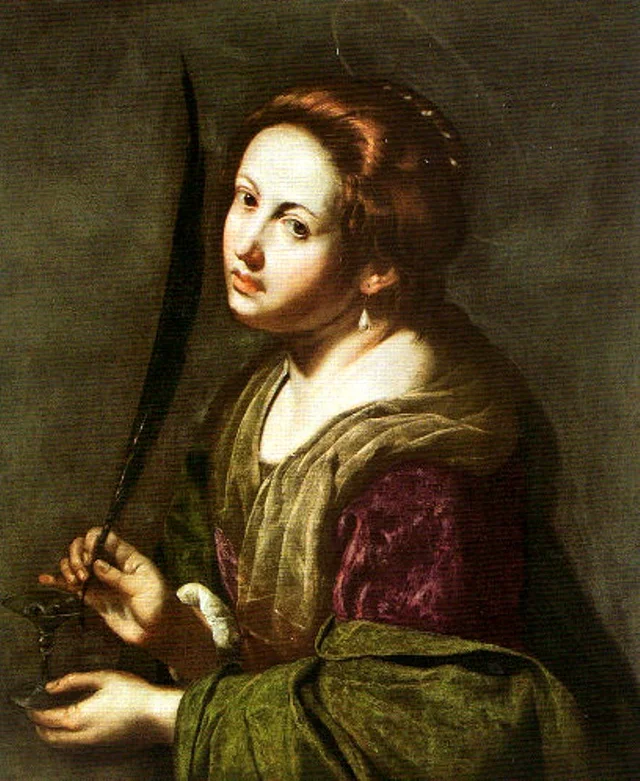 Saint LucyArtemisia Gentileschi, 1637
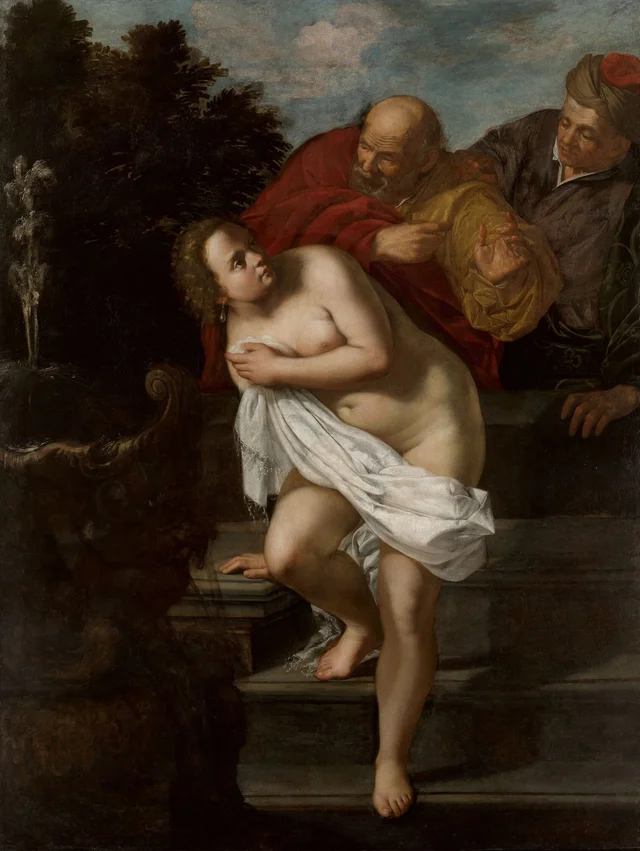 Susanna and the EldersArtemisia Gentileschi, 1639
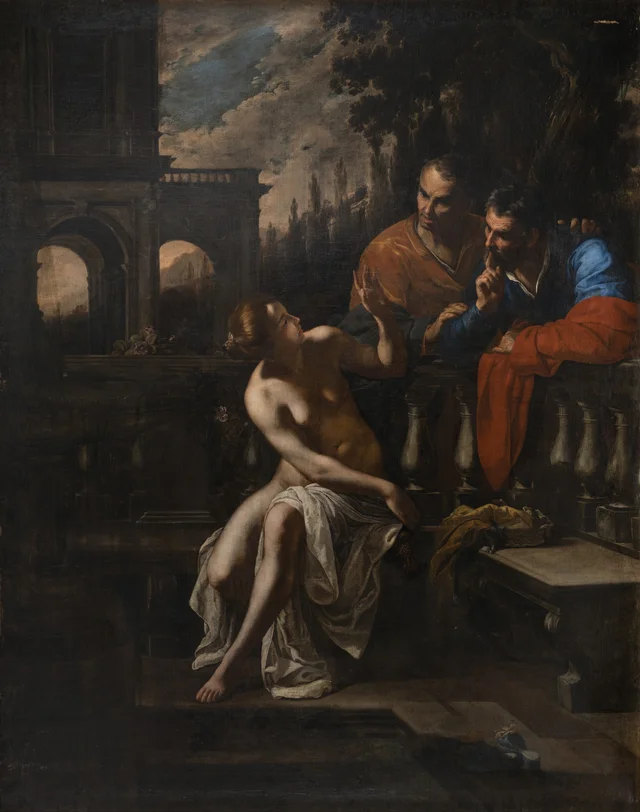 Susanna and the EldersArtemisia Gentileschi, 1638