The story
In 1859, with the war for Italian unification still on, Tuscany's provisional government ran a competition for paintings of its battles. Giovanni Fattori, then barely known, won the Magenta subject and delivered it in 1862: a wide, low canvas of the Italian camp after the fighting, a cart of wounded men crossing an empty field. It hangs on the second floor of Palazzo Pitti, rooms away from the small panels the same painter made later, where a sunlit wall, a shadow and a strip of sky do nearly all the work.
Those small pictures gave the group its name. In November 1862 a Florentine paper mocked painters showing studies built from patches of light and dark, macchie, and called them macchiaioli. They kept the jibe as a label, and this gallery has the largest collection of their painting anywhere, Fattori and Silvestro Lega, Telemaco Signorini, Giuseppe Abbati. The same rooms hold the academic history painting they were arguing with, so both sides of the quarrel hang under one set of ceilings.
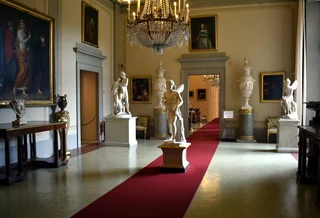
Much of the macchia came from Diego Martelli, the critic who defended them and put them up at his estate on the Tuscan coast. He died in 1896 and left his pictures to Florence, among them two landscapes by Camille Pissarro that reached him in 1878, when almost no one in Italy bought the French Impressionists. The state and the city agreed in 1914 to give the collection this floor, the old apartments of the Habsburg-Lorraine grand dukes, and it opened in 1924. Some 30 rooms run from late eighteenth-century neoclassicism into the early twentieth, and the Palazzo Pitti ticket for the Palatine Gallery downstairs covers this floor too. Only the Boboli Gardens need a separate one.
Collection
51 works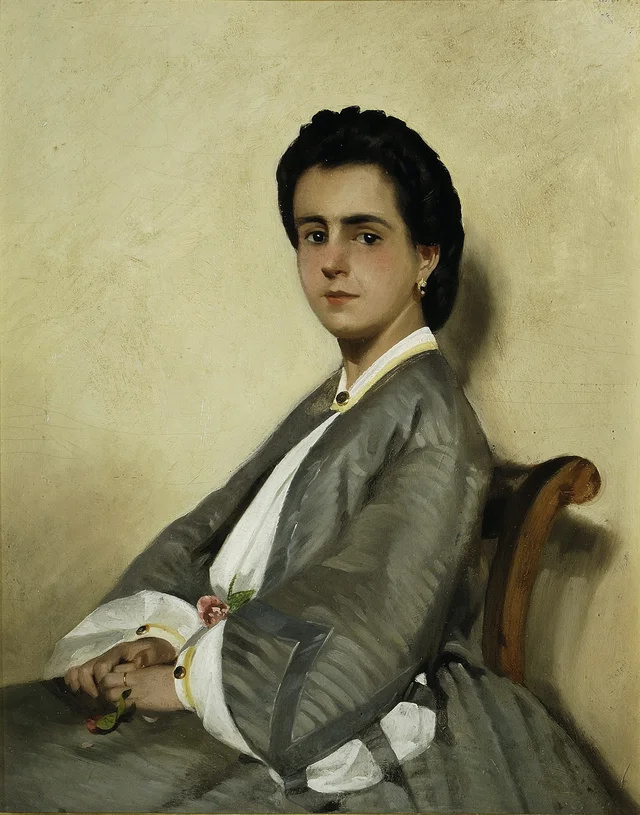 Cousin ArgiaGiovanni Fattori, 1861
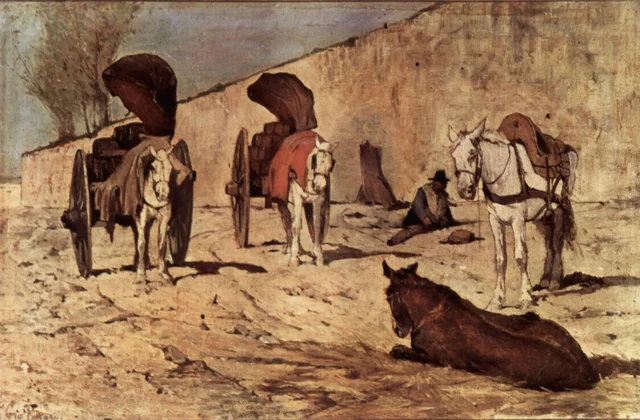 Roman cartsGiovanni Fattori, 1872
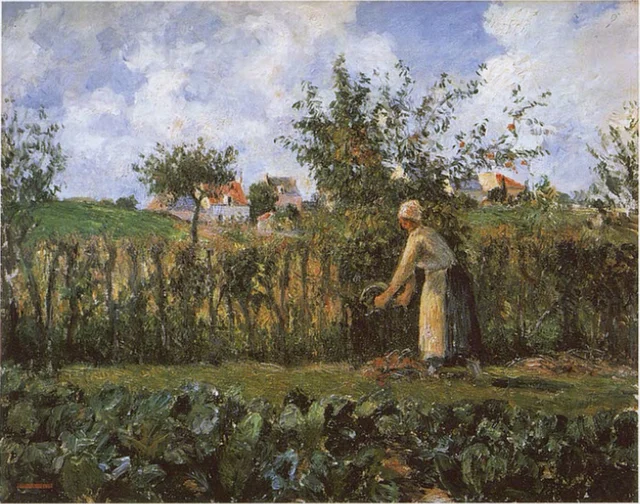 In the vegetable gardenCamille Pissarro, 1878
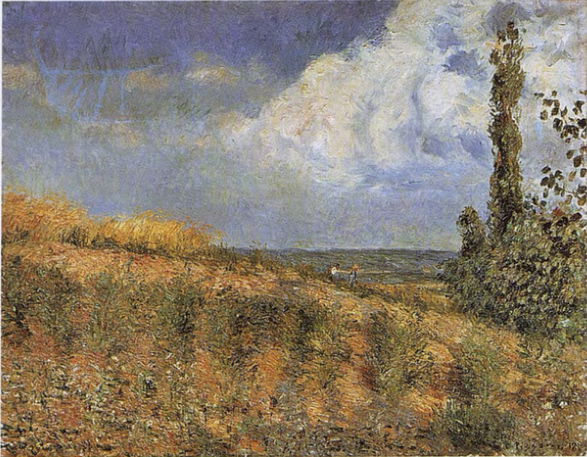 Landscape in PontoiseCamille Pissarro, 1877
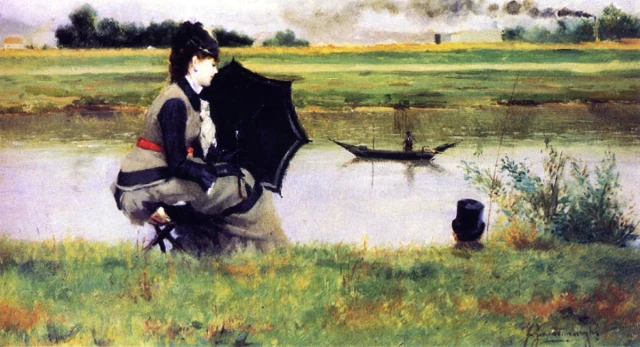 Along the SeineFederico Zandomeneghi, 1878
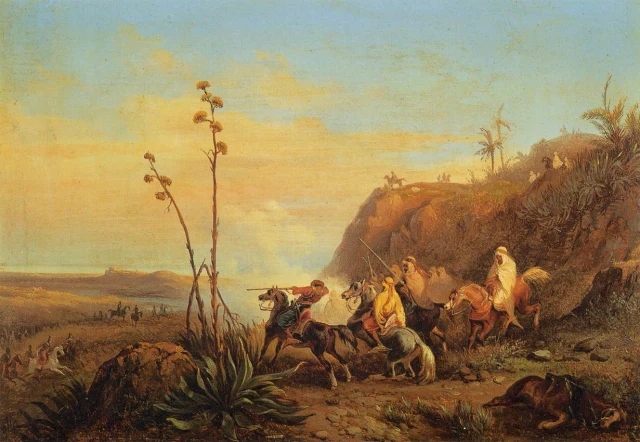 Arabs on HorsebackMassimo d'Azeglio, 1850
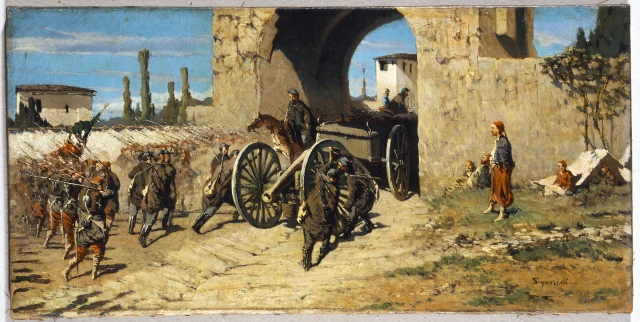 Arms Forward. Entry of the French Zouaves and the Tuscan Artillery in RubieraTelemaco Signorini, 1860
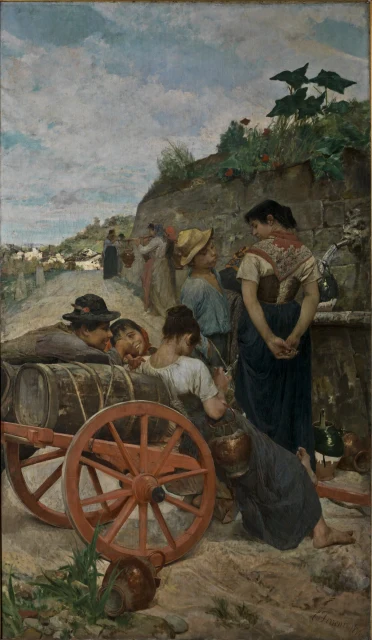 At the FountainEgisto Ferroni, 1879
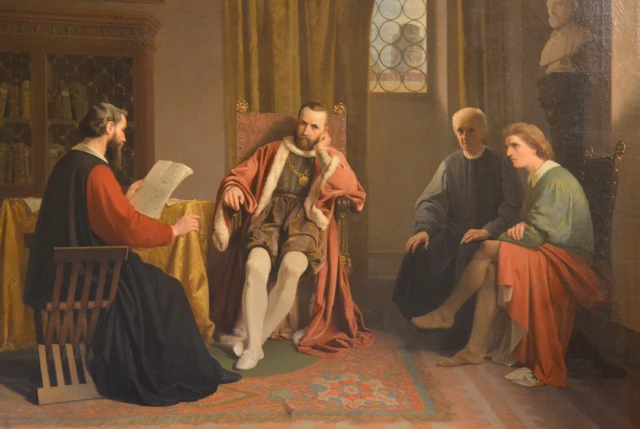 Benedetto Varchi Reading His Storia fiorentina to Cosimo I de' MediciGiuseppe Ciaranfi, 1862
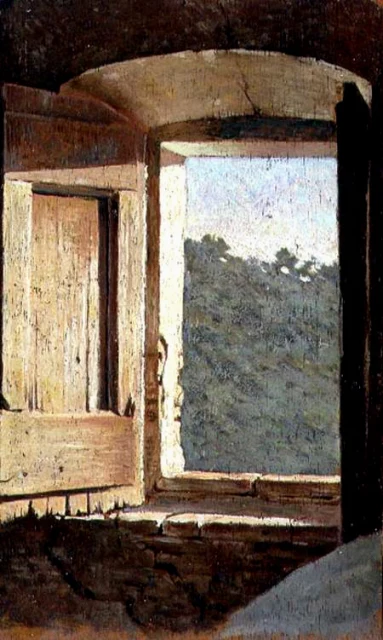 Country House WindowGiuseppe Abbati, 1866
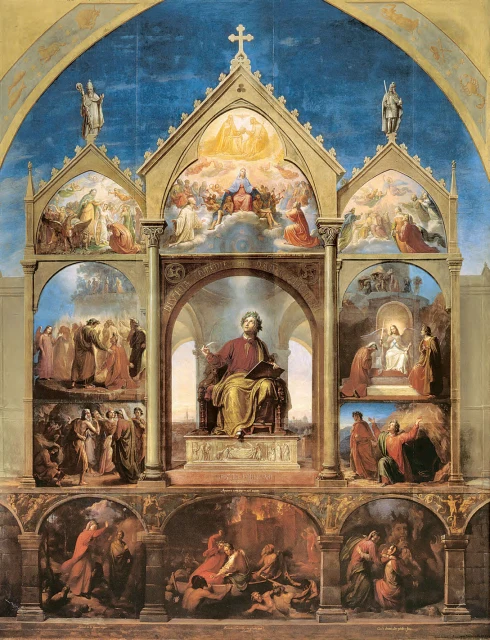 Dante and Ten Episodes from the Divine ComedyCarl Christian Vogel von Vogelstein, 1843
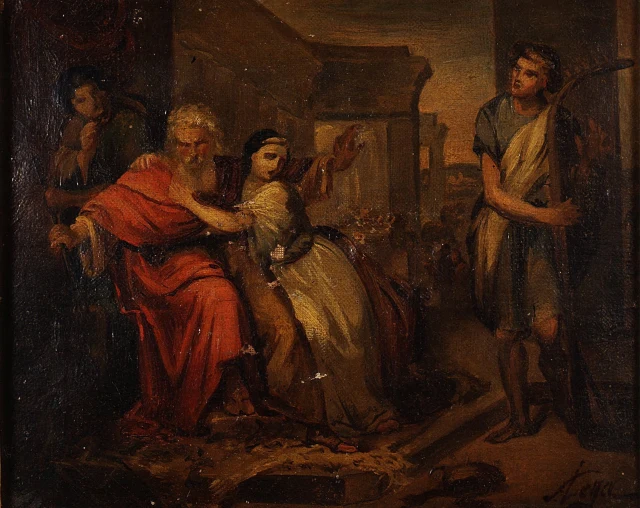 David Playing the Harp before Saul (sketch)Silvestro Lega, 1852
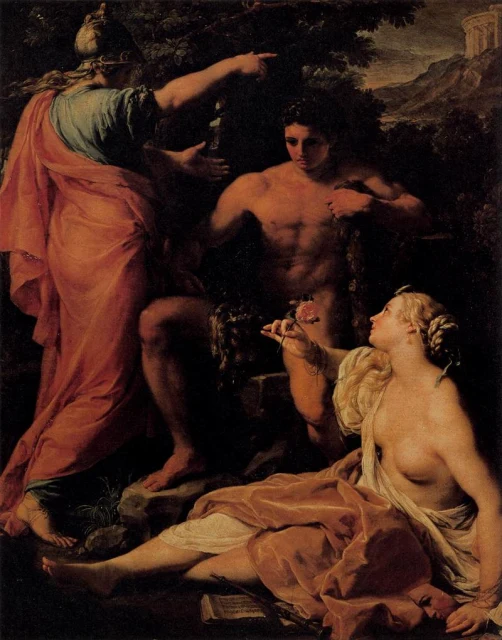 Hercules at the CrossroadsPompeo Batoni, 1742
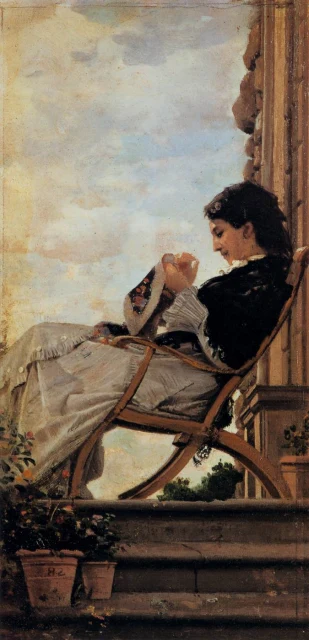 Lady Working on the TerraceCristiano Banti, 1882
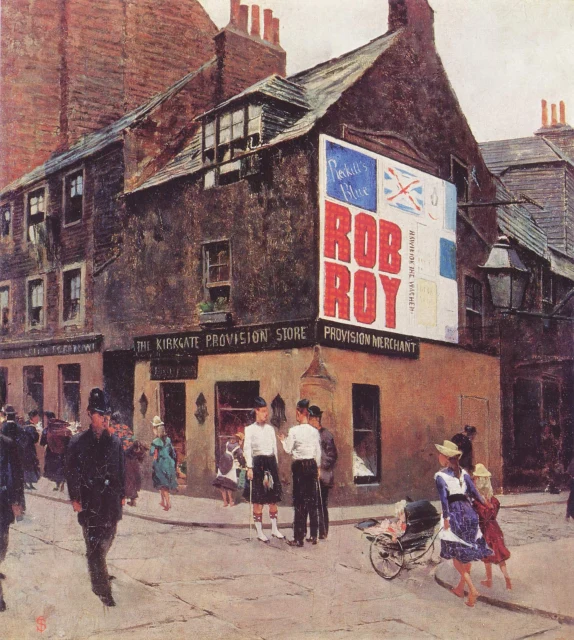 LeithTelemaco Signorini, 1881
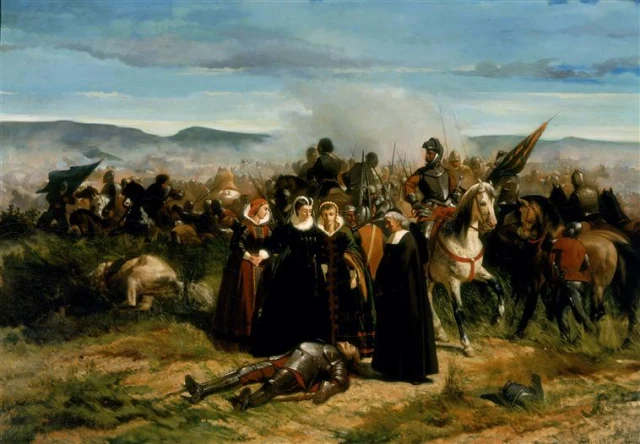 Mary Stuart at the Camp of CrookstoneGiovanni Fattori, 1861
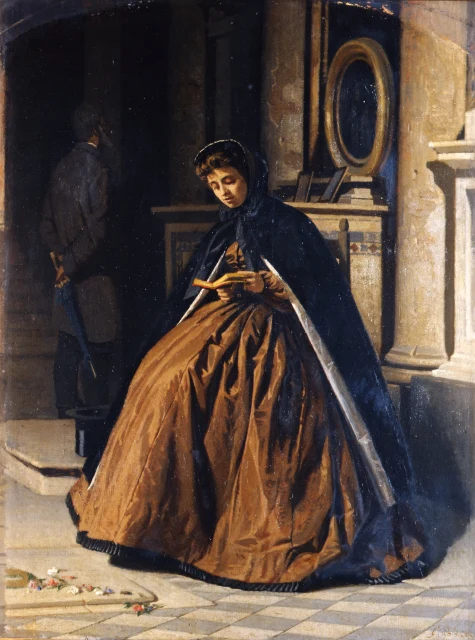 Oration (The Prayer)Giuseppe Abbati, 1866
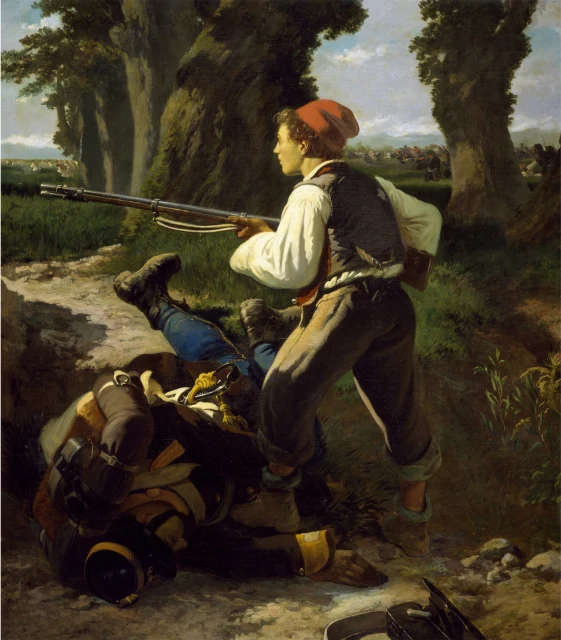 Pasquale Cova at the Battle of VareseCarlo Ademollo, 1861
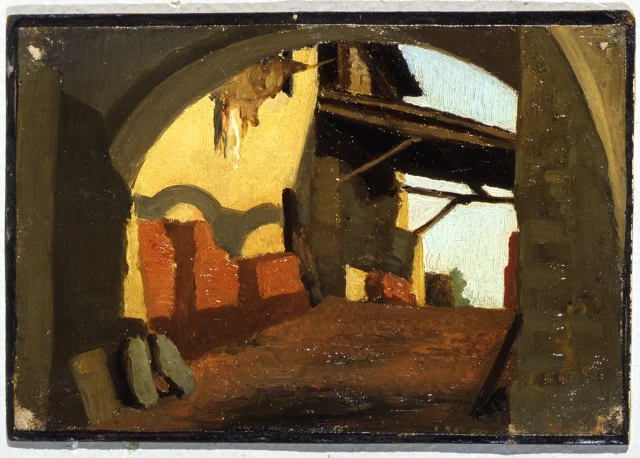 PorticoVito D'Ancona, 1861
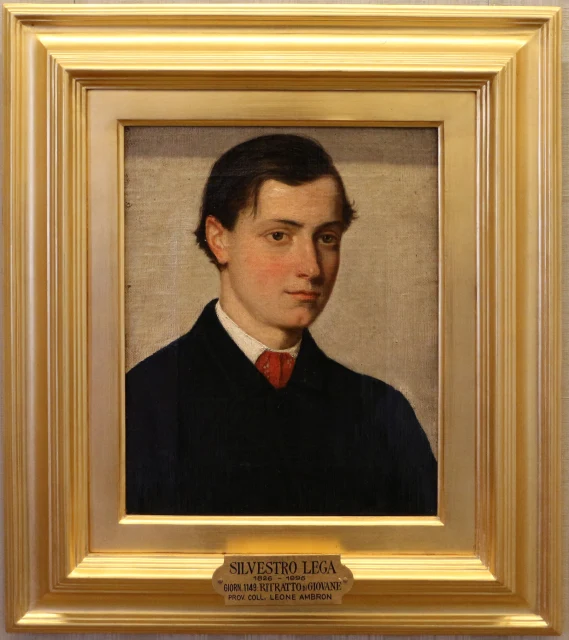 Portrait of a Young ManSilvestro Lega
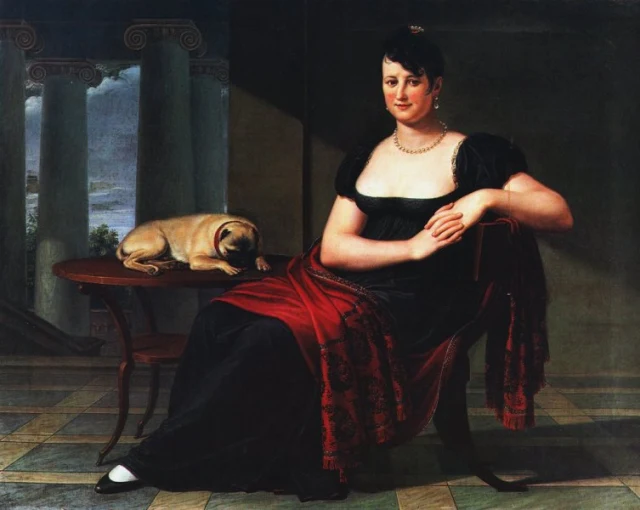 Portrait of Elena Mastiani BrunacciPietro Benvenuti, 1809
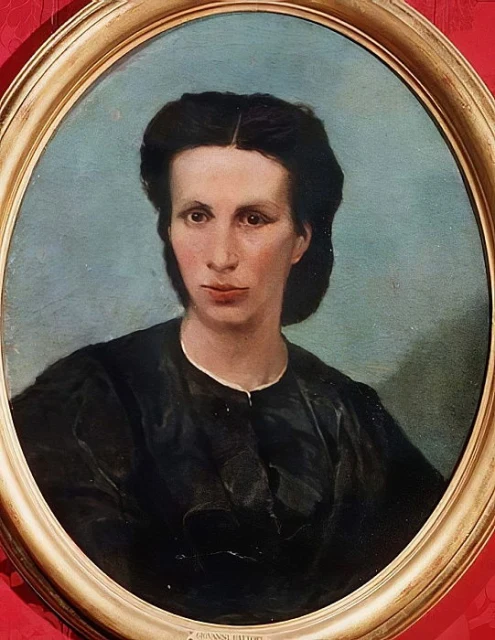 Portrait of Signora BiliottiGiovanni Fattori, 1865
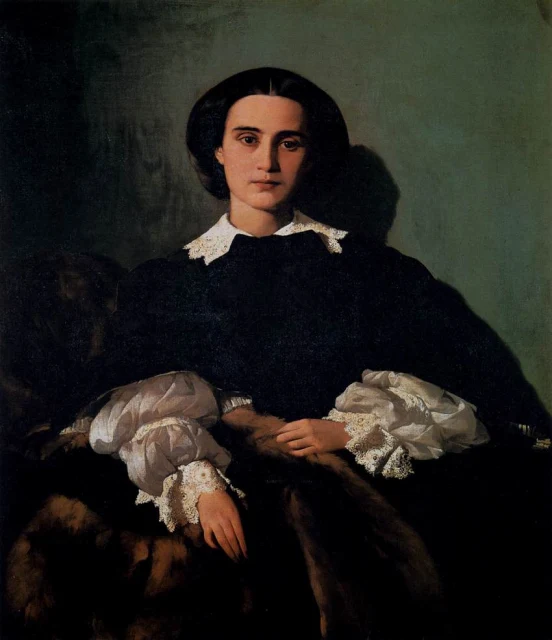 Portrait of Signora MorrocchiAntonio Puccinelli, 1859
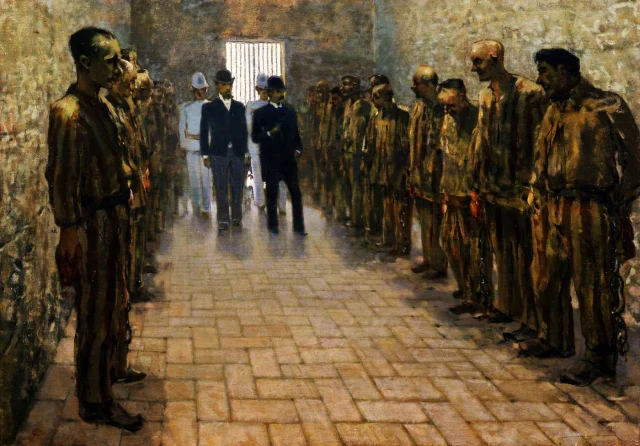 Prison in PortoferraioTelemaco Signorini, 1891