The story
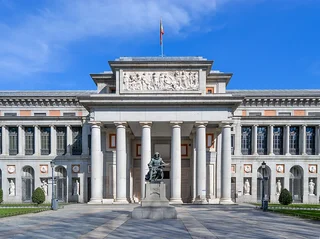
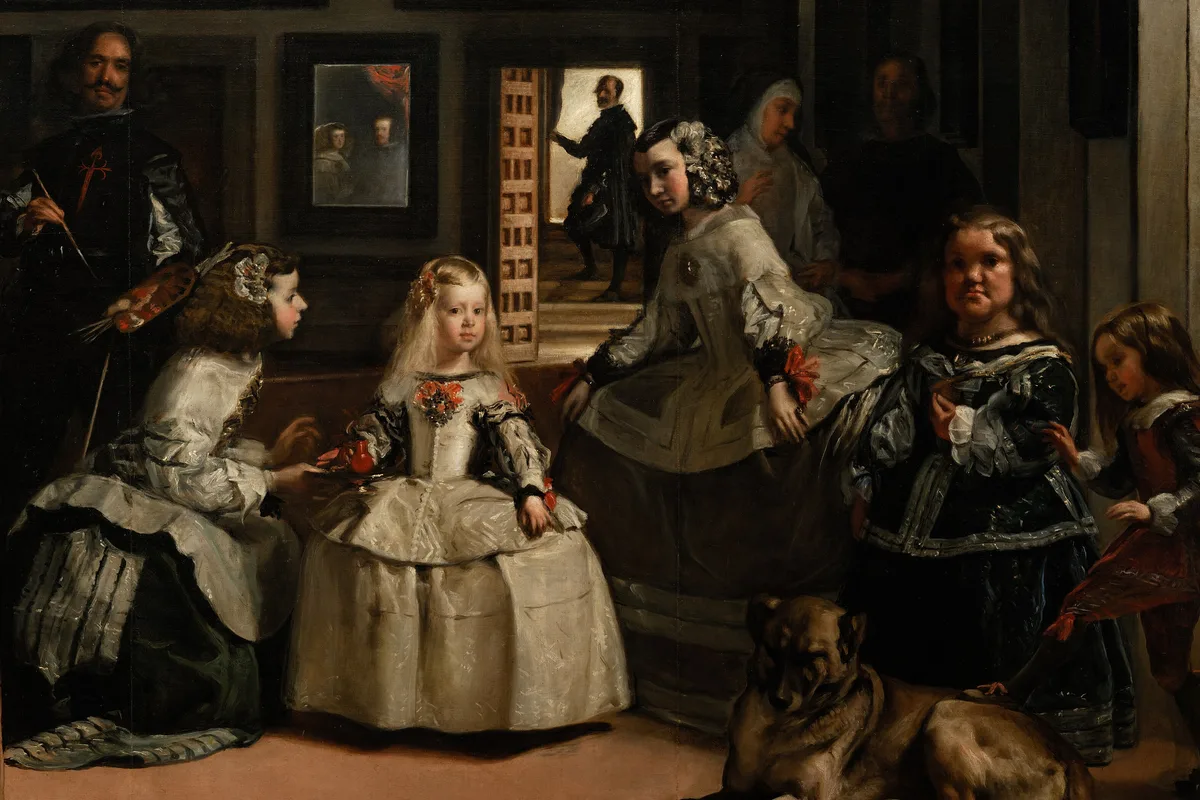
The Prado is a king's collection made public. For three centuries the Spanish Habsburgs and Bourbons bought and commissioned on a royal scale, and their taste is the museum: Titian and Rubens whom the kings loved, Velazquez who served the Spanish court for most of his life. His Las Meninas hangs at the heart of the building, the painter looking out from behind his own canvas in a room of the old royal Alcazar.
The gallery opened in 1819 in a building the architect Juan de Villanueva had first designed as a hall of natural science. Its walls carry the darker turns of Spanish art alongside its splendour, Goya's Third of May 1808, the firing squad lifting its lanterns in the dark, and the Black Paintings he put straight onto the walls of his own house late in life, deaf and withdrawn, and never meant to show.
The oldest of its great treasures predates that royal Spanish taste, Hieronymus Bosch's Garden of Earthly Delights, the three-panelled vision of paradise, desire and hell, later brought into Philip II's collection and sent to his monastery-palace of El Escorial. Now it draws crowds to what only the court was once allowed to see.
More articles
Collection
870 works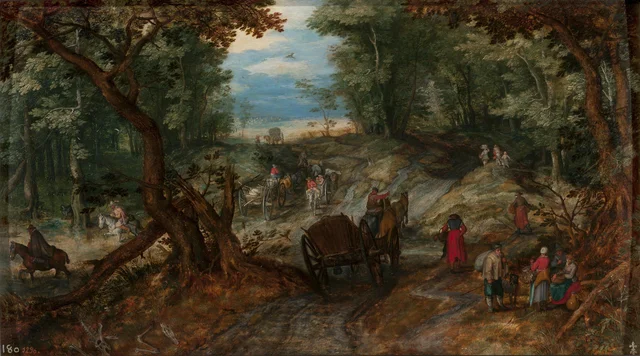 Forest road next to a fordable pond with travelersJan Brueghel the Elder, 1607
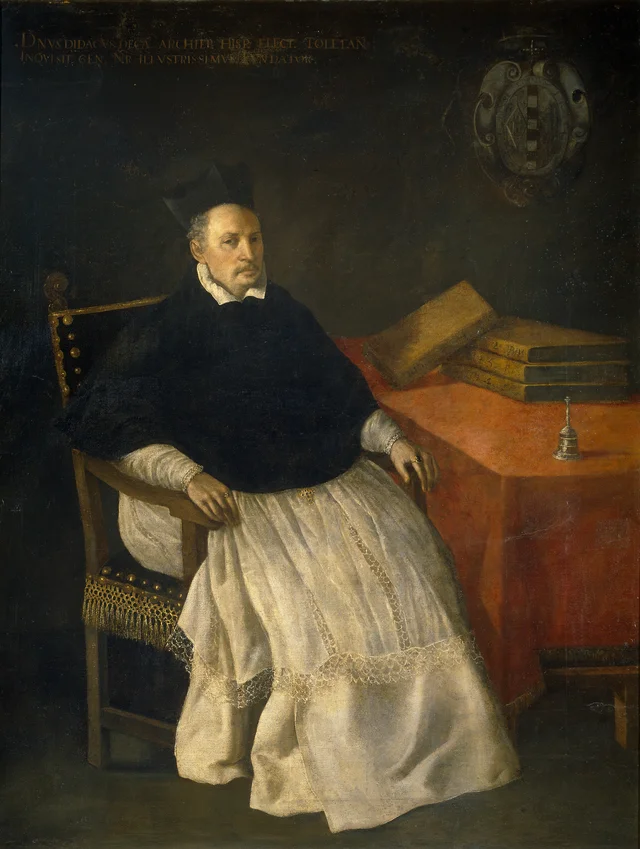 Fray Diego de Deza, Archbishop of SevilleFrancisco de Zurbarán, 1631
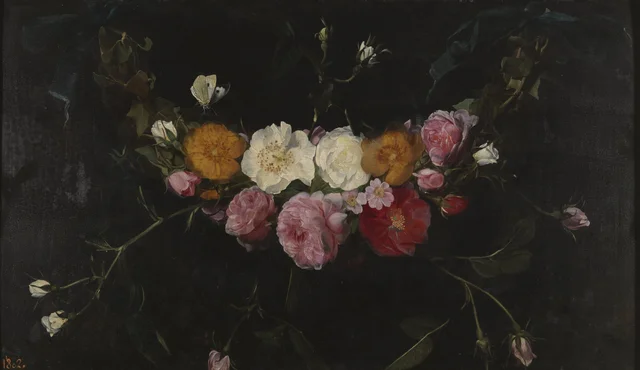 Garland of RosesDaniel Seghers
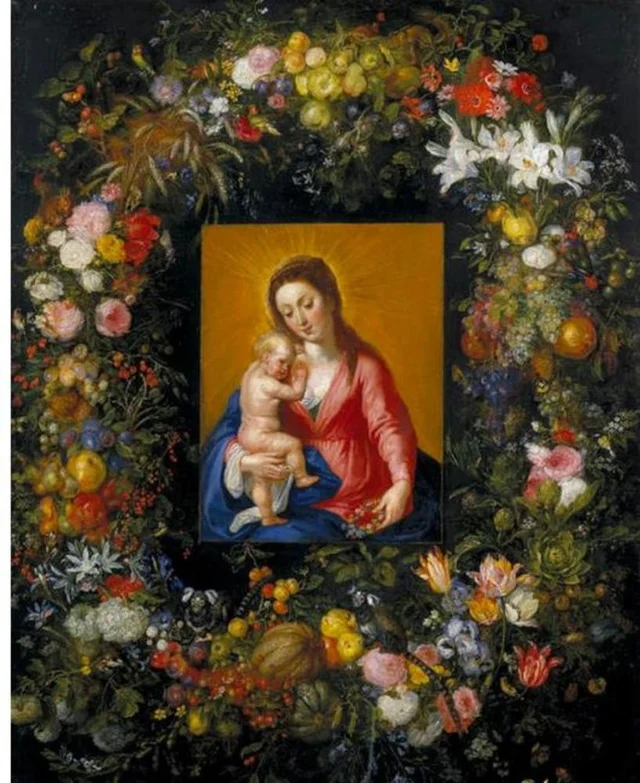 Garland with the Virgin and ChildHendrick van Balen the Elder, 1621
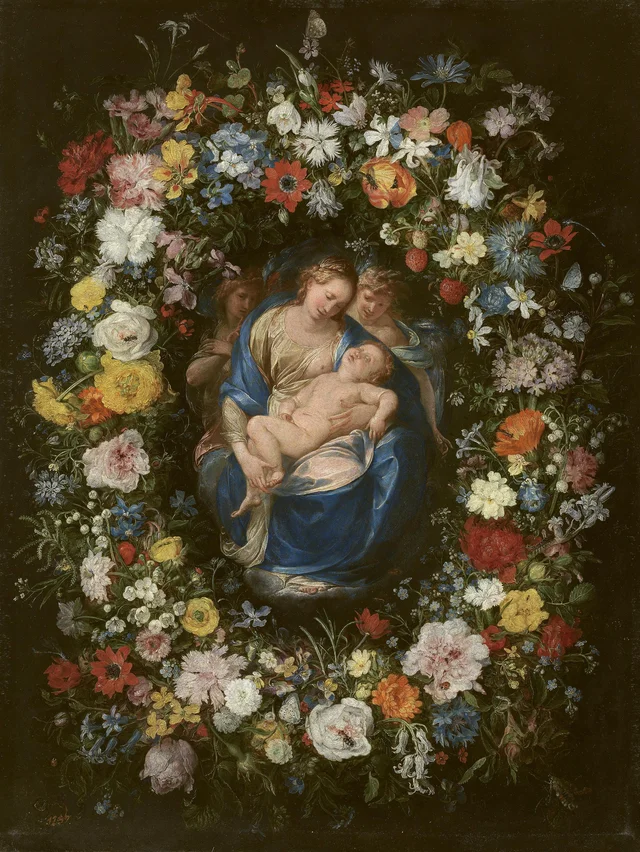 Garland with the Virgin, the Christ Child and two AngelsJan Brueghel the Elder, 1619
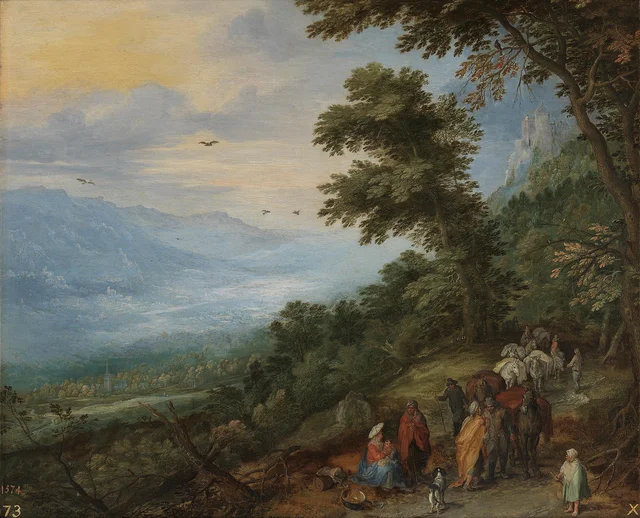 Gypsy Gathering in a WoodJan Brueghel the Elder, 1612
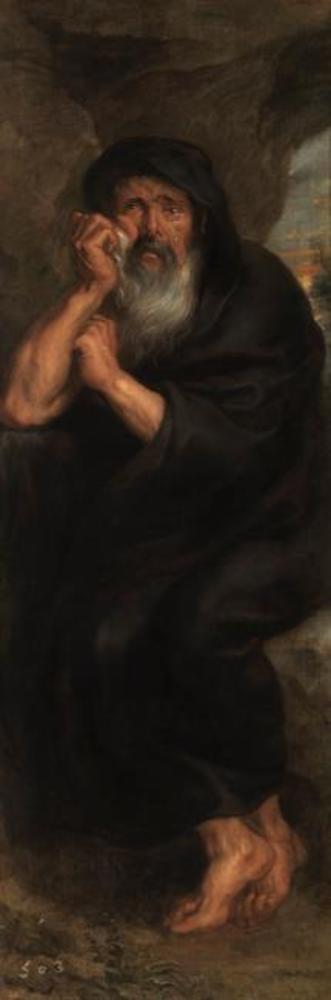 Heraclitus, the Crying PhilosopherPeter Paul Rubens, 1636
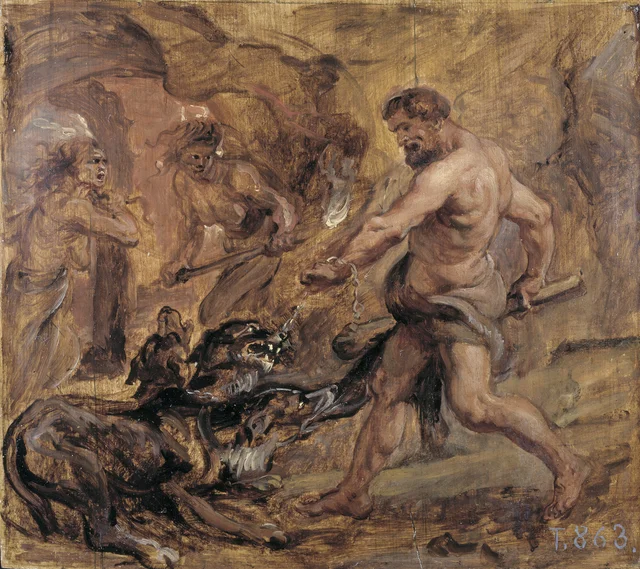 Hercules and CerberusPeter Paul Rubens, 1636
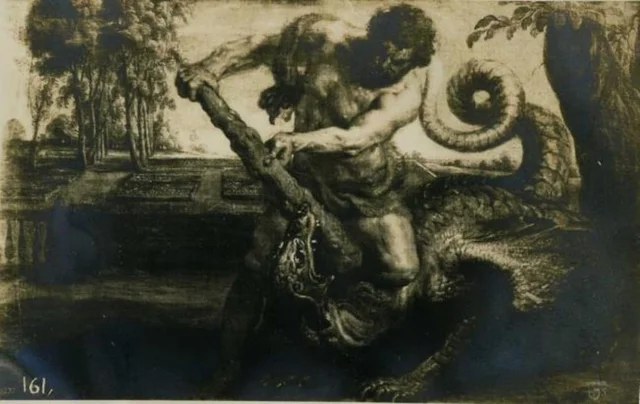 Hercules killing the Dragon in the Garden of the HesperidesPeter Paul Rubens, 1639
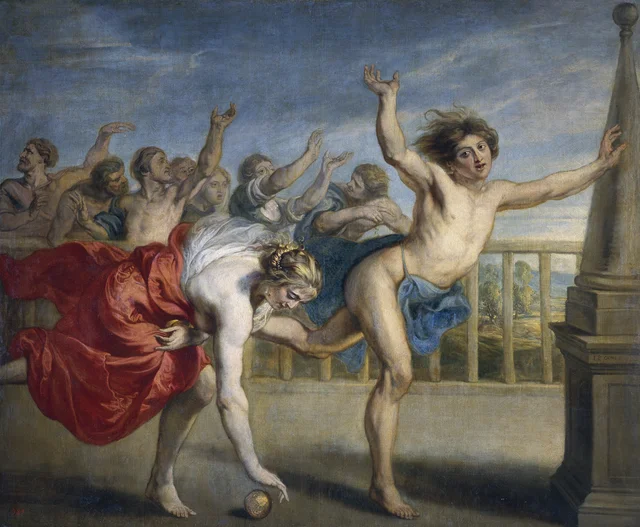 Hippomenes and AtalantaJacob Peter Gowy, 1635
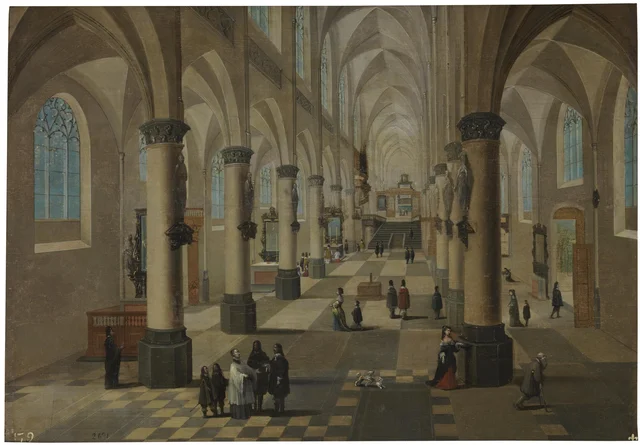 Interior of a church in FlandersFrans Francken III, 1650
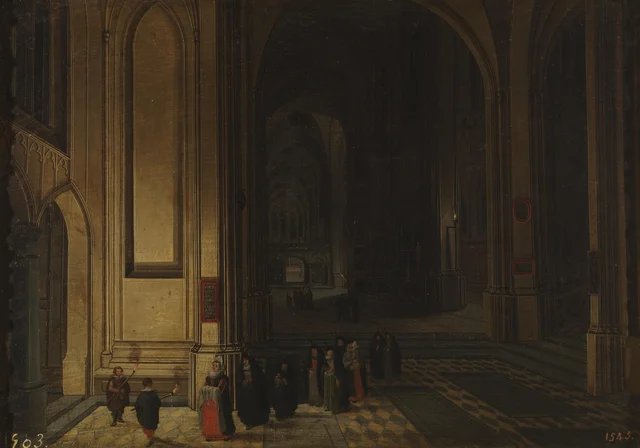 Interior of a church or the OfferingPieter Neefs the Elder, 1612
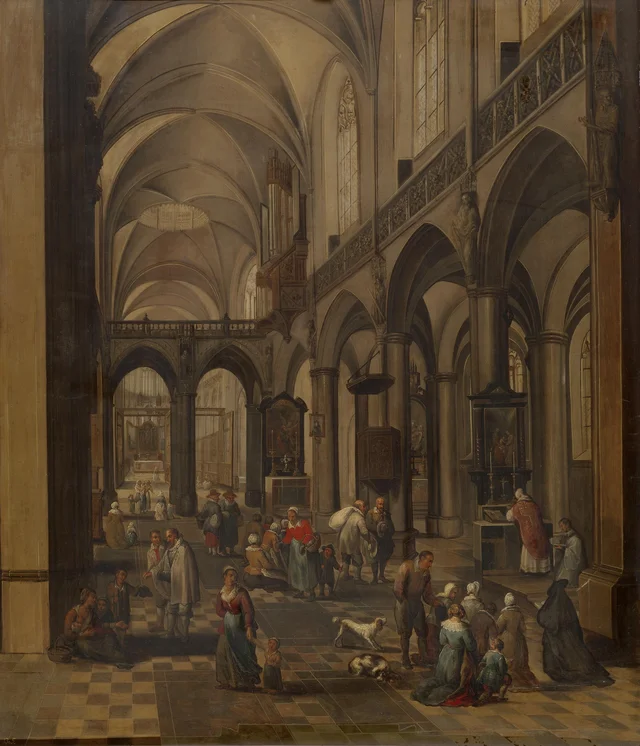 Interior of a Flemish ChurchPieter Neefs the Elder, 1650
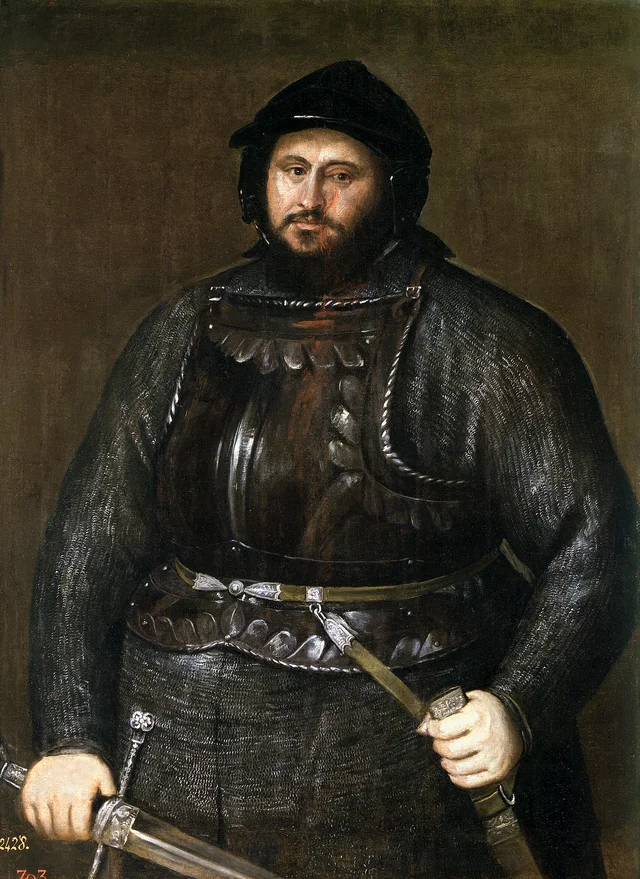 John Frederick I, Elector of SaxonyTitian, 1548
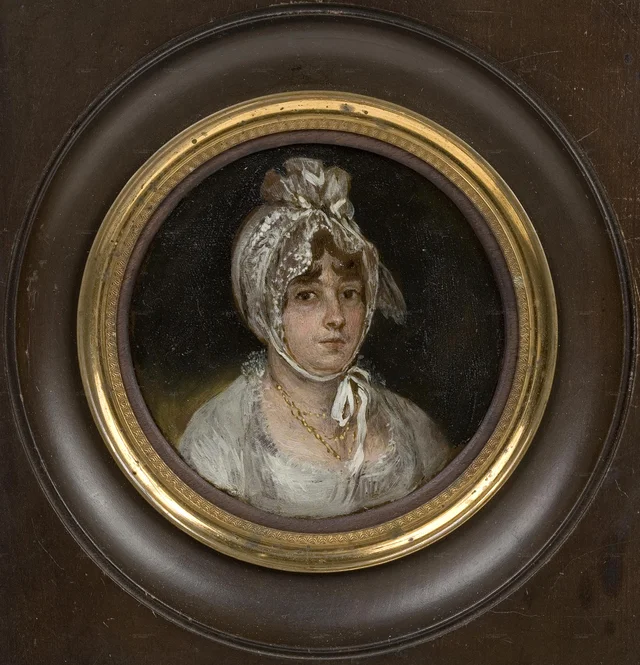 Juana Galarza de GoicoecheaFrancisco Goya, 1805
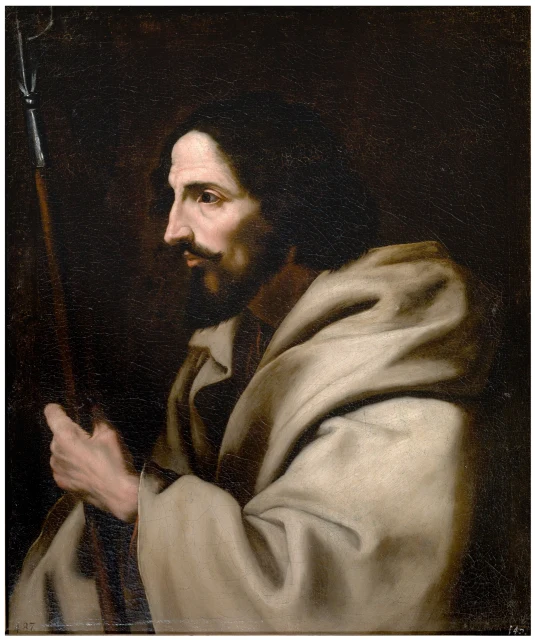 Jude the ApostleAttributed to Jusepe de Ribera
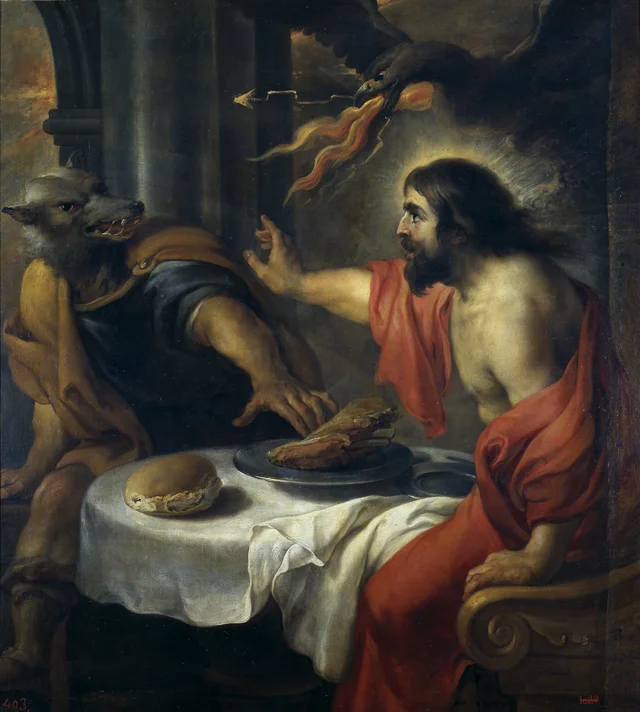 Jupiter and LycaonJan Cossiers, 1650
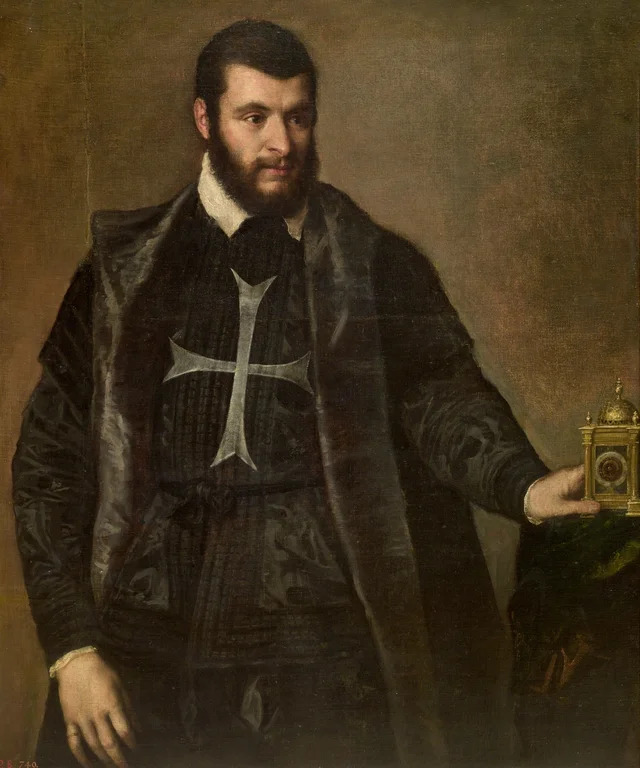 Knight with a ClockTitian, 1550
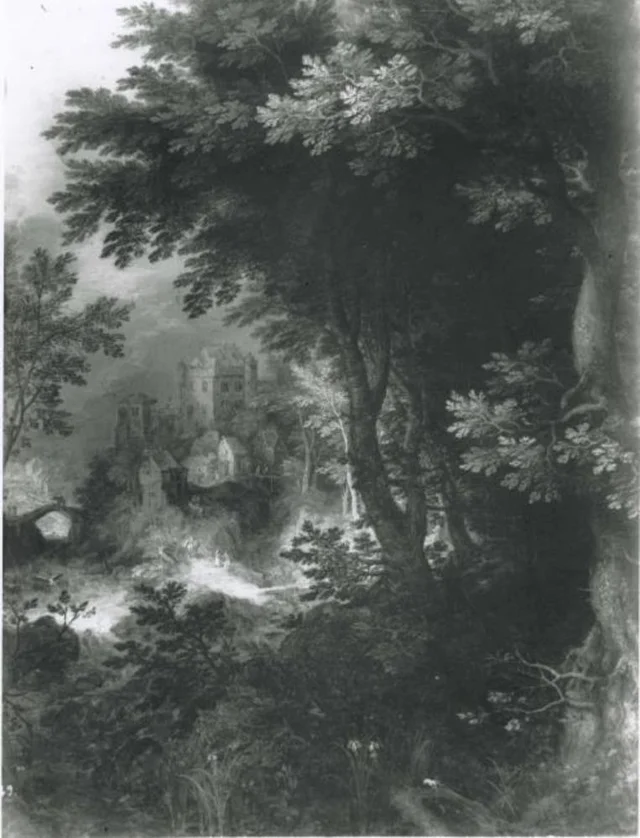 LandscapeJan Brueghel the Elder, 1604
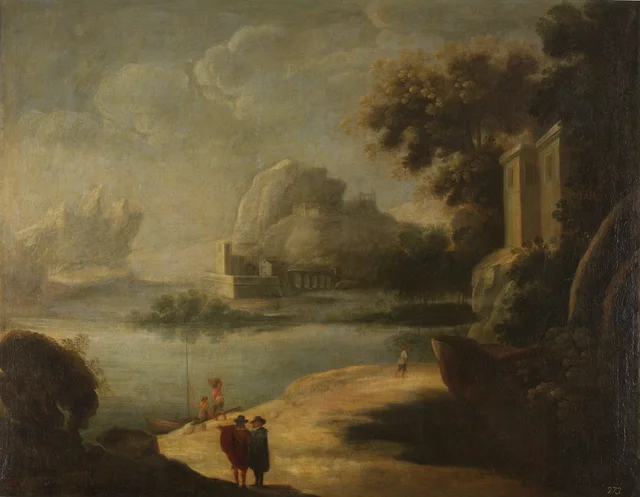 LandscapeFollower of Bartolomé Esteban Murillo
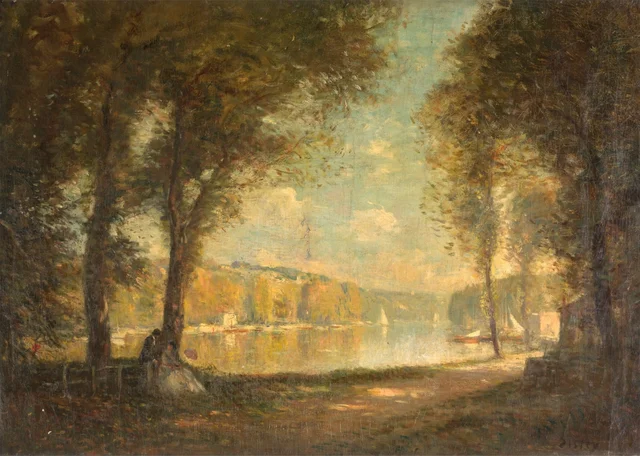 LandscapeAlfred Sisley
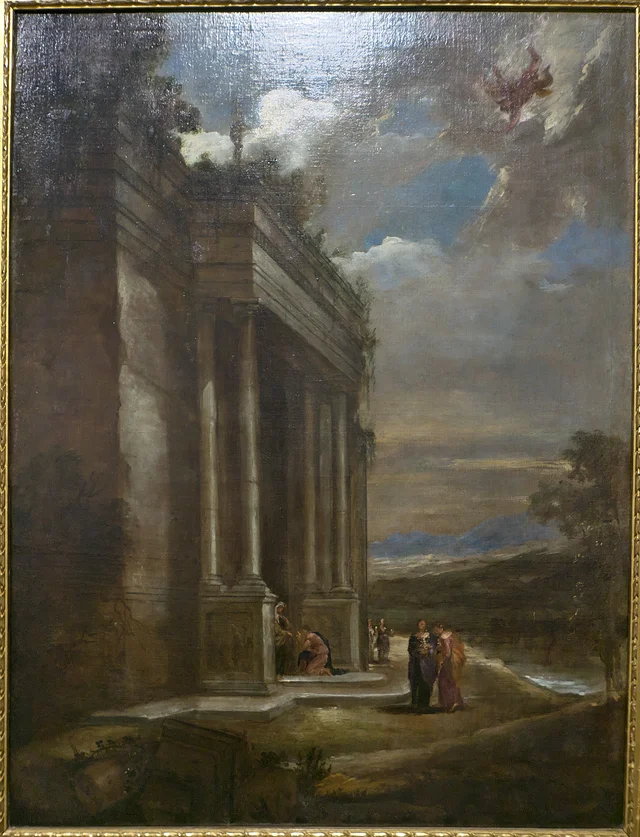 Landscape with Mercury and HerseJuan Bautista Martínez del Mazo, 1660
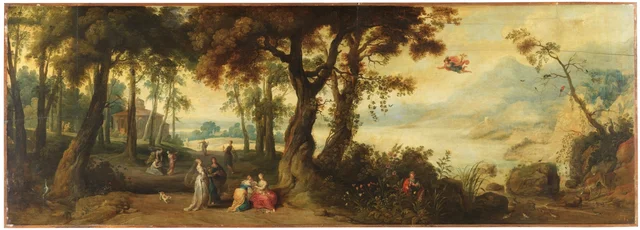 Landscape with Mercury and HerseFrans Francken the Younger, 1635
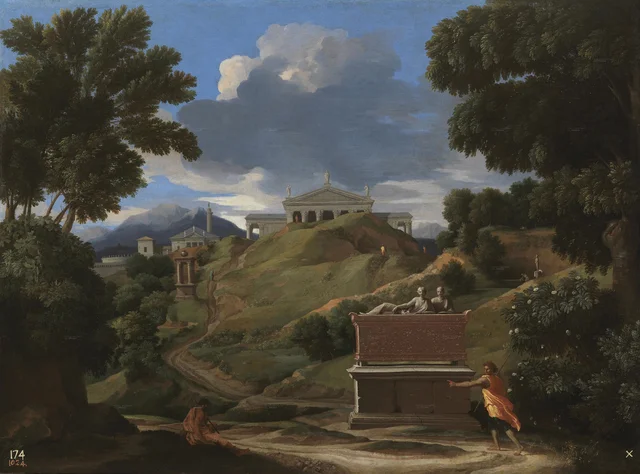 Landscape with RuinsNicolas Poussin, 1634
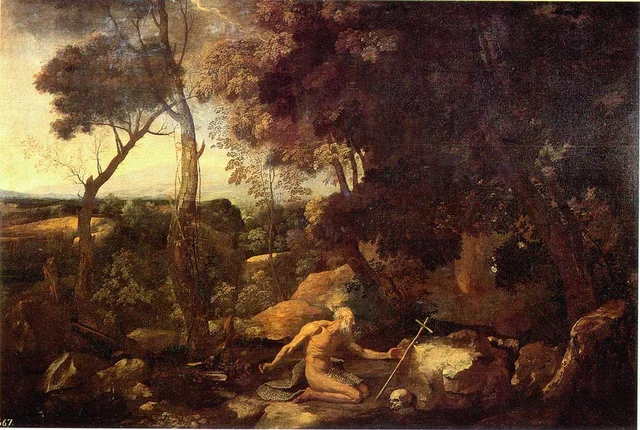 Landscape with Saint Paul the HermitNicolas Poussin, 1637