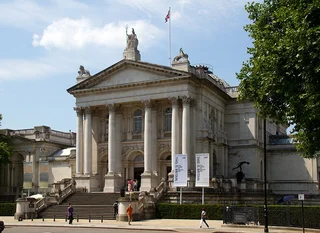
The story
Tate is really four galleries, and its most-visited one used to make electricity. Tate Modern occupies the old Bankside Power Station on the south bank of the Thames in London, a brick hulk with a single tall chimney, designed by Giles Gilbert Scott, the man behind the red telephone box. After it closed, the turbine hall that once held the generators was left as a vast empty room five storeys high, and since 2000 it has been used for enormous commissioned works — a crack running the length of the floor, a giant indoor sun of mist and light.
The institution started with sugar. Henry Tate made his money on the sugar cube, and in 1897 he paid to build a gallery for British art at Millbank, upriver, on the site of a demolished prison. That building is now Tate Britain, and it holds the Turner Bequest, the thousands of oils and watercolours J.M.W. Turner left to the nation on his death in 1851.
Between them the two London sites split the collection by era, with Tate Britain taking British art back to the 16th century and Tate Modern taking international modern and contemporary work. Two more galleries carry the name outside the capital, Tate Liverpool and Tate St Ives on the Cornish coast, the latter built above a beach where some of the painters it shows once worked.
Collection
118 works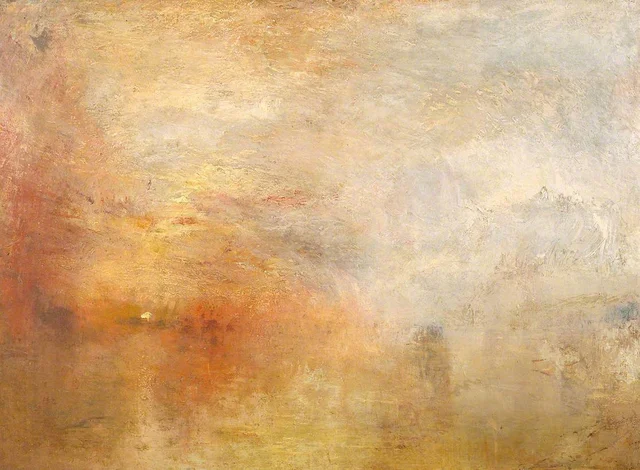 Sun Setting over a LakeJ. M. W. Turner, 1840
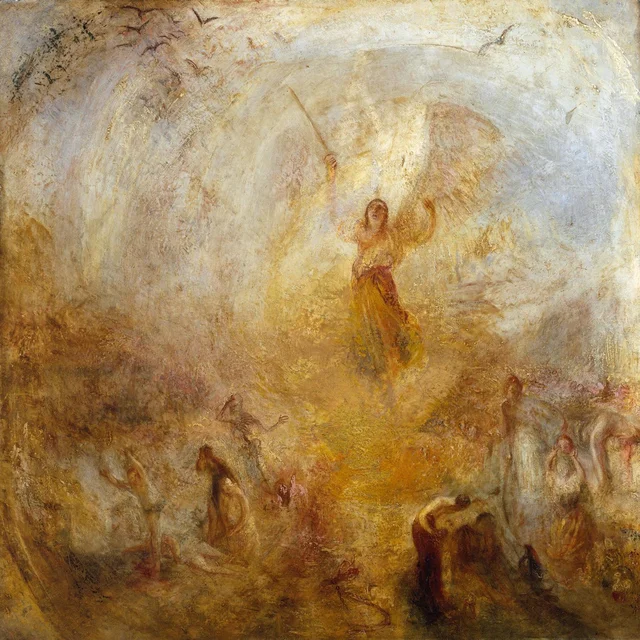 The Angel Standing in the SunJ. M. W. Turner, 1846
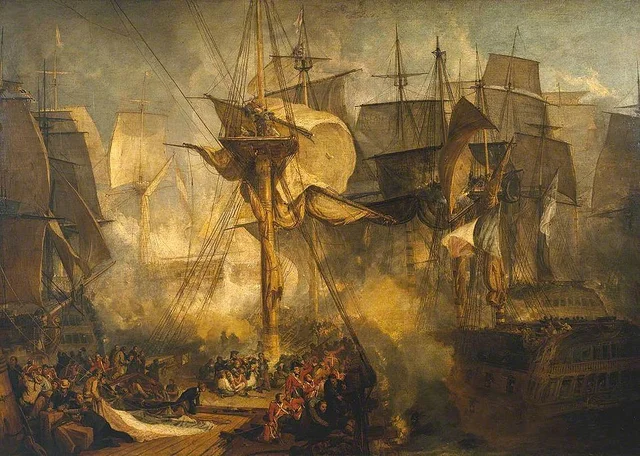 The Battle of Trafalgar, as Seen from the Mizen Starboard Shrouds of the VictoryJ. M. W. Turner, 1807
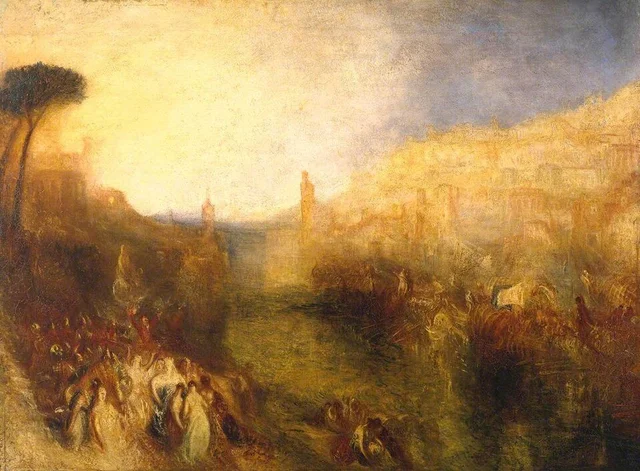 The Departure of the FleetJ. M. W. Turner, 1850
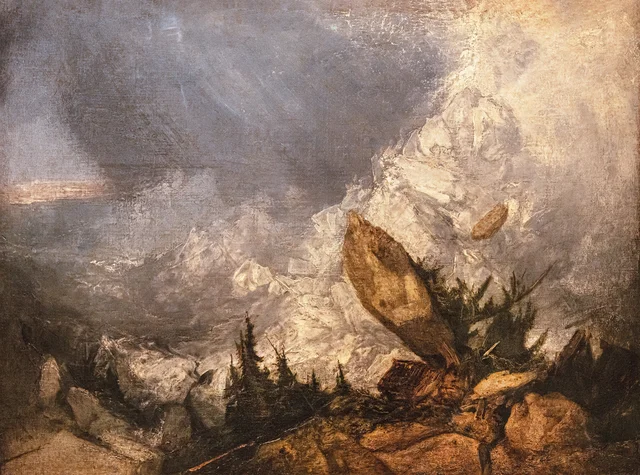 The Fall of an Avalanche in the GrisonsJ. M. W. Turner, 1810
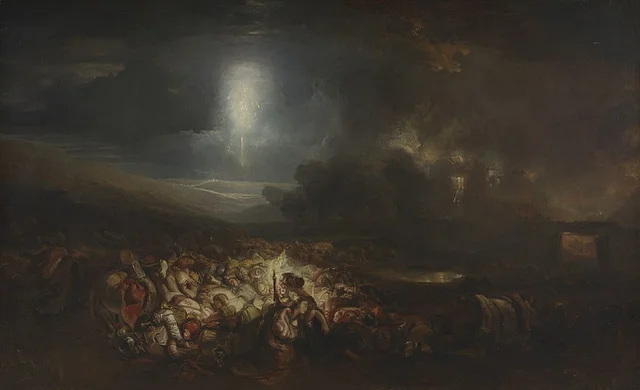 The Field of WaterlooJ. M. W. Turner, 1818
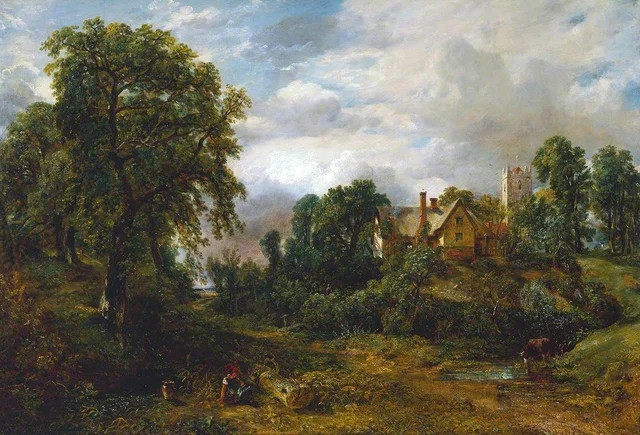 The Glebe FarmJohn Constable, 1830
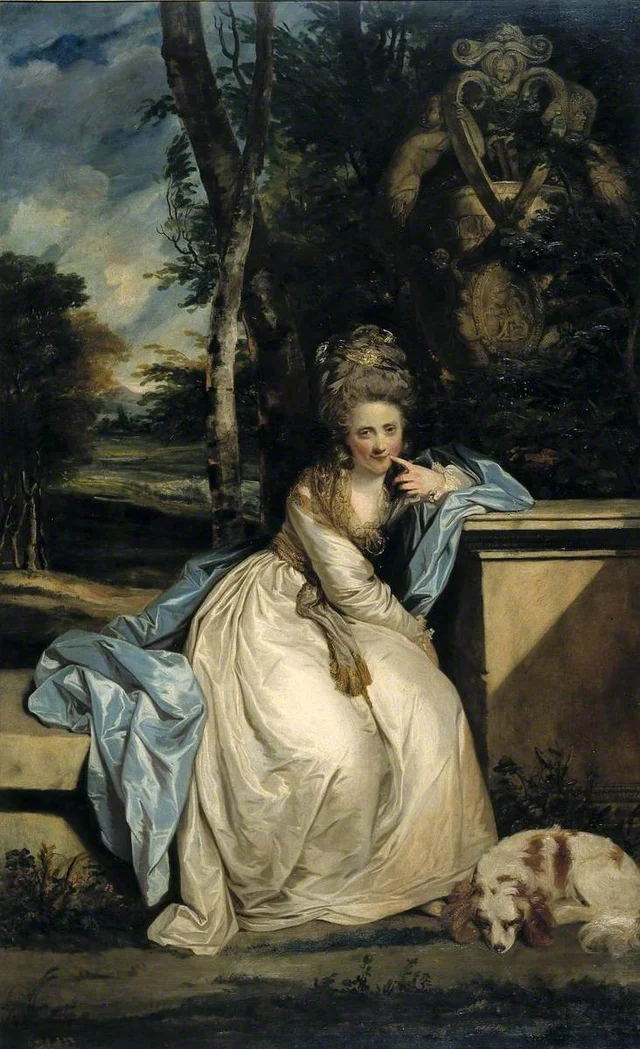 The Hon. Miss MoncktonJoshua Reynolds, 1777
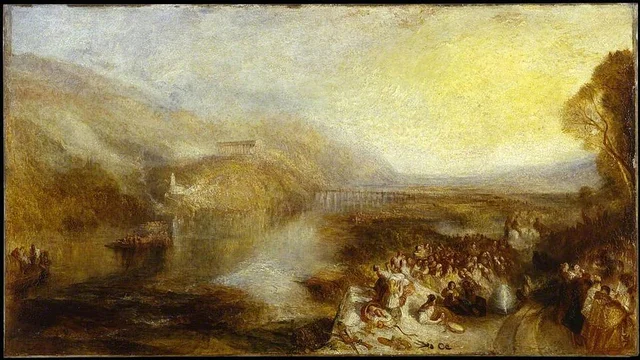 The Opening of the Wallhalla, 1842J. M. W. Turner, 1843
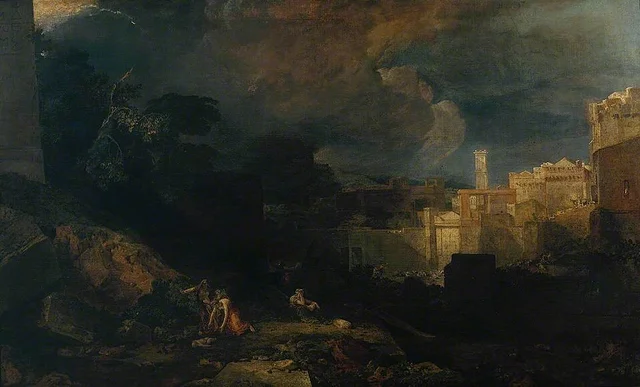 The Tenth Plague of EgyptJ. M. W. Turner, 1802
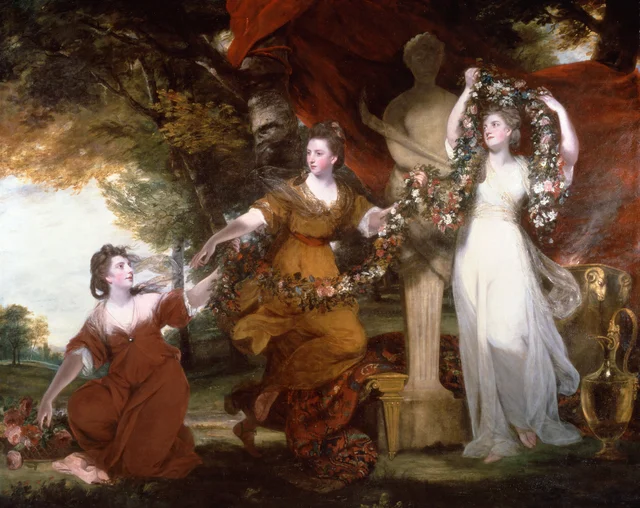 Three Ladies Adorning a Term of HymenJoshua Reynolds, 1773
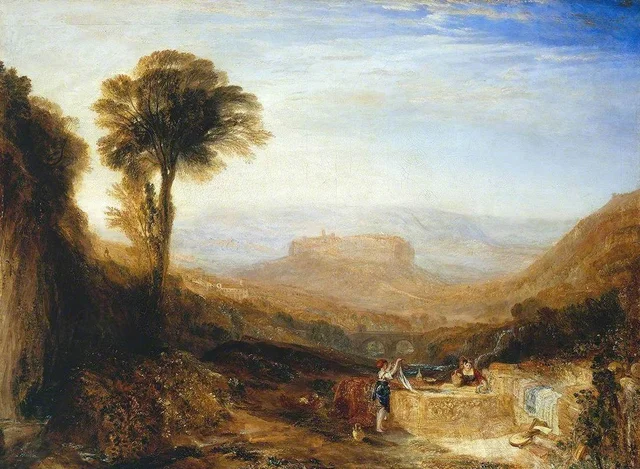 View of Orvieto, Painted in RomeJ. M. W. Turner, 1828
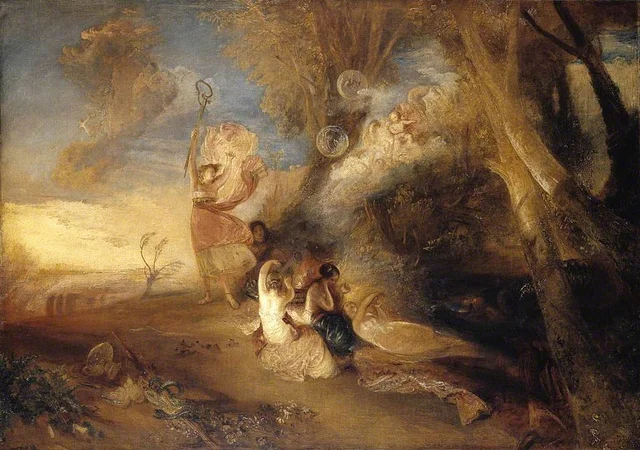 Vision of MedeaJ. M. W. Turner, 1828
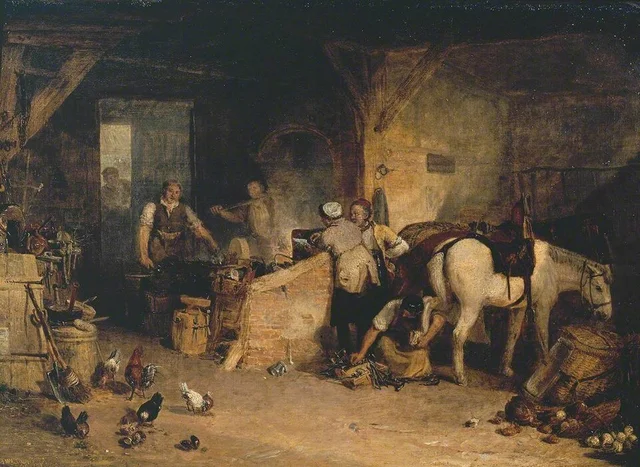 A Country Blacksmith Disputing upon the Price of Iron, and the Price Charged to the Butcher for Shoeing his PoneyJ. M. W. Turner, 1807
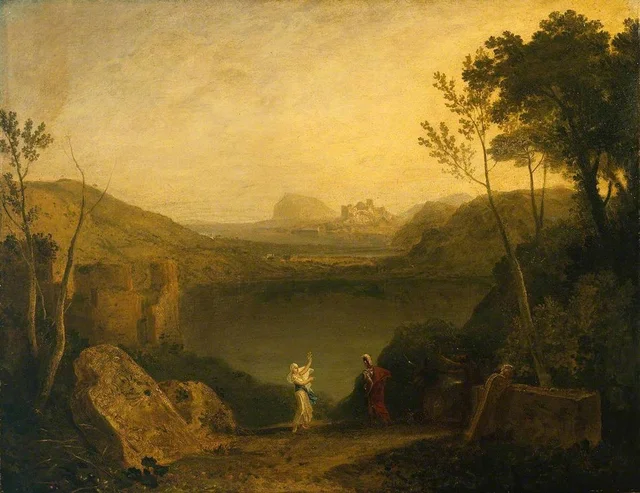 Aeneas and the Sibyl, Lake AvernusJ. M. W. Turner, 1798
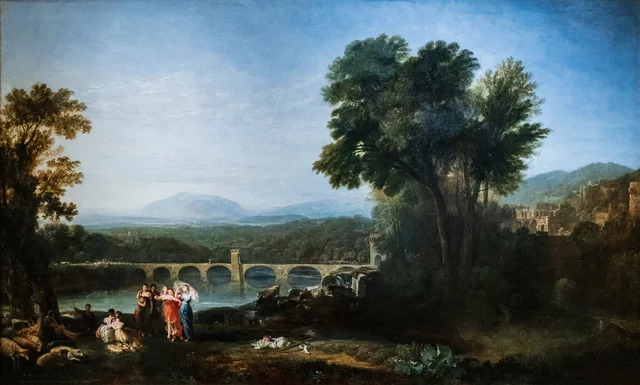 Apullia in Search of AppullusJ. M. W. Turner, 1814
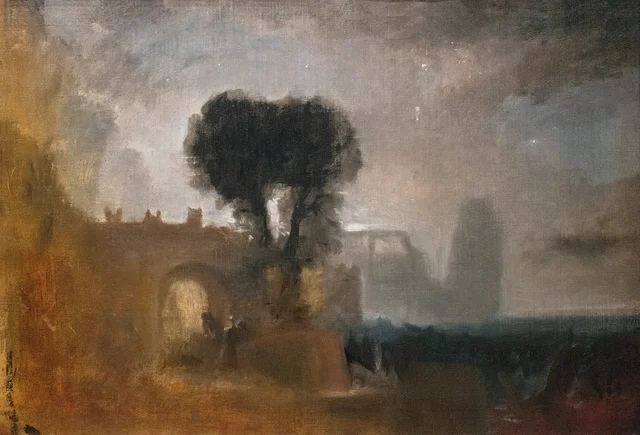 Archway with Trees by the Sea; Sketch for ‘The Parting of Hero and Leander’J. M. W. Turner, 1827
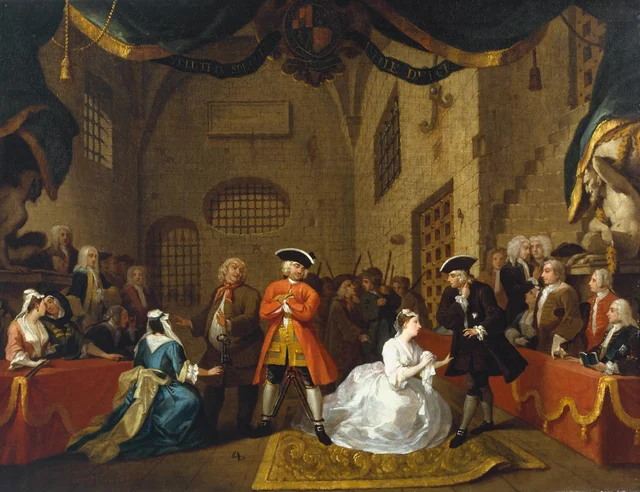 A Scene from ‘The Beggar’s Opera’ VIWilliam Hogarth, 1731
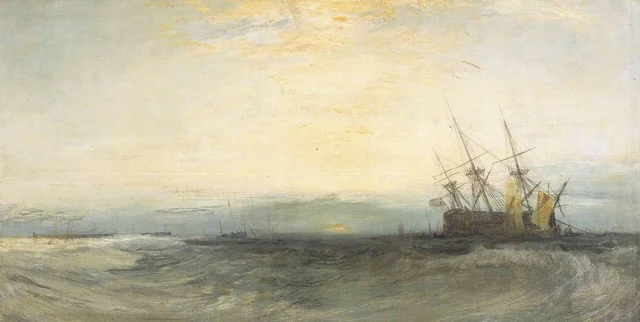 A Ship Aground, Yarmouth; Sample StudyJ. M. W. Turner, 1827
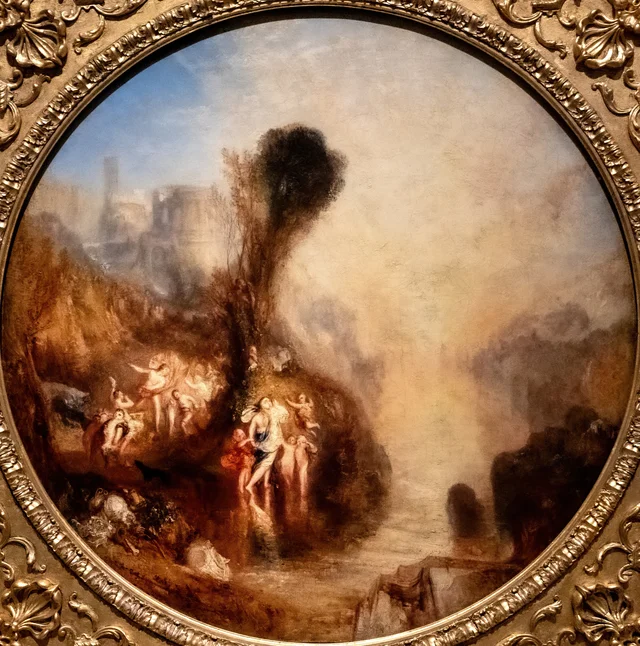 Bacchus and AriadneJ. M. W. Turner, 1840
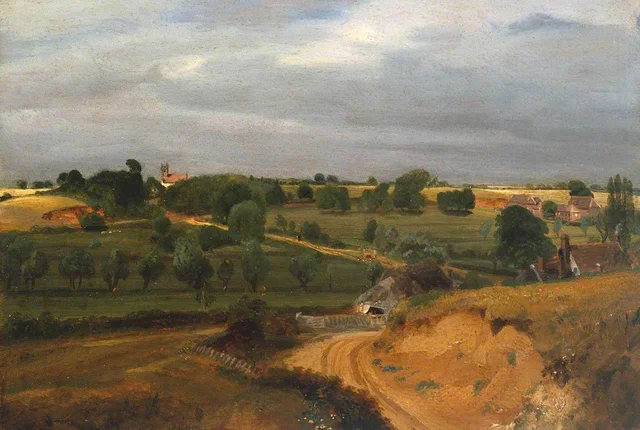 Brightwell Church and VillageJohn Constable, 1815
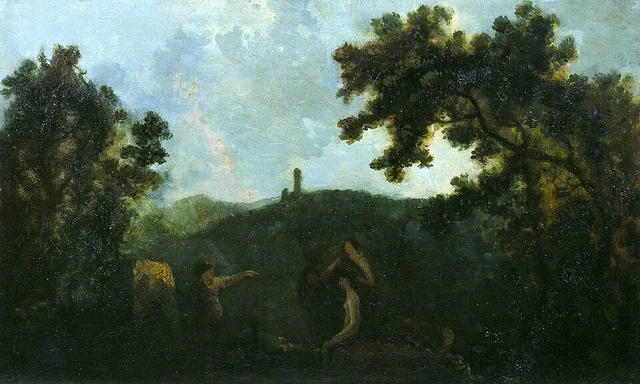 Diana and Callisto (after Wilson)Anonymous, 1796
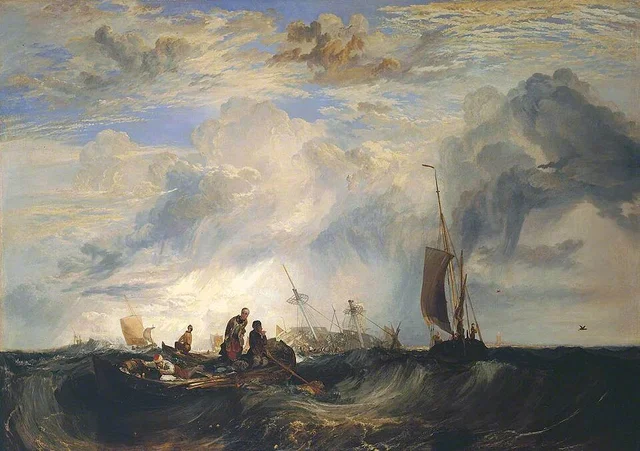 Entrance of the Meuse: Orange-Merchant on the Bar, Going to Pieces; Brill Church bearing S. E. by S., Masensluys E. by S.J. M. W. Turner, 1819
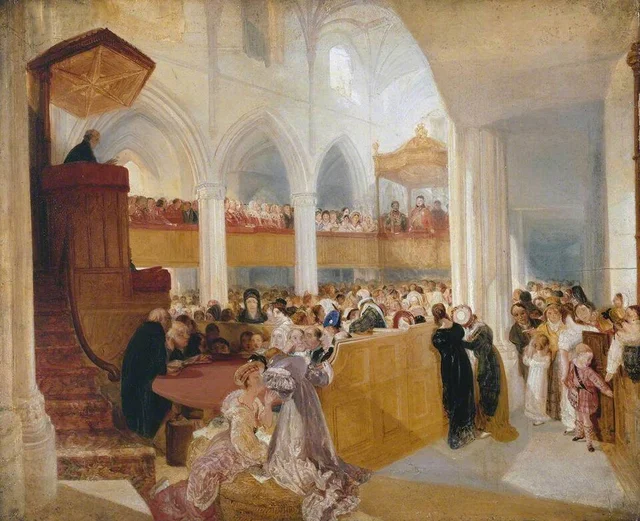 George IV at St Giles’s, EdinburghJ. M. W. Turner, 1822
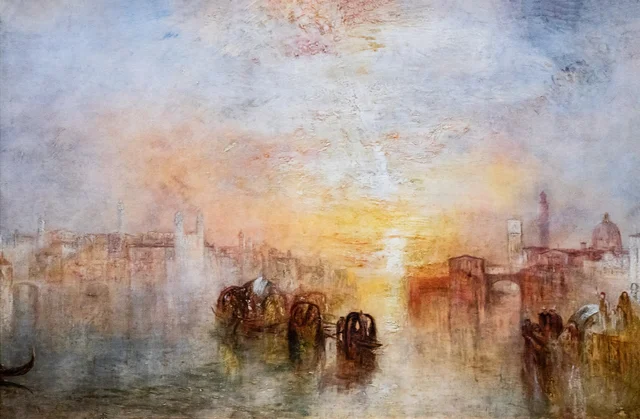 Going to the Ball (San Martino)J. M. W. Turner, 1846