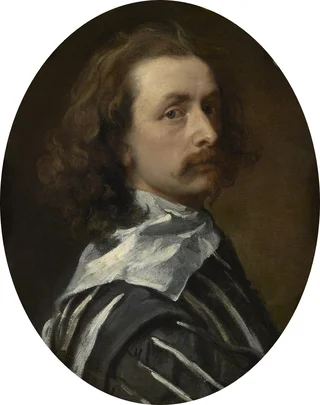
Anton van Dyck
1599–1641 · Países Bajos españoles · Pintura barroca
La historia
En 1632 Carlos I de Inglaterra, un rey obsesionado con aparentar una autoridad que en realidad no tenía frente al Parlamento, llevó a Londres al pintor amberino Anton van Dyck, lo armó caballero y le dio aposentos en Blackfriars y una barca para llevarlo Támesis arriba hasta el palacio real. Van Dyck se había formado años antes en el taller de Pedro Pablo Rubens, el pintor principal de los Países Bajos del Sur, y había pasado buena parte de su veintena en Italia estudiando los retratos de Tiziano en Génova. Lo que trajo consigo a Inglaterra fue una manera de retratar a la aristocracia que hacía que el retrato formal pareciera relajado, incluso íntimo, sin perder un ápice de grandeza.
Durante el resto de la década van Dyck no pintó casi a nadie más que al rey, a la reina y a su círculo, produciendo imagen tras imagen de una monarquía que se registraba a sí misma, en pintura, exactamente como quería ser recordada. Carlos apenas volvió a posar para ningún otro pintor. Esos retratos siguen siendo la imagen que la mayoría conserva de la corte de los Estuardo: manos alargadas, seda, desenvoltura, un rey que parece completamente seguro en su trono.
Van Dyck murió en Londres en diciembre de 1641, un año antes de que estallara la guerra civil entre Carlos y el Parlamento. Carlos fue ejecutado frente a su propia Banqueting House, en Whitehall, en 1649, y se dice que llevaba dos camisas para protegerse del frío de enero, de modo que no tiritara y pareciera tener miedo.
Más artículos
Obras
240 obras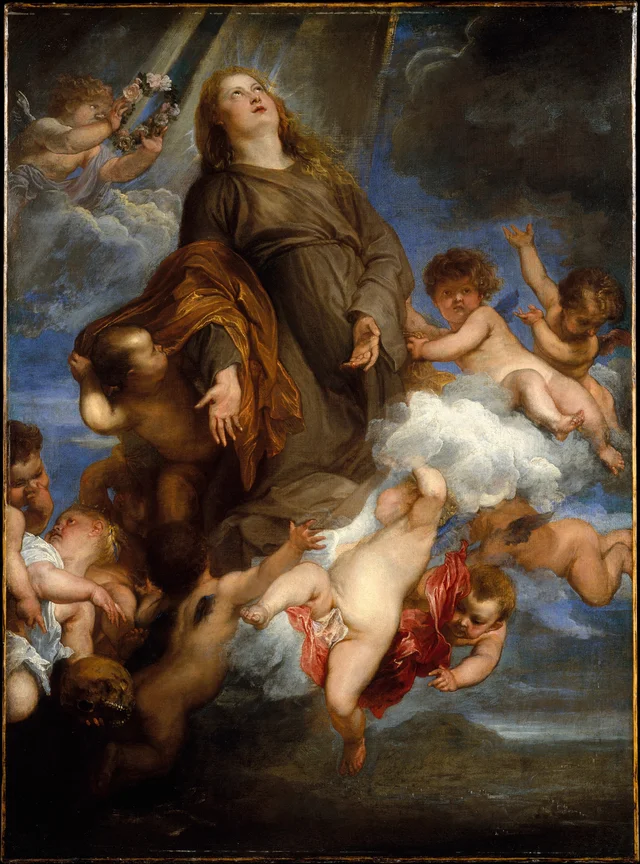 Santa Rosalía intercediendo por los apestados de PalermoAnton van Dyck, 1624
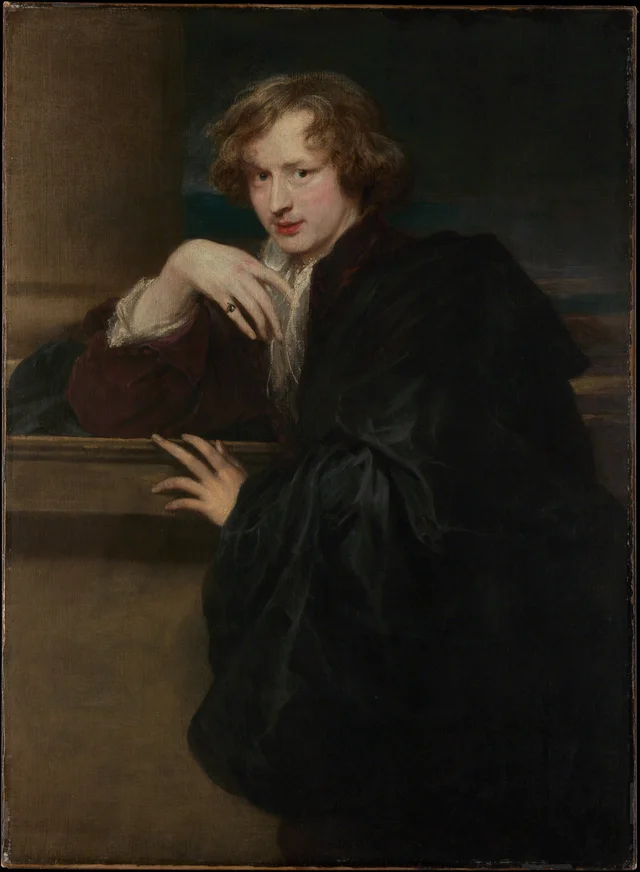 AutorretratoAnton van Dyck, 1620
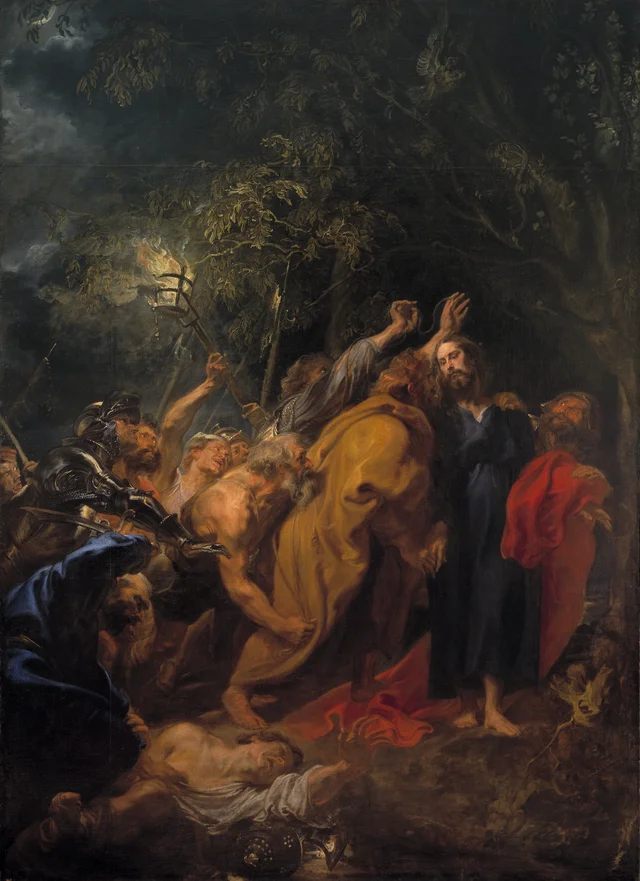 El prendimiento de CristoAnton van Dyck, 1618
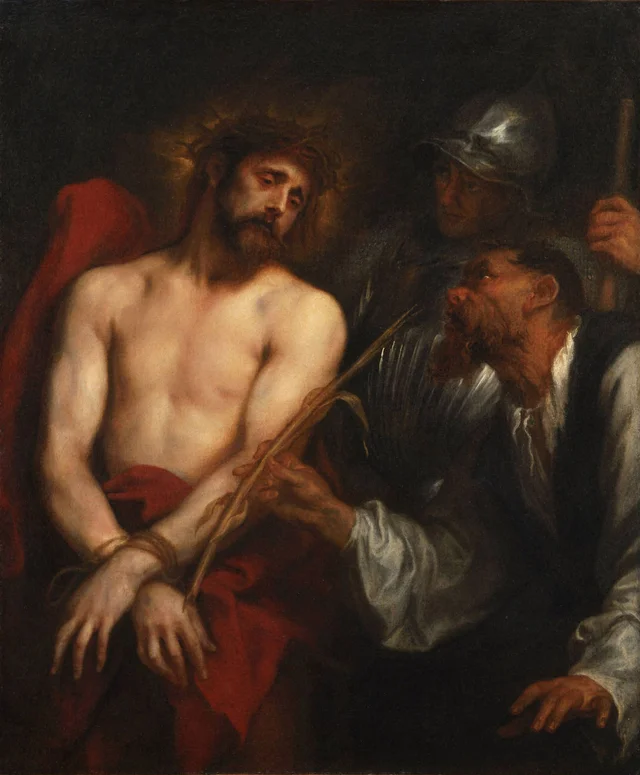 La burla de CristoAnton van Dyck, 1628
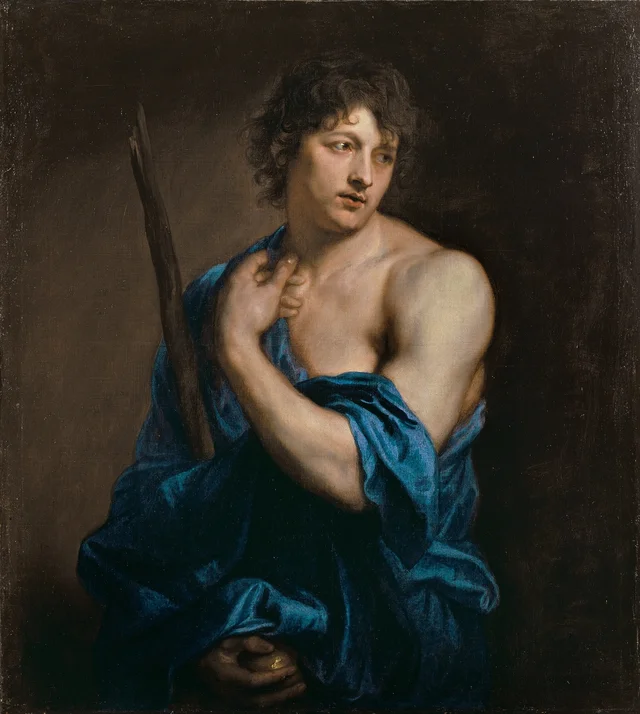 El pastor Paris como personificación del Juicio artísticoAnton van Dyck, 1628
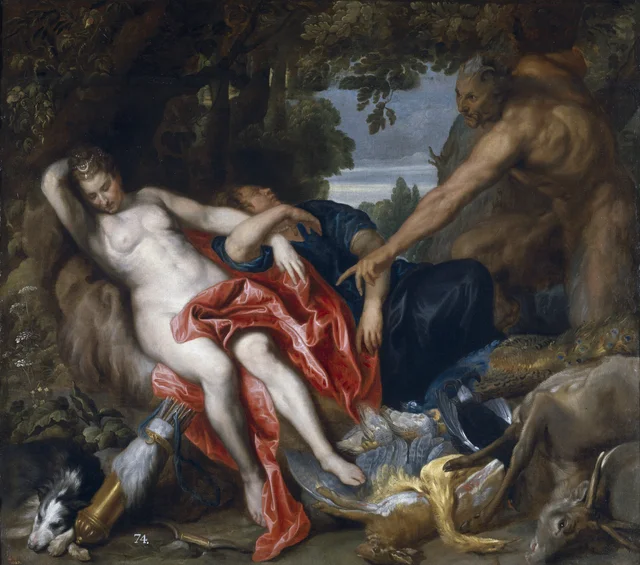 Diana y una ninfa sorprendidas por un sátiroAnton van Dyck, 1622
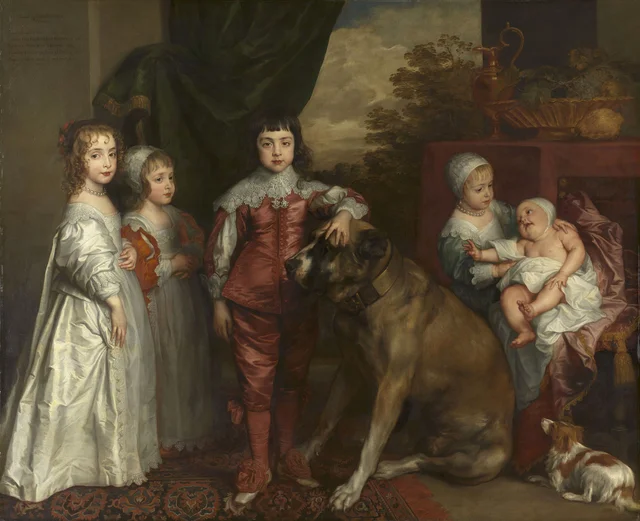 Los cinco hijos mayores de Carlos IAnton van Dyck, 1637
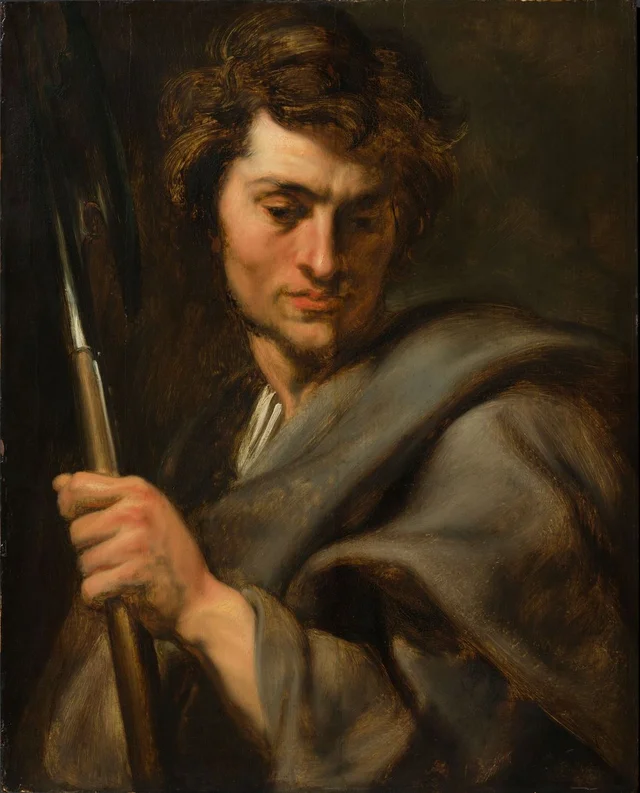 San Mateo apóstolAnton van Dyck, 1619
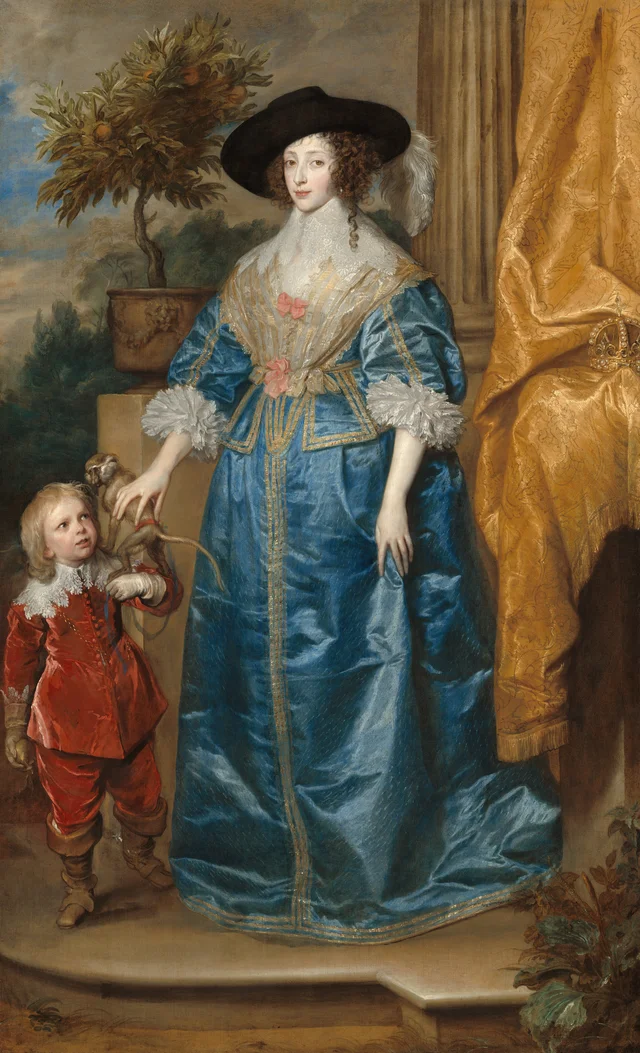 La reina Henrietta Maria con Sir Jeffrey HudsonAnton van Dyck, 1633
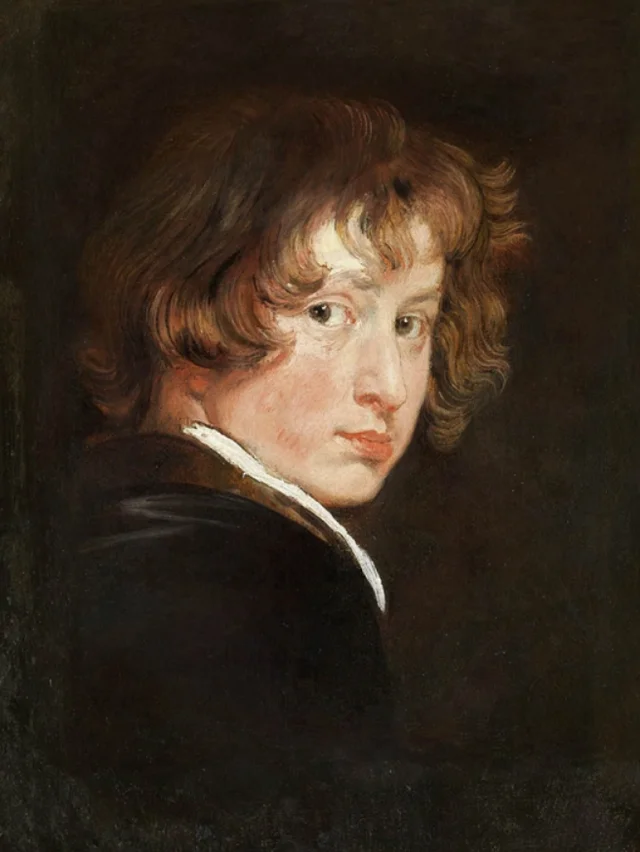 AutorretratoAnton van Dyck, 1613
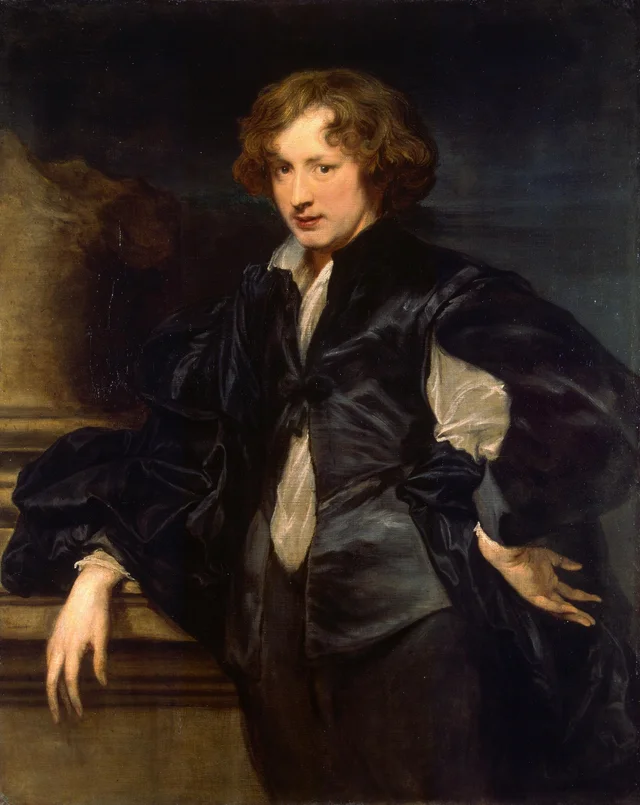 AutorretratoAnton van Dyck, 1622
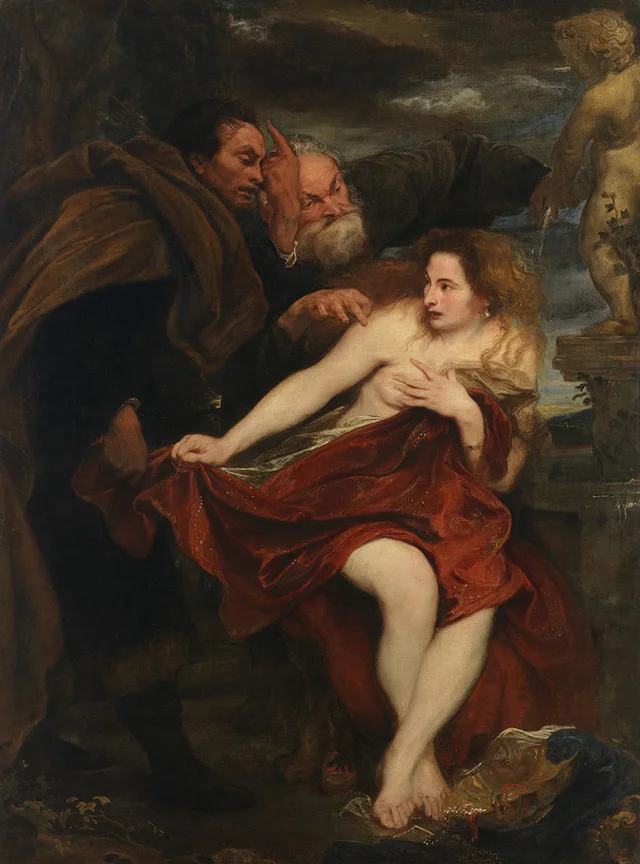 Susana y los ancianosAnton van Dyck, 1622
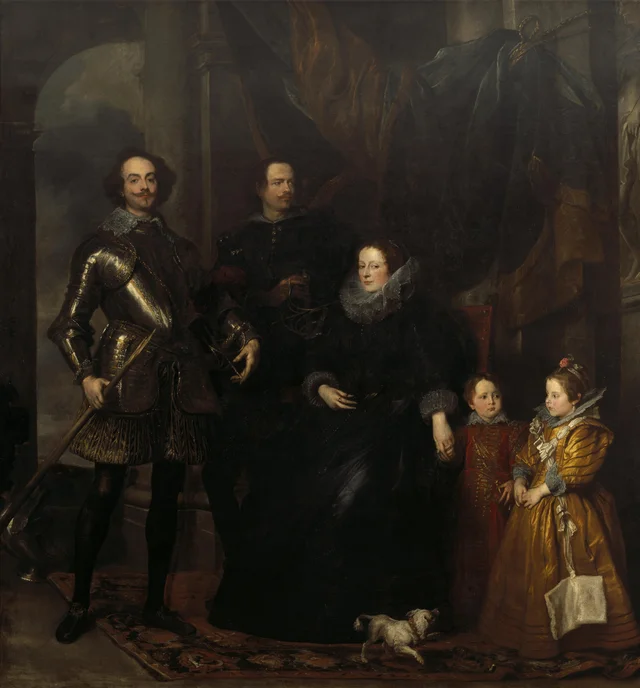 La familia LomelliniAnton van Dyck, 1623
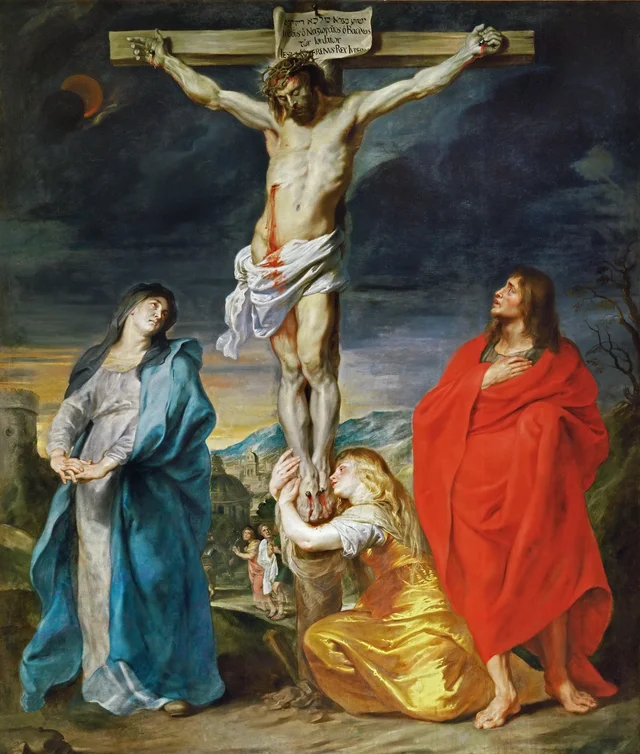 Crucifixión con la Virgen María, san Juan y santa María MagdalenaAnton van Dyck, 1618
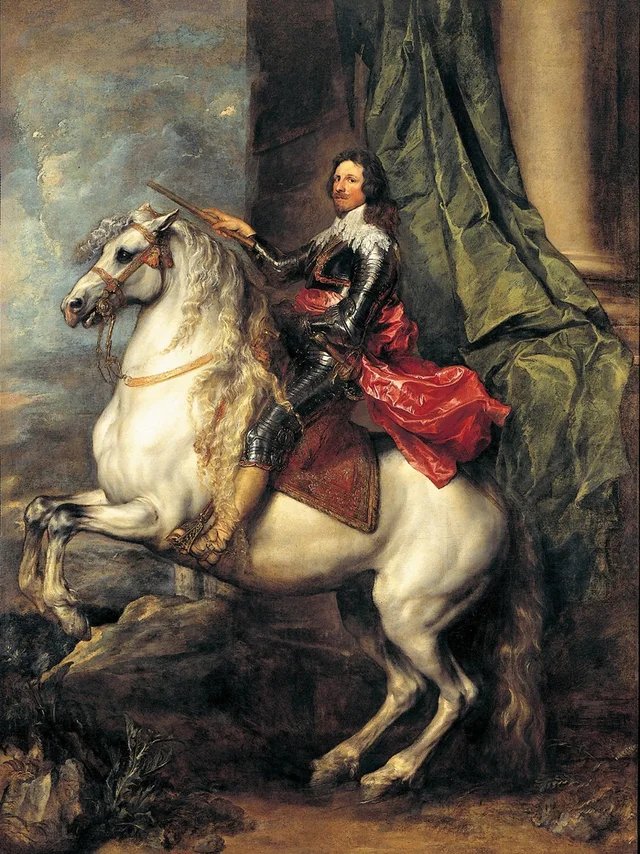 Retrato ecuestre del príncipe Tomás de Saboya-CarignanoAnton van Dyck, 1634
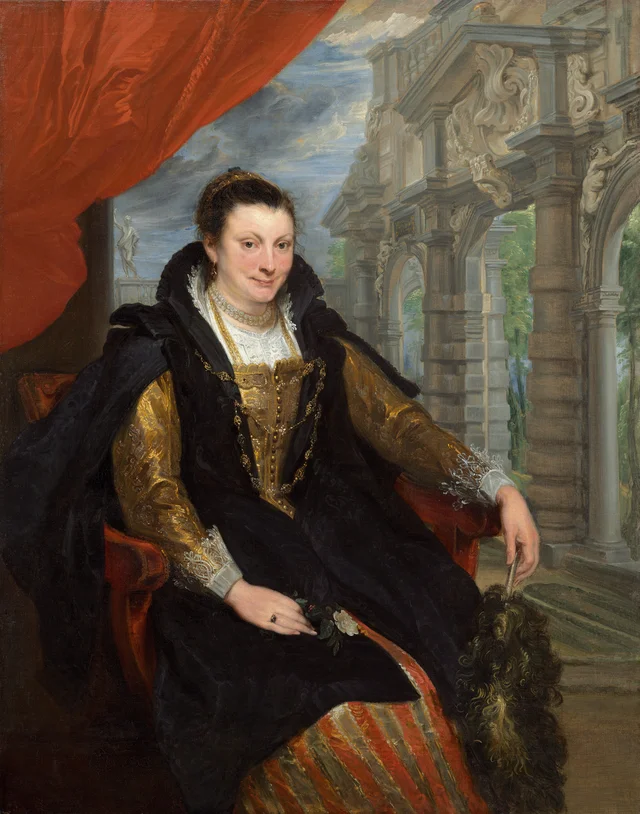 Isabella BrantAnton van Dyck, 1621
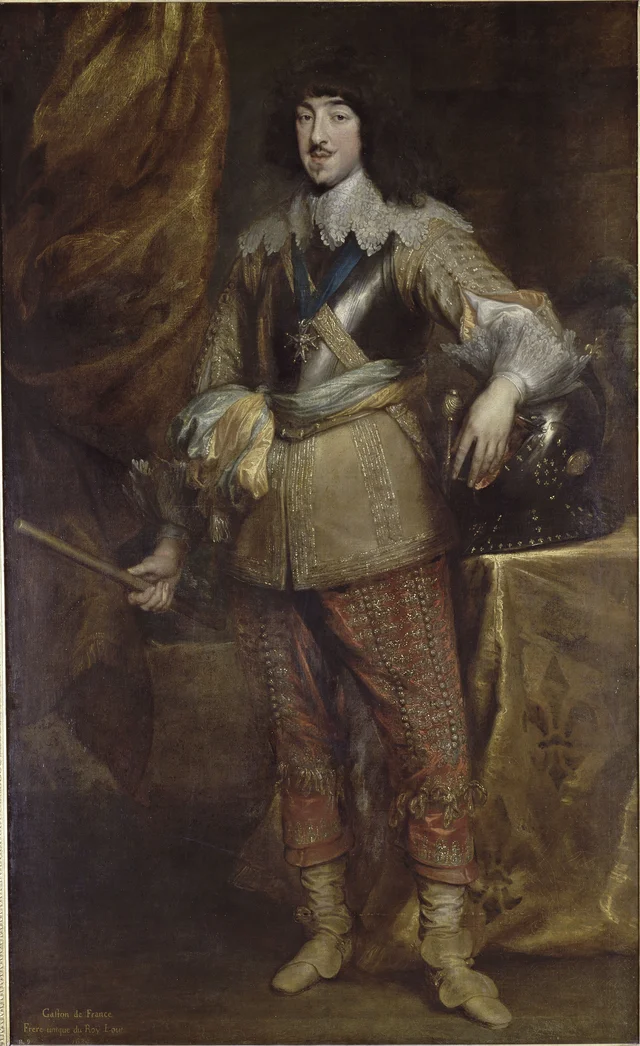 Retrato de Gastón de FranciaAnton van Dyck, 1632
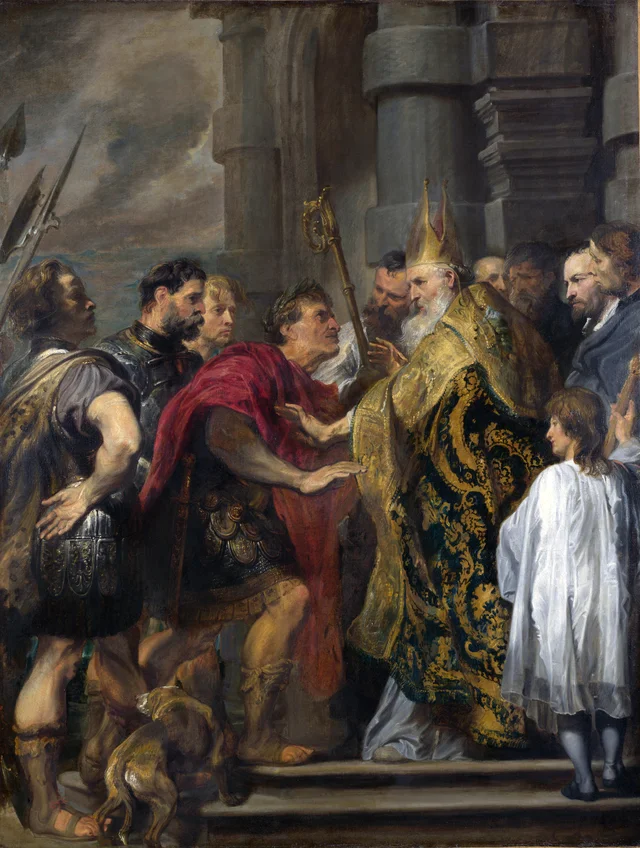 San Ambrosio prohíbe la entrada a Teodosio en la catedral de MilánAnton van Dyck, 1619
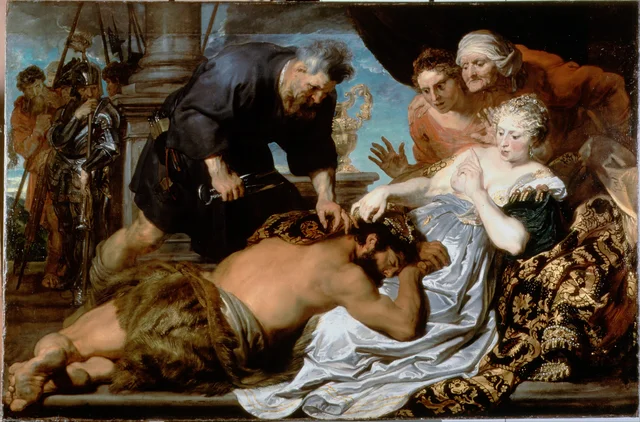 Sansón y DalilaAnton van Dyck, 1620
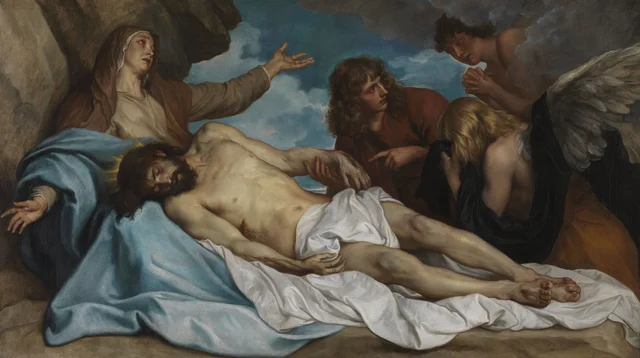 Lamentación sobre Cristo muertoAnton van Dyck, 1635
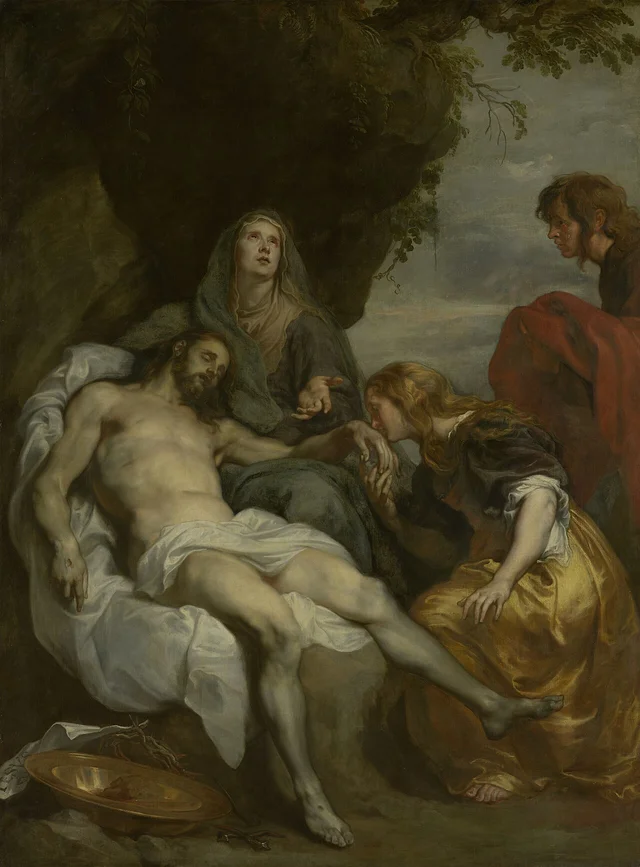 El llanto sobre Cristo muertoAnton van Dyck, 1629
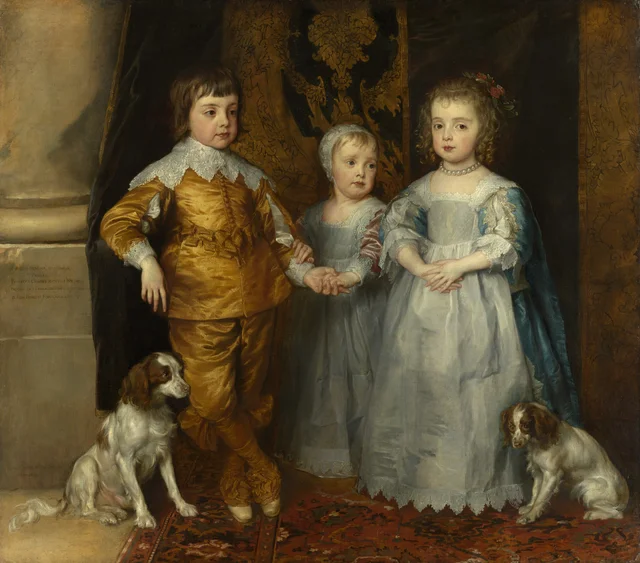 Los tres hijos mayores de Carlos IAnton van Dyck, 1635
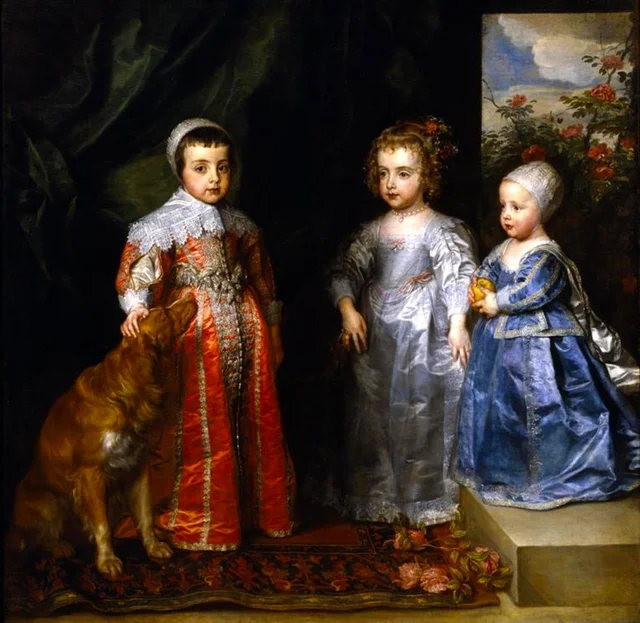 Los tres hijos mayores de Carlos I Estuardo (1600-1649) y Enriqueta María de Borbón (1609-1669), Carlos (1630-1685), María (1631-1666) y Jacobo (1633-1685)Anton van Dyck, 1635
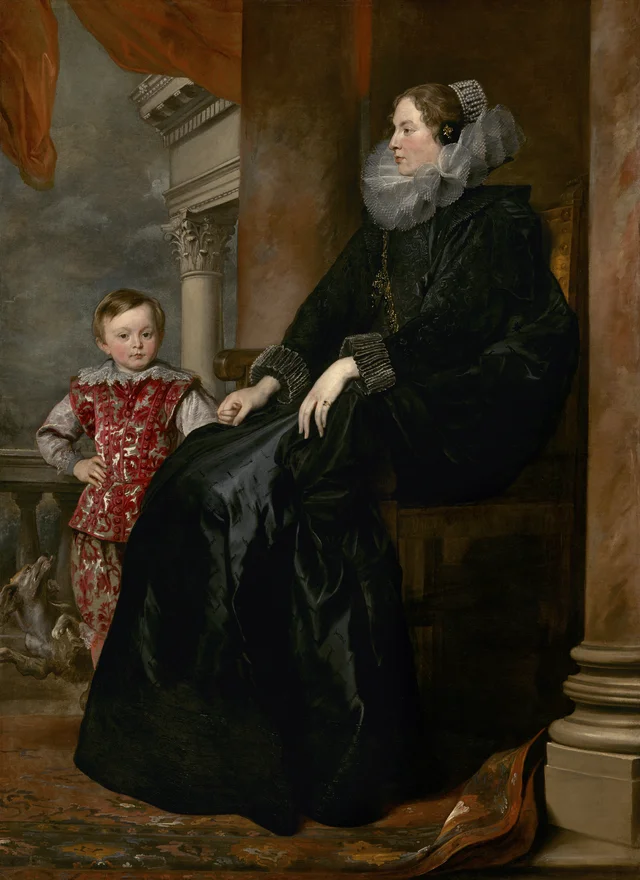 Una noble genovesa y su hijoAnton van Dyck, 1626
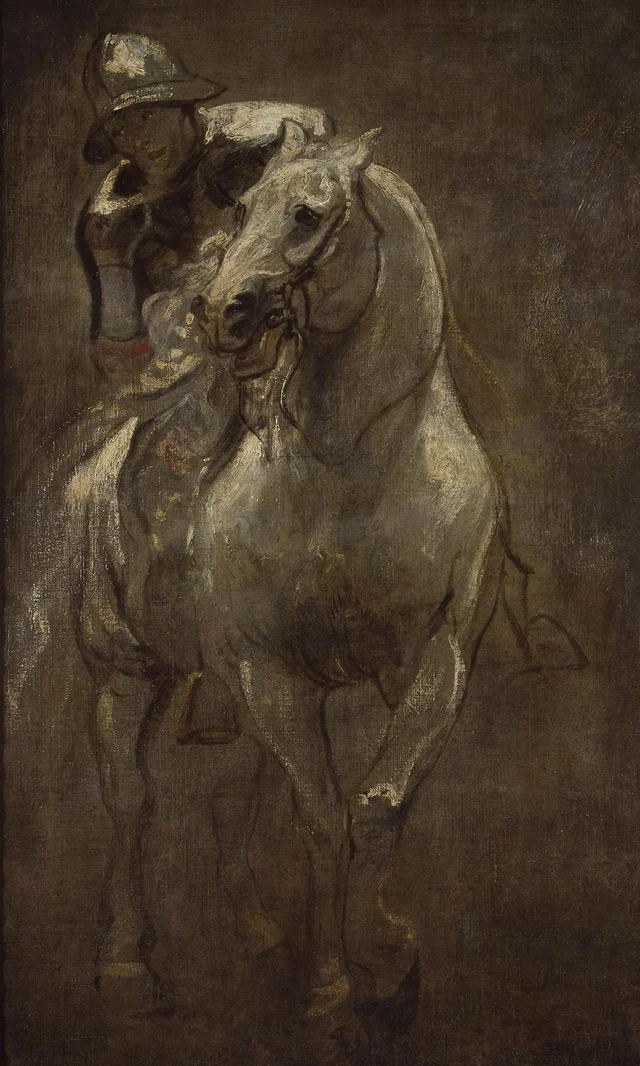 Un soldado a caballoAnton van Dyck, 1616