La historia
La galería lleva el nombre de un solo hombre porque fue, literalmente, el proyecto de un solo hombre. Pável Tretiakov, un comerciante textil de Moscú, empezó a comprar pintura rusa en la década de 1850 con un propósito claro: formar una colección nacional en una época en que los coleccionistas serios perseguían el arte europeo. Compraba directamente a los artistas vivos, llenó su casa hasta que los cuadros desplazaron a la familia, y en 1892 entregó toda la colección, unas 2.000 obras, a la ciudad de Moscú como regalo.
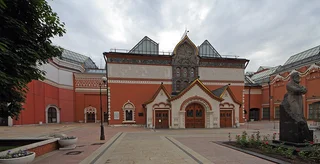
El edificio que él amplió se convirtió en un hito por derecho propio. Su fachada de cuento, toda de ladrillo rojo, piedra blanca y un hastial apuntado como salido de un relato popular, la diseñó después de 1900 el pintor Víktor Vasnetsov, de modo que el envoltorio hace juego con el arte ruso del interior.
Y ese arte es la historia misma de la pintura rusa. Aquí está la Trinidad de Andréi Rubliov, el icono del siglo XV tenido por el más grande del arte ruso, y los enormes lienzos de los Ambulantes, los realistas que rompieron con la academia. Uno de ellos, el cuadro de Iliá Repin en que Iván el Terrible sostiene al hijo que acaba de matar, ha sido atacado dos veces por visitantes, rajado en 1913 y golpeado de nuevo en 2018, y cada vez restaurado con esmero. Cerca cuelgan los atentos retratos de Kramskói y las vastas y abarrotadas escenas de la historia rusa de Súrikov, y toda una sala de iconos medievales que el museo muestra como arte.
Colección
112 obras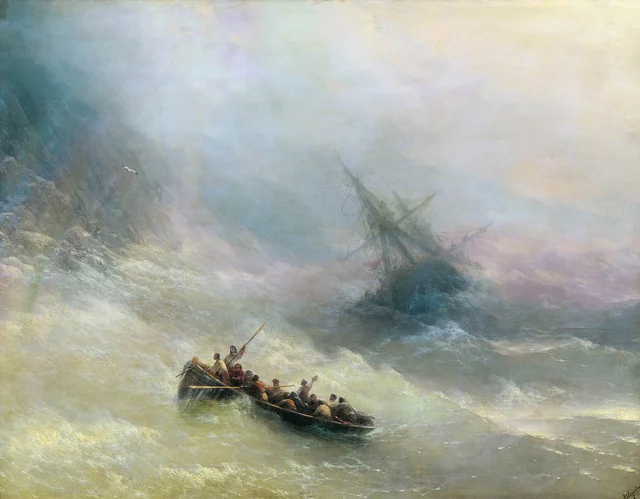 El arcoírisIván Aivazovsky, 1873
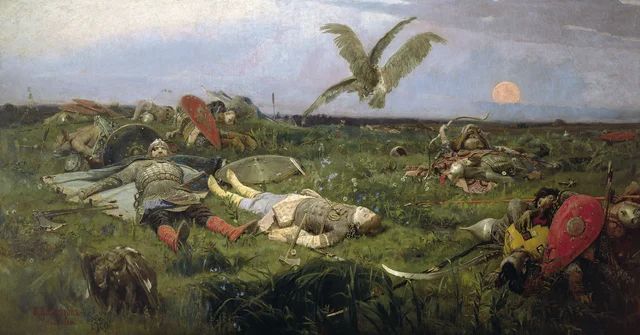 Después de la batalla del príncipe ÍgorVíktor Vasnetsov, 1880
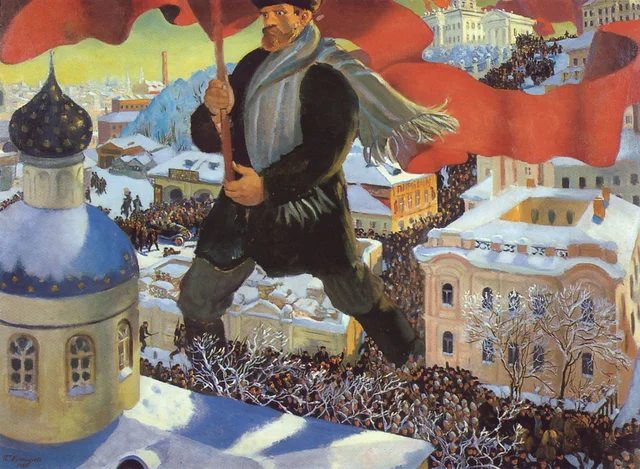 El bolcheviqueBorís Kustódiev, 1920
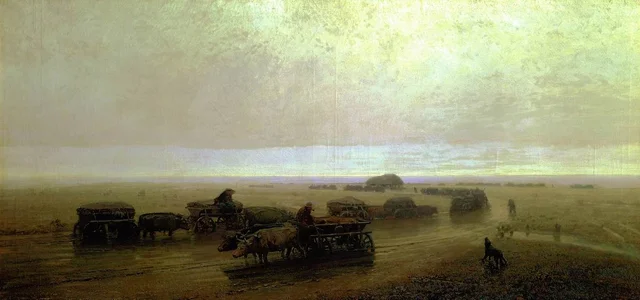 El camino de los chumaks en MariúpolArjip Kuindzhi, 1875
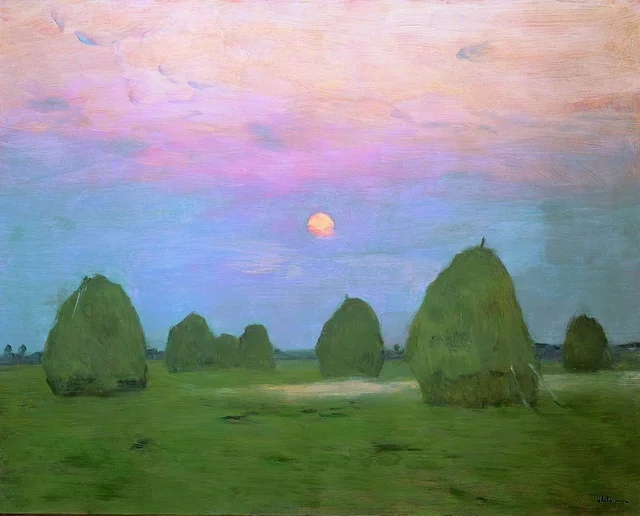 Crepúsculo. AlmiaresIsaak Levitán, 1899
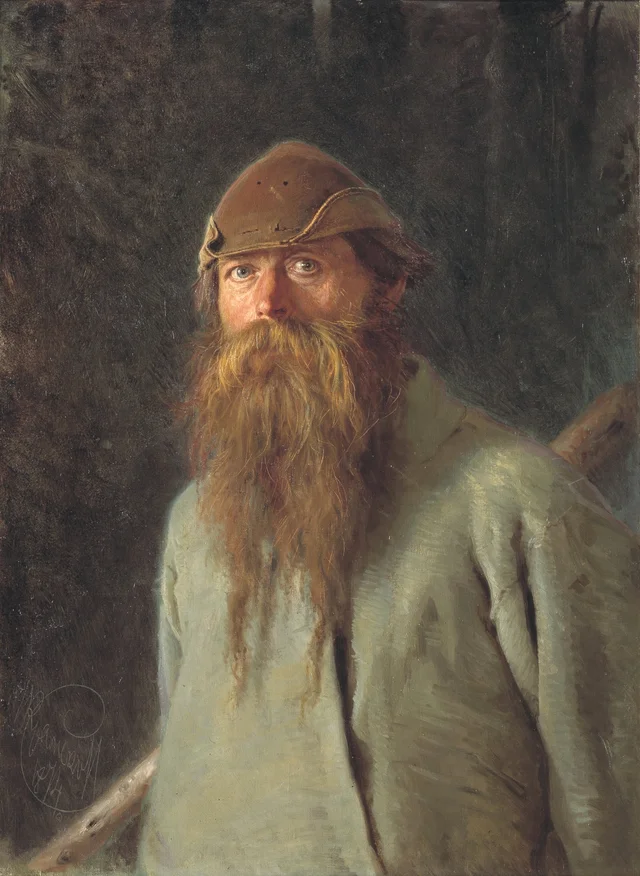 El guardabosquesIván Kramskói, 1874
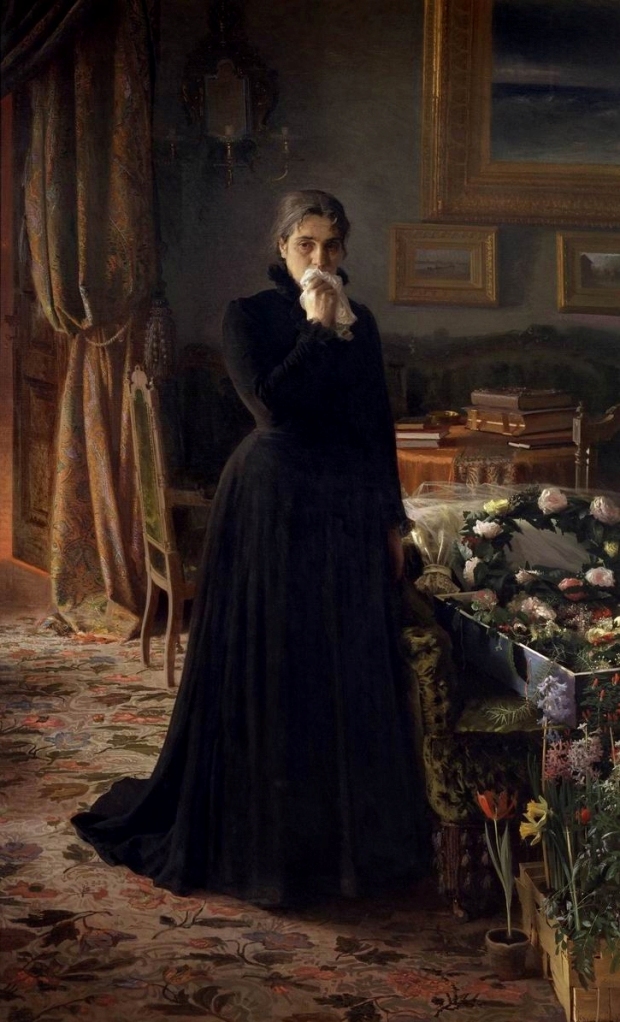 Dolor inconsolableIván Kramskói, 1884
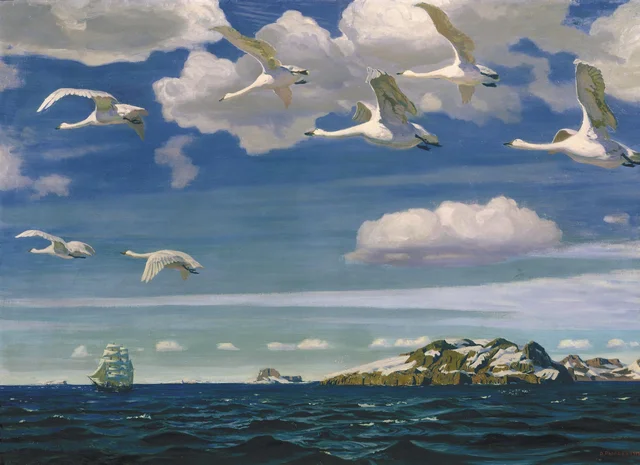 En el vasto azulArkadi Rýlov, 1918
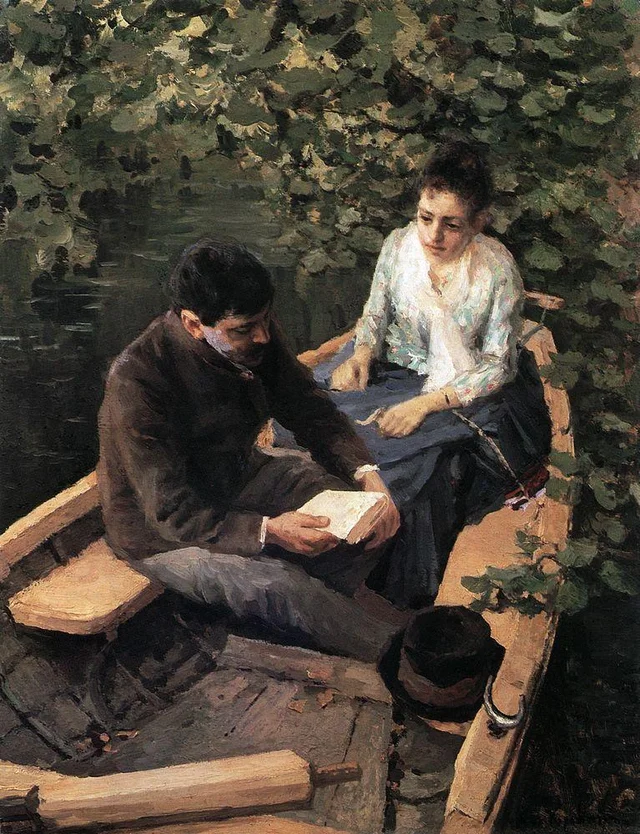 En la barcaKonstantín Korovin, 1888
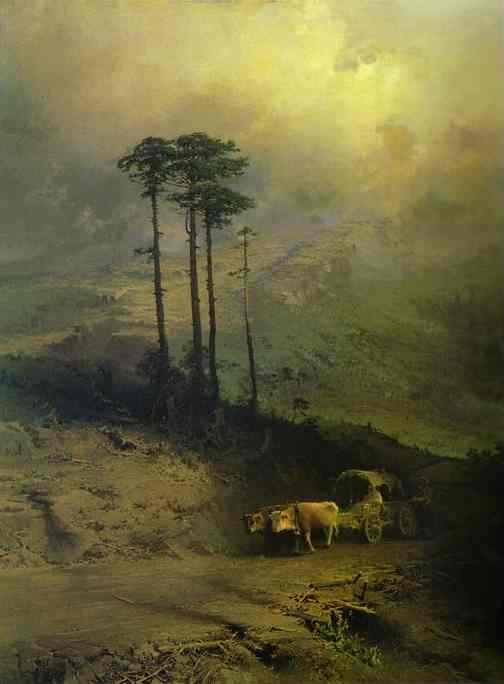 En las montañas de CrimeaFiódor Vasíliev, 1873
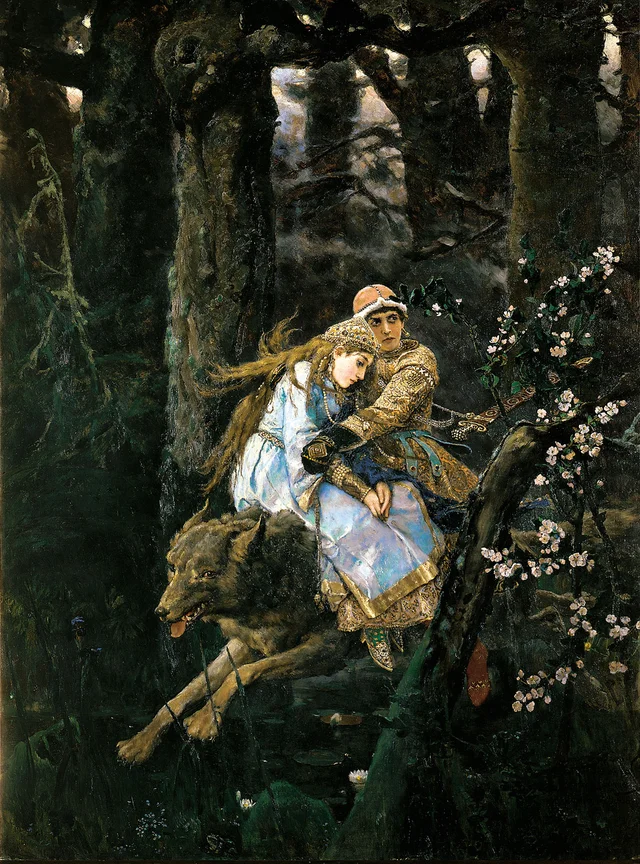 Iván Tsarévich cabalgando el lobo grisVíktor Vasnetsov, 1889
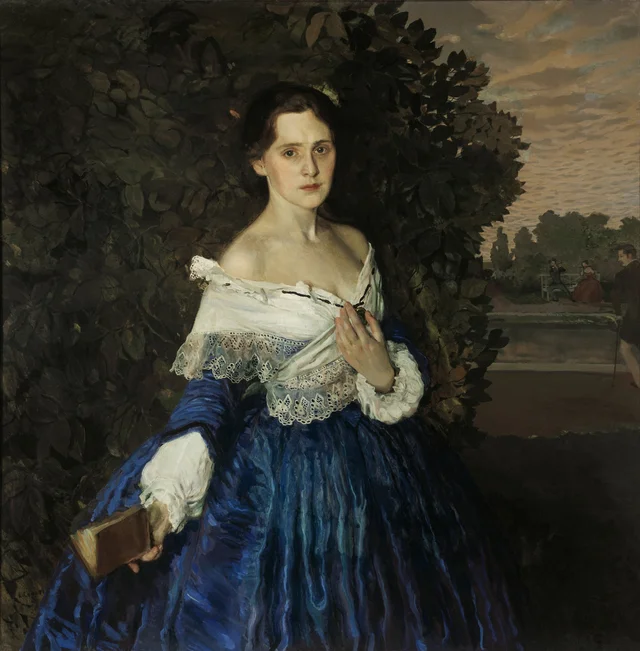 Dama de azulKonstantín Sómov, 1897
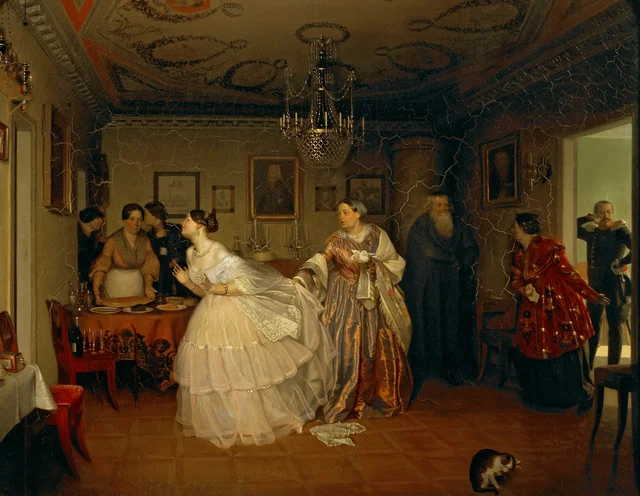 El cortejo del mayorPável Fedótov, 1848
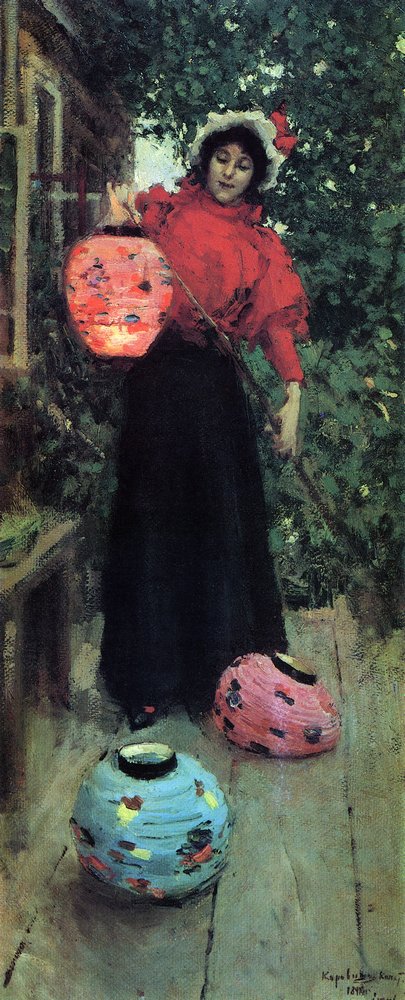 Faroles de papelKonstantín Korovin, 1896
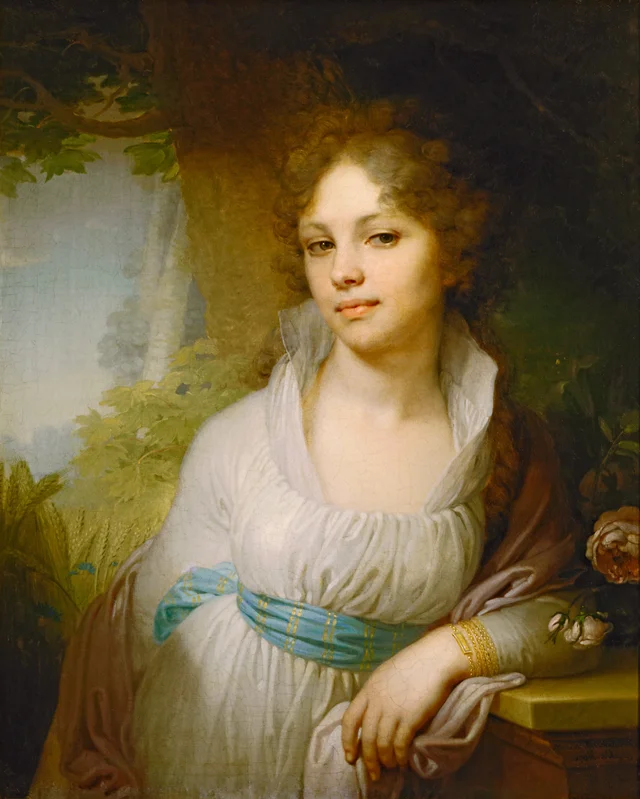 Retrato de María Ivánovna LopújinaVladímir Borovikovski, 1797
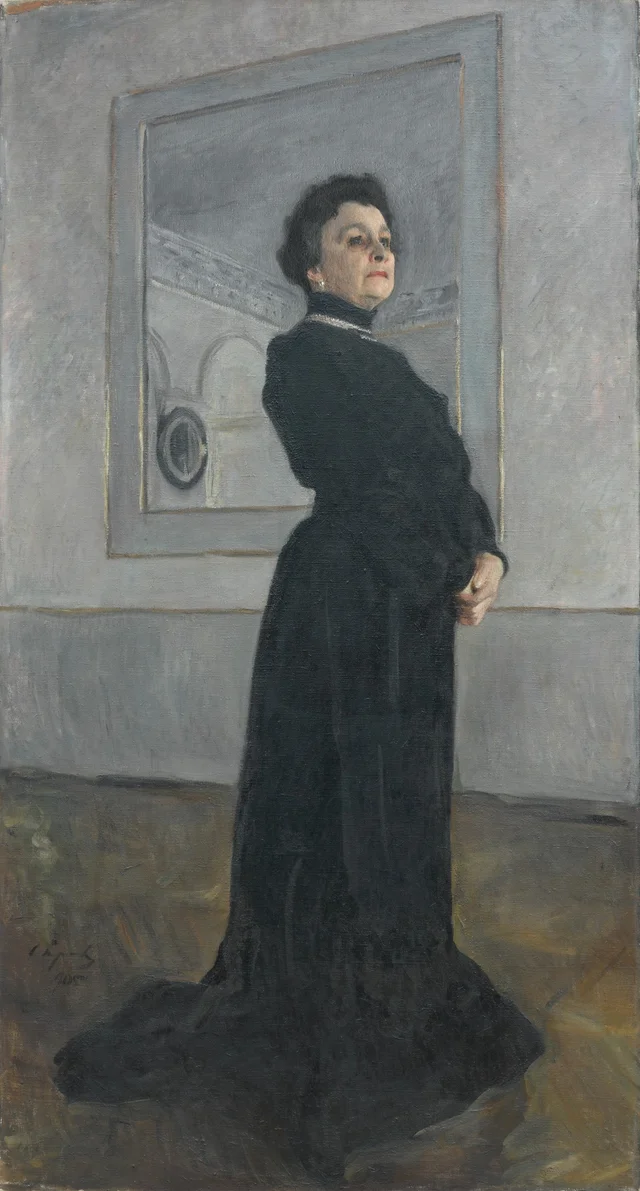 Retrato de María YermólovaValentín Serov, 1905
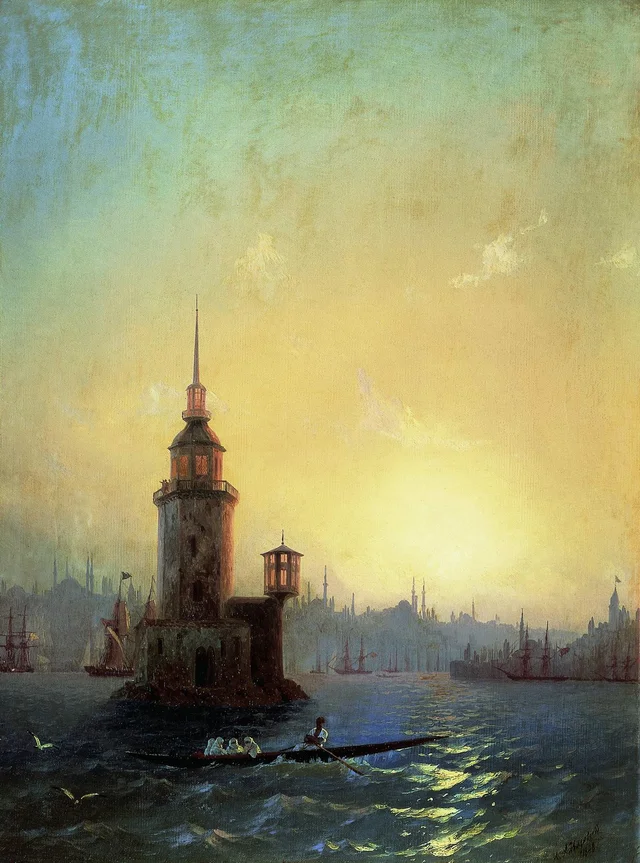 La Torre de la DoncellaIván Aivazovsky, 1848
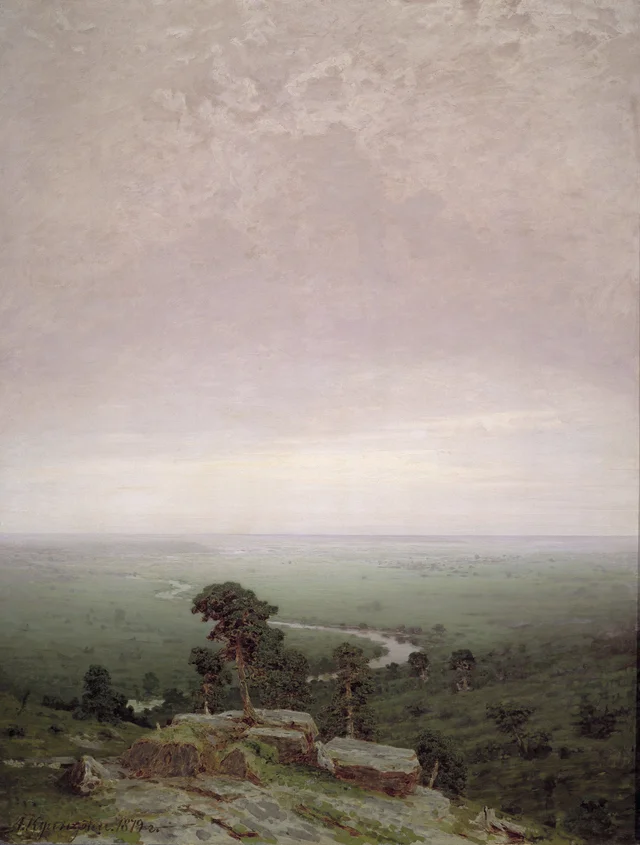 El NorteArjip Kuindzhi, 1879
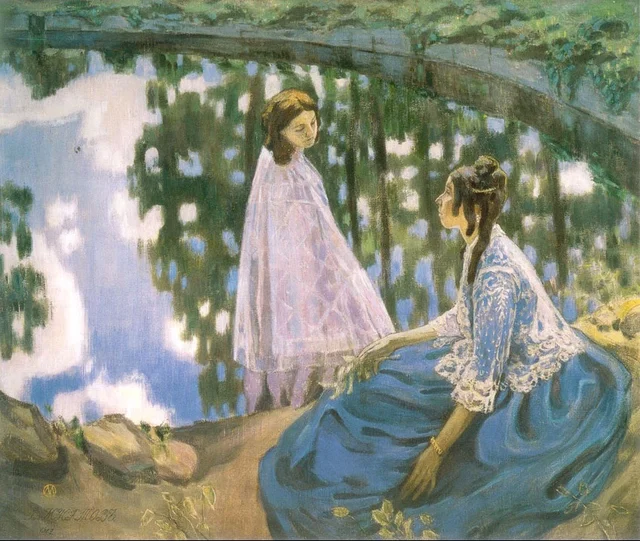 El estanqueVíctor Borisov-Musátov, 1902
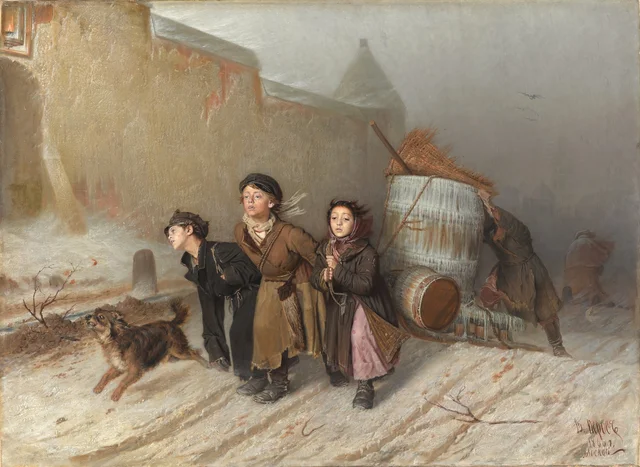 TroikaVasili Perov, 1866
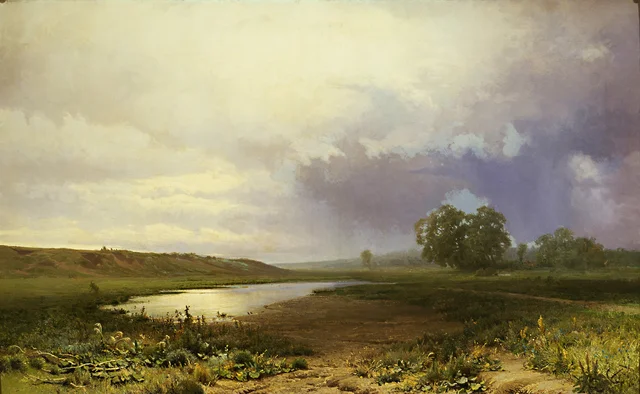 Prado húmedoFiódor Vasíliev, 1872
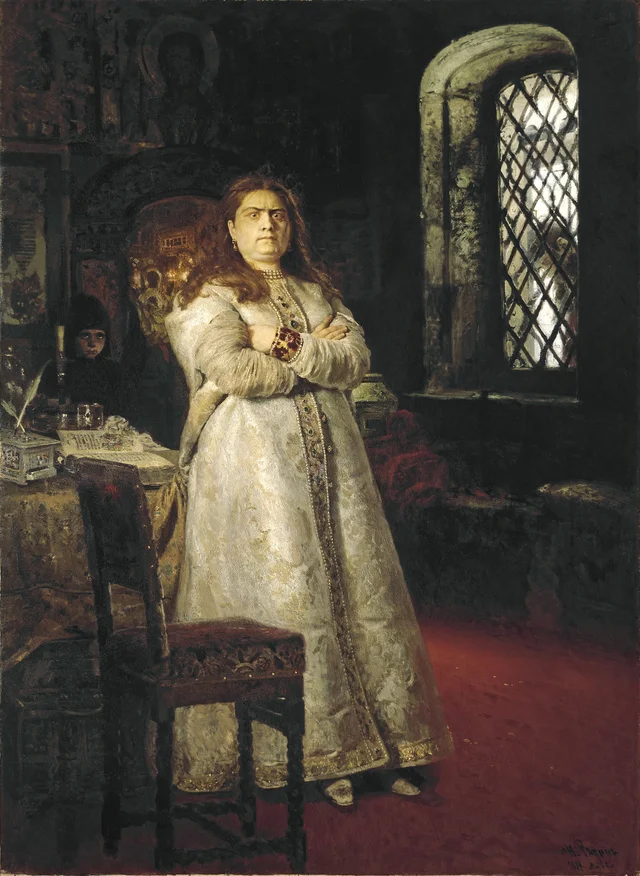 La zarevna Sofía en el convento de NovodévichiIliá Repin, 1879
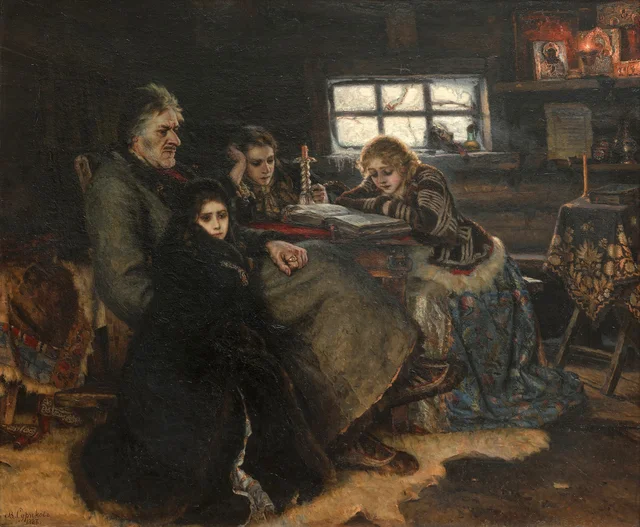 Menshikov en BerézovoVasili Súrikov, 1883
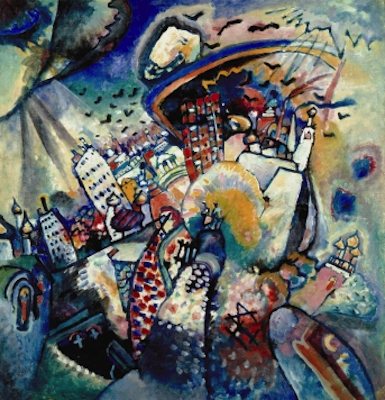 Moscú IVasili Kandinski, 1916
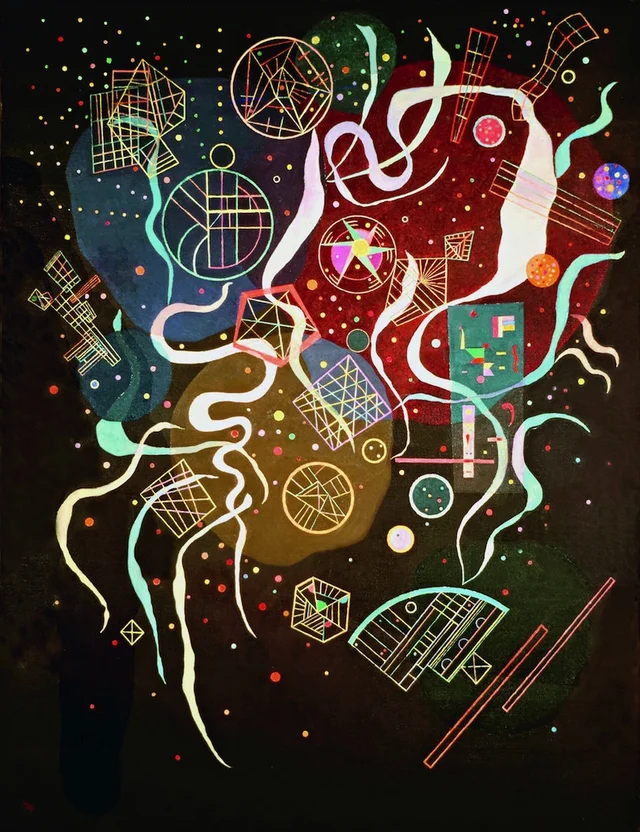 Movimiento IVasili Kandinski, 1935