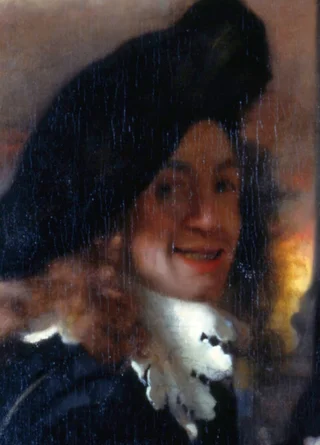
Johannes Vermeer
1632–1675 · Provinces-Unies · Peinture du siècle d'or néerlandais
L'histoire
Vermeer travaillait lentement et n'a laissé que très peu d'œuvres derrière lui. On ne lui attribue avec certitude aujourd'hui qu'une trentaine de tableaux environ, pour la plupart de tranquilles intérieurs de Delft, la ville hollandaise où il passa toute sa vie, des femmes lisant une lettre ou versant du lait dans un rai de lumière venu de la fenêtre. Il les peignit sur une vingtaine d'années tout en tenant, pour joindre les deux bouts, un commerce de tableaux d'autres artistes.
Puis le marché s'effondra sous lui. En 1672, année que les Pays-Bas gardent en mémoire sous le nom de Rampjaar, l'année du désastre, les armées françaises de Louis XIV envahirent la République néerlandaise et l'économie s'effondra, entraînant avec elle le commerce de tableaux dont Vermeer vivait. Il mourut trois ans plus tard, en 1675, subitement, laissant sa femme Catharina et onze enfants survivants criblés de dettes. Elle tenta de remettre deux de ses toiles au boulanger local pour régler une note de pain.
Pendant près de deux siècles, il resta presque oublié en dehors de Delft. Dans les années 1860, un critique français, Théophile Thoré, retrouva la trace de ses tableaux dispersés et écrivit les articles qui firent sa renommée, le surnommant le Sphinx de Delft tant on savait peu de choses sur l'homme. Cela reste à peu près vrai aujourd'hui. Nous avons ses tableaux et une poignée de documents, et presque aucune parole de Vermeer lui-même.
Autres articles
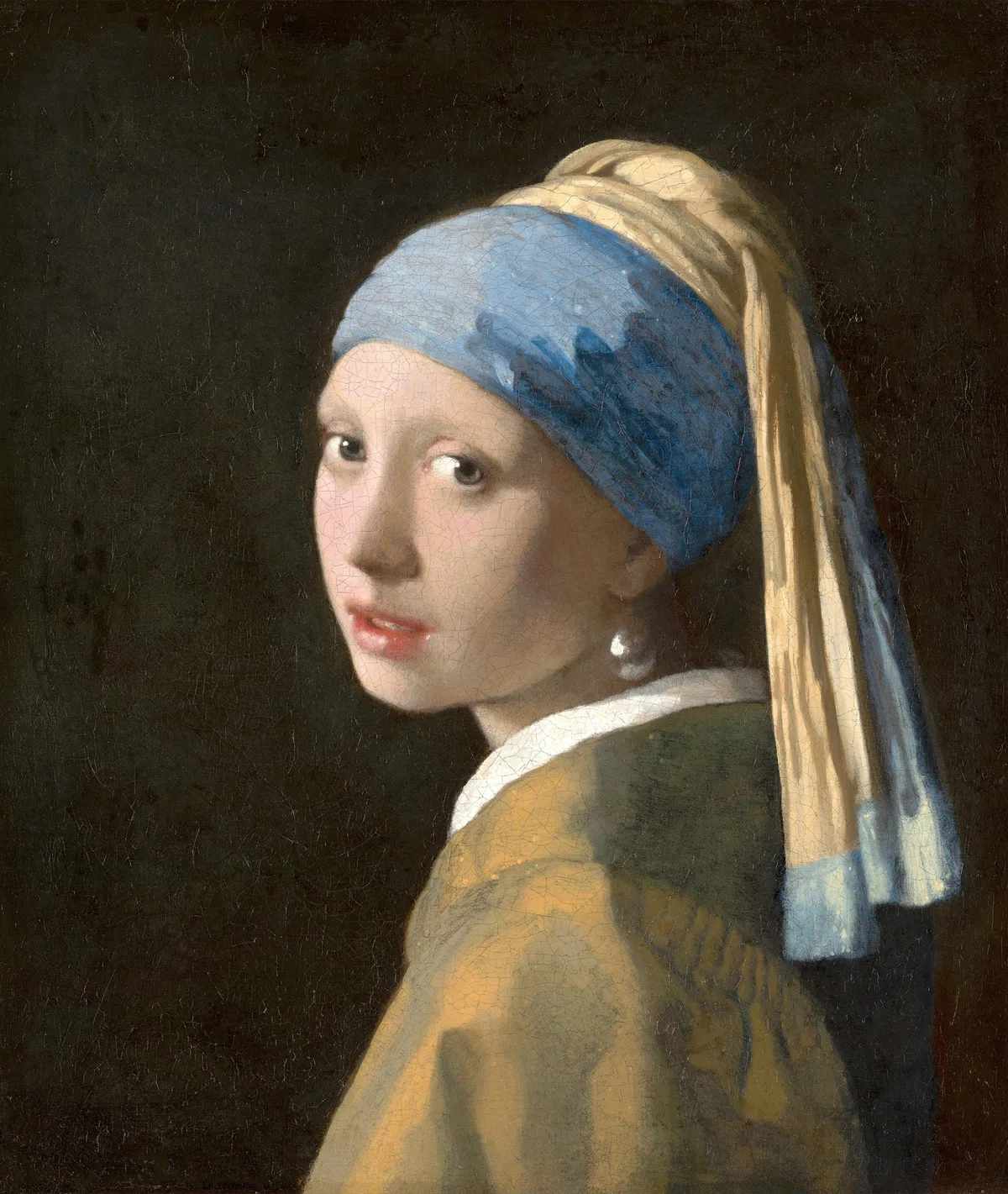 Article · 48 min de lectureLe Mauritshuis à La Haye : 20 tableaux et comment ils y sont entrés
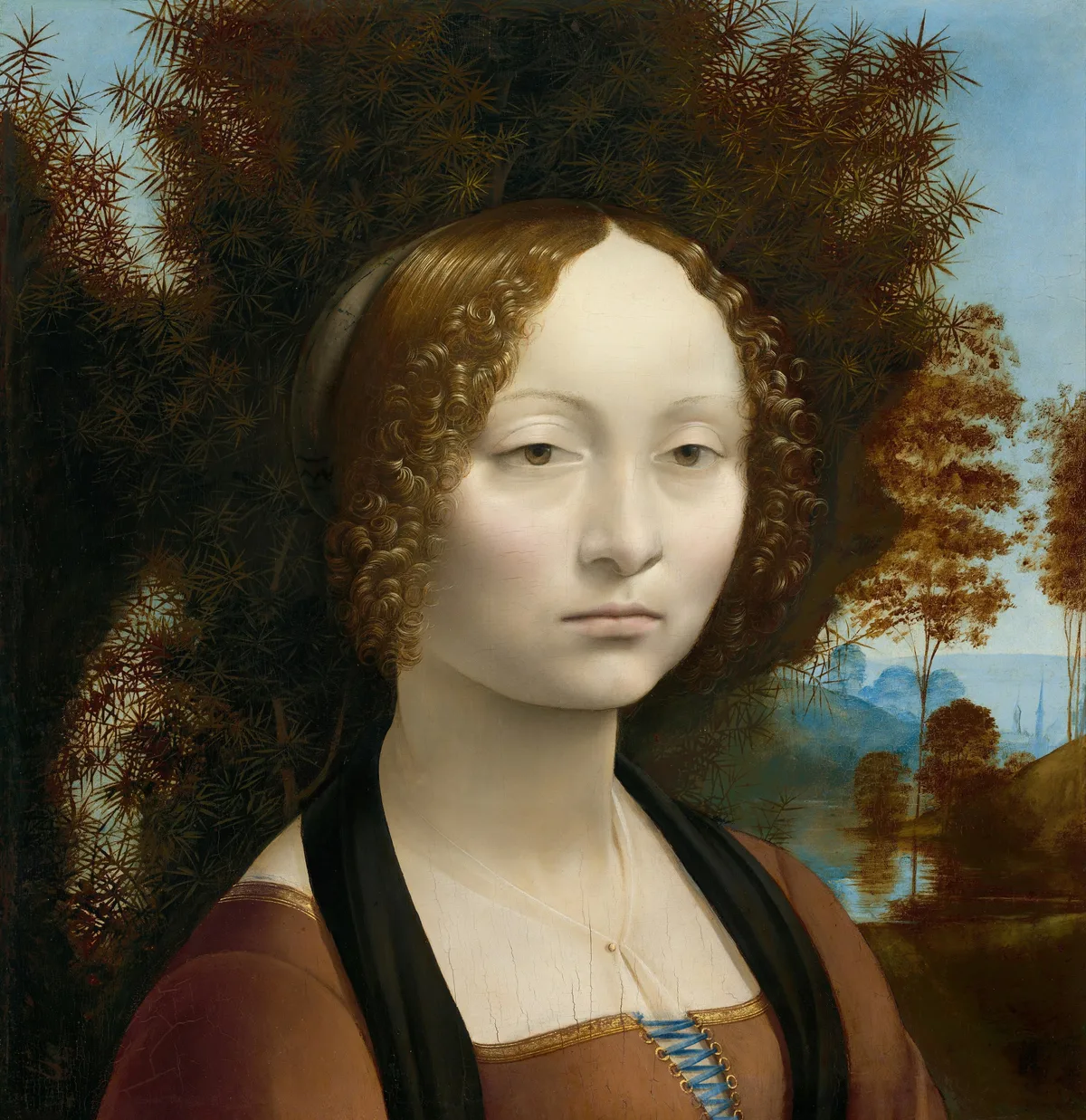 Article · 42 min de lectureLa National Gallery of Art de Washington : vingt tableaux venus de mains privées
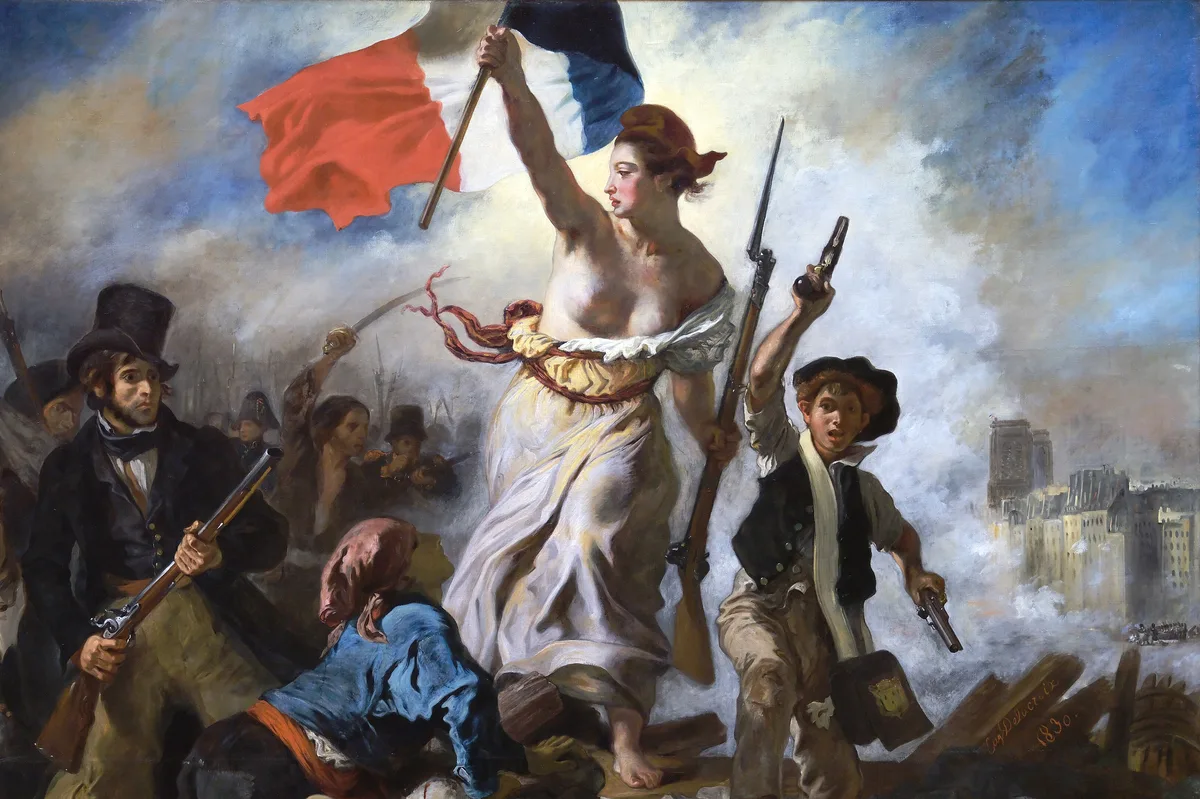 Article · 46 min de lectureQue voir au Louvre : 25 œuvres majeures
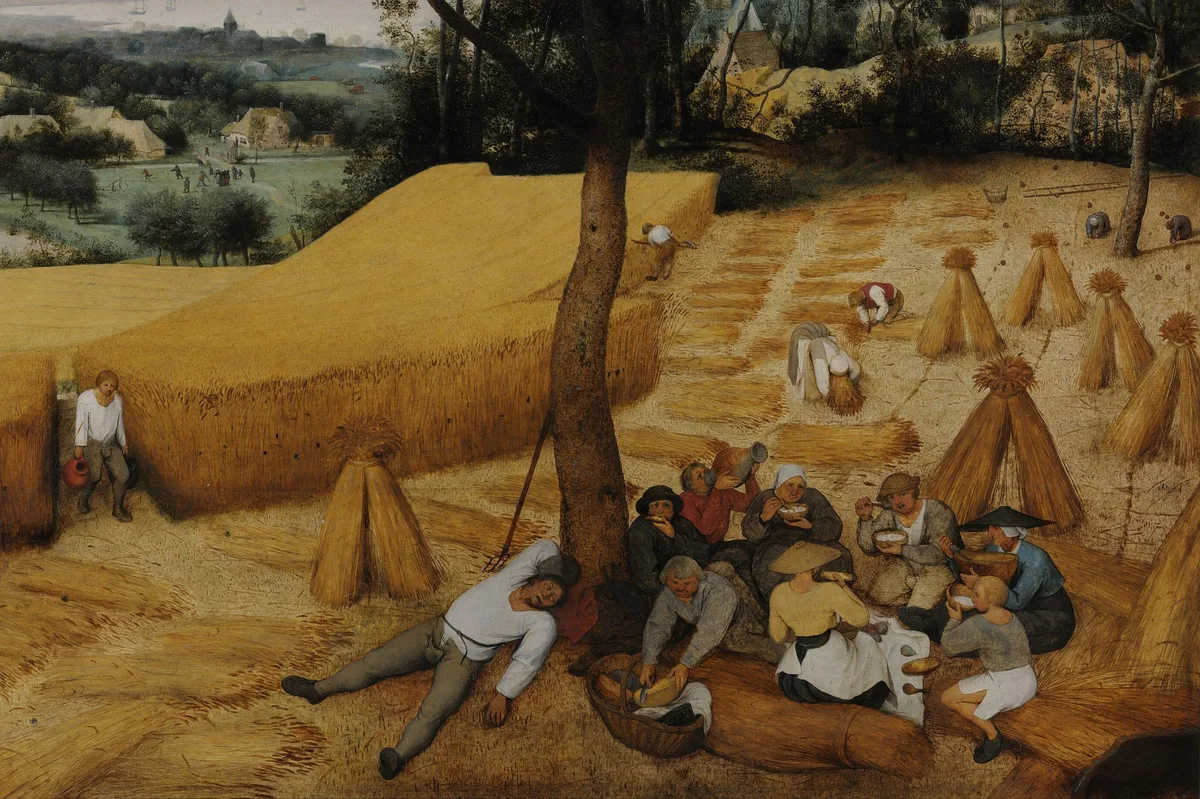 Article · 33 min de lectureQue voir au Met : 15 œuvres à ne pas manquer
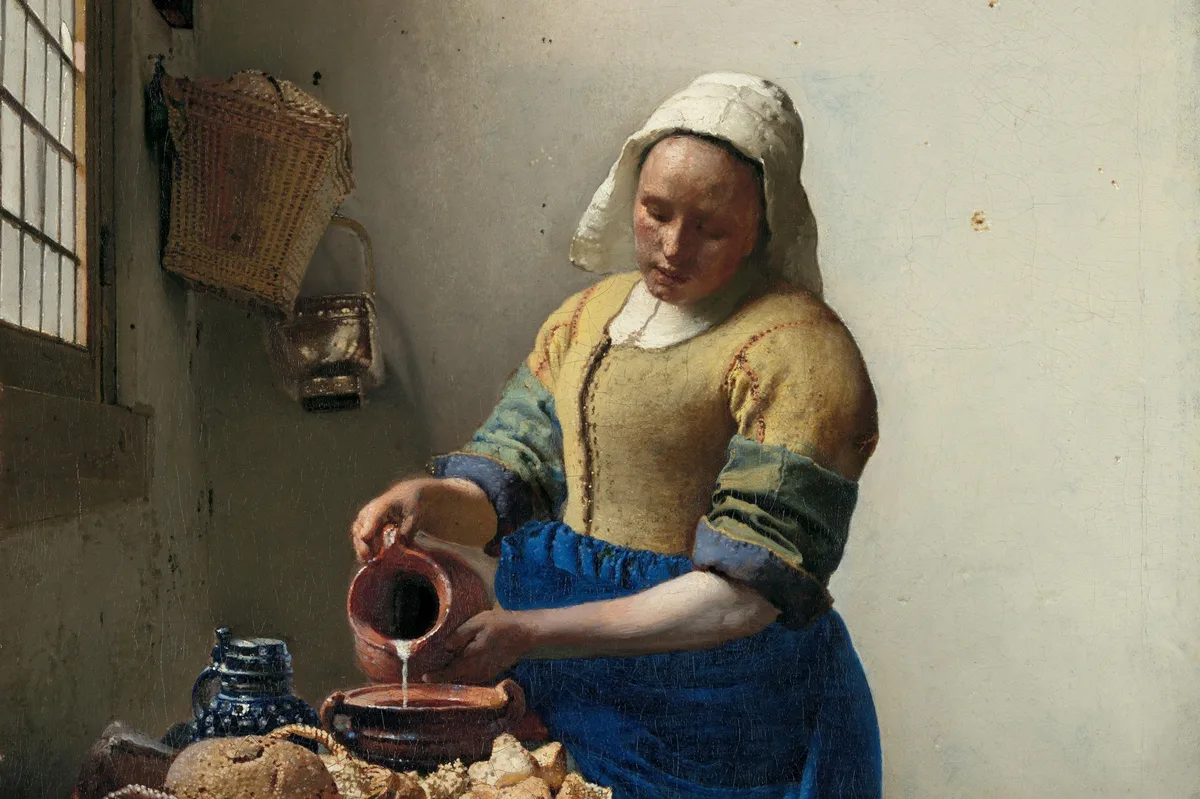 Article · 62 min de lectureLe Rijksmuseum d'Amsterdam : 25 œuvres et leurs propriétaires
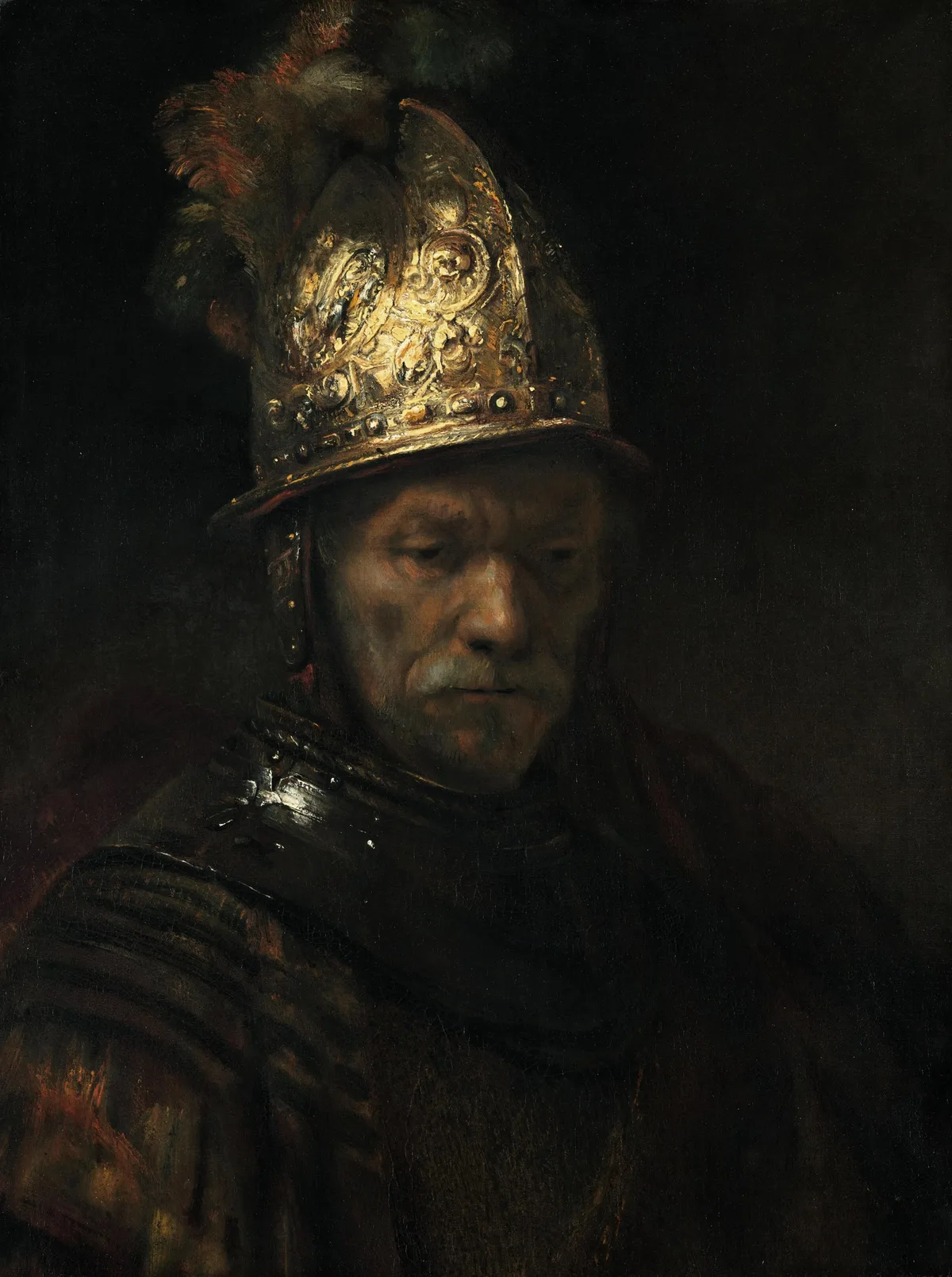 Article · 47 min de lectureLa Gemäldegalerie de Berlin : 20 tableaux que Berlin a achetés, perdus et divisés
Œuvres
36 œuvres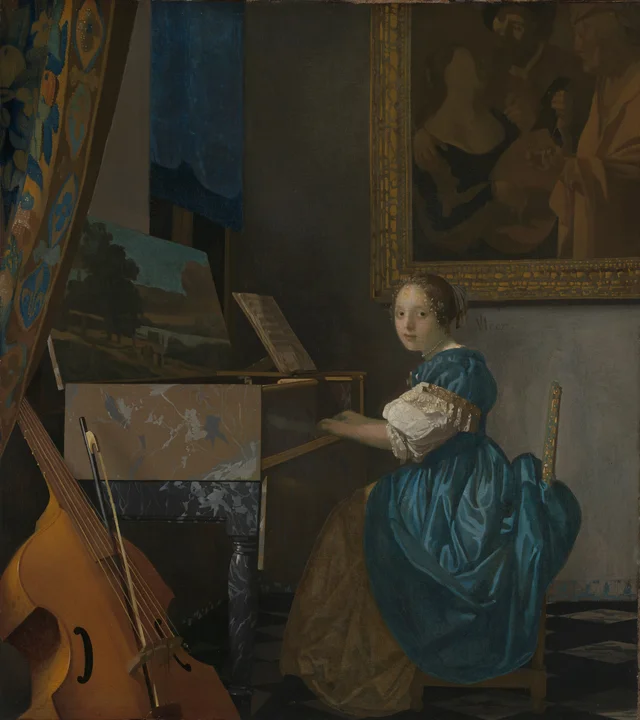 Jeune femme assise à l'épinetteJohannes Vermeer, 1670
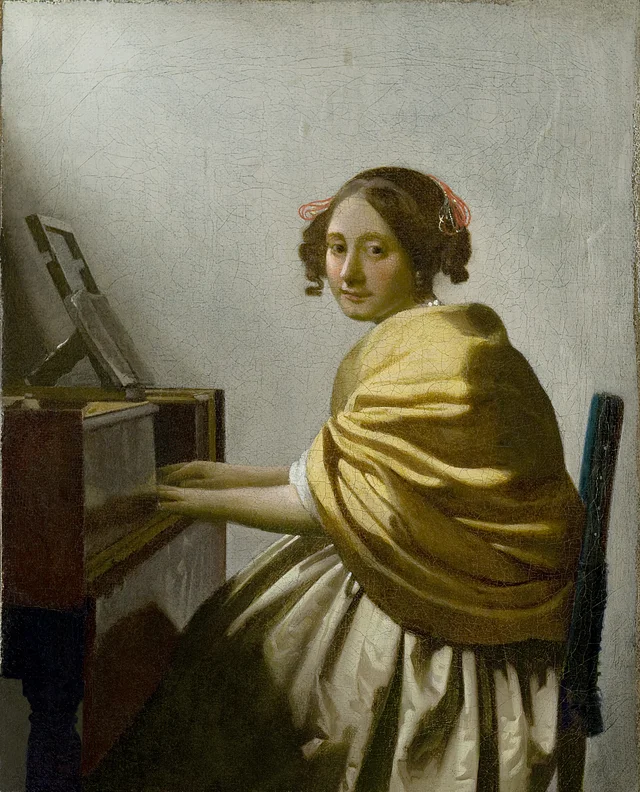 Jeune femme assise au virginalJohannes Vermeer, 1670
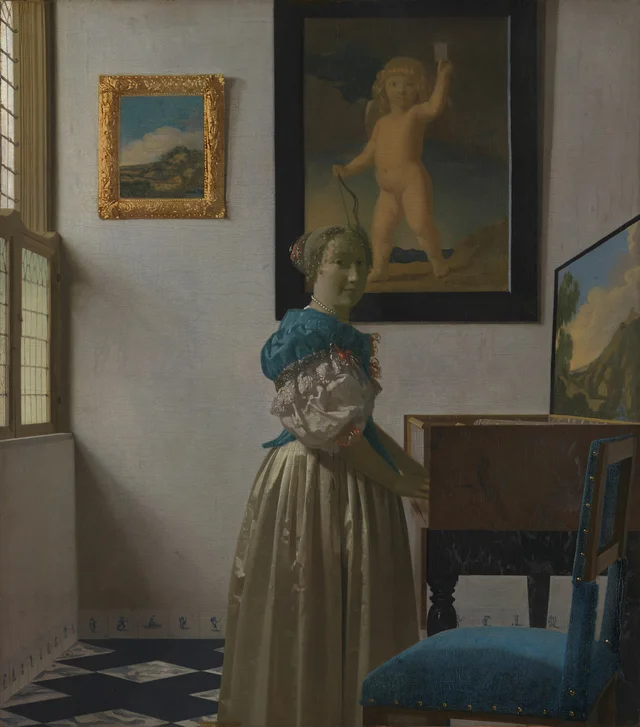 Jeune femme debout à l'épinetteJohannes Vermeer, 1670
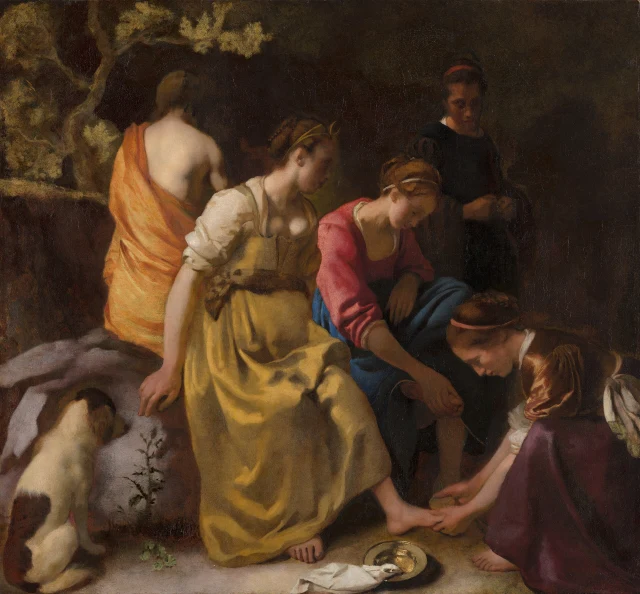 Diane et ses nymphesJohannes Vermeer, 1653
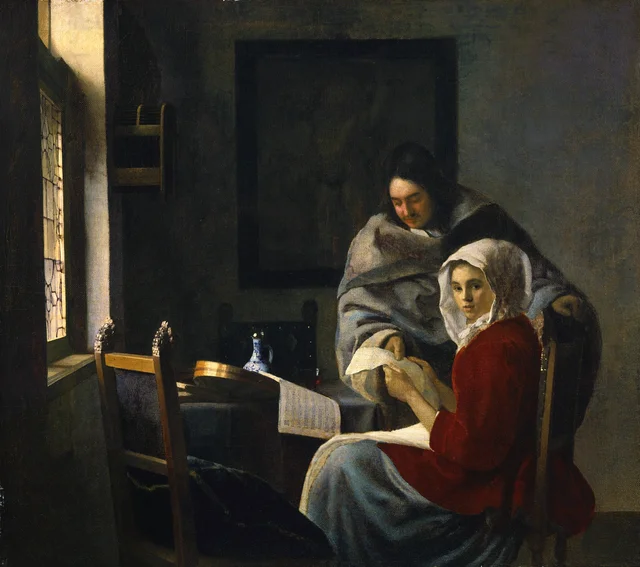 Jeune fille interrompue dans sa musiqueJohannes Vermeer, 1660
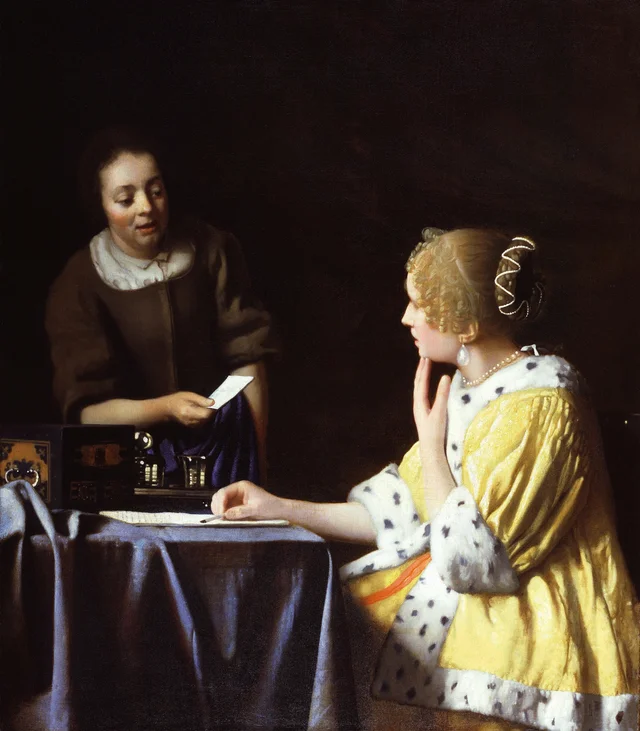 Maîtresse et servanteJohannes Vermeer, 1666
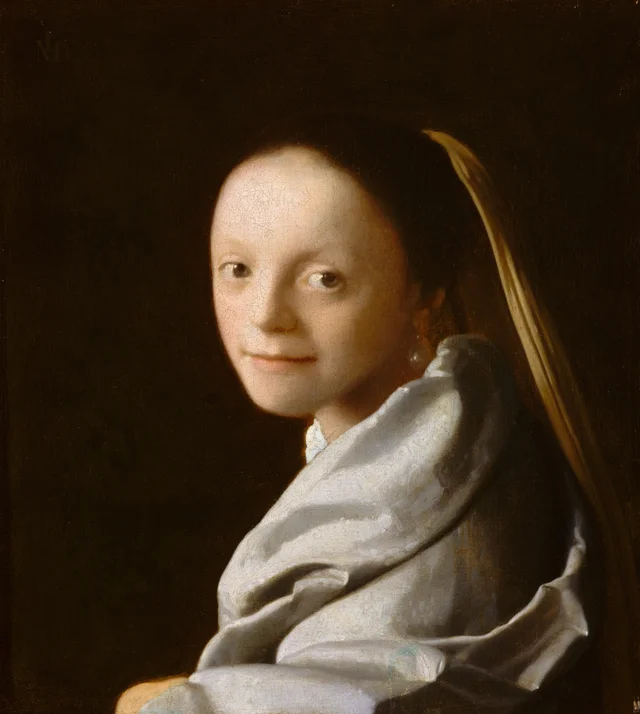 Portrait d'une jeune femmeJohannes Vermeer, 1665
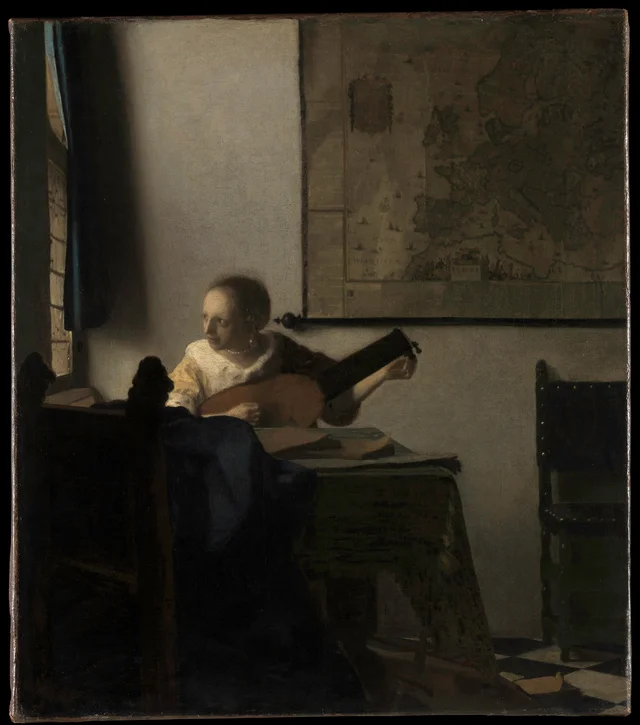 Femme au luthJohannes Vermeer, 1662
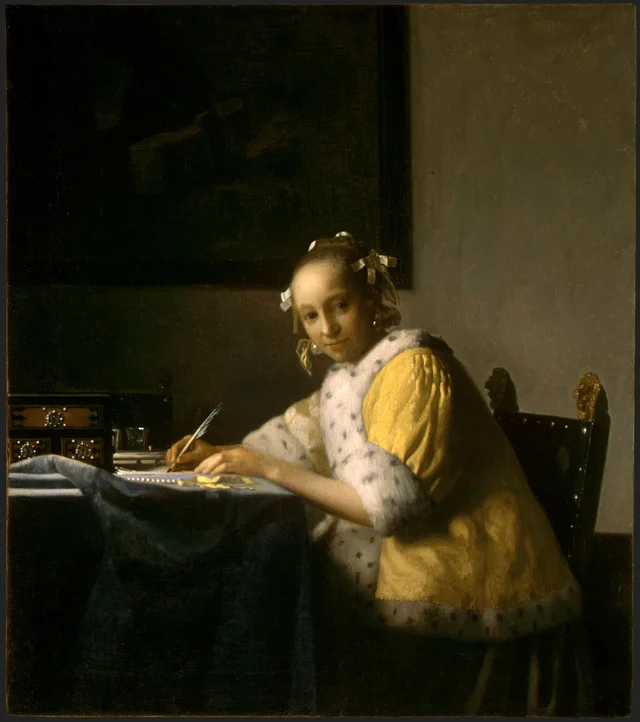 Femme écrivant une lettreJohannes Vermeer, 1665
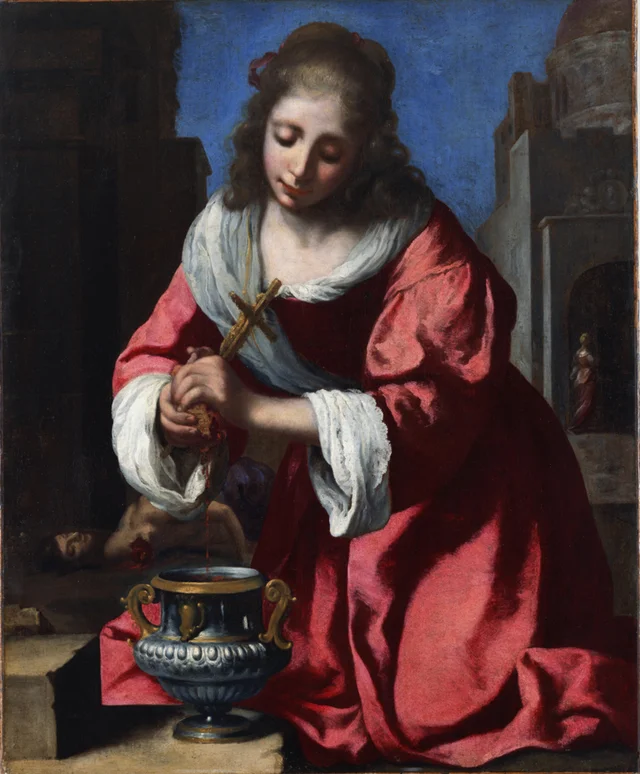 Sainte PraxèdeJohannes Vermeer, 1655
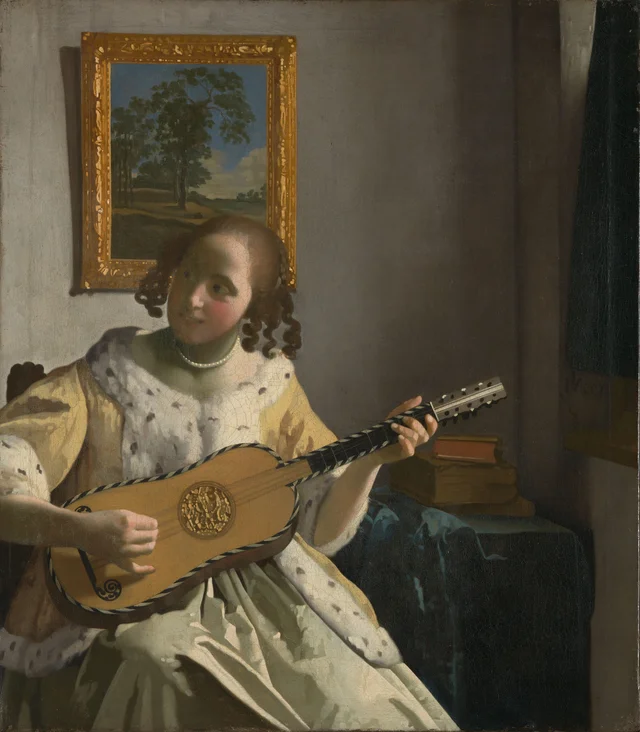 La Joueuse de guitareJohannes Vermeer, 1672