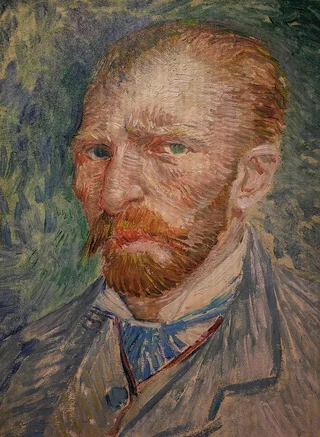
Vincent van Gogh
1853–1890 · Royaume des Pays-Bas · Post-impressionnisme
L'histoire
Vincent van Gogh est venu tard à la peinture et n'a travaillé qu'une dizaine d'années. Avant cela, il avait tenté sa chance comme marchand d'art, professeur, commis de librairie et prédicateur laïc parmi les mineurs de charbon du Borinage, en Belgique, et il a quitté ou a été renvoyé de chacun de ces postes. Il prend le pinceau sérieusement vers l'âge de 27 ans, et tout ce que l'on associe à Van Gogh tient en une seule décennie.
Pendant presque toute cette période, il survit grâce à son frère cadet Theo, marchand d'art à Paris. Theo lui envoie de l'argent et des couleurs et reçoit en retour des lettres, des centaines, dans lesquelles Vincent commente chaque tableau en cours. Les toiles des débuts sont sombres et paysannes, comme Les Mangeurs de pommes de terre. Puis vient Paris, les impressionnistes, et une palette qui s'embrase soudain de couleur.
En 1888, il part pour le sud, à Arles, et rêve de réunir autour de lui une petite colonie de peintres. Paul Gauguin répond à l'appel, mais deux hommes difficiles vivant ensemble se déchirent vite, et l'aventure s'achève dans la nuit de décembre où Van Gogh se tranche une partie de l'oreille. Vient ensuite l'asile de Saint-Rémy, où il peint La Nuit étoilée, puis la ville d'Auvers-sur-Oise, sous le regard du docteur Gachet. À l'été 1890, à 37 ans, il se tire une balle dans la poitrine et meurt deux jours plus tard.
Presque personne n'achète ses œuvres de son vivant. En une décennie, il laisse plus de 2000 pièces, dont environ 860 peintures à l'huile, et n'en vend qu'une poignée. Theo lui survit à peine six mois. Ce qui rendra enfin Van Gogh célèbre, c'est la veuve de Theo, Johanna van Gogh-Bonger, qui passera des années à organiser des expositions et sera la première à publier ses lettres.
Autres articles
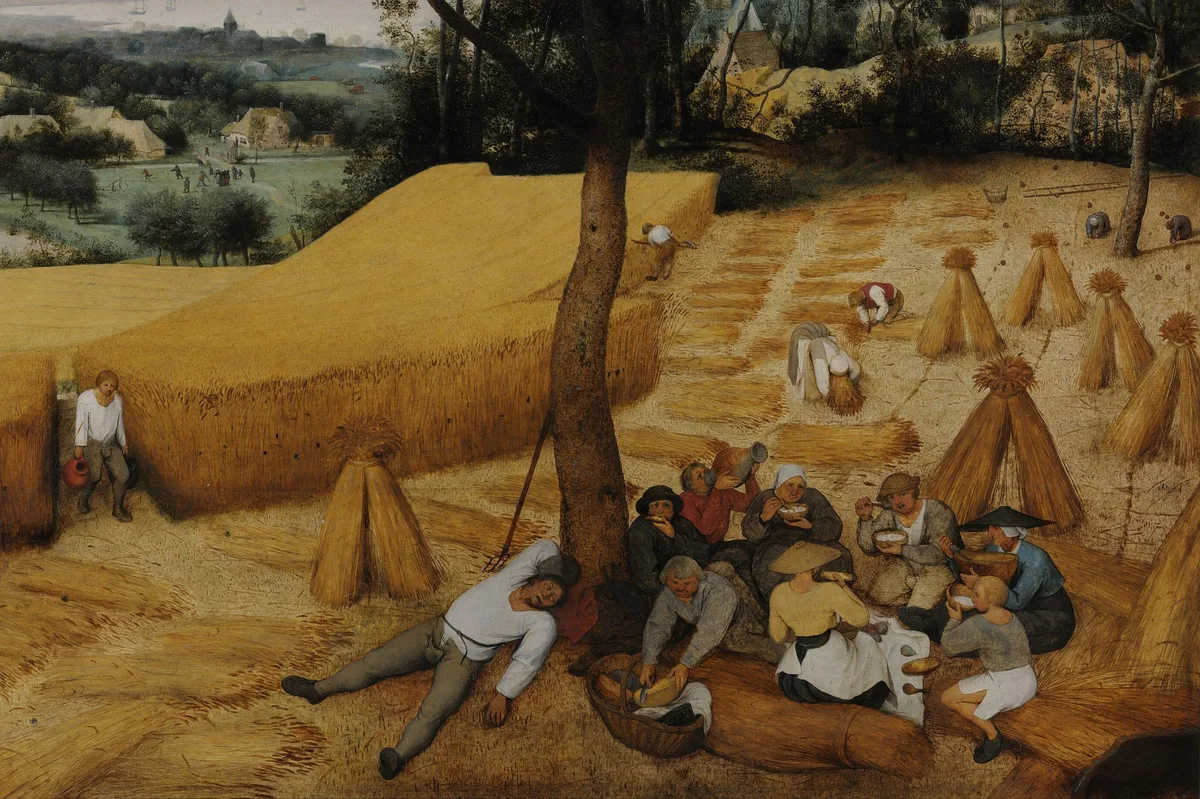 Article · 33 min de lectureQue voir au Met : 15 œuvres à ne pas manquer
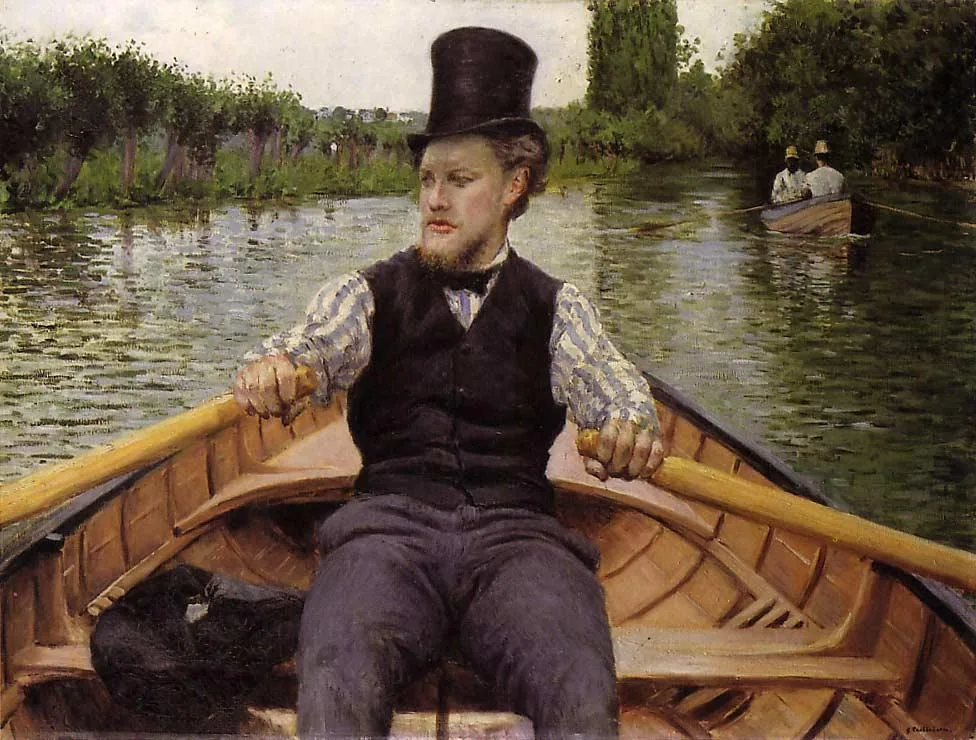 Article · 53 min de lectureLe musée d'Orsay : du Cabanel acheté par Napoléon III au Caillebotte à 43 millions
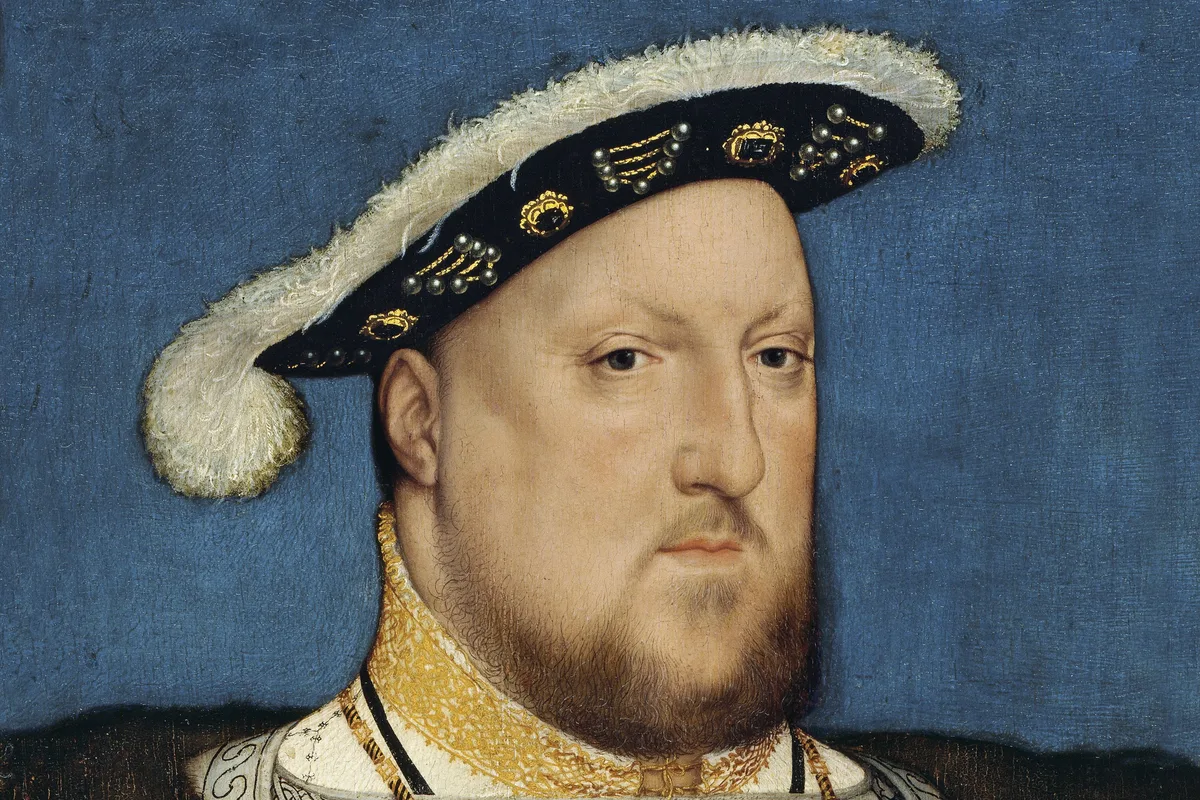 Article · 45 min de lectureLe musée Thyssen-Bornemisza : vingt tableaux achetés par un père et son fils
 Article · 35 min de lectureLe Belvédère : du retable de Pacher à l'affaire Amalie Zuckerkandl
 Article · 62 min de lectureLe Rijksmuseum d'Amsterdam : 25 œuvres et leurs propriétaires
 Article · 45 min de lectureLe Kunstmuseum de Bâle : de l'achat du cabinet Amerbach à l'affaire de « La Muse », 1661–2023
Œuvres
779 œuvres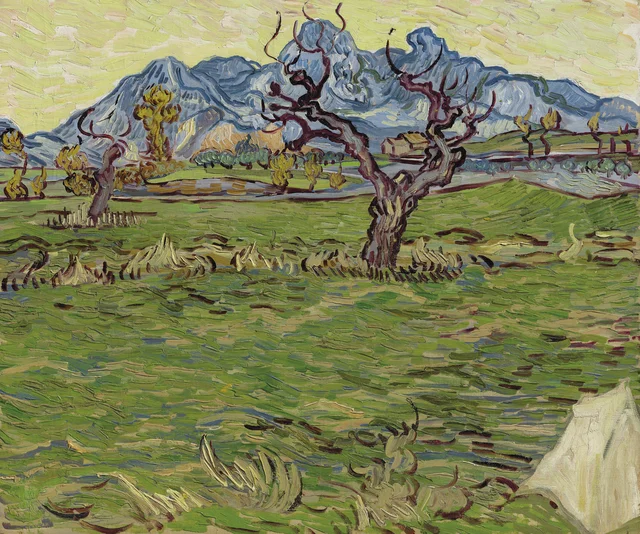 Paysage avec olivier et montagnes en arrière-planVincent van Gogh, 1889
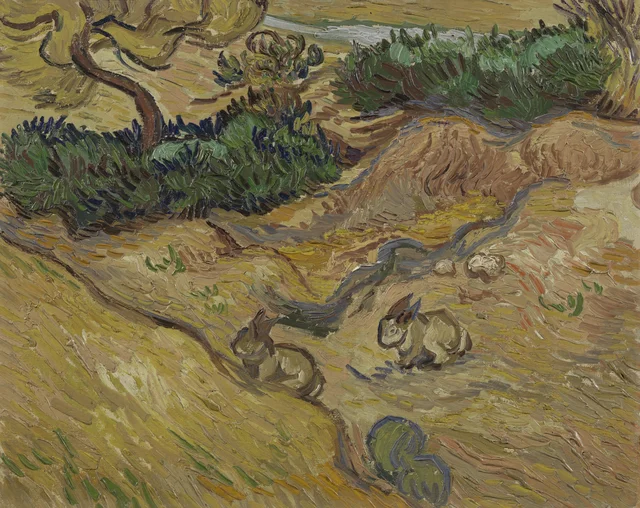 Paysage avec des lapinsVincent van Gogh, 1889
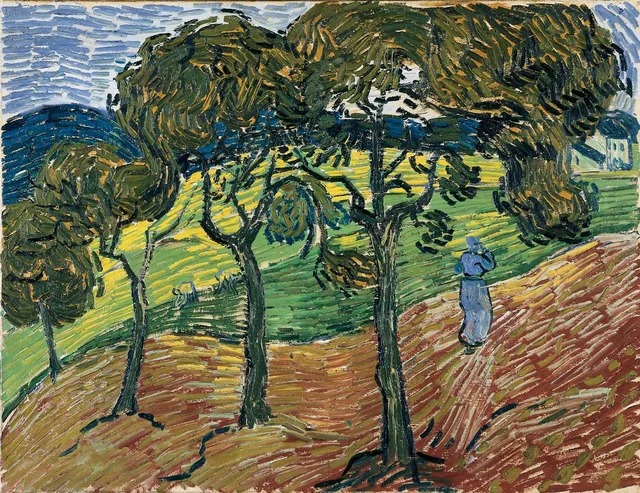 Paysage avec arbres et personnagesVincent van Gogh, 1889
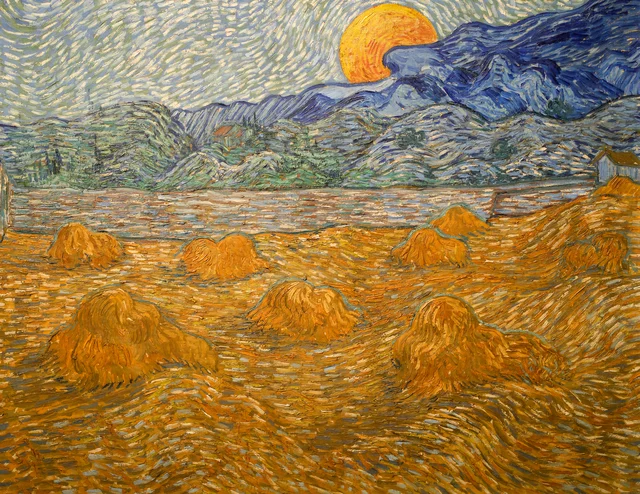 Paysage avec gerbes de blé et lune montanteVincent van Gogh, 1889
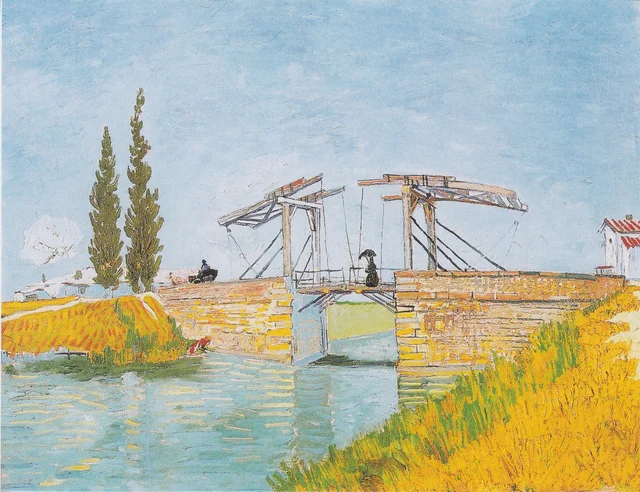 Le Pont de Langlois à ArlesVincent van Gogh, 1888
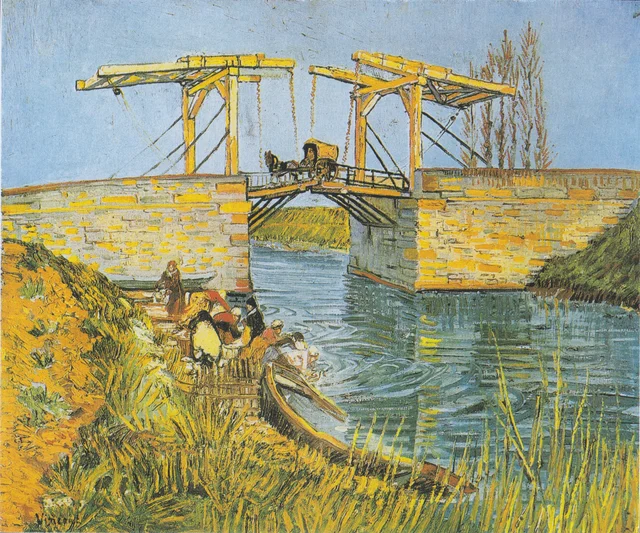 Le Pont de Langlois à Arles avec des lessiveusesVincent van Gogh, 1888
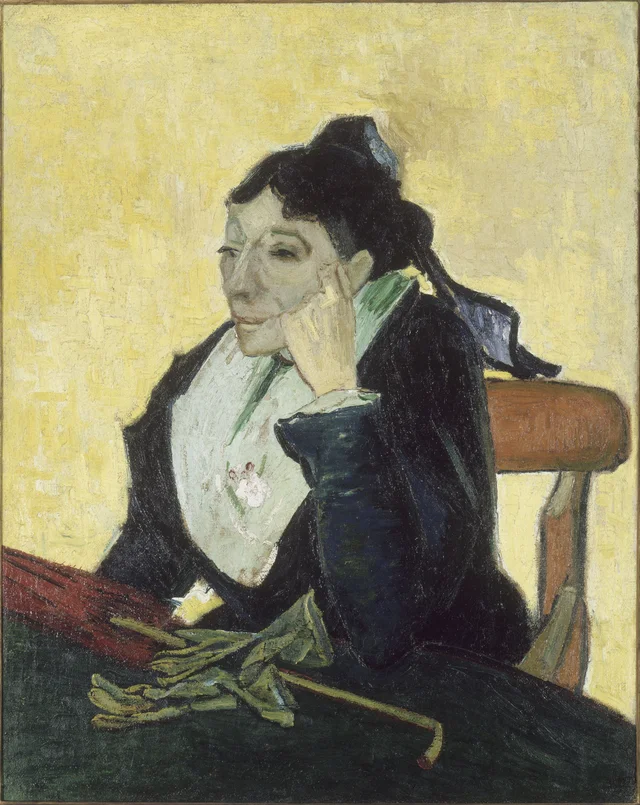 L'ArlésienneVincent van Gogh, 1888
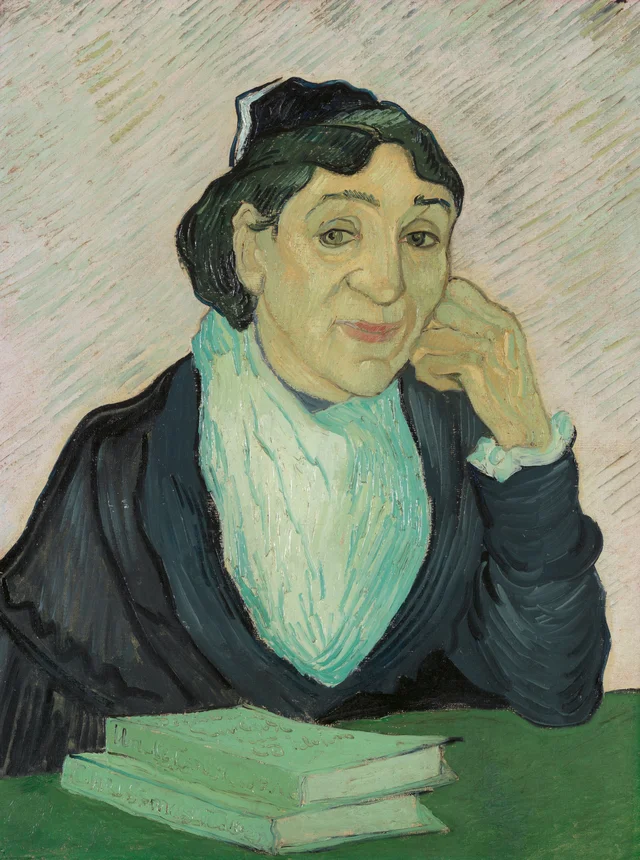 L'ArlésienneVincent van Gogh, 1890
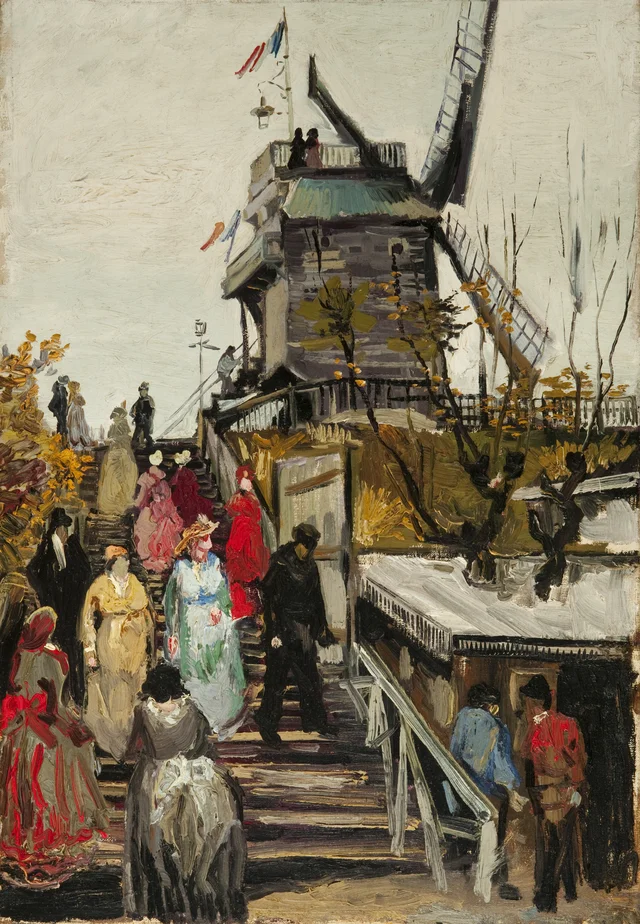 Le Moulin de Blute-FinVincent van Gogh, 1886
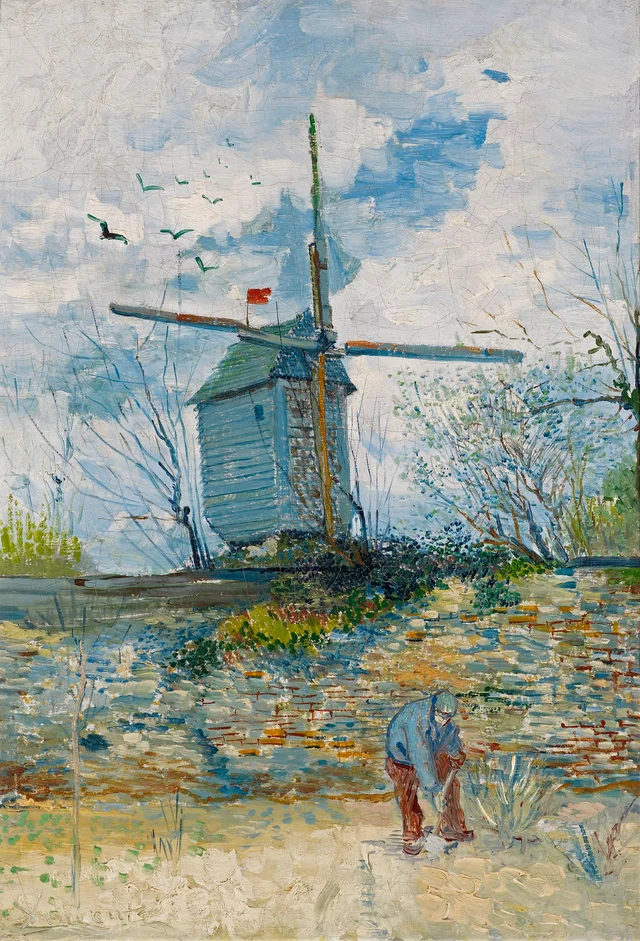 Le Moulin de la GaletteVincent van Gogh, 1886
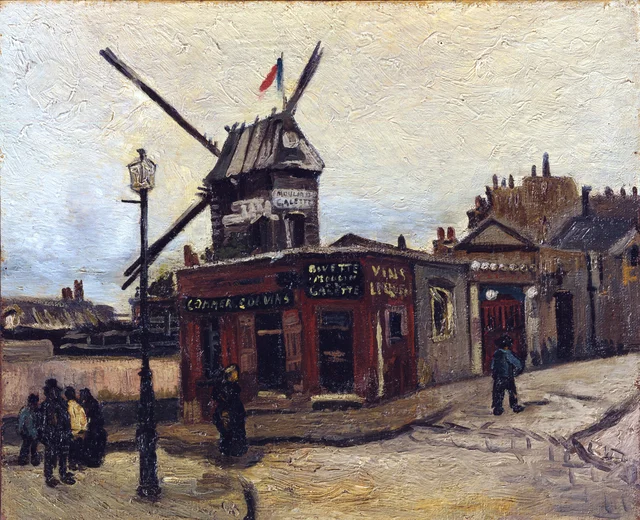 Le Moulin de la GaletteVincent van Gogh, 1886
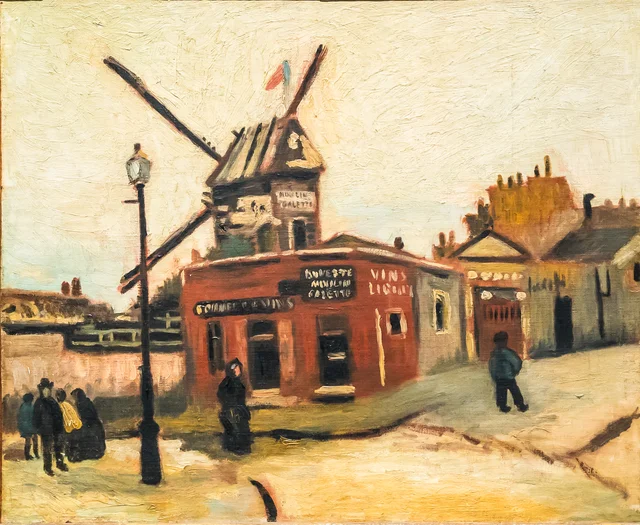 Le Moulin de la GaletteVincent van Gogh, 1886
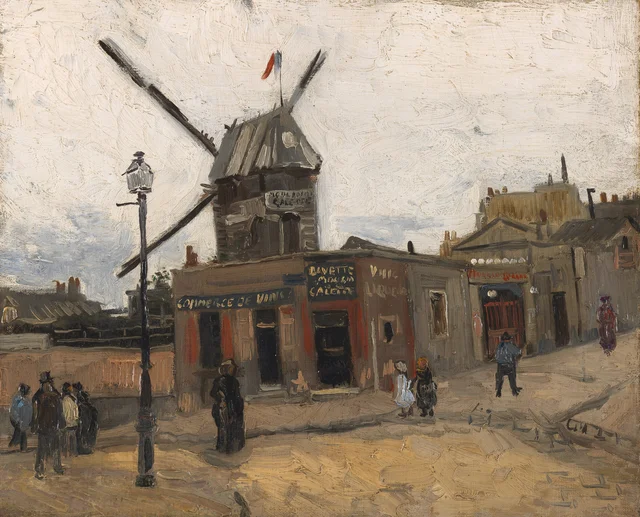 Le Moulin de la GaletteVincent van Gogh, 1886
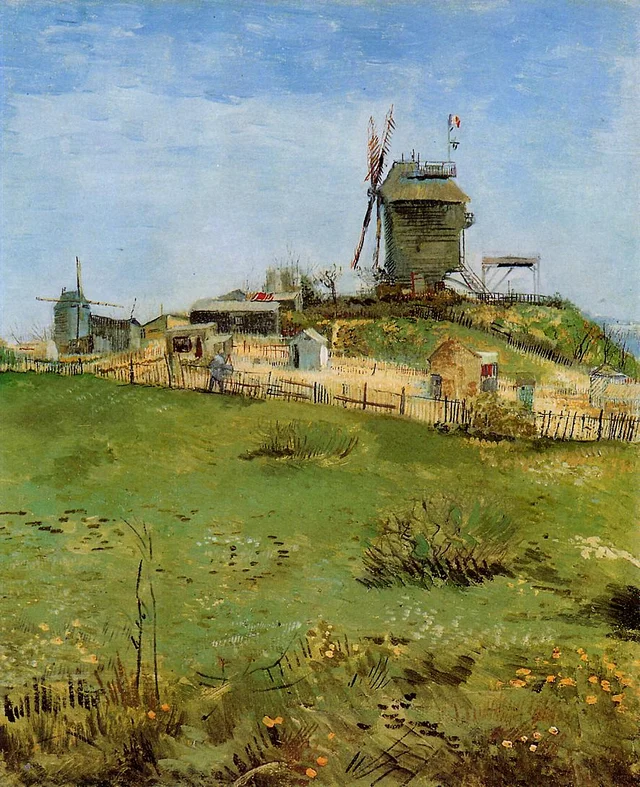 Le Moulin de la GaletteVincent van Gogh, 1887
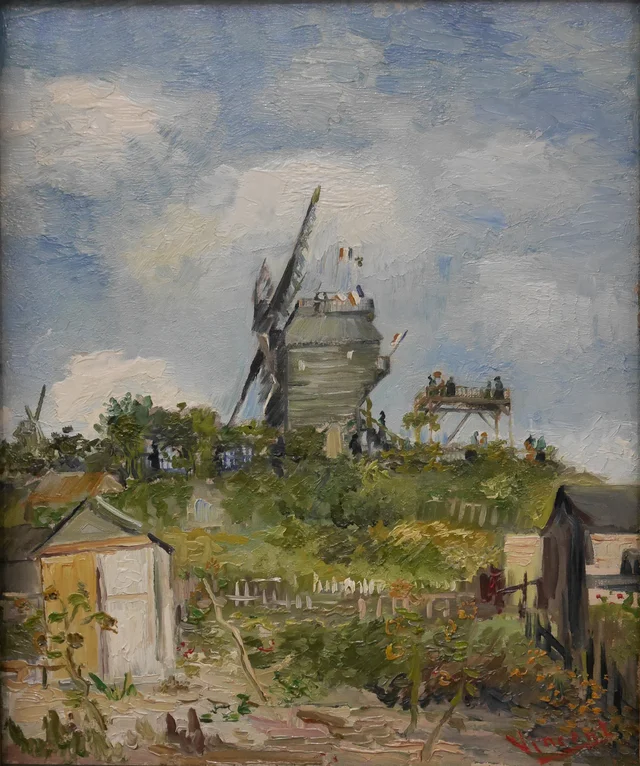 Le Moulin de la GaletteVincent van Gogh, 1886
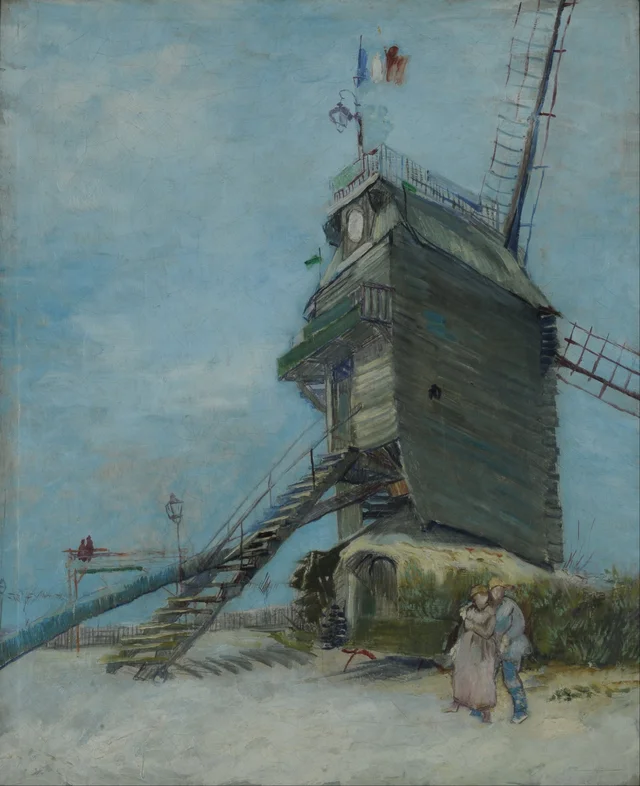 Le Moulin de la GaletteVincent van Gogh, 1886
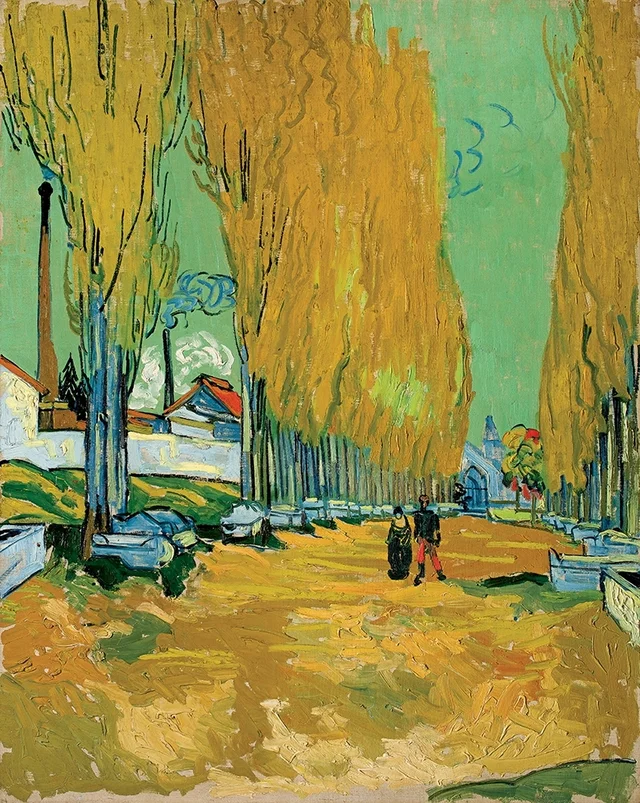 Les AlyscampsVincent van Gogh, 1888
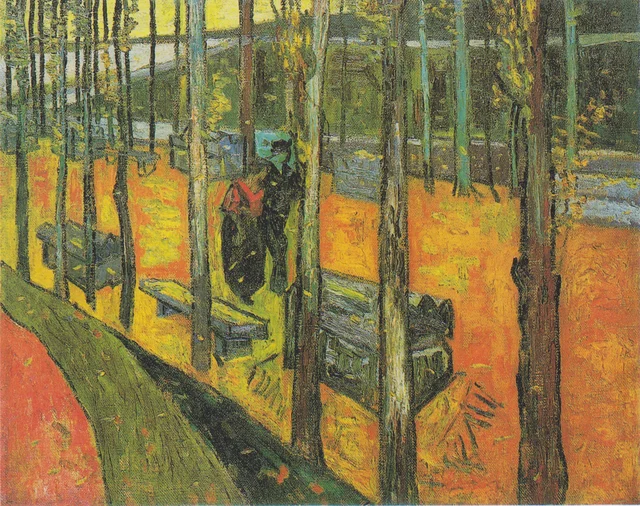 Les AlyscampsVincent van Gogh, 1888
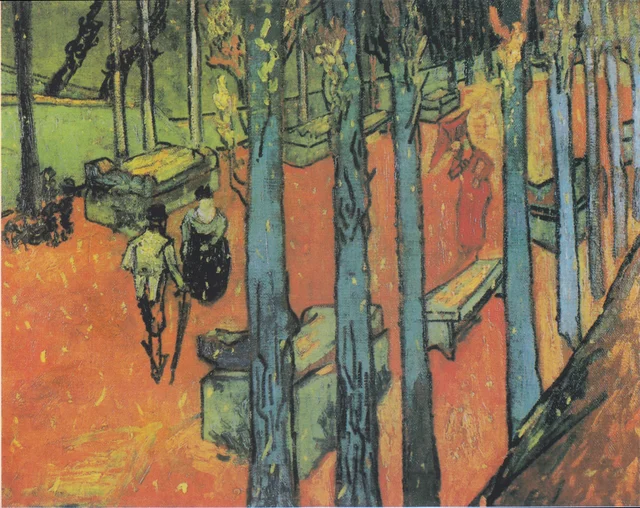 Les Alyscamps : la chute des feuilles d'automneVincent van Gogh, 1888
 Vache couchéeVincent van Gogh, 1883
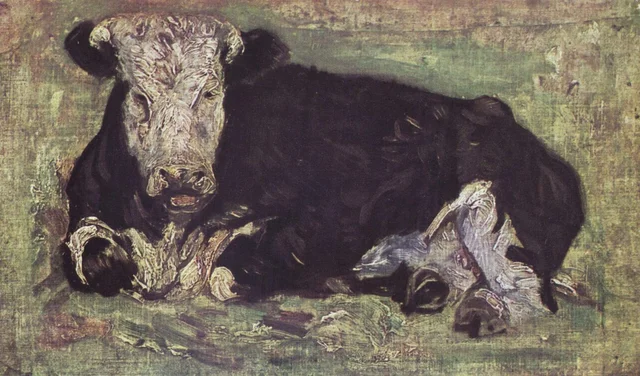 Vache couchéeVincent van Gogh, 1883
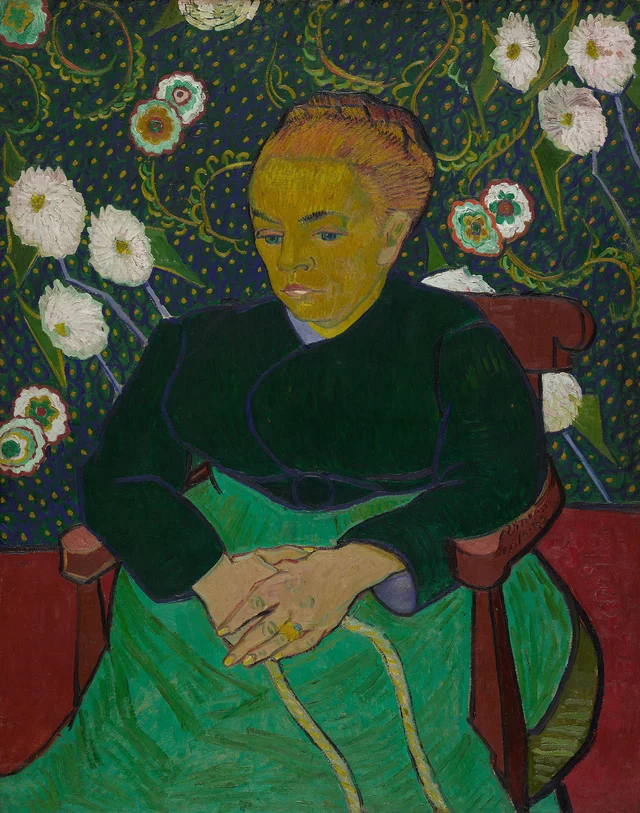 La Berceuse (Madame Roulin berçant le berceau)Vincent van Gogh, 1889
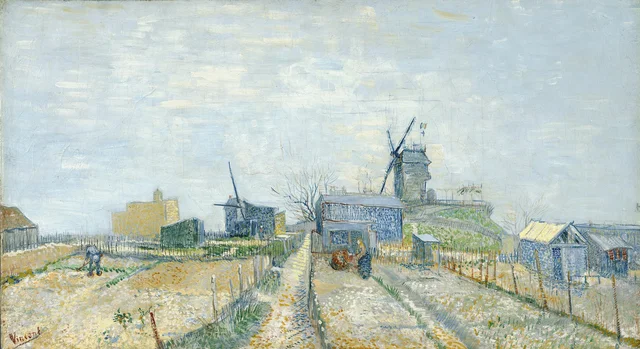 Montmartre : moulins et jardins potagersVincent van Gogh, 1887
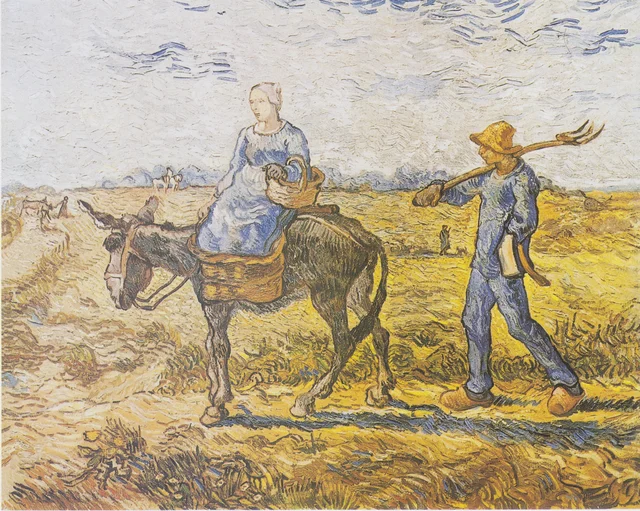 Le Matin. Partir au travail (d'après Millet)Vincent van Gogh, 1890
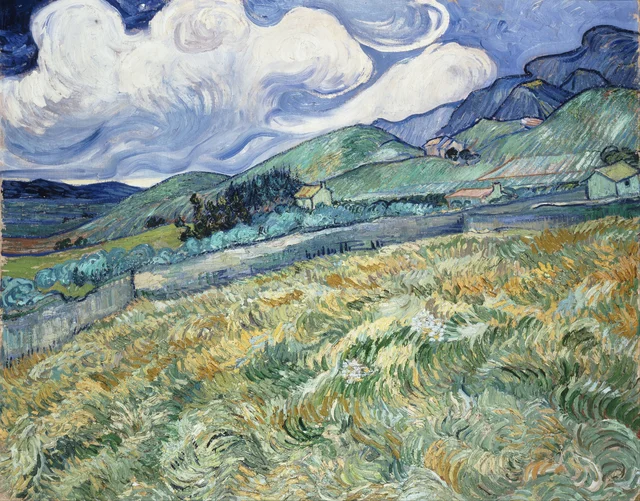 Paysage montagneux derrière l'hôpital Saint-PaulVincent van Gogh, 1889