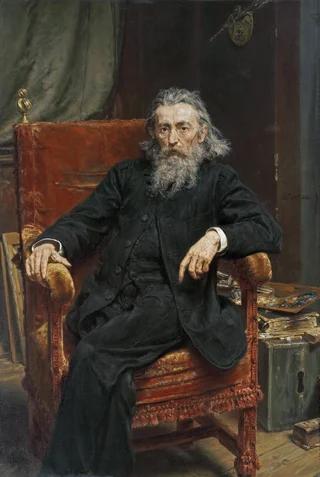
Jan Matejko
1838–1893 · Città libera di Cracovia · Pittura di storia, Romanticismo, Realismo del XIX secolo
La storia
Jan Matejko nacque nel 1838 a Cracovia, in una Polonia che sulla carta geografica non esisteva. Il paese era stato spartito in tre da Russia, Prussia e Austria sei decenni prima, e quando Matejko cominciò a dipingere la maggior parte dei suoi connazionali non aveva mai vissuto sotto un governo polacco. Rispose a quella cancellazione con le dimensioni. I suoi dipinti di storia polacca raggiungono una scala enorme, la Battaglia di Grunwald del 1878 si estende per quasi 10 metri di larghezza, affollata di re, cavalieri e stendardi nominati, tratti da una vittoria del 1410 sui Cavalieri Teutonici di cui i polacchi potevano ancora andare fieri pur senza uno Stato proprio.
Matejko comprimeva decenni in un'unica tela, inventava incontri mai avvenuti e vestiva le figure per effetto drammatico più che con costumi documentati, scelte che gli storici successivi hanno criticato. Ciononostante, i dipinti furono riprodotti di continuo come stampe e cartoline, appesi nelle case in tutte le terre polacche spartite, svolgendo un compito che all'epoca un museo nazionale o un governo nazionale non potevano svolgere.
Insegnò alla Scuola di Belle Arti di Cracovia negli ultimi due decenni di vita, formando la generazione successiva di pittori polacchi, e morì nel 1893, sepolto nella stessa città dove l'enorme tela di Grunwald aveva richiamato folle 15 anni prima.
Opere
56 opere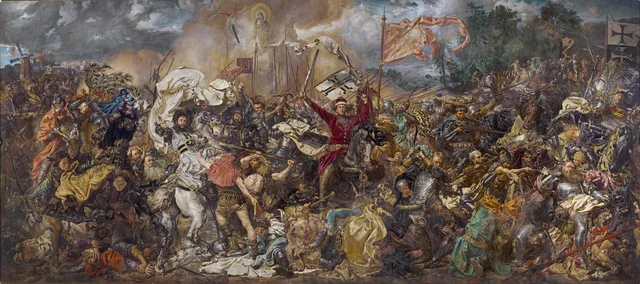 Battaglia di GrunwaldJan Matejko, 1878
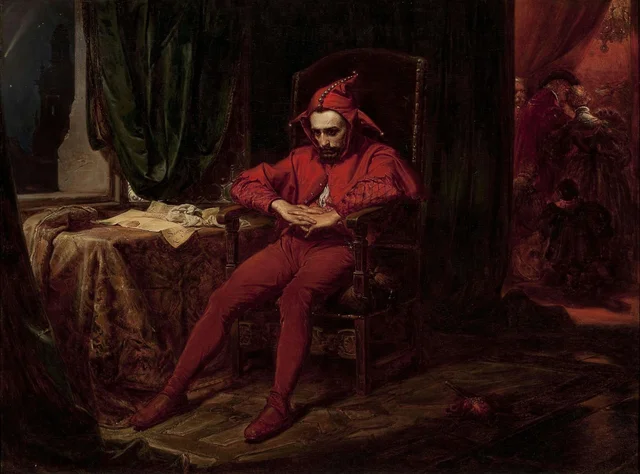 StańczykJan Matejko, 1862
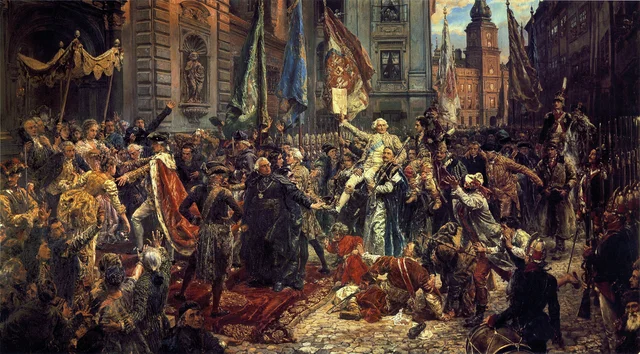 Costituzione del 3 maggio 1791Jan Matejko, 1891
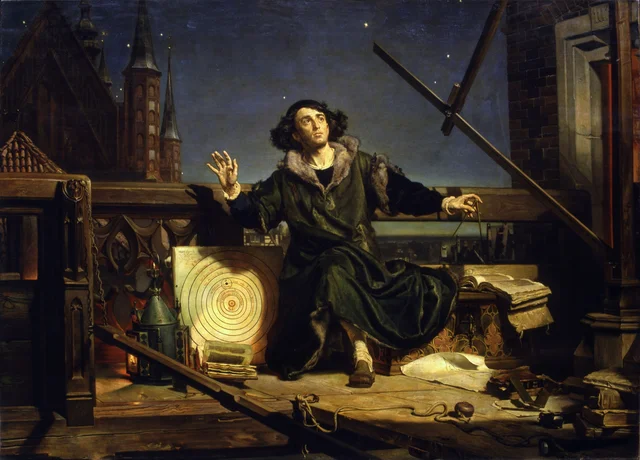 L'astronomo Copernico, o Conversazioni con DioJan Matejko, 1873
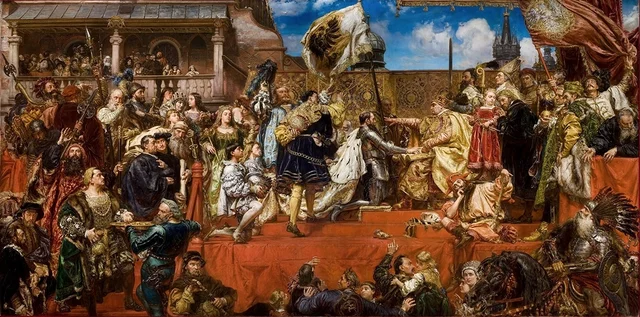 L'omaggio prussianoJan Matejko, 1879
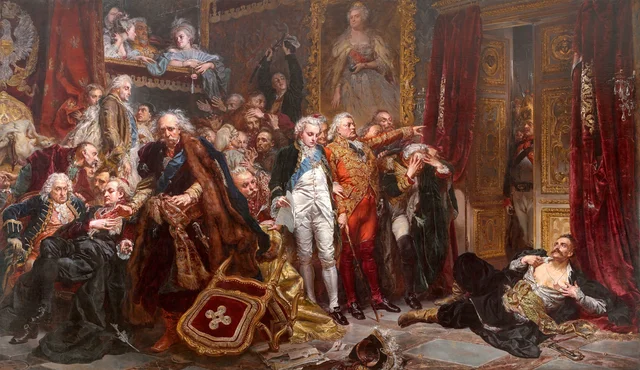 RejtanJan Matejko, 1866
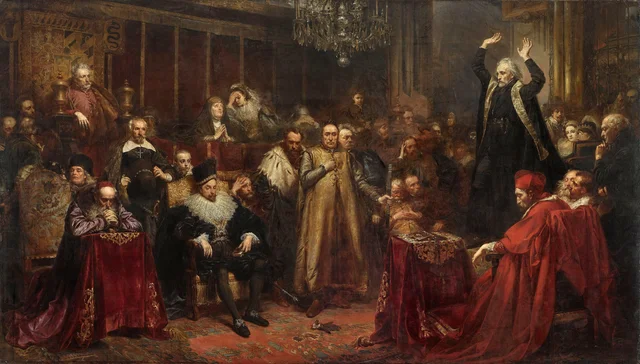 La predica di SkargaJan Matejko, 1864
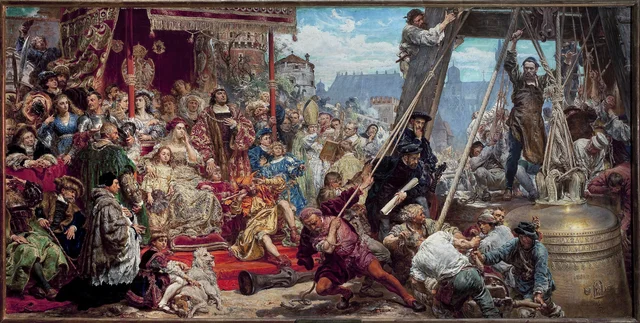 La collocazione della campana Sigismondo sulla torre della cattedrale di Cracovia nel 1521Jan Matejko, 1874
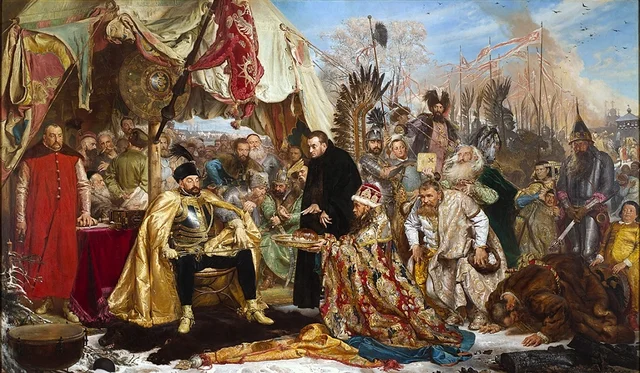 Stefano Báthory a PskovJan Matejko, 1872
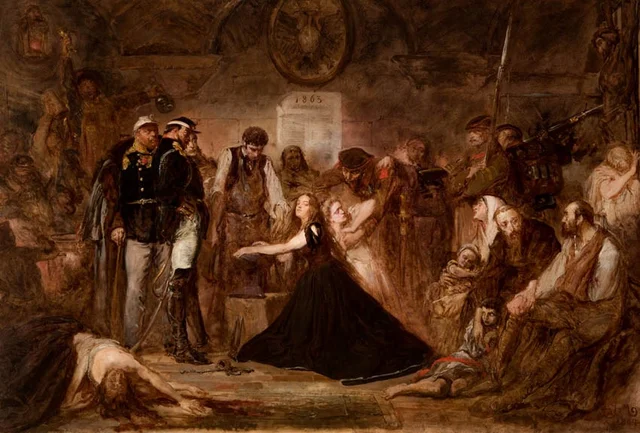 Polonia – L'anno 1863Jan Matejko, 1864
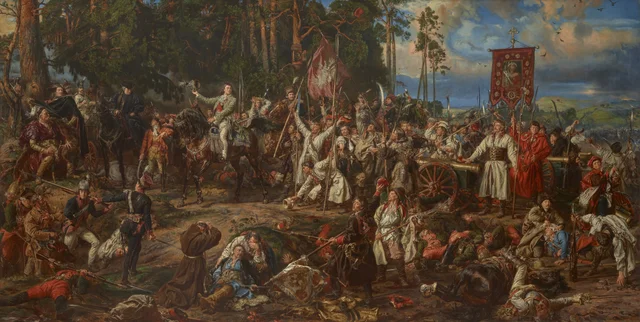 La battaglia di RacławiceJan Matejko, 1888
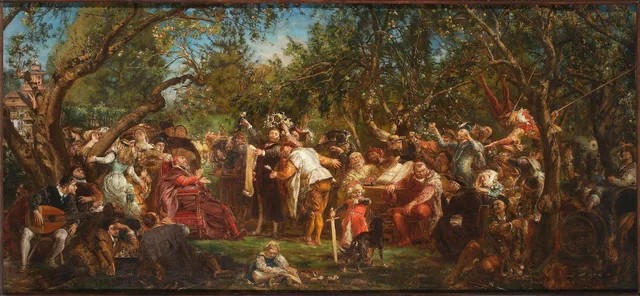 Repubblica di BabinJan Matejko, 1881
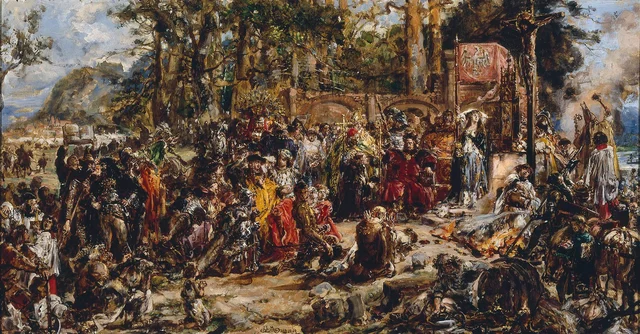 Il battesimo della LituaniaJan Matejko, 1888
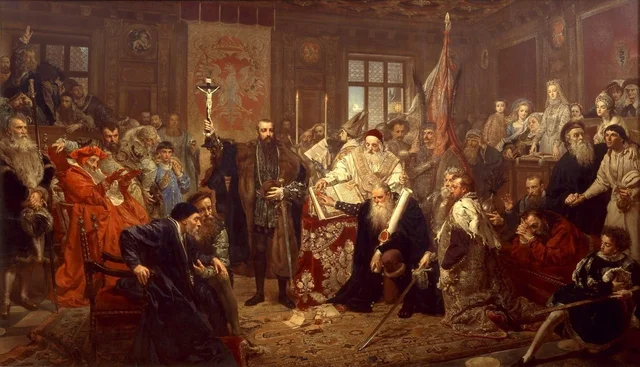 L'Unione di LublinoJan Matejko, 1869
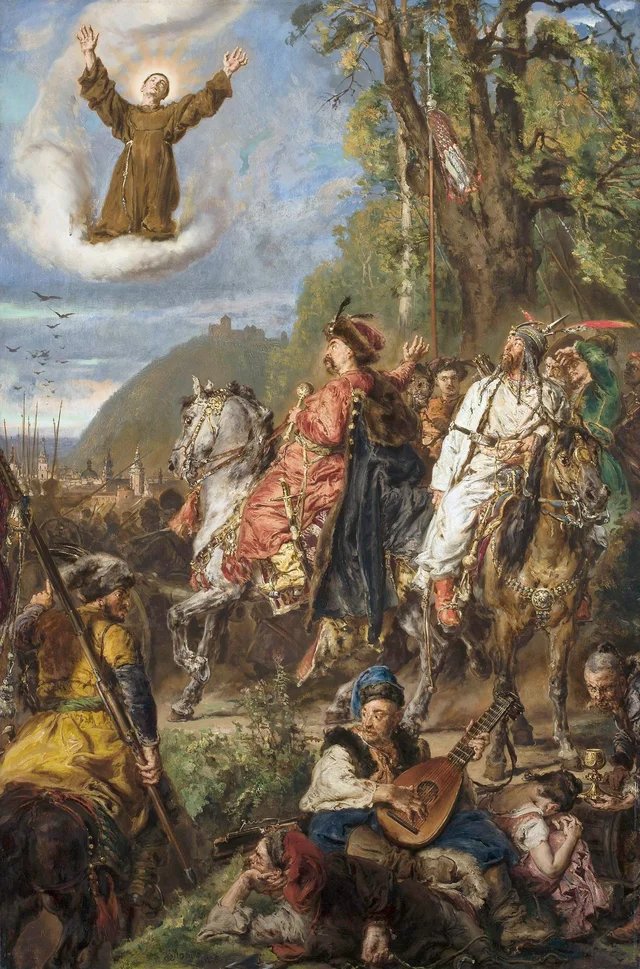 Bohdan Chmel'nyc'kyj con Tugay Bey presso LeopoliJan Matejko, 1885
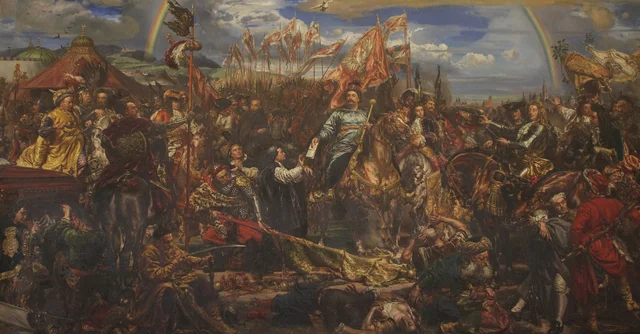 Giovanni Sobieski a ViennaJan Matejko, 1883
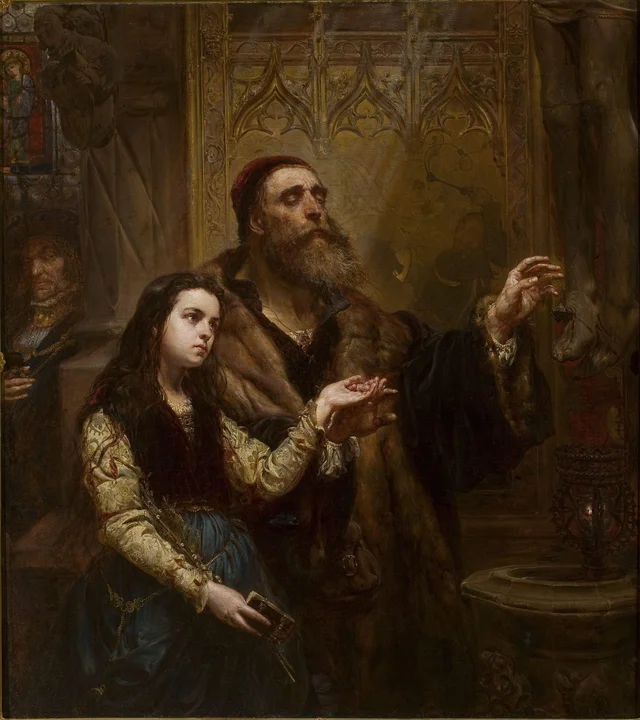 Veit Stoss cieco con la nipoteJan Matejko, 1865
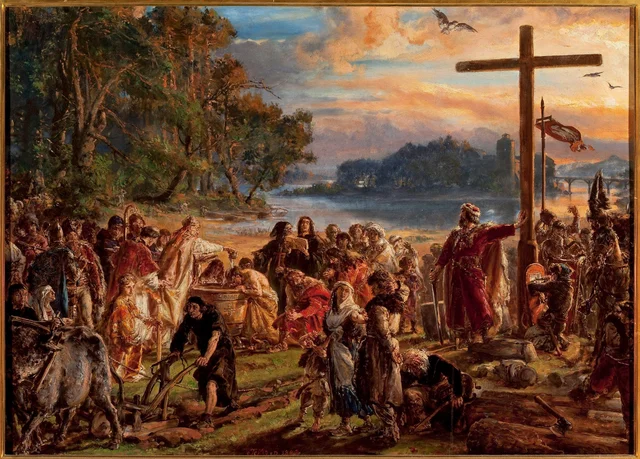 L'introduzione del cristianesimo in PoloniaJan Matejko, 1889
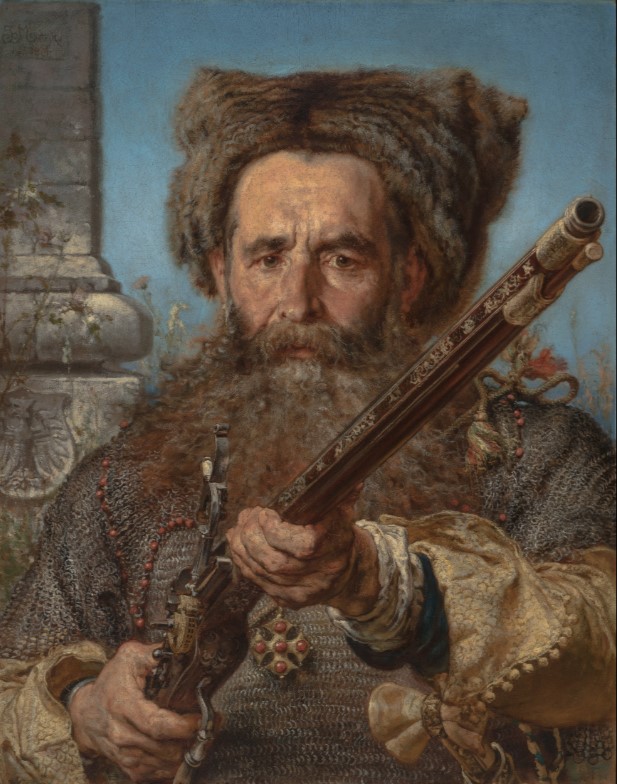 Ostafi Daszkiewicz.Jan Matejko, 1874
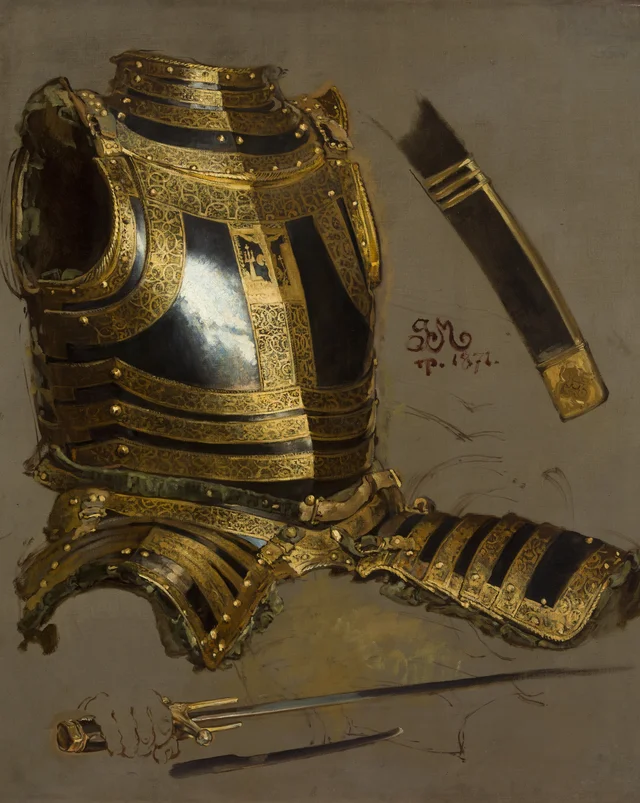 L'armatura di Stefano BáthoryJan Matejko, 1871
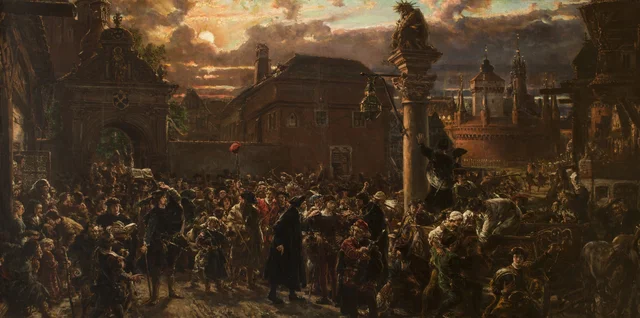 Studenti che lasciano Cracovia nel 1549Jan Matejko, 1892
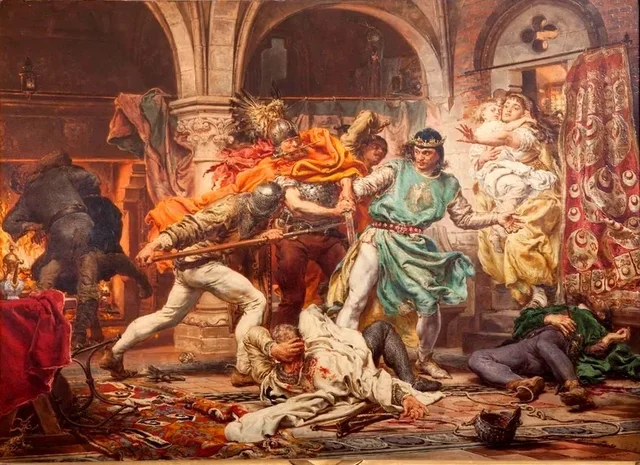 La morte di Przemysł IIJan Matejko, 1875
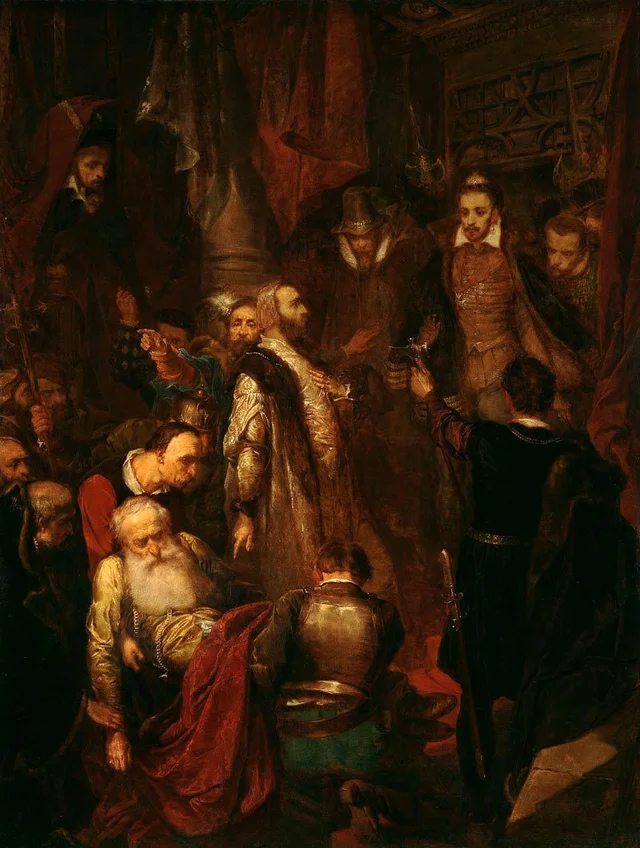 L'uccisione di Wapowski durante l'incoronazione di Enrico di ValoisJan Matejko, 1861
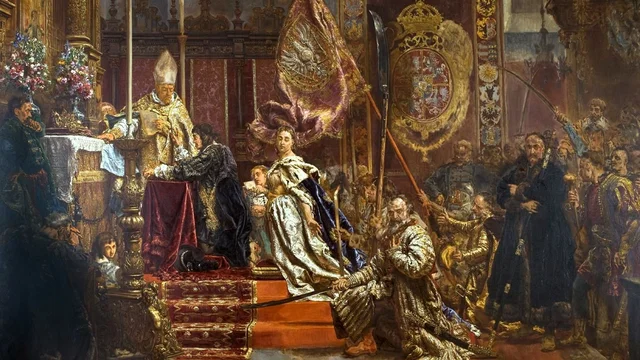 Il Giuramento di Leopoli del re Giovanni II CasimiroJan Matejko, 1893
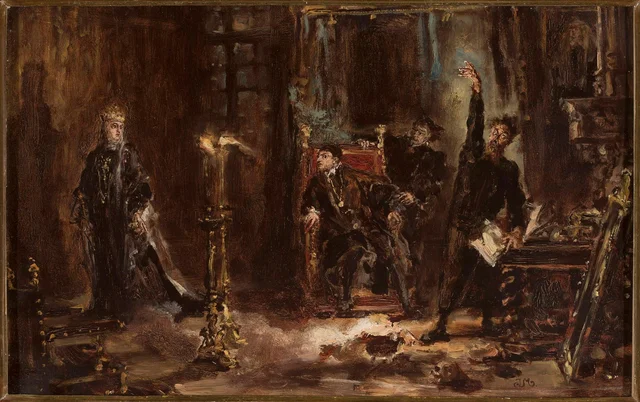 Twardowski evoca lo spirito di Barbara per Sigismondo II Augusto, bozzettoJan Matejko, 1884