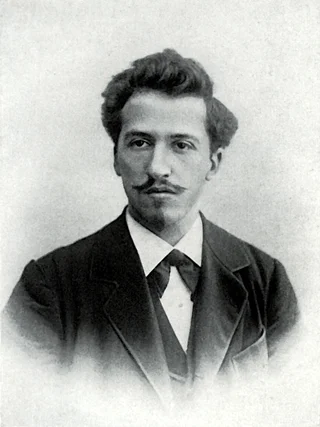
Piet Mondrian
1872–1944 · Regno dei Paesi Bassi · De Stijl, Postimpressionismo
La storia
Nel 1912 Mondrian lasciò l'Olanda per Parigi, allora capitale della nuova arte, e si imbatté direttamente nel Cubismo. Picasso e Braque stavano scomponendo gli oggetti in piani piatti, e Mondrian ne riprese la griglia di linee rette spingendola oltre quanto entrambi avessero mai voluto fare. Continuò ad appiattire i suoi alberi e le facciate delle chiese finché il soggetto non scomparve del tutto, lasciando solo orizzontali, verticali e blocchi di colore.
Nei primi anni Venti aveva ridotto la sua tavolozza a tre colori, rosso, giallo e blu, più nero, bianco e grigio, e a due sole direzioni, verticale e orizzontale. Lo chiamò Neoplasticismo e vi costruì attorno un'intera filosofia con il gruppo olandese De Stijl, convinto che questi elementi essenziali potessero portare un'armonia universale che le immagini di cose reali non erano in grado di offrire. Per vent'anni non dipinse quasi altro, aggiustando il peso di una linea nera o le dimensioni di un quadrato rosso su un campo bianco.
Poi la guerra lo scacciò. Trascorse due anni a Londra e, nel 1940, con i bombardamenti che si avvicinavano, salpò per New York a 67 anni. La città sciolse quel rigore: si appassionò al boogie-woogie e al ritmo dei semafori di Manhattan, e sostituì la sua pesante griglia nera con catene di piccoli quadrati colorati in movimento. Stava ancora rielaborando quello stile tardo, su una tela che chiamò Victory Boogie Woogie, quando morì di polmonite all'inizio del 1944.
Altri articoli
Opere
112 opere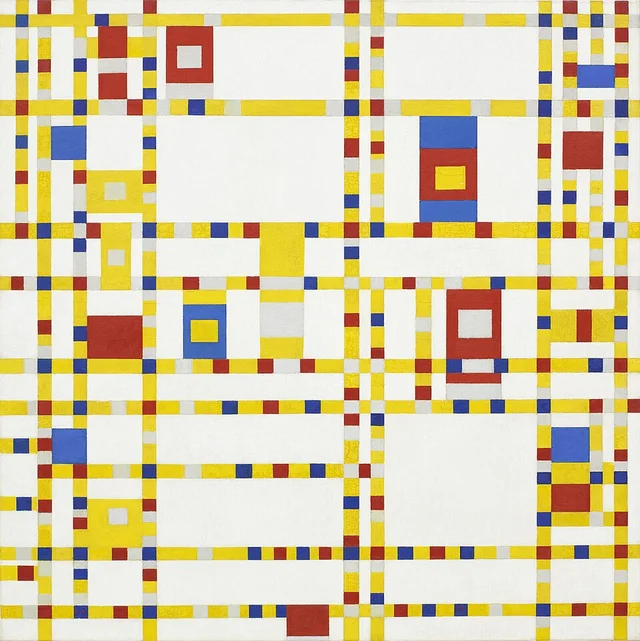 Broadway Boogie WoogiePiet Mondrian, 1942
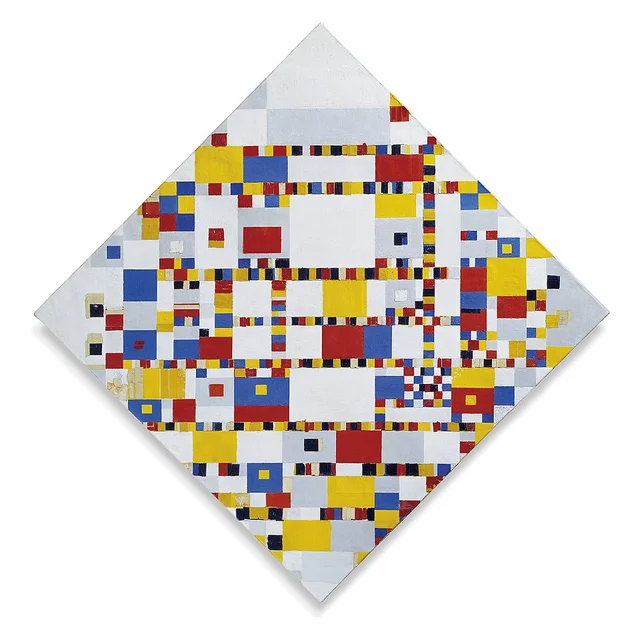 Victory Boogie WoogiePiet Mondrian, 1942
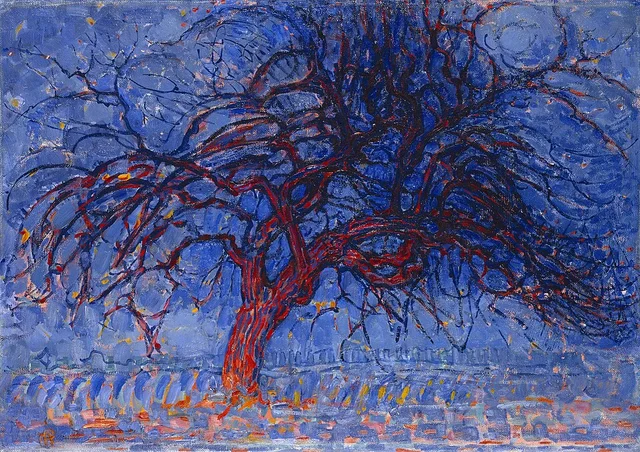 L'albero rossoPiet Mondrian, 1909
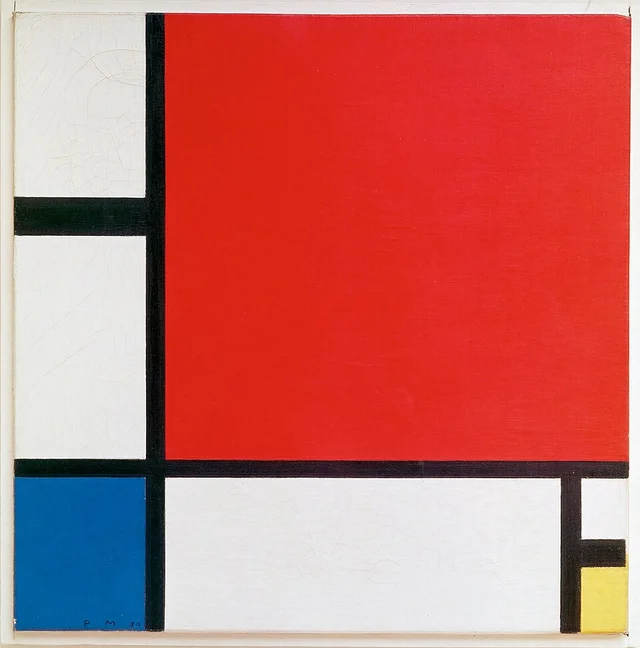 Composizione II in rosso, blu e gialloPiet Mondrian, 1930
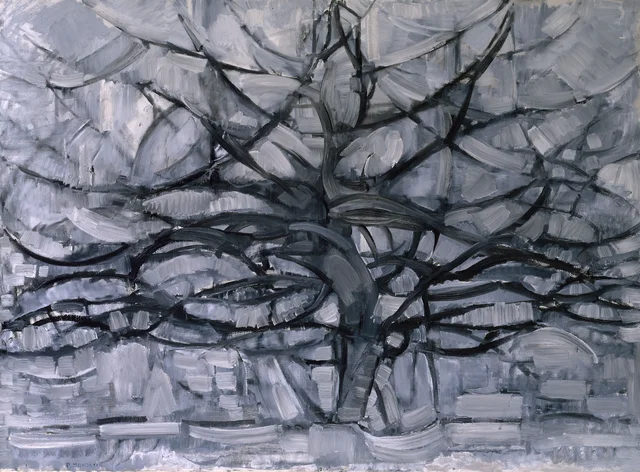 Albero grigioPiet Mondrian, 1911
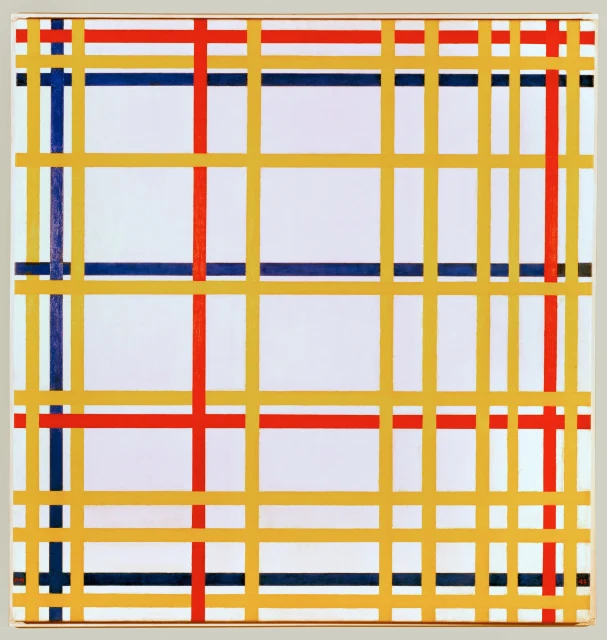 New York CityPiet Mondrian, 1942
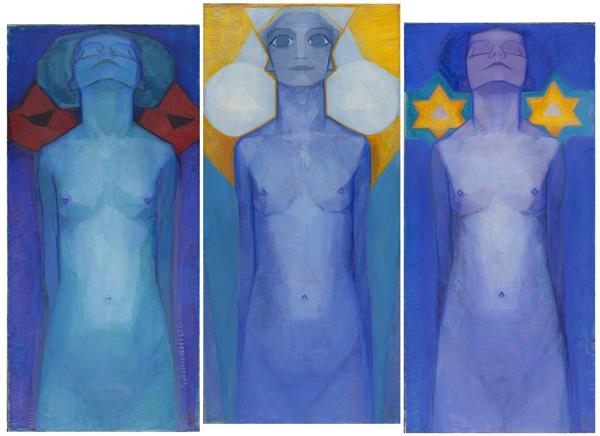 EvoluzionePiet Mondrian, 1911
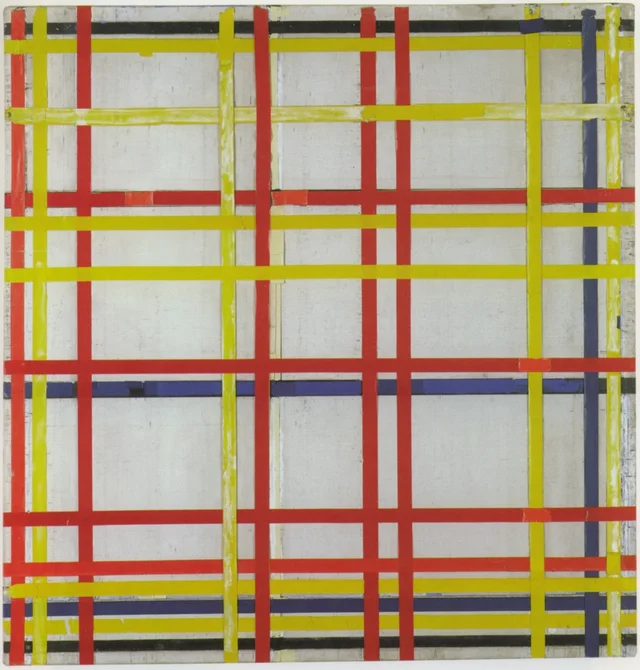 New York City IPiet Mondrian, 1941
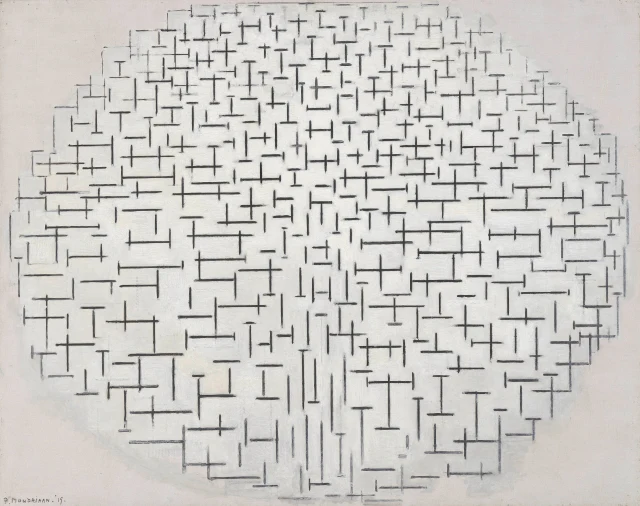 Composizione 10 in bianco e neroPiet Mondrian, 1915
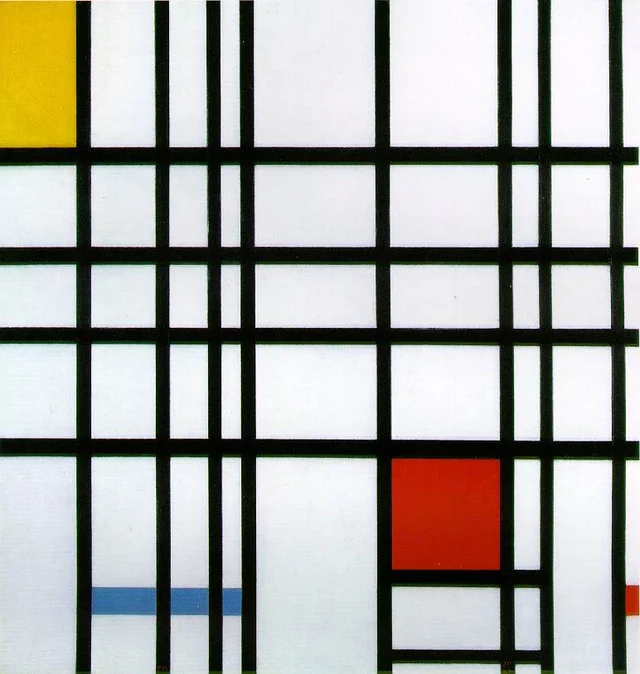 Composizione con rosso, giallo e bluPiet Mondrian, 1937
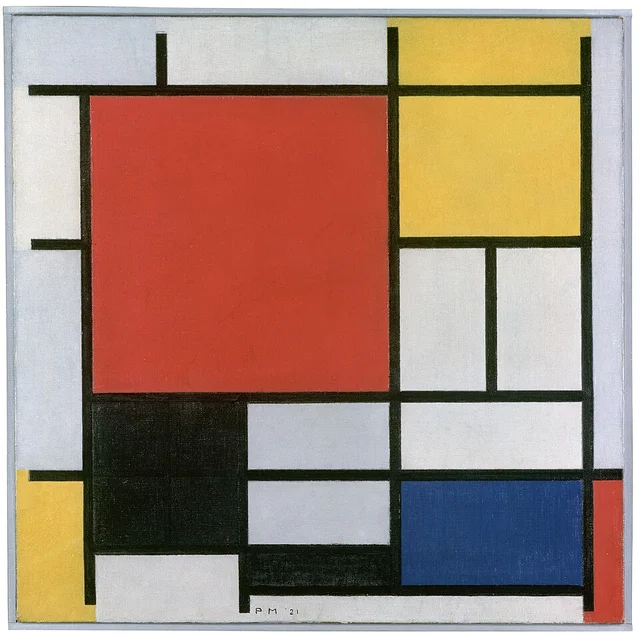 Composizione con grande piano rosso, giallo, nero, grigio e bluPiet Mondrian, 1921
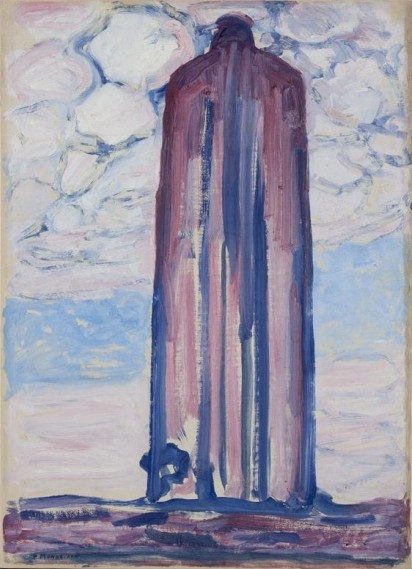 Faro a WestkapellePiet Mondrian, 1908
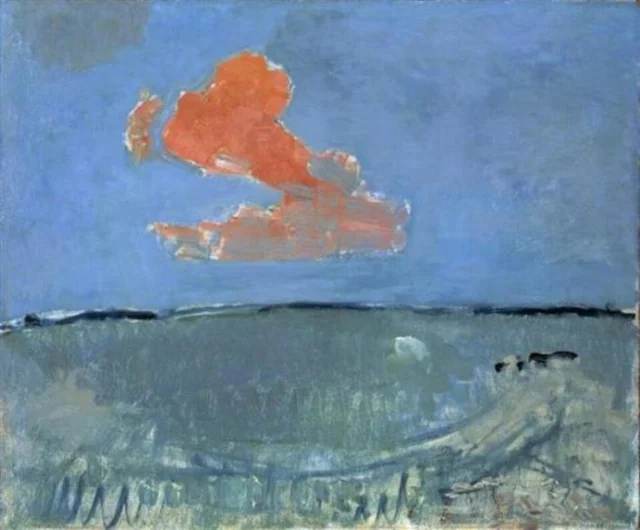 La nuvola rossaPiet Mondrian, 1907
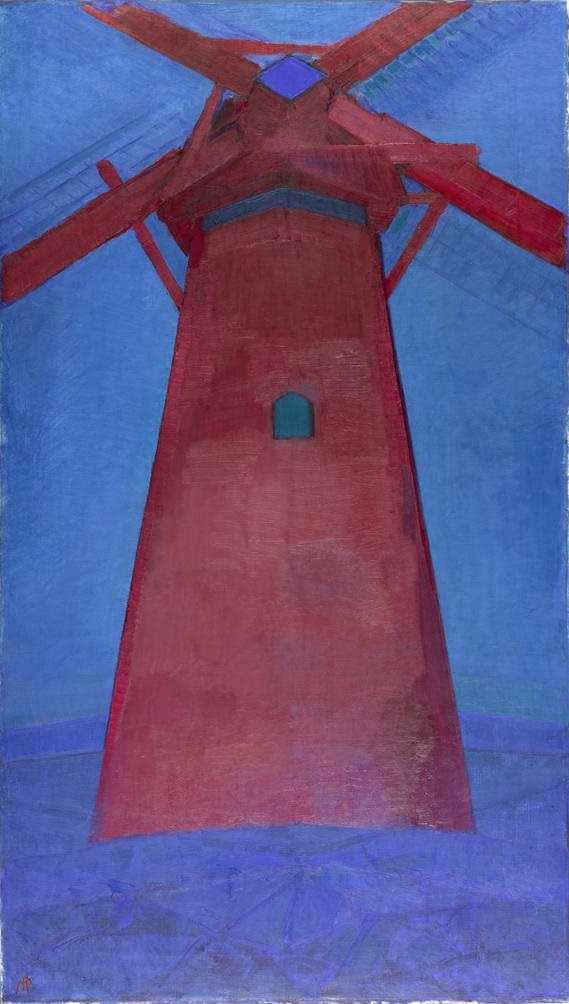 Il mulino rossoPiet Mondrian, 1910
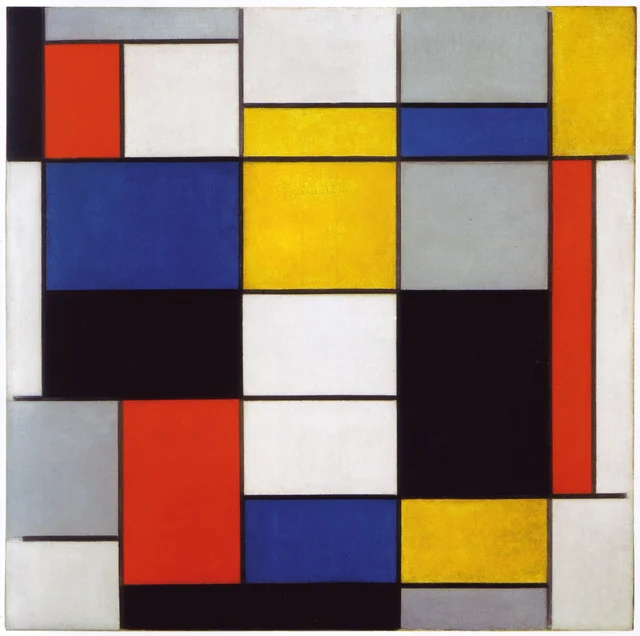 Composizione A: composizione con nero, rosso, grigio, giallo e bluPiet Mondrian, 1920
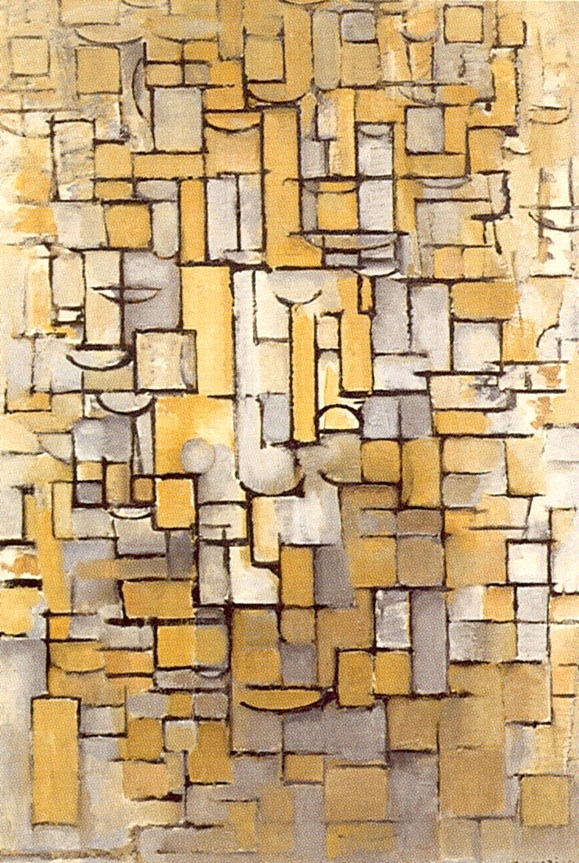 Composizione XIVPiet Mondrian, 1913
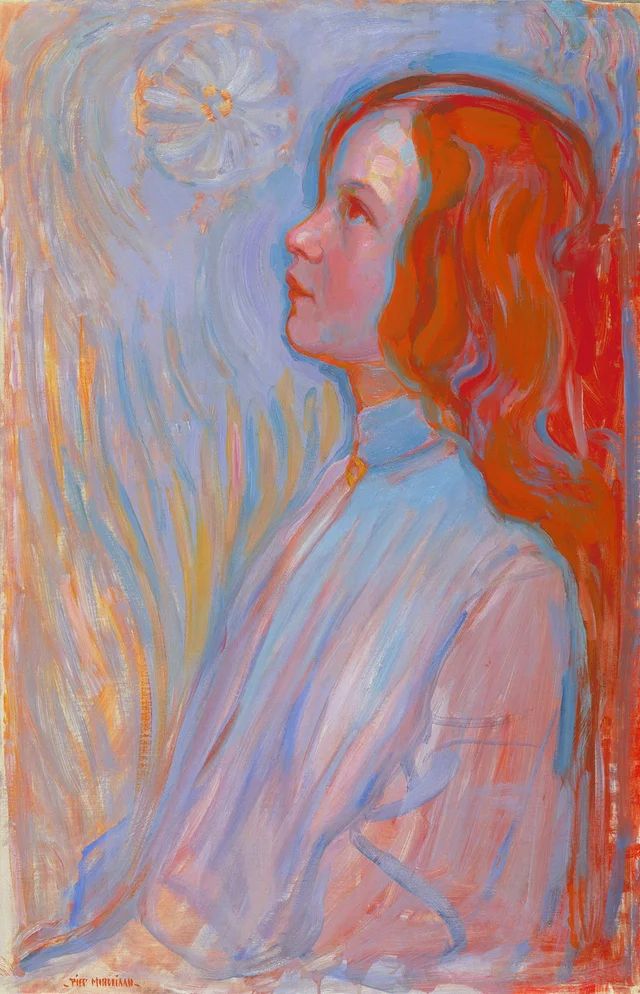 DevozionePiet Mondrian, 1908
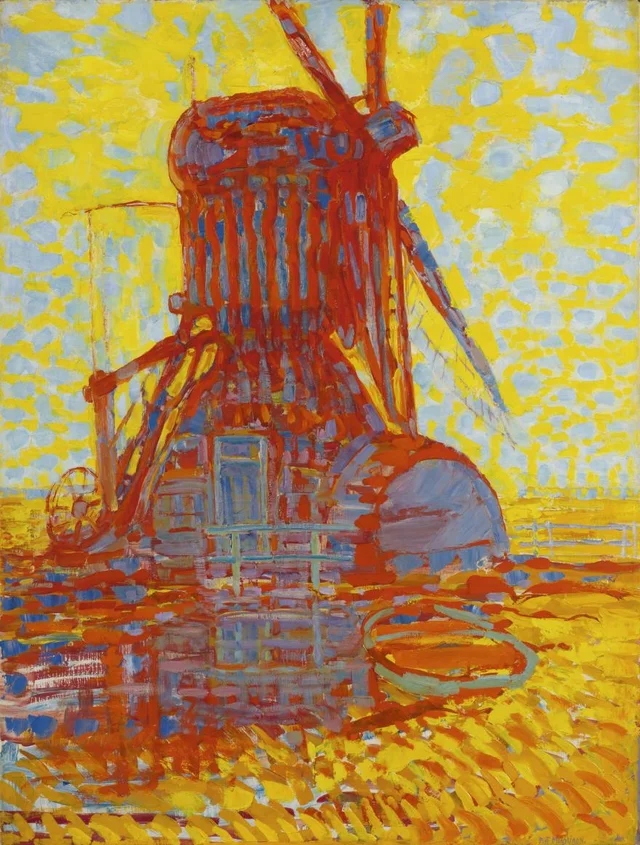 Mulino al solePiet Mondrian, 1908
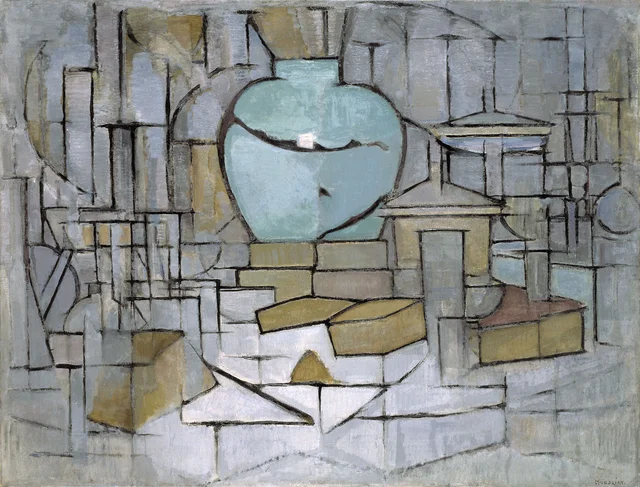 Natura morta con vaso di zenzero 2Piet Mondrian, 1912
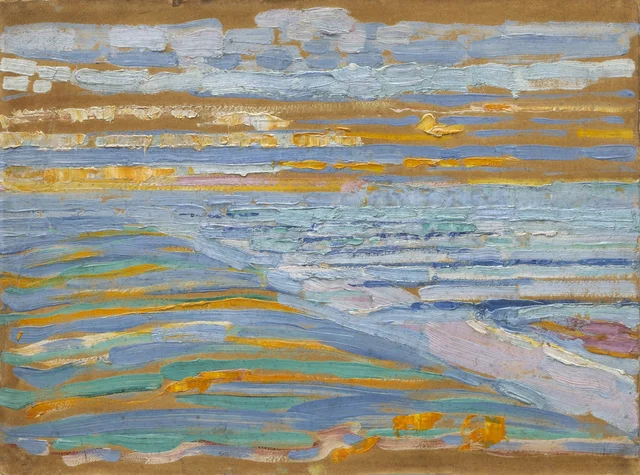 Vista dalle dune con spiaggia e moli, DomburgPiet Mondrian, 1909
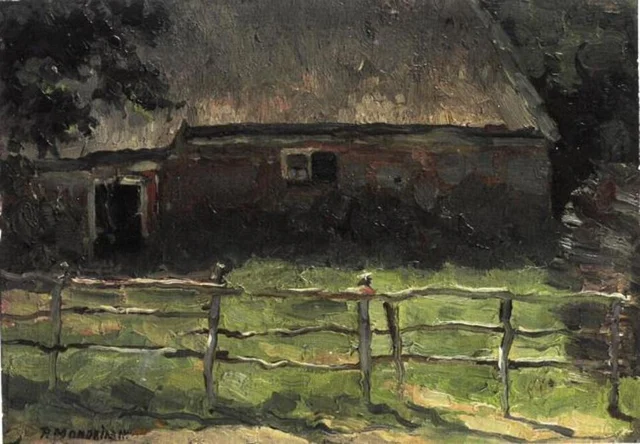 Fattoria dietro una recinzionePiet Mondrian, 1904
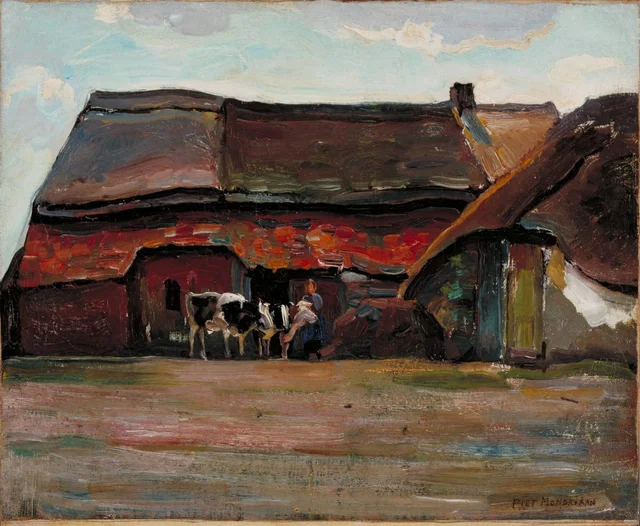 Cortile di fattoria brabantinaPiet Mondrian, 1904
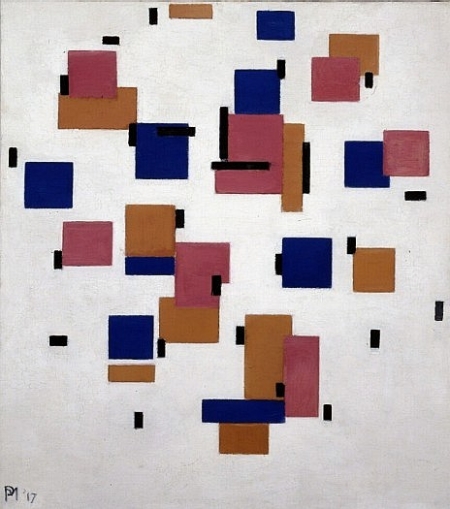 Composizione in colore BPiet Mondrian, 1917
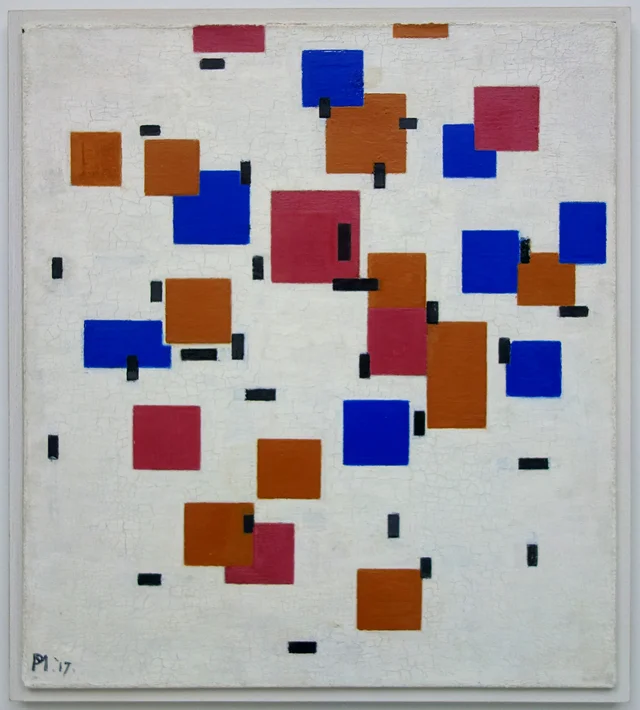 Composizione in colore APiet Mondrian, 1917
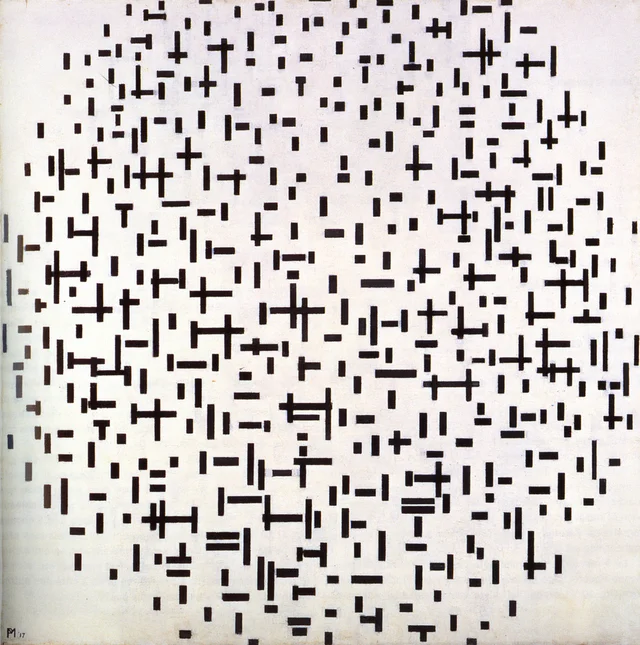 Composizione in linea, secondo statoPiet Mondrian, 1916