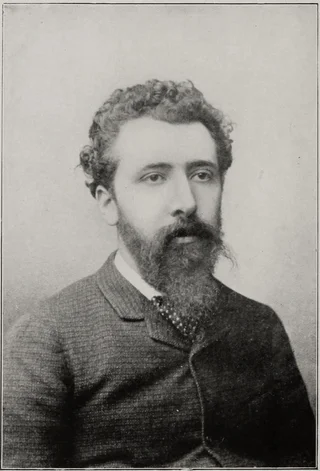
ジョルジュ・スーラ
1859–1891 · フランス · 点描主義
ストーリー
ジョルジュ・スーラは科学者のように絵画に取り組んだ。パリの国立美術学校で学び、当時の色彩理論と光学理論に影響を受けた彼は、純色の小さな点を無数に置き、筆ではなく見る者の目が離れた距離でそれらを混ぜ合わせるという技法を編み出した。スーラ自身はこれを「分割主義」と呼んだが、批評家たちは「点描主義」と呼びならわした。1884年から86年にかけて描かれた縦横約2メートルと3メートルに及ぶ大作《グランド・ジャット島の日曜日の午後》は、セーヌ川の中州でくつろぐパリ市民たちを描いたもので、2年におよぶ準備素描を経て完成し、この技法を代表する傑作であり続けている。
彼がこの手法で制作したのはわずか10年ほどにすぎず、私生活の多くは親しい友人にさえ明かさなかった。両親に内縁の妻、画家のモデルであったマドレーヌ・クノブロックと、幼い息子ピエール=ジョルジュを引き合わせたのは、死のわずか2日前のことだった。
スーラは急に体調を崩し、1891年3月29日、31歳でパリにて没した。死因については髄膜炎か、ジフテリアか、感染性の咽頭炎か、医師たちの見解は一致しなかった。幼い息子も2週間後に同じ病で世を去り、ペール・ラシェーズ墓地の彼の傍らに葬られた。
他の記事
作品
116点の作品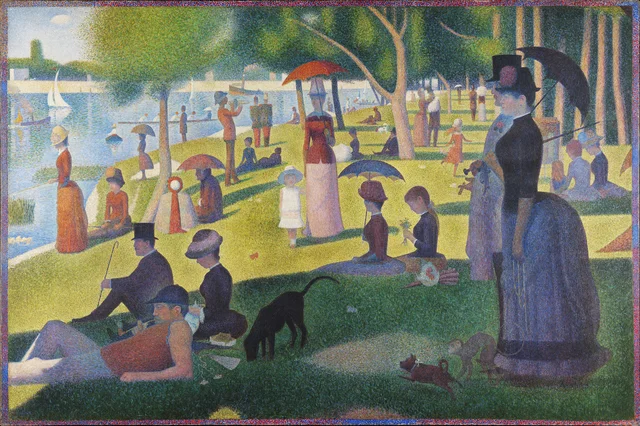 グランド・ジャット島の日曜日の午後ジョルジュ・スーラ, 1884
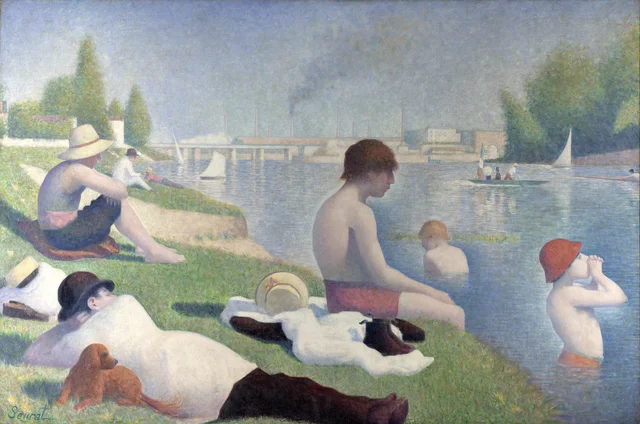 アニエールの水浴ジョルジュ・スーラ, 1884
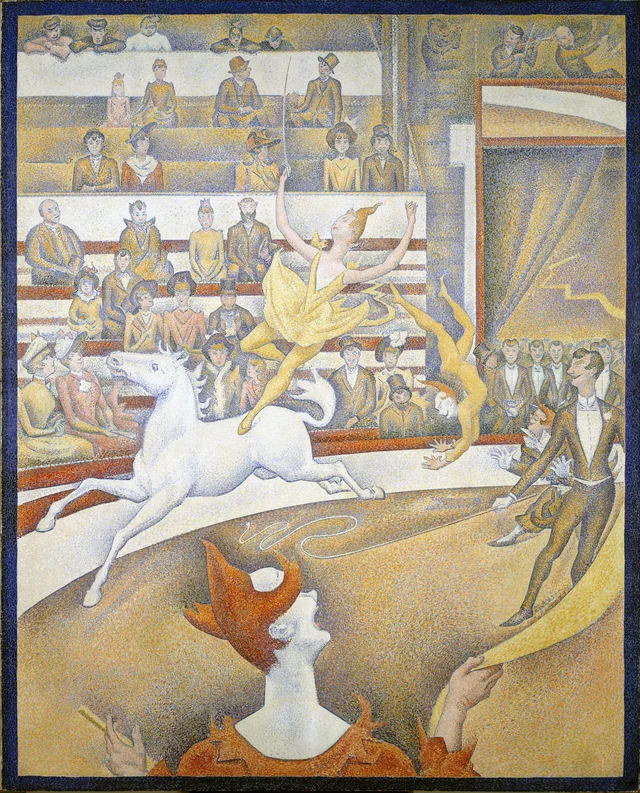 サーカスジョルジュ・スーラ, 1891
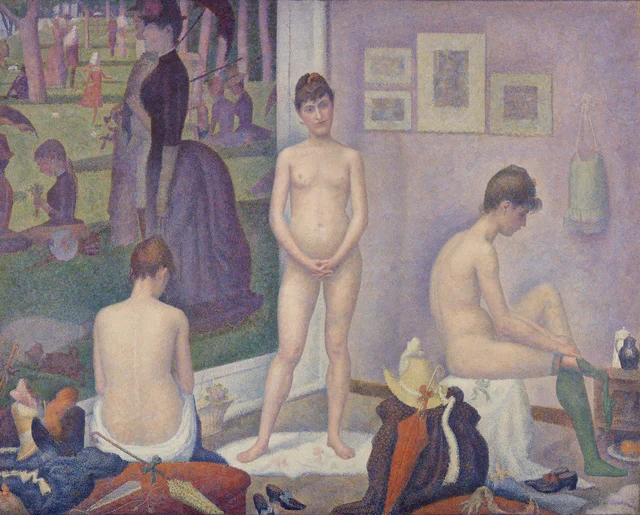 モデルたちジョルジュ・スーラ, 1886
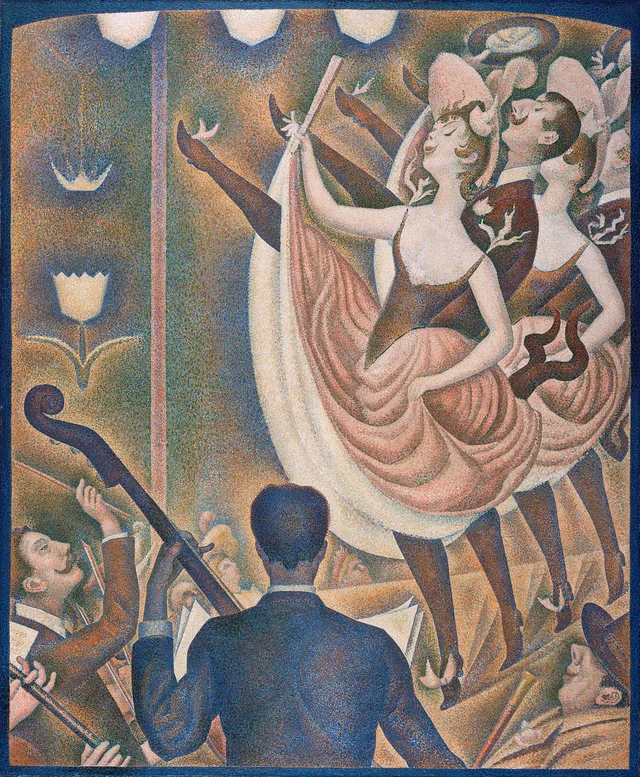 シャユ踊りジョルジュ・スーラ, 1889
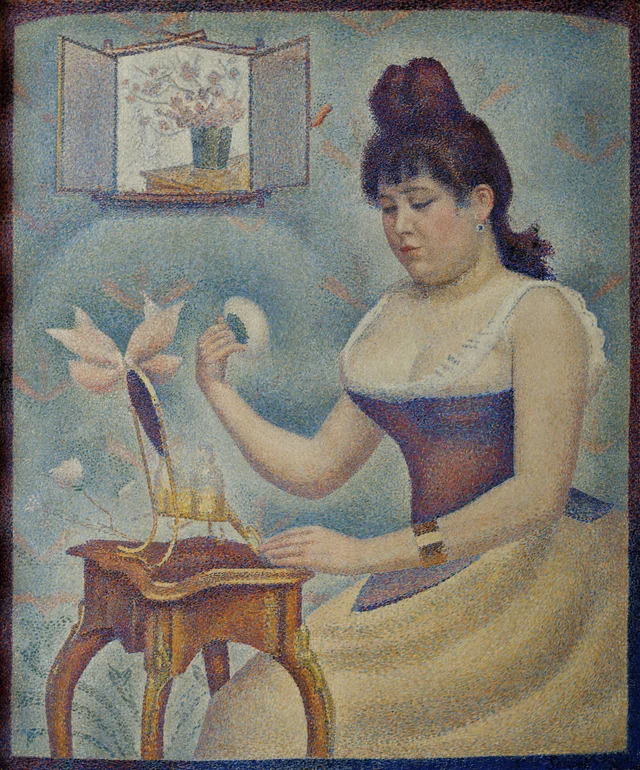 化粧する若い女ジョルジュ・スーラ, 1889
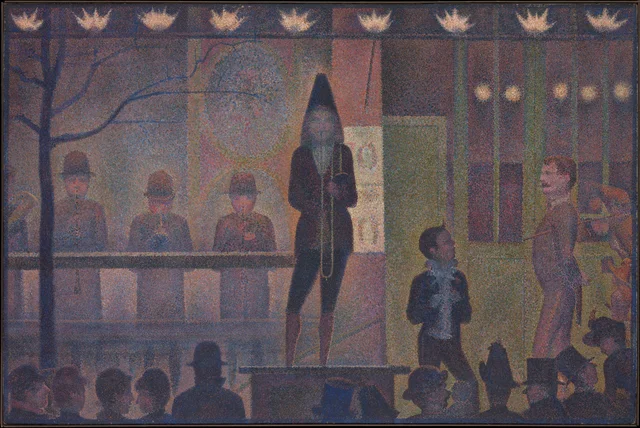 サーカスのパレードジョルジュ・スーラ, 1888
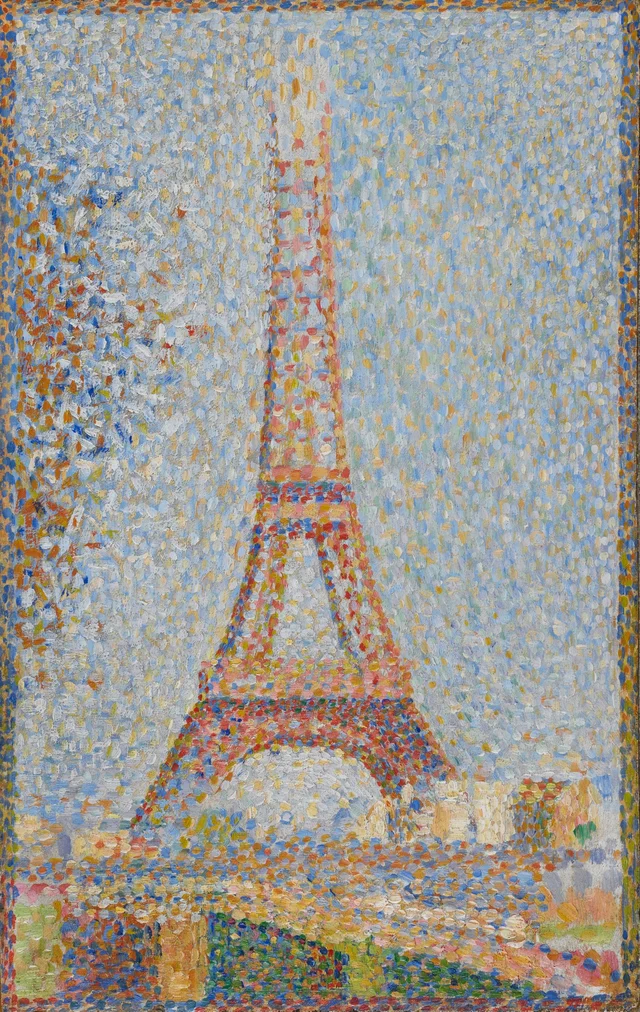 エッフェル塔ジョルジュ・スーラ, 1889
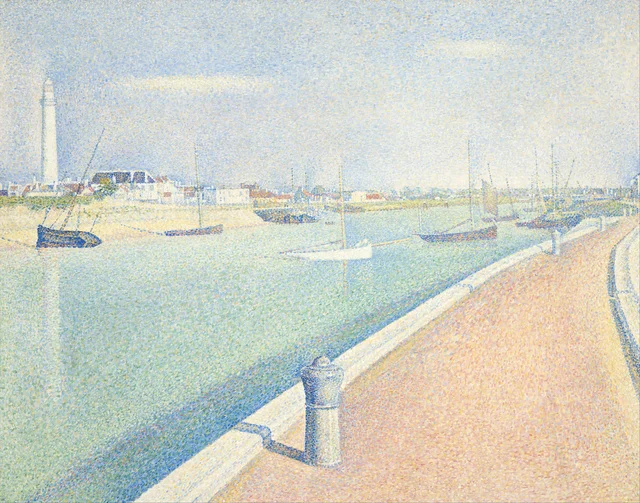 グラヴリーヌの水路、プティ・フォール・フィリップジョルジュ・スーラ, 1890
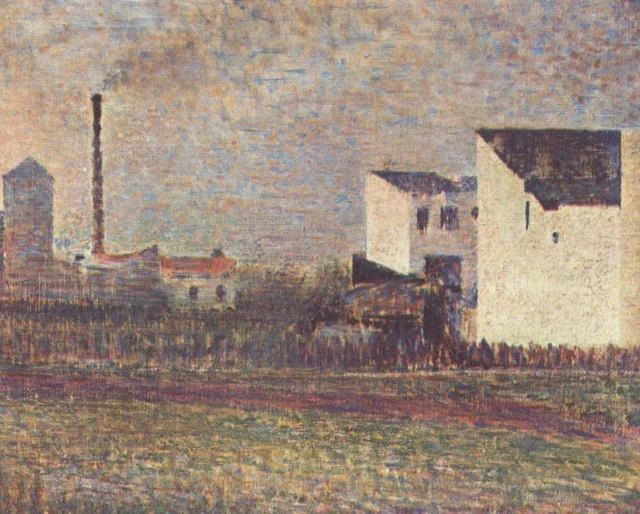 郊外ジョルジュ・スーラ, 1881
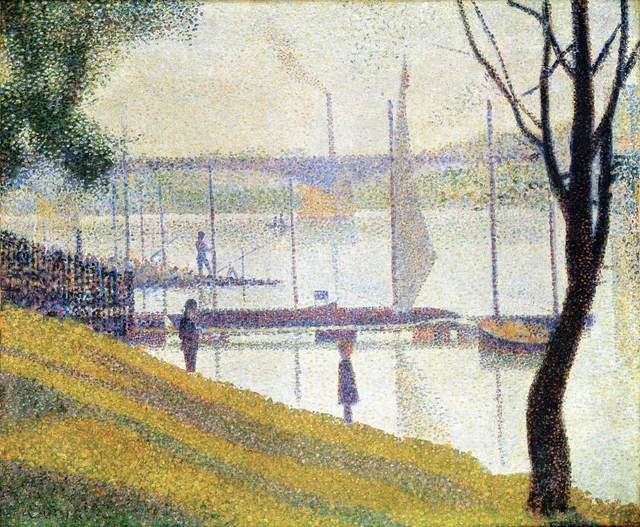 クールブヴォワの橋ジョルジュ・スーラ, 1887
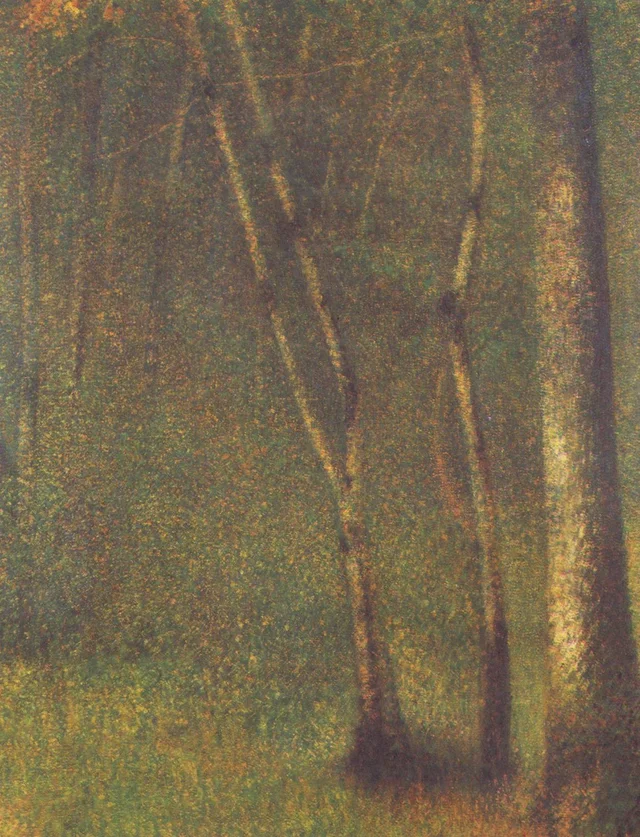 ポントーベールの森ジョルジュ・スーラ, 1881
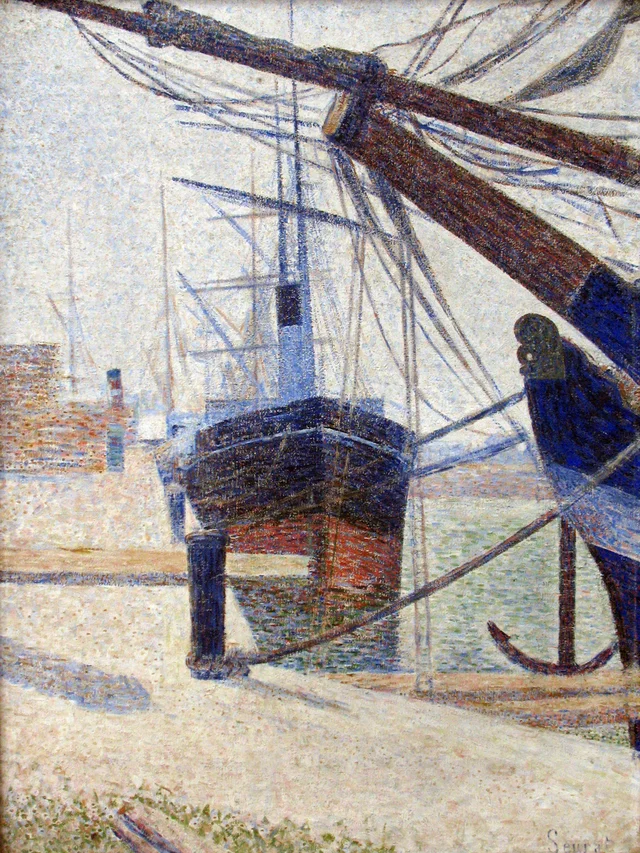 オンフルール、港の一隅ジョルジュ・スーラ, 1886
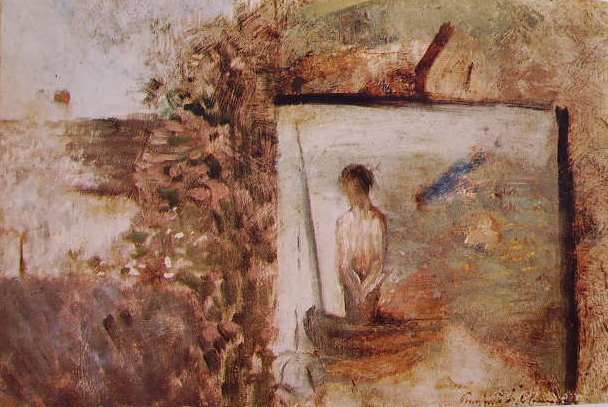 ピュヴィス・ド・シャヴァンヌの『貧しい漁夫』のある風景ジョルジュ・スーラ, 1881
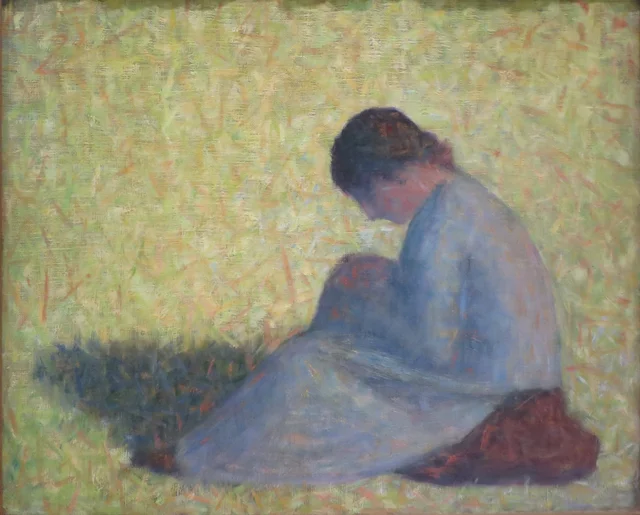 草原に座る農婦ジョルジュ・スーラ, 1883
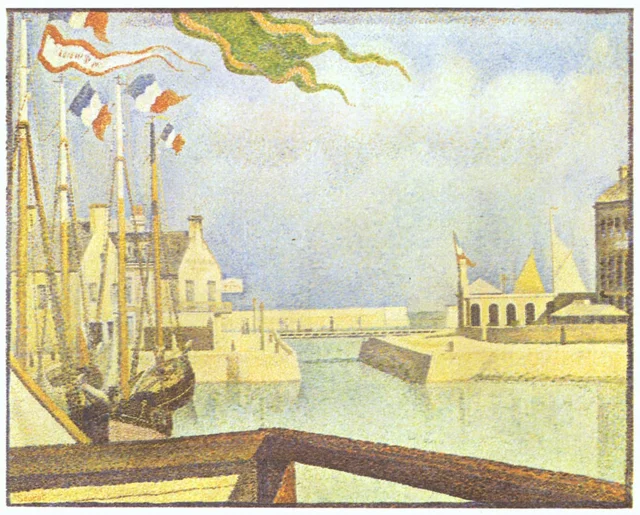 ポール=アン=ベッサンの日曜日ジョルジュ・スーラ, 1888
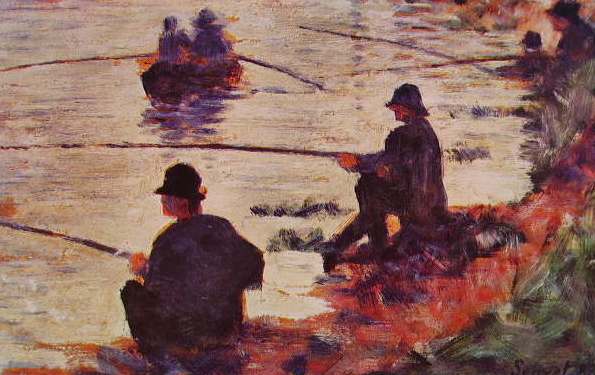 釣り人たち、《グランド・ジャット島》のための習作ジョルジュ・スーラ, 1883
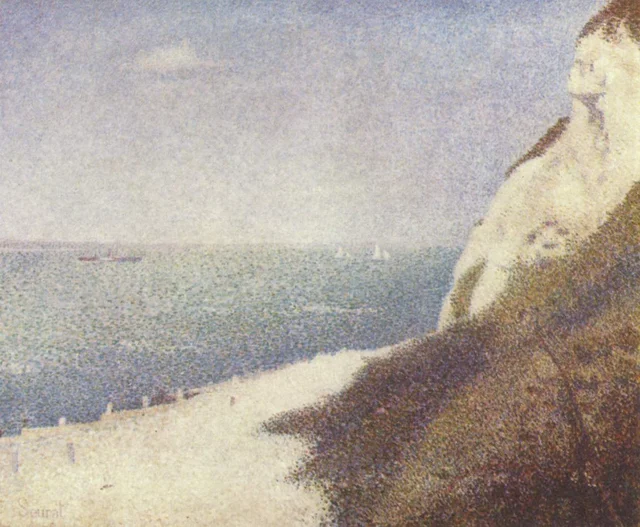 オンフルールの「ル・バ・ビュタン」海岸ジョルジュ・スーラ, 1886
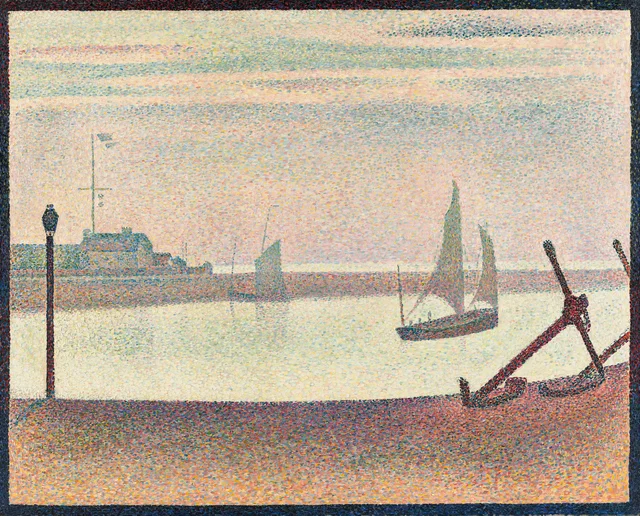 グラヴリーヌの水路、夕暮れジョルジュ・スーラ, 1890
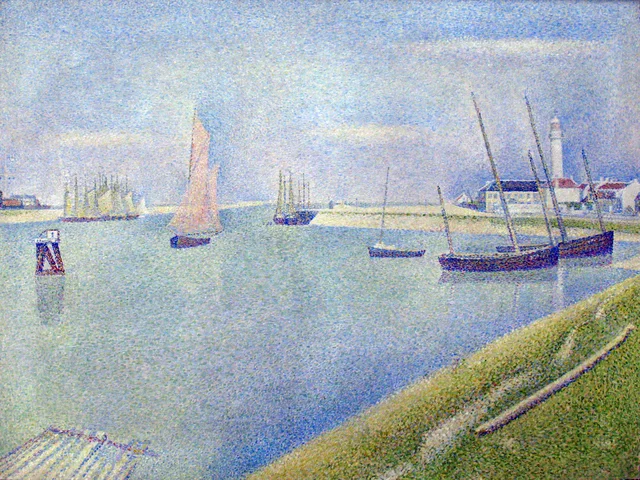 グラヴリーヌの運河、海へ向かってジョルジュ・スーラ, 1890
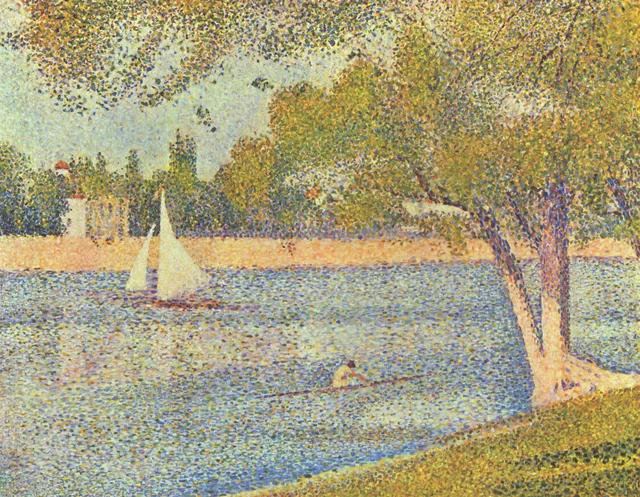 グランド・ジャット島のセーヌ川ジョルジュ・スーラ, 1888
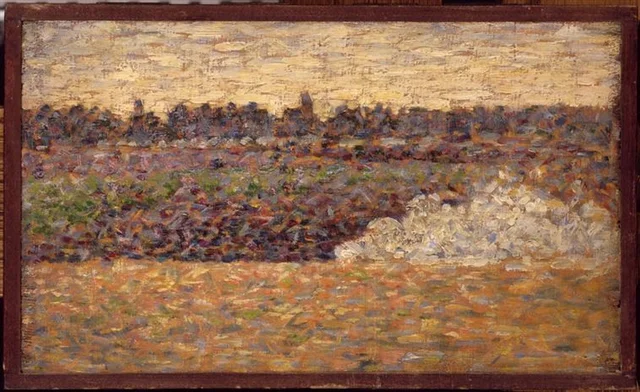 グランカンの風景ジョルジュ・スーラ, 1885
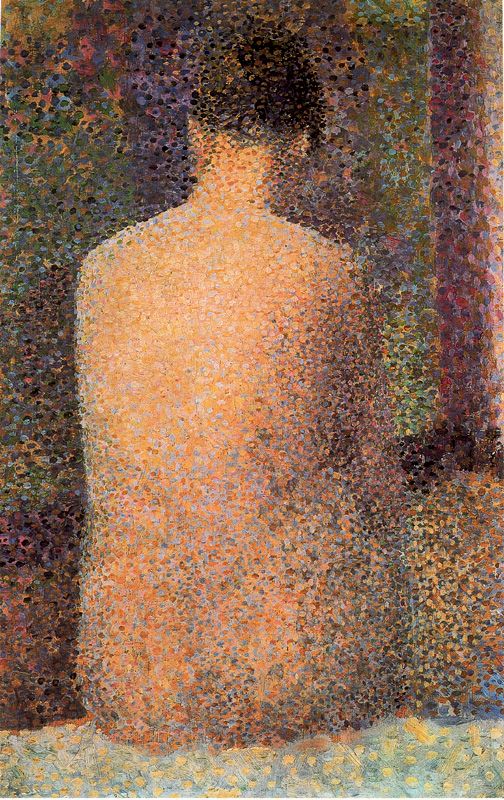 後ろ姿のモデルジョルジュ・スーラ, 1887
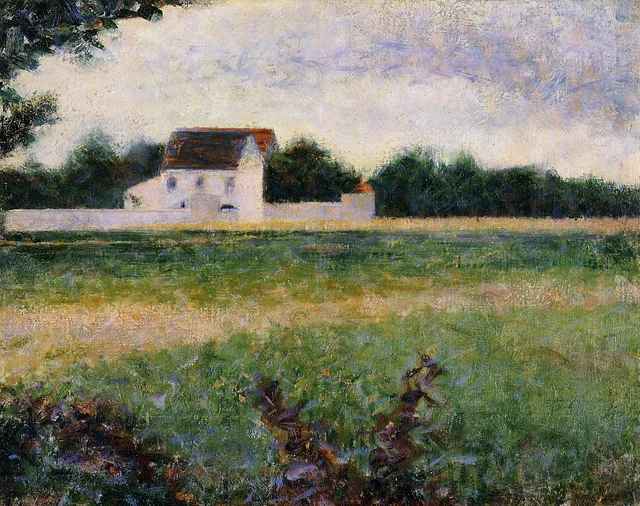 イル・ド・フランスの風景ジョルジュ・スーラ, 1881
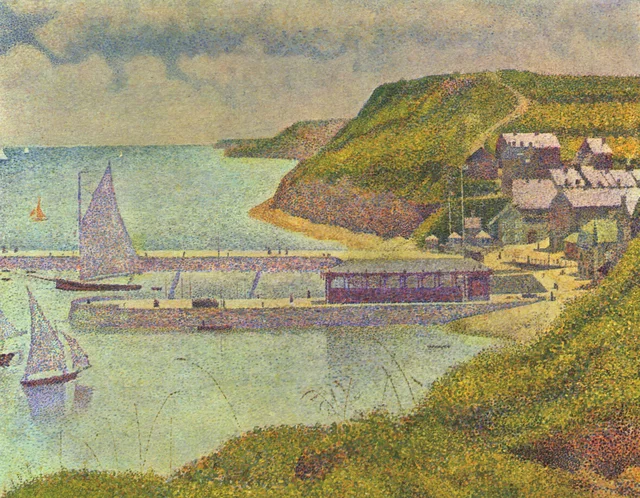 ポール=タン=ベッサン、外港、満潮ジョルジュ・スーラ, 1888