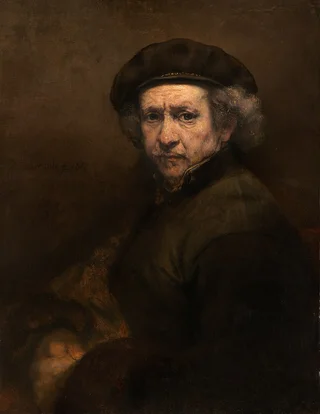
レンブラント
1606–1669 · ネーデルラント連邦共和国 · オランダ黄金時代の絵画
ストーリー
1630年代、レンブラントはアムステルダムでもっとも引く手あまたの肖像画家だった。当時この街は、遠く日本にまで達したオランダ船がもたらす富で膨れ上がっていた。彼は良家の出であるサスキアと結婚し、流行の通りに大きな屋敷を構え、絵画、武具、珍しい貝殻、甲冑一式など、いつか絵に描くかもしれないと思うものを次々に買い集めた。彼はまるで他の男たちが酒を飲むように、競売で買い物をした。
やがて潮目が変わる。サスキアは1642年、若くして世を去った。同じ年、彼はいまでは《夜警》と呼ばれる巨大な市民隊の集団肖像画を完成させている。肖像画の流行は、彼の深い褐色と重厚な陰影よりも、なめらかで明るいものへと移っていった。注文は先細り、しかし彼の浪費は止まらなかった。1656年までに彼は破産し、債務者監獄を避けるため、財産を都市に引き渡して債権者のために売却させた。この年に作成された財産目録には、貝殻や甲冑、そして彼自身の絵60点余りが記載されている。二年のうちに、あの壮麗な屋敷も競売にかけられて手放され、彼は残った家財とともに、街の反対側の質素な部屋へと移った。
しかしこれによって作品の質が損なわれることはなく、むしろその逆だった。洗練された社交界向けの肖像画から解き放たれ、彼はより粗く、より厚みのある筆致で描き、額や袖にだけ光を集中させ、残りは闇に沈めた。彼は生涯にわたって自分自身に鏡を向け続け、およそ80点の自画像を残した。晩年の作は容赦なく、ほとんどすべてを失いながらも、なおそれを直視し続けた男の顔を映し出している。1669年に世を去るが、ごく晩年の自画像の一枚で、彼は古代ギリシアの画家に扮し、筆を手に、絵が決して説明しない冗談に笑っている自分自身を描いている。
他の記事
作品
307点の作品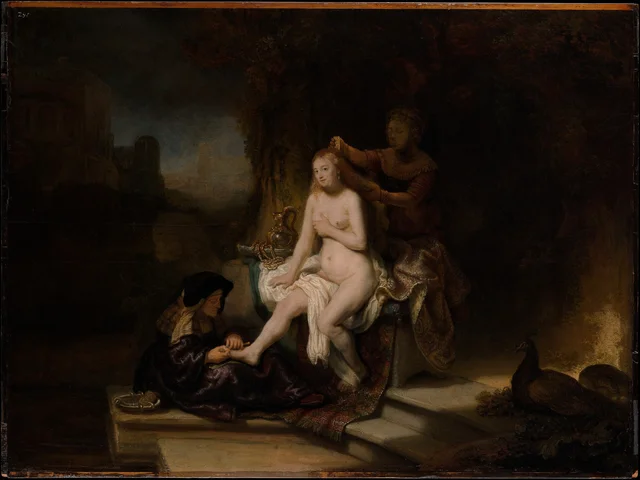 化粧するバテシバレンブラント, 1643
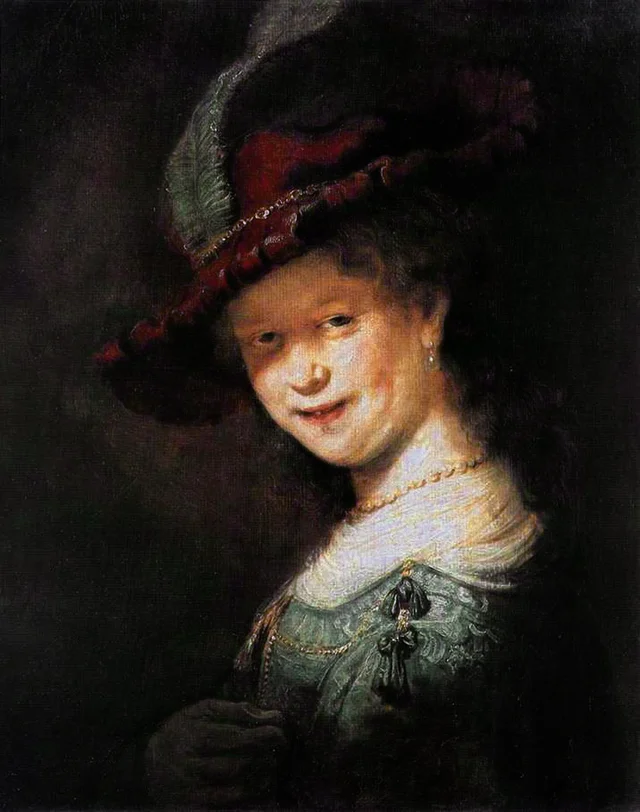 微笑む若い女性の胸像、サスキア・ファン・アイレンブルフの可能性レンブラント, 1633
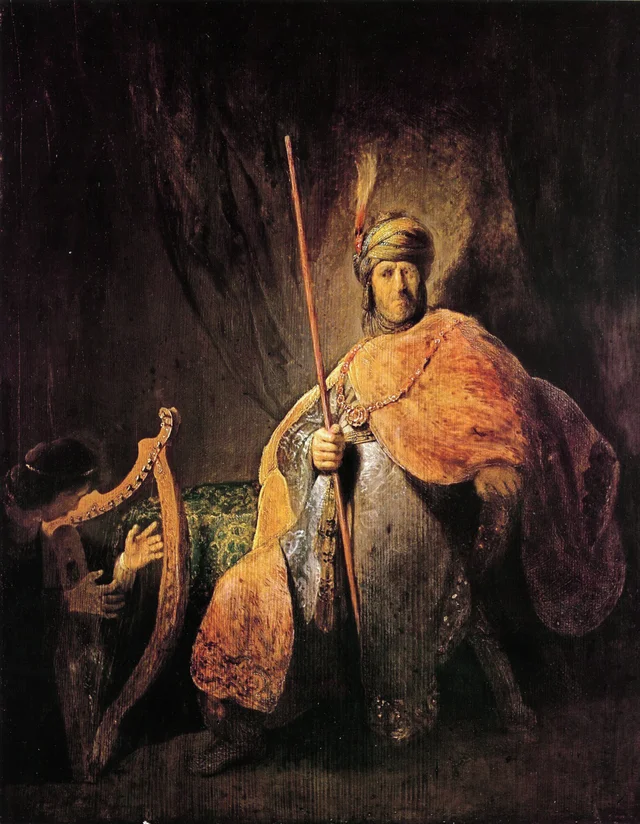 サウルの前で竪琴を弾くダビデレンブラント, 1630
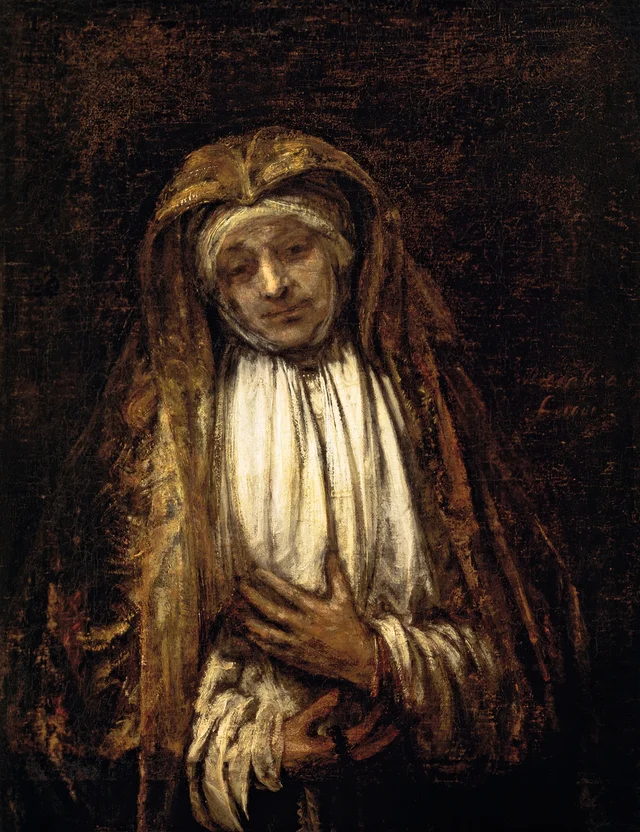 ロザリオを持つ老女レンブラント, 1661
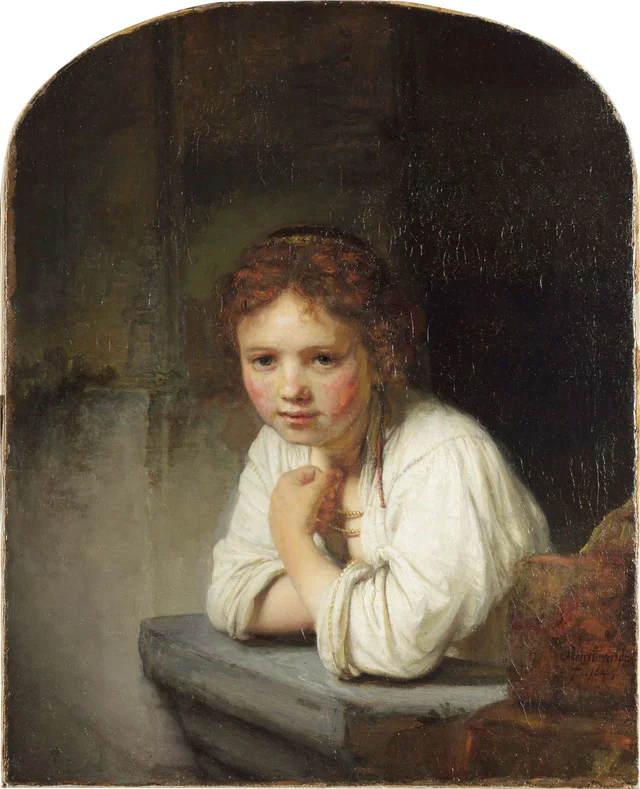 窓辺の少女レンブラント, 1645
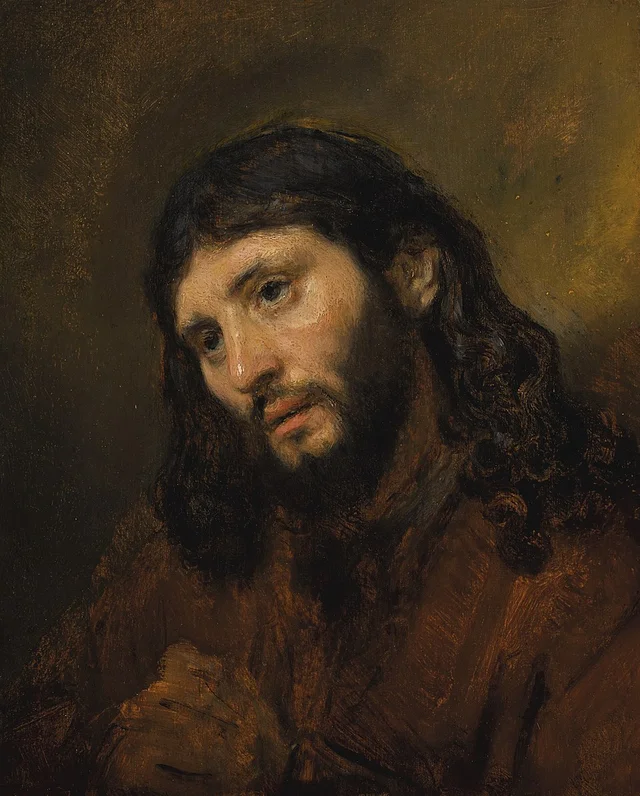 キリストの頭部レンブラント, 1648
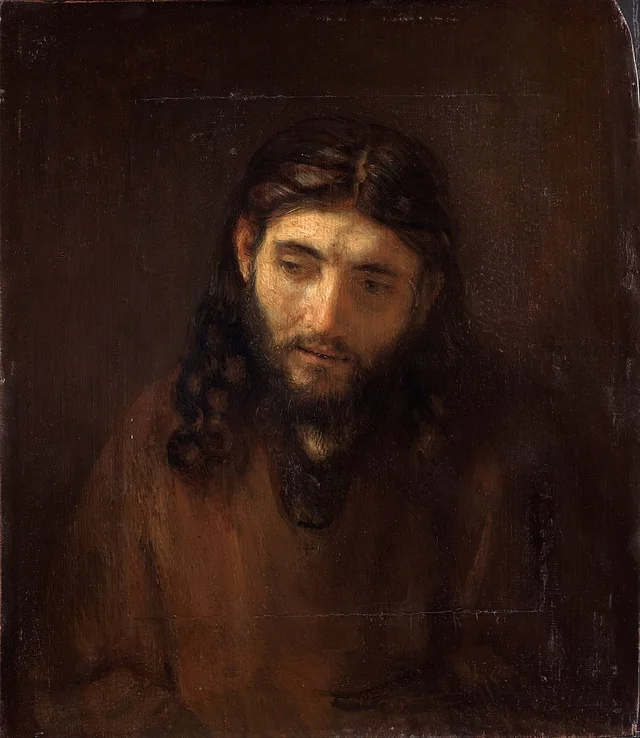 キリストの頭部レンブラント, 1648
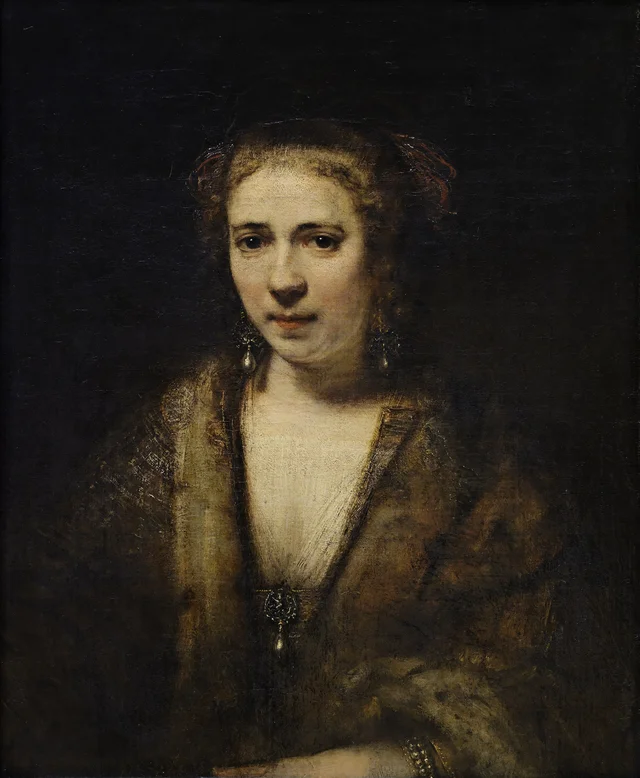 ヘンドリッキェ・ストッフェルスレンブラント, 1654
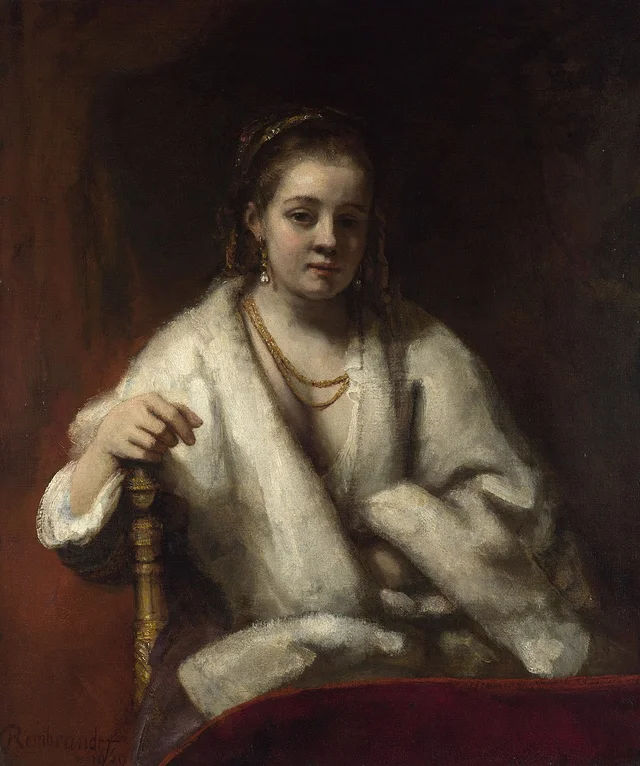 毛皮をまとうヘンドリッキェレンブラント, 1659
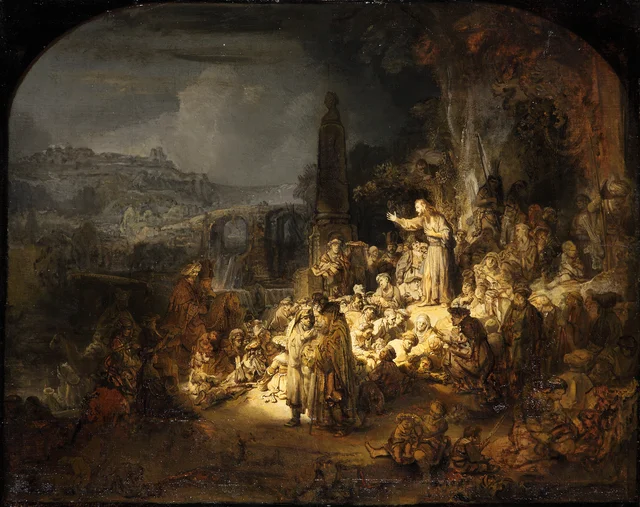 説教する洗礼者ヨハネレンブラント, 1634
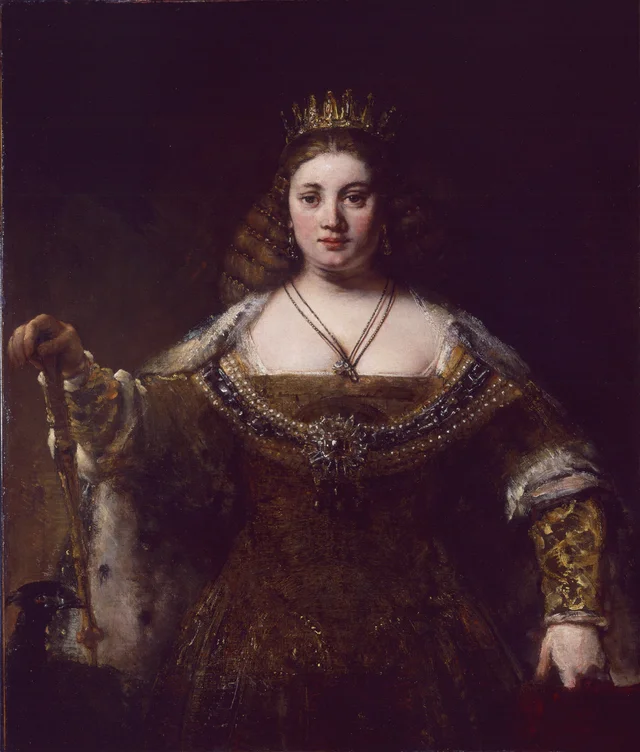 ユノーレンブラント, 1663
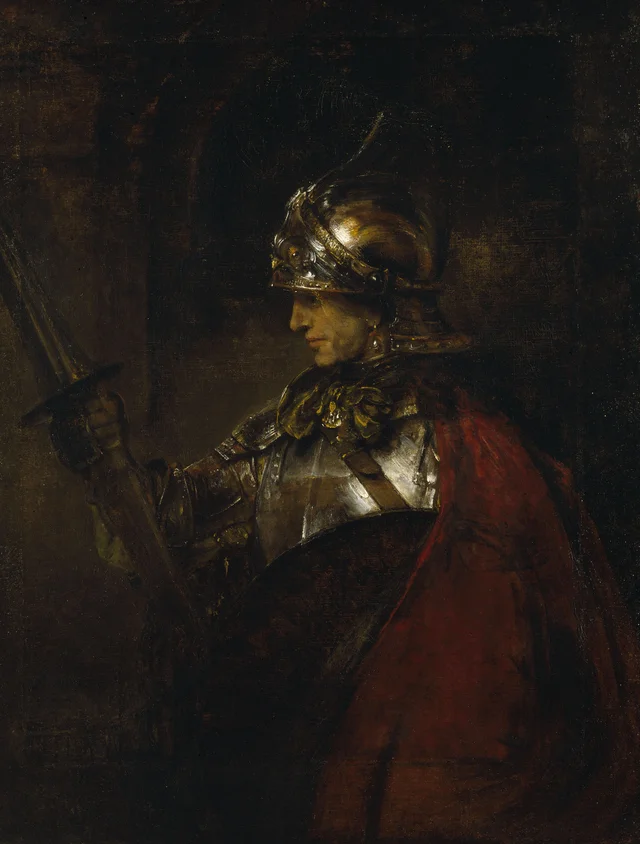 甲冑を着た男レンブラント, 1655
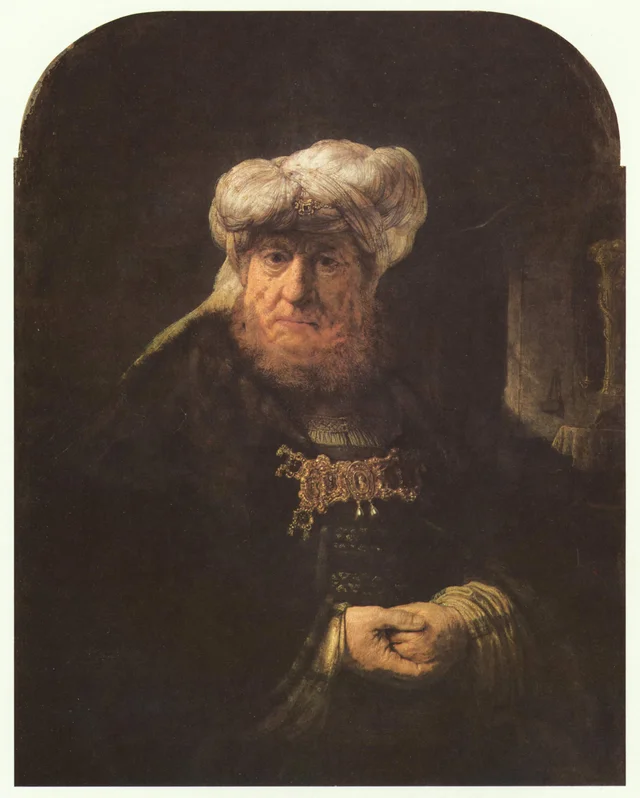 東洋風の衣装をまとった男レンブラント, 1639
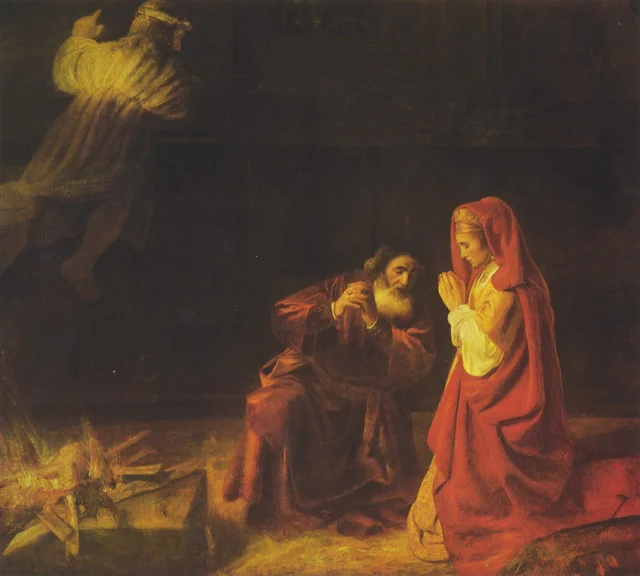 マノアの犠牲レンブラント, 1641
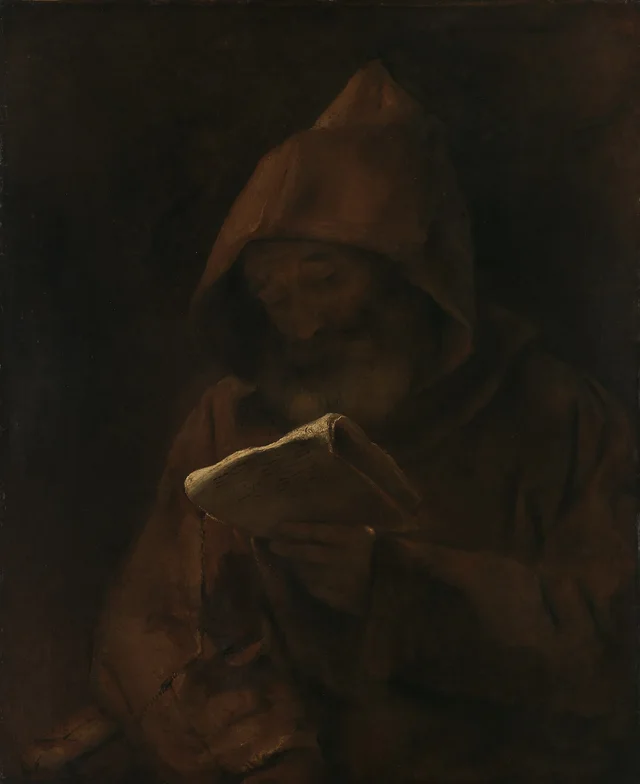 読書する修道士レンブラント, 1661
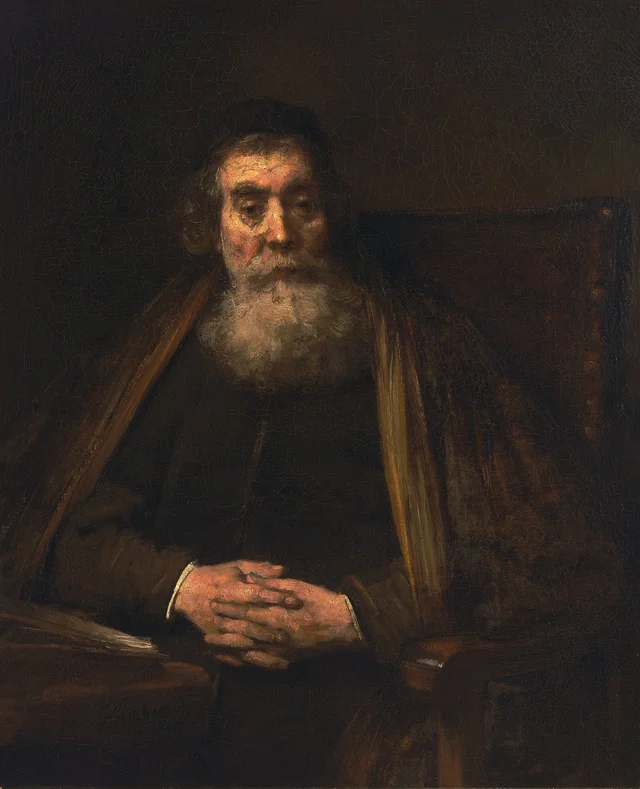 肘掛け椅子の老人、おそらくヤン・アモス・コメニウスの肖像レンブラント, 1665
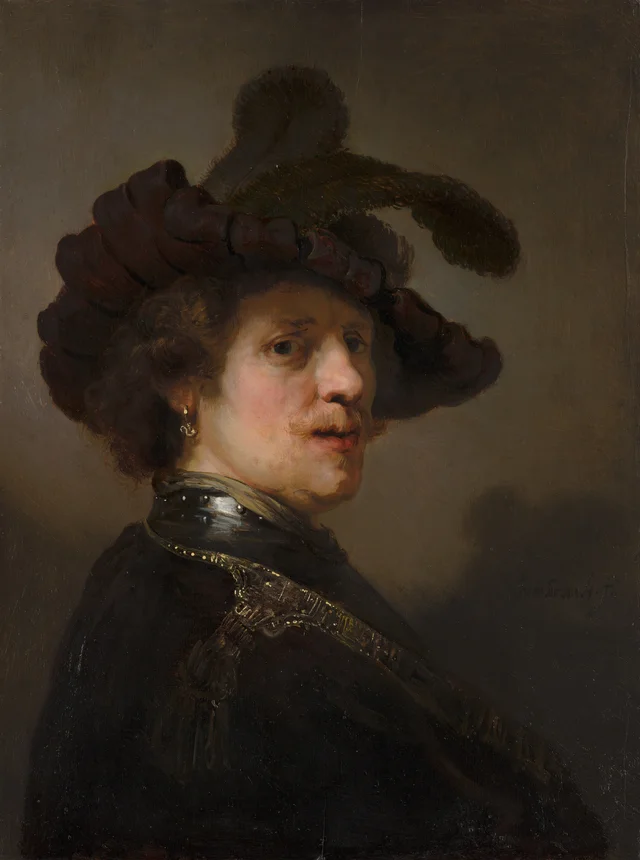 羽根飾りの帽子をかぶった男の肖像レンブラント, 1635
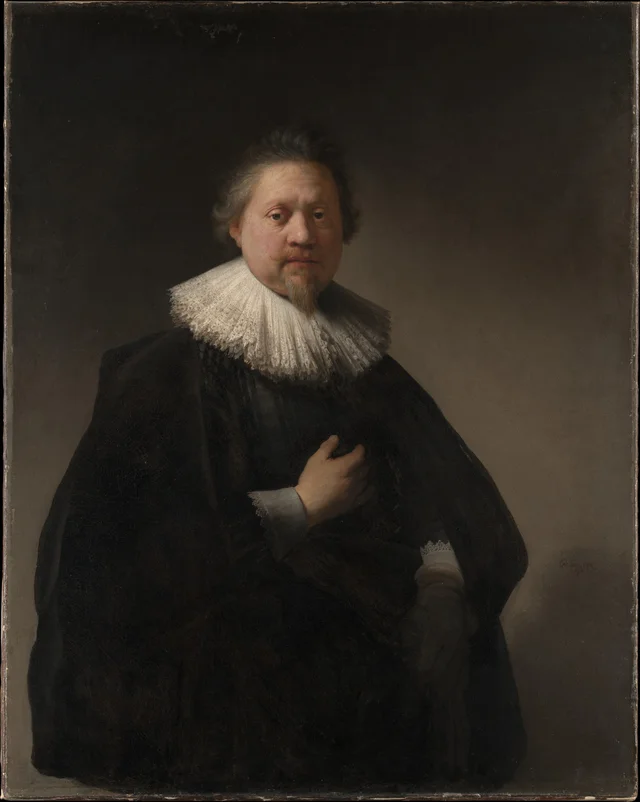 男性の肖像、おそらくファン・ベレステイン家の一員レンブラント, 1632
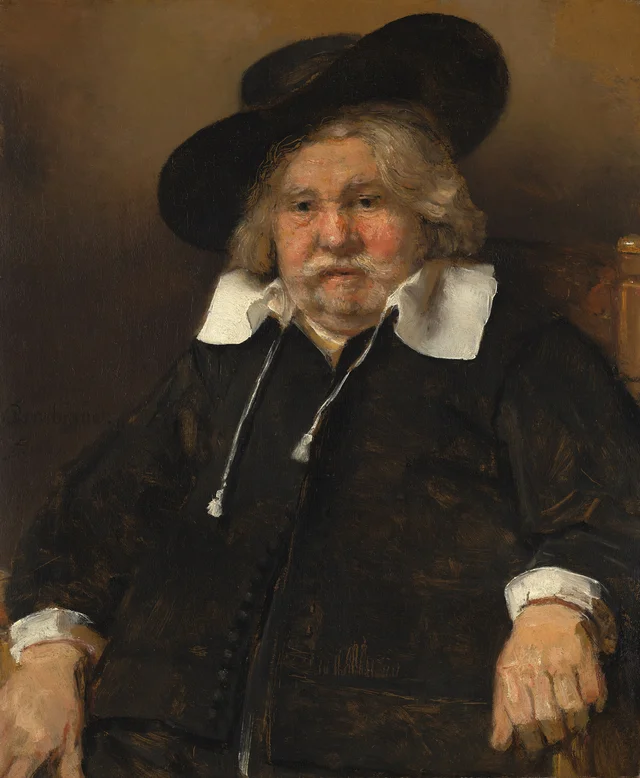 老人の肖像レンブラント, 1667
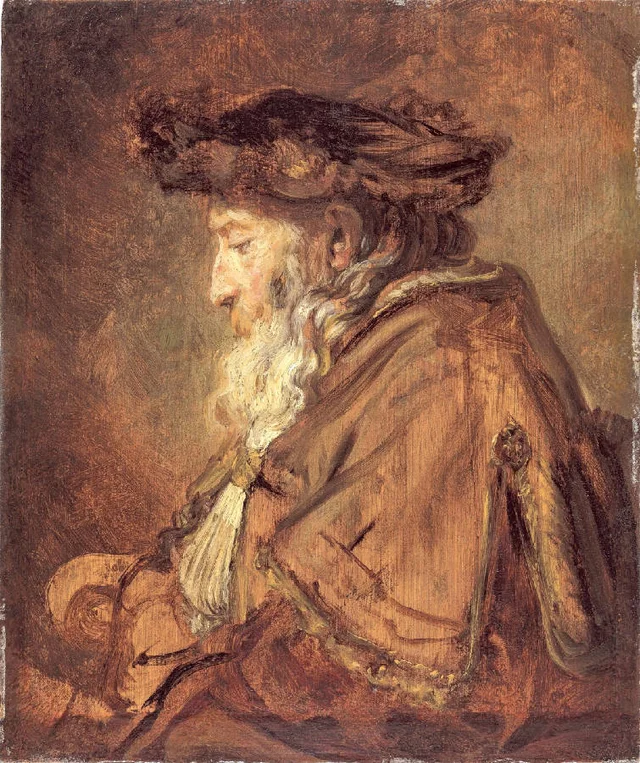 老人の肖像(ラビの可能性がある)レンブラント, 1655
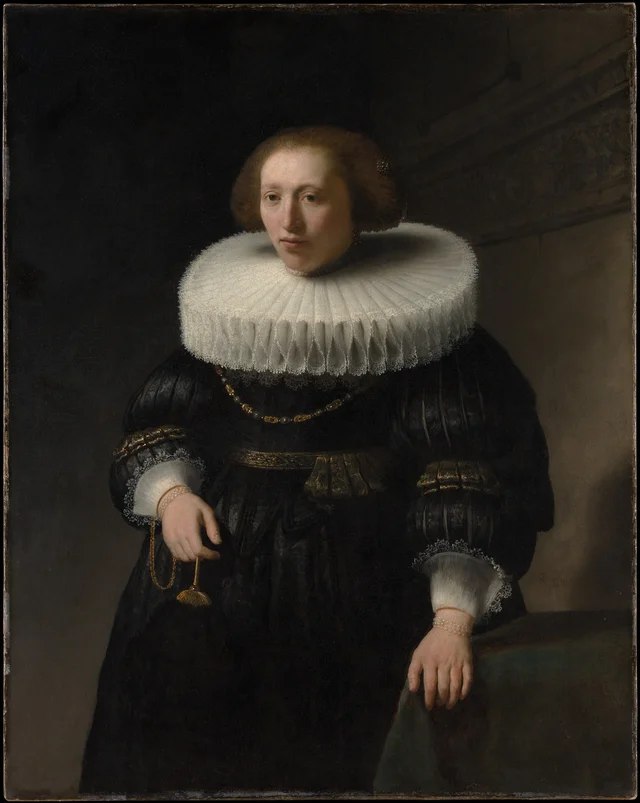 ある女性の肖像、おそらくファン・ベレステイン家の一員レンブラント, 1632
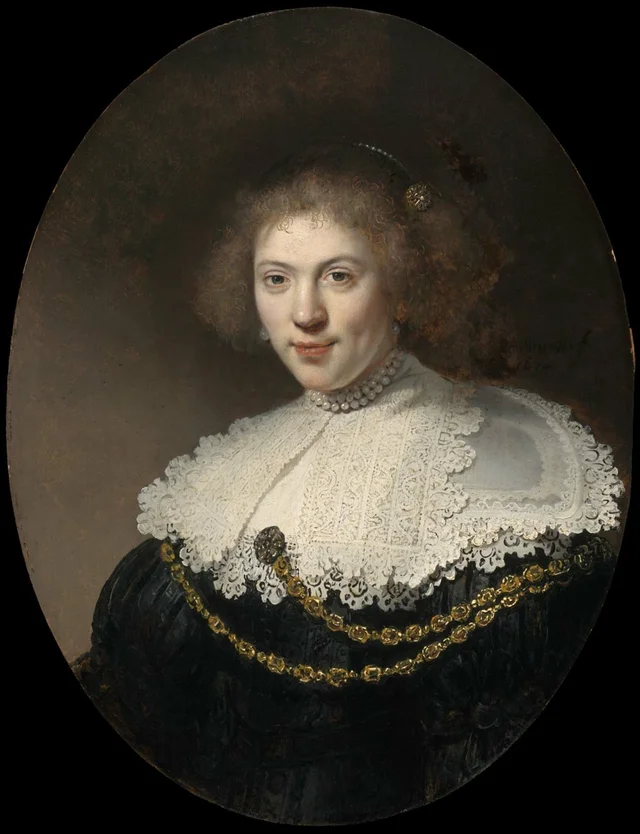 金の鎖をつけた女性の肖像レンブラント, 1634
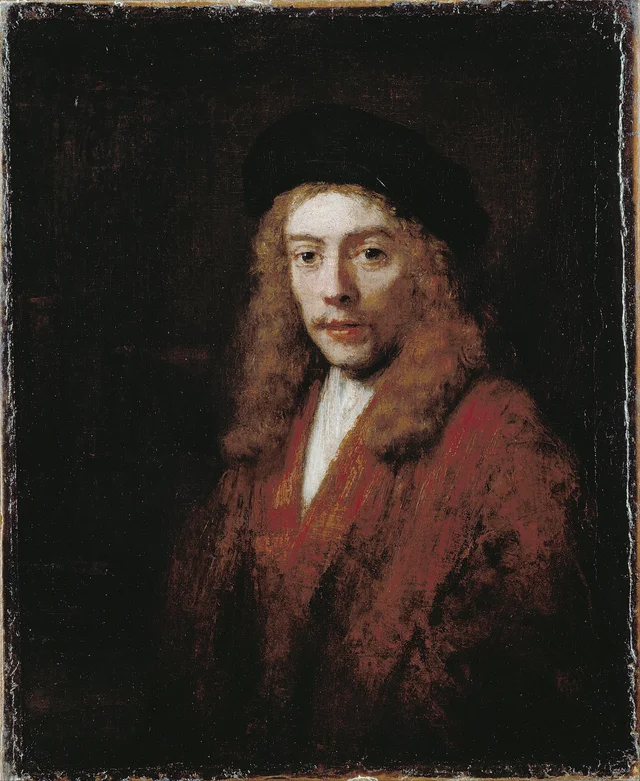 若い男性の肖像、おそらくティトゥスレンブラント, 1663
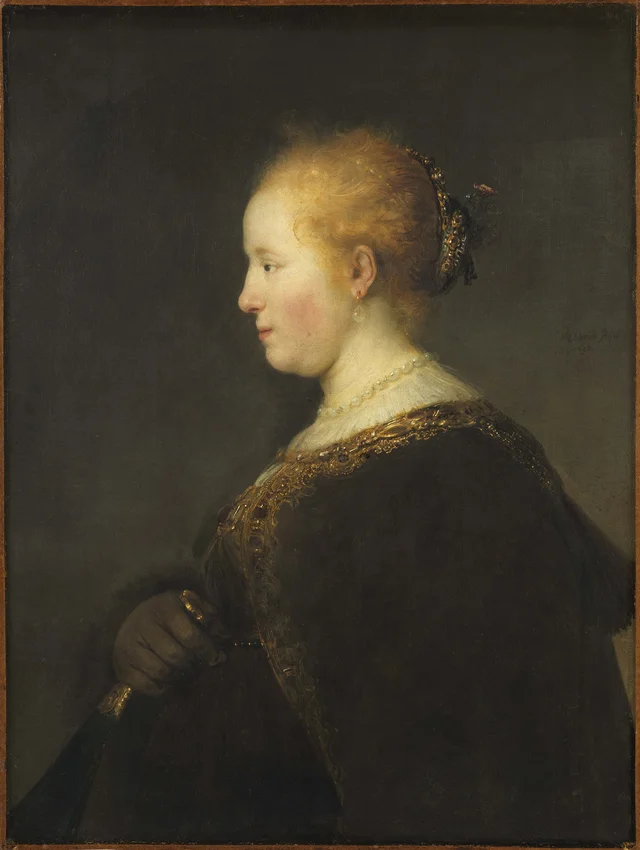 横顔の若い女性の肖像レンブラント, 1632
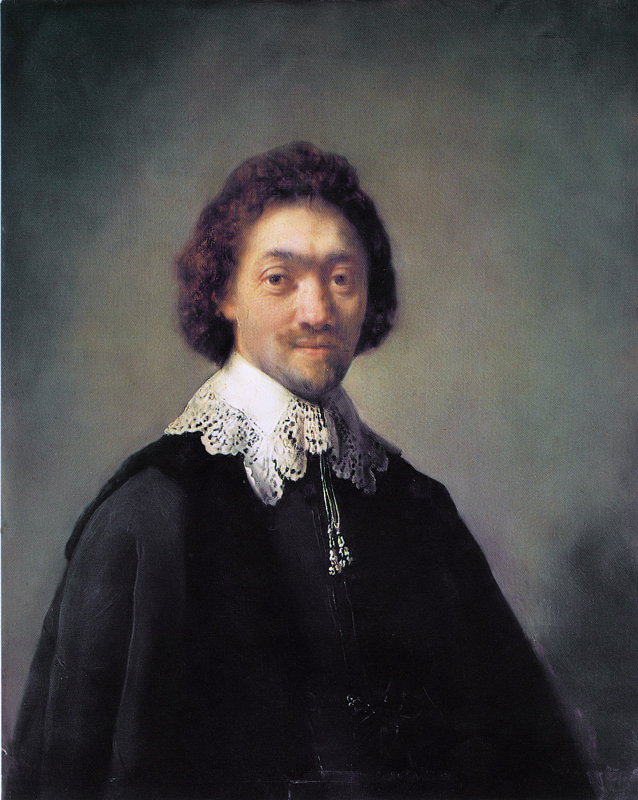 マウリッツ・ホイヘンスの肖像(1595–1642)レンブラント, 1632