音声ガイド
ストーリー
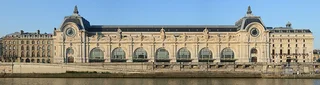
オルセー美術館は、まず鉄道の駅だった。1900年5月、その夏パリを埋め尽くした万国博覧会に間に合わせて完成を急ぎ、セーヌ川のほとりに開業した。建築家ヴィクトール・ラルーは、鉄骨の列車庫を切り石の正面の奥に隠し、プラットホームの上にホテルを載せた。世界初の電化都市ターミナルとして稼働し、列車は煙も蒸気もなく、ガラスの屋根の下を滑るように出入りした。
その優雅さが、そのまま命取りにもなった。プラットホームは、のちに就役したより長い列車には短すぎ、1939年までに本線は他の駅へ去っていった。数十年のあいだオルセー駅は取り壊しの脅威のもと、半ばがら空きのまま建っていた。オーソン・ウェルズは1962年、カフカ『審判』の映画の多くを、その打ち捨てられた広間で撮影した。1978年、フランス政府はこの建物を歴史的建造物に指定し、美術館とすることを選んだ。
1986年に再開し、印象派を含む1848年から1914年までのフランス美術に充てられた。大きなガラスの円天井の下に、いまではマネの「オランピア」、ファン・ゴッホの自画像、ドガの踊り子、モネの大聖堂が並ぶ。世界屈指の印象派・ポスト印象派のコレクションだ。ホールの奥の壁の高みには、駅の当初の時計がいまもホールに向き合い、来館者に時を告げている。
他の記事
コレクション
617点の作品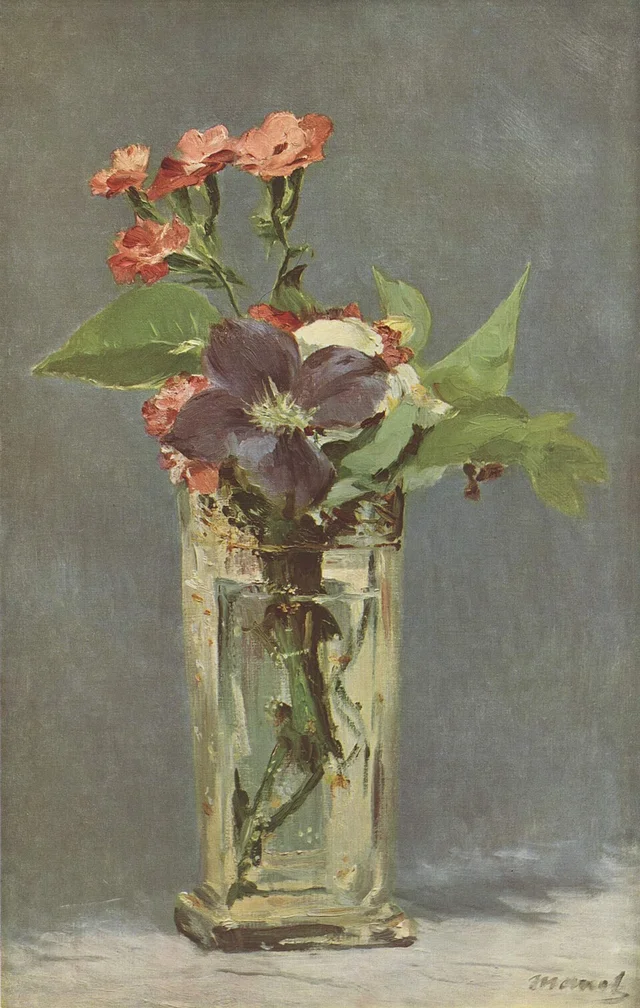 クリスタルの花瓶の花エドゥアール・マネ, 1882
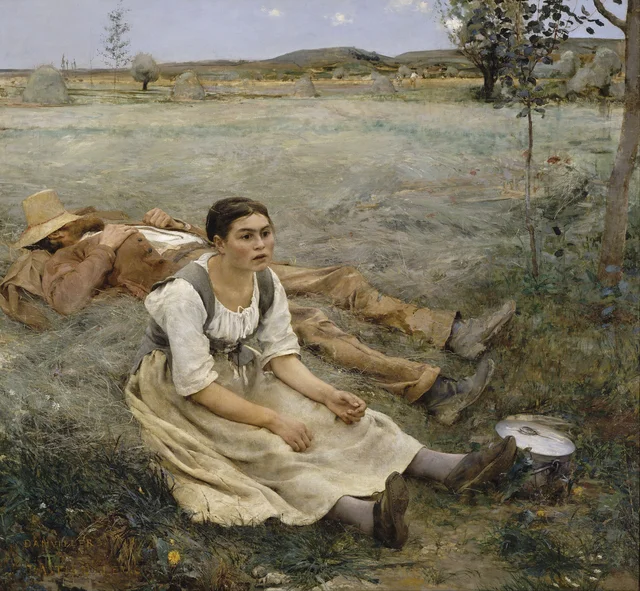 干し草作りジュール・バスティアン=ルパージュ, 1877
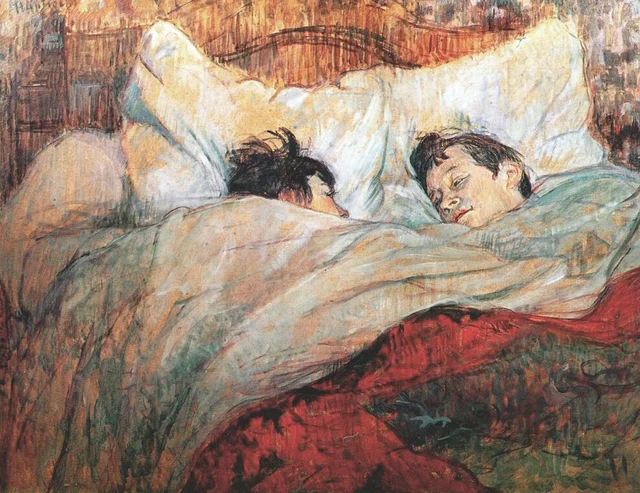 ベッドアンリ・ド・トゥールーズ=ロートレック, 1892
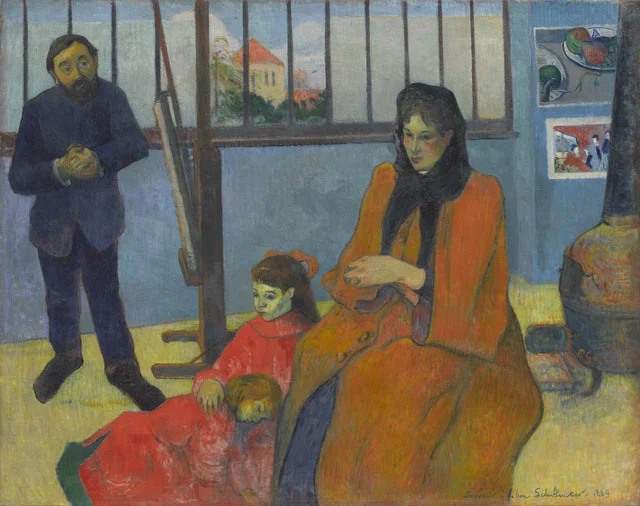 シュフネッケルのアトリエポール・ゴーギャン, 1889
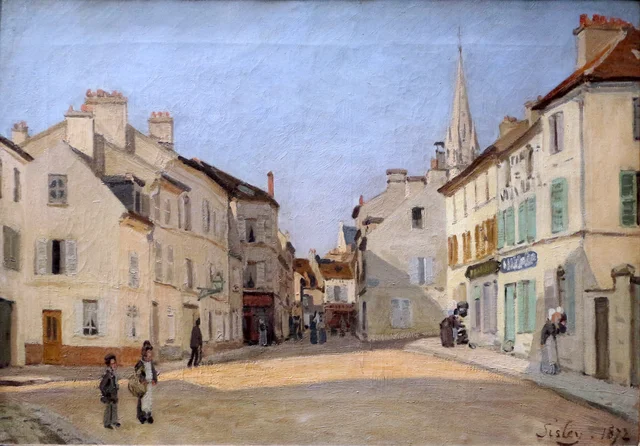 アルジャントゥイユの広場アルフレッド・シスレー, 1872
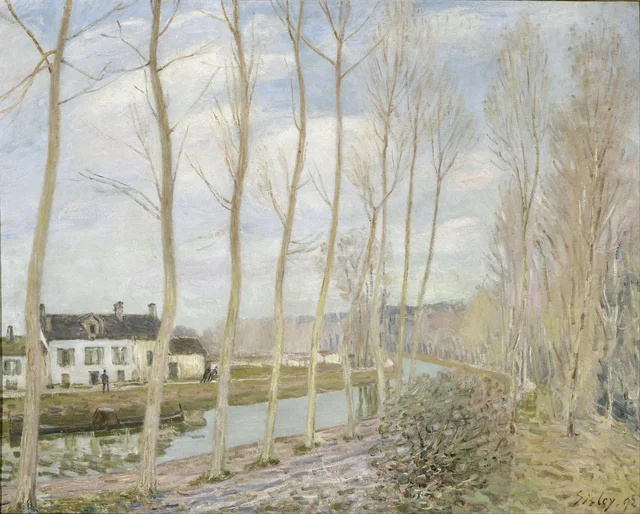 モレのロワン運河アルフレッド・シスレー, 1892
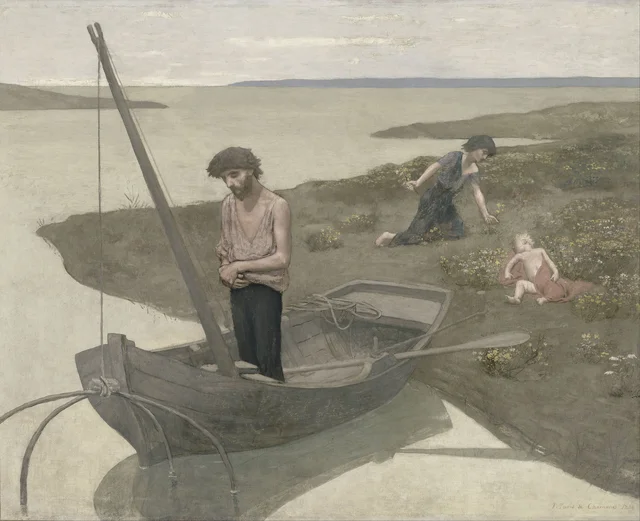 貧しい漁夫ピュヴィ・ド・シャヴァンヌ, 1881
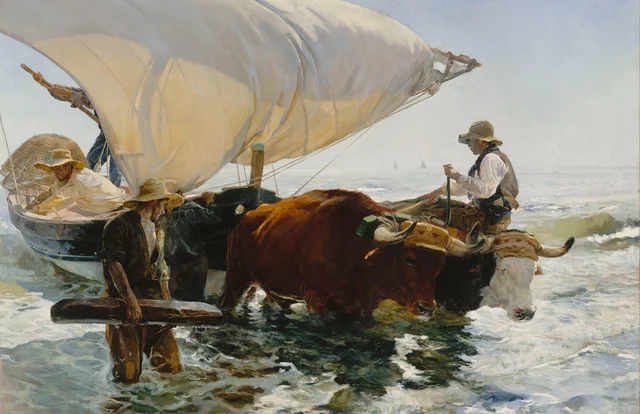 漁からの帰りホアキン・ソローリャ, 1894
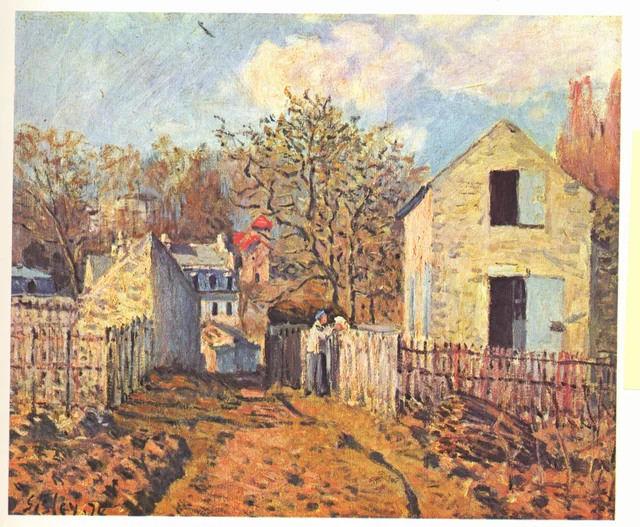 ヴォアザンの村アルフレッド・シスレー, 1874
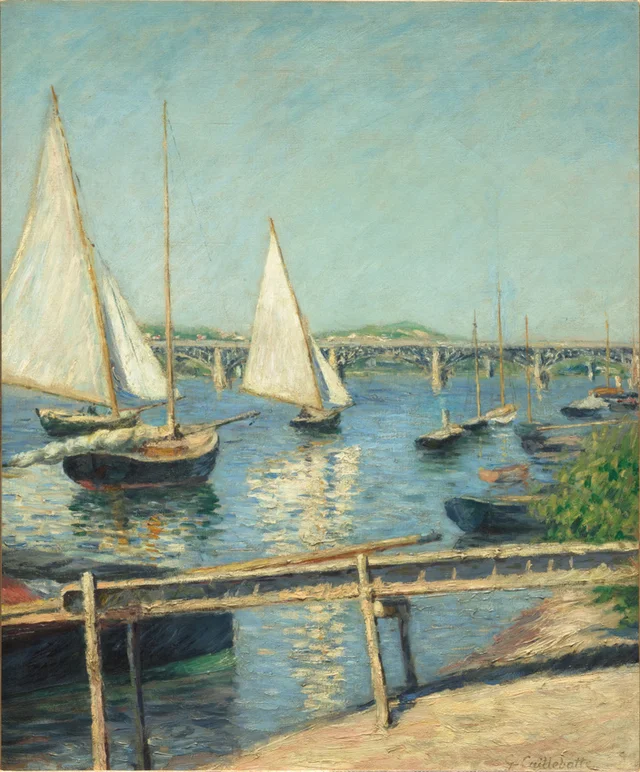 アルジャントゥイユの帆船ギュスターヴ・カイユボット, 1888
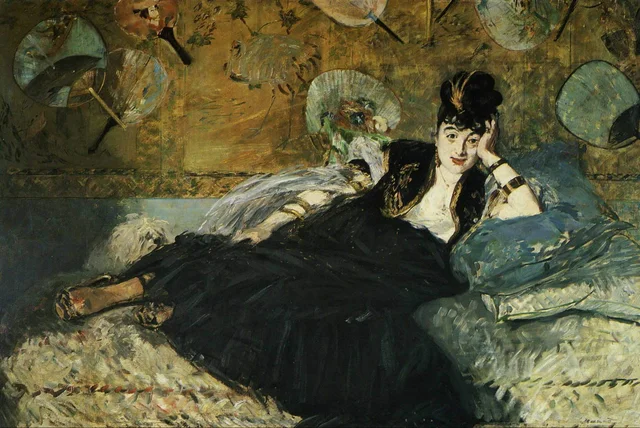 扇を持つ女エドゥアール・マネ, 1873
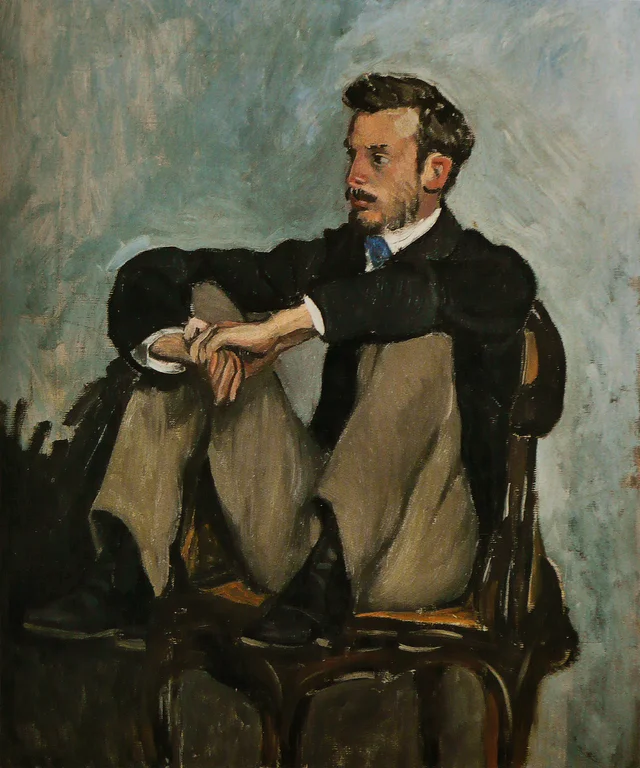 オーギュスト・ルノワールフレデリック・バジール, 1867
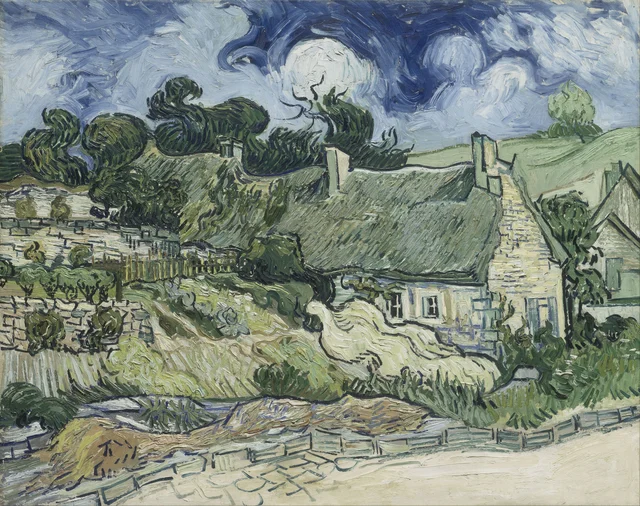 コルドヴィルの藁葺き小屋フィンセント・ファン・ゴッホ, 1890
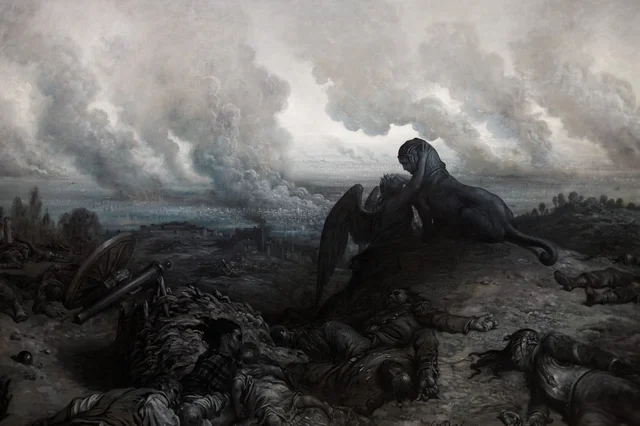 謎ギュスターヴ・ドレ, 1871
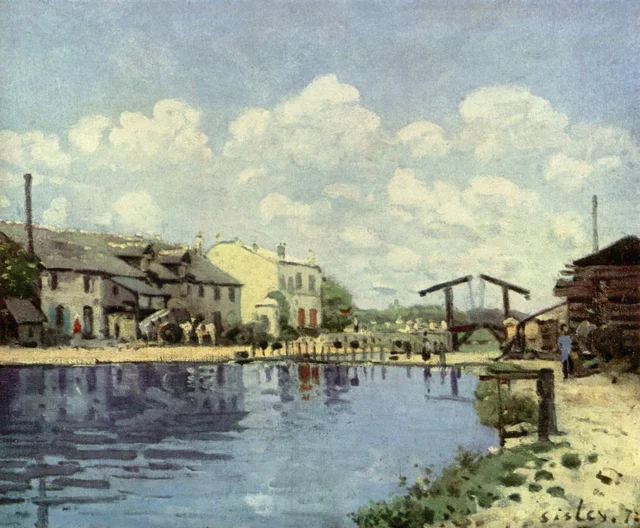 サン=マルタン運河アルフレッド・シスレー, 1872
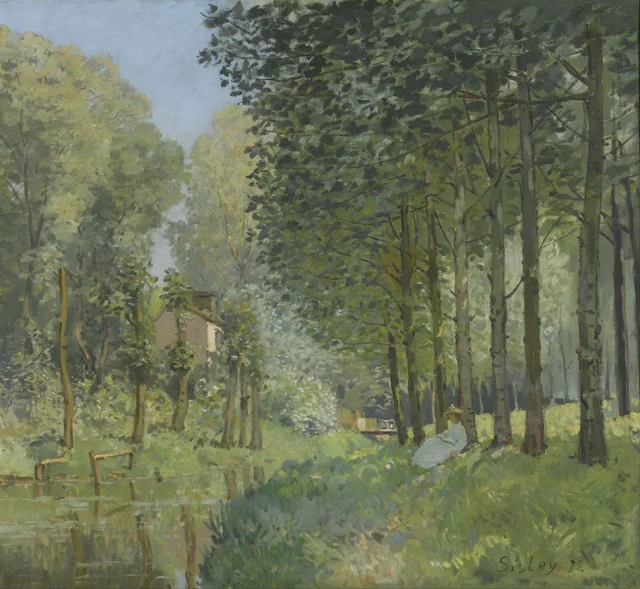 小川のほとりの休息 森のはずれアルフレッド・シスレー, 1878
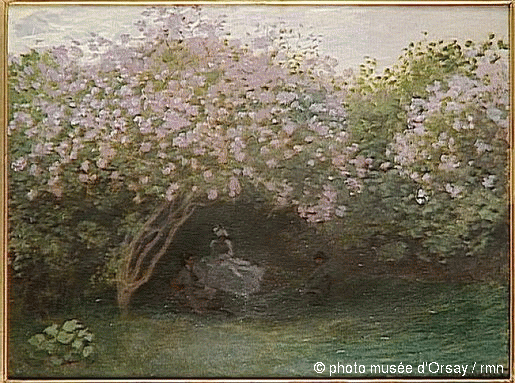 ライラック、曇り空クロード・モネ, 1873
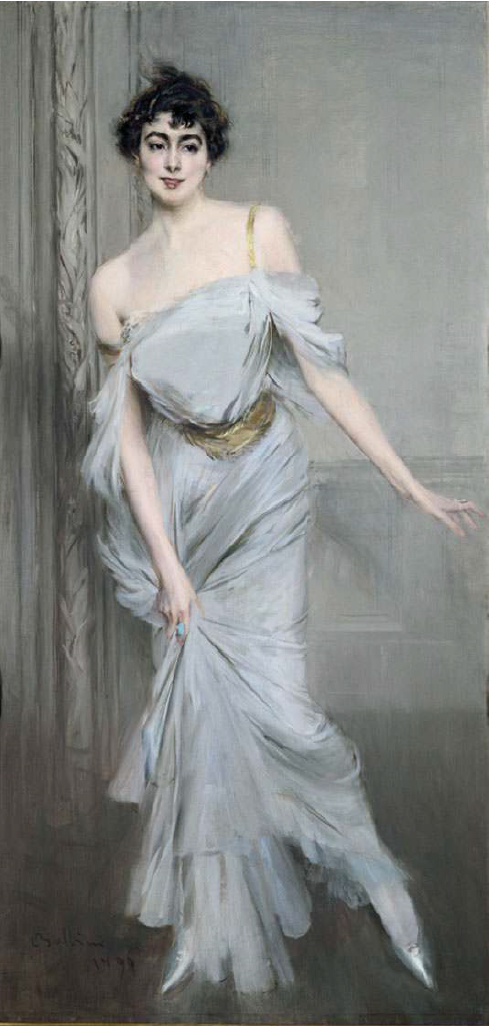 マダム・マックスジョヴァンニ・ボルディーニ, 1896
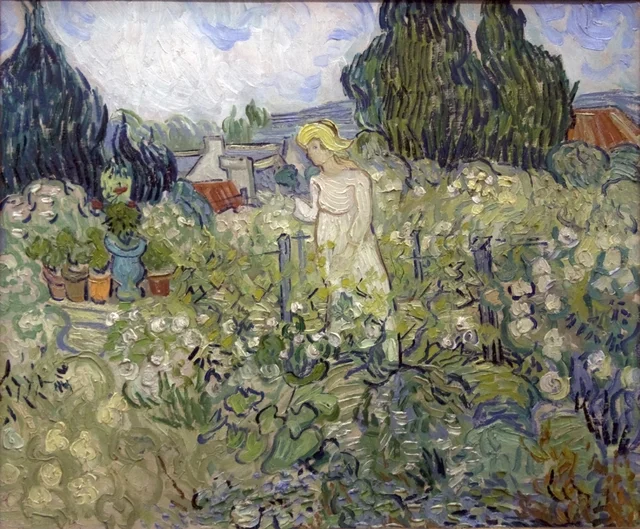 庭のマルグリット・ガシェフィンセント・ファン・ゴッホ, 1890
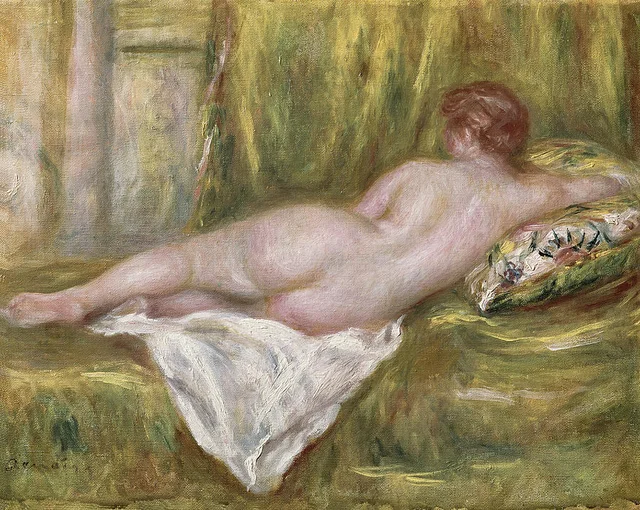 横たわる裸婦、背面からピエール=オーギュスト・ルノワール, 1909
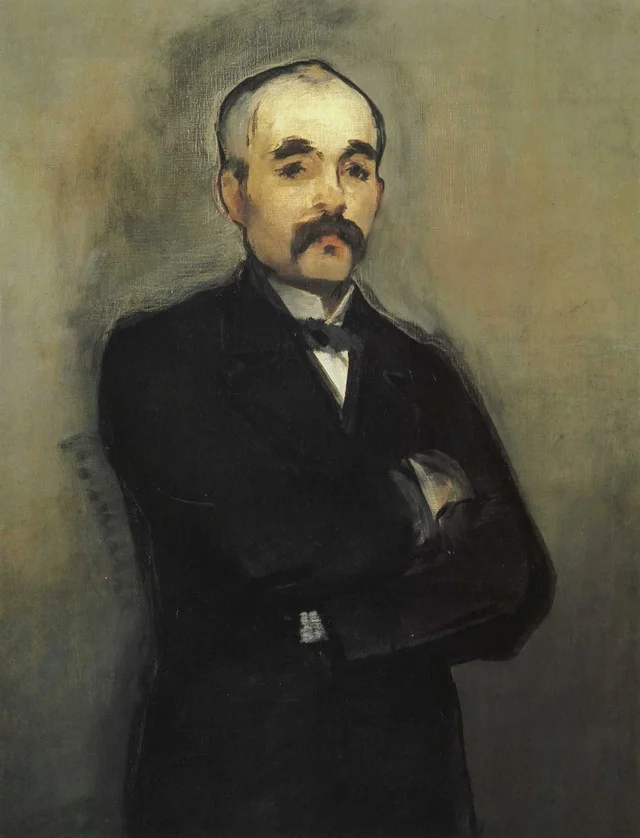 ジョルジュ・クレマンソーの肖像エドゥアール・マネ, 1879
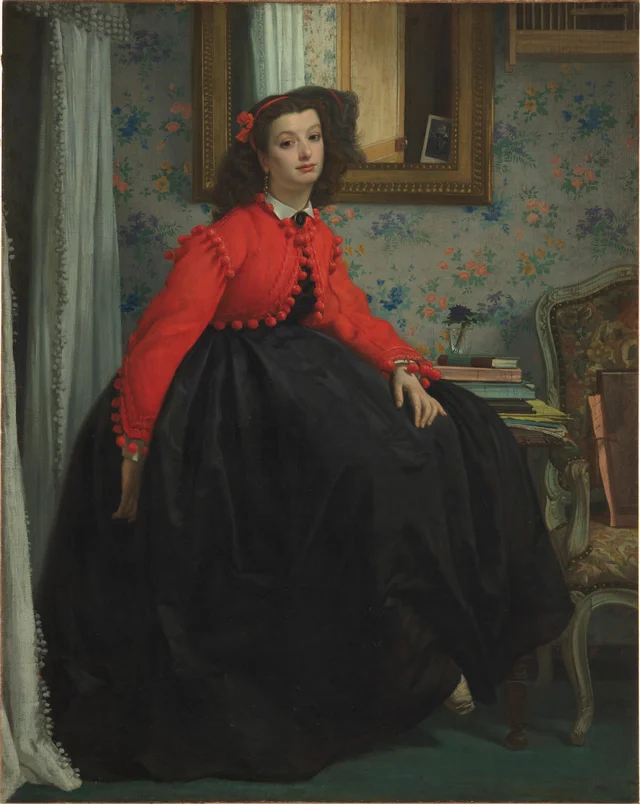 L・L嬢の肖像ジェームズ・ティソ, 1864
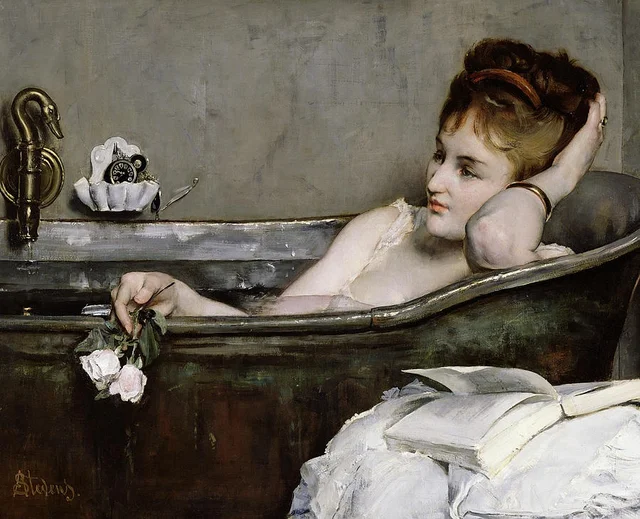 浴室アルフレッド・ステヴァンス, 1867
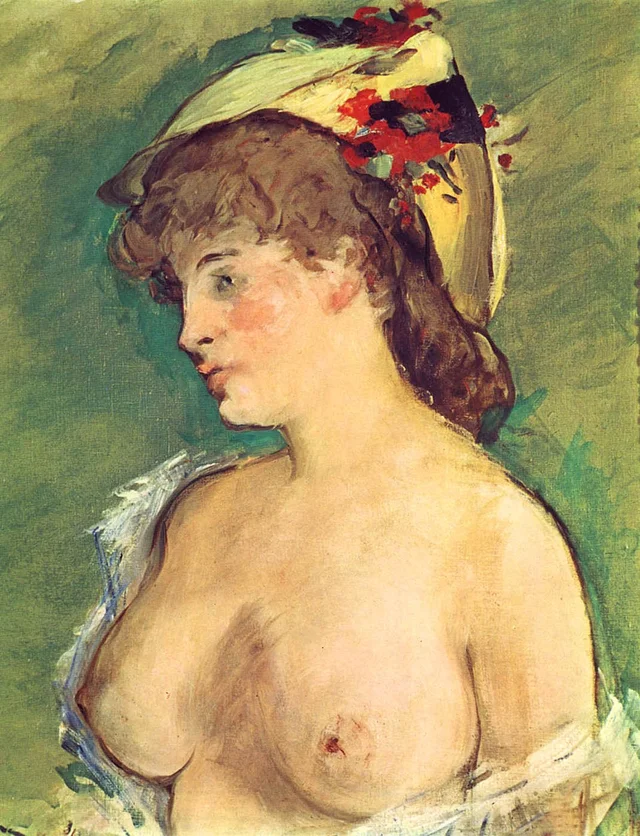 裸の胸の金髪女性エドゥアール・マネ, 1878
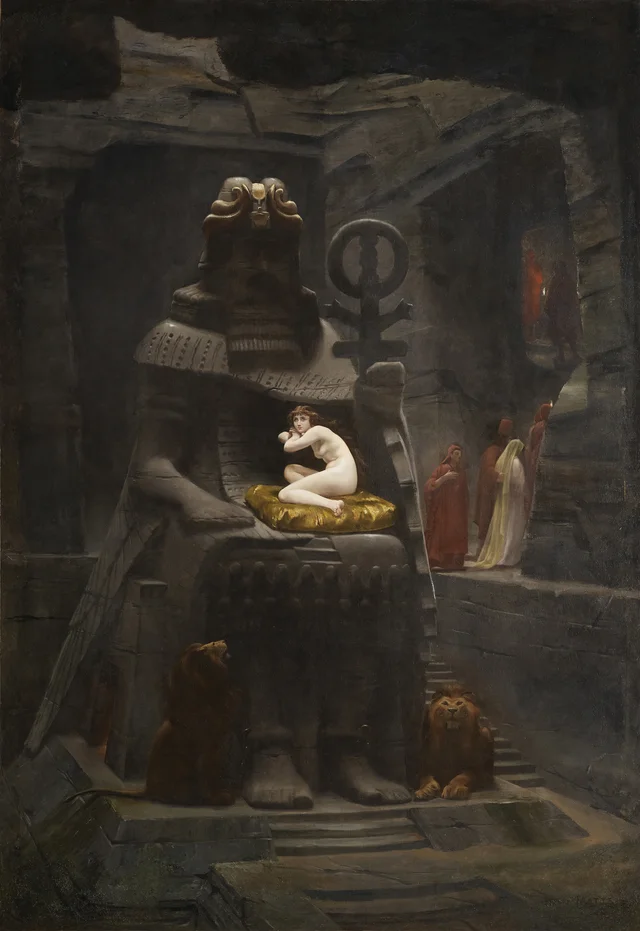 ベロスの花嫁アンリ=ポール・モット, 1885