音声ガイド
ストーリー
長いギャラリーの突き当たりに、レンブラントの「夜警」が掛かっている。隊長が前へ踏み出すのに合わせて民兵隊がいっせいに動き出す、1642年の作品だ。とはいえ、これはレンブラントが描いたそのままの絵ではない。1715年、市はこれを市庁舎へ移したが、壁に対して幅が広すぎることがわかり、四辺すべてから帯状に切り詰め、左側の二人の人物を永久に削り取ってしまった。美術館はこの絵を、ガラスで囲った中で人々の目の前で調査し洗浄し続けている。「夜警作戦」と名づけられた事業だ。
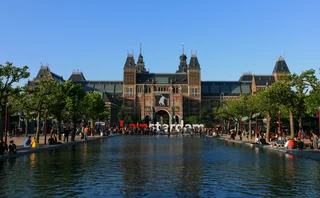
アムステルダム国立美術館はオランダの国立美術館で、絵を掛けるのと同じくらい、この国の物語を語るために建てられた。ピエール・カイパースが1885年、大聖堂のようなれんが造りの正面を与えた。オランダの歴史でびっしり埋め尽くされたその姿を、当時の批評家は美術館というより教会のようだとこぼした。10年に及ぶ改修でほぼ全館が閉鎖され、旧来の絵画展示室を修復して2013年に再開した。
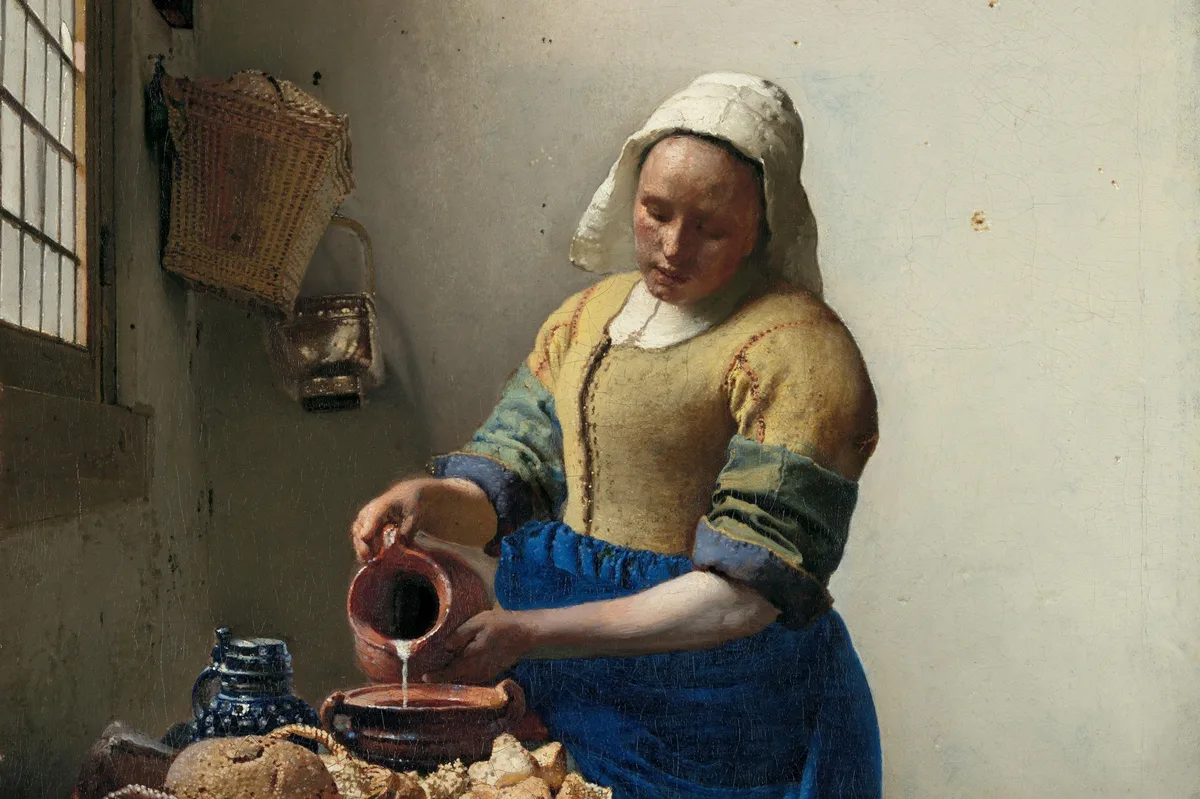
その核心は黄金時代、17世紀だ。この小さな交易国家がつかのまヨーロッパでもっとも豊かとなり、市民たちが自分自身とその世界を描かせたがった時代である。フェルメールの「牛乳を注ぐ女」は、飾りけのない部屋で細い乳の筋を注ぎ、静かで精確だ。その周りには、商人や市民が自分たちの世界を注文して描かせた、民兵隊の肖像、海戦、凍った運河の情景が掛かっている。
他の記事
コレクション
400点の作品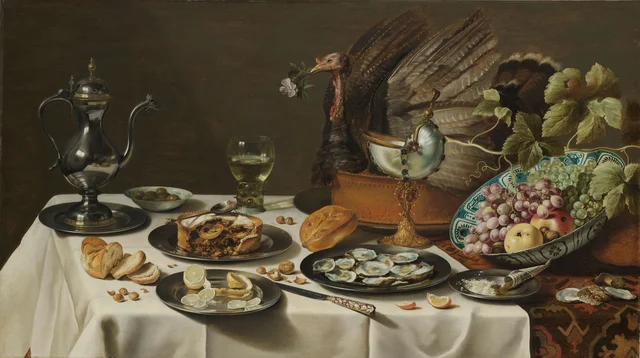 七面鳥のパイのある静物ピーテル・クラース, 1627
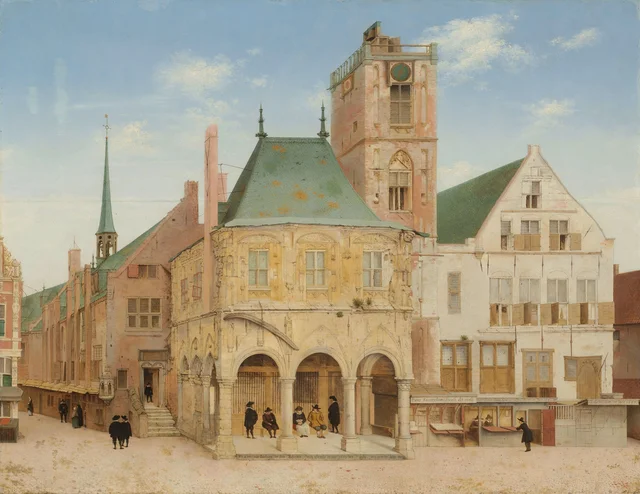 アムステルダムの旧市庁舎ピーテル・ヤンス・サーンレダム, 1657
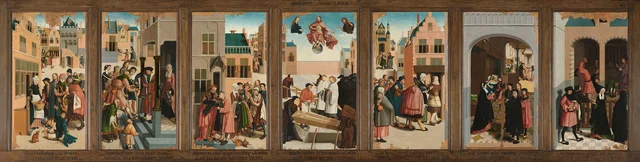 七つの慈善の業アルクマールの画家, 1504
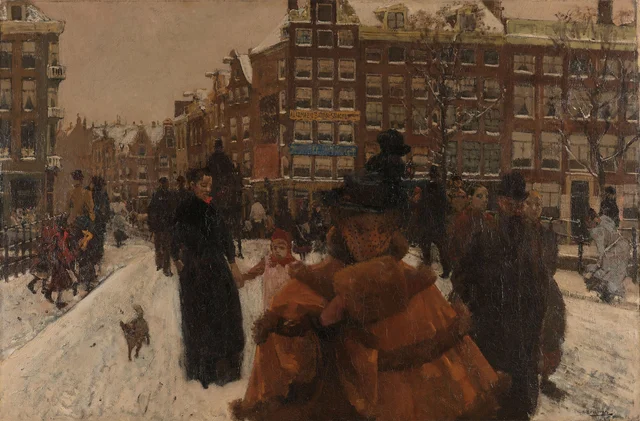 アムステルダム、パレイスストラートのシンゲル運河の橋ジョージ・ヘンドリック・ブライトナー, 1896
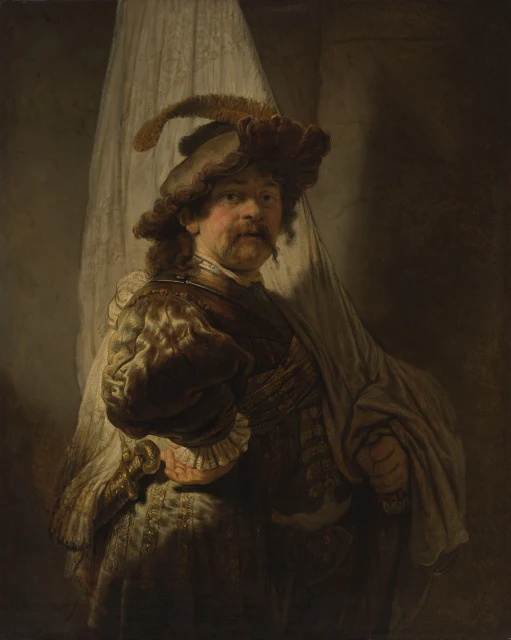 旗手レンブラント, 1636
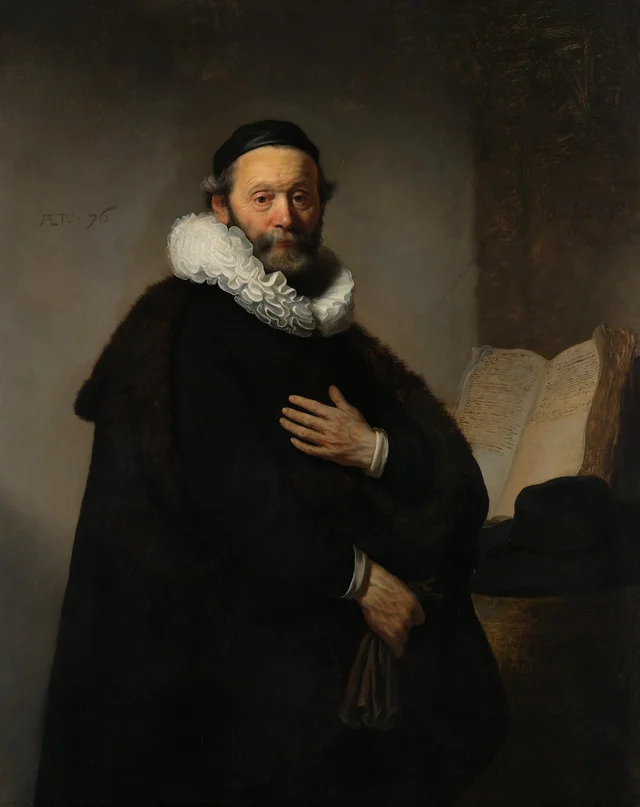 ヨハネス・ウトンボハールトの肖像レンブラント, 1633
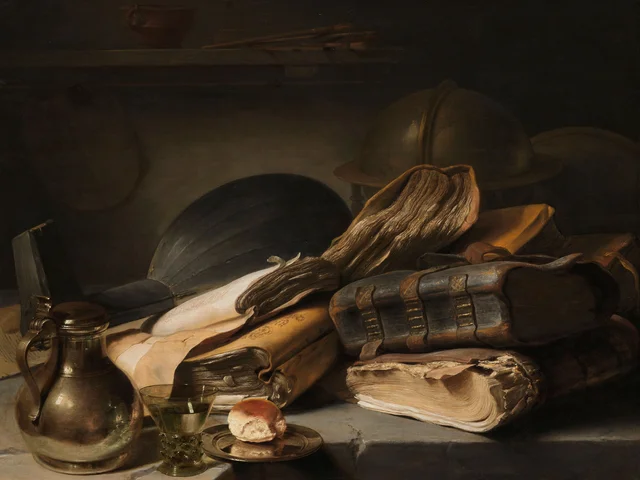 書物のある静物ヤン・リーフェンス, 1628
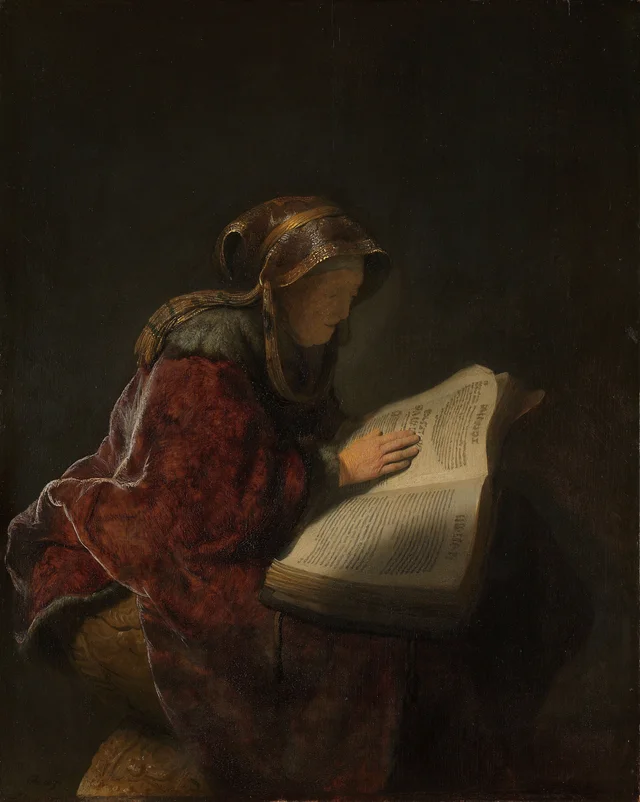 読書する老女、おそらく女預言者アンナレンブラント, 1631
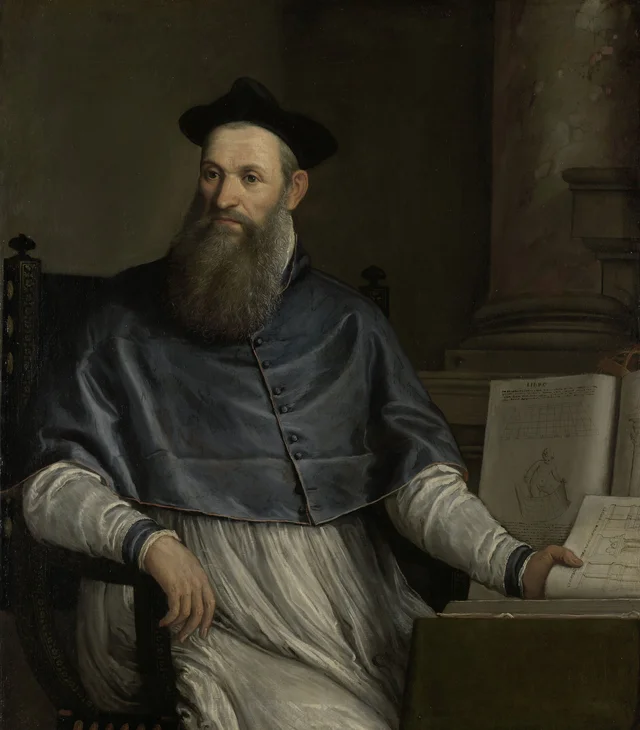 ダニエーレ・バルバロの肖像パオロ・ヴェロネーゼ, 1565
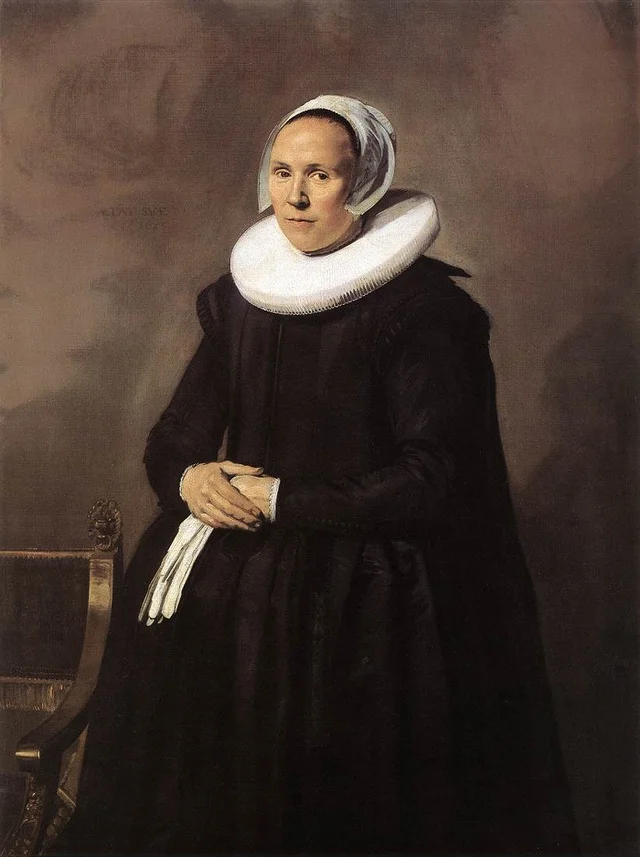 フェインチェ・ファン・ステーンキステの肖像フランス・ハルス, 1635
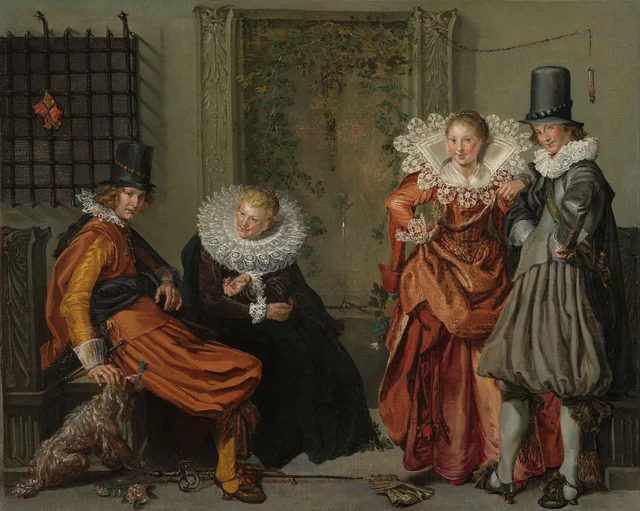 陽気な集いウィレム・ピーテルスゾーン・バイテウェッフ, 1618
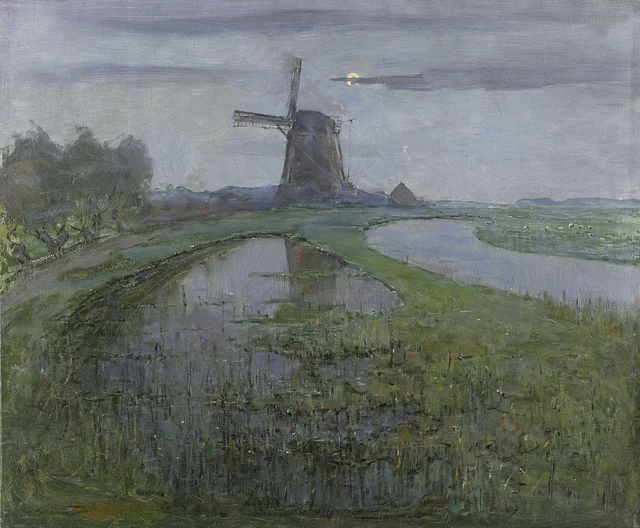 月明かりのゲイン川沿いのオーストザイゼ風車ピート・モンドリアン, 1903
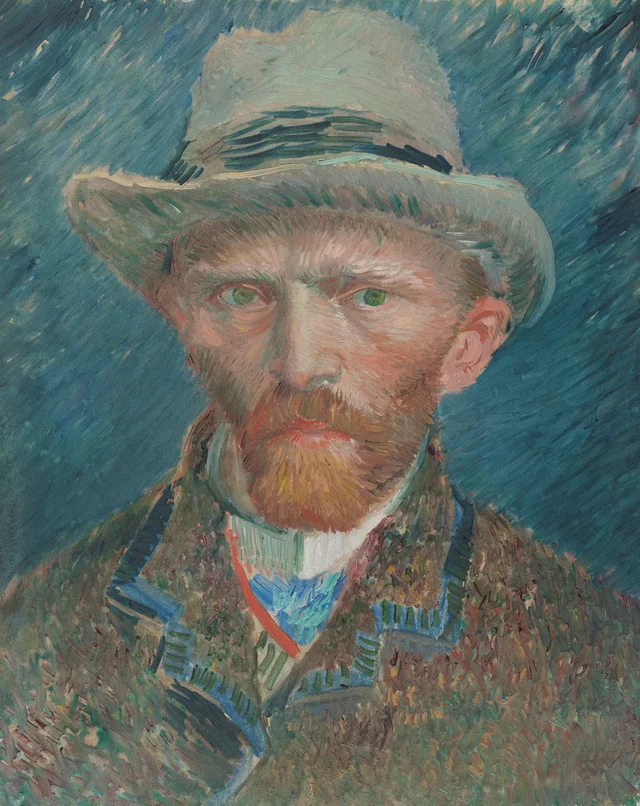 自画像フィンセント・ファン・ゴッホ, 1887
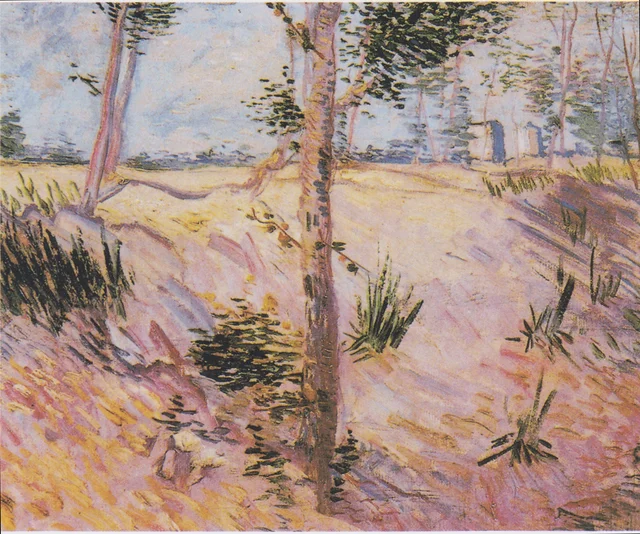 斜面の木々フィンセント・ファン・ゴッホ, 1887
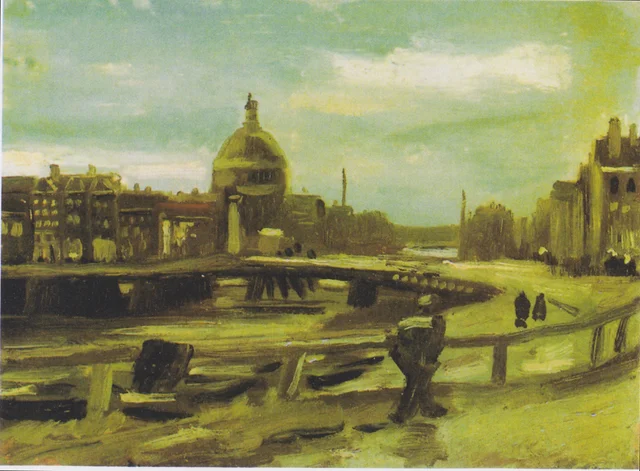 中央駅から見たアムステルダムの眺めフィンセント・ファン・ゴッホ, 1885
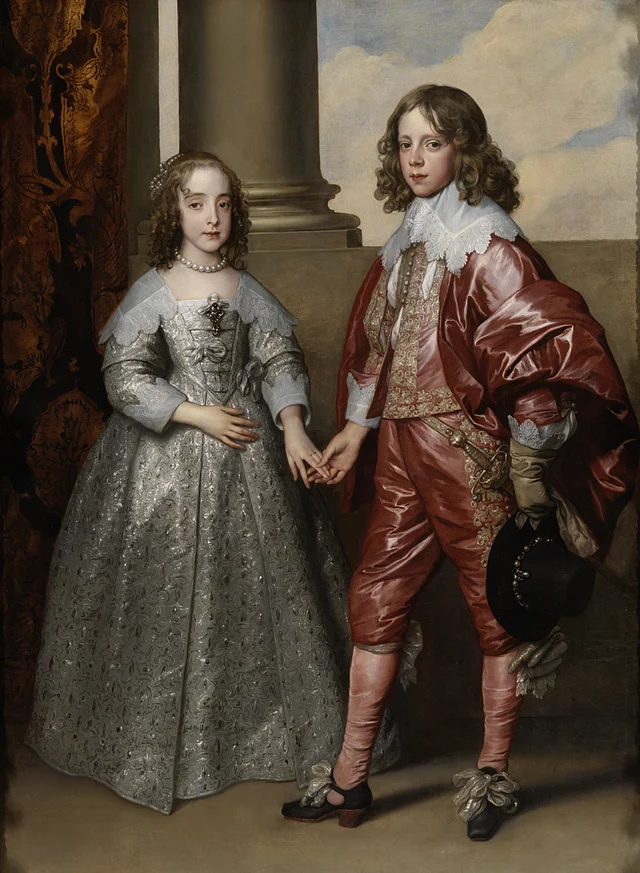 オラニエ公ウィレム2世とその花嫁メアリー・ステュアートアンソニー・ヴァン・ダイク, 1641
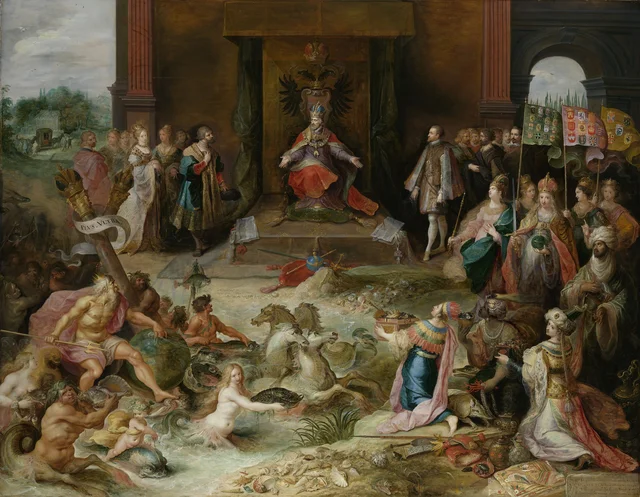 ブリュッセルにおける皇帝カール5世の退位の寓意小フランス・フランケン, 1635
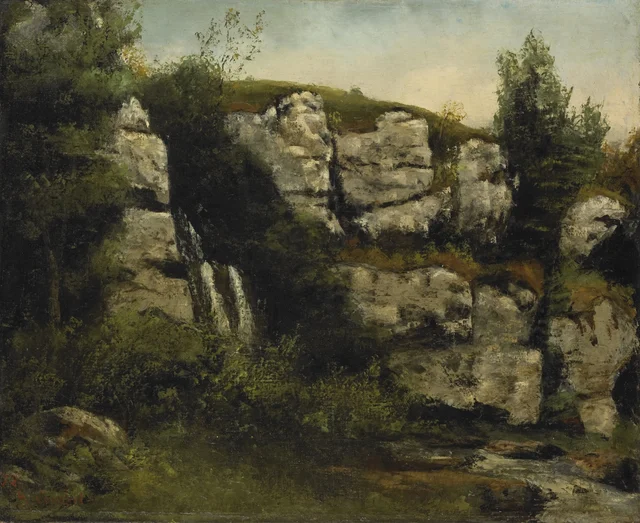 岩の断崖と滝のある風景ギュスターヴ・クールベ, 1872
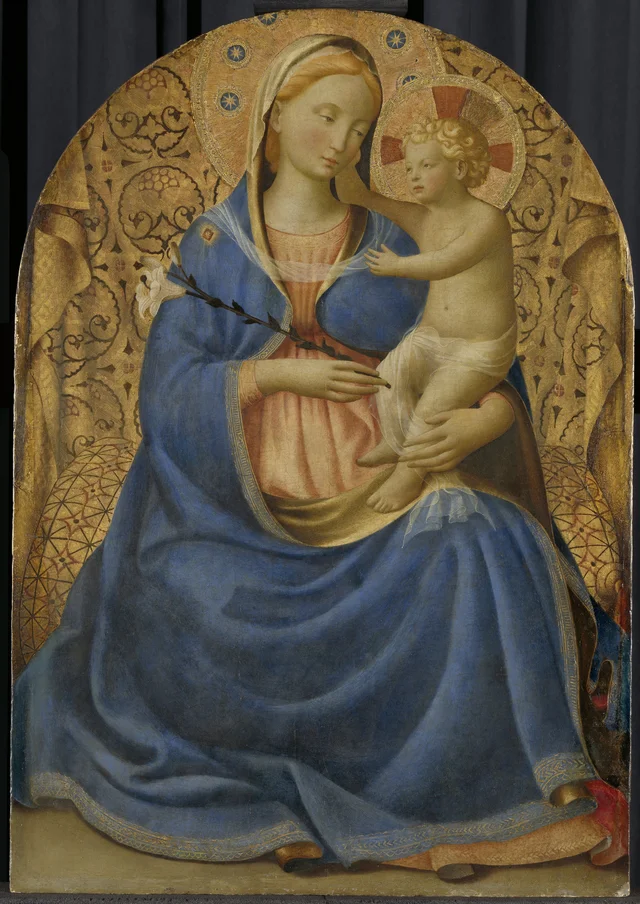 謙譲の聖母フラ・アンジェリコ, 1440
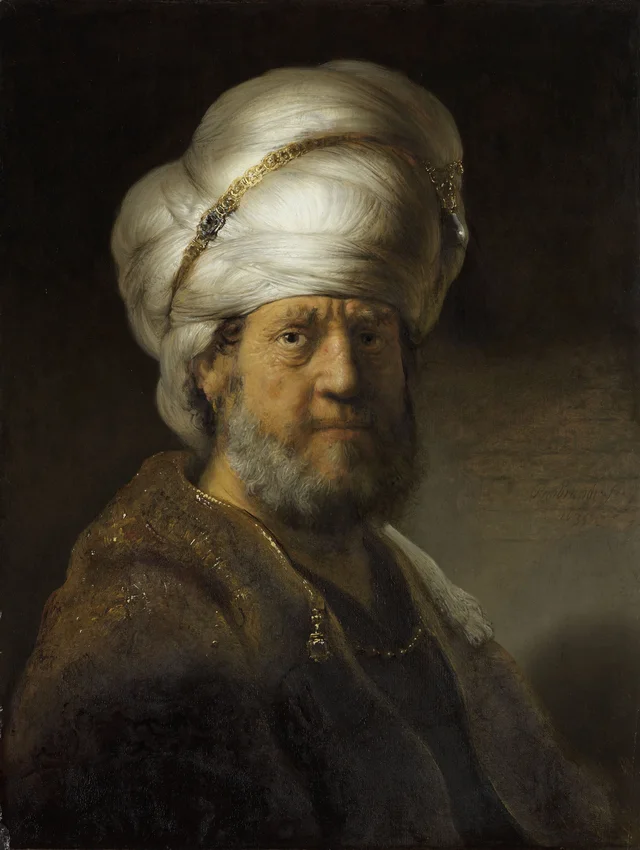 東洋風の衣装をまとった男レンブラント, 1635
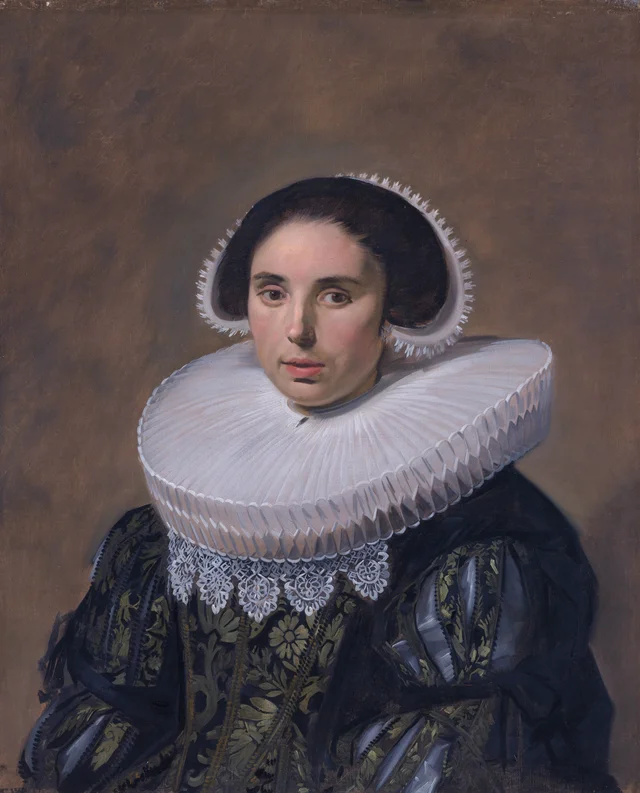 ドイフィエ・ファン・ヘルウェンの肖像(1618-1658)フランス・ハルス, 1637
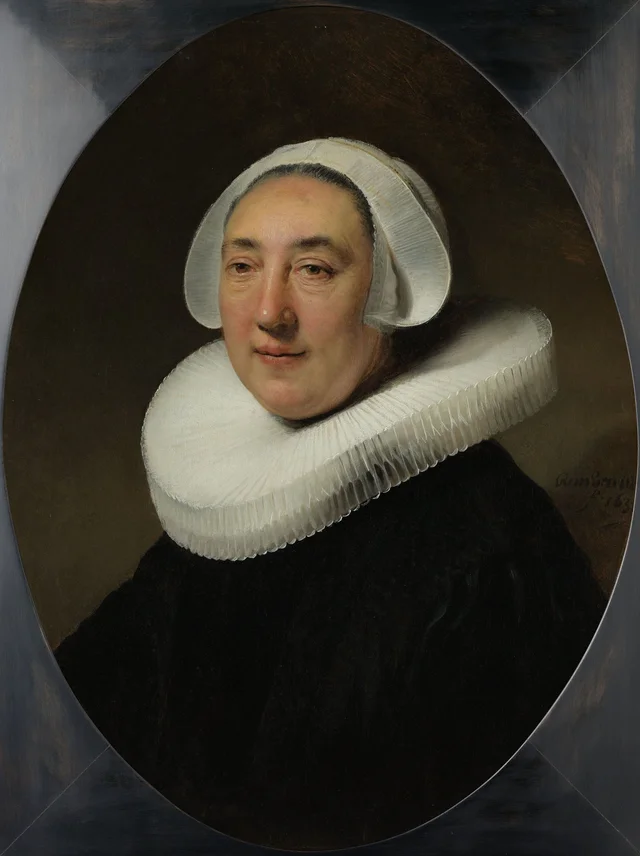 ハースイェ・ヤコブスドル・ファン・クレイビュルフの肖像レンブラント, 1634
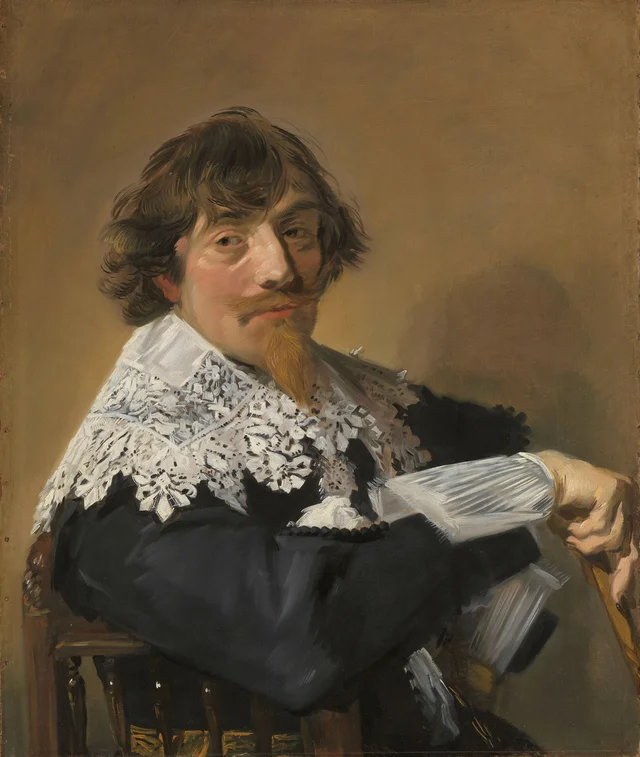 ヤン・ファン・デ・ポルの肖像(1597-1678)フランス・ハルス, 1637
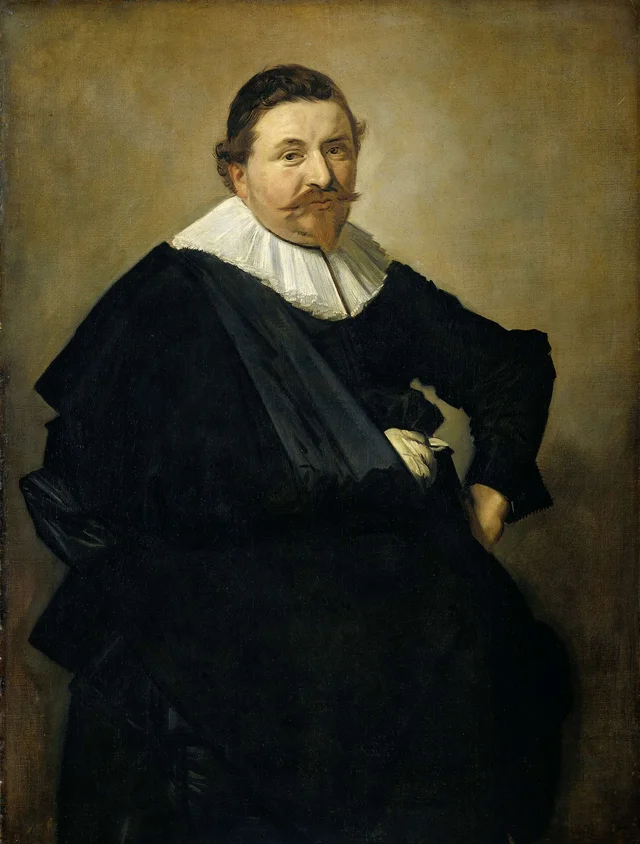 ルーカス・デ・クレルクの肖像フランス・ハルス, 1635
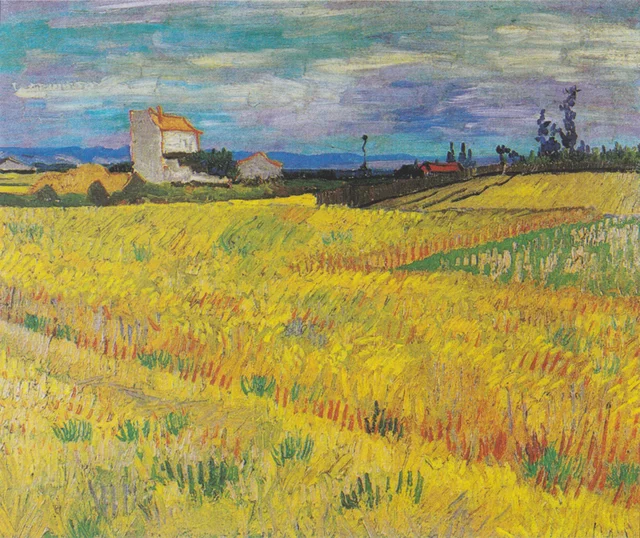 麦畑フィンセント・ファン・ゴッホ, 1888