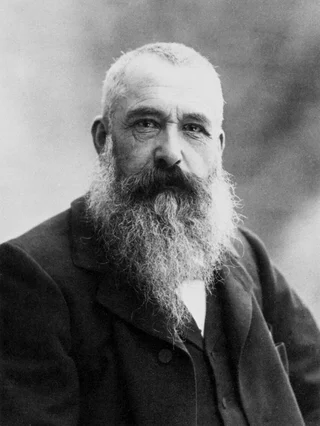
Claude Monet
1840–1926 · França · Impressionismo
A história
Em abril de 1874, um grupo de pintores, cansados de serem recusados pelo Salão oficial, montou sua própria mostra num antigo estúdio de fotógrafo no Boulevard des Capucines, em Paris. Monet enviou uma cena de porto solta de sua cidade natal, Le Havre, ao amanhecer, e a chamou de Impressão, Nascer do Sol. Um crítico agarrou essa palavra para zombar de toda a sala, e o insulto grudou como rótulo: Impressionismo. Monet tinha 33 anos, e passaria os 50 seguintes fazendo a piada parecer profecia.
O fascínio era sempre o mesmo: a luz mudando sobre uma superfície, minuto a minuto. Pintou o mesmo monte de feno, a mesma fachada de catedral, repetidas vezes, em horas diferentes, perseguindo o instante antes que ele se movesse. Em 1883 alugou uma casa em Giverny, vila a noroeste de Paris, e ao longo dos anos transformou seus jardins no motivo do qual nunca mais precisou sair, um lago alimentado por um braço desviado de um pequeno rio, uma ponte japonesa e ninfeias. Teve de solicitar aos funcionários locais os direitos sobre a água, e vizinhos temiam que suas plantas estranhas envenenassem o riacho. Nas últimas duas décadas de vida, aquele lago foi quase seu único assunto, e ele fez cerca de 250 quadros dele.
Esses anos finais foram duros. Sua segunda esposa, Alice, morreu em 1911, seu filho mais velho, Jean, em 1914, e os próprios olhos foram se turvando com cataratas que empurravam suas cores para um vermelho e marrom enlameados. Mesmo assim continuou pintando as ninfeias, as telas ficando mais selvagens à medida que enxergava menos. Depois de uma cirurgia que restaurou parcialmente a visão, olhou para parte do que tinha feito quase cego e queimou. Os enormes painéis de ninfeias que doou ao Estado francês ainda estão pendurados em duas salas ovais da Orangerie, em Paris, dispostos baixos e curvos para que quem olha fique dentro do lago que ele mal conseguia ver.
Mais artigos
 Artigo · 38 min de leituraGaleria Nacional de Arte de Washington: 20 quadros que vieram de mãos particulares
 Artigo · 48 min de leituraMuseu d'Orsay: do Cabanel comprado por Napoleão III ao Caillebotte de 43 milhões
 Artigo · 31 min de leituraBelvedere: do altar de Pacher ao caso Amalie Zuckerkandl
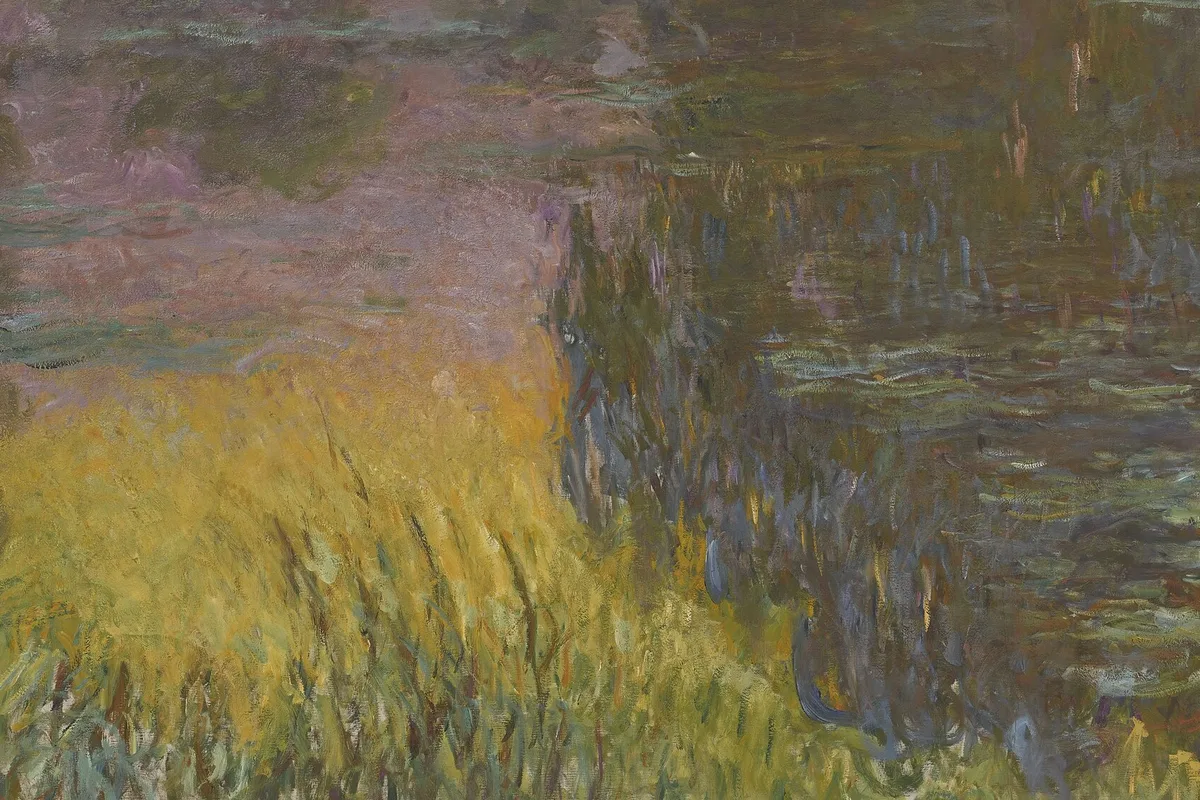 Artigo · 21 min de leituraMuseu de l'Orangerie: Monet, Paul Guillaume e Domenica
 Artigo · 38 min de leituraMuseu Van Gogh: a mãe, Theo, Gauguin e as outras pessoas dos quadros de Vincent
Obras
377 obras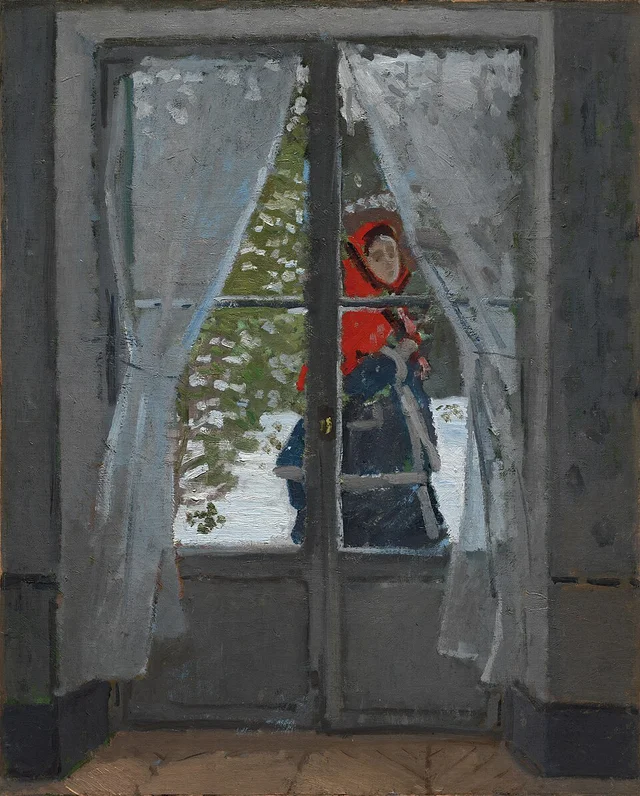 O lenço vermelhoClaude Monet, 1868
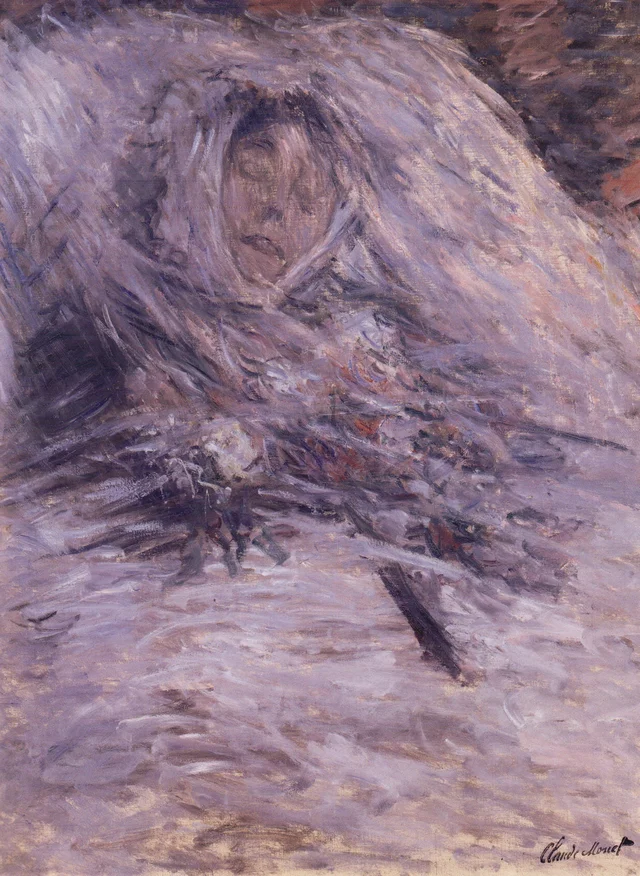 Camille Monet no leito de morteClaude Monet, 1879
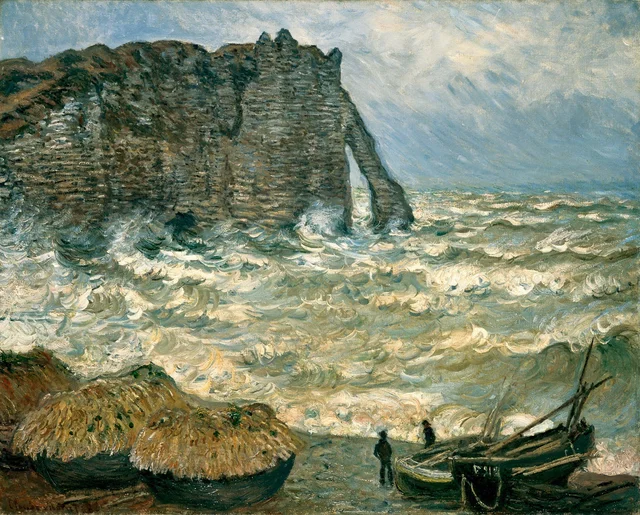 Étretat, mar agitadoClaude Monet, 1883
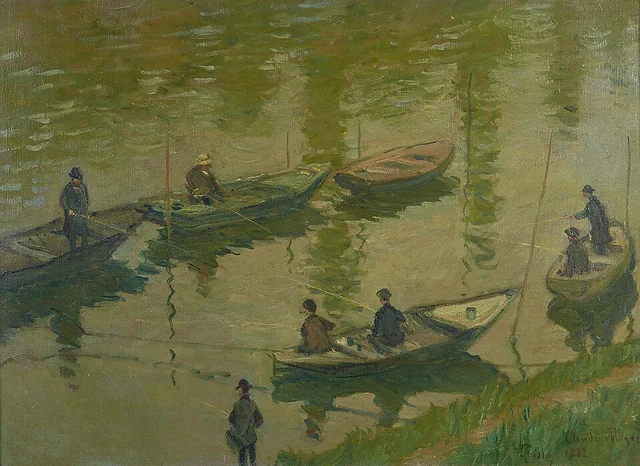 Pescadores em PoissyClaude Monet, 1882
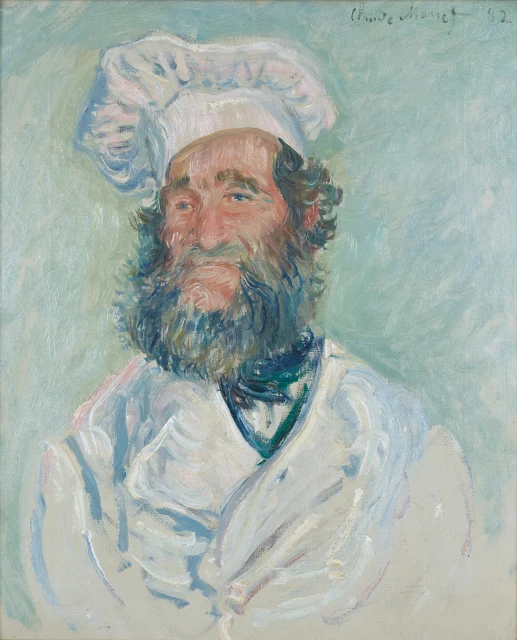 Retrato do tio PaulClaude Monet, 1882
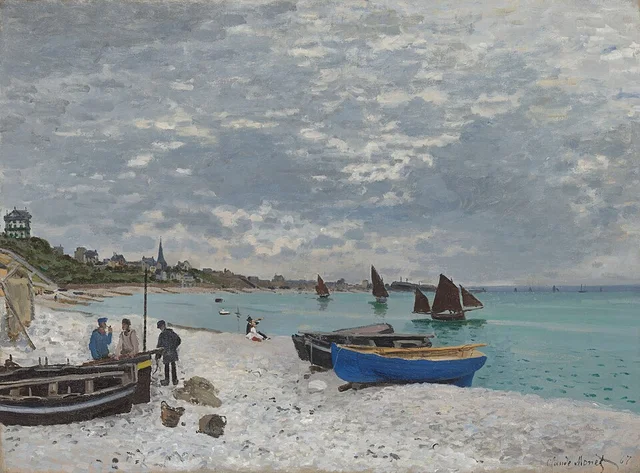 A praia de Sainte-AdresseClaude Monet, 1867
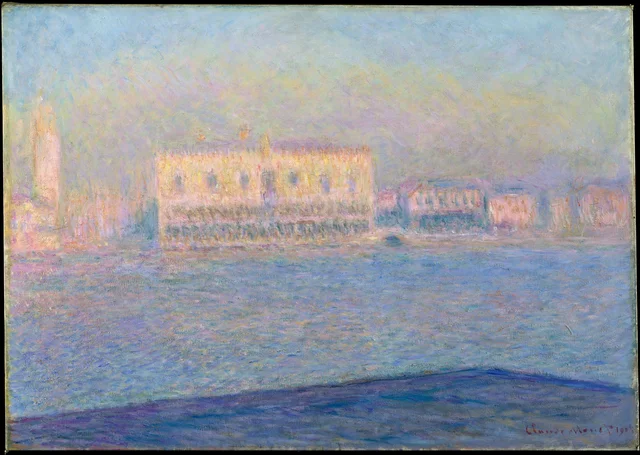 O Palácio Ducal visto de San Giorgio MaggioreClaude Monet, 1908
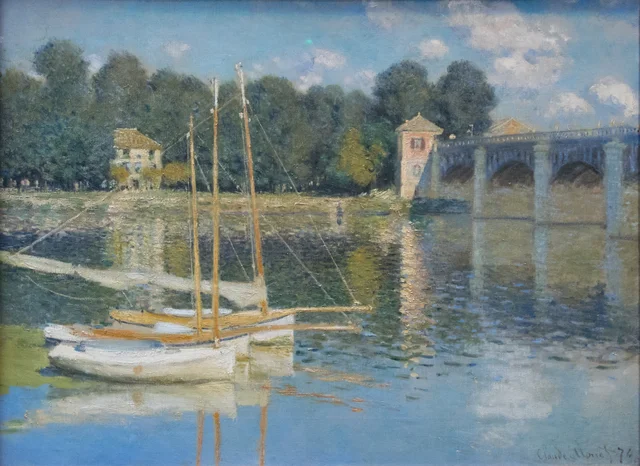 A ponte ferroviária de ArgenteuilClaude Monet, 1874
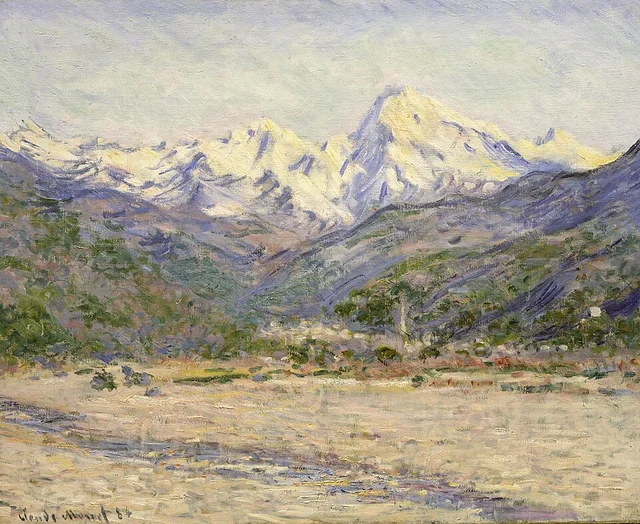 O vale do NerviaClaude Monet, 1884
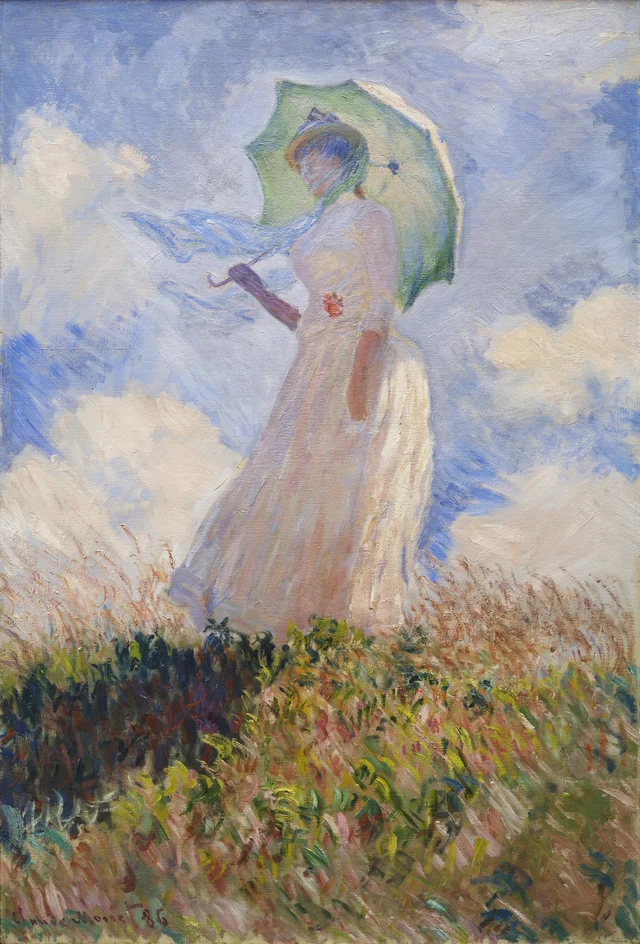 Mulher com sombrinha, voltada para a esquerdaClaude Monet, 1886
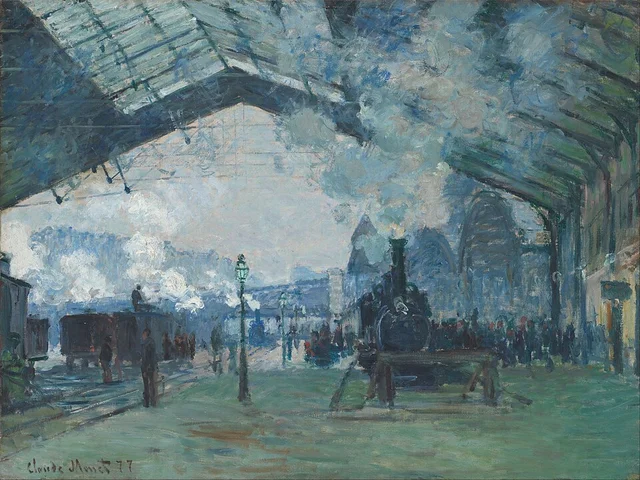 Chegada do trem da Normandia, Gare Saint-LazareClaude Monet, 1877
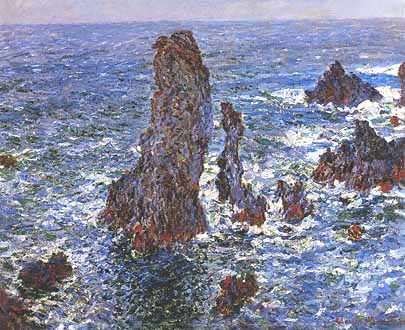 Rochas de Belle-ÎleClaude Monet, 1886
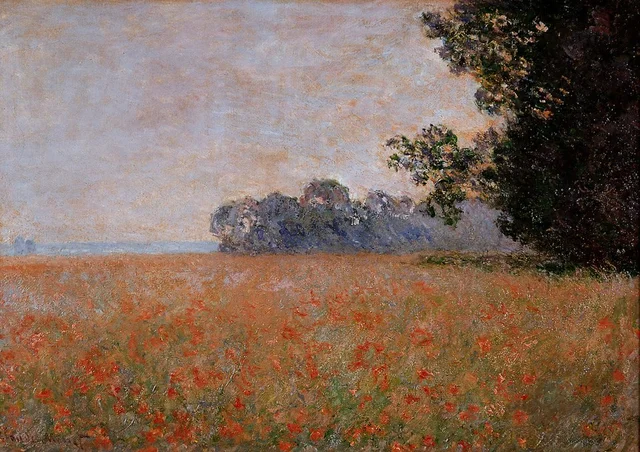 Campo de aveia com papoulasClaude Monet, 1890
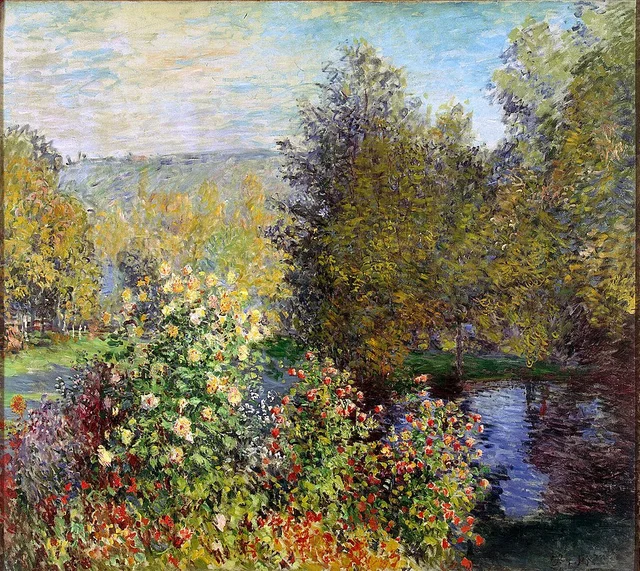 Canto do Jardim em MontgeronClaude Monet, 1877
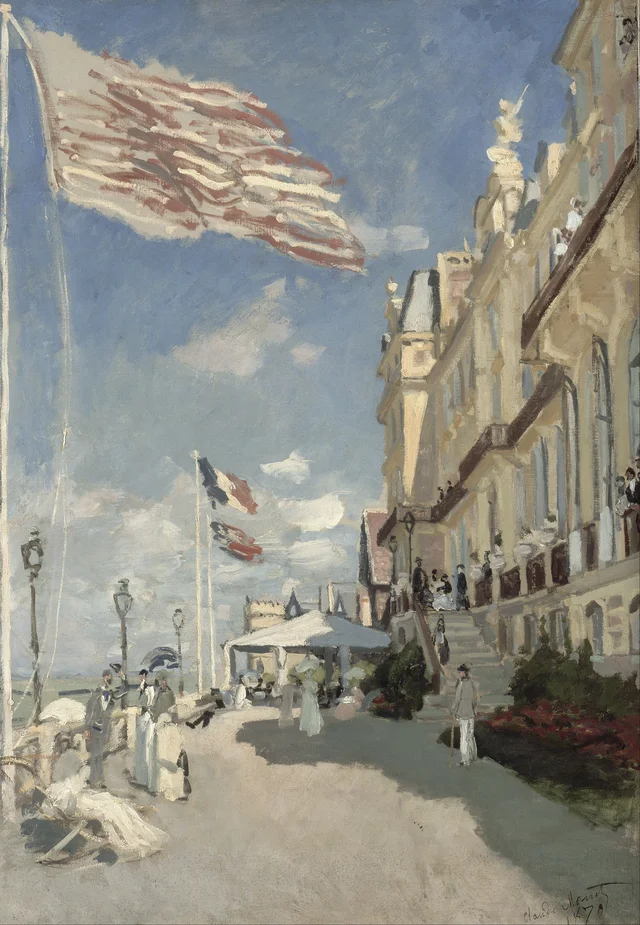 Hôtel des Roches NoiresClaude Monet, 1870
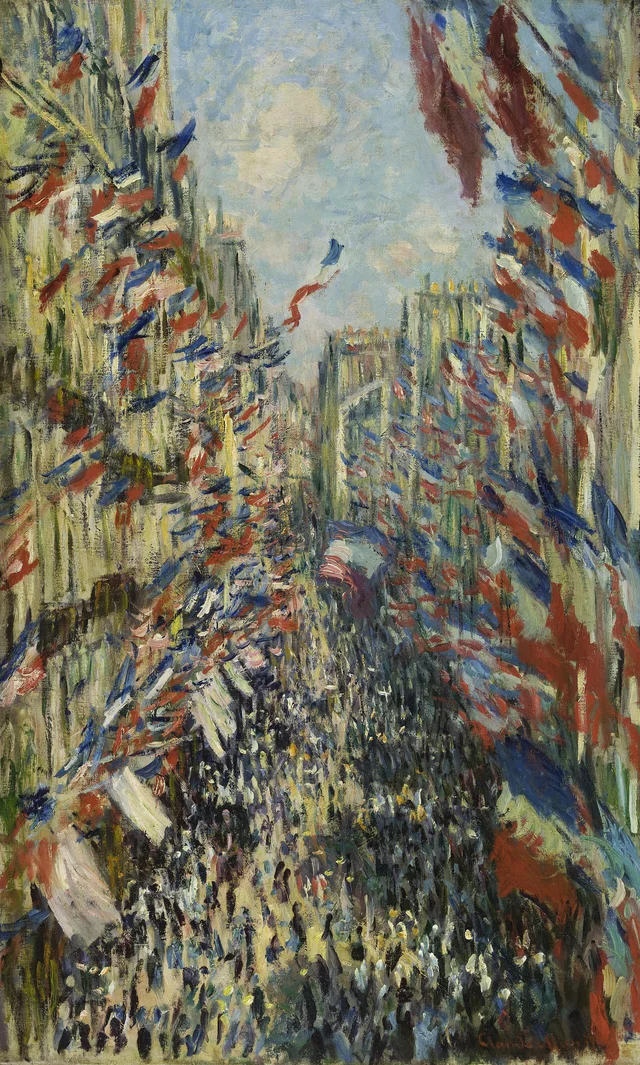 A rua MontorgueilClaude Monet, 1878
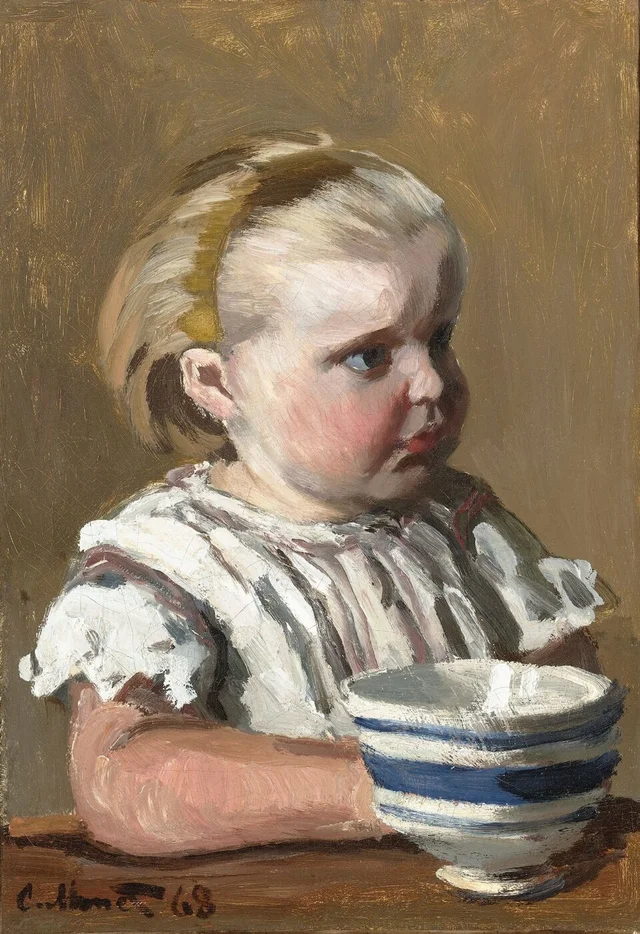 A criança com a xícaraClaude Monet, 1868
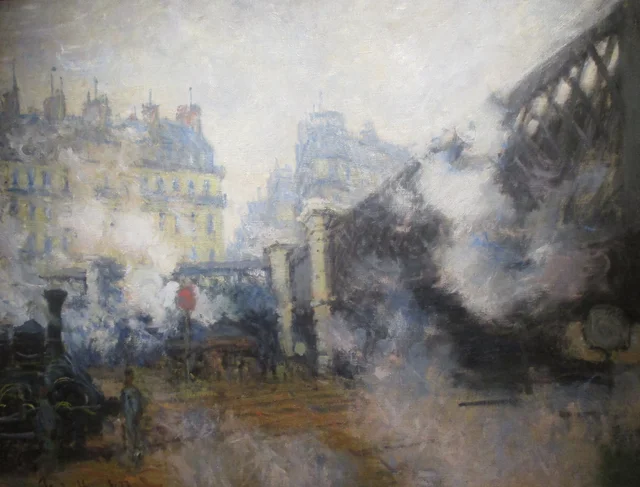 A ponte da Europa, estação Saint-LazareClaude Monet, 1877
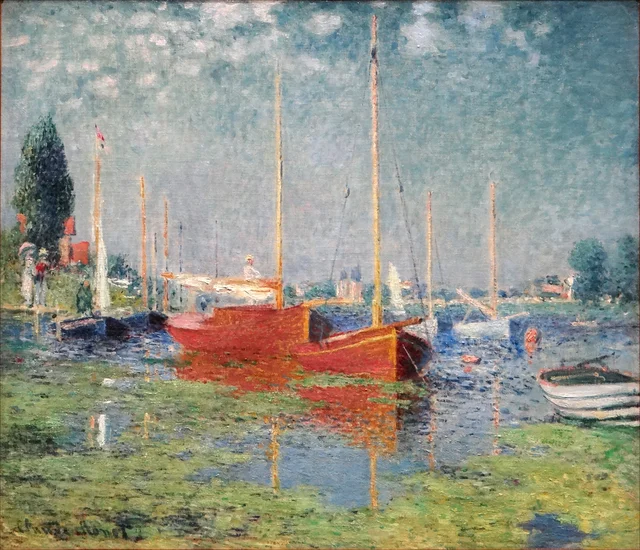 Barcos vermelhos em ArgenteuilClaude Monet, 1875
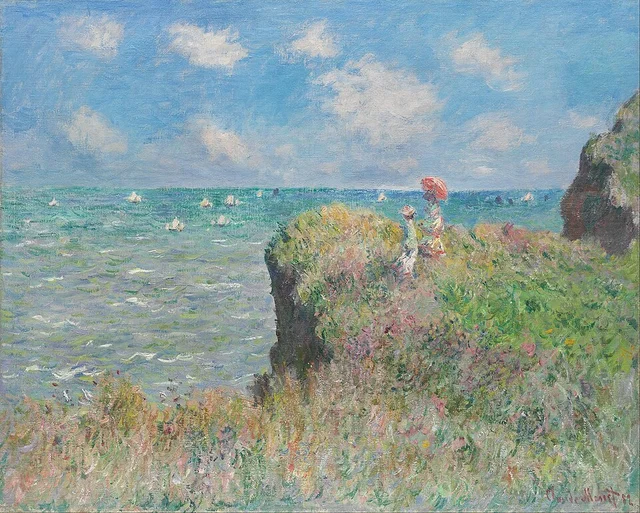 O passeio pela falésia em PourvilleClaude Monet, 1882
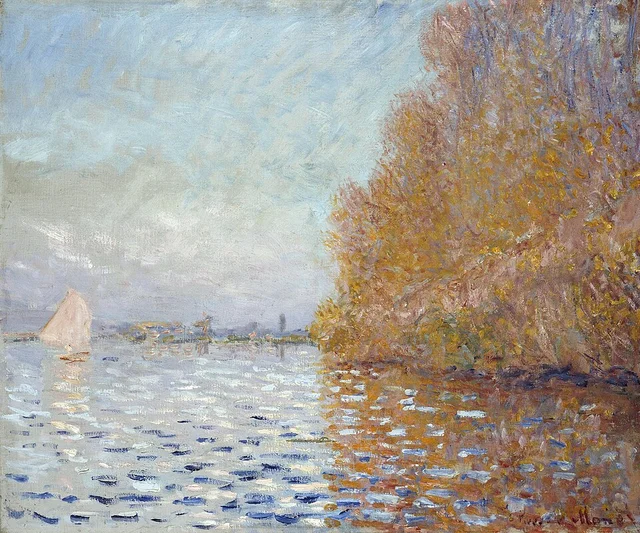 A bacia de Argenteuil com um veleiroClaude Monet, 1874
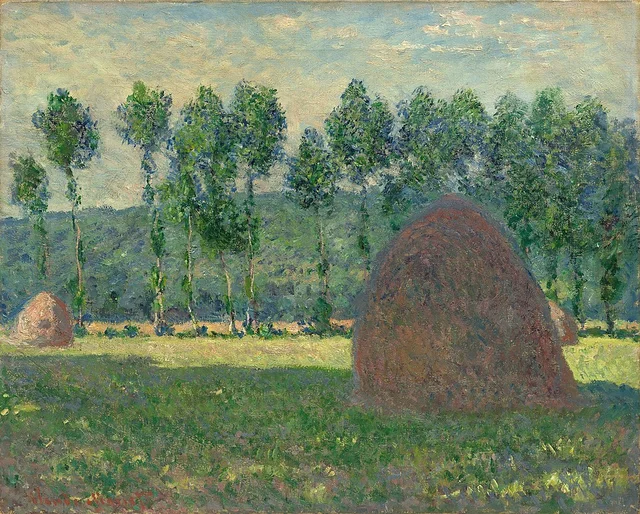 Meda de Feno perto de GivernyClaude Monet, 1884
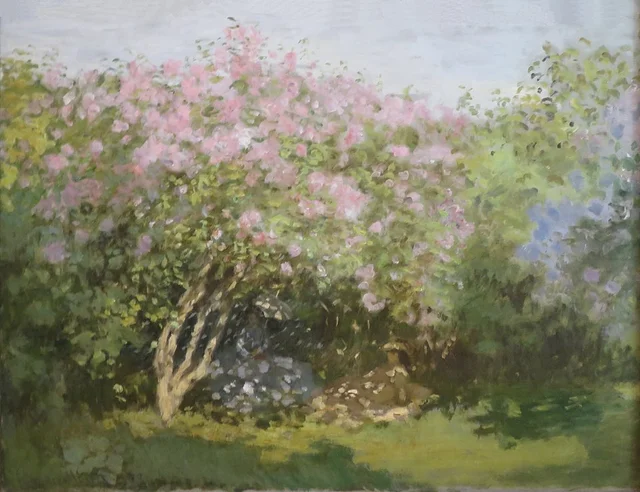 Lilases ao solClaude Monet, 1873
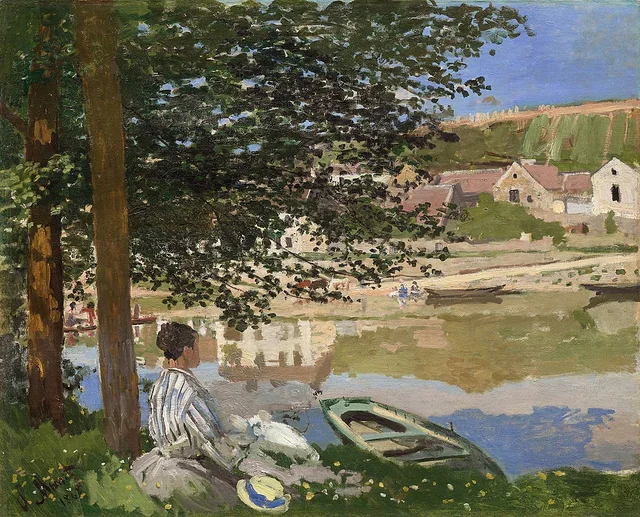 Às margens do Sena, BennecourtClaude Monet, 1868
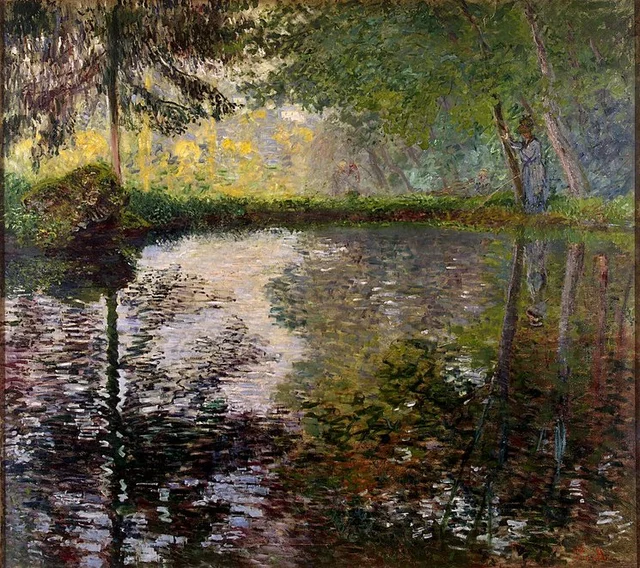 O Lago em MontgeronClaude Monet, 1877