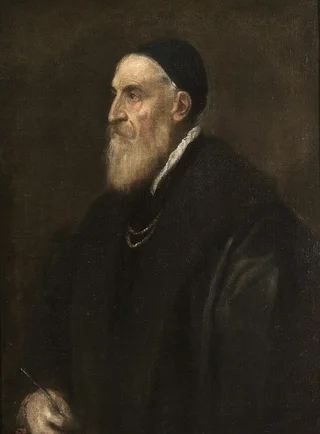
Ticiano
1488–1576 · República de Veneza · Escola veneziana
A história
Ticiano comandou o ateliê de pintura mais movimentado e poderoso da Veneza do século 16, e o fez por muitíssimo tempo. Nascido por volta de 1488 nas montanhas ao norte da cidade, assumiu o posto de principal pintor de Veneza após a morte de Giovanni Bellini, e confirmou isso em 1518 com um imponente retábulo da Virgem ascendendo aos céus para a igreja dos Frari, com figuras maiores e mais vivas do que qualquer coisa que a cidade já vira.
Seu alcance ia muito além de Veneza. Em 1530, conheceu o imperador do Sacro Império Romano-Germânico, Carlos V, o homem mais poderoso da Europa, e se tornou seu retratista predileto. Conta-se que certa vez o imperador se abaixou para apanhar um pincel que Ticiano havia deixado cair, um gesto inaudito para com um mero pintor. Carlos o tornou conde, e seu filho, Filipe II da Espanha, manteve Ticiano a serviço por décadas, encomendando uma série de grandes telas mitológicas com deuses e mortais gregos que o pintor enviava para Madri.
Ticiano trabalhou até uma velhice extrema, e suas pinturas tardias se soltam quase até o borrão, a tinta arrastada e esfregada tanto com os dedos quanto com pincéis, de modo que, de perto, se dissolvem. Ainda estava nisso quando a peste varreu Veneza em 1576. Ela o matou naquele agosto, junto com seu filho Orazio, e ele foi enterrado na mesma igreja dos Frari que abrigara seu primeiro grande triunfo. Tinha algo perto de 88 anos.
Mais artigos
 Artigo · 38 min de leituraGaleria Nacional de Arte de Washington: 20 quadros que vieram de mãos particulares
 Artigo · 35 min de leituraAs Galerias da Academia de Veneza: vinte obras e o caminho de cada uma até aqui
 Artigo · 41 min de leituraO que ver no Louvre: 25 obras principais
 Artigo · 19 min de leituraMuseu do Prado: as pinturas que sobreviveram aos seus mundos
 Artigo · 39 min de leituraGaleria Borghese: de Scipione Borghese à compra pelo Estado
 Artigo · 43 min de leituraGemäldegalerie de Berlim: 20 pinturas que Berlim comprou, perdeu e dividiu
Obras
286 obras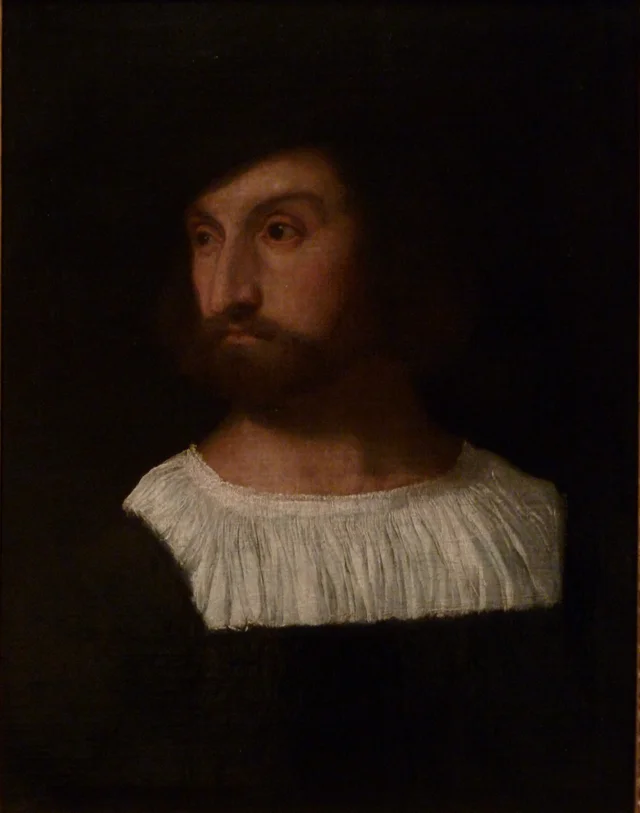 Retrato de um HomemTiciano, 1515
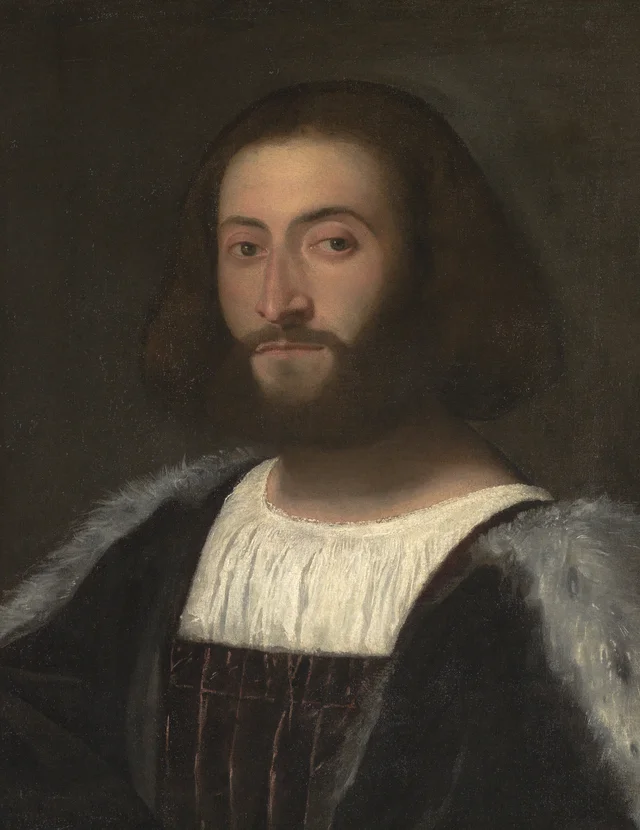 Retrato de um homemTiciano, 1509
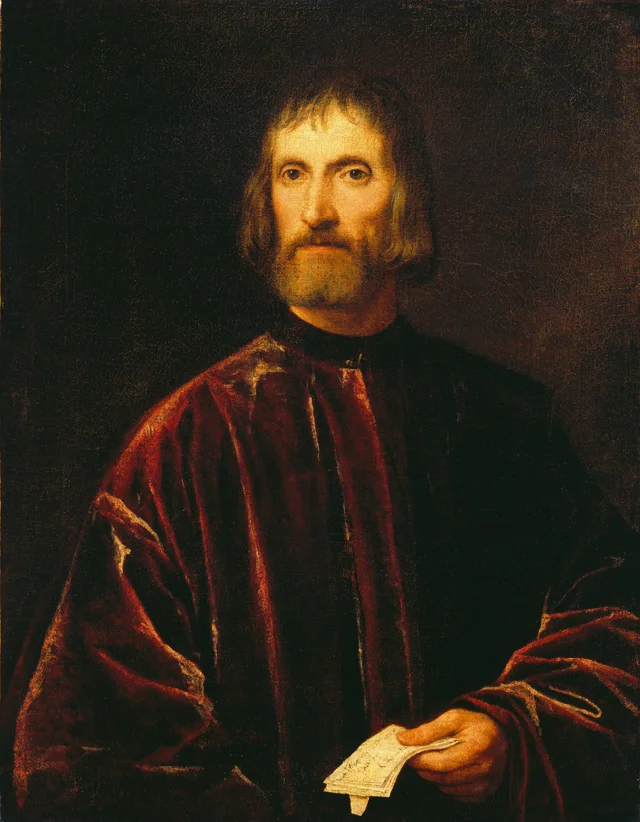 Retrato de Andrea dei FranceschiTiciano, 1532
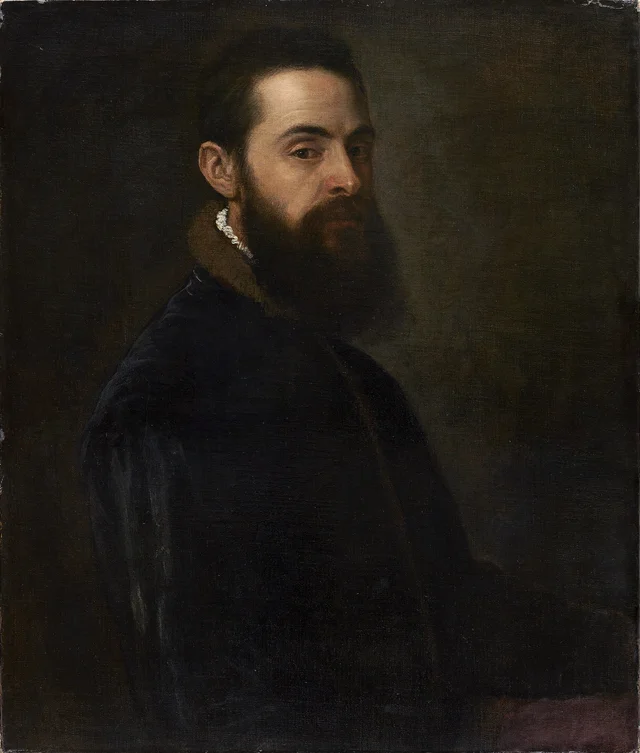 Retrato de Antonio AnselmiTiciano, 1550
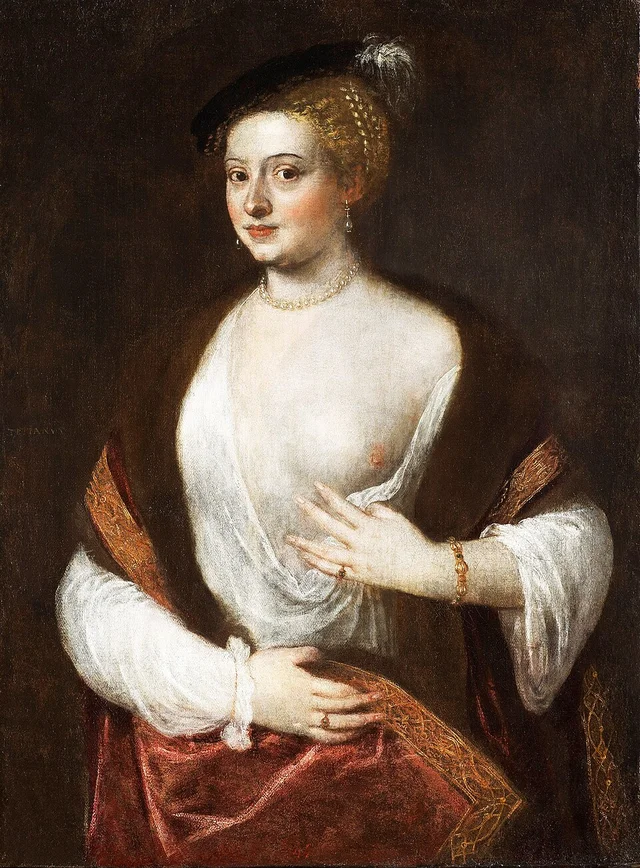 Retrato de uma dama desconhecida, dita amante de TicianoTiciano, 1550
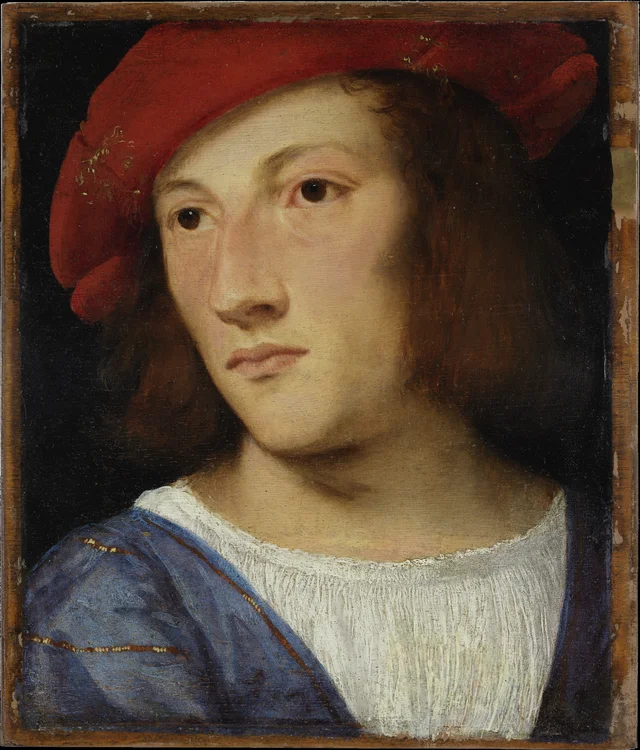 Retrato de um jovemTiciano, 1510
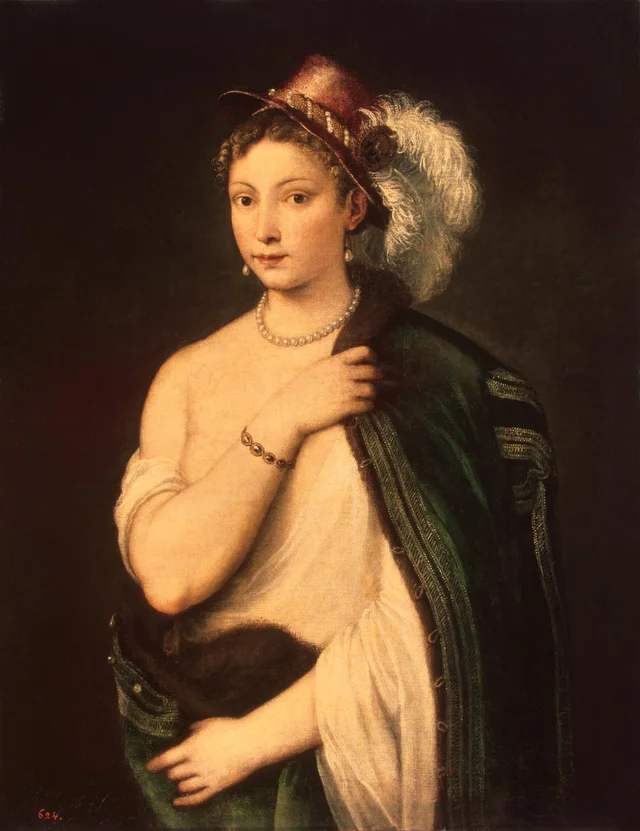 Retrato de uma jovem mulherTiciano, 1536
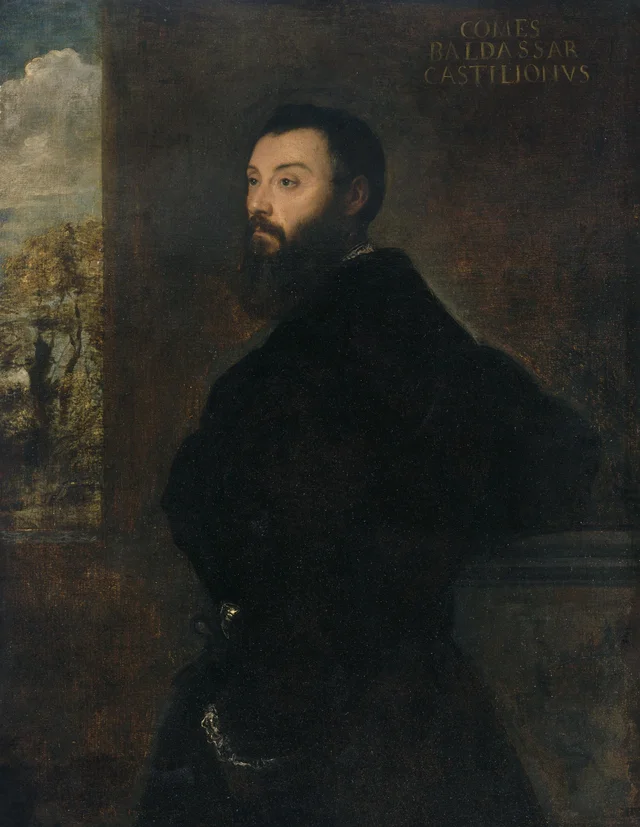 Retrato de Baldassare CastiglioneTiciano, 1537
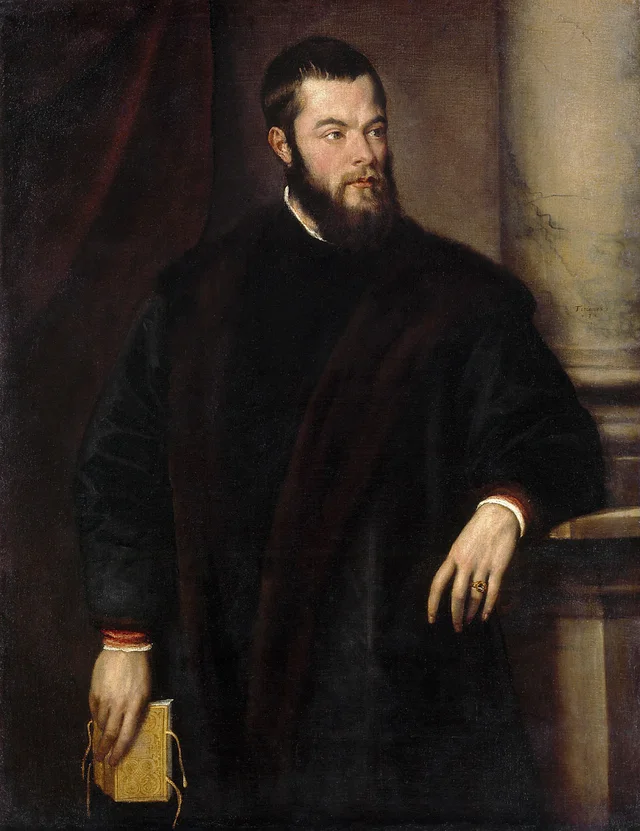 Retrato de Benedetto VarchiTiciano, 1540
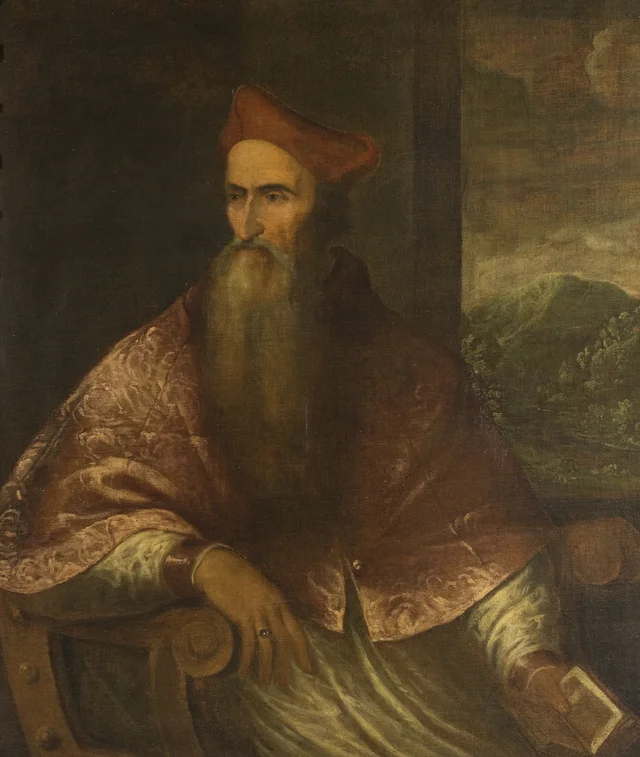 Retrato do cardeal Pietro BemboTiciano, 1545
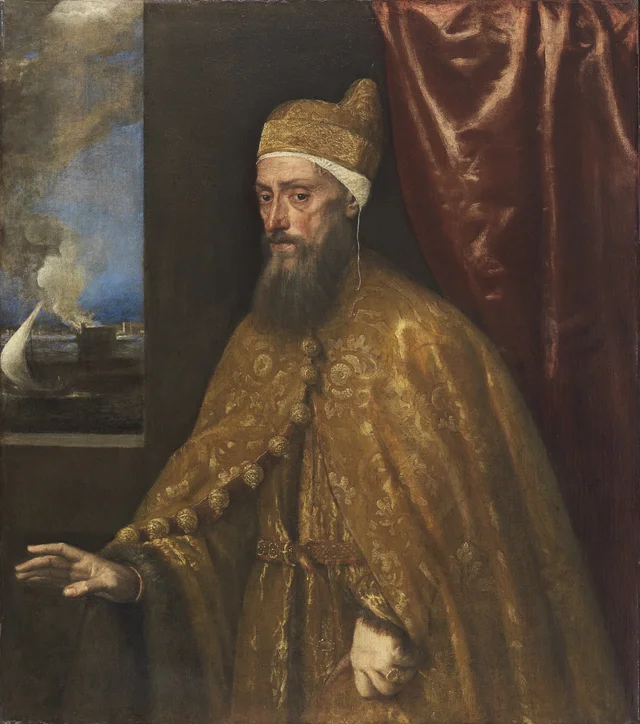 Retrato do Doge Francesco VenierTiciano, 1554
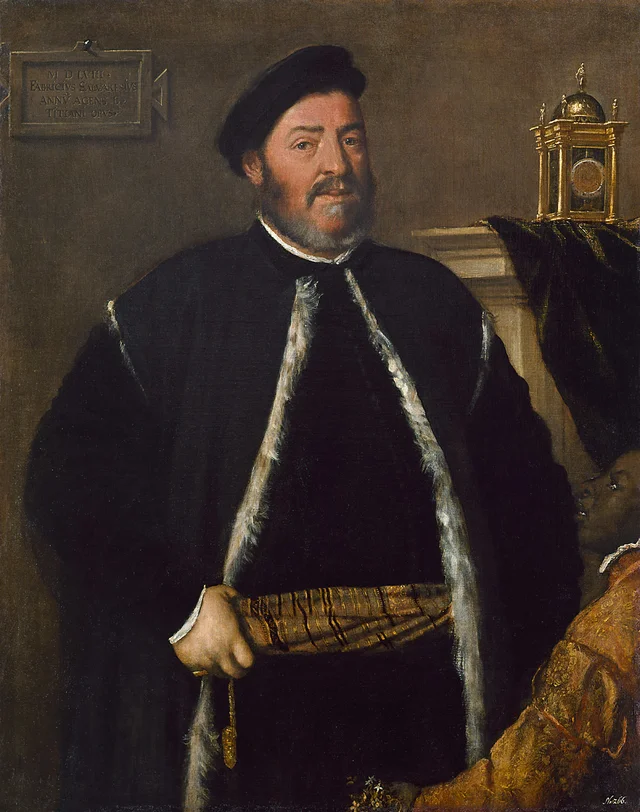 Retrato de Fabrizio SalvaresioTiciano, 1558
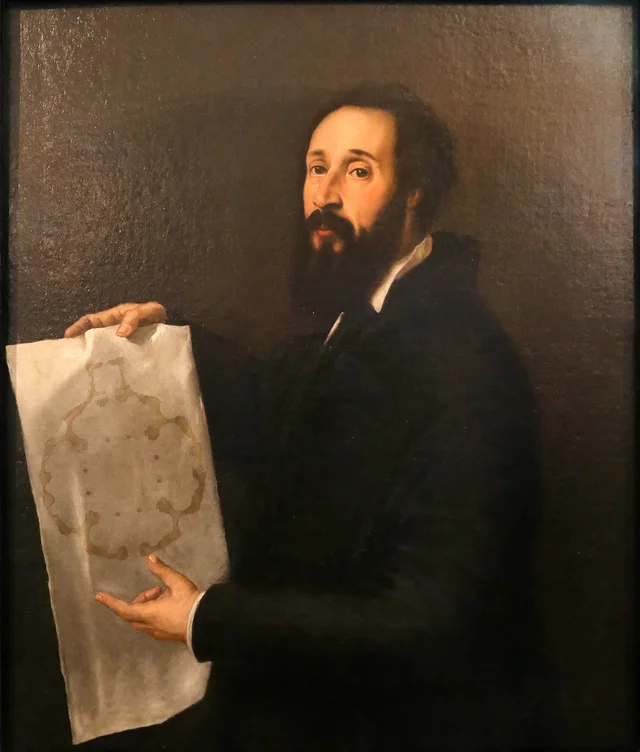 Retrato de Giulio RomanoTiciano, 1537
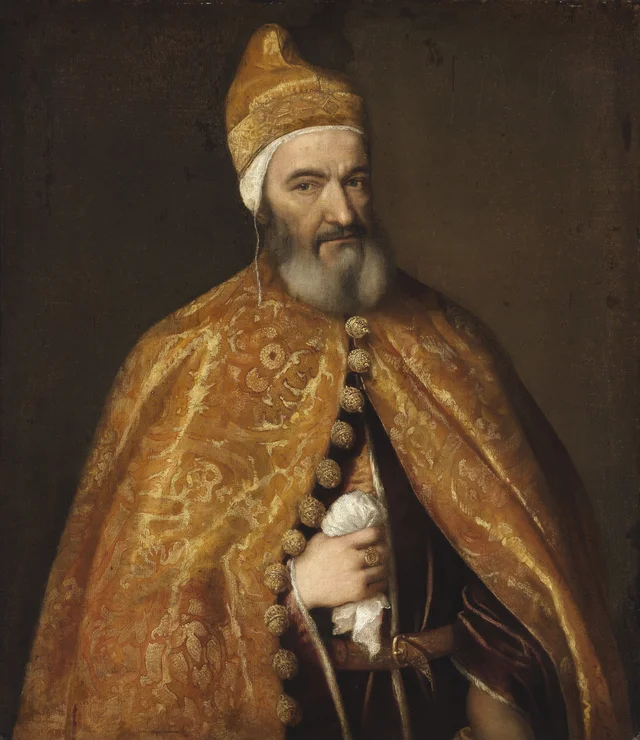 Retrato de Marcantonio Trevisan, Doge de VenezaTiciano, 1553
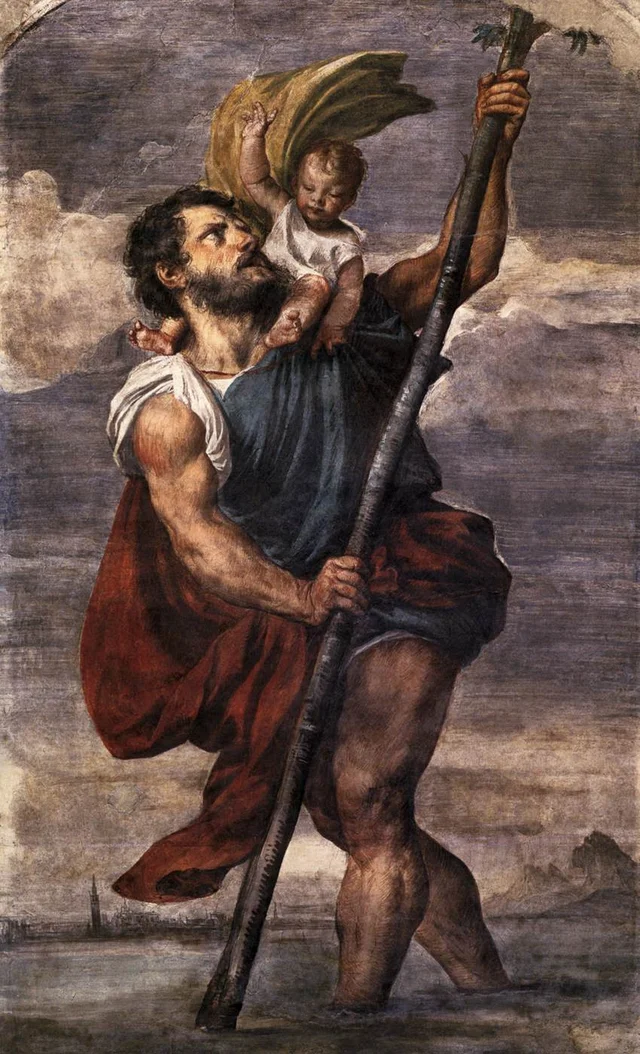 São CristóvãoTiciano, 1523
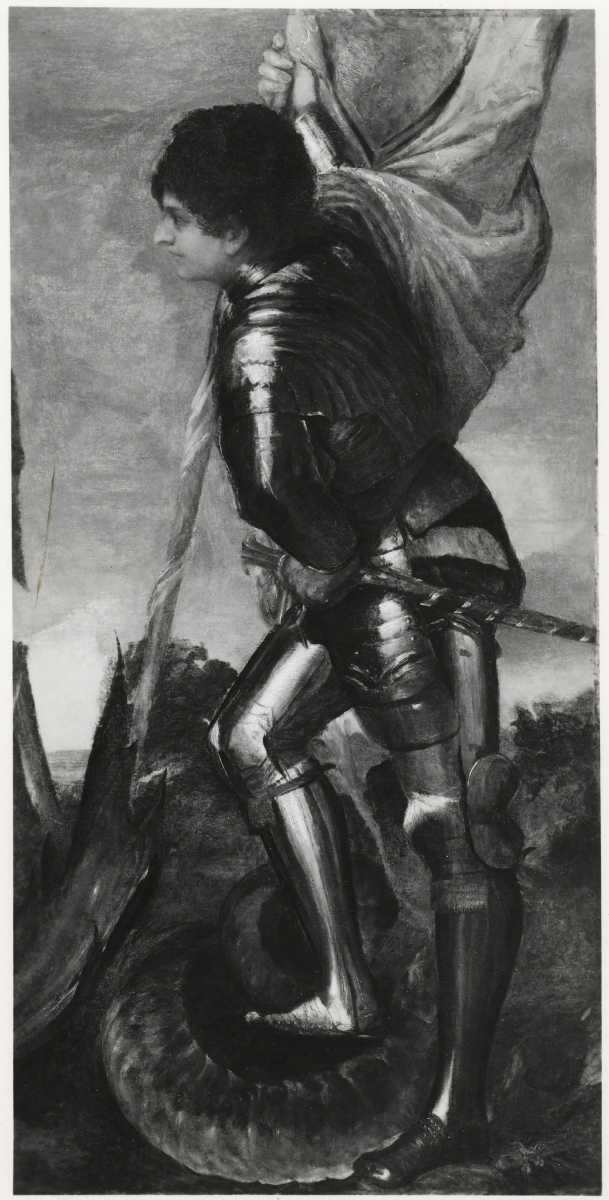 São JorgeTiciano, 1510
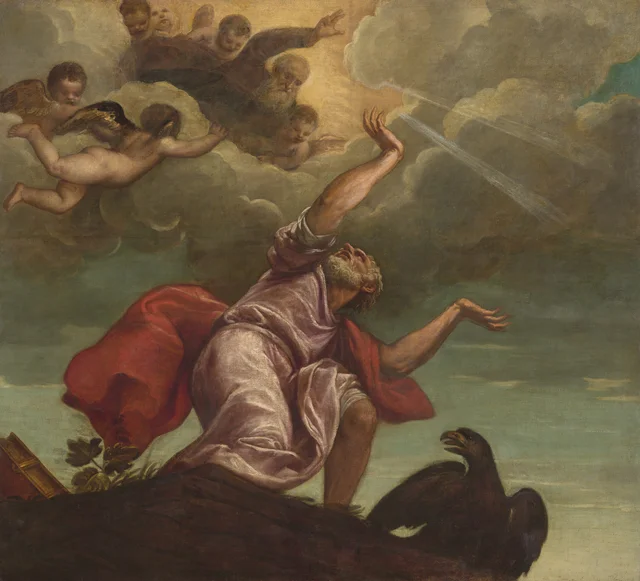 São João Evangelista em PatmosTiciano, 1547
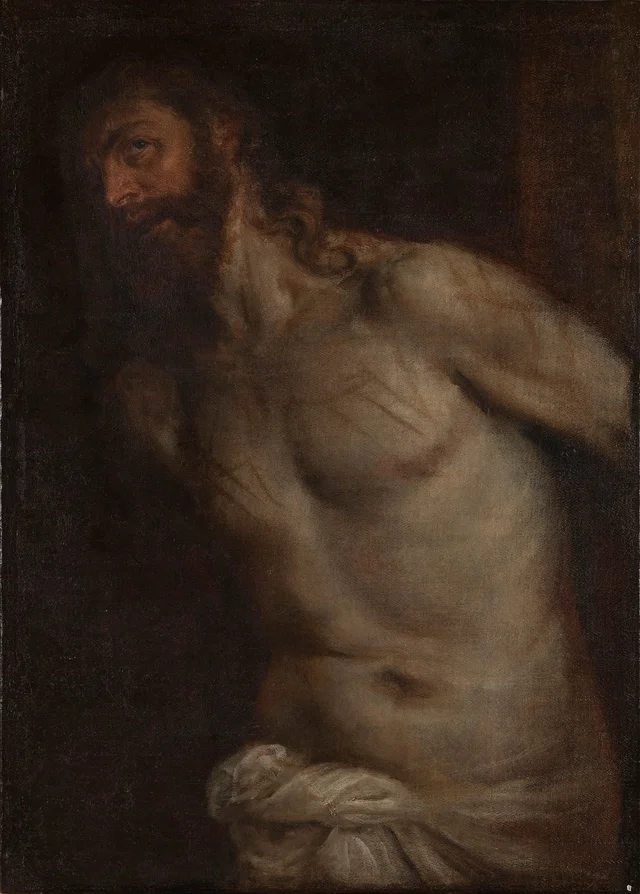 Cristo flageladoTiciano, 1568
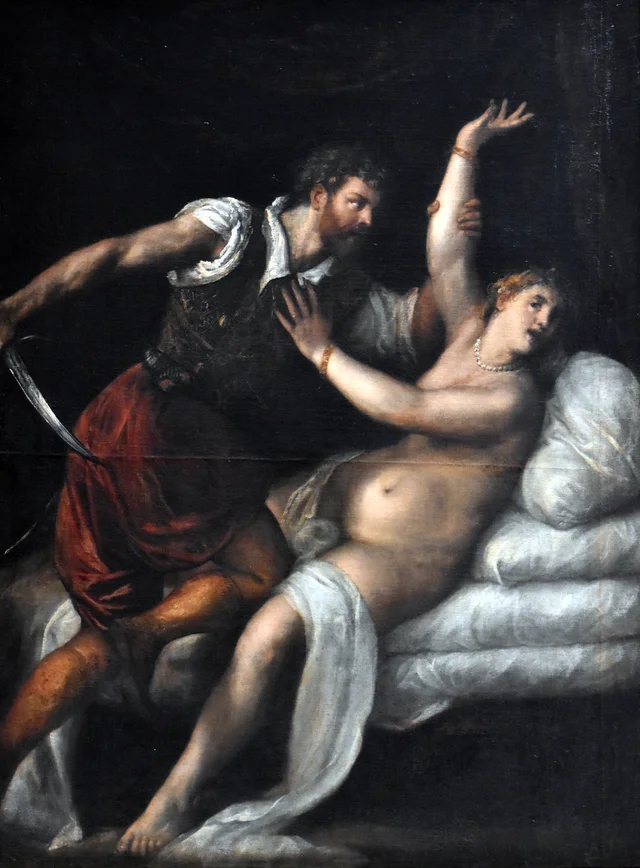 Tarquínio e LucréciaTiciano, 1570
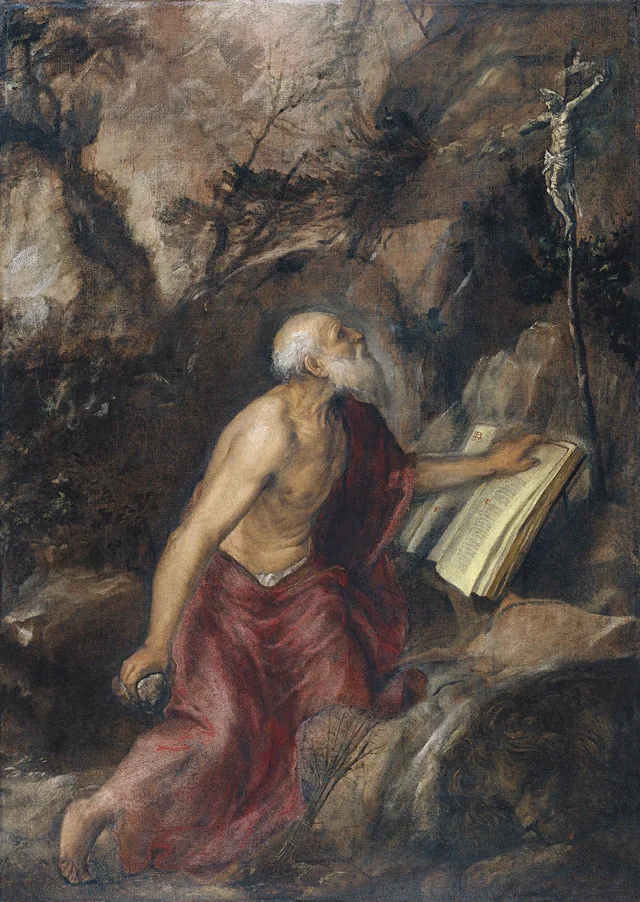 São Jerônimo penitenteTiciano, 1570
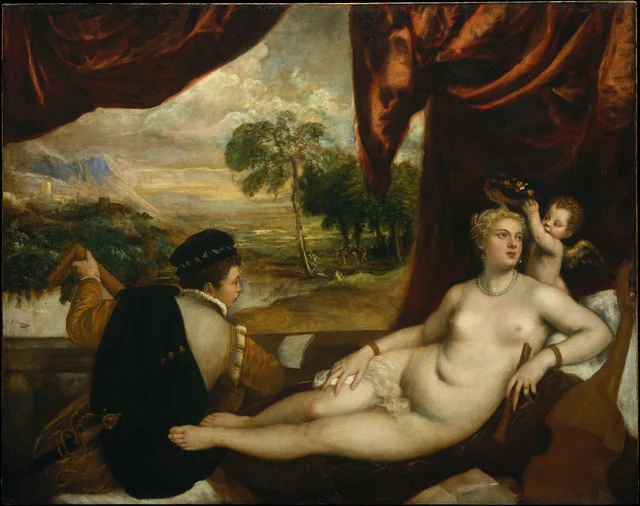 Vênus e o Tocador de AlaúdeTiciano, 1567
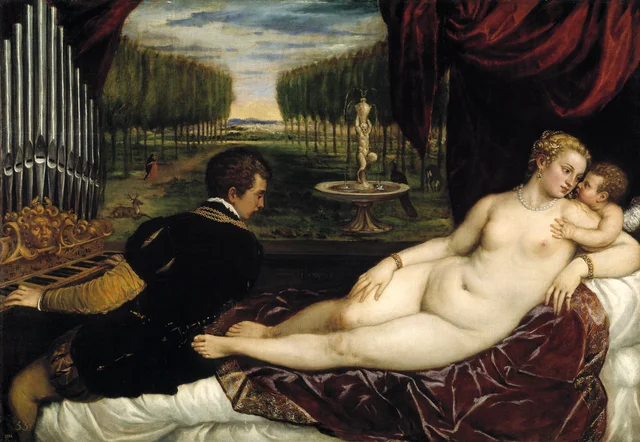 Vênus com organista e CupidoTiciano, 1555
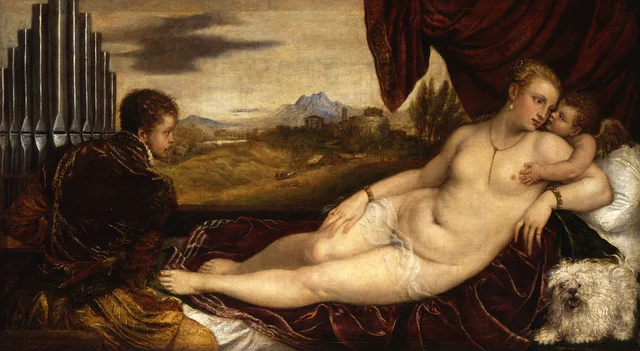 Vênus com o OrganistaTiciano, 1550
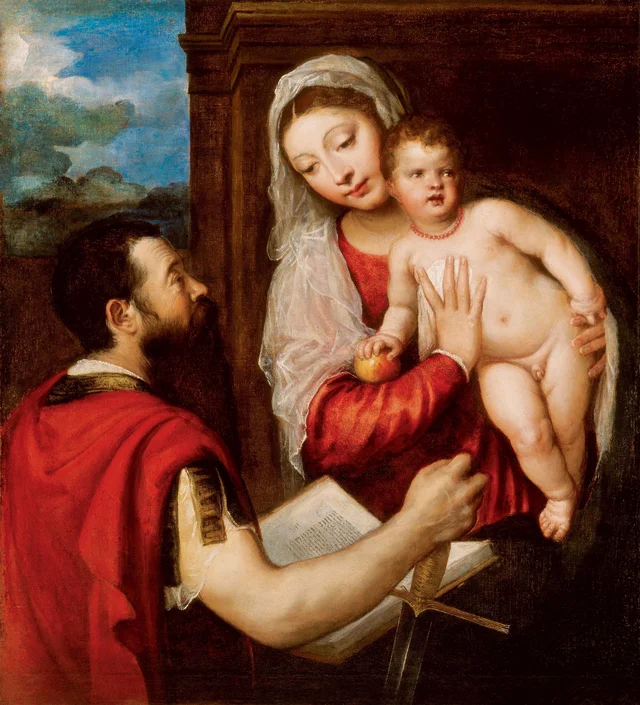 Virgem com o Menino e São PauloTiciano, 1540
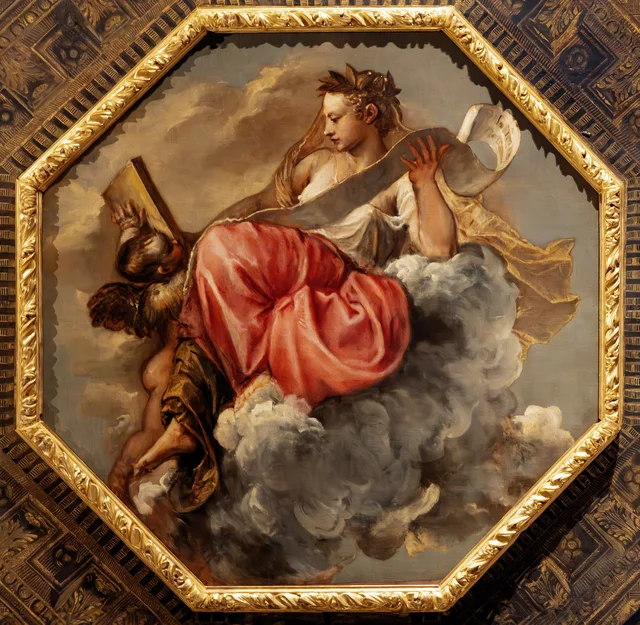 A SabedoriaTiciano, 1560