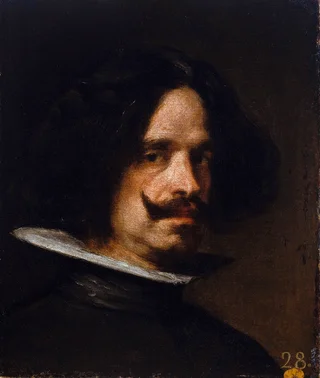
迭戈·委拉斯开兹
1599–1660 · 西班牙 · 巴洛克
语音导览
故事
委拉斯开兹成年后的画笔几乎只为一个人服务。他在塞维利亚崭露头角,年轻时便是描绘厨房场景与市井人物的犀利新秀,大约24岁被召到马德里,成为费利佩四世的宫廷画师——彼时的西班牙仍统治着半个世界,却已在悄然走向衰落。此后他在这座宫廷里度过了余生约37年,一次又一次为国王画像,画中容颜渐老,帝国的气数也随之衰减。
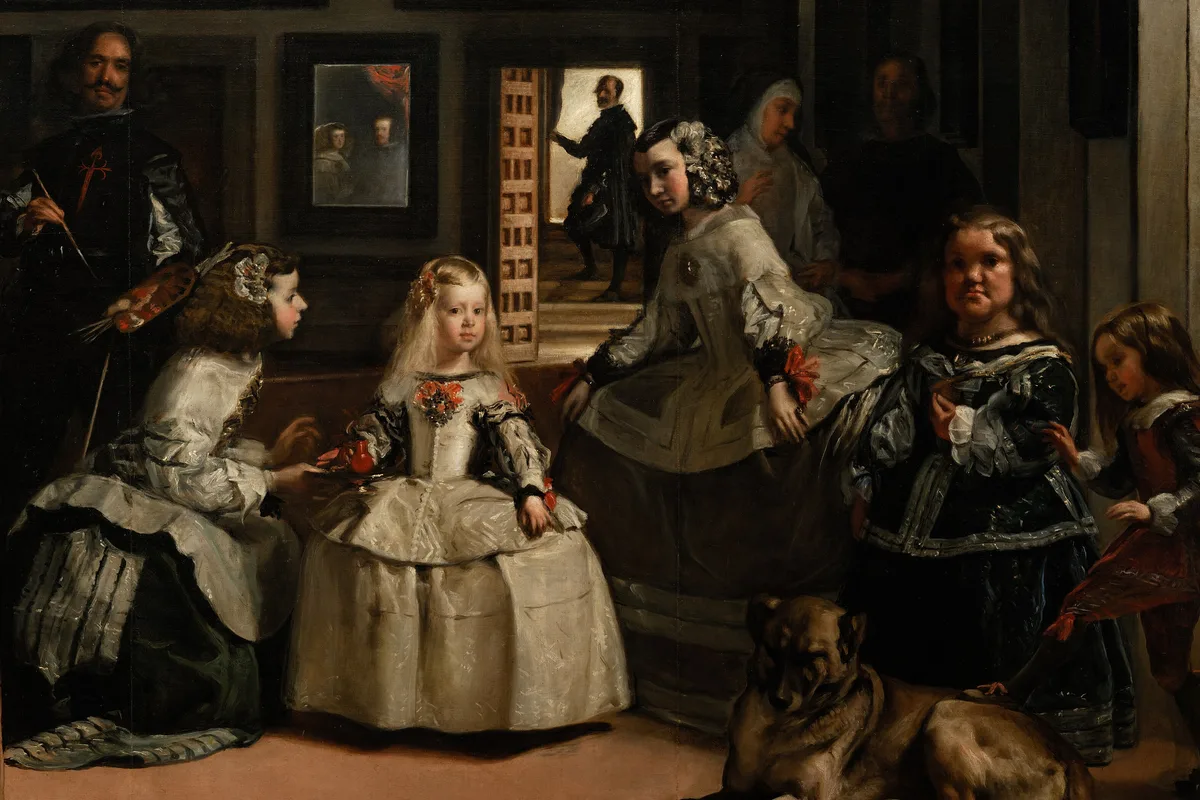
这个职位远不止画室里的差事。委拉斯开兹在宫中步步高升,最终做到了掌管王室寝殿的宫务大臣,这份差事挤占了他大量作画的时间,却也带来了他极为看重的地位。1656年,他把整个这个世界收进了一幅画里:《宫娥》——小公主玛格丽塔被侍女与侏儒环绕,国王与王后的身影映在背景一面镜子中,画家本人则站在一幅巨大的画布前,手持画笔,径直望向我们。
画中他自己胸前佩着圣地亚哥骑士团的红色十字——那是西班牙最高的骑士荣誉。可他其实直到1659年才真正获此殊荣,比画作完成晚了三年,旧说认为这枚十字是后来添上去的,或许出自国王本人之手。他佩戴这枚勋章还不到一年。1660年夏天,为在法国边境操办一场盛大的皇室婚礼庆典而心力交瘁的委拉斯开兹便去世了。
更多文章
作品
121 件作品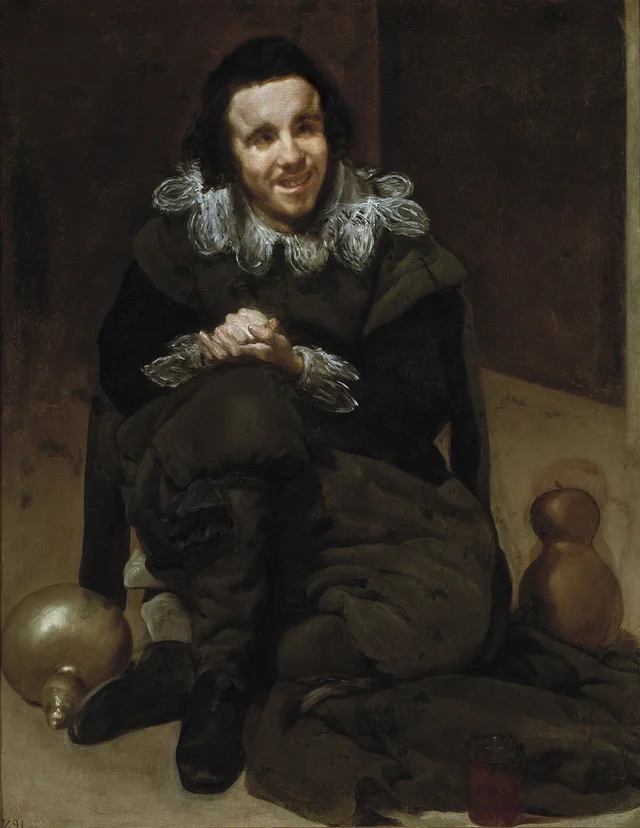 弄臣卡拉巴西利亚斯迭戈·委拉斯开兹, 1635
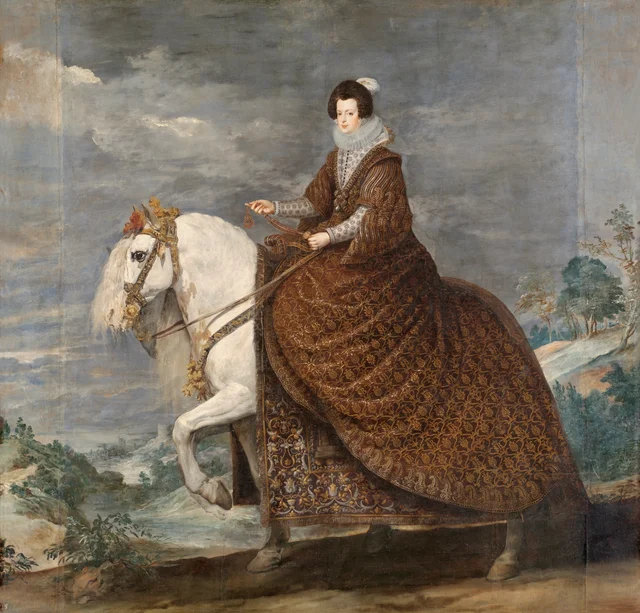 法兰西的伊丽莎白骑马像迭戈·委拉斯开兹, 1631
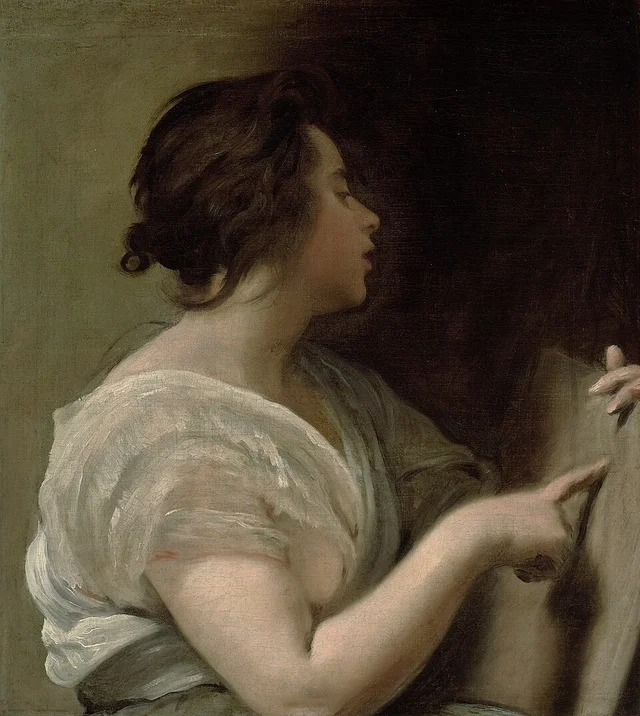 女性人物(持白板的女先知)迭戈·委拉斯开兹, 1648
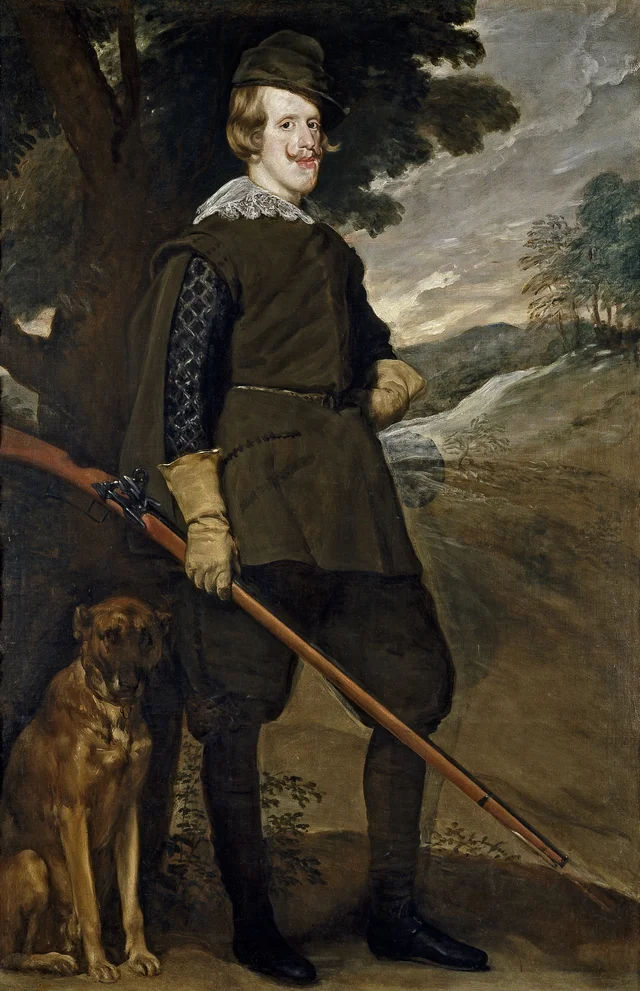 猎装的腓力四世迭戈·委拉斯开兹, 1632
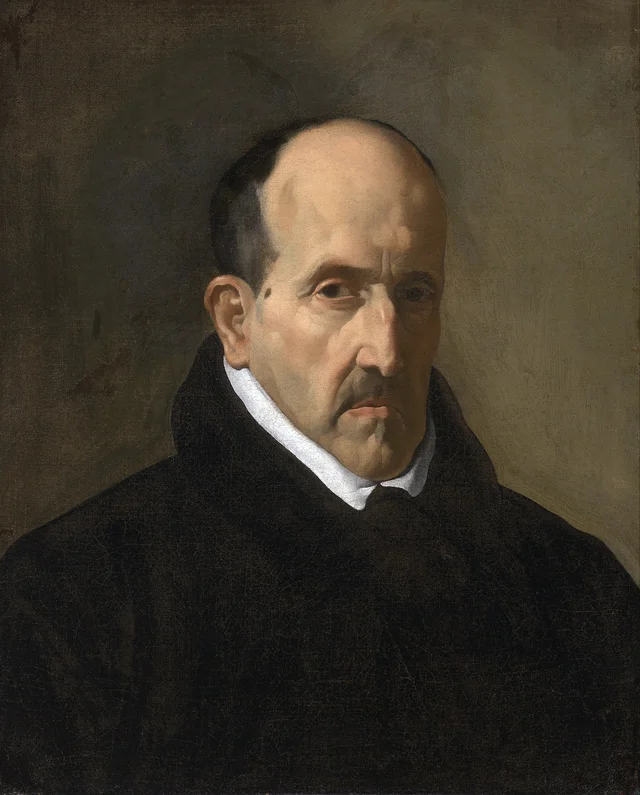 路易斯·德·贡戈拉像迭戈·委拉斯开兹, 1622
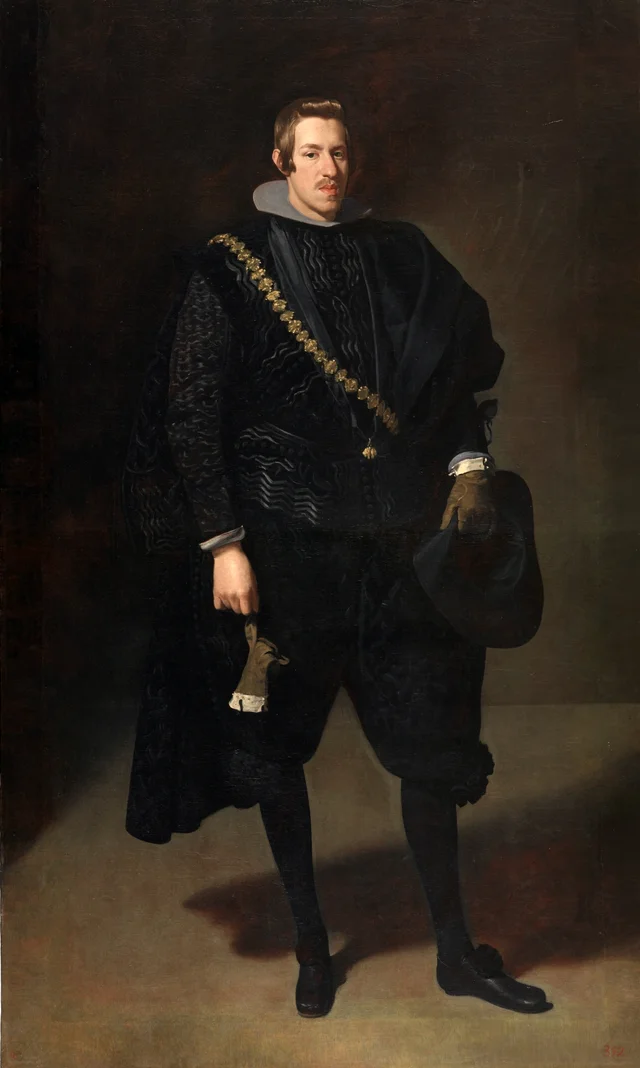 卡洛斯王子的肖像迭戈·委拉斯开兹, 1626
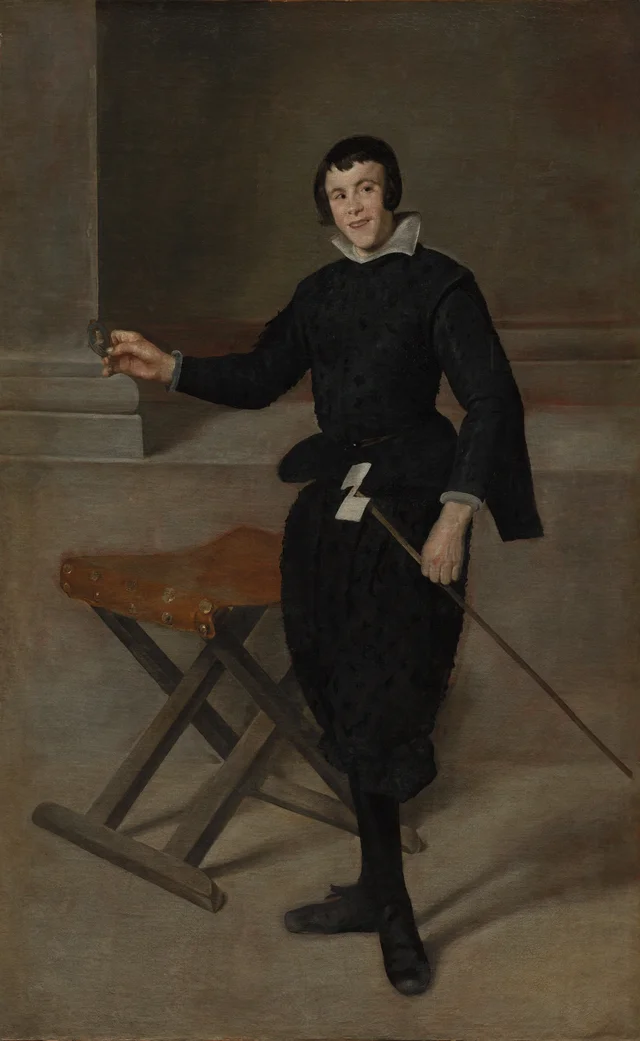 宫廷小丑卡拉巴萨斯的肖像迭戈·委拉斯开兹, 1626
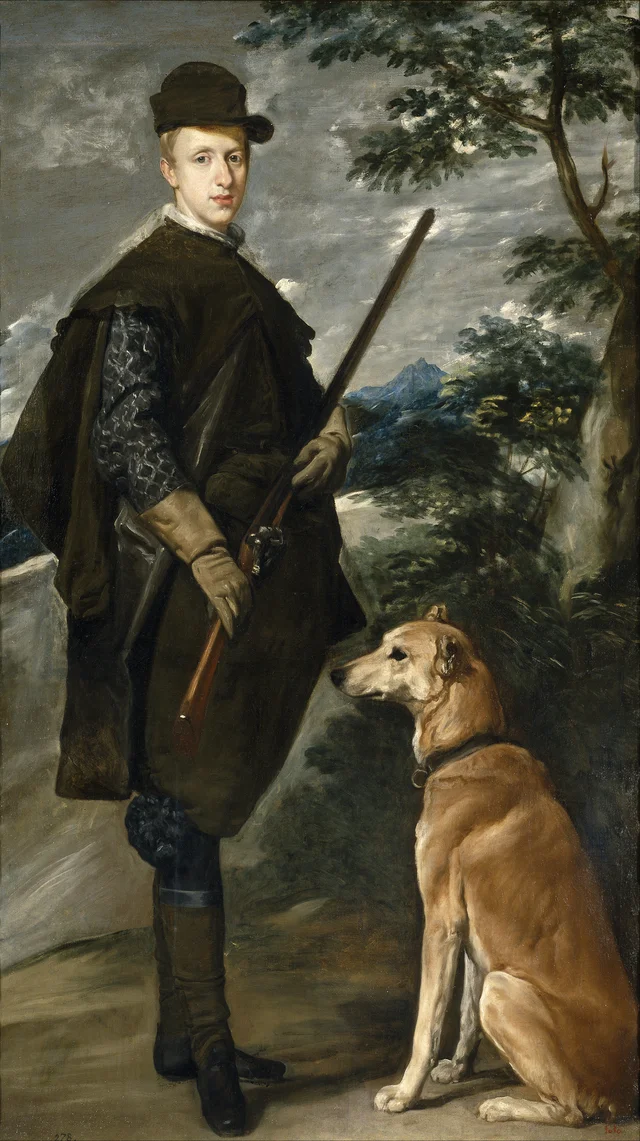 身着狩猎装的红衣主教亲王奥地利的斐迪南迭戈·委拉斯开兹, 1632
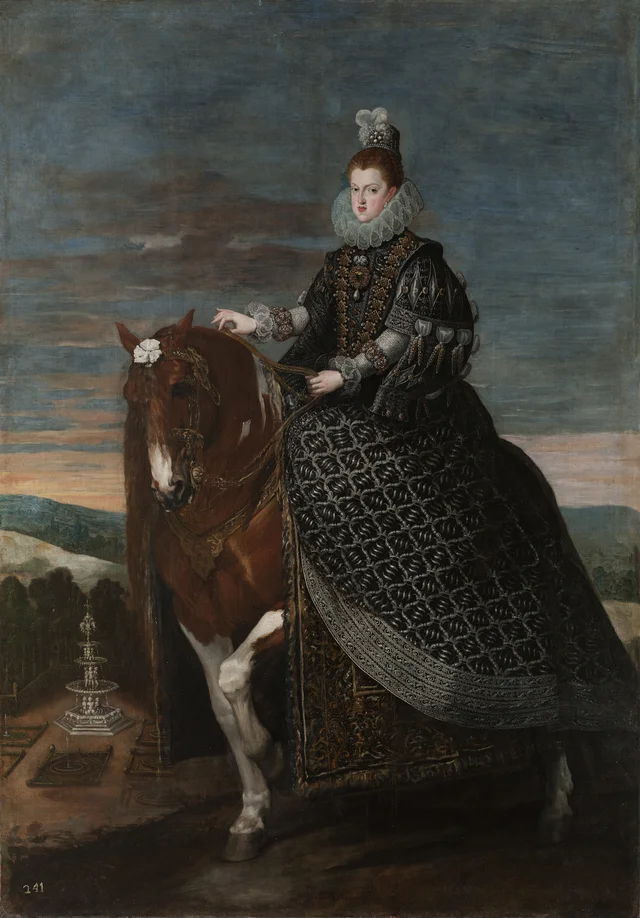 奥地利的玛格丽特骑马像迭戈·委拉斯开兹, 1634
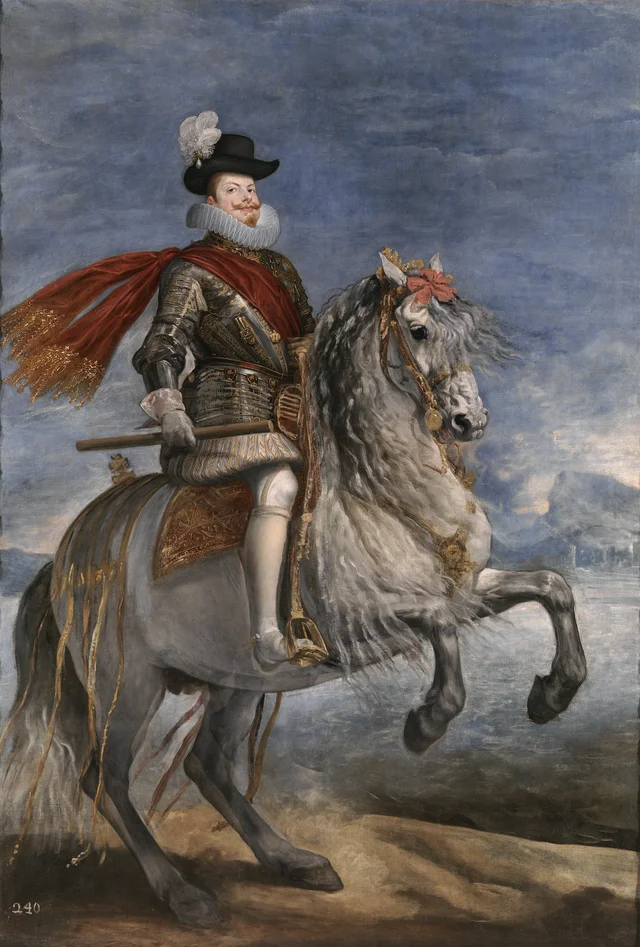 腓力三世骑马像迭戈·委拉斯开兹, 1634
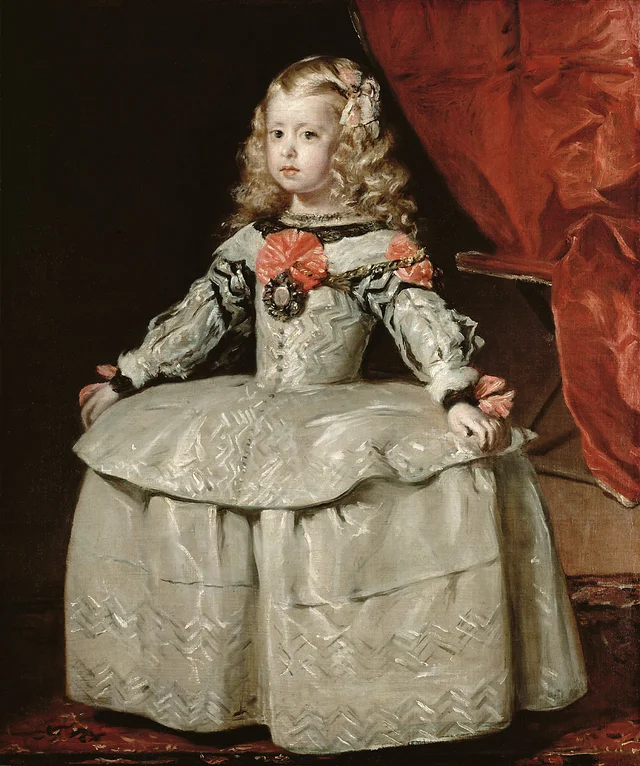 身着白银色礼服的玛格丽塔·特蕾莎公主迭戈·委拉斯开兹, 1656
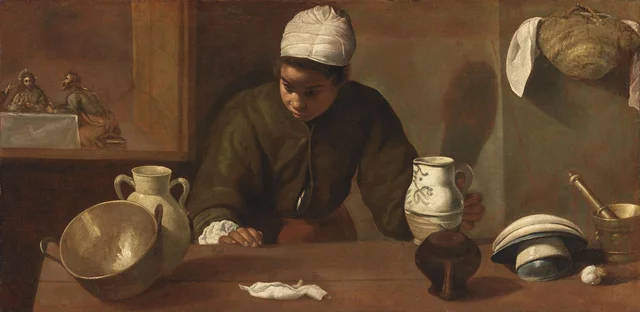 厨房场景与以马忤斯的晚餐迭戈·委拉斯开兹, 1618
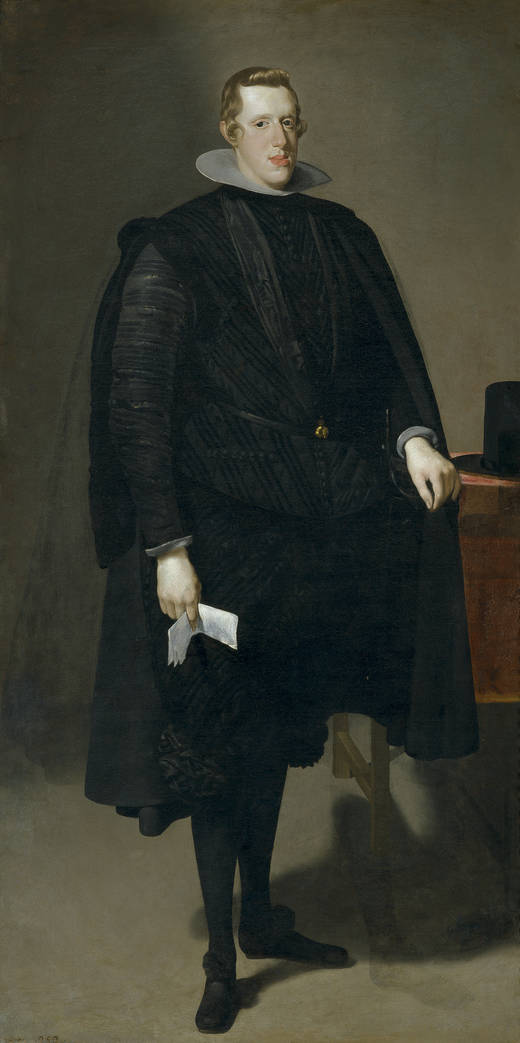 身着黑衣的腓力四世迭戈·委拉斯开兹, 1625
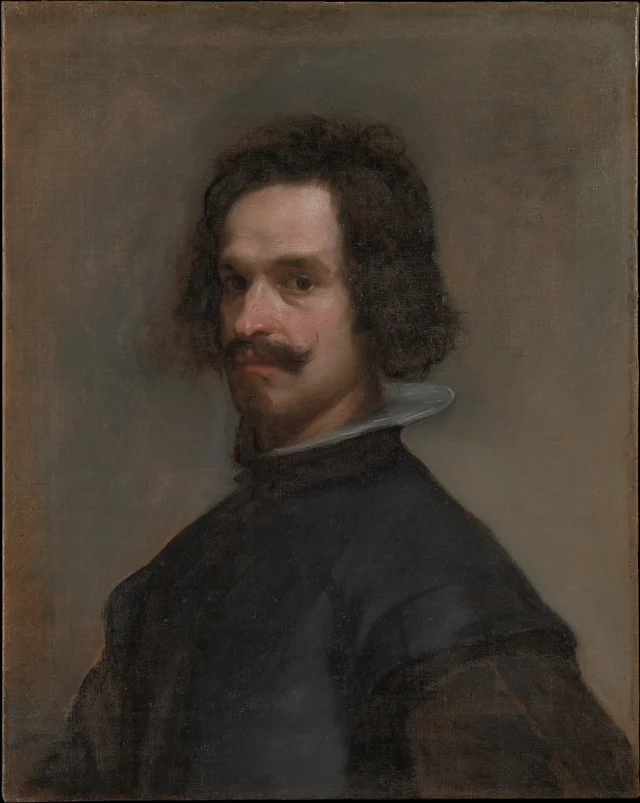 男子肖像迭戈·委拉斯开兹, 1630
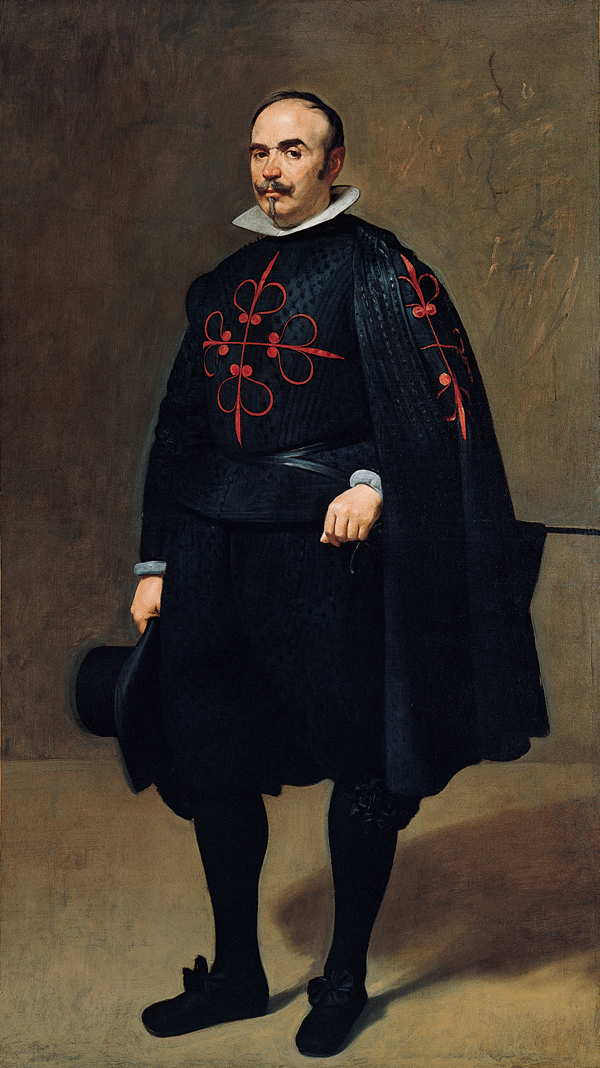 唐·佩德罗·德·巴韦拉纳肖像迭戈·委拉斯开兹, 1632
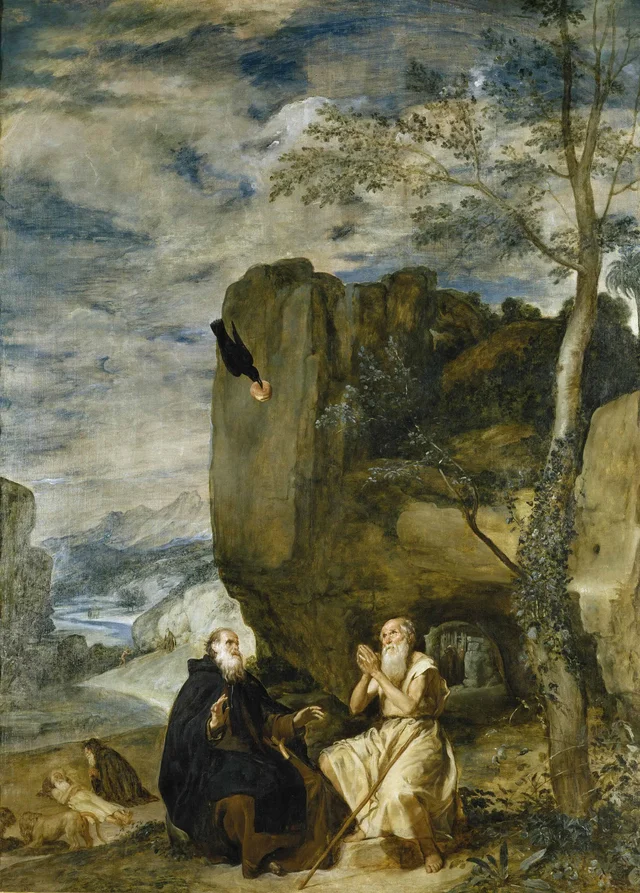 圣安东尼院长与首位隐修士圣保罗迭戈·委拉斯开兹, 1634
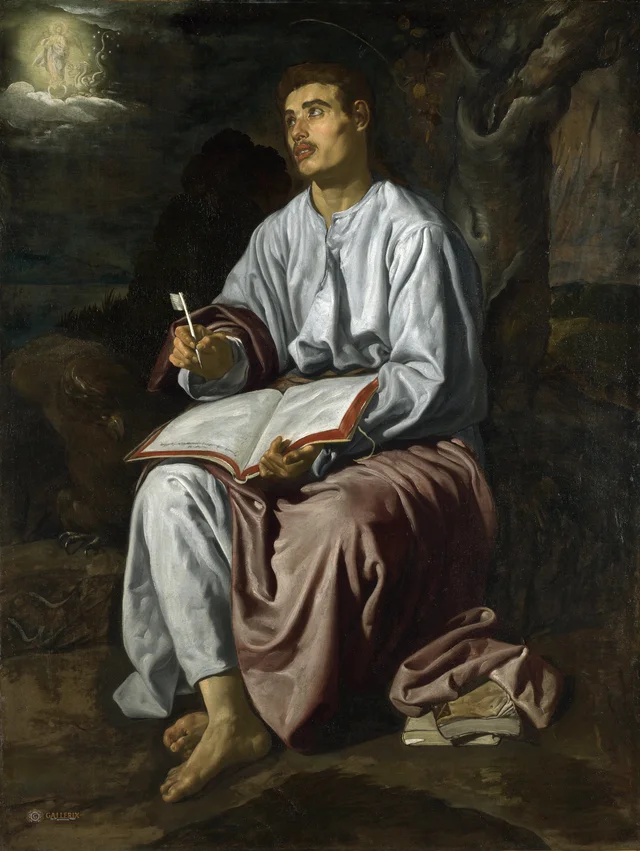 拔摩岛上的圣约翰福音传教士迭戈·委拉斯开兹, 1618
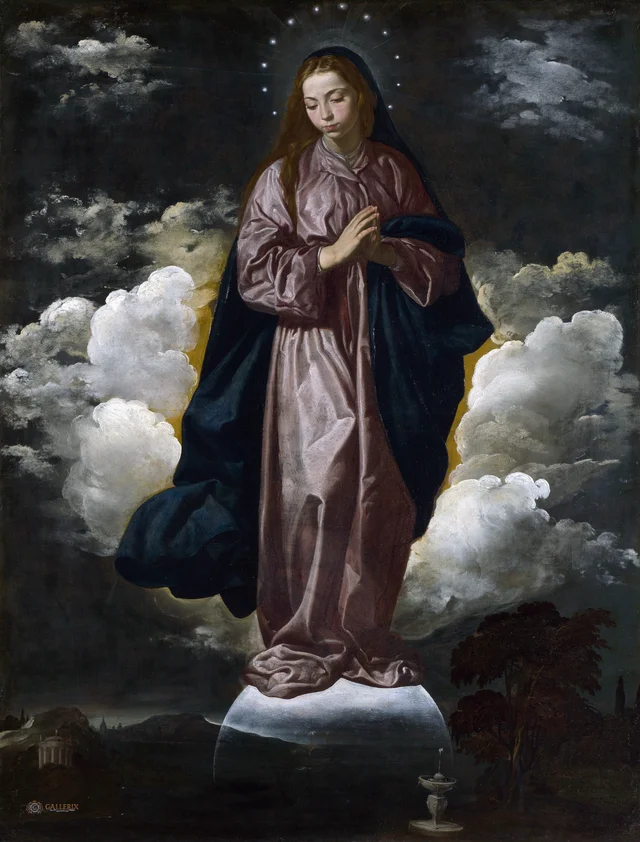 圣母无染原罪迭戈·委拉斯开兹, 1618
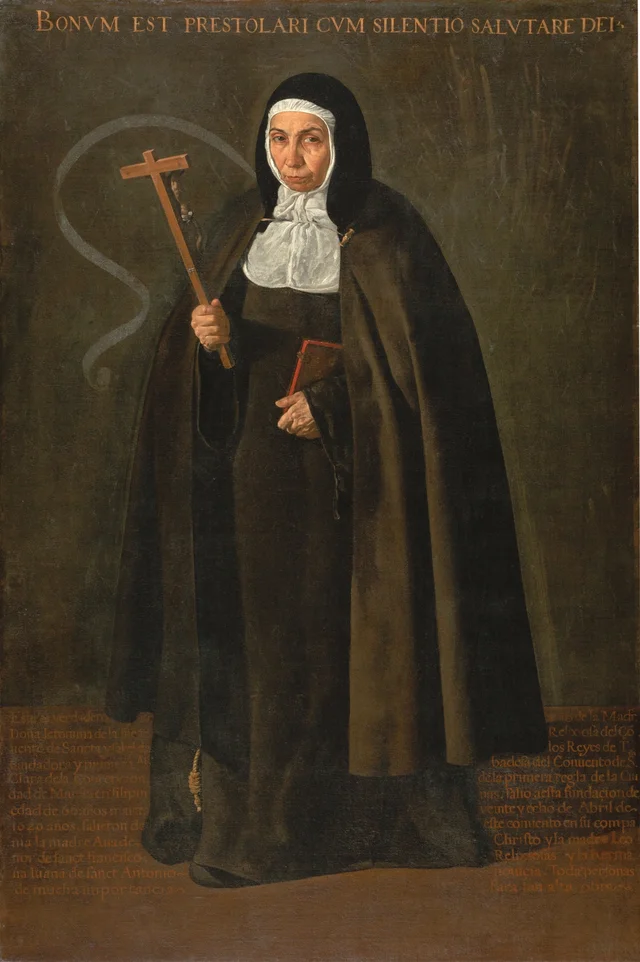 修女赫罗尼玛·德拉富恩特迭戈·委拉斯开兹, 1620
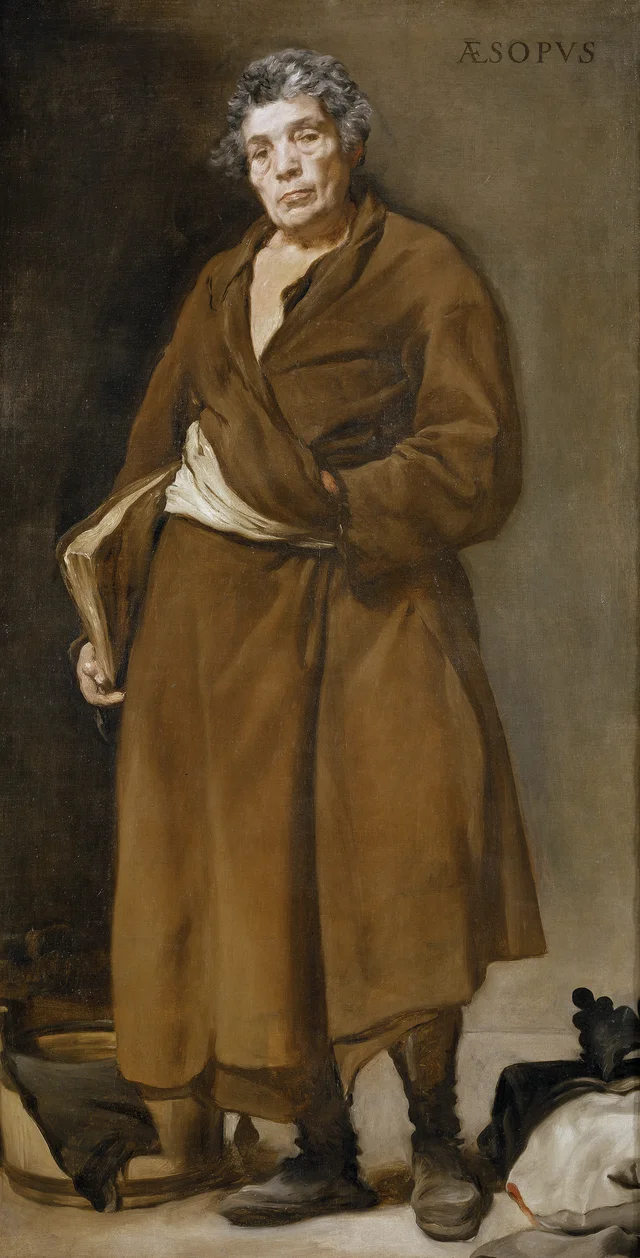 伊索迭戈·委拉斯开兹, 1639
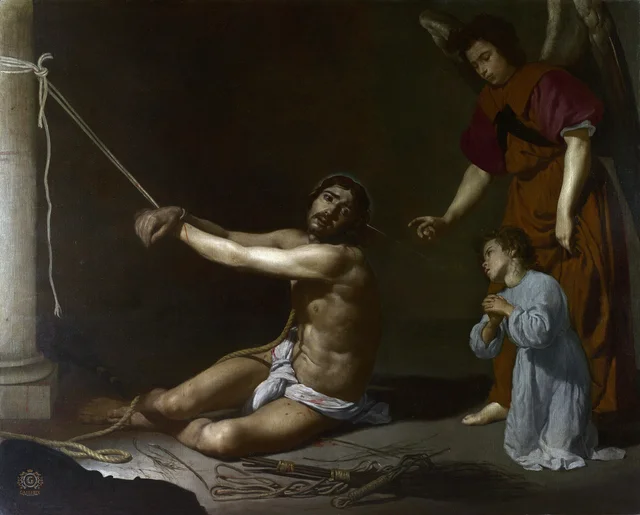 被基督徒灵魂凝视的基督迭戈·委拉斯开兹, 1626
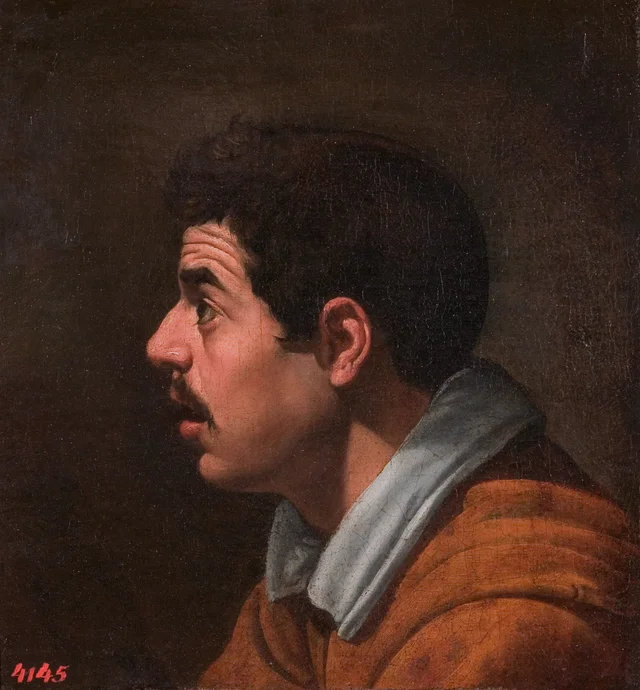 男子侧面头像迭戈·委拉斯开兹, 1618
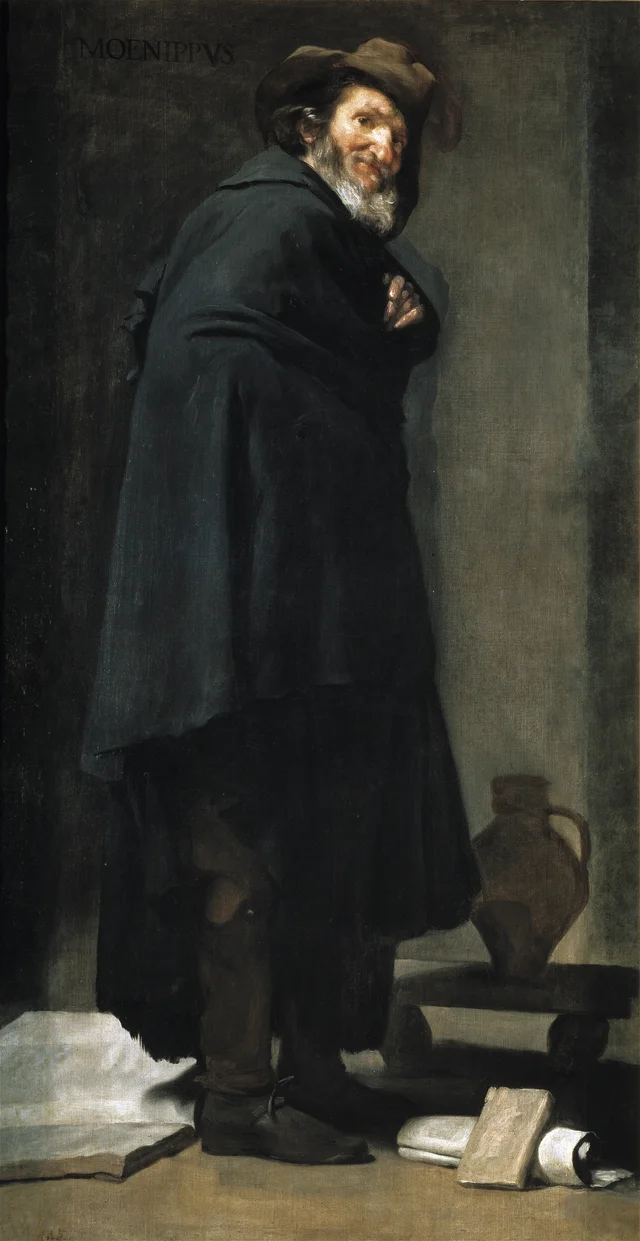 梅尼普斯迭戈·委拉斯开兹, 1639
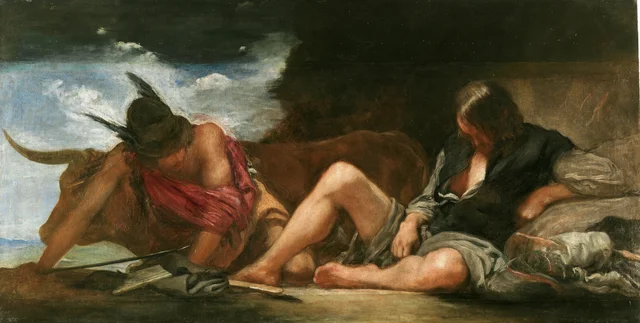 墨丘利与阿耳戈斯迭戈·委拉斯开兹, 1659
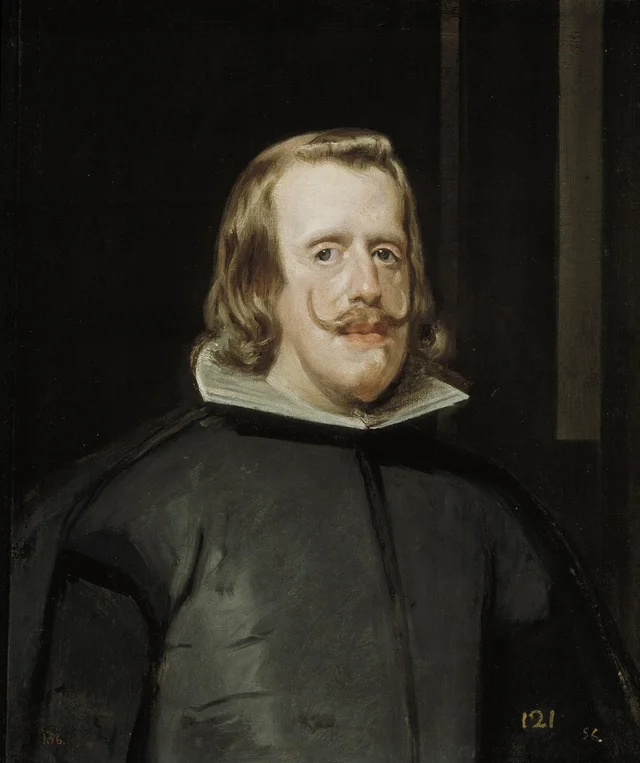 晚年的腓力四世迭戈·委拉斯开兹, 1653