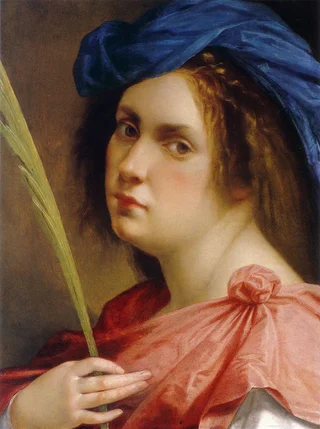
Artemisia Gentileschi
1593 · Kirchenstaat · Caravaggisten
Die Geschichte
Bereits 1610, mit siebzehn Jahren, hatte Artemisia Gentileschi Susanna und die Alten gemalt, eine großformatige biblische Szene, die sie mit eigenem Namen signierte, ausgebildet seit ihrer Kindheit in der Werkstatt ihres Vaters Orazio in Rom. Zwei Jahre später sagte sie sieben Monate lang in einem Vergewaltigungsprozess aus. Der Angeklagte war Agostino Tassi, ein Maler, den ihr Vater als ihren Lehrer engagiert hatte. Weil das Gericht dem Wort einer Frau allein nicht traute, wurde ihre Aussage erzwungen, während Schnüre um ihre Finger gespannt und zugezogen wurden – eine übliche Methode, um zu prüfen, ob der Schmerz sie zum Widerruf brächte. Das geschah nicht. Tassi wurde verurteilt, das Urteil gegen ihn jedoch später stillschweigend nie vollstreckt.
Etwa zur gleichen Zeit malte sie ihre eigene Fassung von Judith enthauptet Holofernes, jener alttestamentarischen Witwe, die ihre Stadt rettet, indem sie einen einfallenden General in dessen Zelt tötet. Frühere Maler der Szene, darunter der Freund ihres Vaters, Caravaggio, hatten Judith stets in vorsichtiger Distanz zur Gewalt gehalten. Gentileschis Judith und ihre Magd stemmen sich mit vollem Gewicht in die Tat, Blut spritzt über die Laken, und Kunsthistoriker haben seit Langem auf die Ähnlichkeit zwischen dem Gesicht des sterbenden Generals und dem Tassis hingewiesen.
Sie baute sich in der Folge eine Karriere auf, wie sie kaum eine Frau ihrer Zeit erreichte: Sie malte für den Medici-Hof in Florenz, dann in Rom, Venedig, Neapel und kurzzeitig für Karl I. in London, und wurde 1616 als erste Frau in die Florentiner Accademia delle Arti del Disegno aufgenommen, die Malerakademie der Stadt.
Weitere Artikel
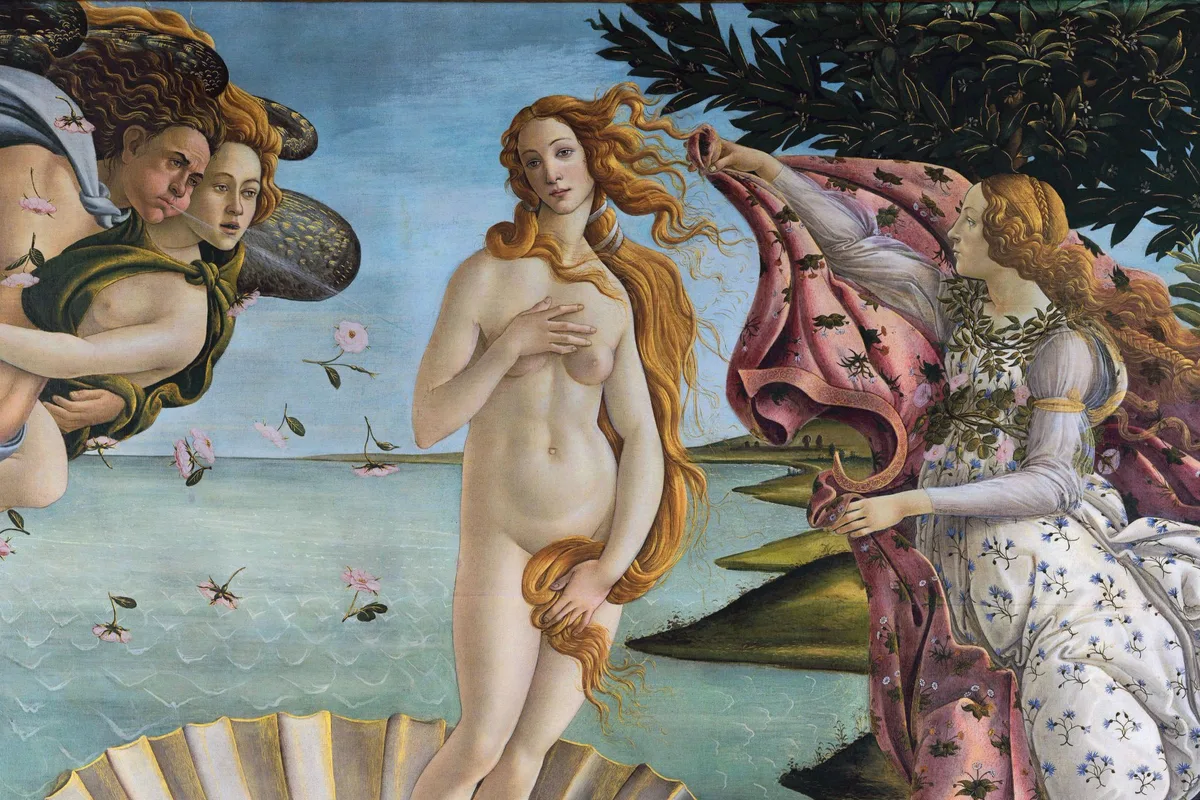 Artikel · 40 Min. LesezeitUffizien: das Museum, das die Medici überlebt hat
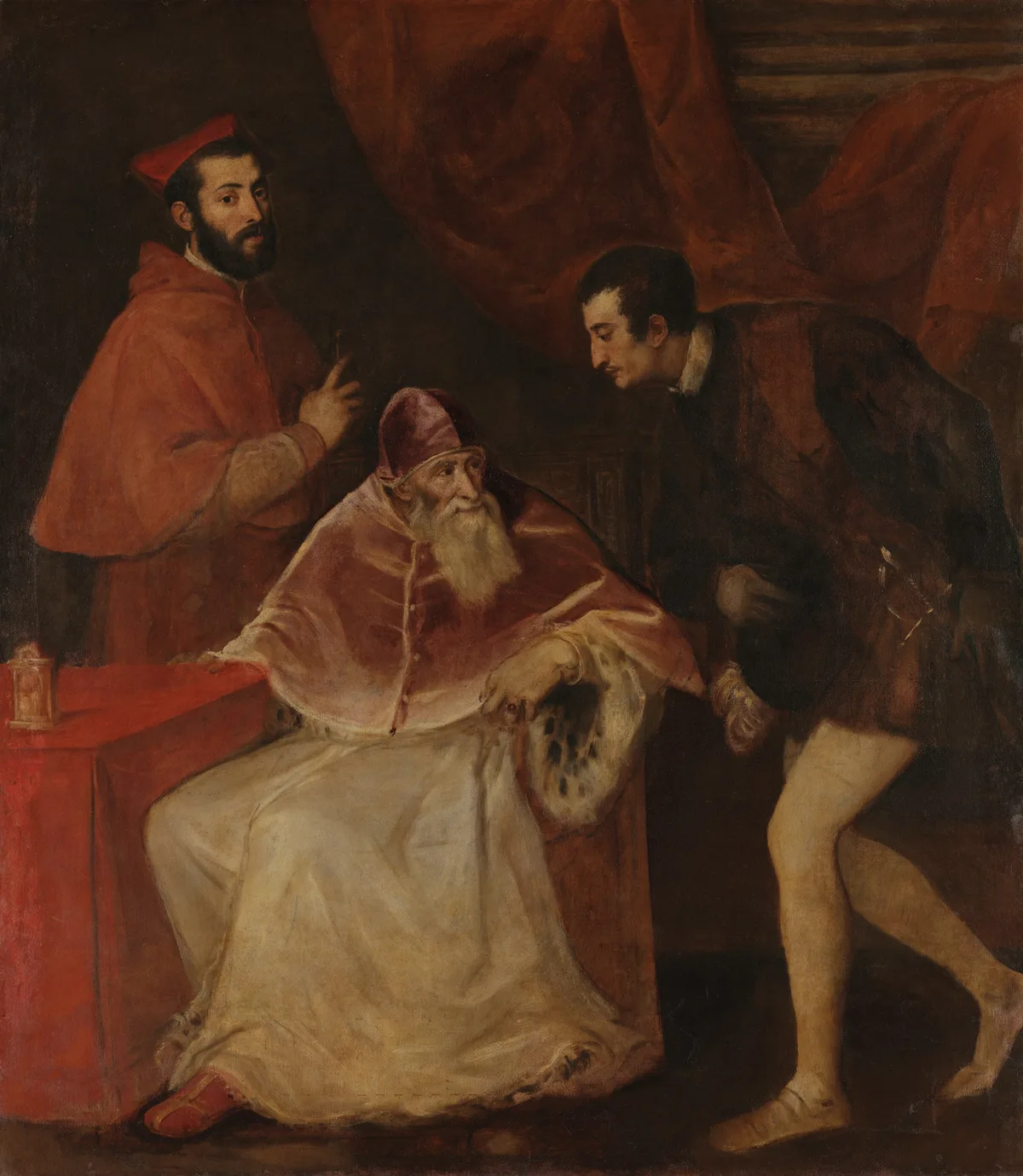 Artikel · 41 Min. LesezeitCapodimonte: Wie zwanzig Werke auf den Hügel über Neapel kamen
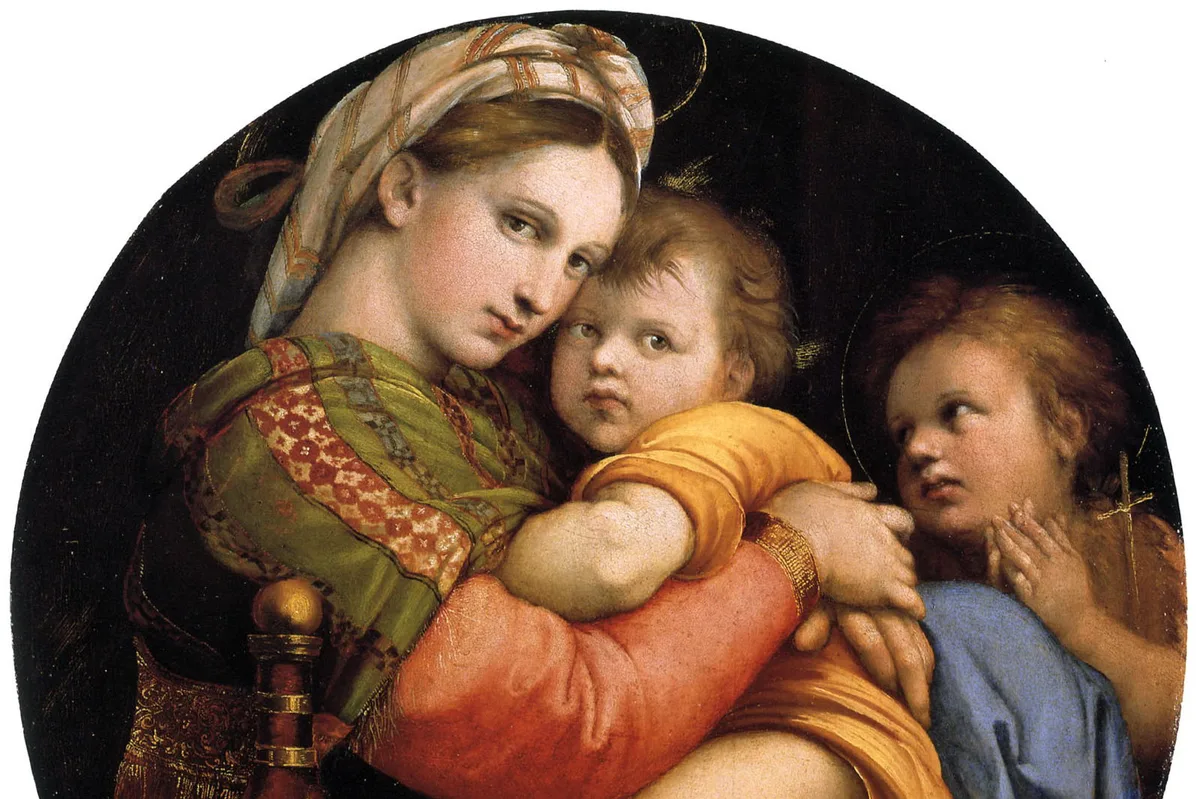 Artikel · 33 Min. LesezeitPalazzo Pitti: vom Geschenk Aretinos bis zum Thronsaal der Savoyer
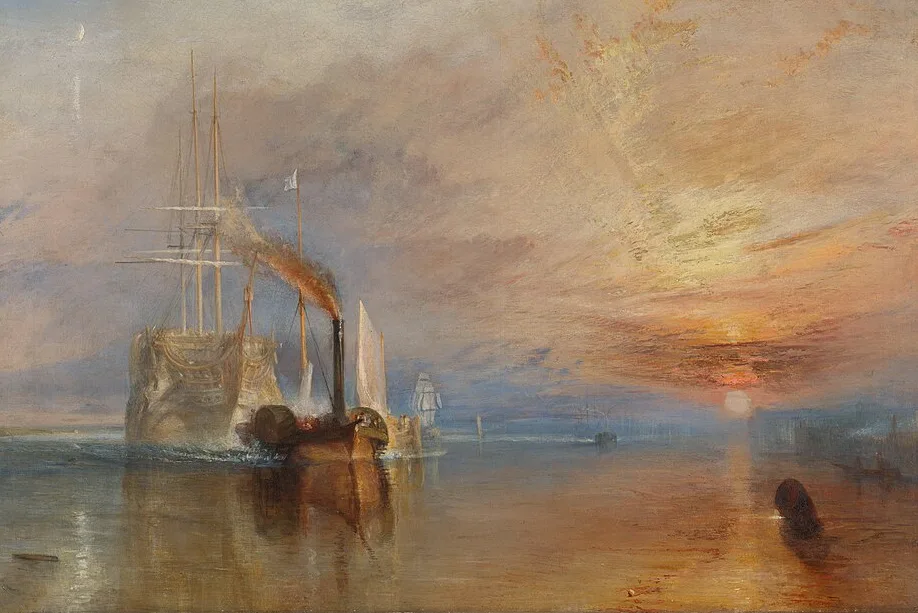 Artikel · 36 Min. LesezeitWie die National Gallery entstand: von Angerstein bis Artemisia
Werke
76 Werke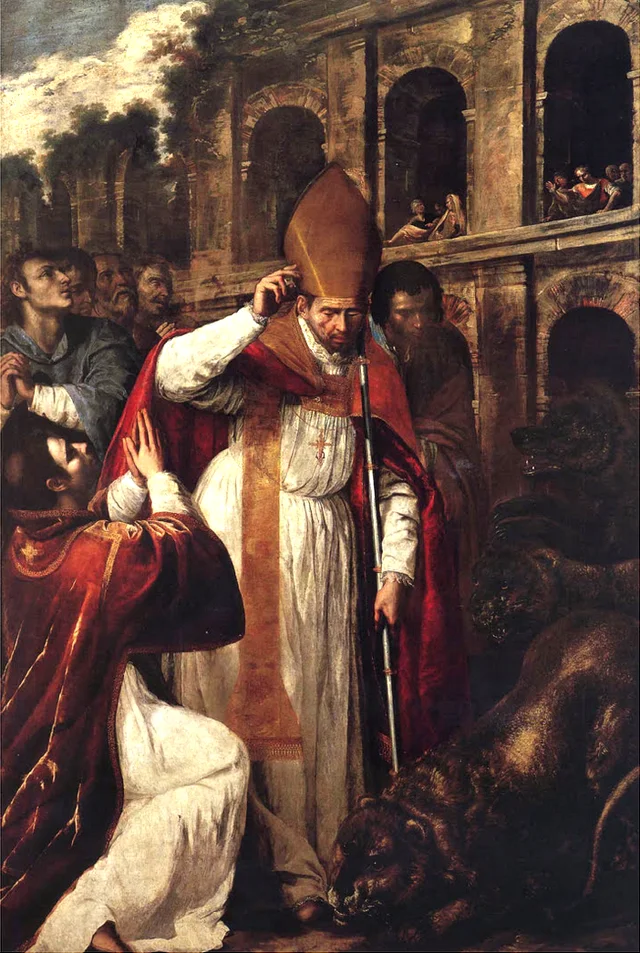 Das Martyrium des heiligen Januarius im Amphitheater von PozzuoliArtemisia Gentileschi, 1636
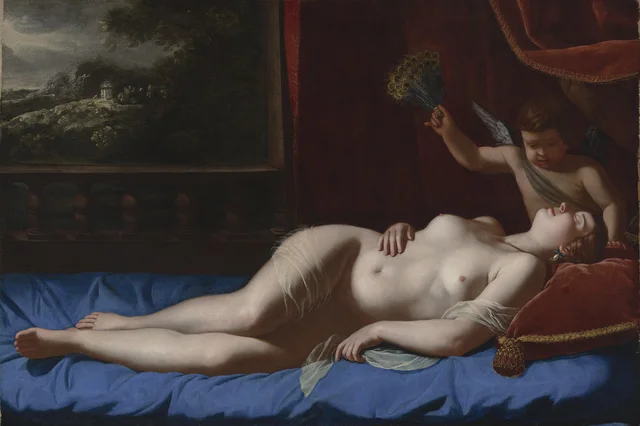 Venus und Amor (Schlafende Venus)Artemisia Gentileschi, 1627
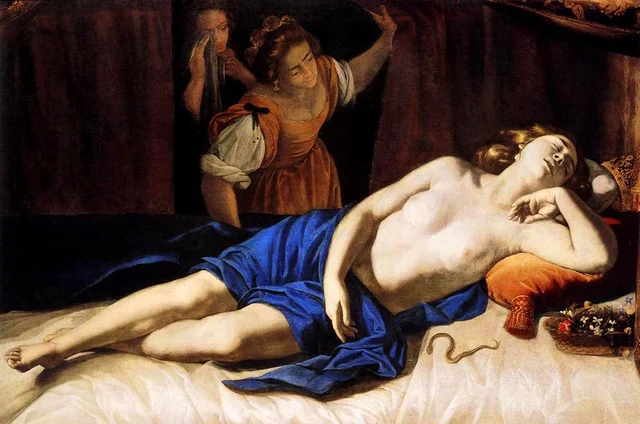 Kleopatra, von ihren Dienerinnen entdecktArtemisia Gentileschi, 1635
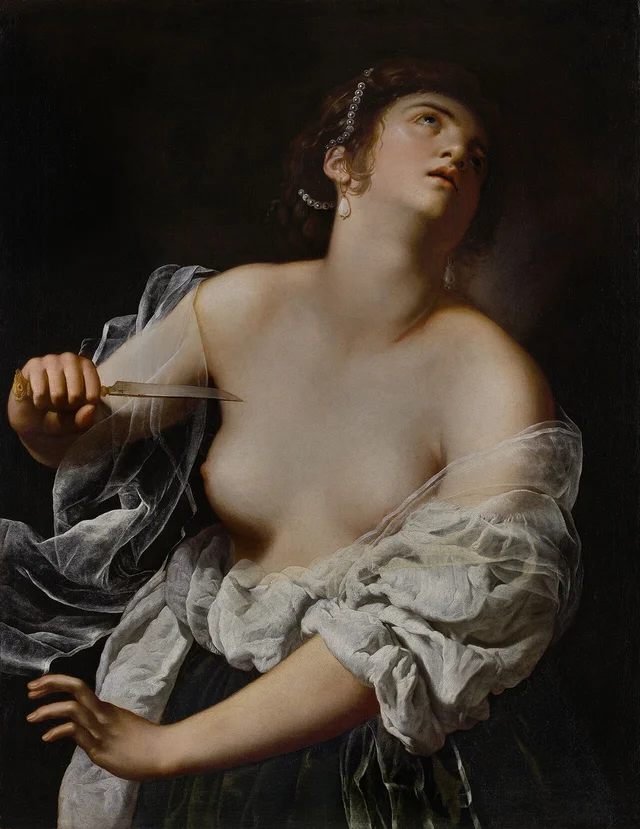 LucretiaArtemisia Gentileschi, 1630
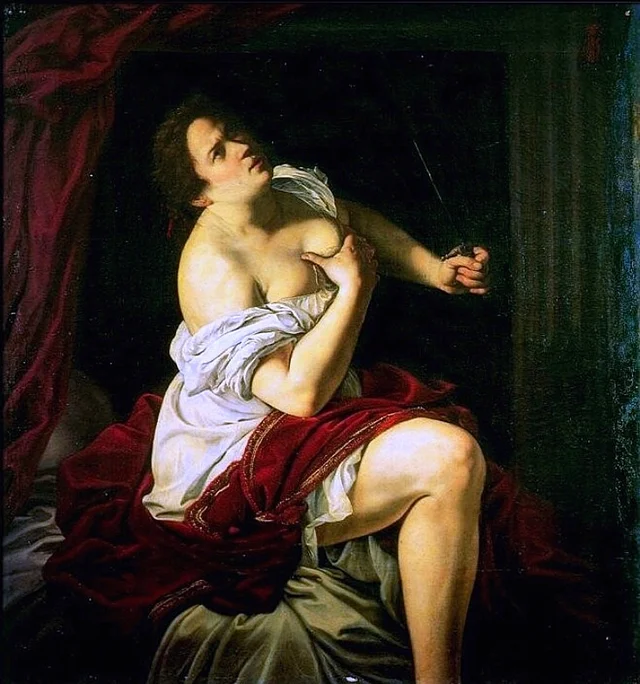 LucretiaArtemisia Gentileschi, 1623
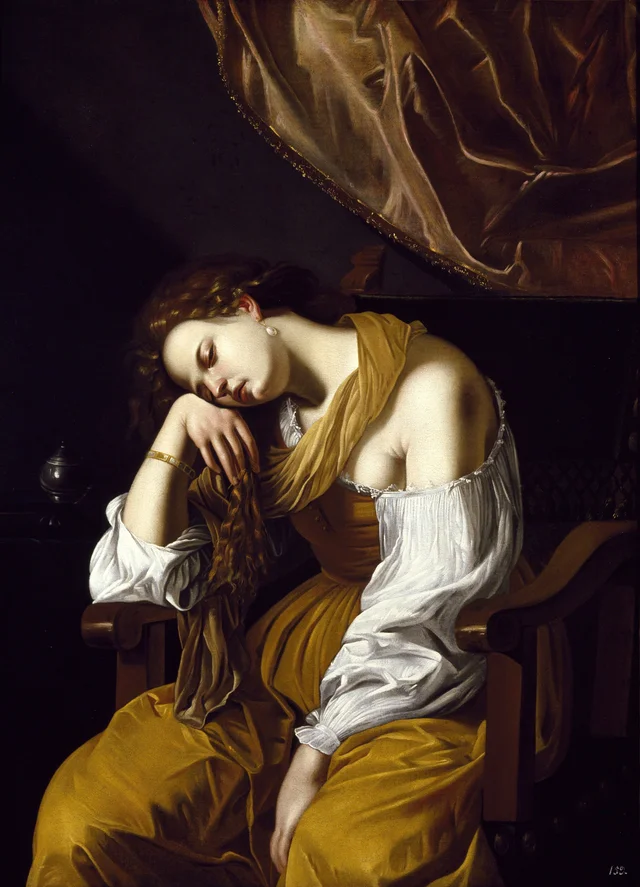 Maria Magdalena als MelancholieArtemisia Gentileschi, 1620
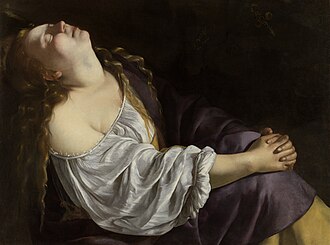 Die büßende Maria Magdalena in EkstaseArtemisia Gentileschi, 1623
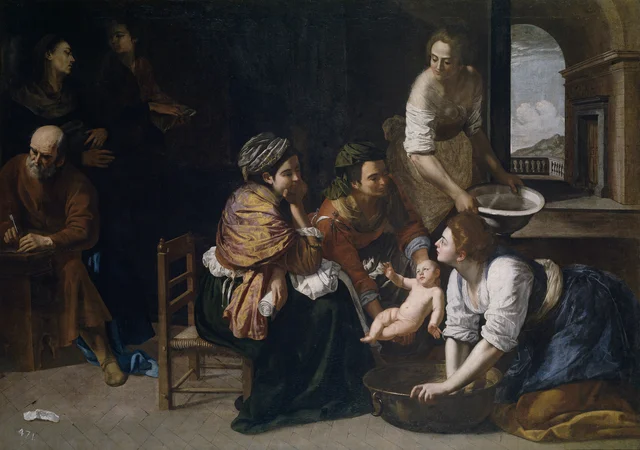 Die Geburt Johannes des TäufersArtemisia Gentileschi, 1635
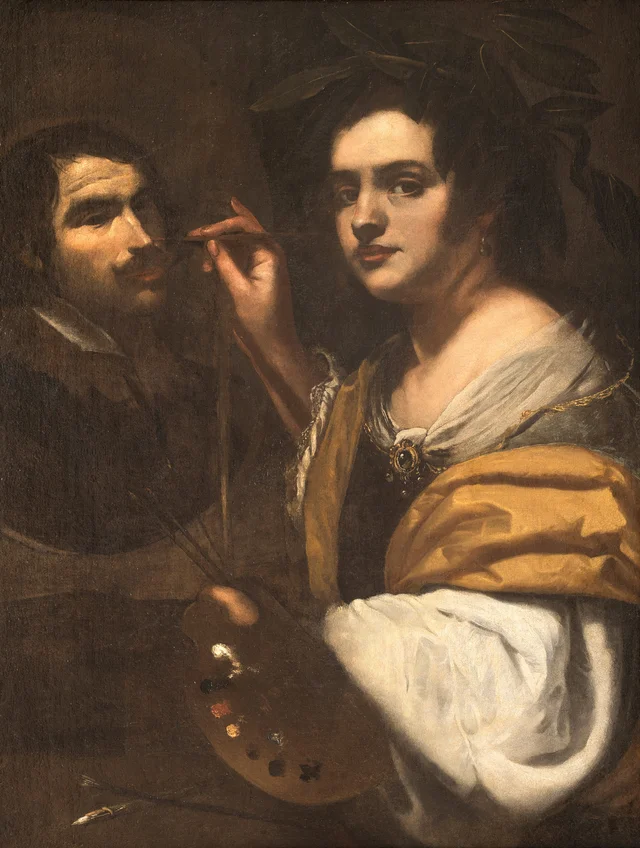 Selbstbildnis als Allegorie der Malerei (La Pittura)Artemisia Gentileschi, 1630
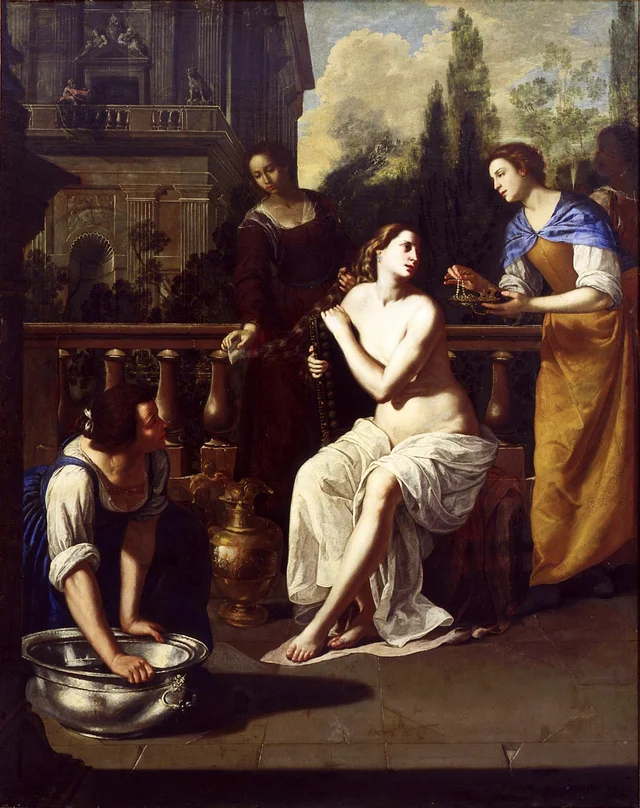 BatsebaArtemisia Gentileschi, 1637
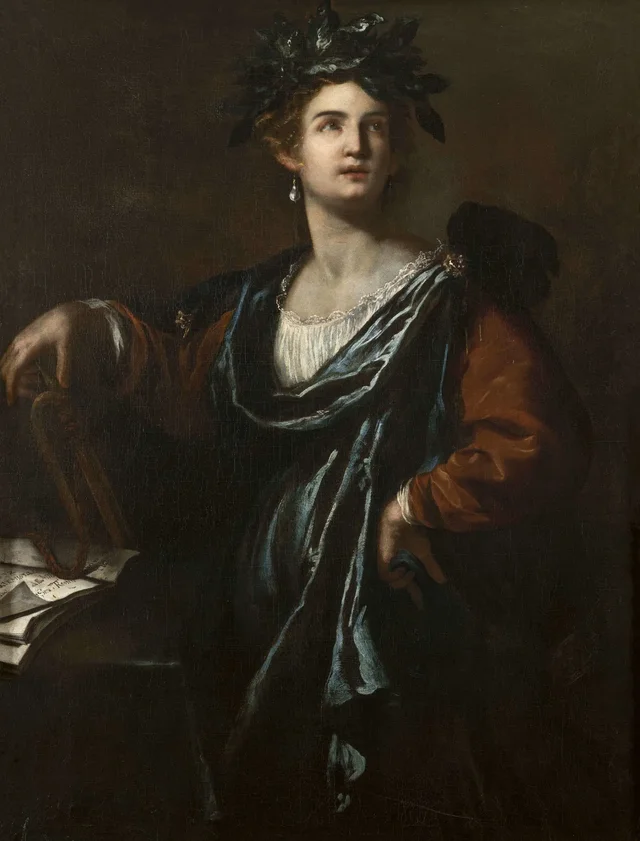 Klio, die Muse der GeschichteArtemisia Gentileschi, 1632
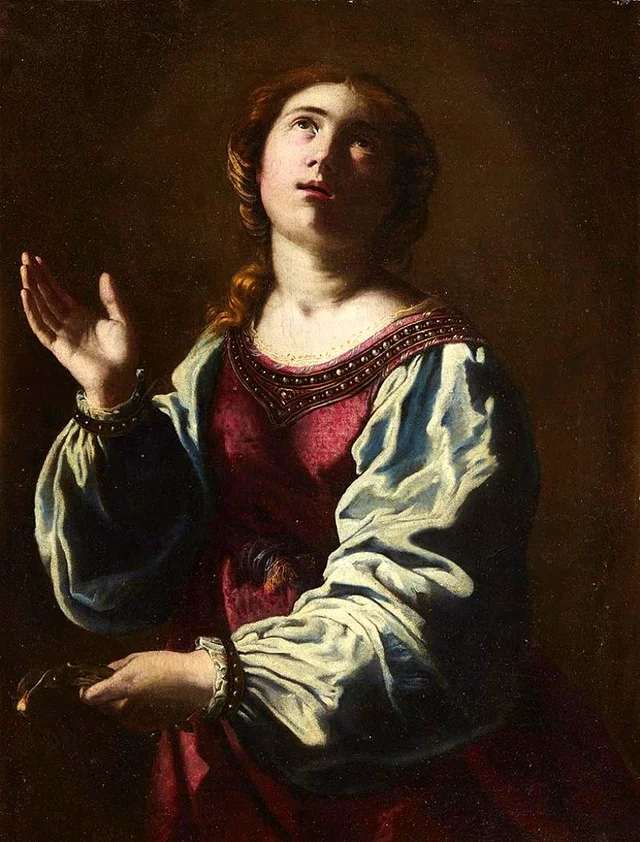 Die heilige ApolloniaArtemisia Gentileschi, 1642
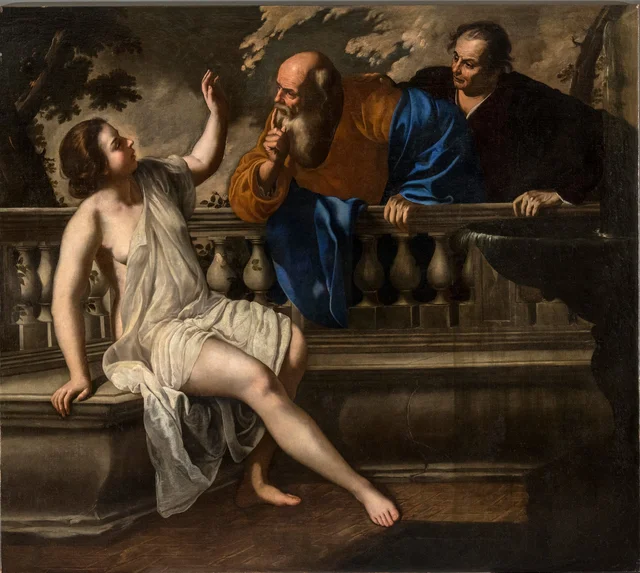 Susanna und die AltenArtemisia Gentileschi, 1652
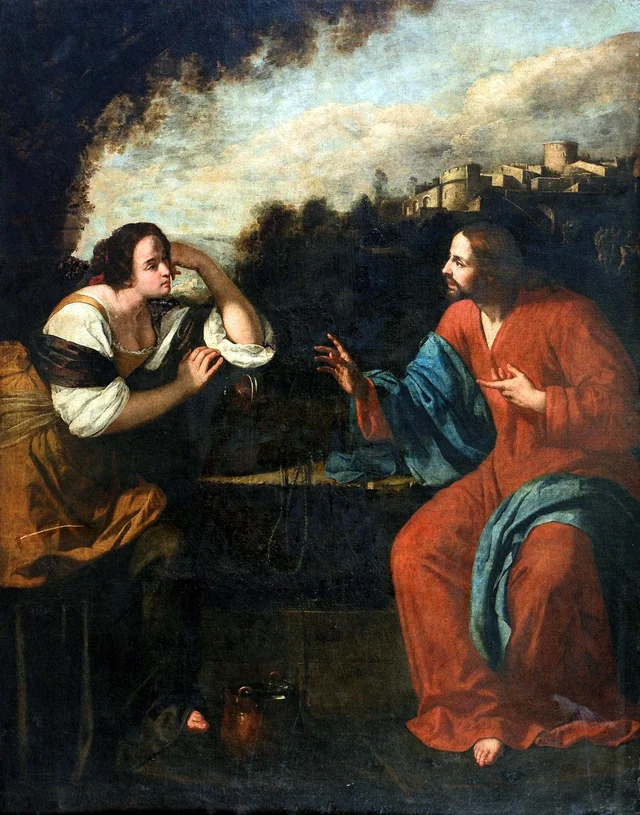 Christus und die SamariterinArtemisia Gentileschi, 1637
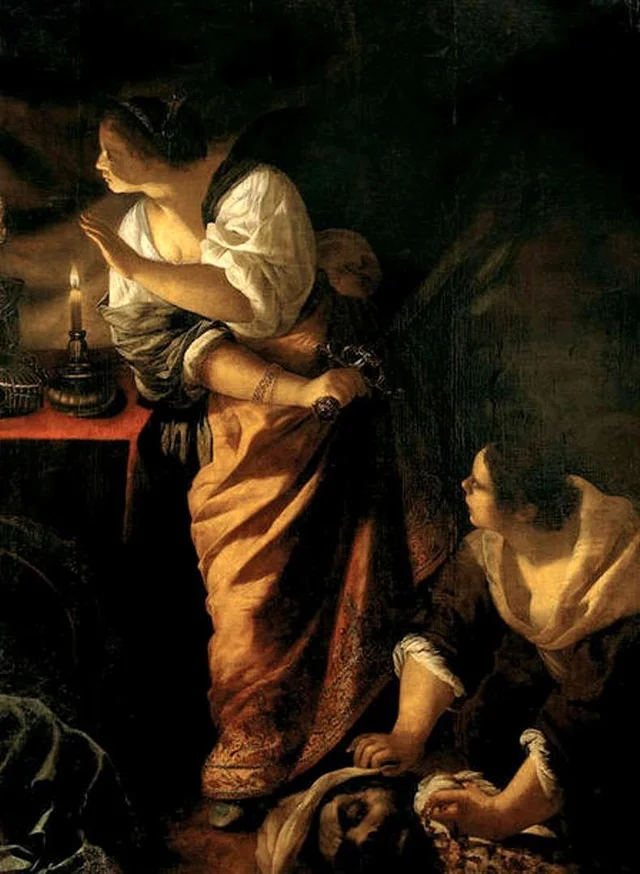 Judith und ihre Magd mit dem Haupt des HolofernesArtemisia Gentileschi, 1645
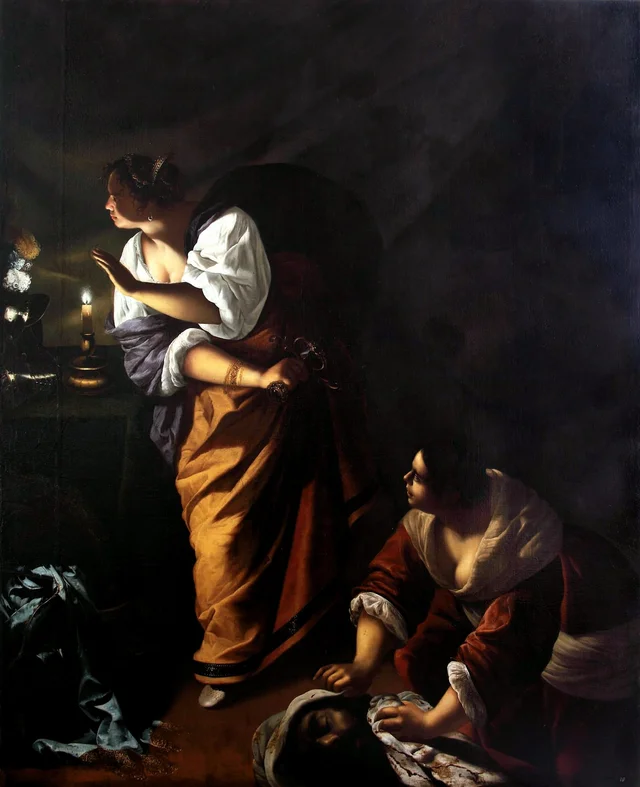 Judith und ihre Magd mit dem Haupt des HolofernesArtemisia Gentileschi, 1645
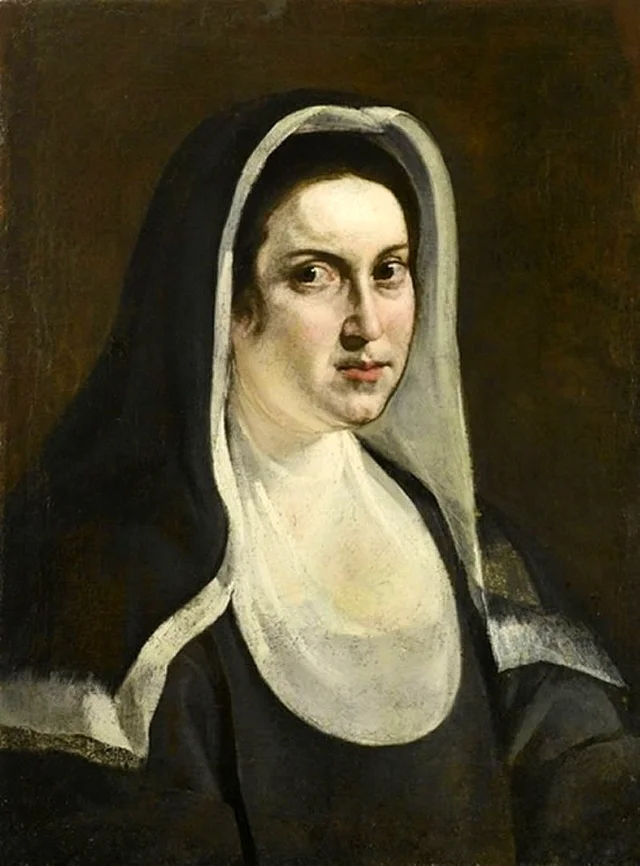 Porträt einer NonneArtemisia Gentileschi, 1618
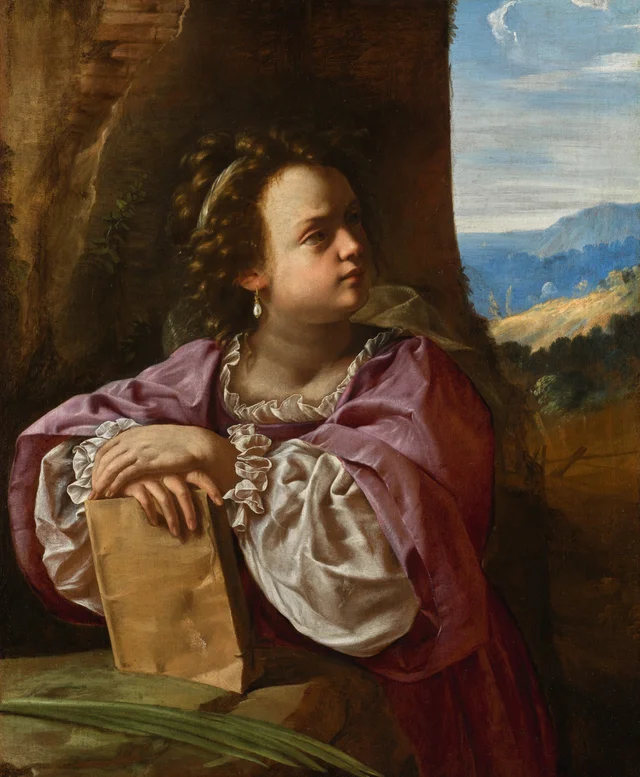 Die heilige Katharina von AlexandrienArtemisia Gentileschi, 1640
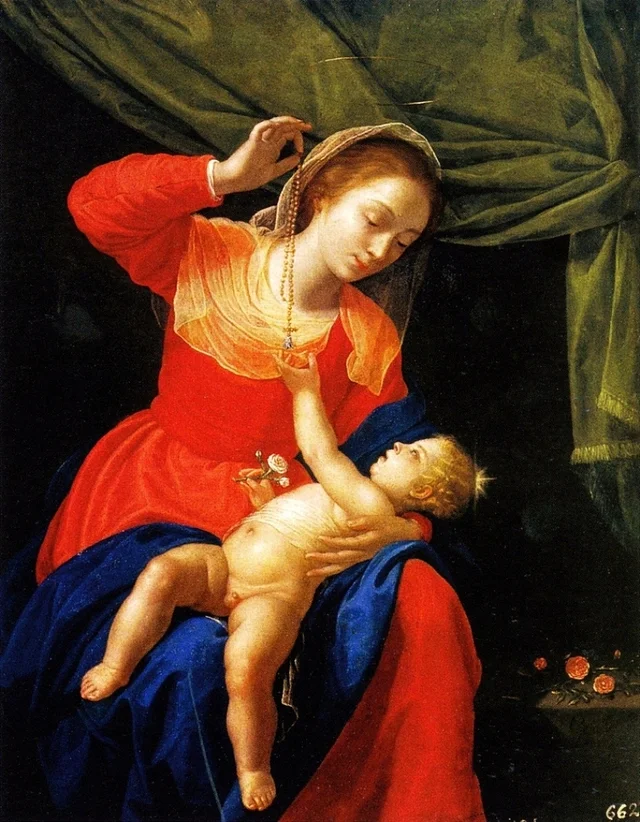 Madonna mit Kind und RosenkranzArtemisia Gentileschi, 1651
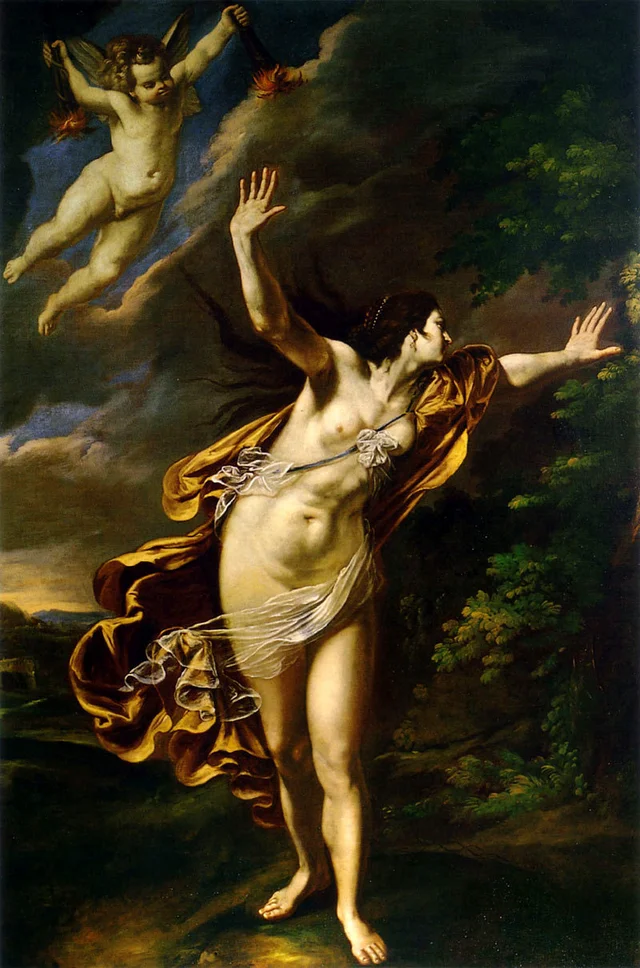 AuroraArtemisia Gentileschi, 1627
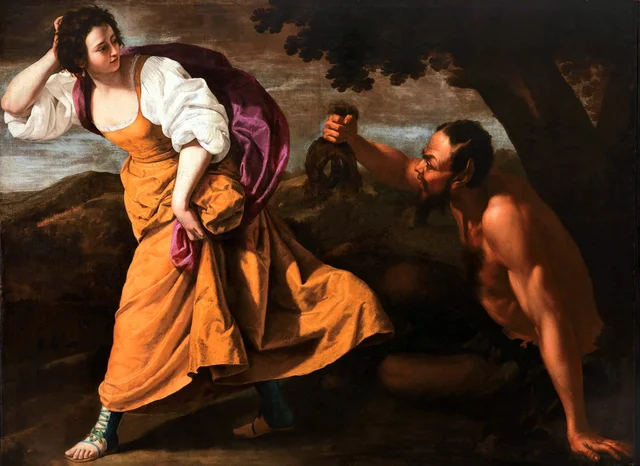 Corisca und der SatyrArtemisia Gentileschi, 1630
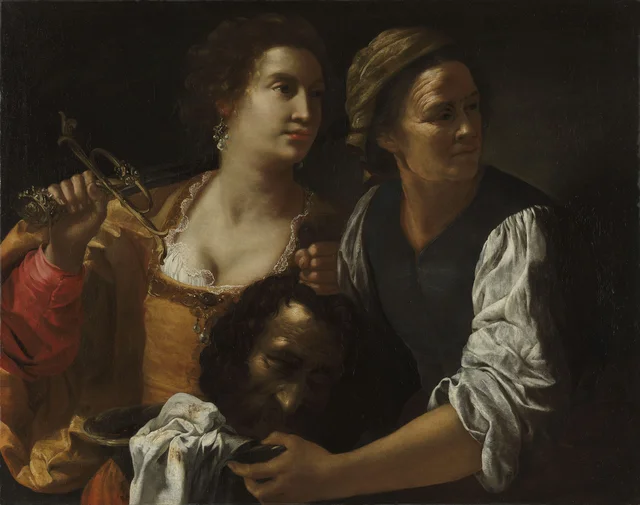 Judith und ihre Magd mit dem Haupt des HolofernesArtemisia Gentileschi, 1639
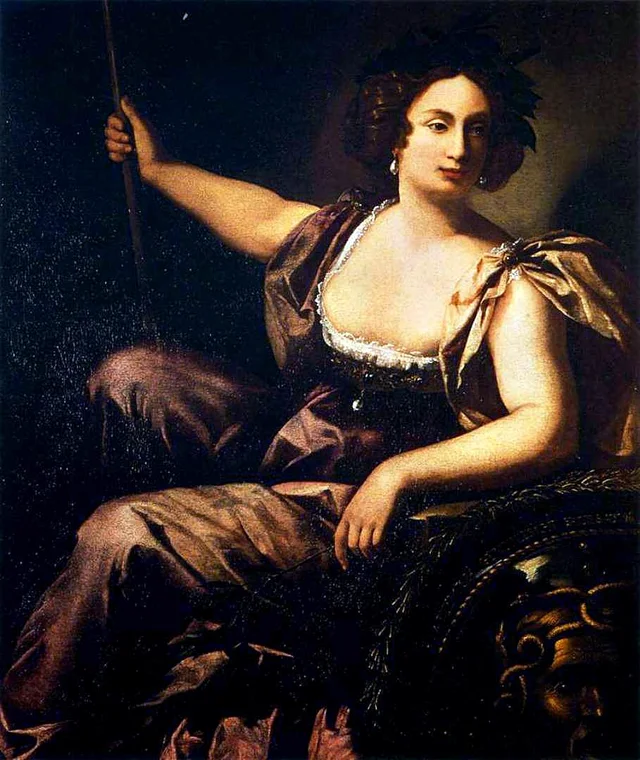 MinervaArtemisia Gentileschi, 1635
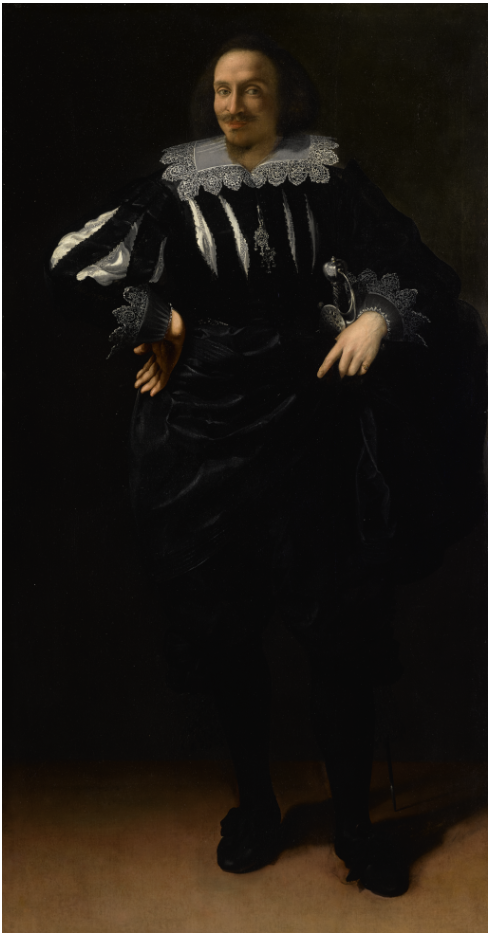 Porträt eines Herrn, vermutlich Antoine de VilleArtemisia Gentileschi, 1626
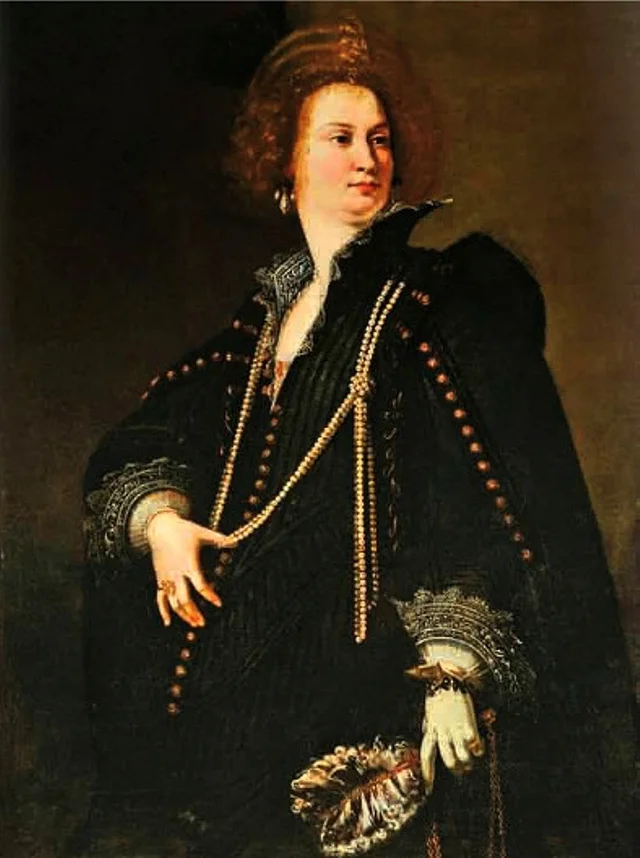 Porträt einer Dame mit FächerArtemisia Gentileschi, 1620