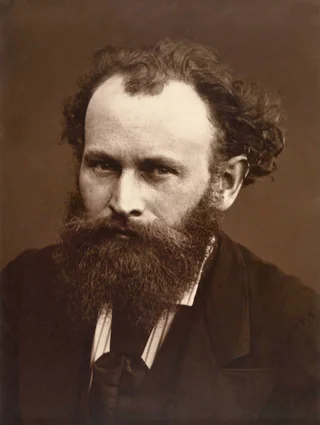
Édouard Manet
1832–1883 · Frankreich · Impressionismus, Realismus
Die Geschichte
Im Mai 1865 hängte der Pariser Salon, die offizielle Ausstellung, die über die Karriere eines französischen Malers entscheiden konnte, ein Bild namens "Olympia" auf, und die Menge stand kurz davor, davor zu randalieren. Édouard Manet hatte eine nackte Frau gemalt, die auf einem Bett liegt und dem Betrachter mit vollkommener Gelassenheit direkt in die Augen blickt, während eine Dienerin hinter ihr Blumen eines Verehrers hält. Jeder im Saal wusste, wen er da vor sich hatte: eine Pariser Kurtisane, in Lebensgröße gemalt, zu einer Zeit, in der die Stadt von einer Syphilis-Epidemie erfasst war, die fast jede Familie betraf. Manets eigener Vater war drei Jahre zuvor an dieser Krankheit gestorben.
Besucher stachen mit Regenschirmen nach der Leinwand, und die Aufseher hängten sie hoch außer Reichweite. Was sie empörte, war zum Teil die flache, unverblümte Malweise, ganz ohne den weichen mythologischen Schleier, der einen Akt sonst entschuldigte. Manet hatte zwei Jahre zuvor etwas Ähnliches getan mit "Déjeuner sur l'herbe", einem Picknick bekleideter Männer und einer nackten Frau, das 1863 im Salon des Refusés einen Skandal auslöste.
Er wurde 1832 in eine wohlhabende Pariser Familie hineingeboren, die ihn für die Juristerei bestimmt hatte, und verbrachte sein Leben halb innerhalb jenes Establishments, das er ständig aufwühlte, jagte offiziellen Medaillen nach, während jüngere Maler ihn als Vater einer neuen Sichtweise behandelten. Diese Jüngeren wurden die Impressionisten. Manet stellte im Geiste mit ihnen aus, bestand aber auf dem Salon. Seine eigene Syphilis holte ihn langsam ein. 1883 wurde ihm nach einer Wundbrandinfektion das linke Bein amputiert, und er starb elf Tage später in Paris im Alter von 51 Jahren.
Weitere Artikel
 Artikel · 35 Min. LesezeitNational Gallery of Art in Washington: Zwanzig Bilder aus privater Hand
 Artikel · 29 Min. LesezeitWas man im Met gesehen haben sollte: 15 Werke
 Artikel · 45 Min. LesezeitMusée d’Orsay: vom Kauf des Cabanel durch Napoleon III. bis zum Caillebotte für 43 Millionen
 Artikel · 36 Min. LesezeitWie die National Gallery entstand: von Angerstein bis Artemisia
Werke
164 Werke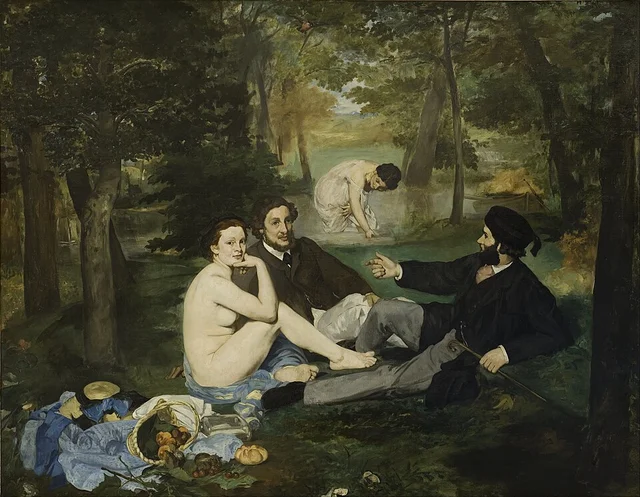 Das Frühstück im GrünenÉdouard Manet, 1863
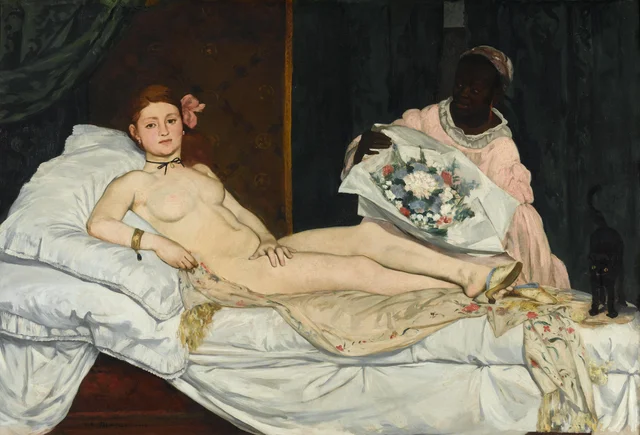 OlympiaÉdouard Manet, 1863
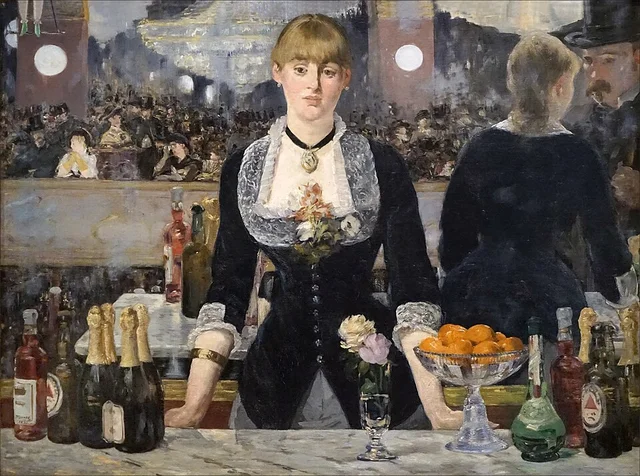 Die Bar in den Folies-BergèreÉdouard Manet, 1882
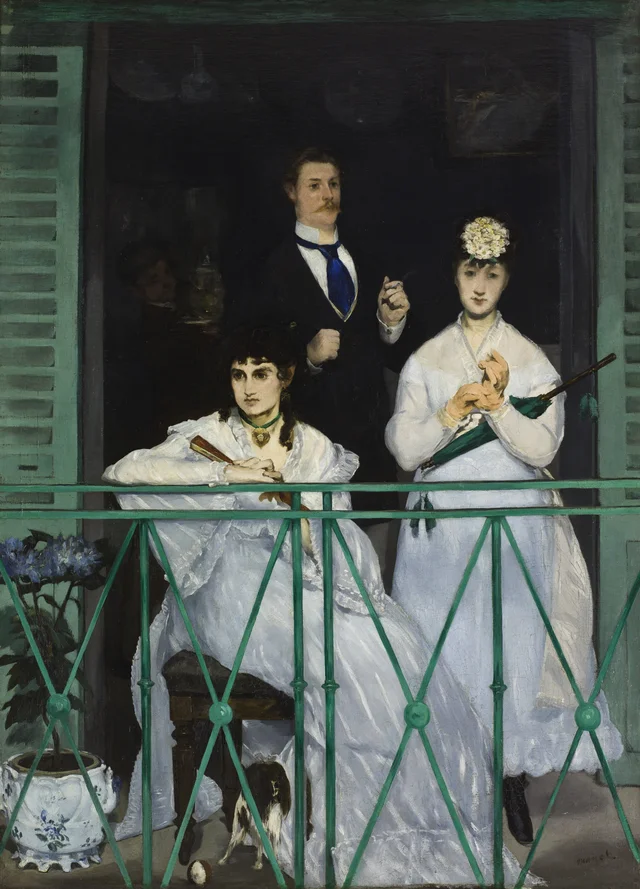 Der BalkonÉdouard Manet, 1868
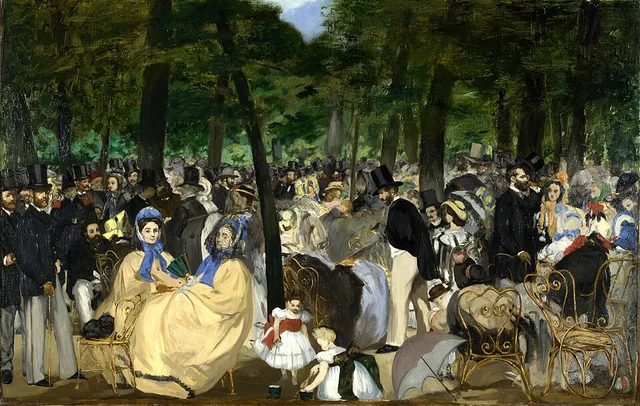 Musik in den TuilerienÉdouard Manet, 1862
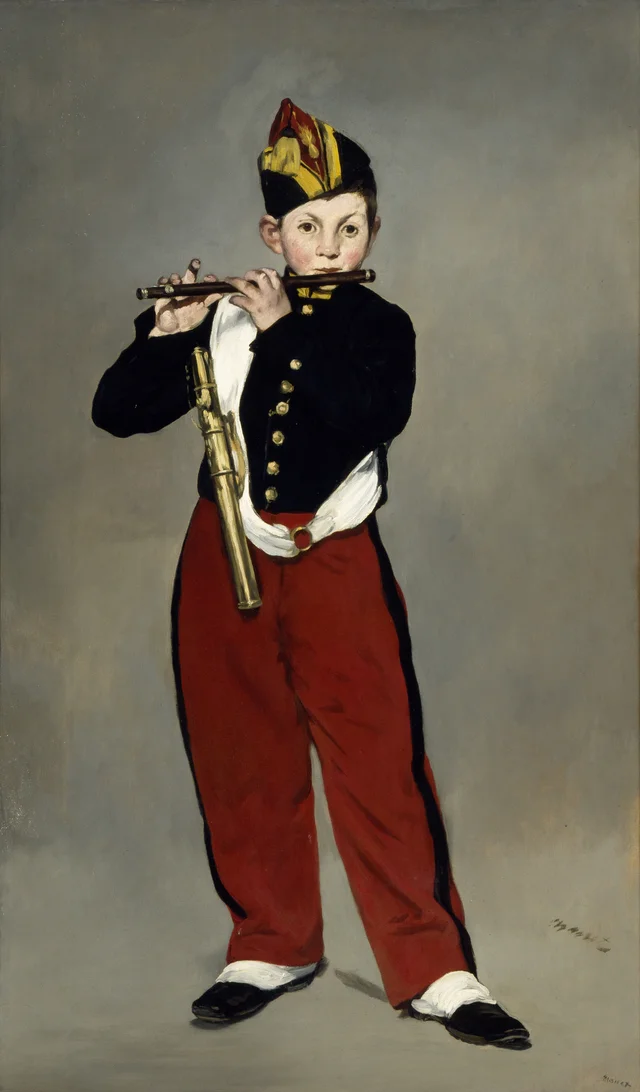 Der PfeiferÉdouard Manet, 1866
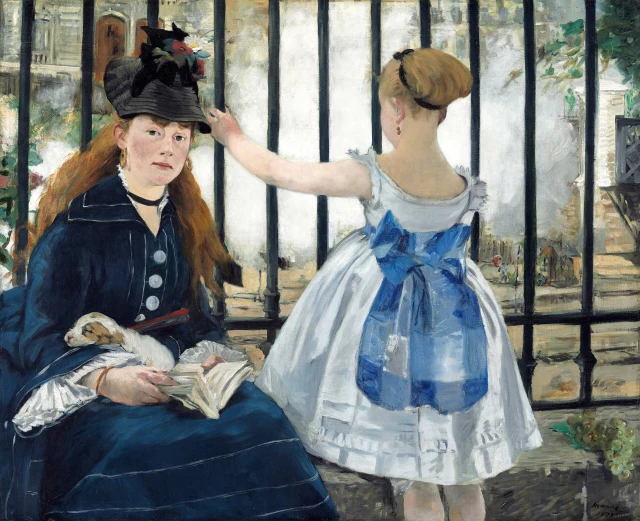 Die EisenbahnÉdouard Manet, 1873
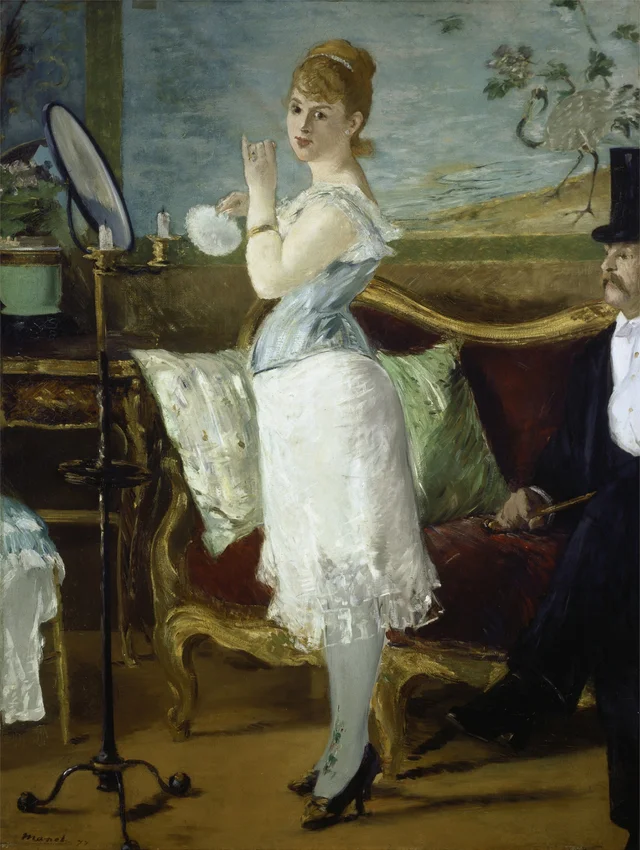 NanaÉdouard Manet, 1877
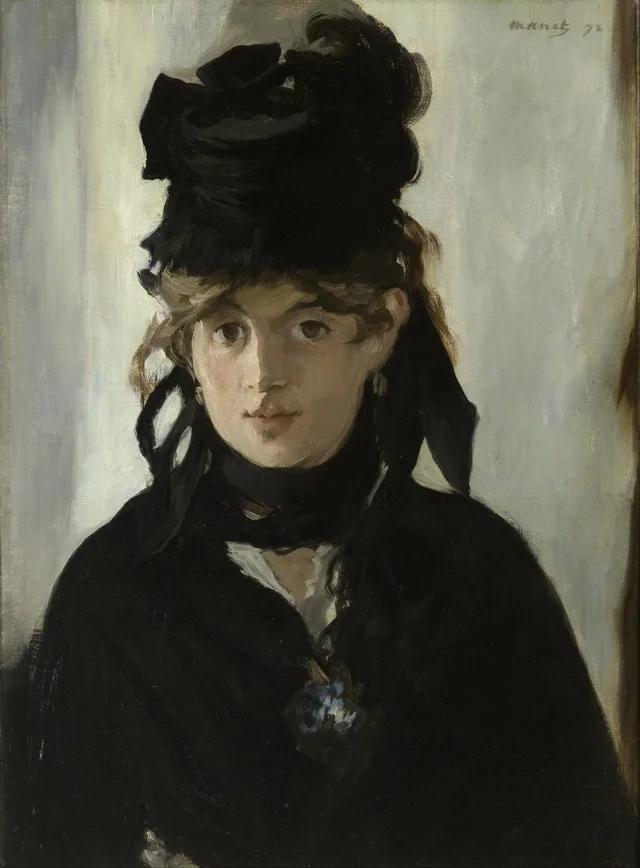 Berthe Morisot mit einem VeilchenstraußÉdouard Manet, 1872
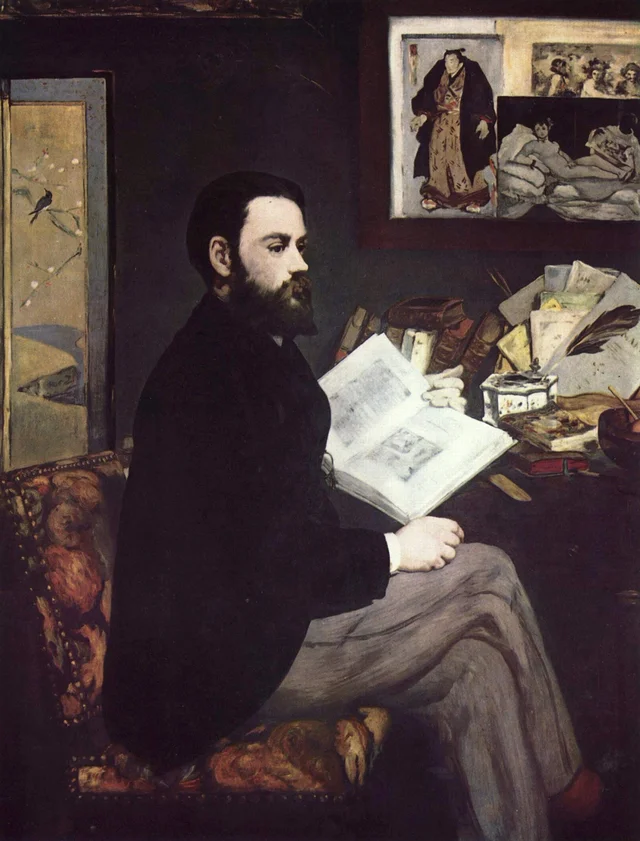 Porträt von Émile ZolaÉdouard Manet, 1868
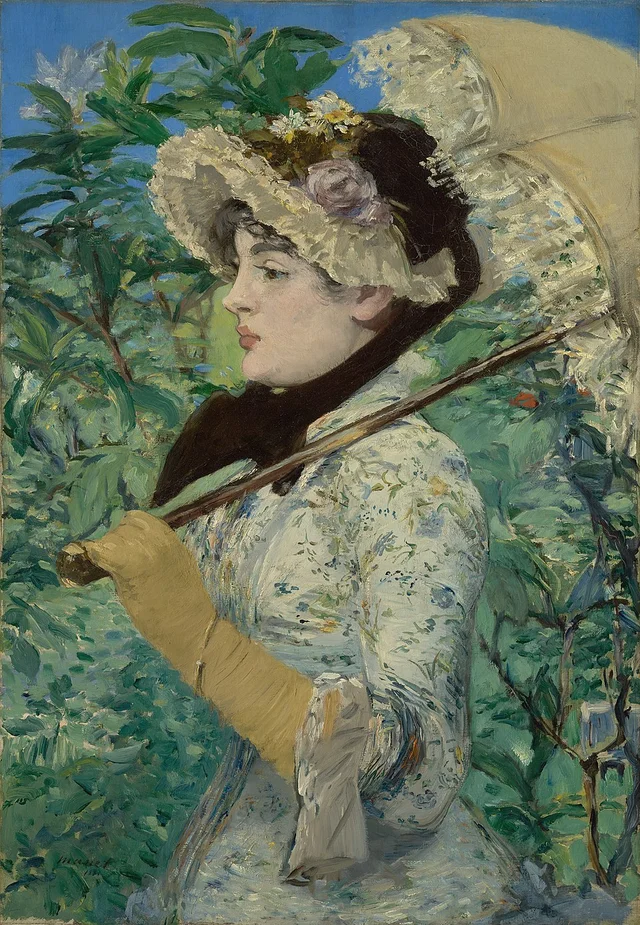 FrühlingÉdouard Manet, 1881
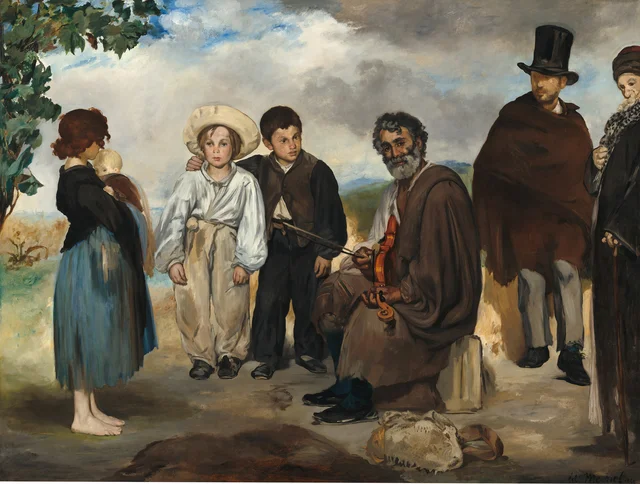 Der alte MusikerÉdouard Manet, 1862
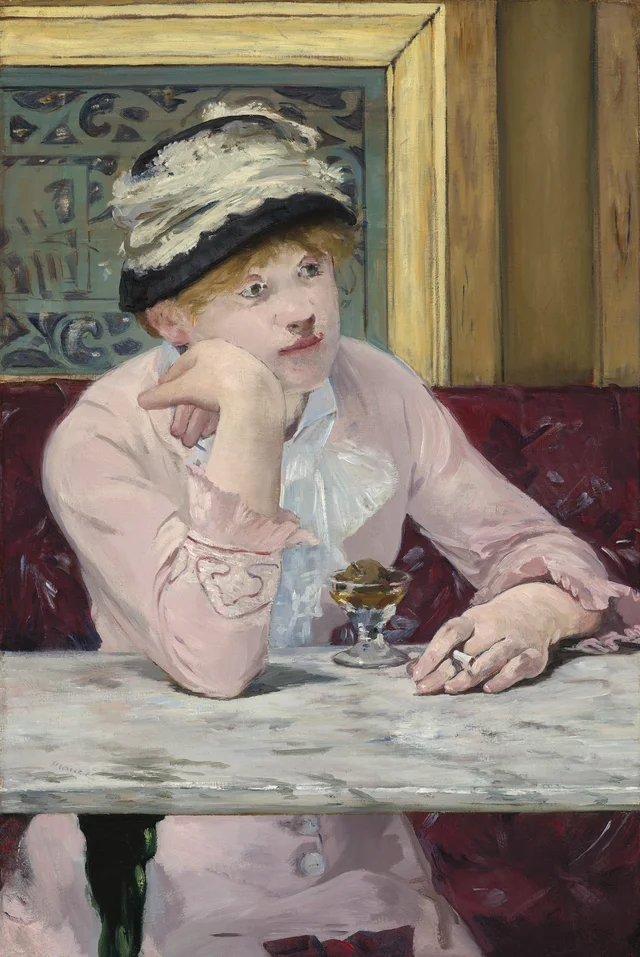 Die PflaumeÉdouard Manet, 1878
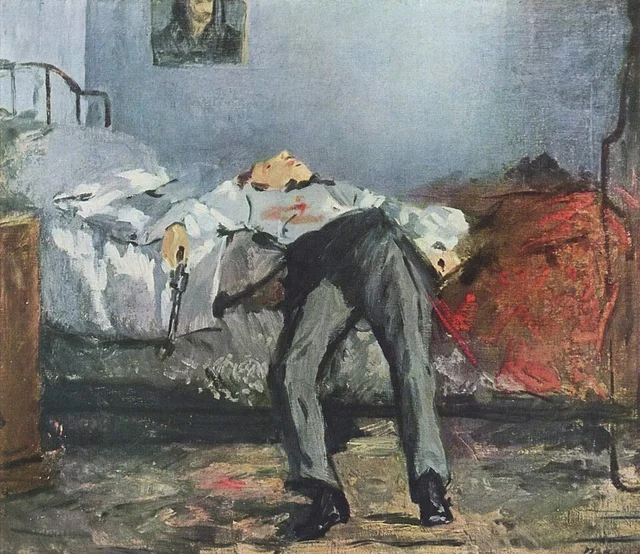 Der SelbstmörderÉdouard Manet, 1879
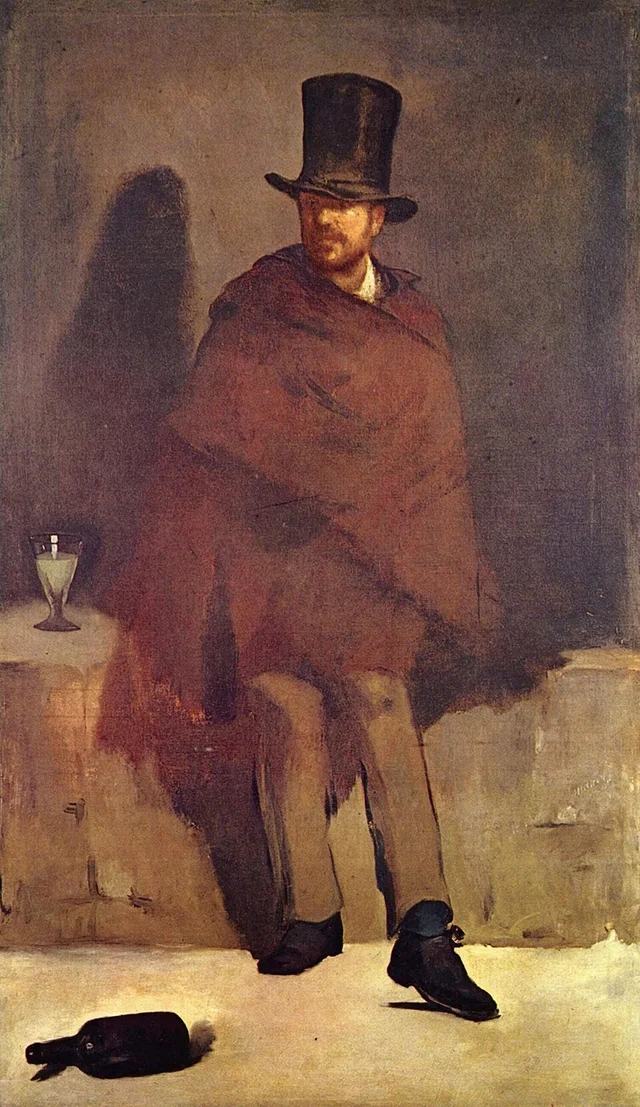 Der AbsinthtrinkerÉdouard Manet, 1859
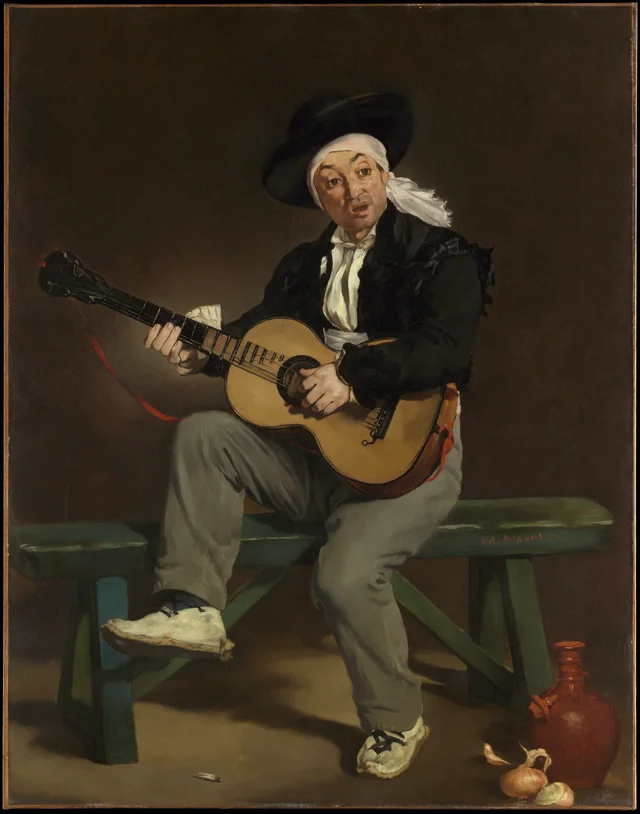 Der spanische SängerÉdouard Manet, 1860
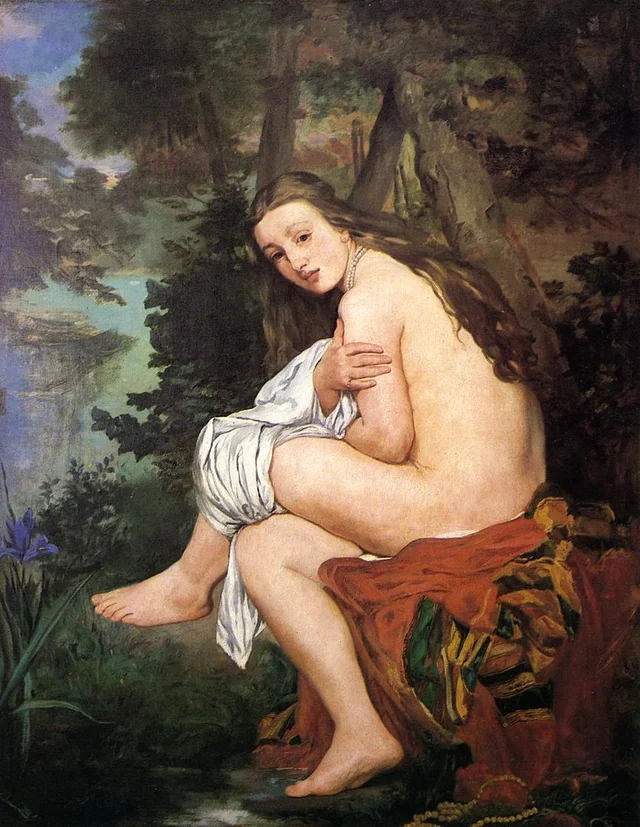 Die überraschte NympheÉdouard Manet, 1860
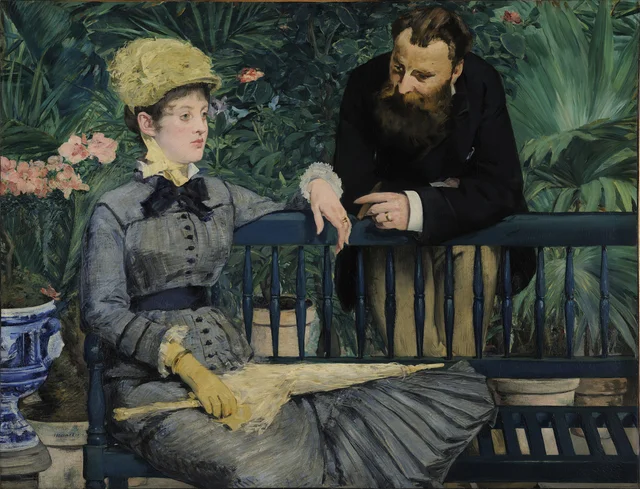 Im WintergartenÉdouard Manet, 1879
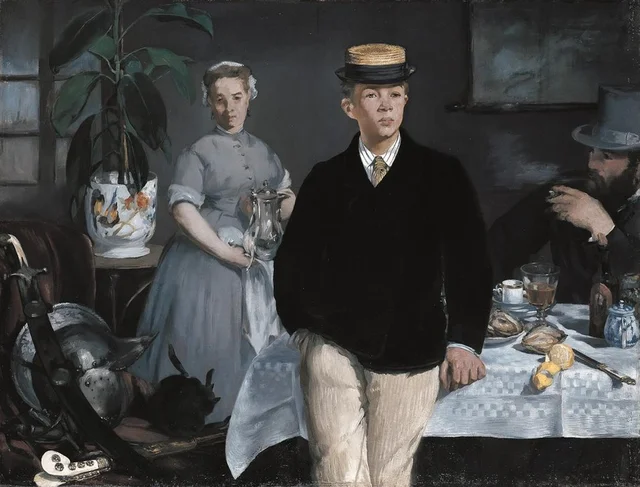 Das Frühstück im AtelierÉdouard Manet, 1868
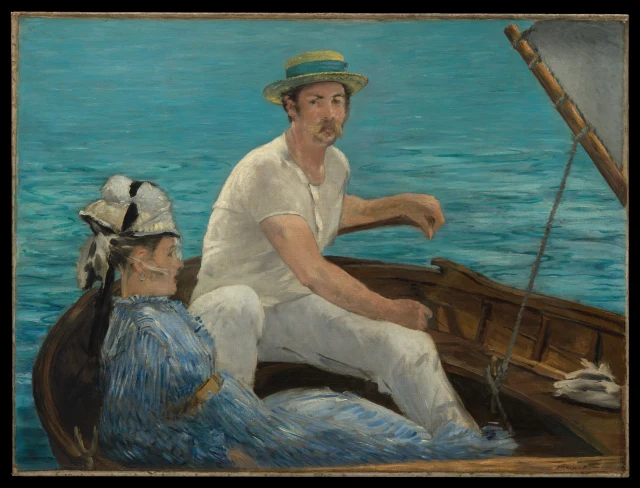 Im BootÉdouard Manet, 1874
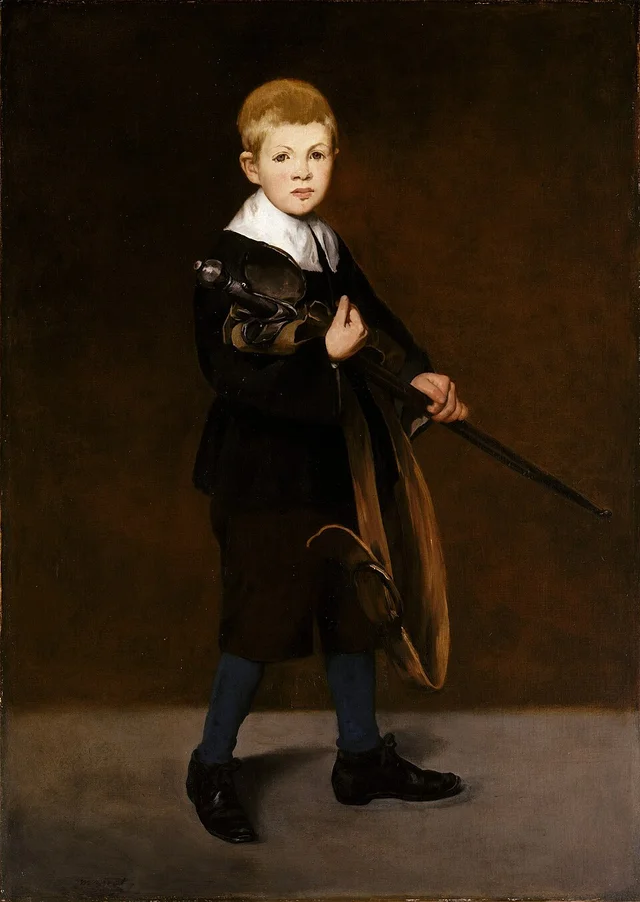 Knabe mit DegenÉdouard Manet, 1861
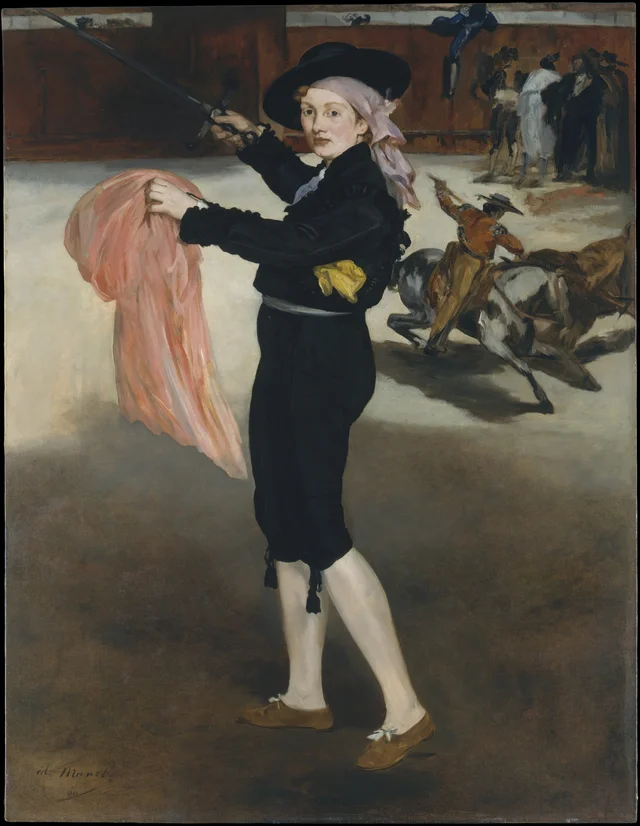 Mademoiselle V... im Kostüm eines EspadaÉdouard Manet, 1862
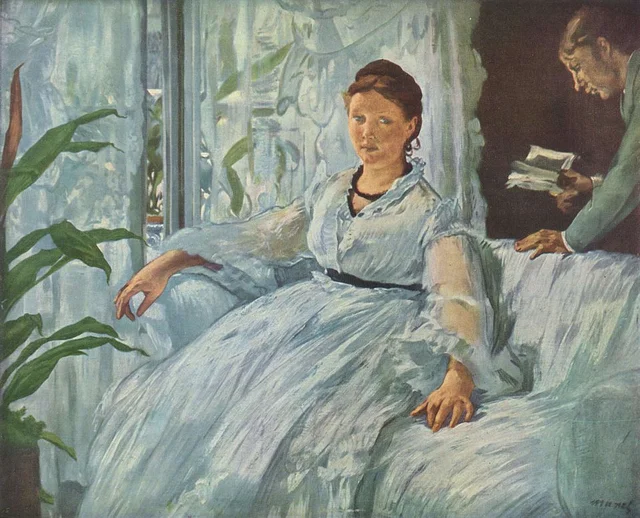 Die LektüreÉdouard Manet, 1865
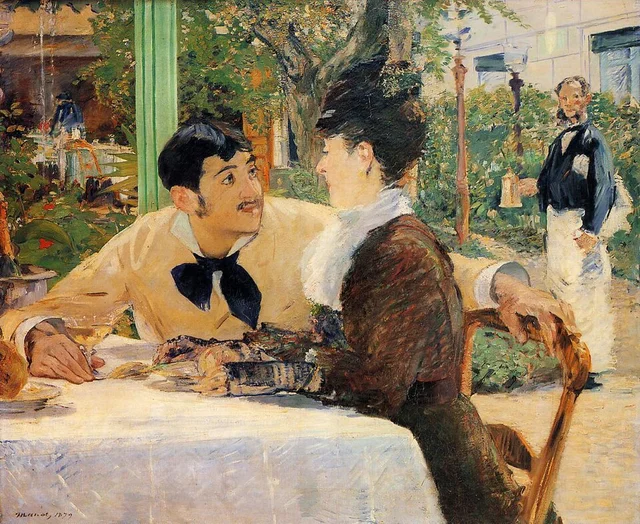 Bei Vater LathuilleÉdouard Manet, 1879
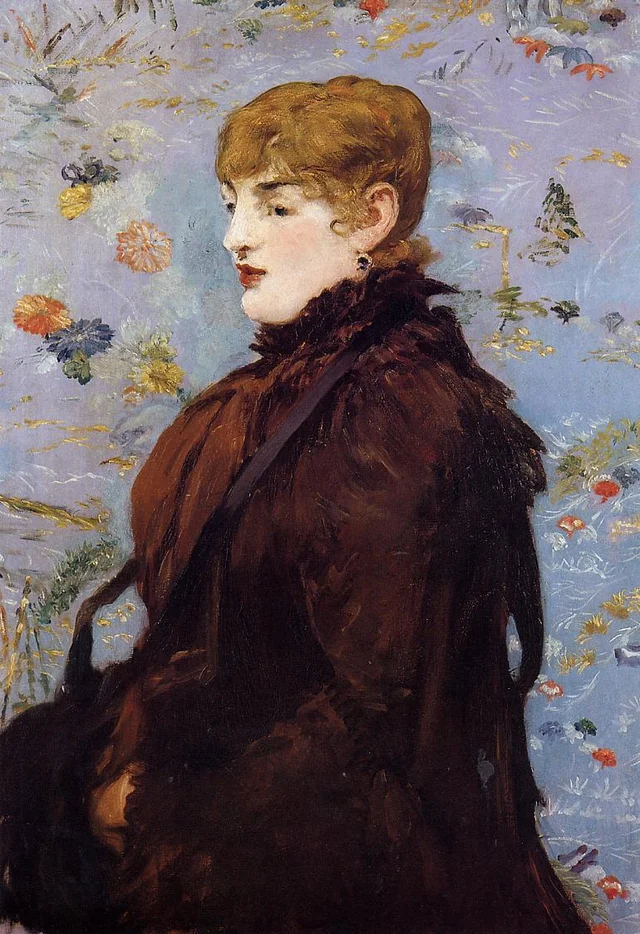 Der HerbstÉdouard Manet, 1882