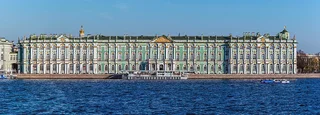
Die Geschichte
Der größte Teil der Eremitage liegt im Winterpalast, der grün-weißen barocken Residenz der russischen Zaren am Ufer der Newa in Sankt Petersburg. Die Sammlung begann dort als privates Vergnügen. 1764 übernahm Kaiserin Katharina die Große 225 niederländische und flämische Gemälde, die ein Berliner Kaufmann, Johann Gotzkowsky, für den König von Preußen zusammengetragen hatte, der nach einem langen Krieg pleite war und sie nie bezahlte. Katharina tat es und hängte sie in Räume, so privat, dass sie diese ihre Eremitage nannte, einen Rückzugsort, zu dem fast niemand Zutritt hatte.
Zweieinhalb Jahrhunderte des Ankaufs später ist sie eine der größten Kunstsammlungen der Welt. Man steigt die Jordantreppe unter Gold und Spiegeln hinauf und arbeitet sich zu den Bildern vor, für die die Menschen kommen: Rembrandts Rückkehr des verlorenen Sohnes, die Hände des alten Vaters auf dem Rücken des zerlumpten Sohnes, und zwei kleine Madonnen von Leonardo da Vinci, die Benois und die Litta, aus seiner Jugend. In einem Raum spreizt eine lebensgroße Pfauenuhr, ein englischer Automat des 18. Jahrhunderts, noch immer ihren vergoldeten Schweif, wenn man sie aufzieht.
Das Gebäude hat viel durchgemacht. Ein Brand verwüstete 1837 den Palast, die Revolution von 1917 fegte den letzten Zaren aus diesen Räumen, und als deutsche Truppen 1941 Leningrad belagerten, verpackte das Personal über eine Million Objekte und verschiffte sie ostwärts zum Ural, wobei die leeren Rahmen an den Wänden hängen blieben. Während der Belagerung führten Fremdenführer die Besucher an diesen kahlen Rahmen entlang. Die Werke kamen nach ihrem Ende zurück, und die Katzen, die in den Kellern gegen Ratten gehalten werden, eine bis in Katharinas Zeit zurückreichende Tradition, stehen noch auf der Gehaltsliste.
Sammlung
248 Werke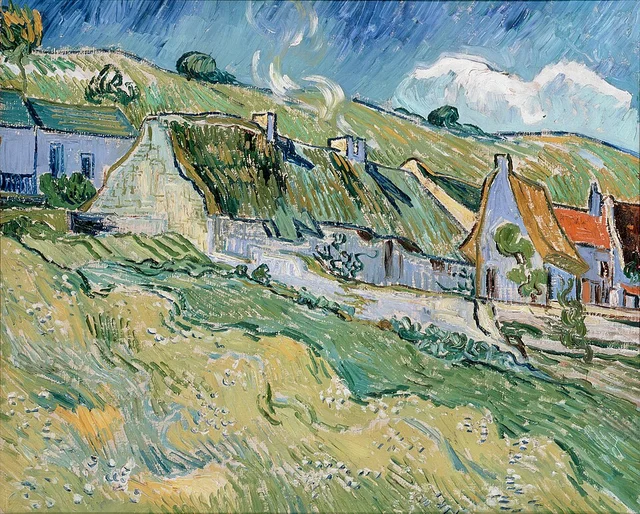 Strohgedeckte Hütten und HäuserVincent van Gogh, 1890
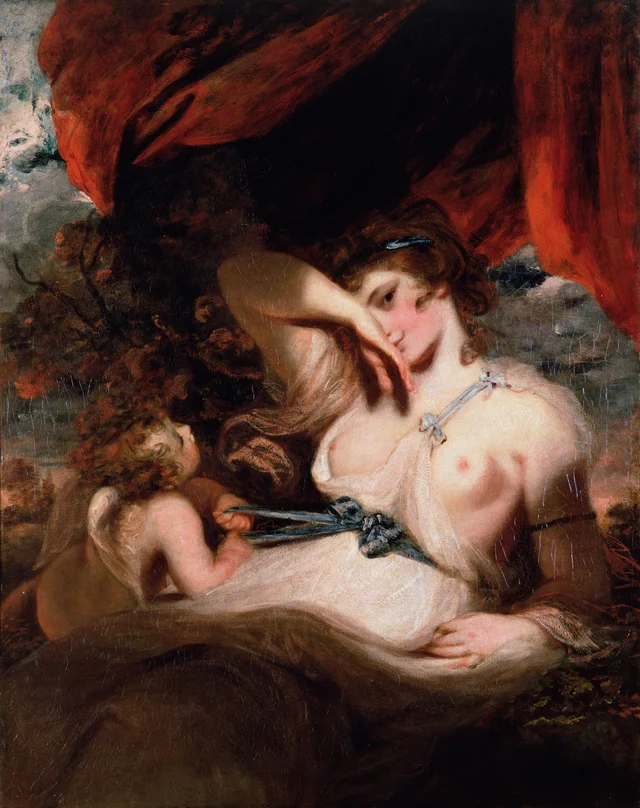 Amor löst den Gürtel der VenusJoshua Reynolds, 1788
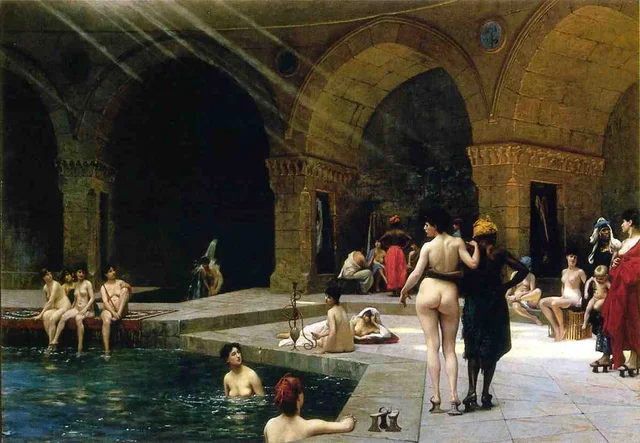 Das große Bad von BursaJean-Léon Gérôme, 1885
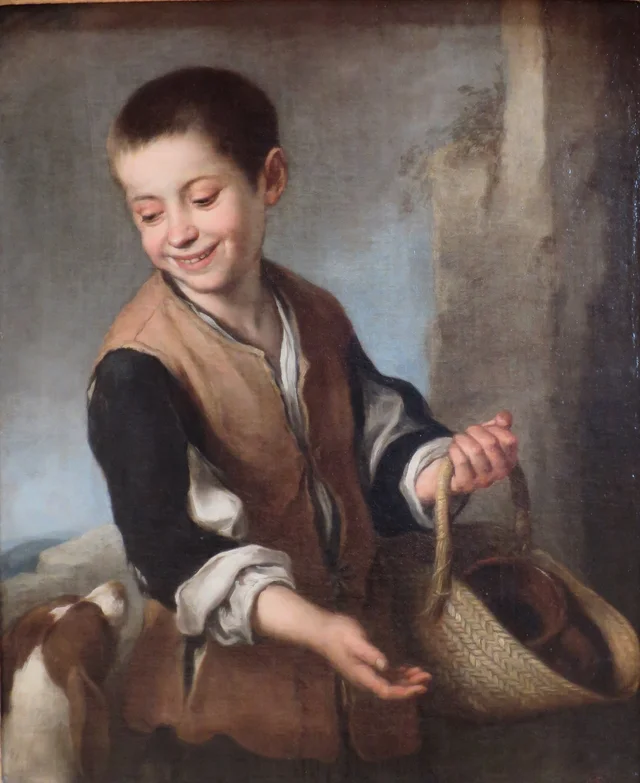 Knabe mit HundBartolomé Esteban Murillo, 1655
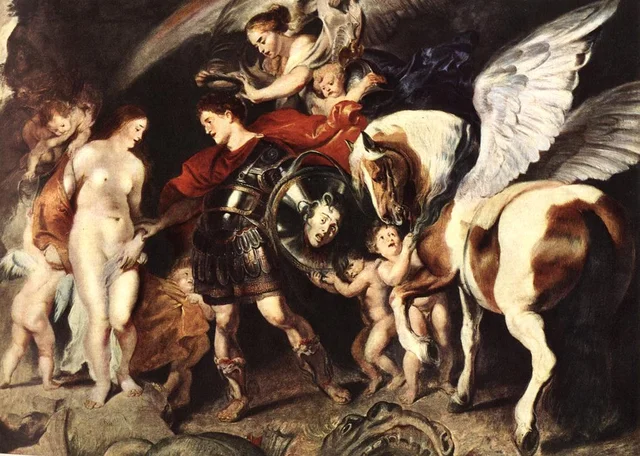 Perseus und AndromedaPeter Paul Rubens, 1622
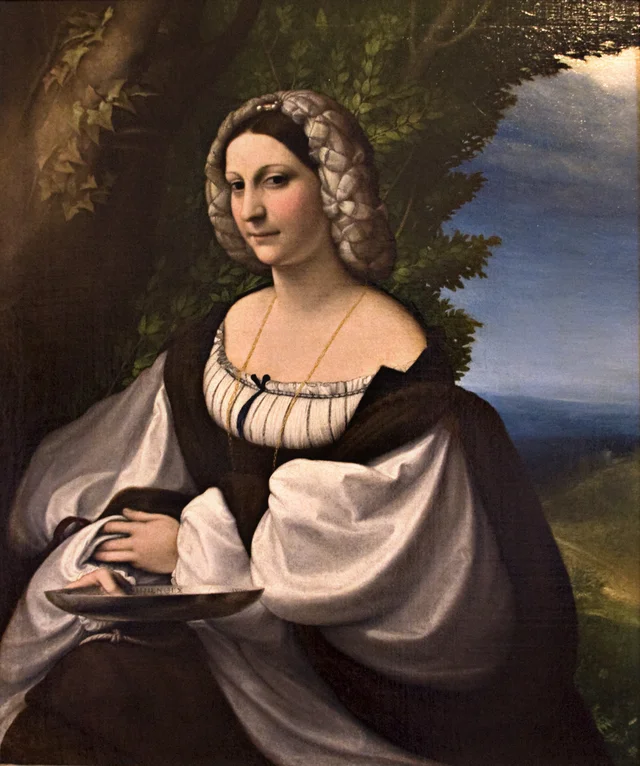 Bildnis einer DameCorreggio, 1520
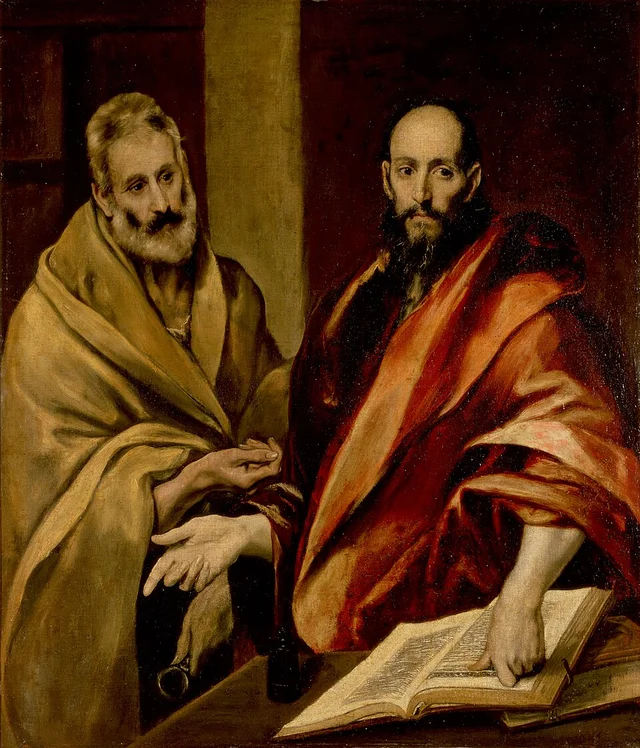 Die Apostel Petrus und PaulusEl Greco, 1587
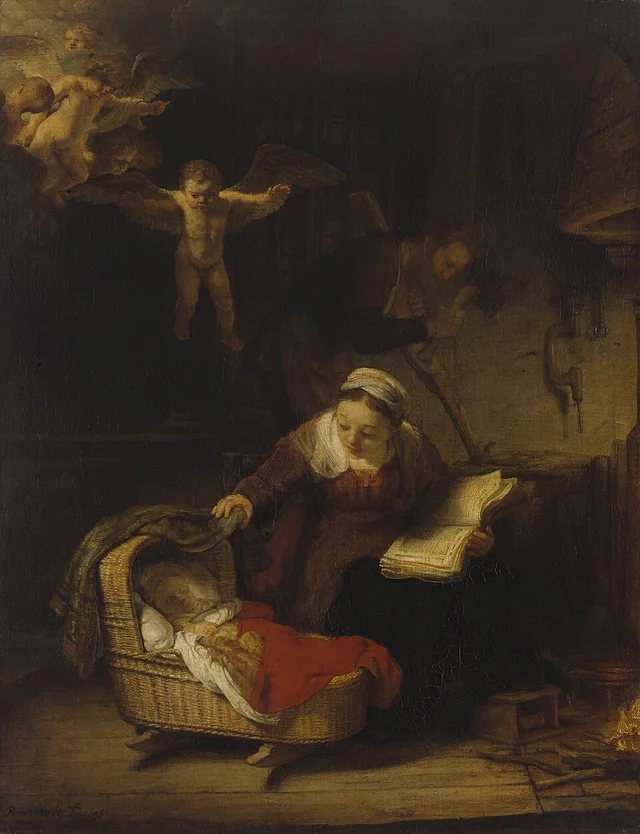 Die Heilige Familie mit EngelnRembrandt, 1645
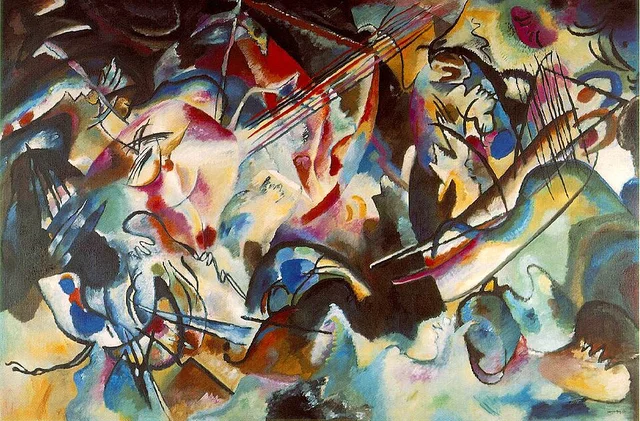 Komposition VIWassily Kandinsky, 1913
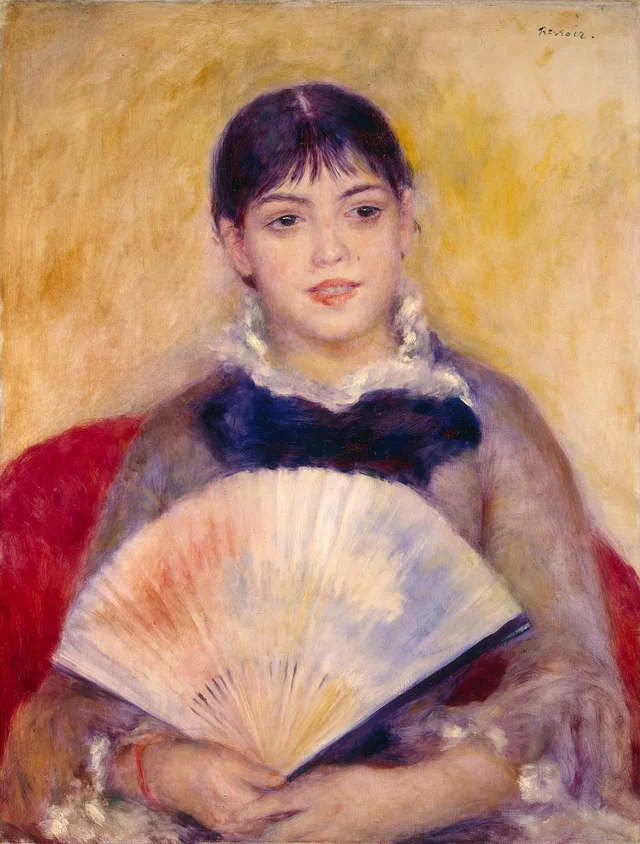 Mädchen mit FächerPierre-Auguste Renoir, 1885
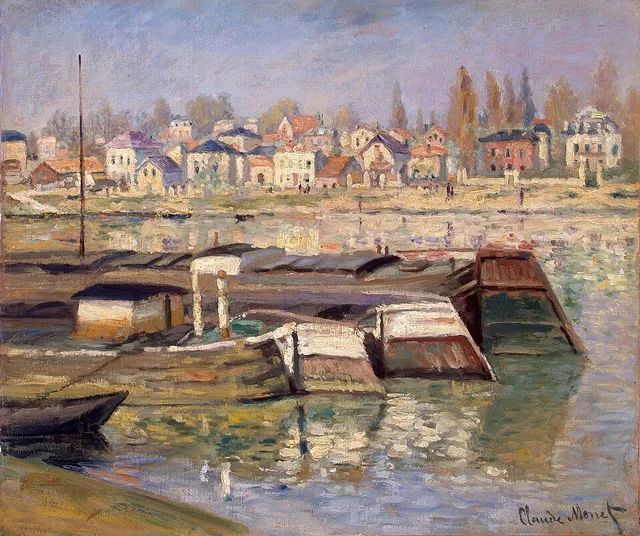 Landschaft. Die Seine bei AsnièresClaude Monet, 1873
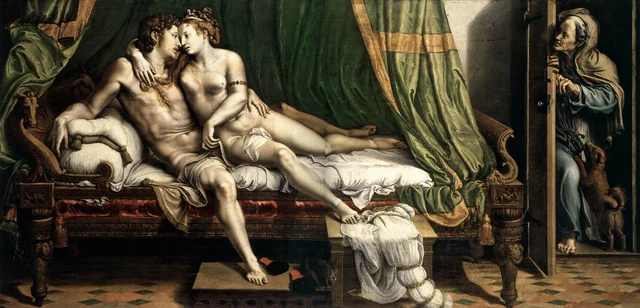 LiebesszeneGiulio Romano, 1525
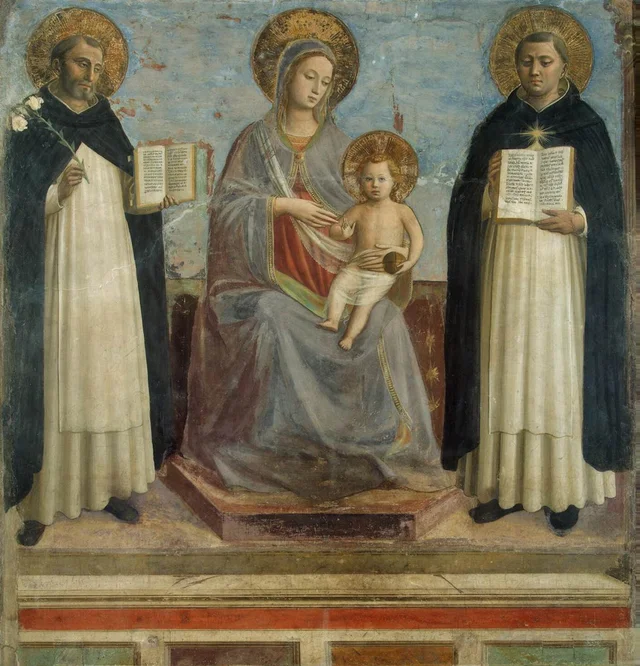 Madonna mit KindFra Angelico, 1435
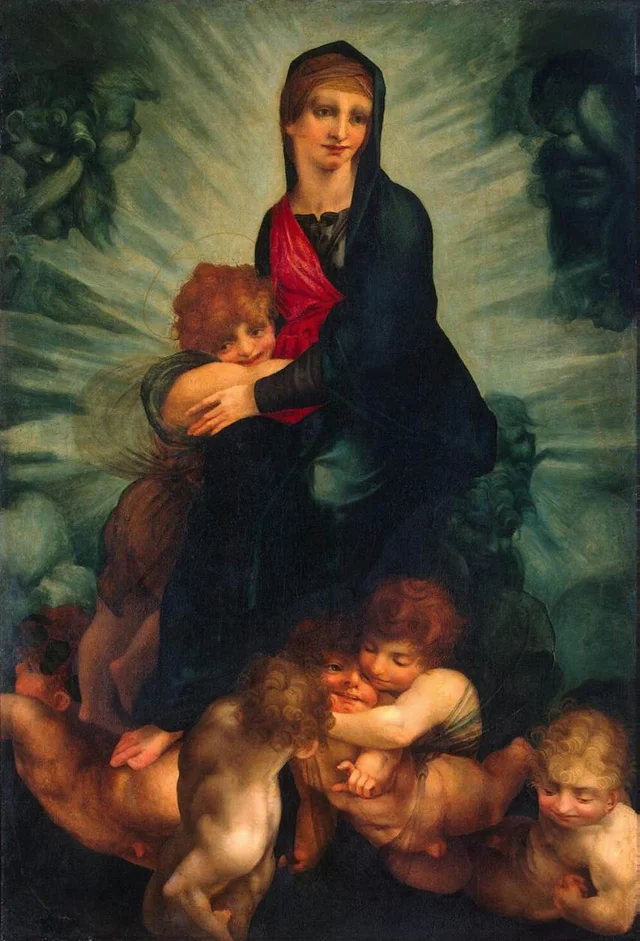 Madonna mit Kind und CherubimRosso Fiorentino, 1517
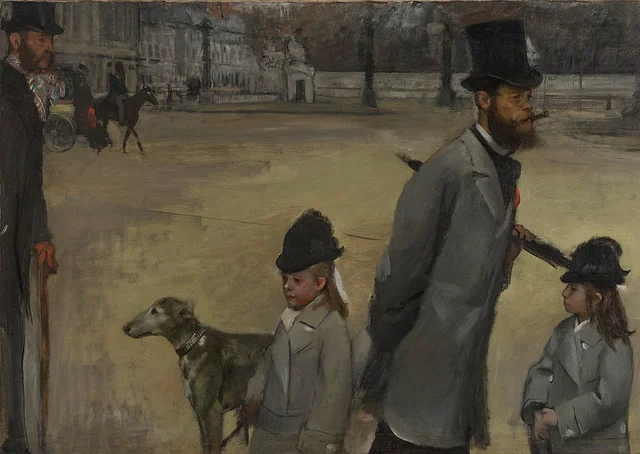 Place de la ConcordeEdgar Degas, 1875
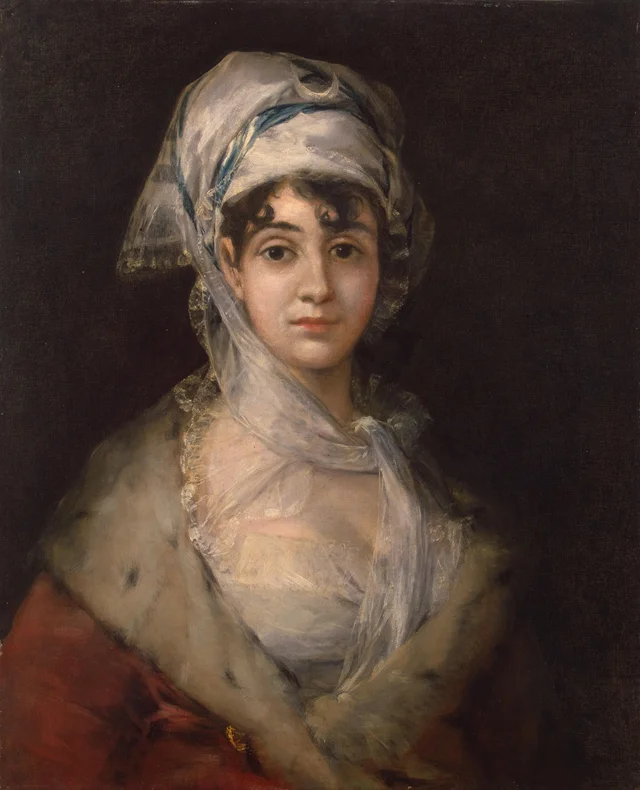 Bildnis der Schauspielerin Antonia ZárateFrancisco Goya, 1810
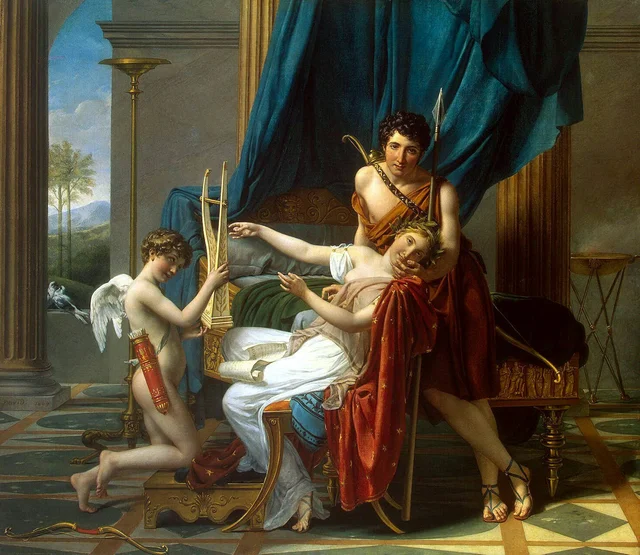 Sappho und PhaonJacques-Louis David, 1809
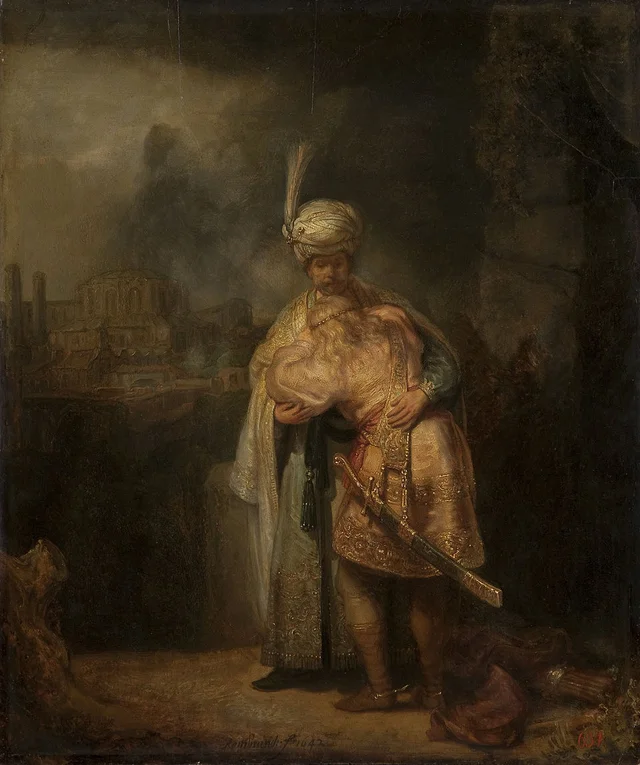 Abschied Davids von JonathanRembrandt, 1642
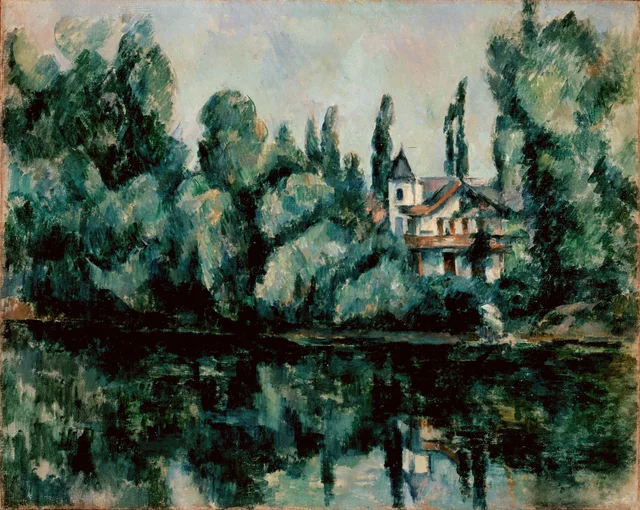 An den Ufern der MarnePaul Cézanne, 1888
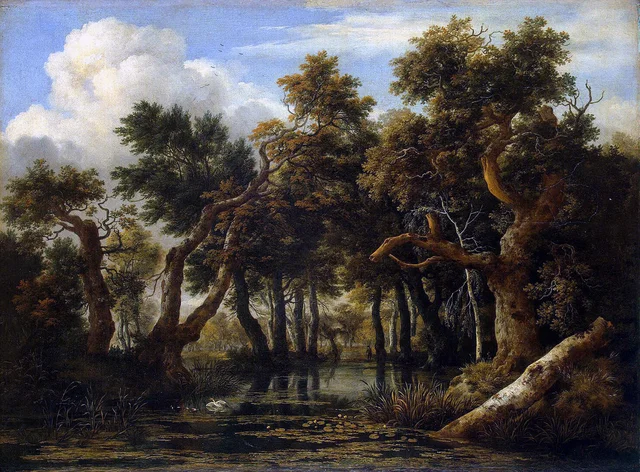 Ein bewaldeter SumpfJacob van Ruisdael, 1665
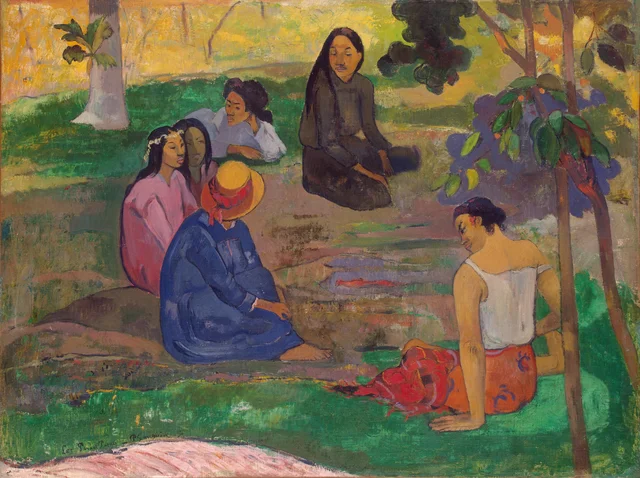 Gespräch (Les Parau Parau)Paul Gauguin, 1891
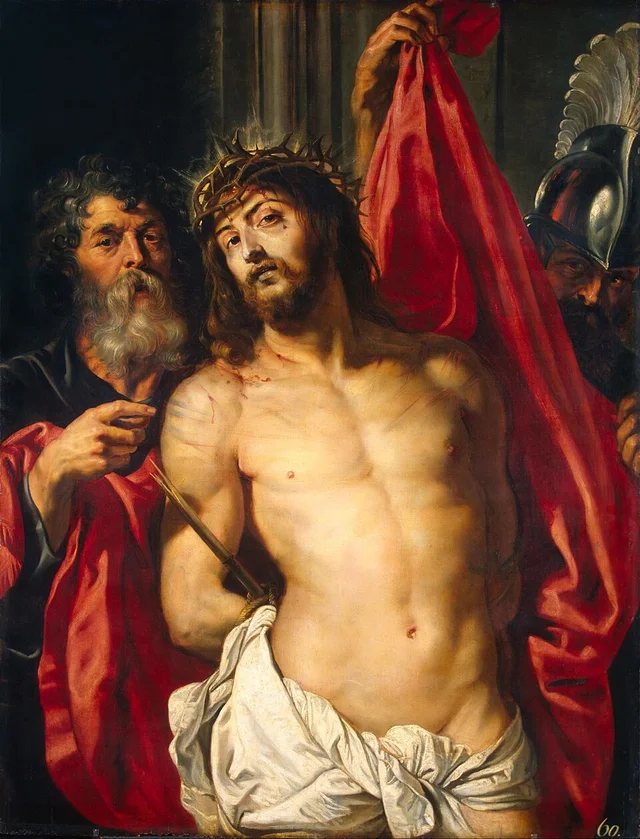 Die DornenkrönungPeter Paul Rubens, 1612
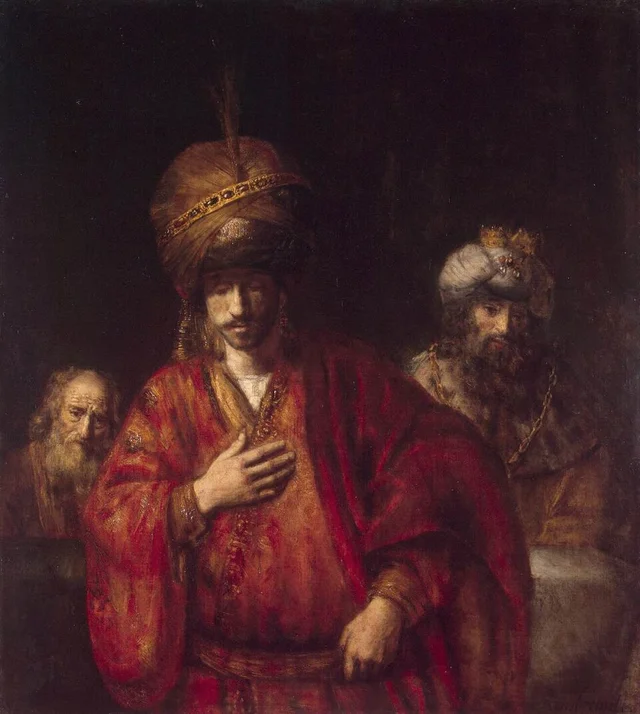 Haman erkennt sein SchicksalRembrandt, 1665
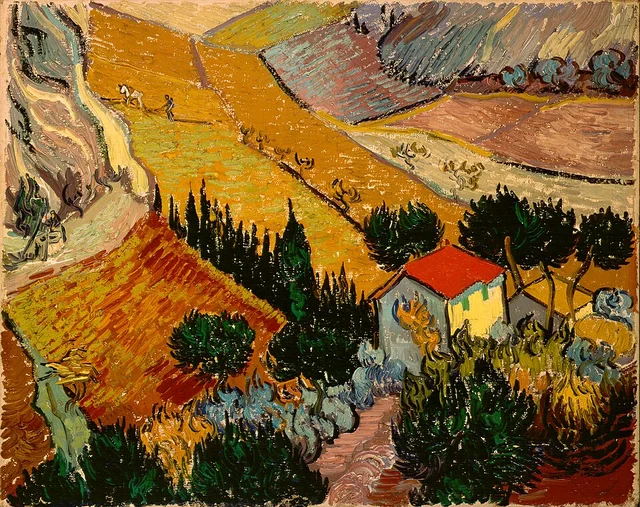 Landschaft mit Haus und PflügerVincent van Gogh, 1889
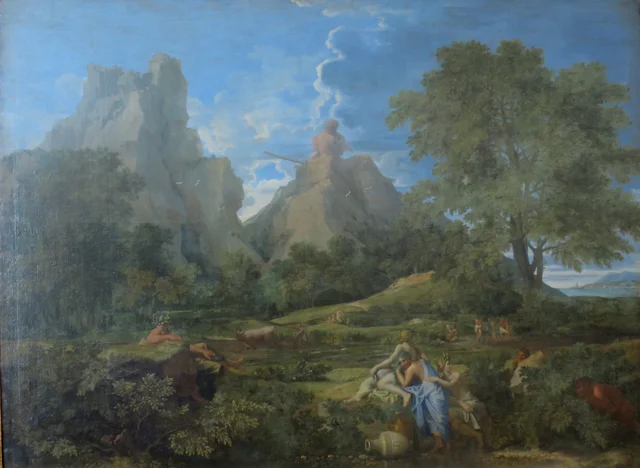 Landschaft mit PolyphemNicolas Poussin, 1649