Die Geschichte
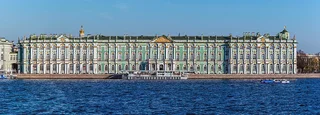
Der größte Teil der Eremitage liegt im Winterpalast, der grün-weißen barocken Residenz der russischen Zaren am Ufer der Newa in Sankt Petersburg. Die Sammlung begann dort als privates Vergnügen. 1764 übernahm Kaiserin Katharina die Große 225 niederländische und flämische Gemälde, die ein Berliner Kaufmann, Johann Gotzkowsky, für den König von Preußen zusammengetragen hatte, der nach einem langen Krieg pleite war und sie nie bezahlte. Katharina tat es und hängte sie in Räume, so privat, dass sie diese ihre Eremitage nannte, einen Rückzugsort, zu dem fast niemand Zutritt hatte.
Zweieinhalb Jahrhunderte des Ankaufs später ist sie eine der größten Kunstsammlungen der Welt. Man steigt die Jordantreppe unter Gold und Spiegeln hinauf und arbeitet sich zu den Bildern vor, für die die Menschen kommen: Rembrandts Rückkehr des verlorenen Sohnes, die Hände des alten Vaters auf dem Rücken des zerlumpten Sohnes, und zwei kleine Madonnen von Leonardo da Vinci, die Benois und die Litta, aus seiner Jugend. In einem Raum spreizt eine lebensgroße Pfauenuhr, ein englischer Automat des 18. Jahrhunderts, noch immer ihren vergoldeten Schweif, wenn man sie aufzieht.
Das Gebäude hat viel durchgemacht. Ein Brand verwüstete 1837 den Palast, die Revolution von 1917 fegte den letzten Zaren aus diesen Räumen, und als deutsche Truppen 1941 Leningrad belagerten, verpackte das Personal über eine Million Objekte und verschiffte sie ostwärts zum Ural, wobei die leeren Rahmen an den Wänden hängen blieben. Während der Belagerung führten Fremdenführer die Besucher an diesen kahlen Rahmen entlang. Die Werke kamen nach ihrem Ende zurück, und die Katzen, die in den Kellern gegen Ratten gehalten werden, eine bis in Katharinas Zeit zurückreichende Tradition, stehen noch auf der Gehaltsliste.
Sammlung
248 Werke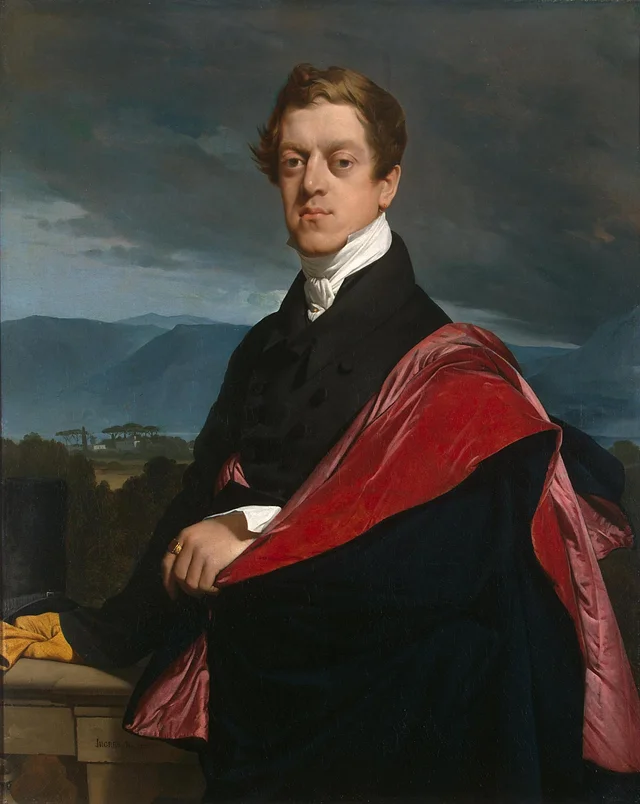 Bildnis des Grafen Nikolai GurjewJean-Auguste-Dominique Ingres, 1821
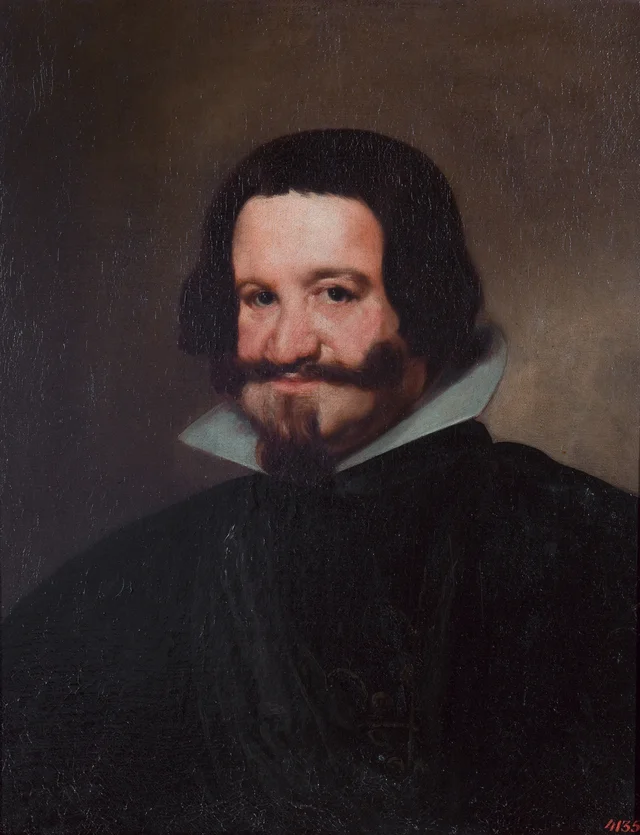 Bildnis des Grafen-Herzogs von OlivaresDiego Velázquez, 1638
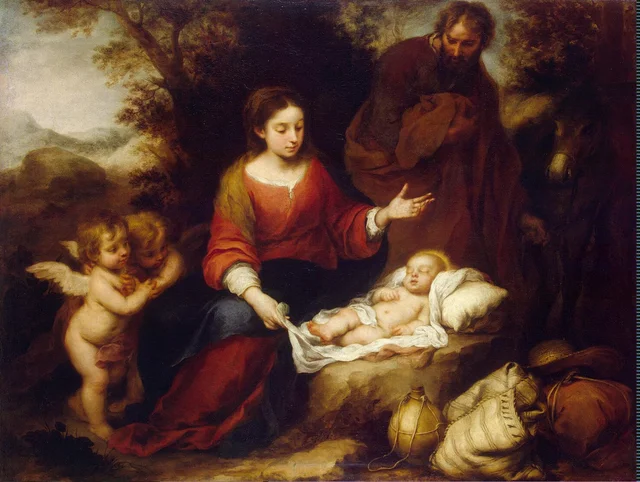 Ruhe auf der Flucht nach ÄgyptenBartolomé Esteban Murillo, 1665
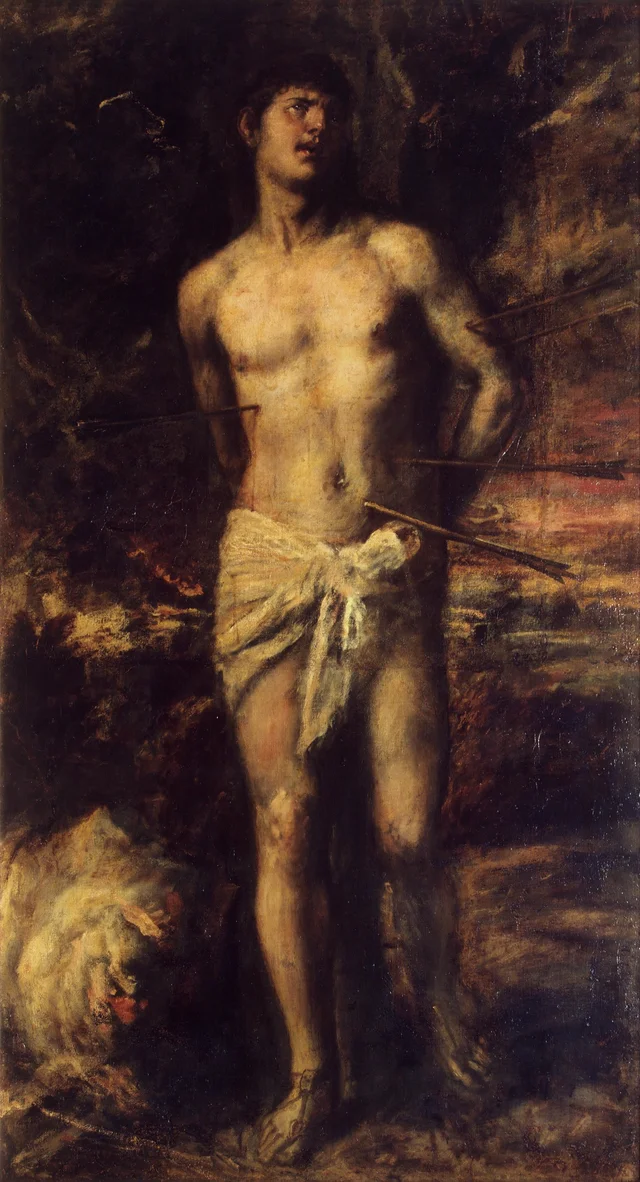 Der heilige SebastianTizian, 1570
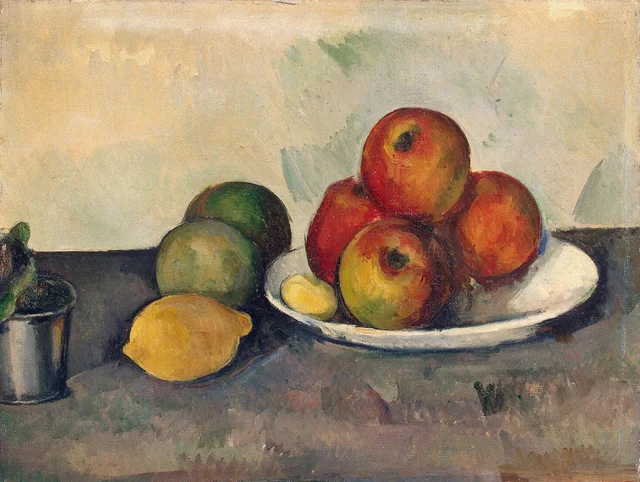 Stillleben mit ÄpfelnPaul Cézanne, 1890
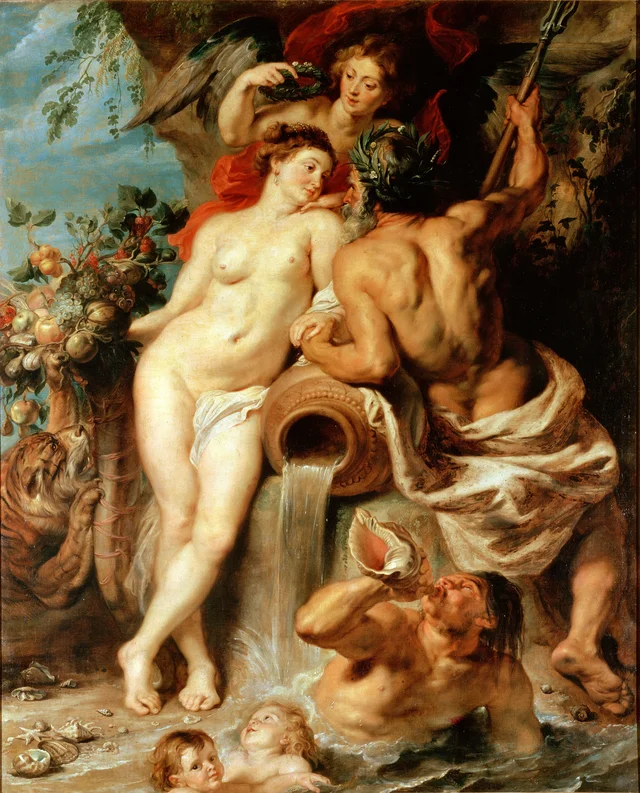 Die Vereinigung von Erde und Wasser (Antwerpen und die Schelde)Peter Paul Rubens, 1618
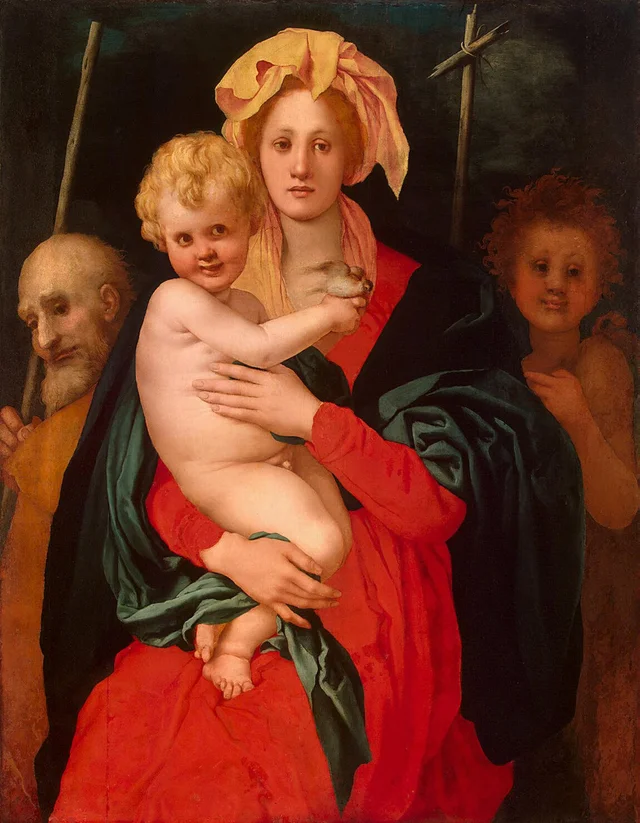 Maria mit Kind, dem heiligen Josef und Johannes dem TäuferPontormo, 1522
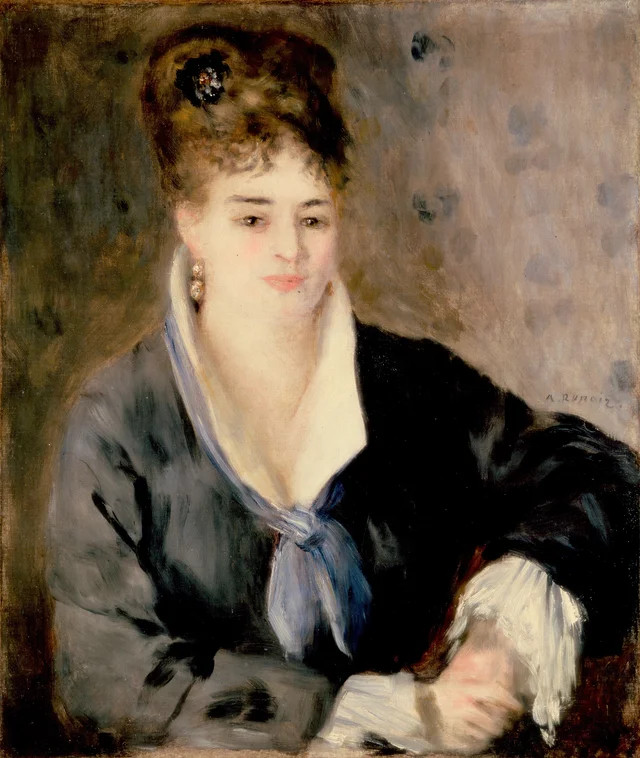 Dame in SchwarzPierre-Auguste Renoir, 1876
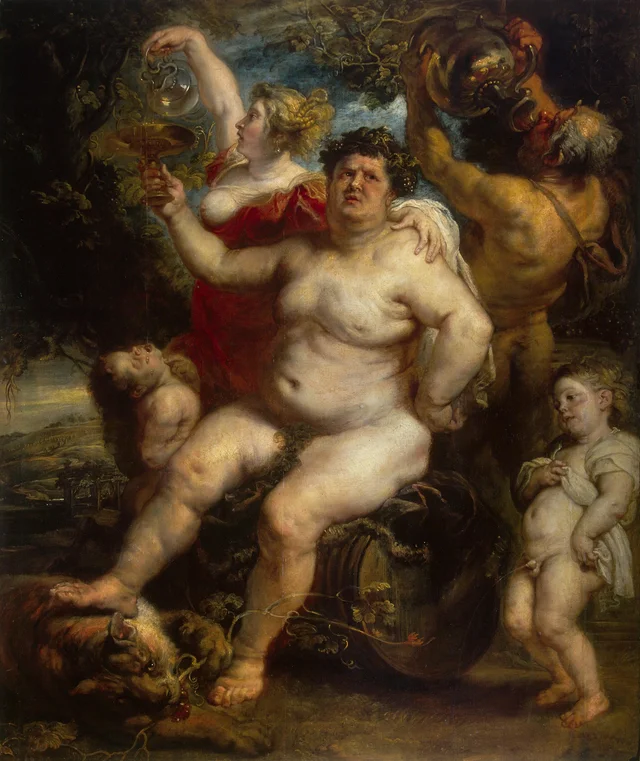 BacchusPeter Paul Rubens, 1638
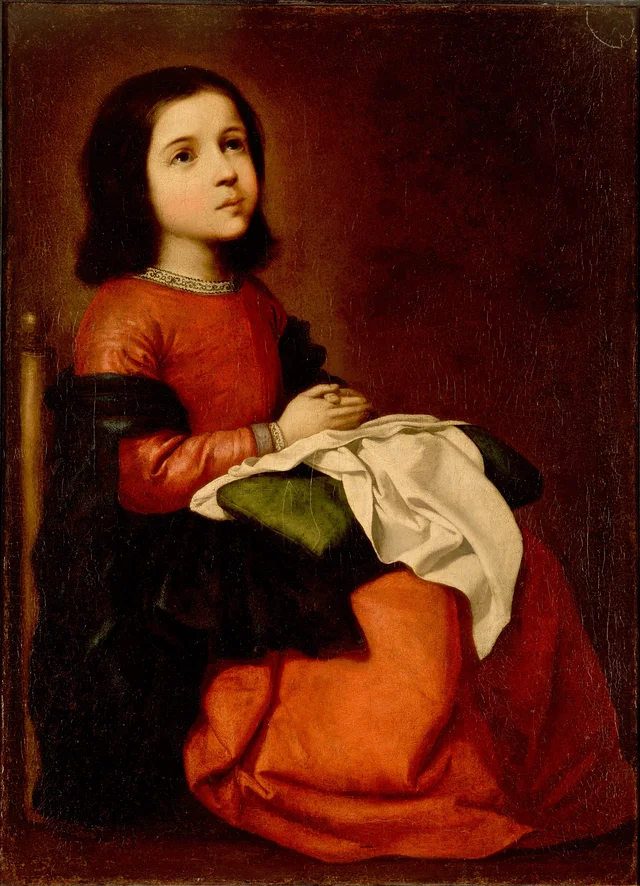 Die Kindheit der Jungfrau MariaFrancisco de Zurbarán, 1658
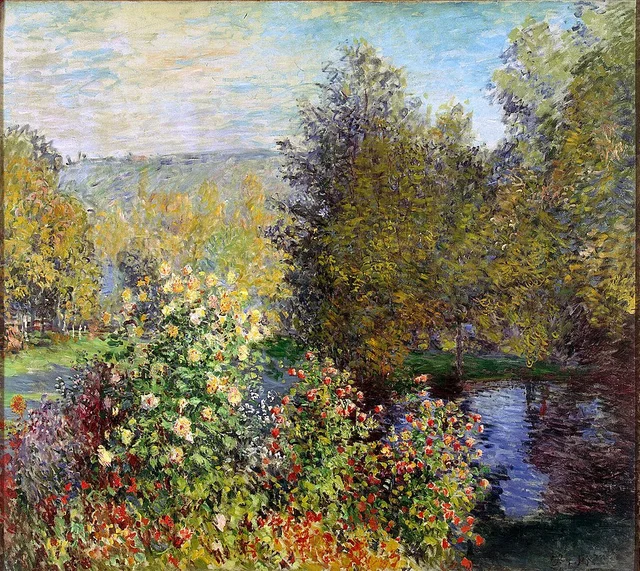 Gartenwinkel in MontgeronClaude Monet, 1877
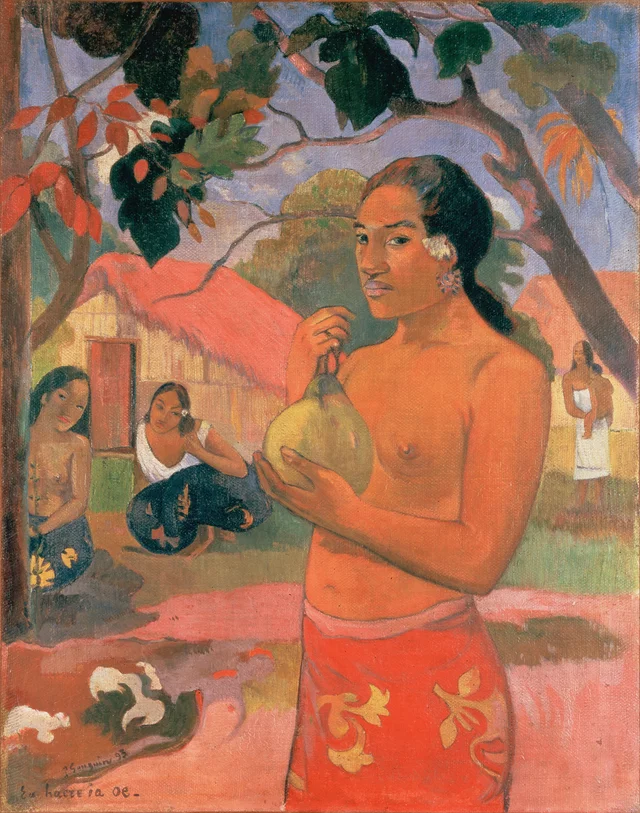 Eu haere ia oePaul Gauguin, 1893
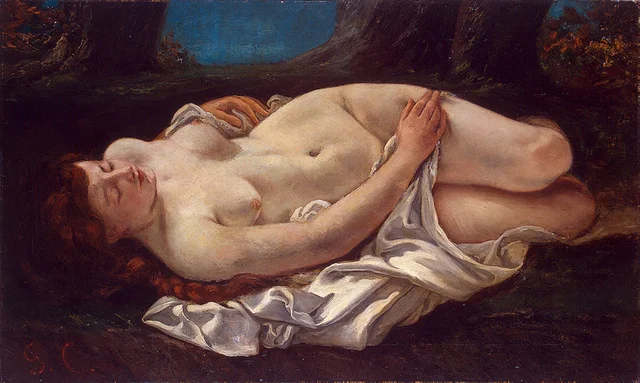 Liegende FrauGustave Courbet, 1865
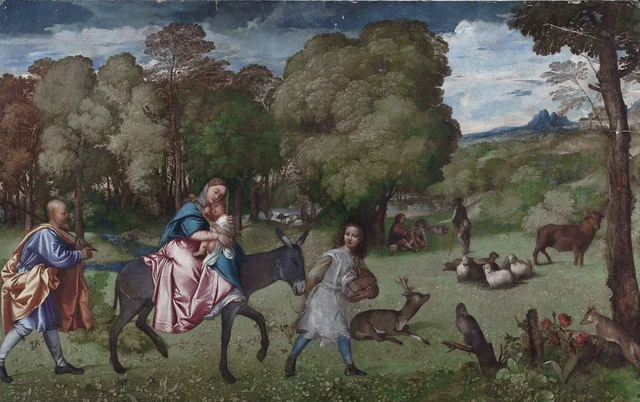 Die Flucht nach ÄgyptenTizian, 1508
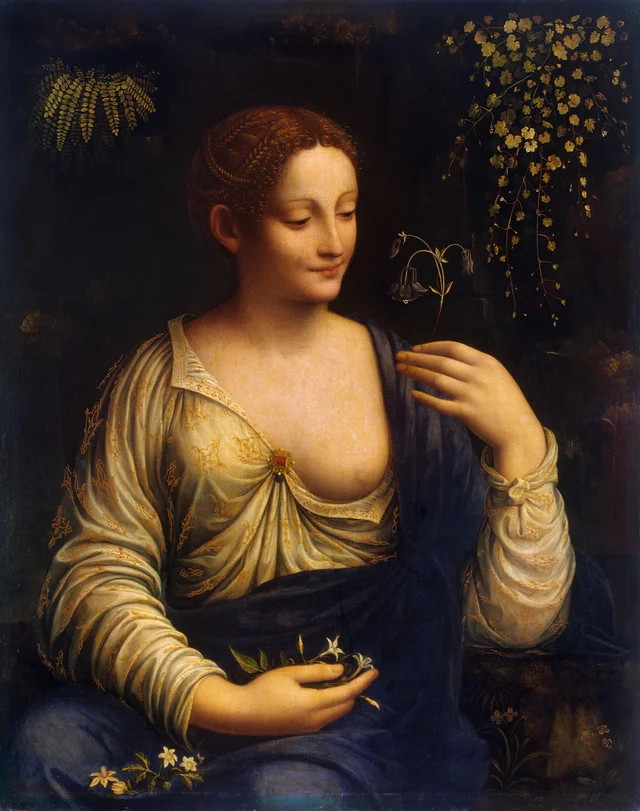 FloraFrancesco Melzi, 1520
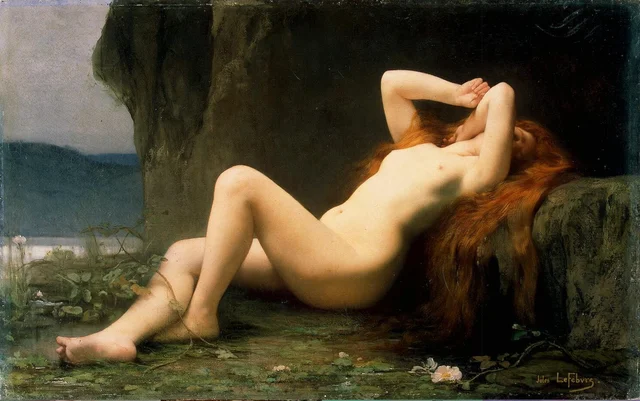 Maria Magdalena in einer GrotteJules Lefebvre, 1876
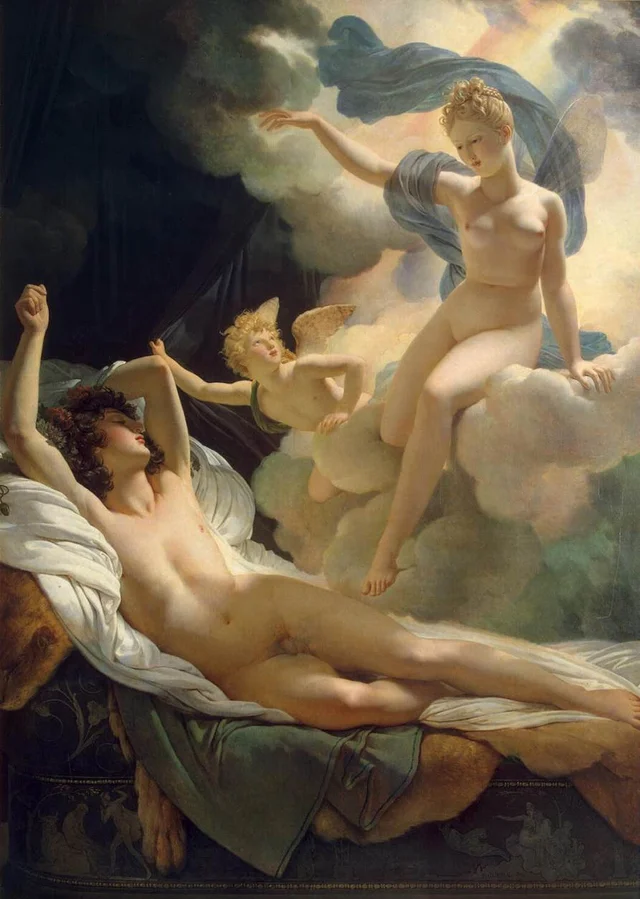 Morpheus und IrisPierre-Narcisse Guérin, 1811
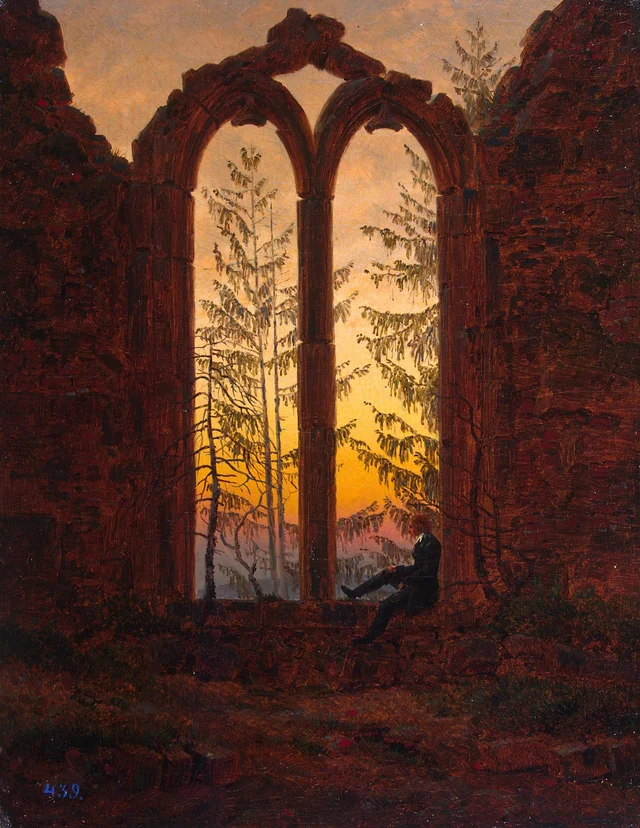 Ruine OybinCaspar David Friedrich, 1835
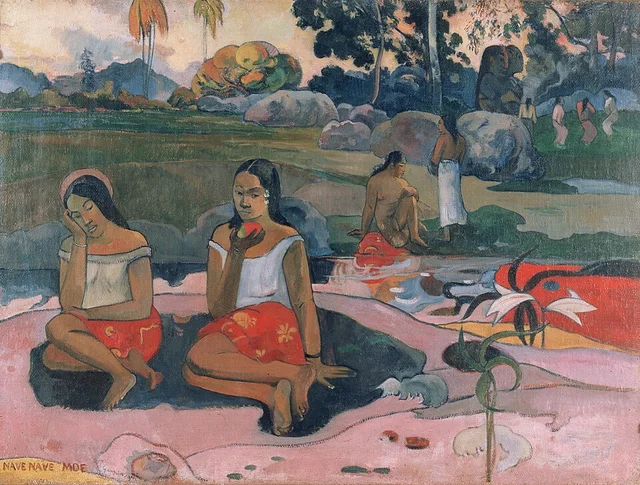 Heilige Quelle: Süße Träume (Nave nave moe)Paul Gauguin, 1894
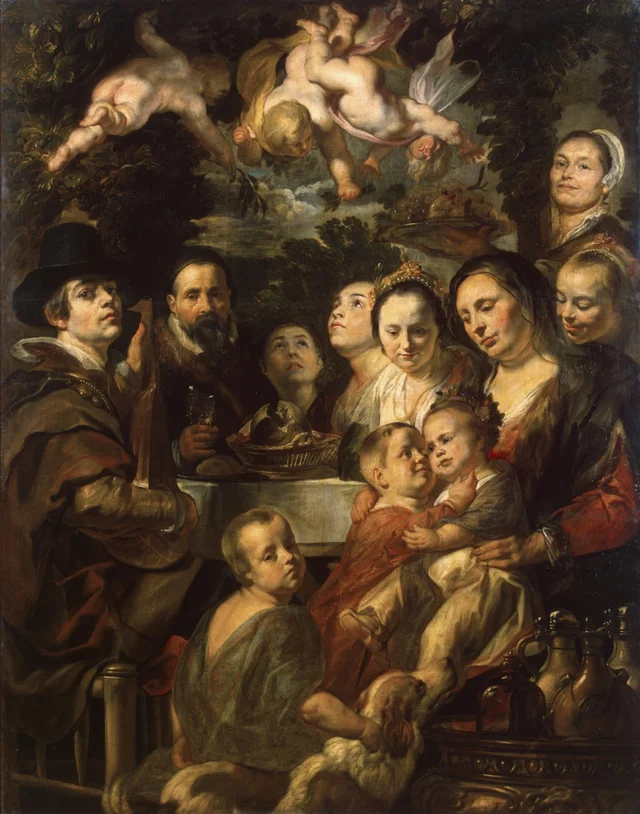 Selbstbildnis mit Eltern, Brüdern und SchwesternJacob Jordaens, 1615
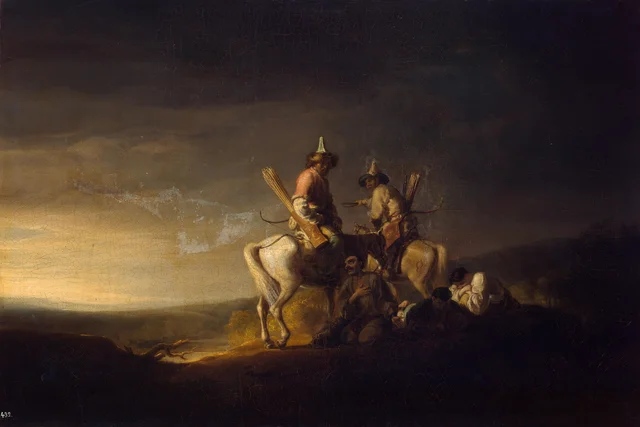 Die BaschkirenWilliam Allan, 1814
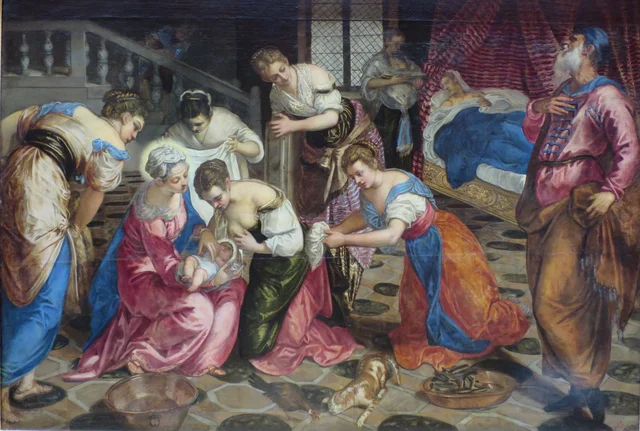 Die Geburt Johannes des TäufersJacopo Tintoretto, 1550
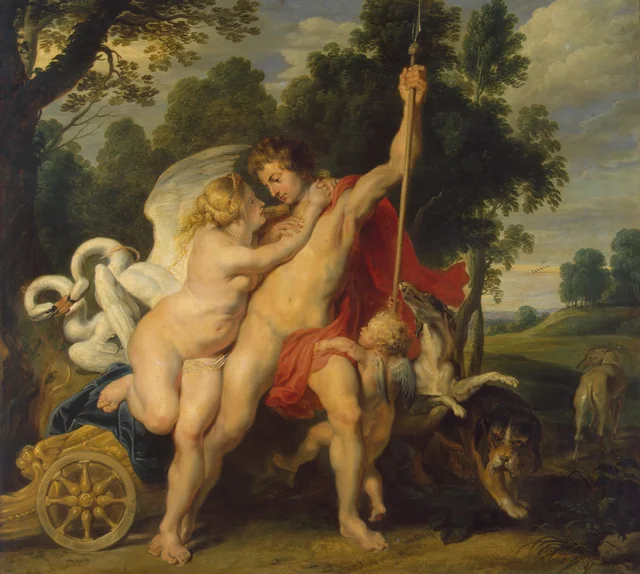 Venus und AdonisPeter Paul Rubens, 1610
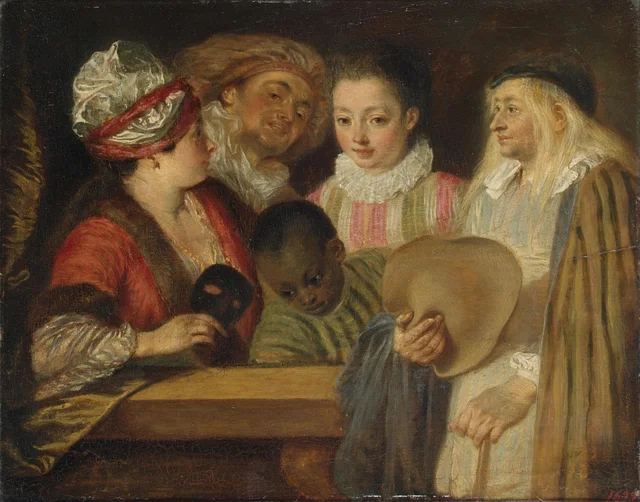 Schauspieler der Comédie-FrançaiseJean-Antoine Watteau, 1710
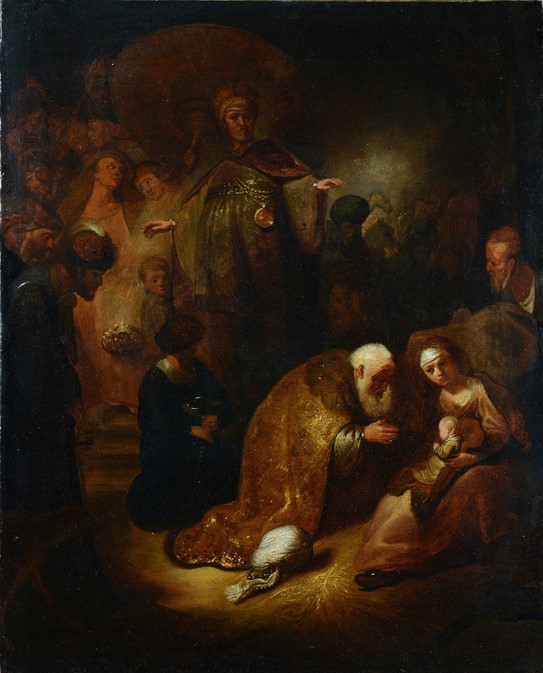 Anbetung der KönigeRembrandt, 1632