Die Geschichte
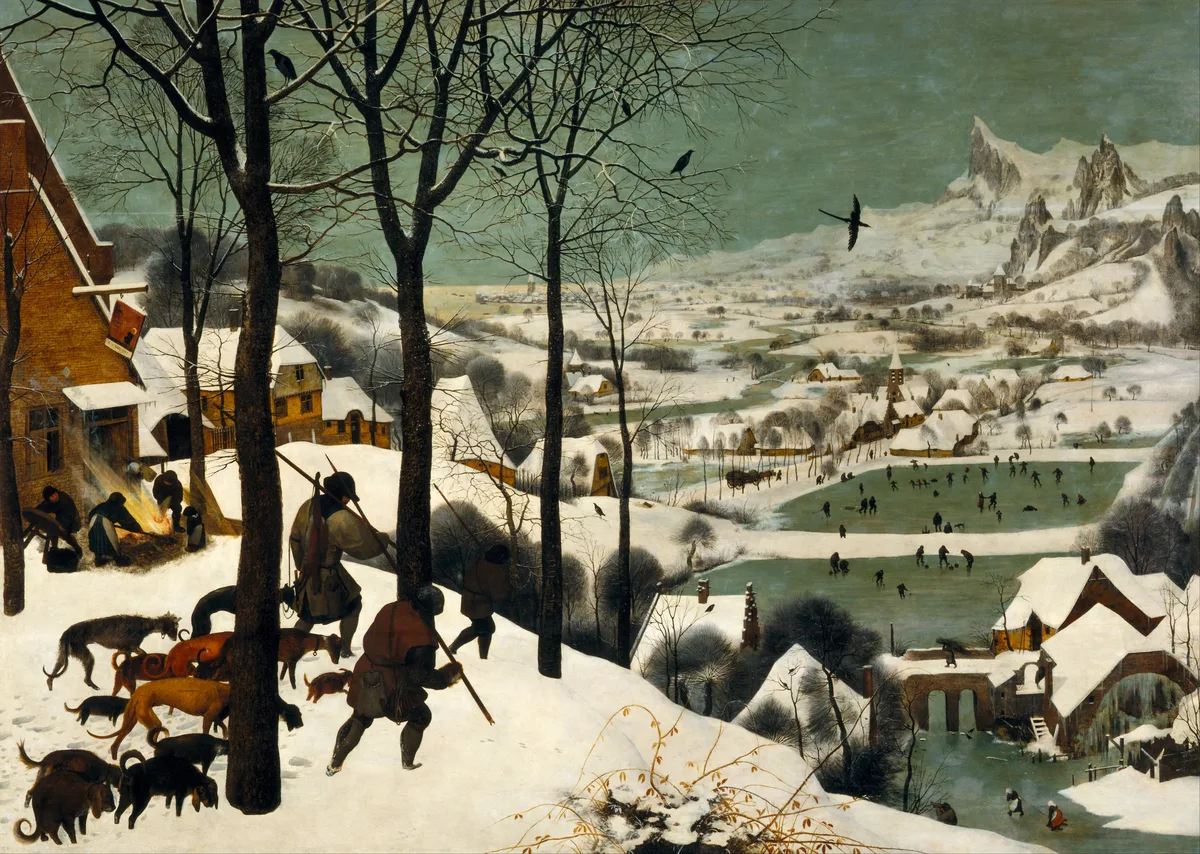
Ein Raum im ersten Stock beherbergt mehr Gemälde von Pieter Bruegel dem Älteren als jeder andere Ort der Welt, etwa ein Dutzend, darunter die Jäger im Schnee, die Reihe müder Jäger und ihrer Hunde, die 1565 über einen Hügel oberhalb eines vereisten Tals stapfen. Dass Wien sie überhaupt besitzt, verdankt sich den Habsburgern, der Dynastie, die Europa über Jahrhunderte weithin beherrschte und einen guten Teil dieser Macht in Kunst steckte.
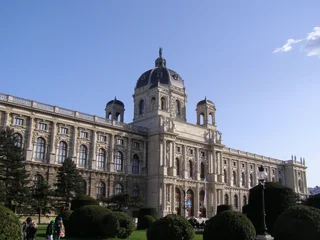
Das Museum wurde gebaut, um genau das zur Schau zu stellen. Kaiser Franz Joseph eröffnete es 1891 an der Ringstraße, dem Prachtboulevard dort, wo Wiens alte Stadtmauern gestanden hatten, in einem palastartigen Bau von Gottfried Semper und Karl von Hasenauer, dessen Treppenhaus der junge Gustav Klimt schmückte, ehe er zum Klimt aus Gold und Skandal wurde. Es ging darum, die verstreuten kaiserlichen Sammlungen unter einem Dach zu vereinen und das Publikum hineinzulassen.
So lesen sich die Wände wie ein Inventar habsburgischer Reichweite. Vermeers Die Malkunst, der Künstler von hinten an seiner Staffelei gesehen, den die Familie als einen ihrer Schätze behielt. Säle voll Tizian, Rubens und Velázquez, dessen spanische Hofporträts kleiner ernster Prinzessinnen durch die Heiraten nach Wien kamen, die die beiden Zweige der Familie verbanden. Und unter den Gemäldegalerien liegt die Kunstkammer, ein Gewirr aus geschnitztem Elfenbein, Uhrwerkautomaten und Edelsteinschalen, zusammengetragen von Kaisern, die das Fremdartige und Erfindungsreiche ebenso wollten wie das Schöne. Ihr berühmtestes Stück ist ein goldenes Salzfass, das Benvenuto Cellini für den König von Frankreich schuf.
Weitere Artikel
Sammlung
381 Werke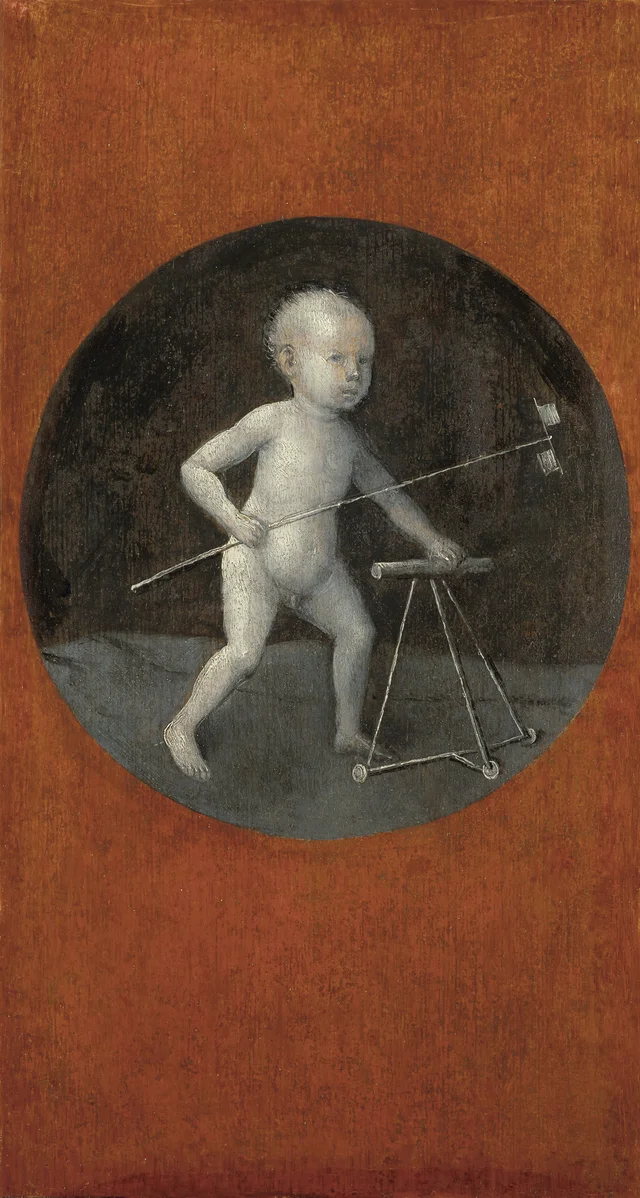 Christuskind mit LaufgestellHieronymus Bosch, 1500
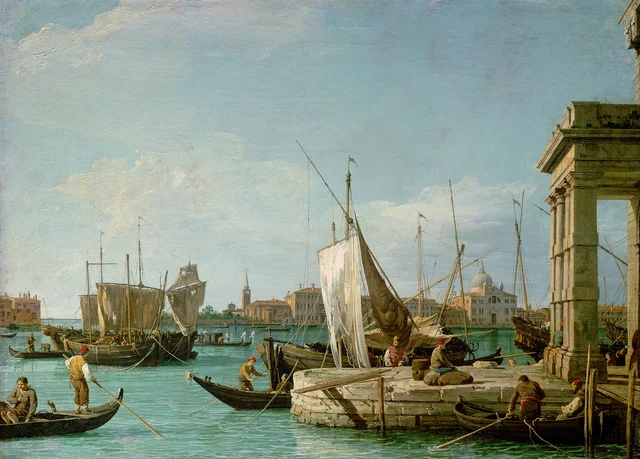 La Punta della DoganaCanaletto, 1726
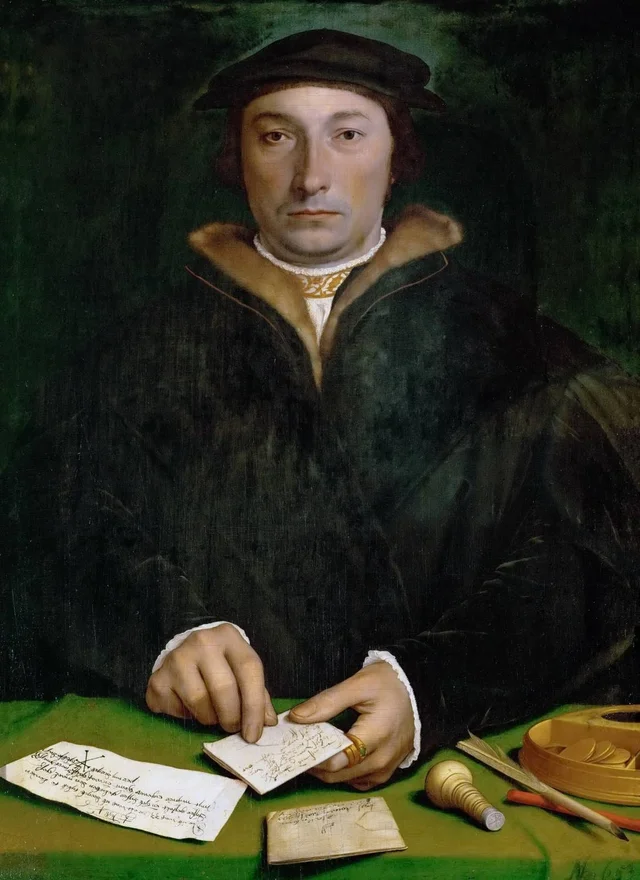 Der Duisburger Kaufmann Dirck TybisHans Holbein der Jüngere, 1533
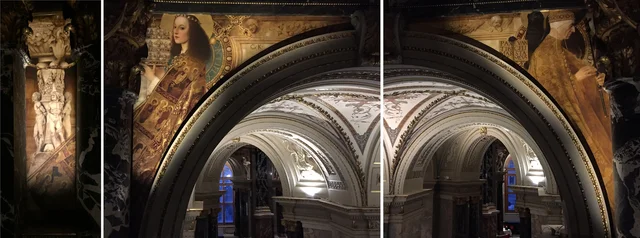 Das Quattrocento in Rom und in VenedigGustav Klimt, 1891
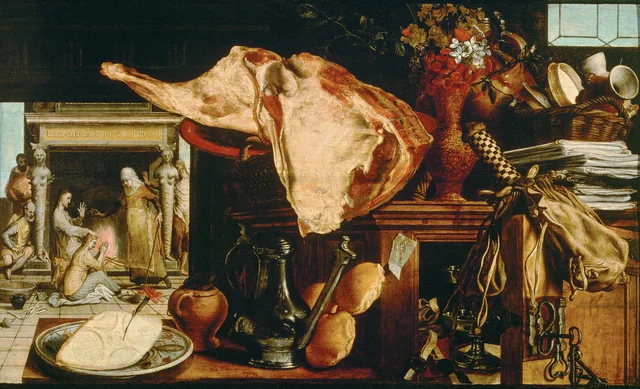 Vanitas-Stillleben mit Christus bei Maria und MarthaPieter Aertsen, 1552
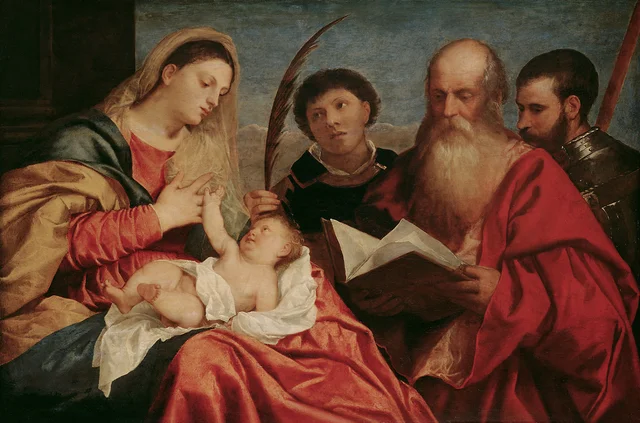 Maria mit Kind und den Heiligen Stephanus, Hieronymus und MauritiusTizian, 1520
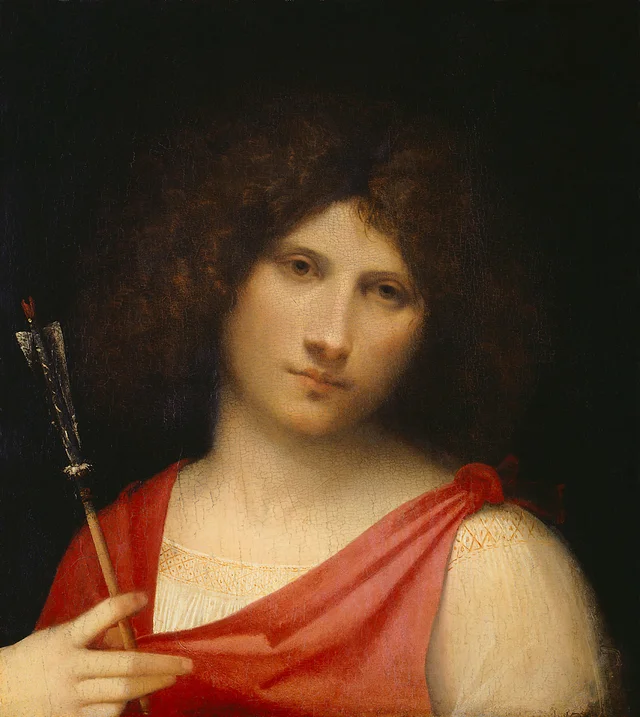 Jüngling mit PfeilGiorgione, 1505
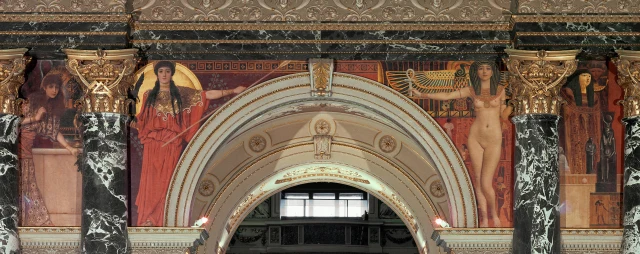 Antikes Griechenland und Antikes ÄgyptenGustav Klimt, 1891
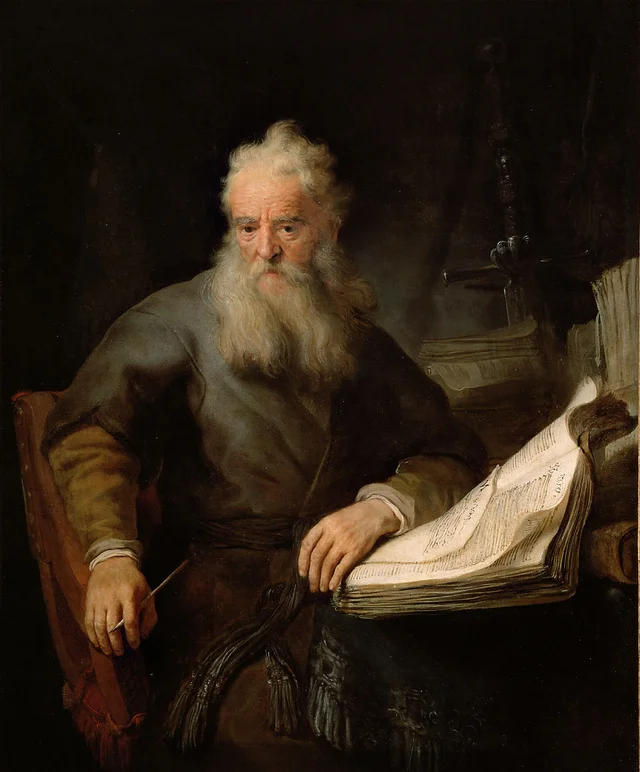 Der Apostel PaulusRembrandt zugeschrieben, 1633
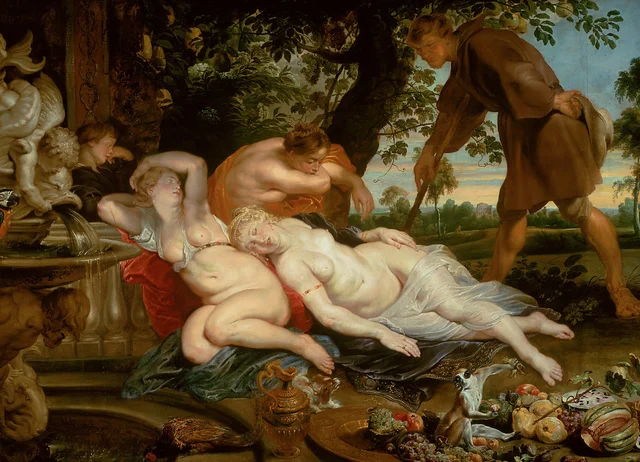 Kimon und IfigeniaPeter Paul Rubens, 1617
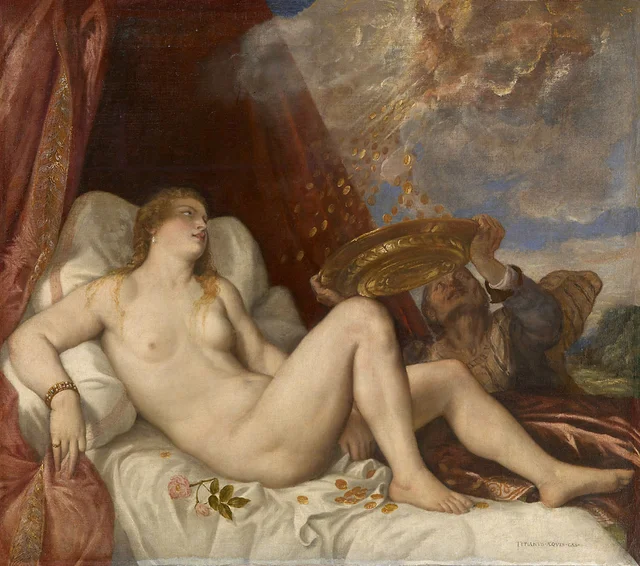 DanaeTizian, 1550
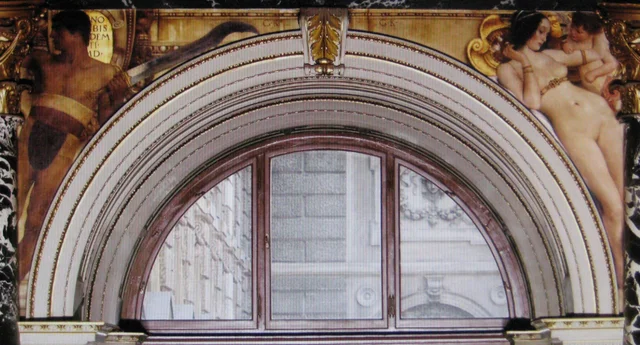 Florentinisches Cinquecento und QuattrocentoGustav Klimt, 1891
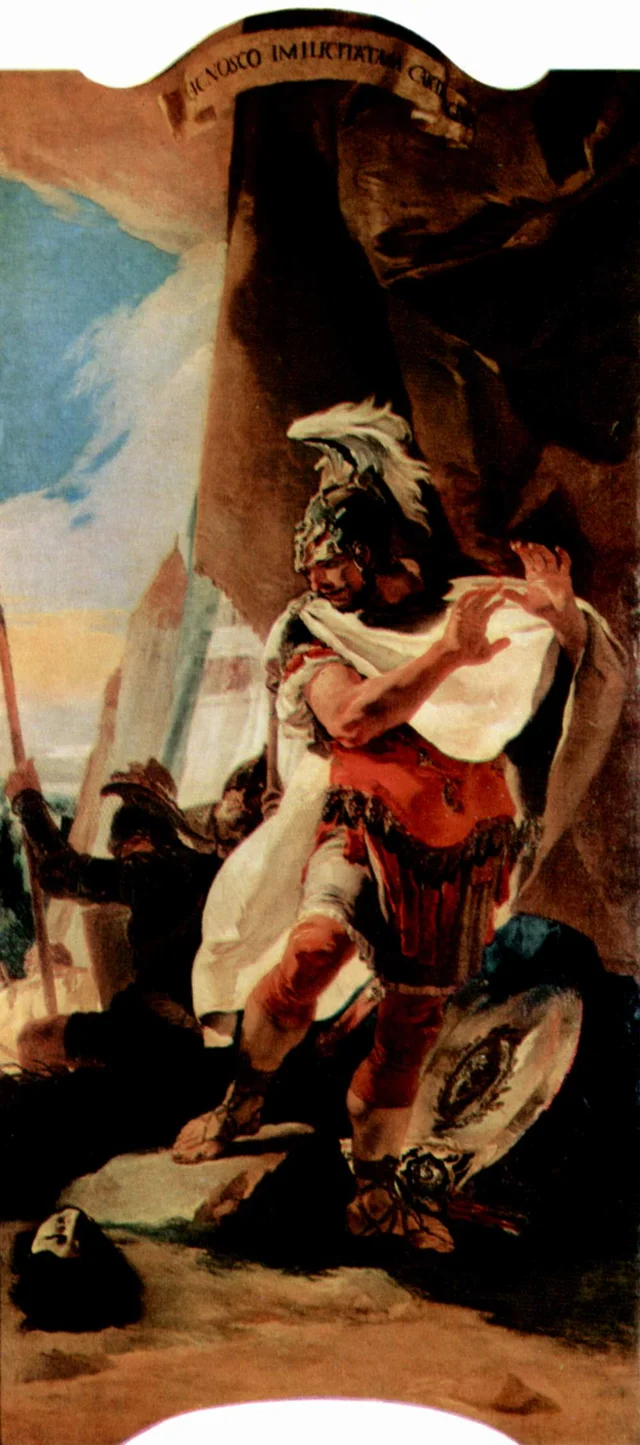 Hannibal erkennt den Kopf seines Bruders HasdrubalGiovanni Battista Tiepolo, 1729
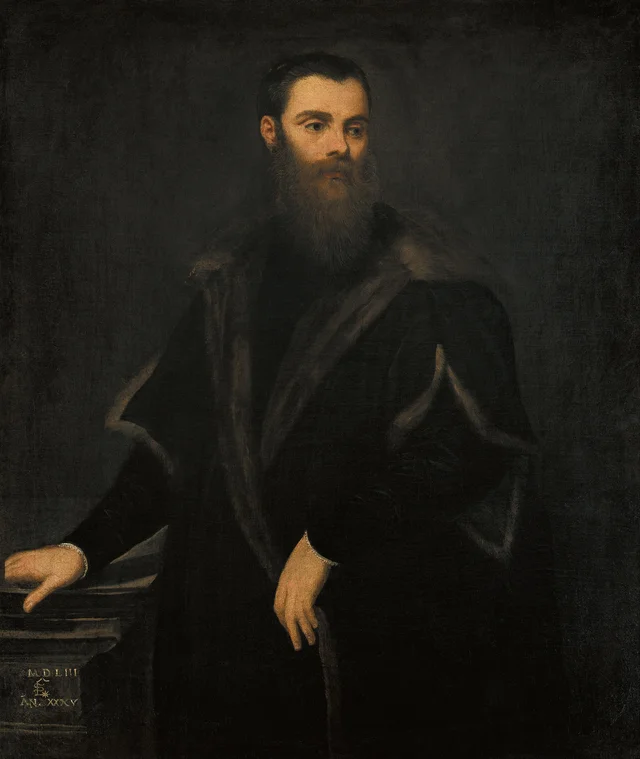 Lorenzo SoranzoJacopo Tintoretto, 1553
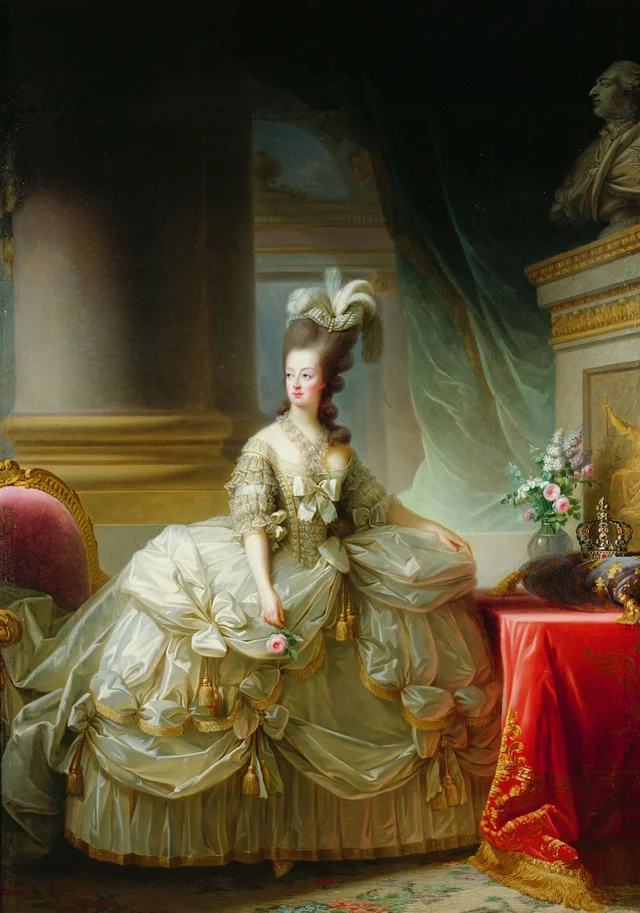 Marie Antoinette im GalakleidÉlisabeth Louise Vigée Le Brun, 1778
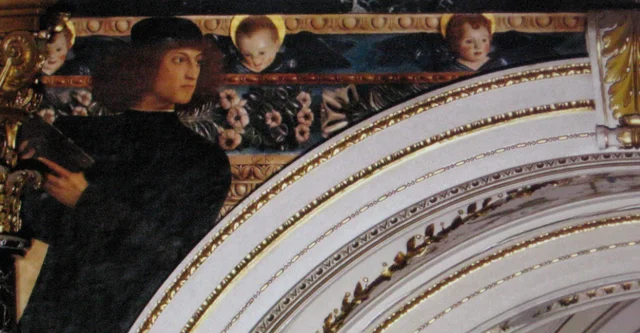 Altitalienische KunstGustav Klimt, 1891
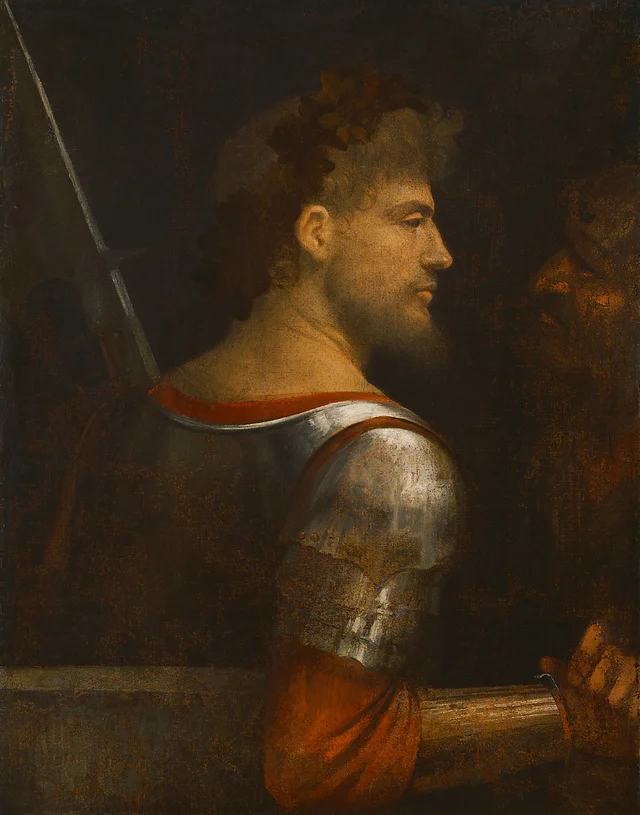 Porträt eines KriegersGiorgione, 1500
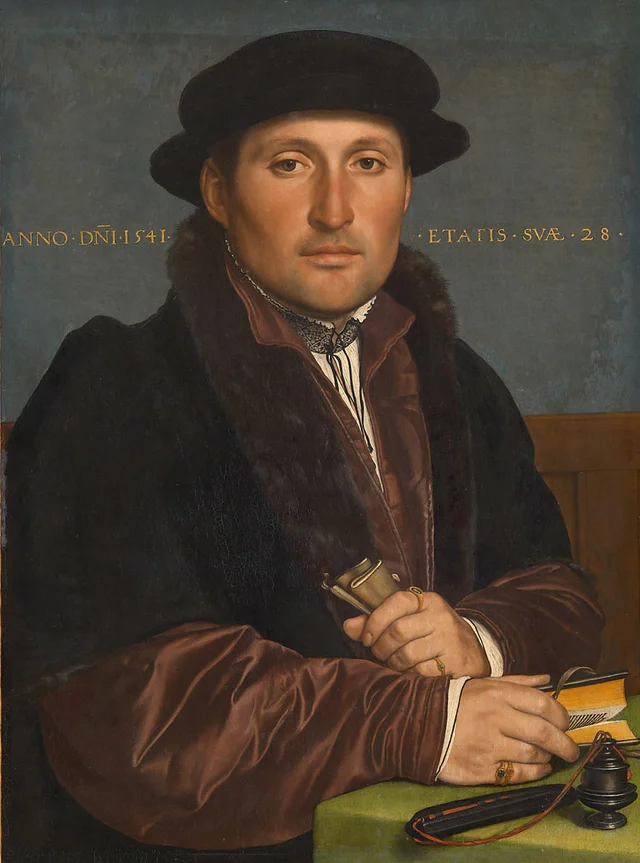 Porträt eines jungen KaufmannsHans Holbein der Jüngere, 1541
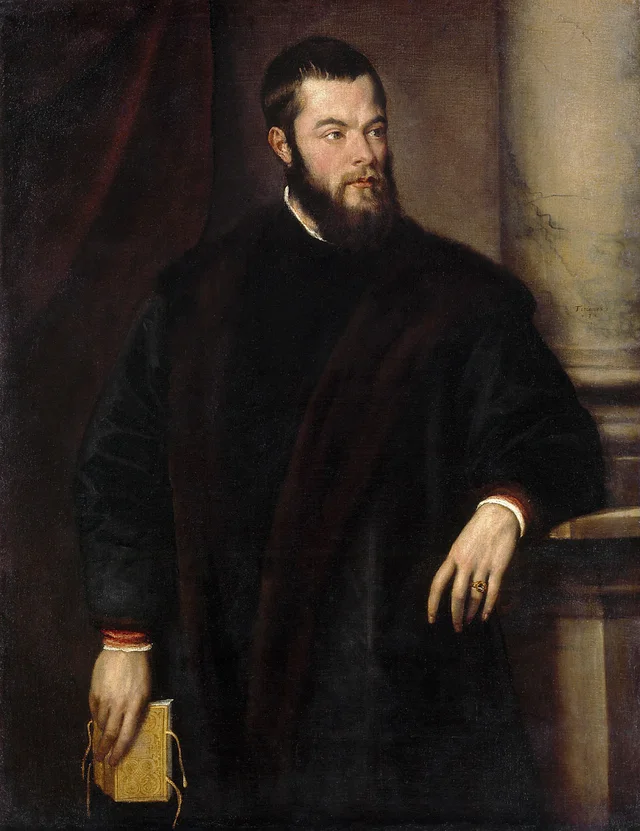 Porträt des Benedetto VarchiTizian, 1540
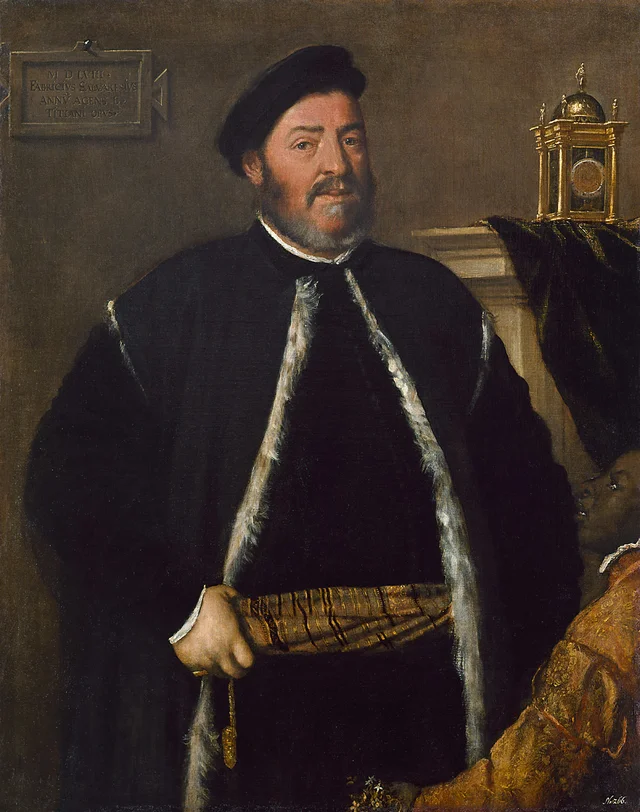 Porträt von Fabrizio SalvaresioTizian, 1558
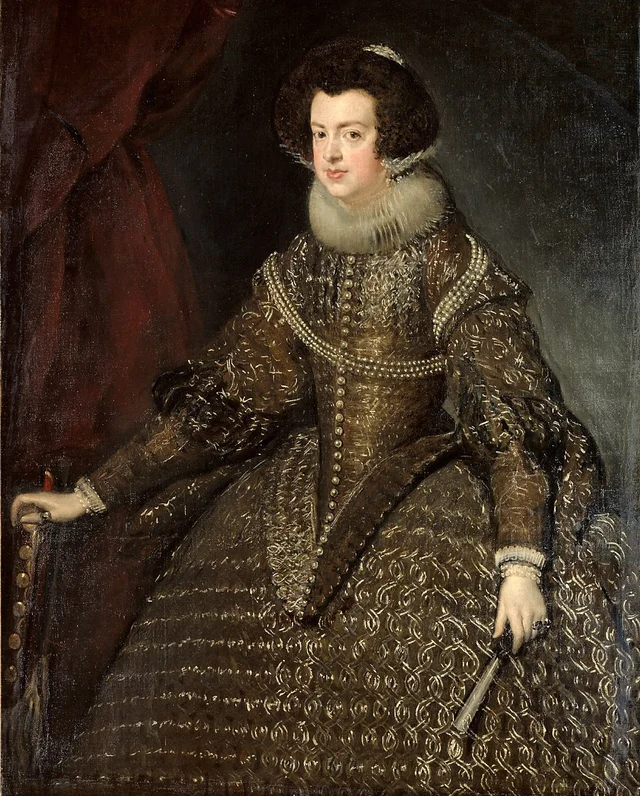 Königin Isabella von Spanien (1602-1644)Diego Velázquez und Werkstatt, 1632
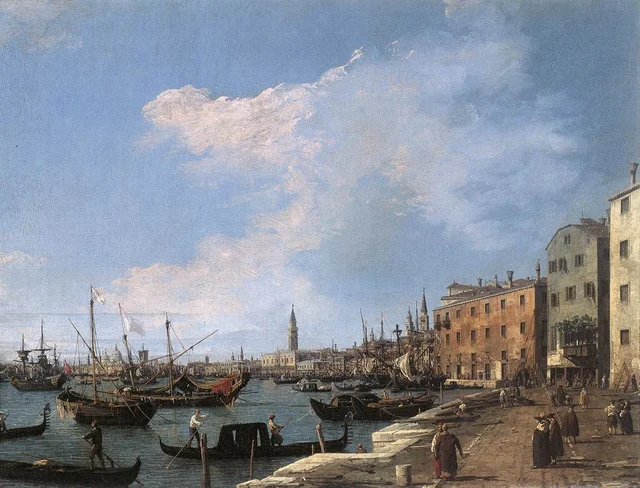 Riva degli SchiavoniCanaletto, 1730
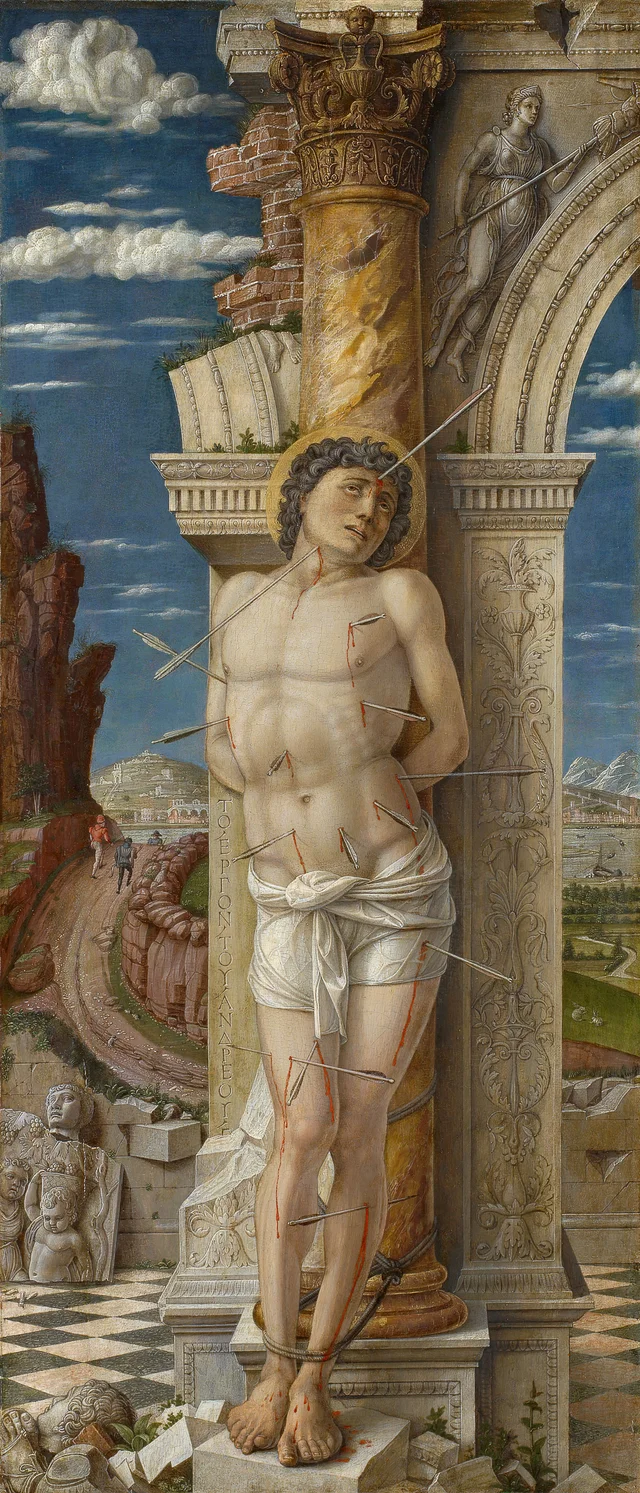 Der heilige SebastianAndrea Mantegna, 1458
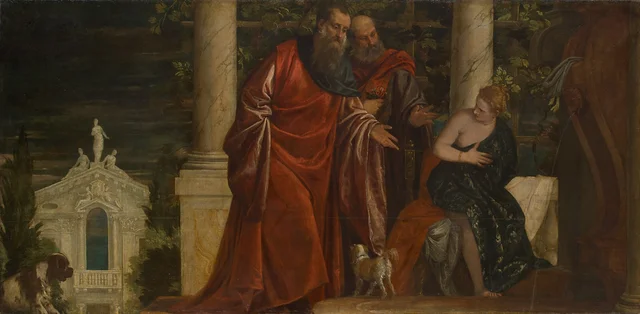 Susanna und die AltenPaolo Veronese und Werkstatt, 1585
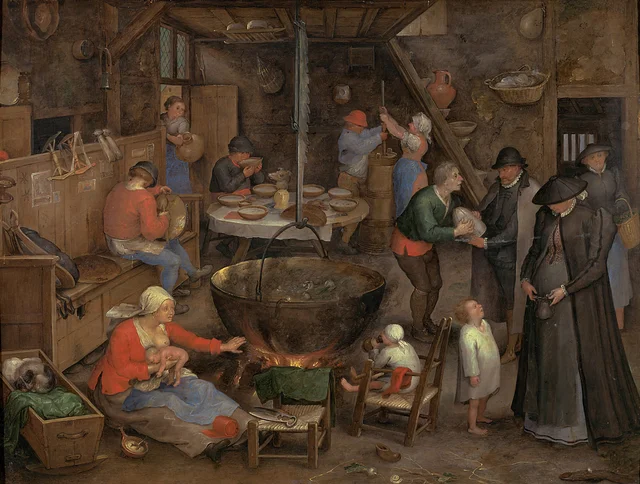 Der Besuch auf dem BauernhofJan Brueghel der Ältere, 1597