Die Geschichte
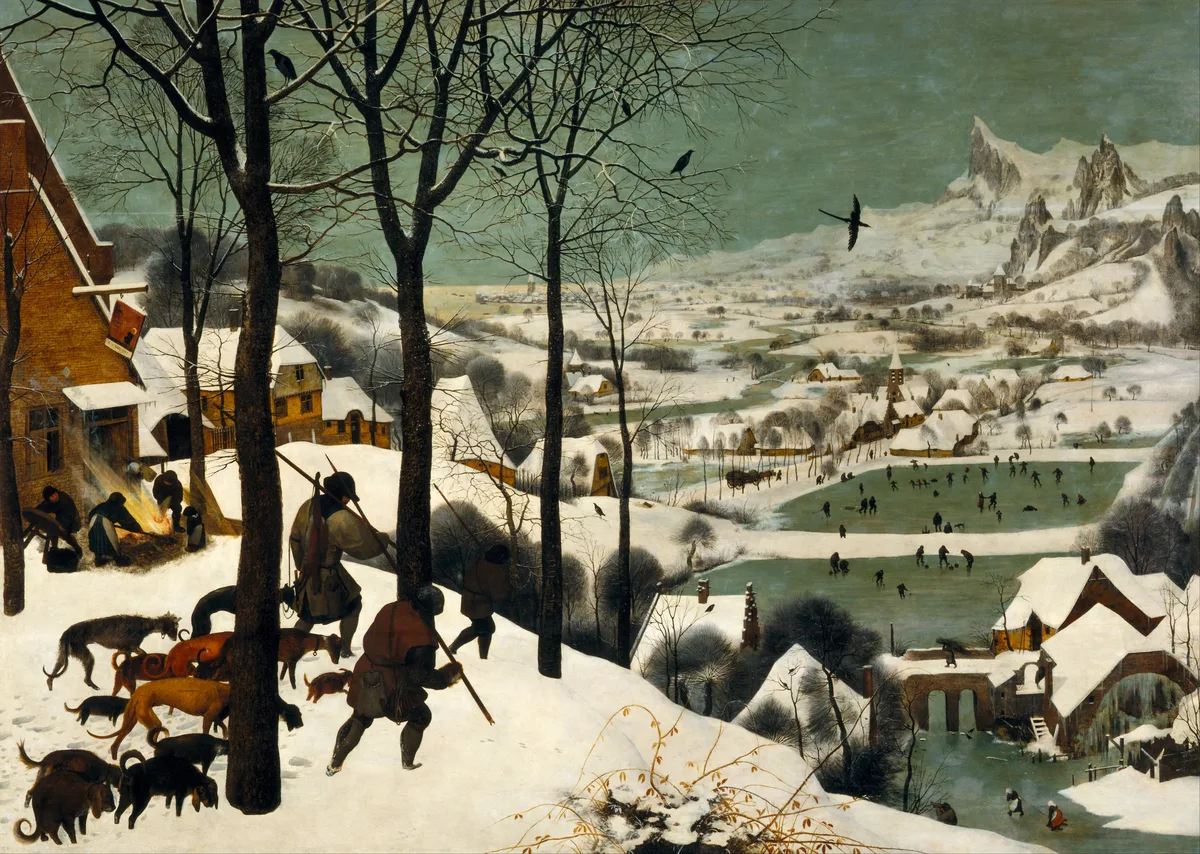
Ein Raum im ersten Stock beherbergt mehr Gemälde von Pieter Bruegel dem Älteren als jeder andere Ort der Welt, etwa ein Dutzend, darunter die Jäger im Schnee, die Reihe müder Jäger und ihrer Hunde, die 1565 über einen Hügel oberhalb eines vereisten Tals stapfen. Dass Wien sie überhaupt besitzt, verdankt sich den Habsburgern, der Dynastie, die Europa über Jahrhunderte weithin beherrschte und einen guten Teil dieser Macht in Kunst steckte.
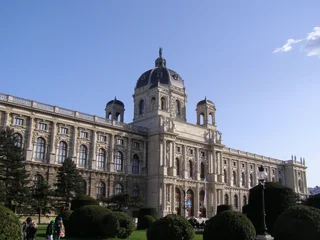
Das Museum wurde gebaut, um genau das zur Schau zu stellen. Kaiser Franz Joseph eröffnete es 1891 an der Ringstraße, dem Prachtboulevard dort, wo Wiens alte Stadtmauern gestanden hatten, in einem palastartigen Bau von Gottfried Semper und Karl von Hasenauer, dessen Treppenhaus der junge Gustav Klimt schmückte, ehe er zum Klimt aus Gold und Skandal wurde. Es ging darum, die verstreuten kaiserlichen Sammlungen unter einem Dach zu vereinen und das Publikum hineinzulassen.
So lesen sich die Wände wie ein Inventar habsburgischer Reichweite. Vermeers Die Malkunst, der Künstler von hinten an seiner Staffelei gesehen, den die Familie als einen ihrer Schätze behielt. Säle voll Tizian, Rubens und Velázquez, dessen spanische Hofporträts kleiner ernster Prinzessinnen durch die Heiraten nach Wien kamen, die die beiden Zweige der Familie verbanden. Und unter den Gemäldegalerien liegt die Kunstkammer, ein Gewirr aus geschnitztem Elfenbein, Uhrwerkautomaten und Edelsteinschalen, zusammengetragen von Kaisern, die das Fremdartige und Erfindungsreiche ebenso wollten wie das Schöne. Ihr berühmtestes Stück ist ein goldenes Salzfass, das Benvenuto Cellini für den König von Frankreich schuf.
Weitere Artikel
Sammlung
381 Werke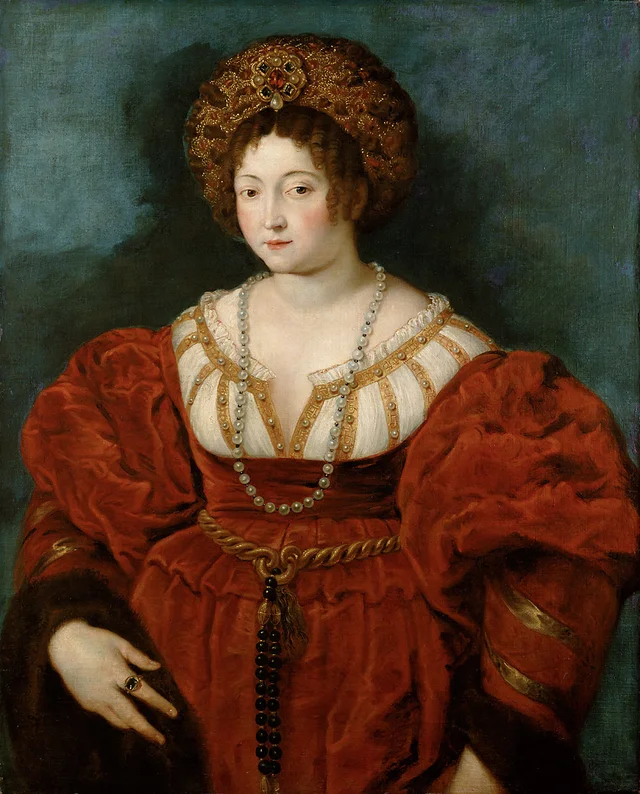 Isabella d'EstePeter Paul Rubens, 1605
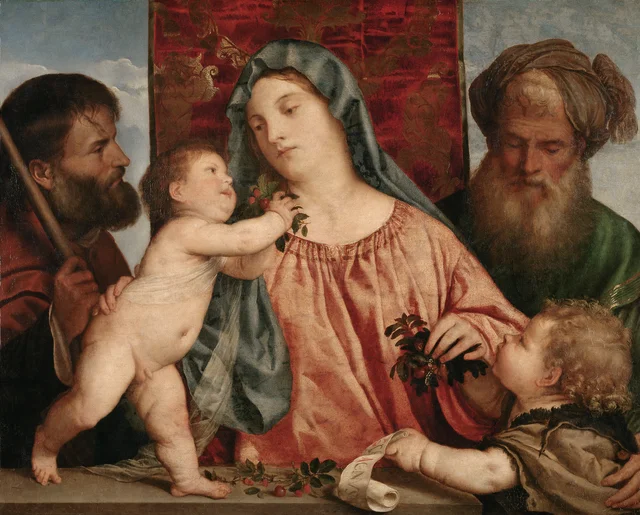 Madonna mit den KirschenTizian, 1517
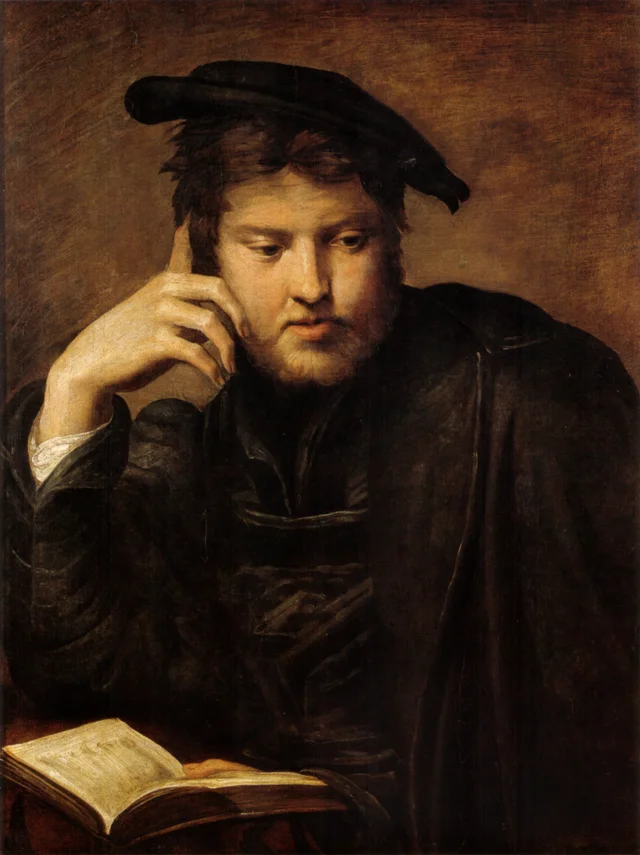 Mann mit einem BuchParmigianino, 1529
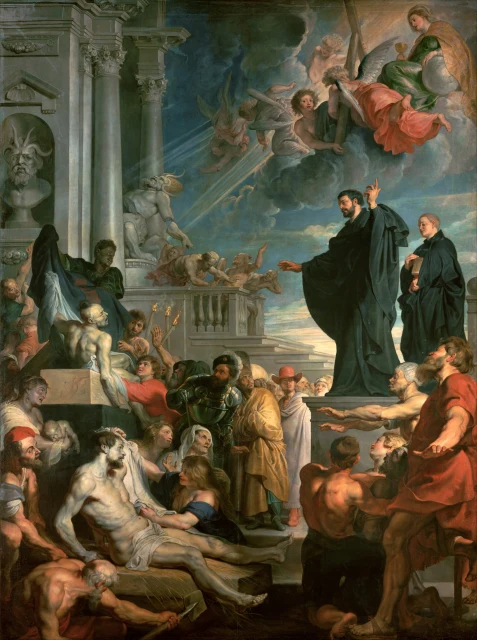 Wunder des heiligen Franz XaverPeter Paul Rubens, 1617
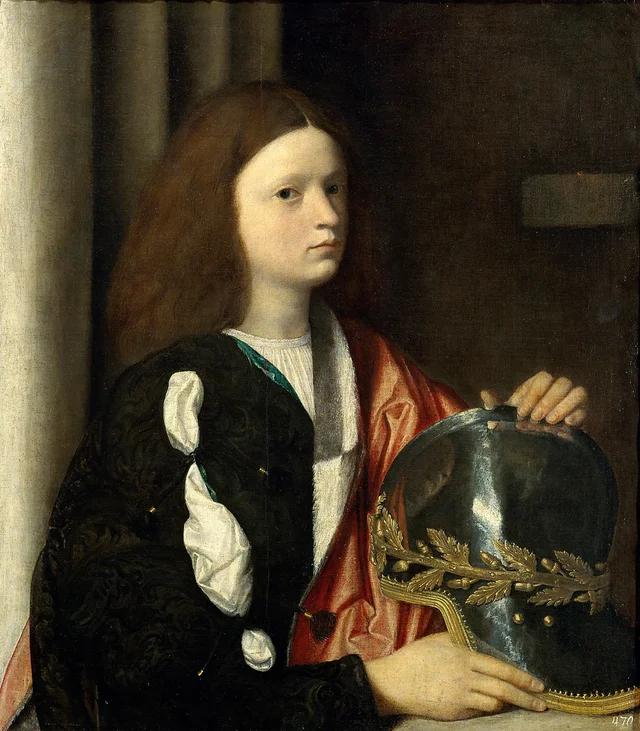 Bildnis des Francesco Maria della RovereGiorgione, 1502
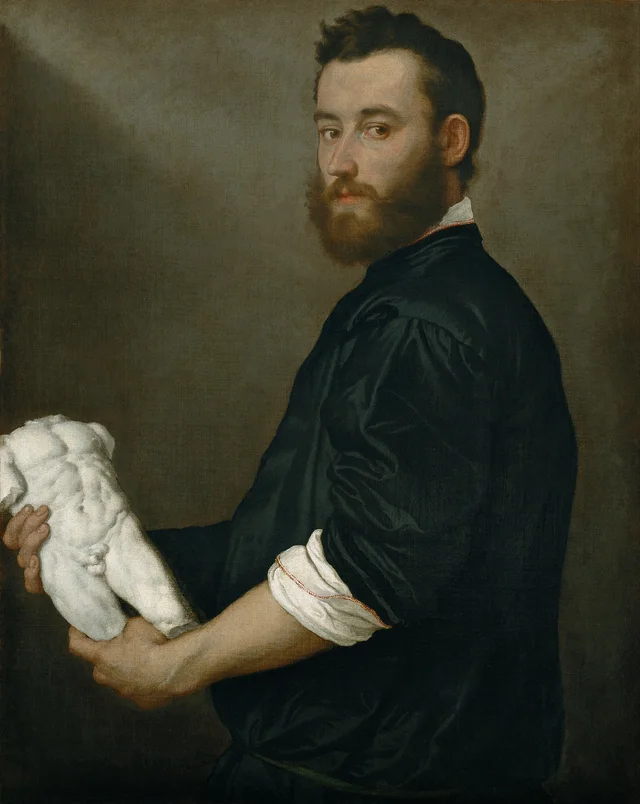 Bildnis des Bildhauers Alessandro VittoriaGiovanni Battista Moroni, 1552
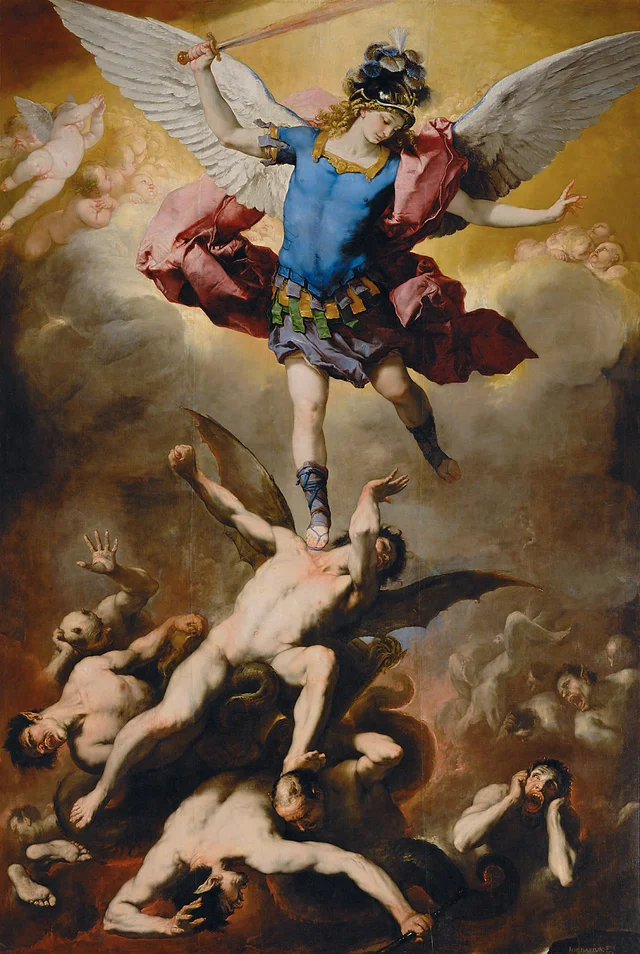 Der Sturz der rebellischen EngelLuca Giordano, 1666
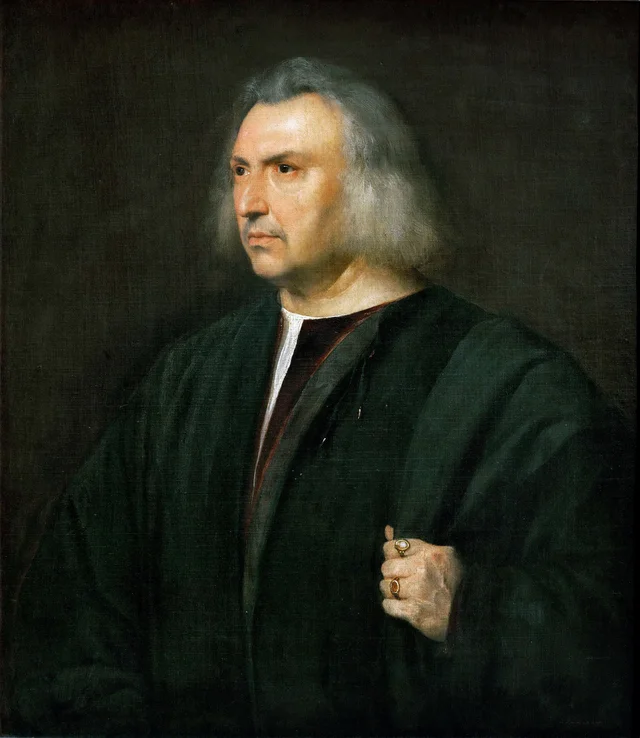 Der Arzt Gian Giacomo Bartolotti da ParmaTizian, 1516
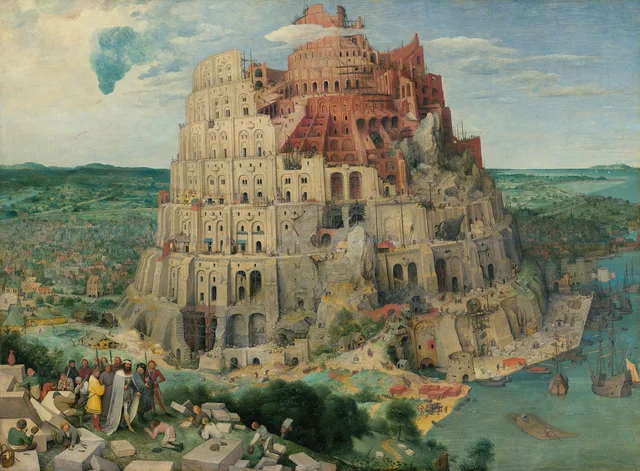 Der Turmbau zu BabelPieter Brueghel der Ältere, 1563
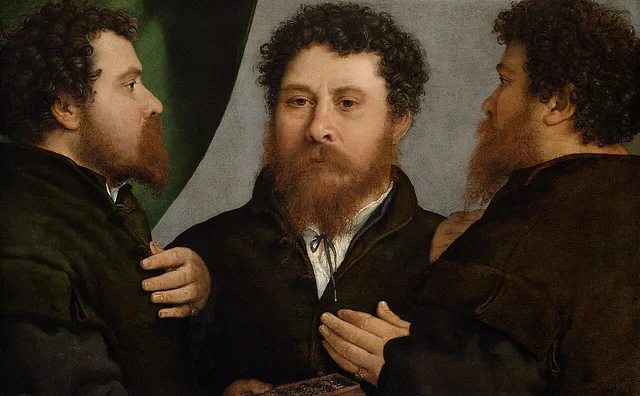 Dreifachbildnis eines Goldschmieds (Bartolomeo Carpan?)Lorenzo Lotto, 1530
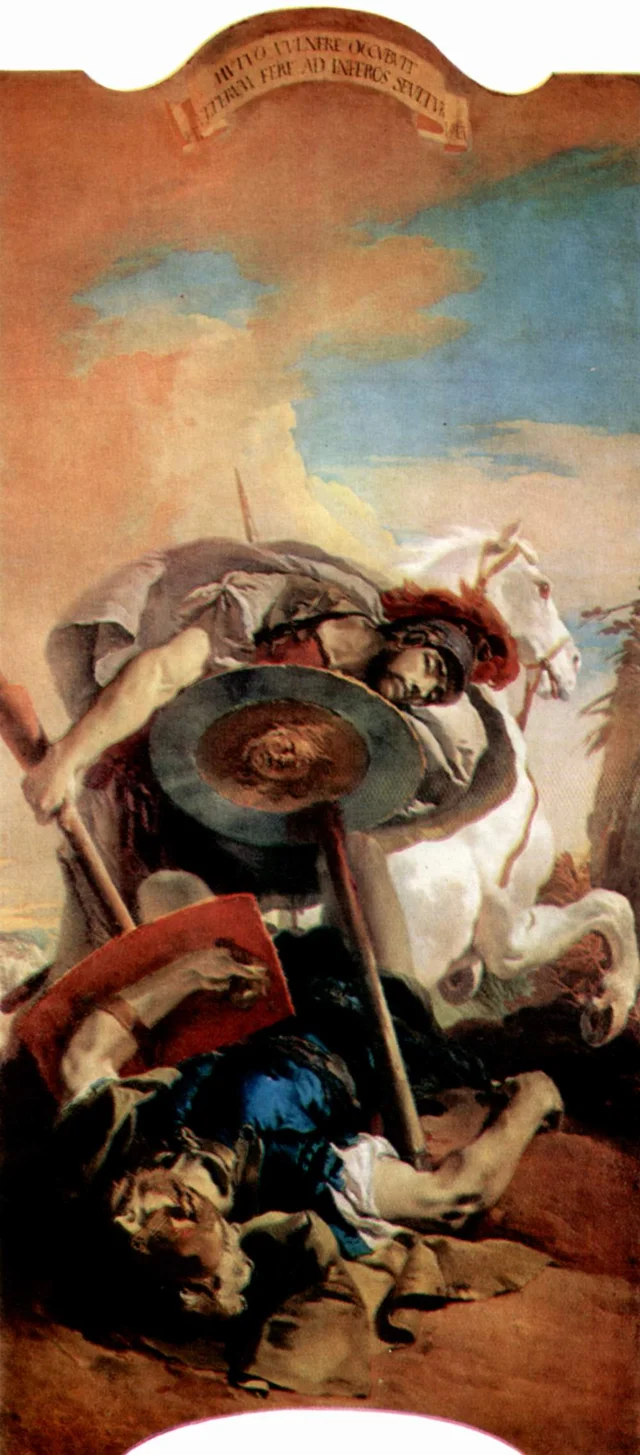 Tod des Konsuls L. J. Brutus im Duell mit ArunsGiovanni Battista Tiepolo, 1727
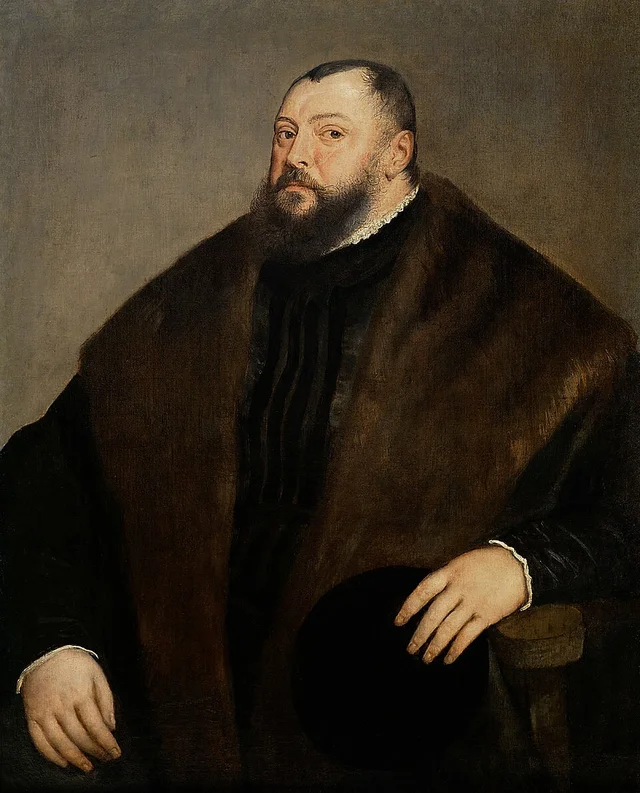 Kurfürst Johann Friedrich von SachsenTizian, 1550
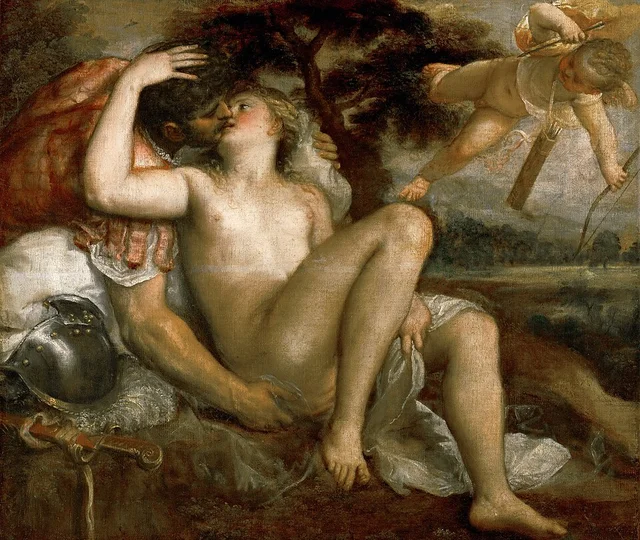 Mars, Venus und AmorTizian, 1550
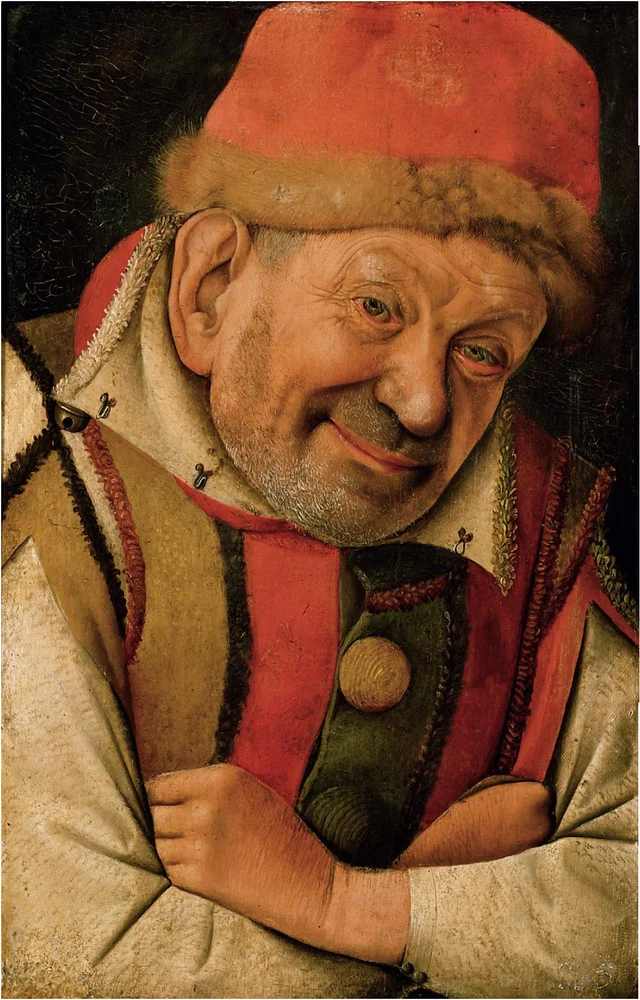 Der Hofnarr GonellaJean Fouquet, 1447
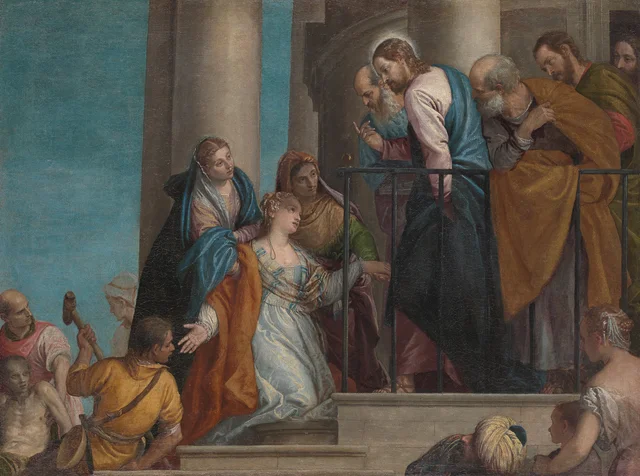 Die Auferweckung des Jünglings von NainPaolo Veronese, 1560
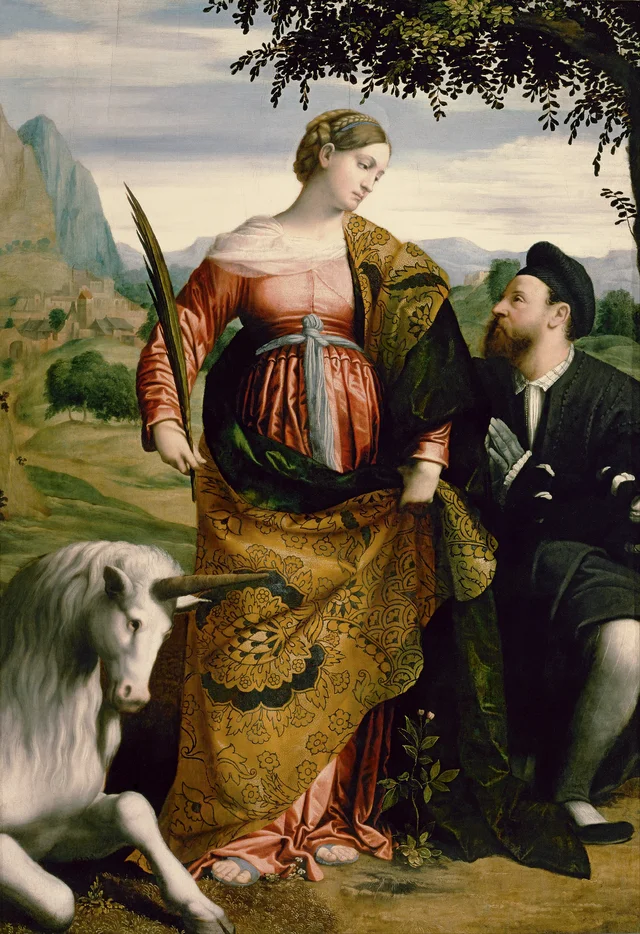 Die heilige Justina mit dem Einhorn, verehrt von einem StifterMoretto da Brescia, 1530
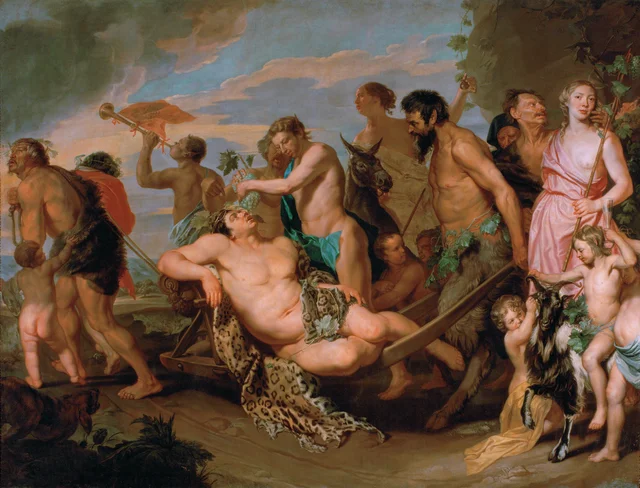 Der Triumph des BacchusMichaelina Wautier, 1655
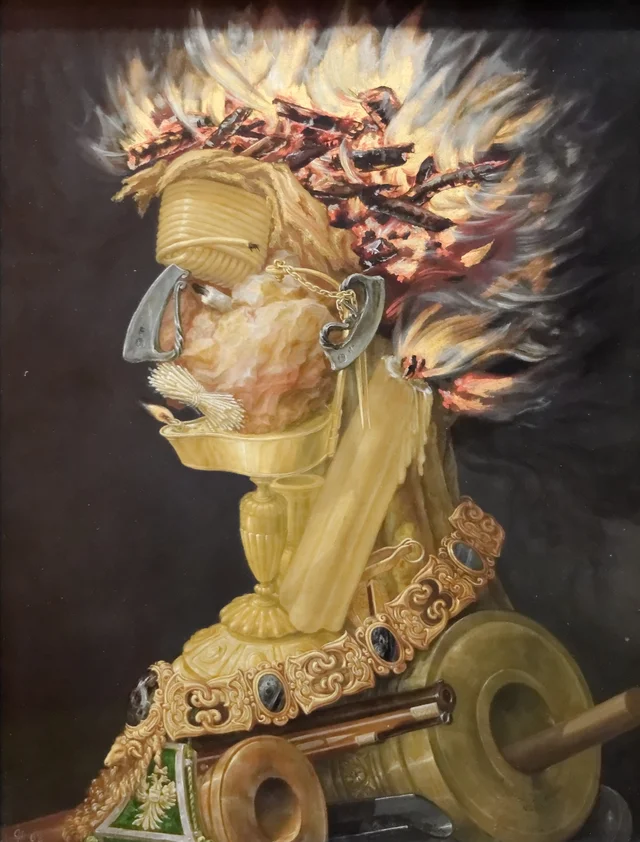 FeuerGiuseppe Arcimboldo, 1566
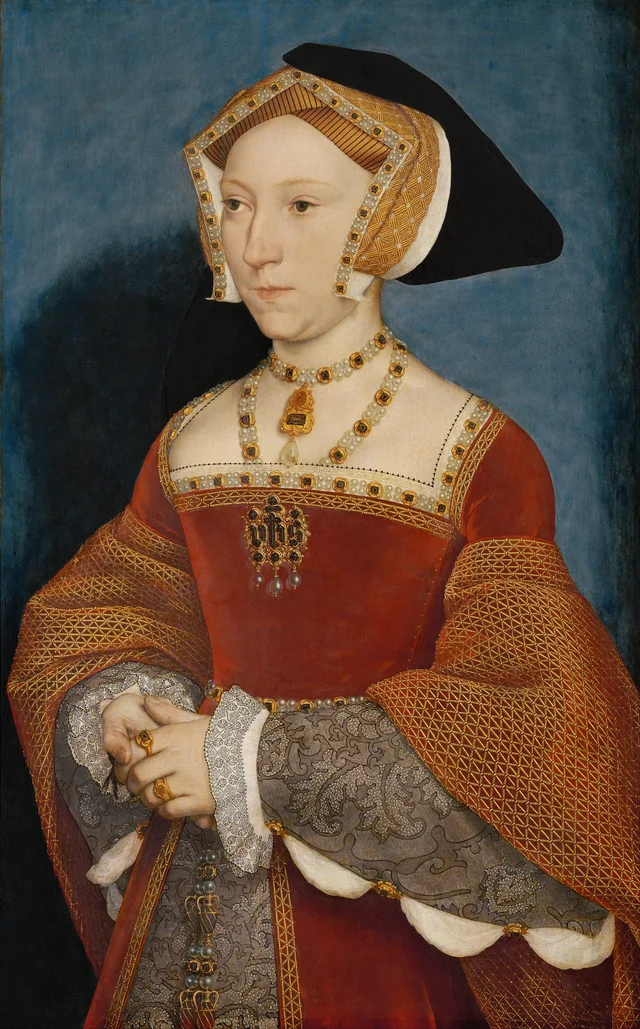 Jane SeymourHans Holbein der Jüngere, 1536
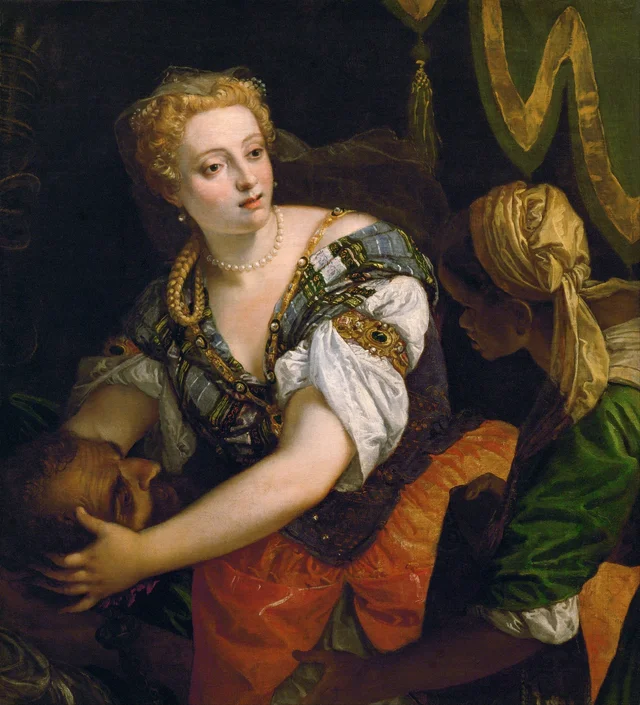 Judith mit dem Haupt des HolofernesPaolo Veronese, 1582
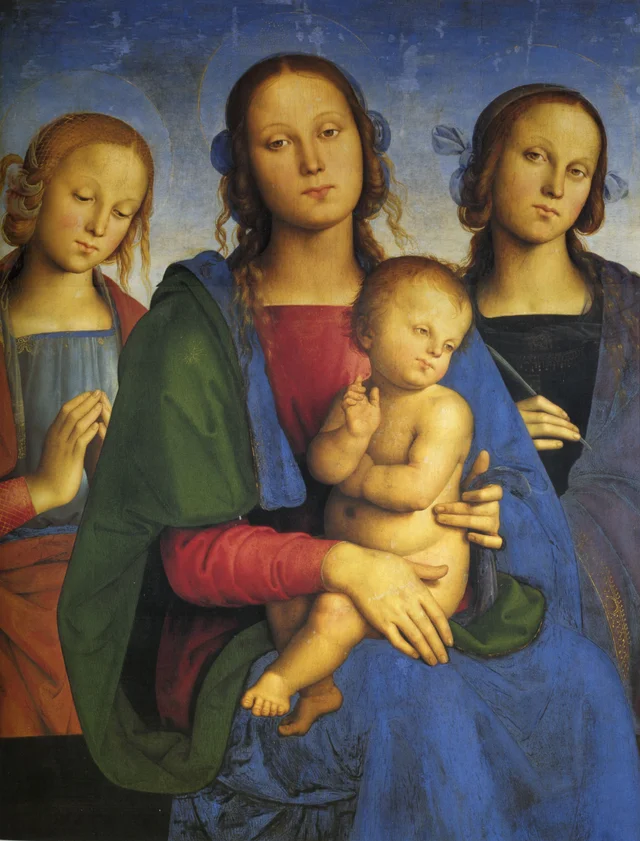 Madonna mit Kind und zwei HeiligenPietro Perugino, 1493
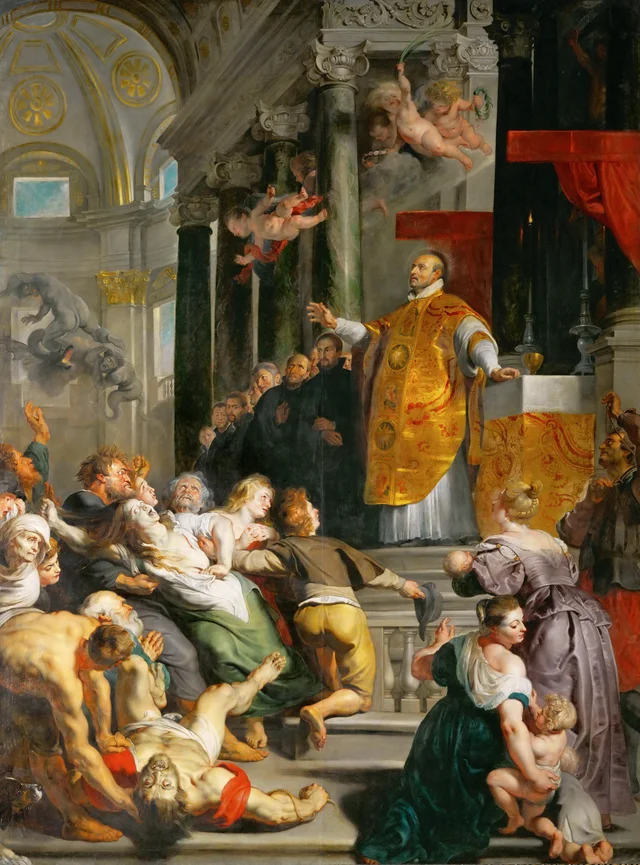 Das Wunder des heiligen Ignatius von LoyolaPeter Paul Rubens, 1618
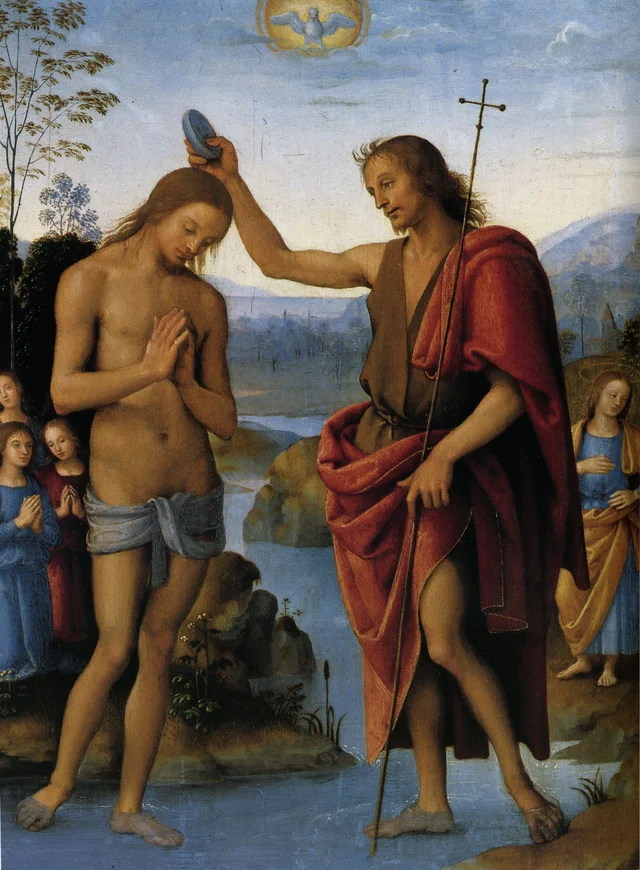 Die Taufe ChristiPietro Perugino, 1499
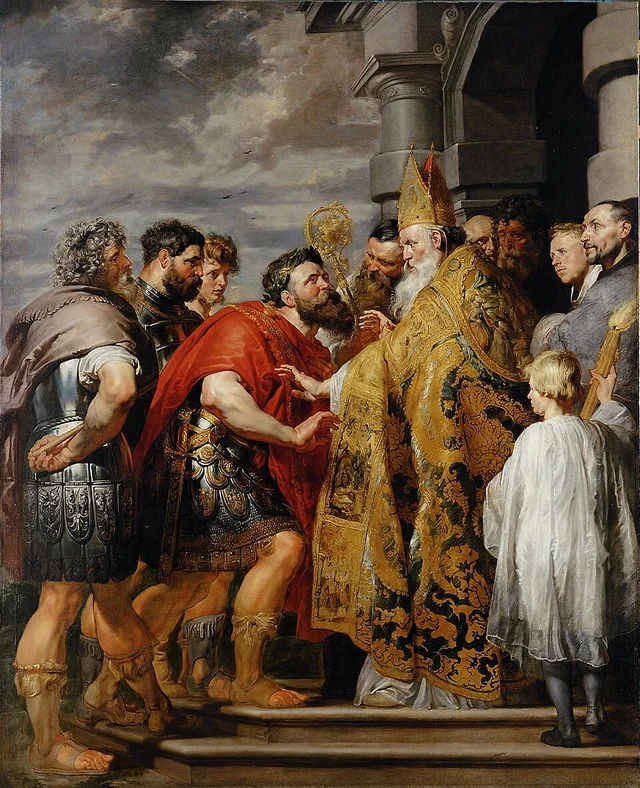 Theodosius und der heilige AmbrosiusPeter Paul Rubens, 1617
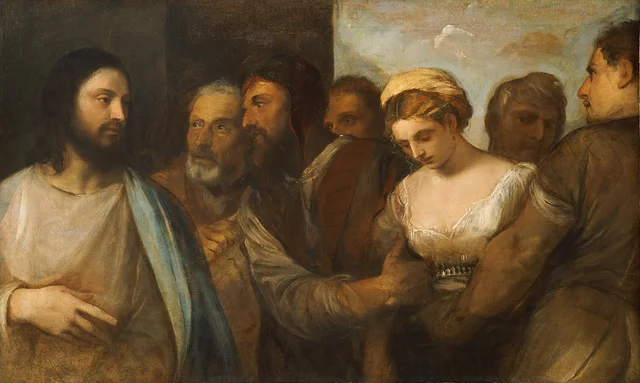 Christus und die EhebrecherinTizian, 1513