Die Geschichte
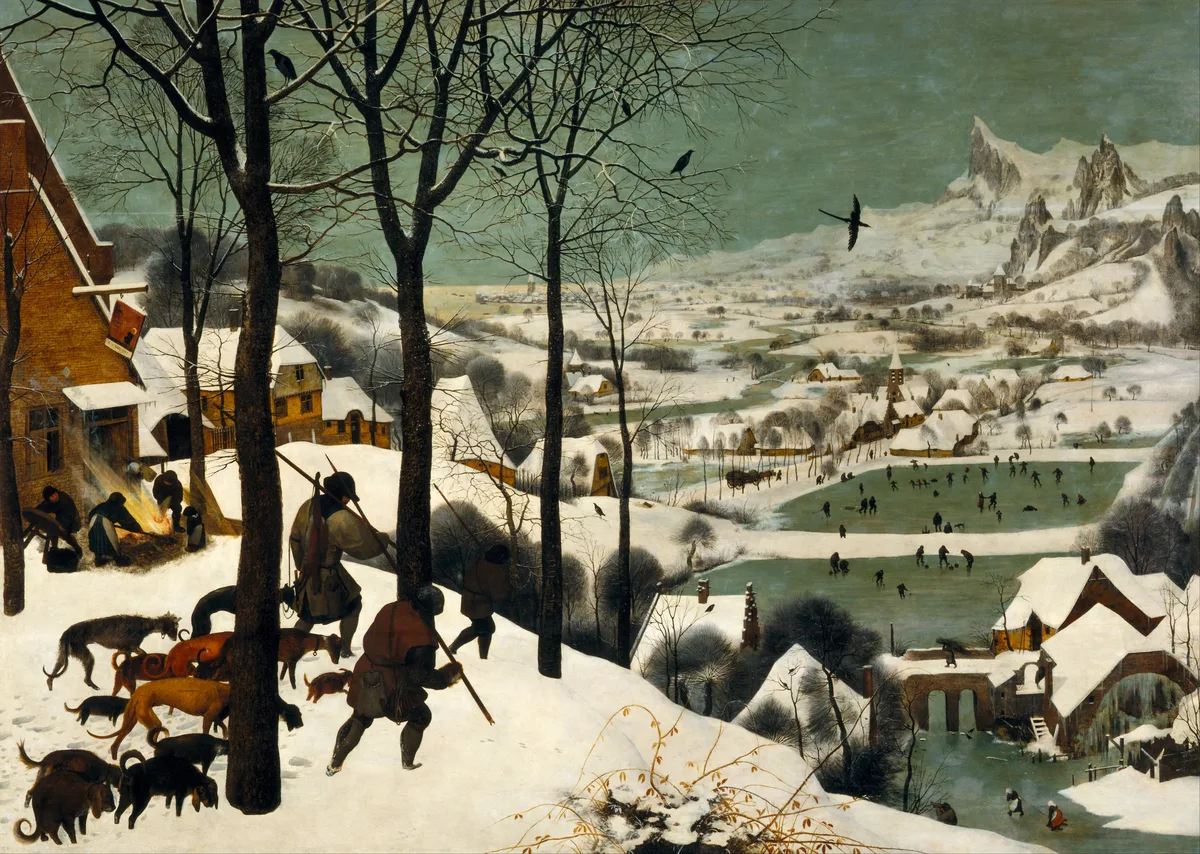
Ein Raum im ersten Stock beherbergt mehr Gemälde von Pieter Bruegel dem Älteren als jeder andere Ort der Welt, etwa ein Dutzend, darunter die Jäger im Schnee, die Reihe müder Jäger und ihrer Hunde, die 1565 über einen Hügel oberhalb eines vereisten Tals stapfen. Dass Wien sie überhaupt besitzt, verdankt sich den Habsburgern, der Dynastie, die Europa über Jahrhunderte weithin beherrschte und einen guten Teil dieser Macht in Kunst steckte.
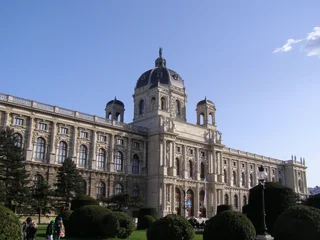
Das Museum wurde gebaut, um genau das zur Schau zu stellen. Kaiser Franz Joseph eröffnete es 1891 an der Ringstraße, dem Prachtboulevard dort, wo Wiens alte Stadtmauern gestanden hatten, in einem palastartigen Bau von Gottfried Semper und Karl von Hasenauer, dessen Treppenhaus der junge Gustav Klimt schmückte, ehe er zum Klimt aus Gold und Skandal wurde. Es ging darum, die verstreuten kaiserlichen Sammlungen unter einem Dach zu vereinen und das Publikum hineinzulassen.
So lesen sich die Wände wie ein Inventar habsburgischer Reichweite. Vermeers Die Malkunst, der Künstler von hinten an seiner Staffelei gesehen, den die Familie als einen ihrer Schätze behielt. Säle voll Tizian, Rubens und Velázquez, dessen spanische Hofporträts kleiner ernster Prinzessinnen durch die Heiraten nach Wien kamen, die die beiden Zweige der Familie verbanden. Und unter den Gemäldegalerien liegt die Kunstkammer, ein Gewirr aus geschnitztem Elfenbein, Uhrwerkautomaten und Edelsteinschalen, zusammengetragen von Kaisern, die das Fremdartige und Erfindungsreiche ebenso wollten wie das Schöne. Ihr berühmtestes Stück ist ein goldenes Salzfass, das Benvenuto Cellini für den König von Frankreich schuf.
Weitere Artikel
Sammlung
381 Werke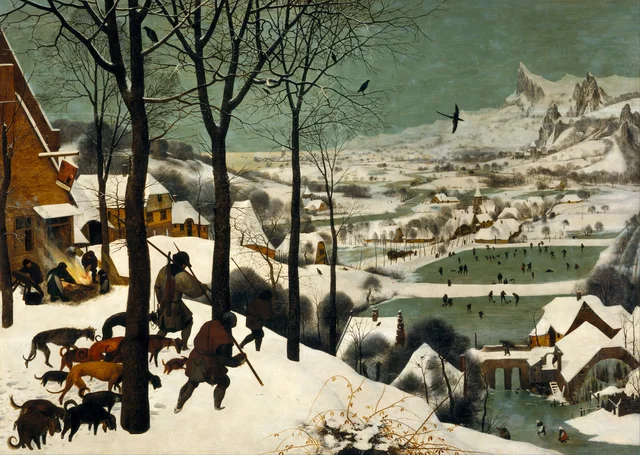 Jäger im SchneePieter Brueghel der Ältere, 1565
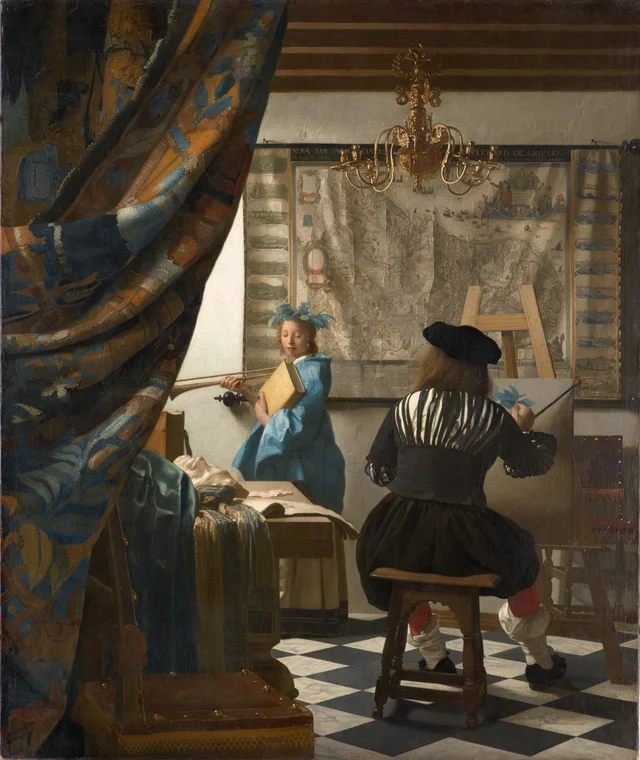 Die MalkunstJohannes Vermeer, 1667
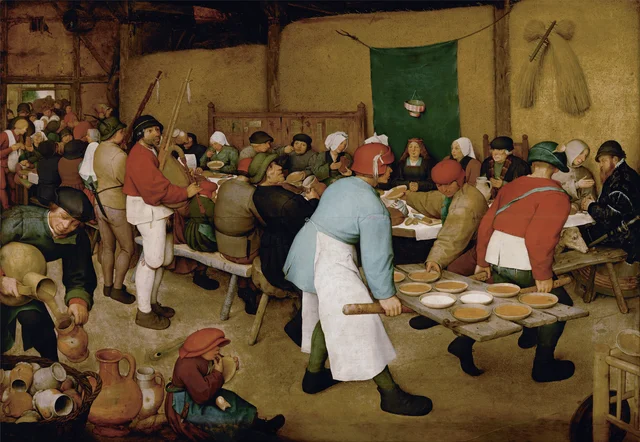 Die BauernhochzeitPieter Brueghel der Ältere, 1567
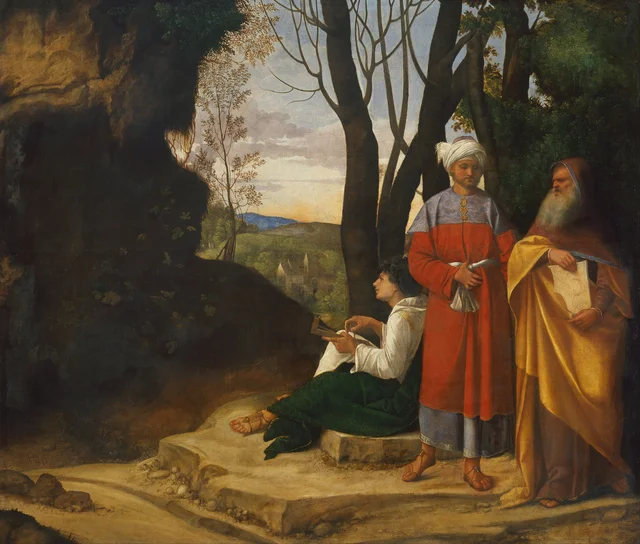 Die drei PhilosophenGiorgione, 1508
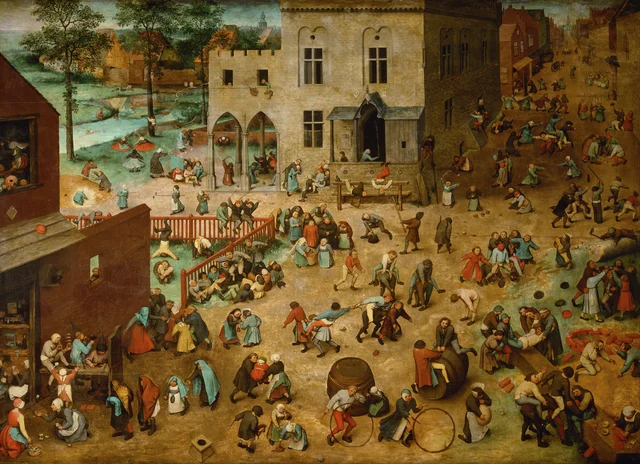 KinderspielePieter Brueghel der Ältere, 1560
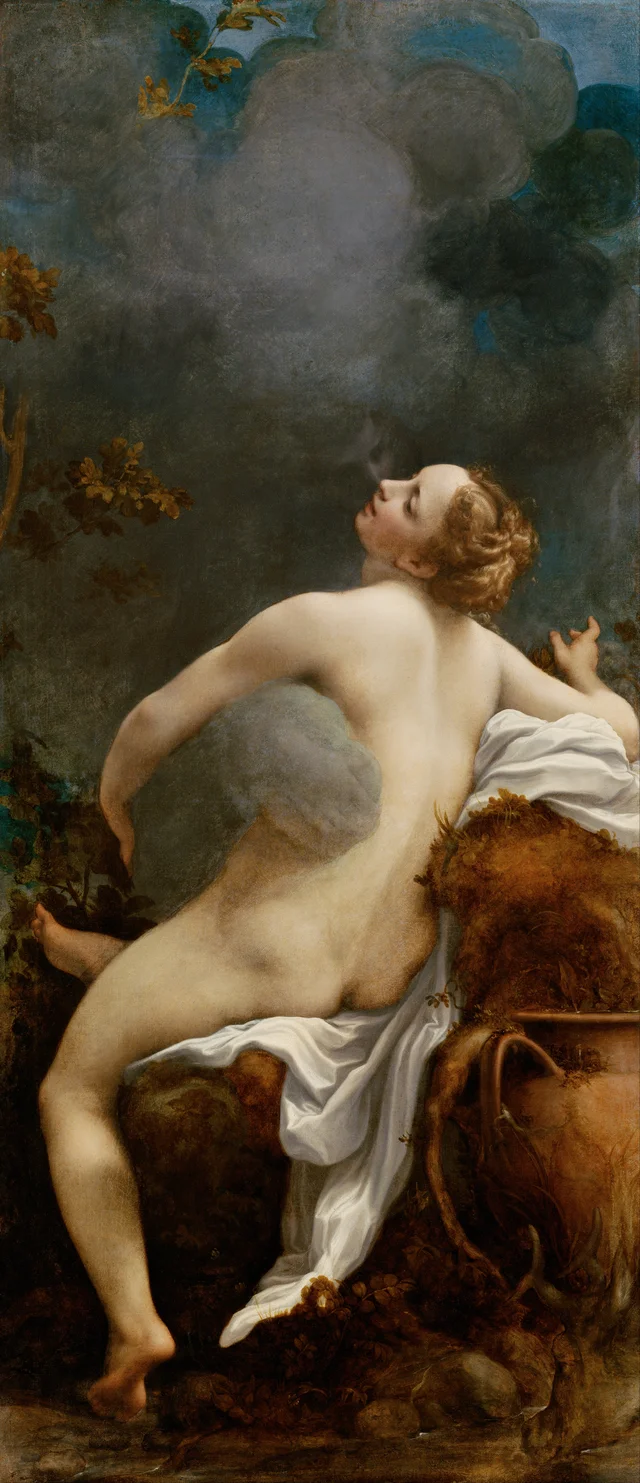 Jupiter und IoCorreggio, 1530
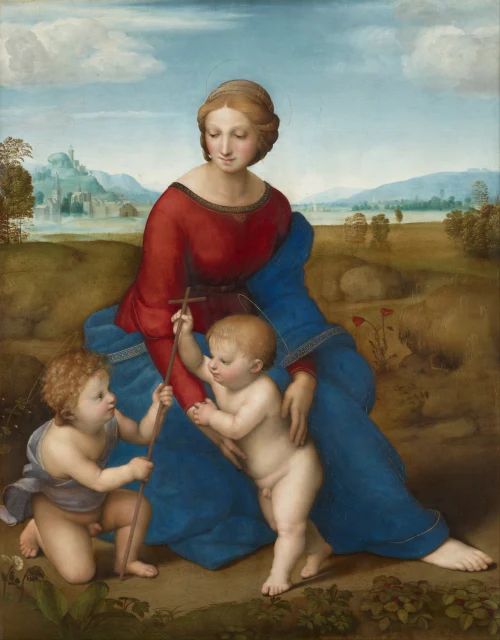 Madonna im GrünenRaffael, 1505
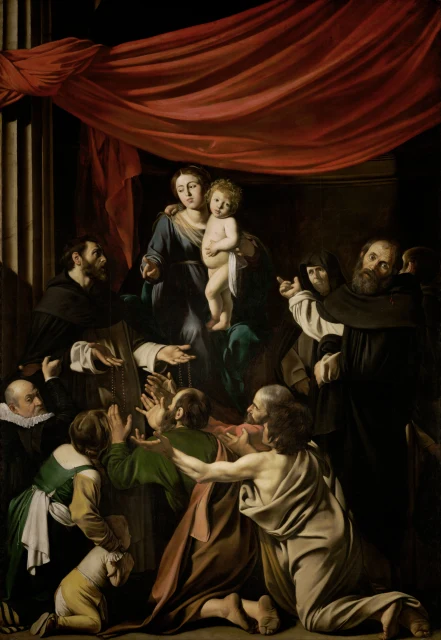 RosenkranzmadonnaCaravaggio, 1607
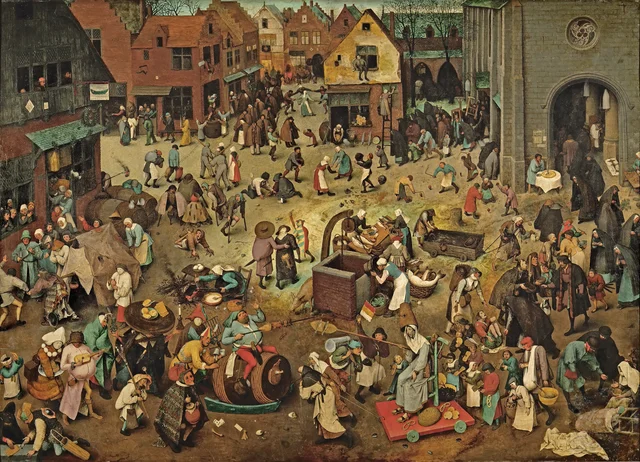 Der Kampf zwischen Karneval und FastenPieter Brueghel der Ältere, 1559
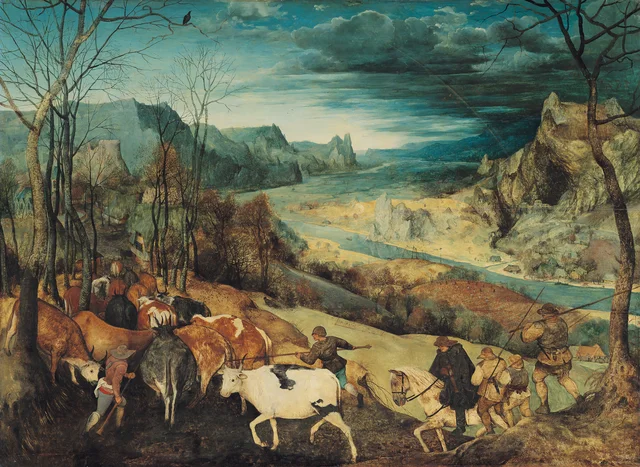 Die Heimkehr der HerdePieter Brueghel der Ältere, 1565
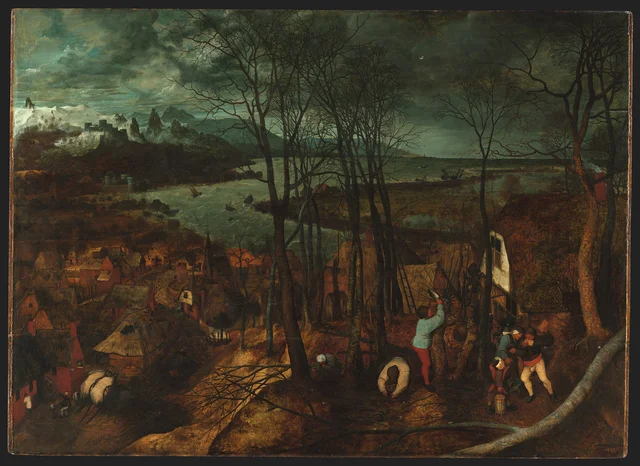 Der düstere TagPieter Brueghel der Ältere, 1565
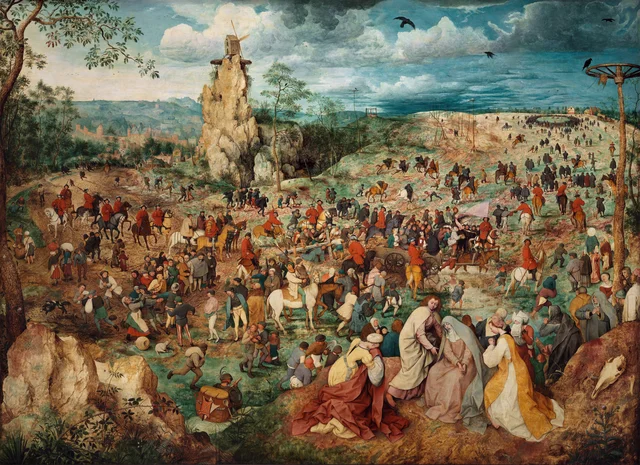 Kreuztragung ChristiPieter Brueghel der Ältere, 1564
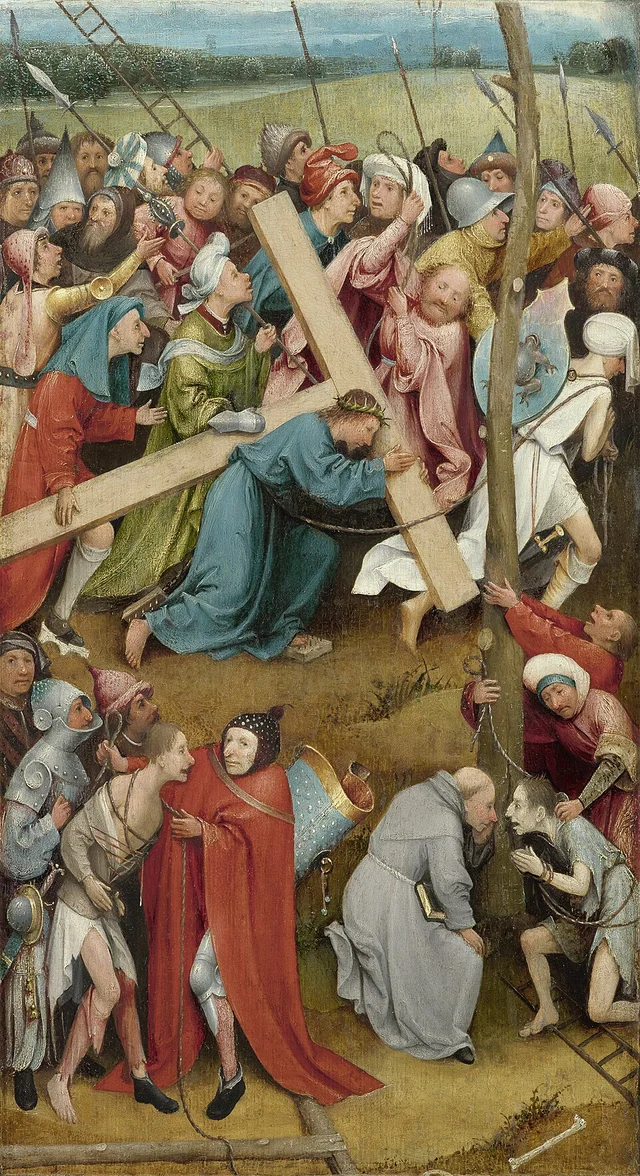 Kreuztragung ChristiHieronymus Bosch, 1500
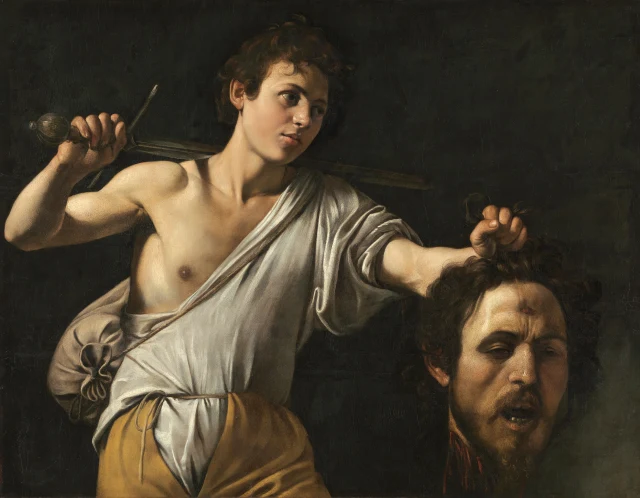 David mit dem Haupt des GoliathCaravaggio, 1607
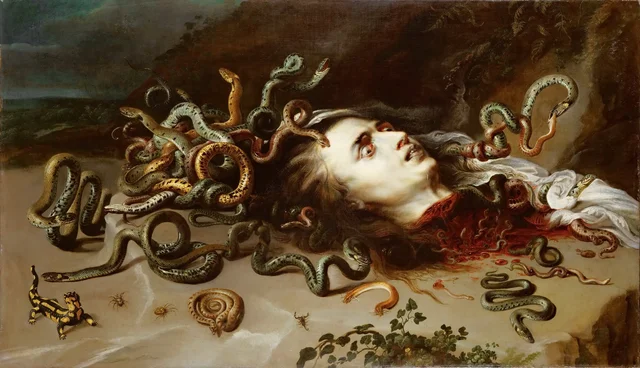 Das Haupt der MedusaPeter Paul Rubens, 1618
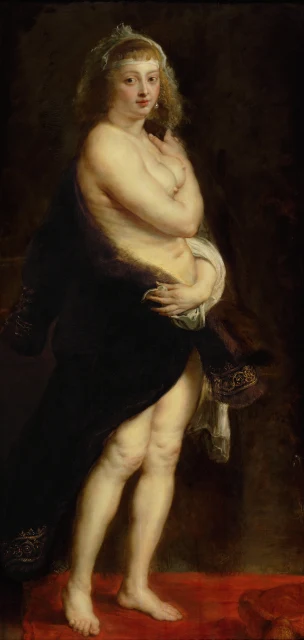 Das Pelzchen (Helene Fourment im Pelz)Peter Paul Rubens, 1638
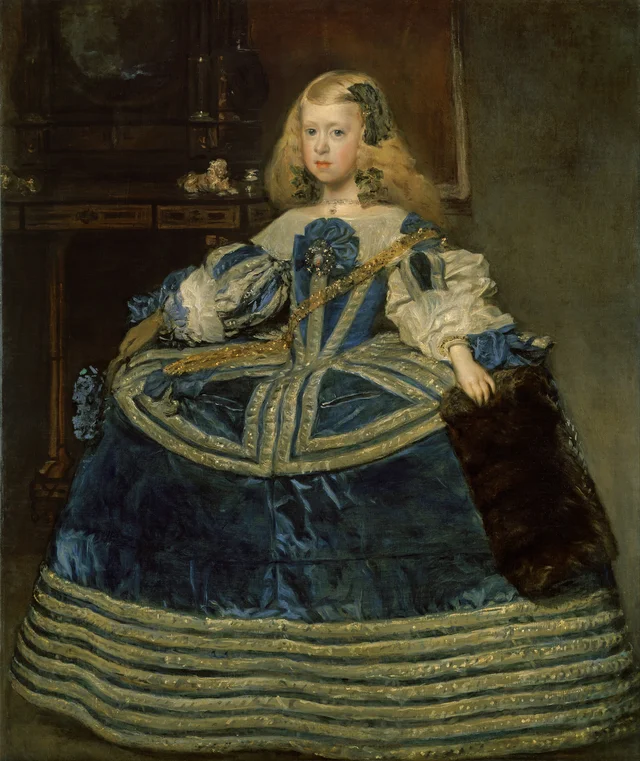 Infantin Margarita Teresa in blauem KleidDiego Velázquez, 1659
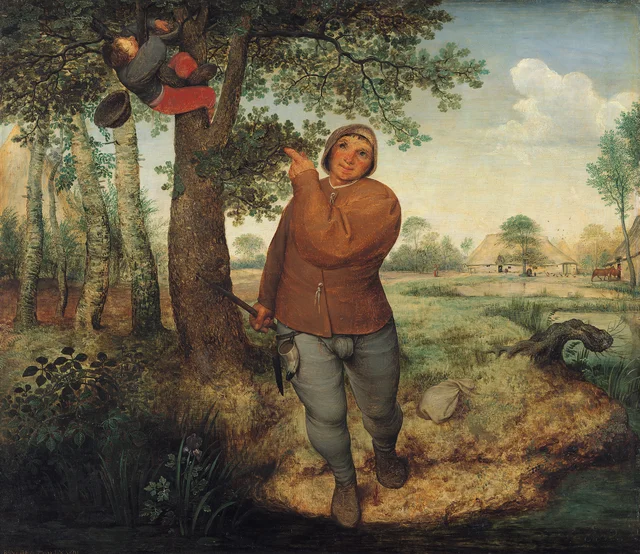 Der Bauer und der NesträuberPieter Brueghel der Ältere, 1568
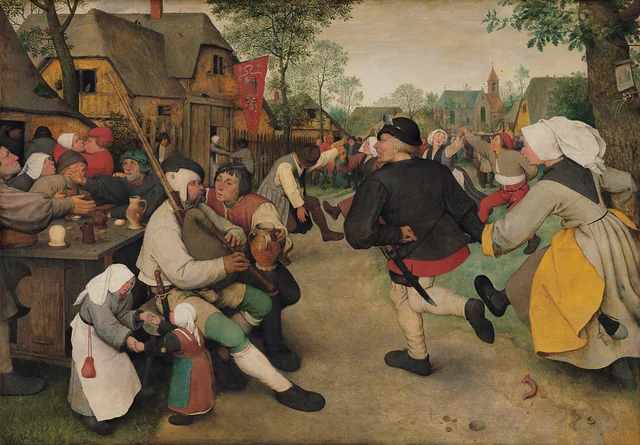 Der BauerntanzPieter Brueghel der Ältere, 1568
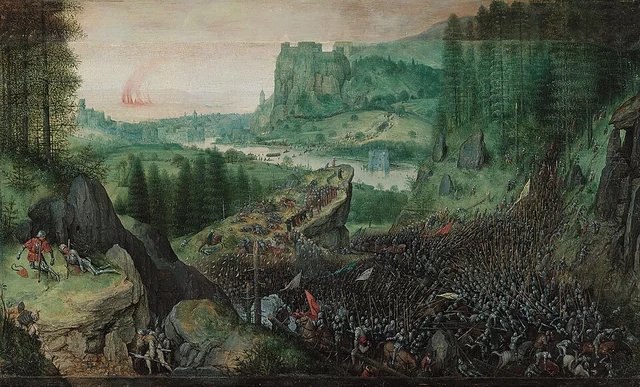 Der Selbstmord SaulsPieter Brueghel der Ältere, 1562
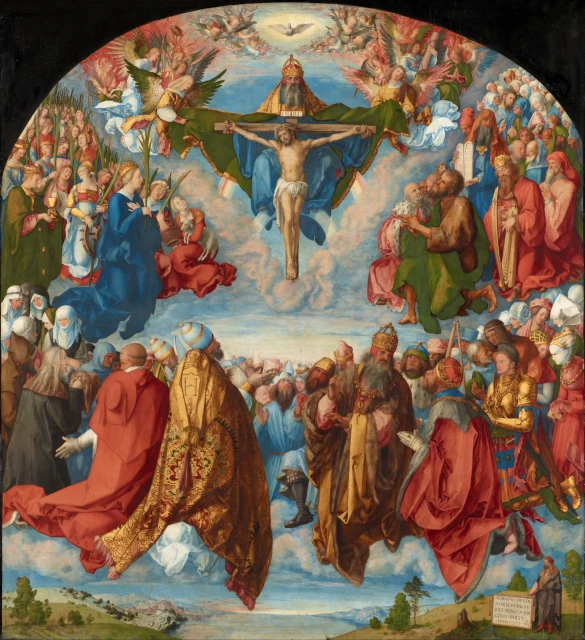 Landauer Altar (Anbetung der Dreifaltigkeit)Albrecht Dürer, 1511
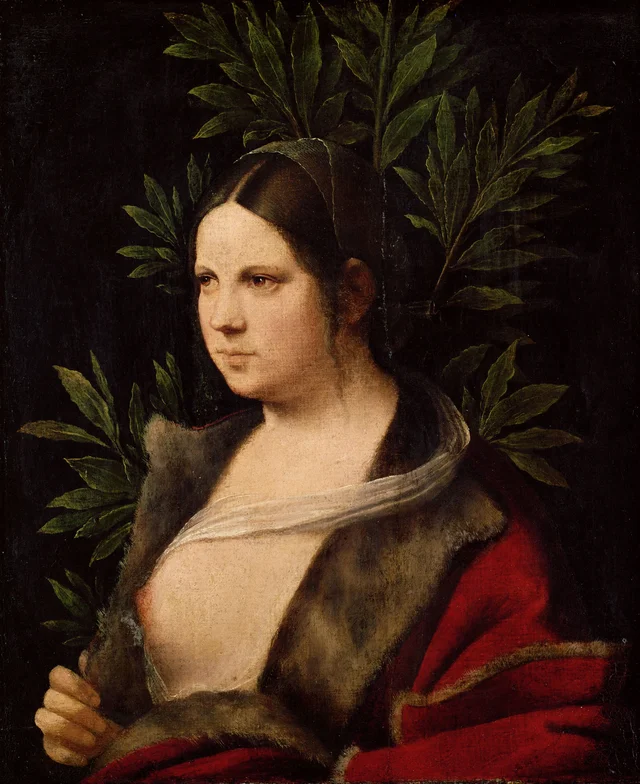 LauraGiorgione, 1506
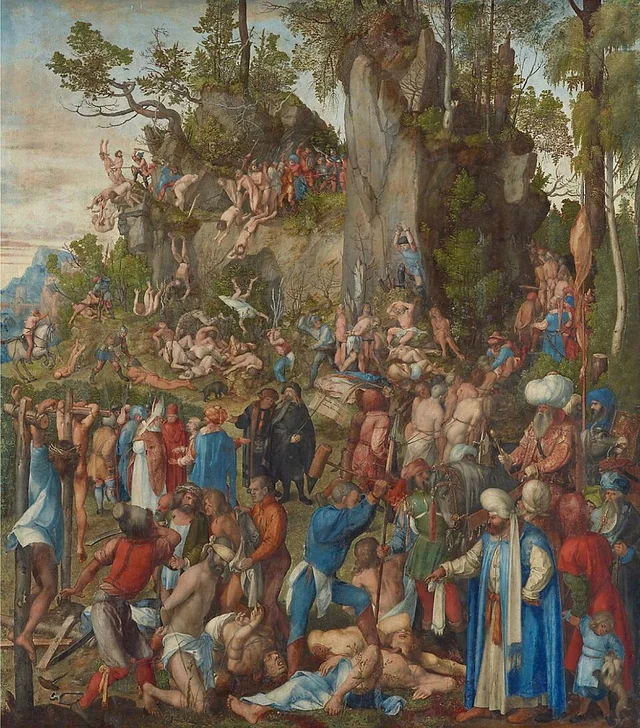 Marter der zehntausend ChristenAlbrecht Dürer, 1508
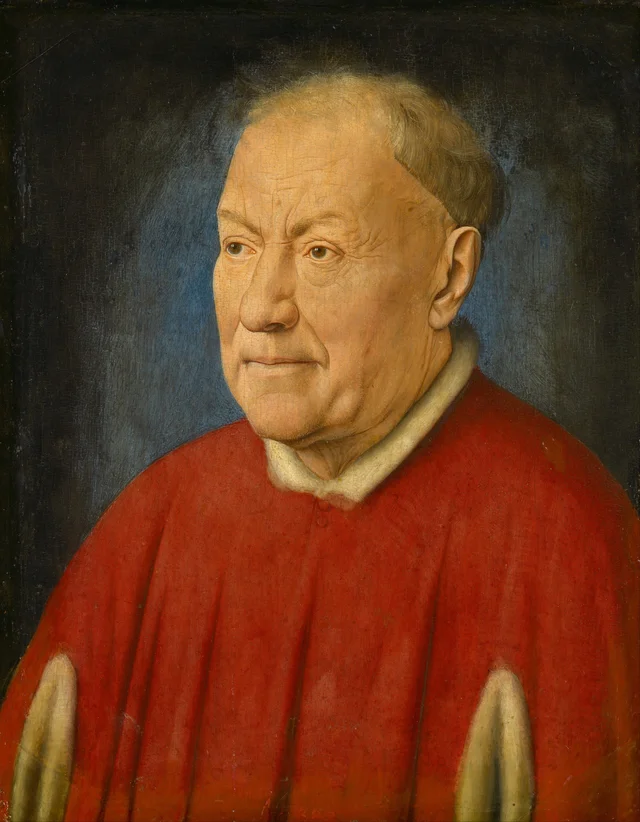 Bildnis eines Mannes (Kardinal Niccolò Albergati?)Jan van Eyck, 1431
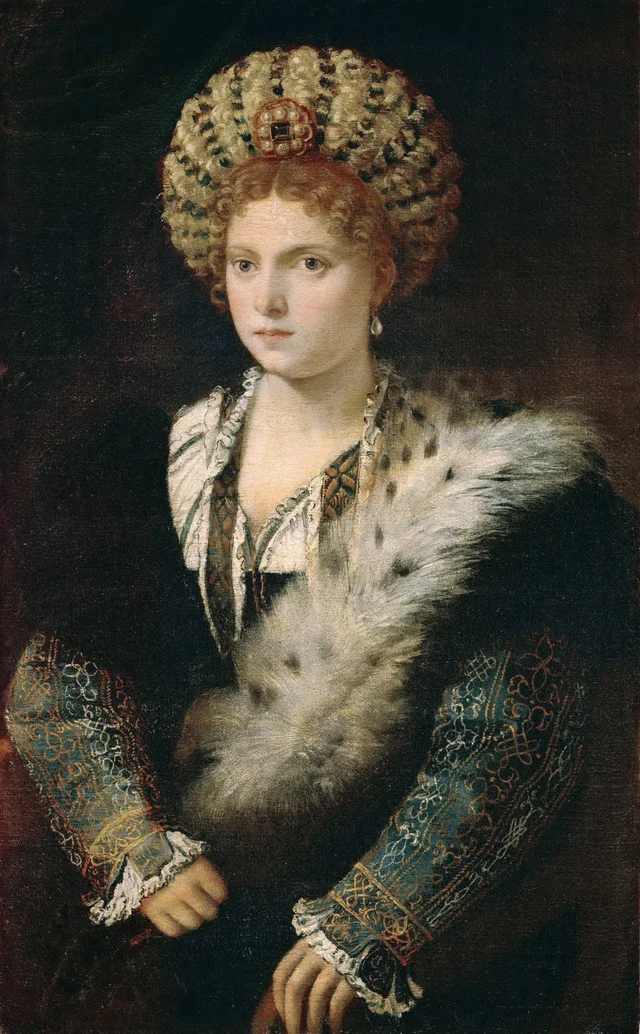 Bildnis der Isabella d'EsteTizian, 1535