Die Geschichte
Das Museum of Modern Art eröffnete im November 1929, neun Tage nach dem Börsenkrach an der Wall Street, was einiges über den Mut dahinter verrät. Gegründet wurde es von drei Frauen, Abby Aldrich Rockefeller, Lillie P. Bliss und Mary Quinn Sullivan, die es verdross, dass New Yorks große Museen lebende, moderne Künstler nicht ernst nahmen. Sie begannen in ein paar gemieteten Räumen an der Fifth Avenue mit einer Leihausstellung von Van Gogh, Gauguin, Cézanne und Seurat, und die Idee schlug rasch ein.
Sein erster Direktor, Alfred H. Barr, damals 27, gab dem jungen Museum seine Gestalt. Er hielt moderne Kunst für eine zusammenhängende Geschichte, die vom Postimpressionismus über den Kubismus bis zur Abstraktion reicht, und er richtete Abteilungen nicht nur für Malerei ein, sondern auch für Film, Fotografie, Design und Architektur, die die meisten Museen unter ihrer Würde fanden. Deshalb können ein Stuhl, ein Hubschrauber oder eine Schrifttype im selben Haus stehen wie die Gemälde.
Und die Gemälde gehören zu den meistreproduzierten der Welt. Van Goghs Sternennacht mit ihrem wogenden Nachthimmel wurde 1941 erworben. Die Säle weiter hängen Picassos Les Demoiselles d'Avignon, die zerklüftete Leinwand von 1907, die dem Kubismus die Tür öffnete, Monets wandfüllende Seerosen, Dalís zerfließende Uhren in Die Beständigkeit der Erinnerung und Warhols Suppendosen.
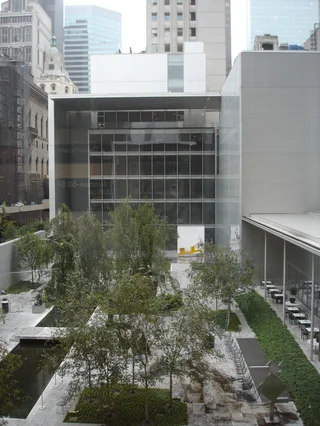
Das Gebäude selbst wurde am selben Block der West 53rd Street mehrfach umgebaut und erweitert, zuletzt bei einer Erweiterung von 2019, die neue Säle schuf und mehr von der Sammlung zeigte.
Sammlung
67 Werke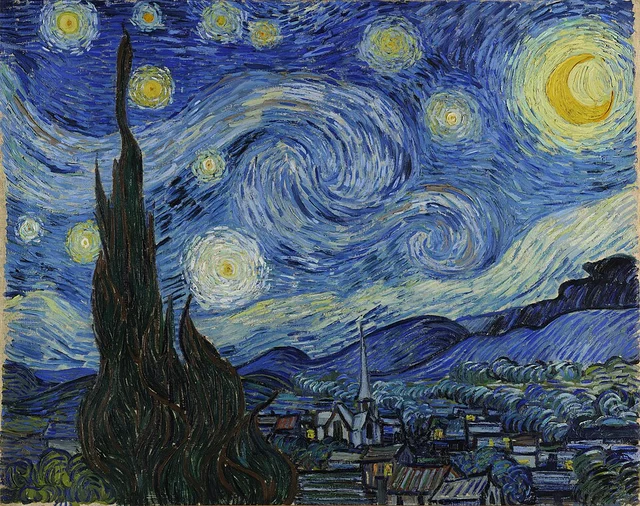 Die SternennachtVincent van Gogh, 1889
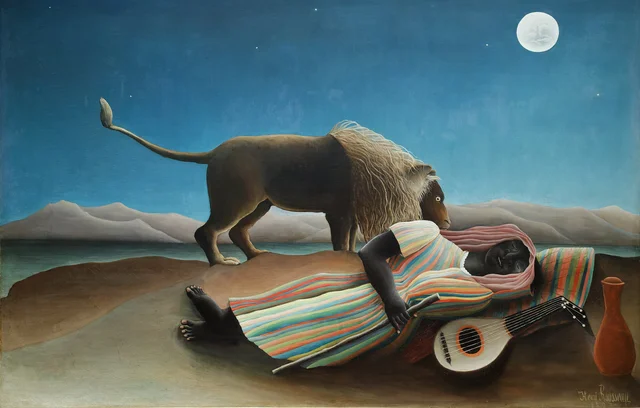 Die schlafende ZigeunerinHenri Rousseau, 1897
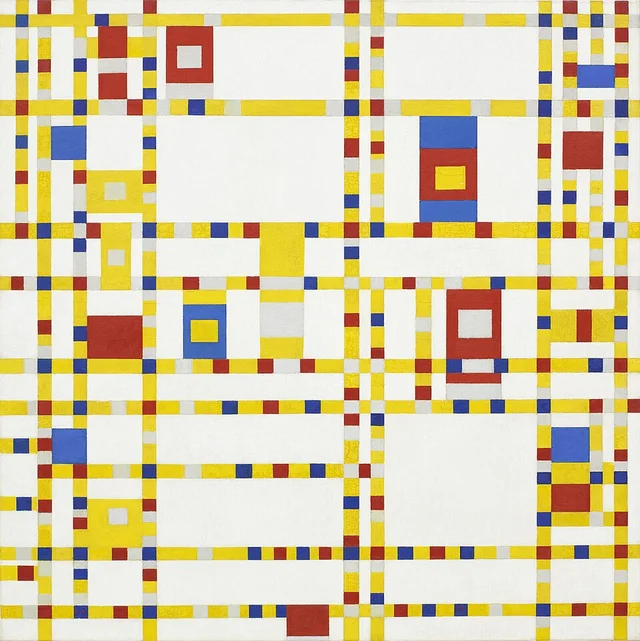 Broadway Boogie-WoogiePiet Mondrian, 1942
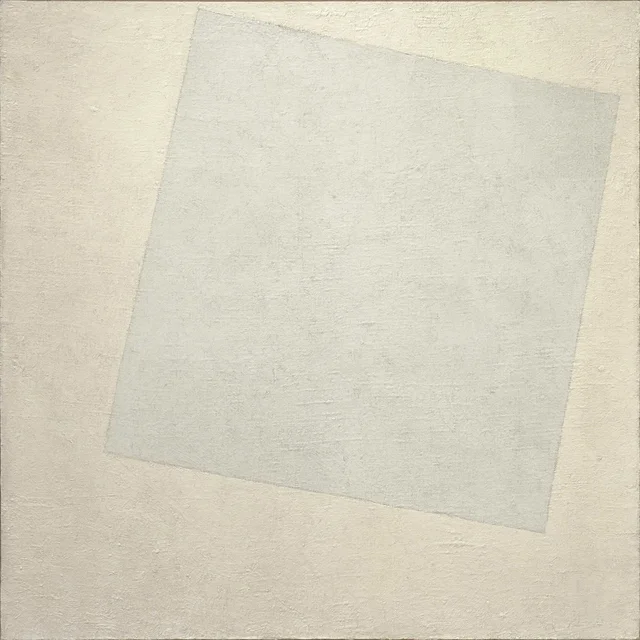 Weiß auf WeißKasimir Malewitsch, 1918
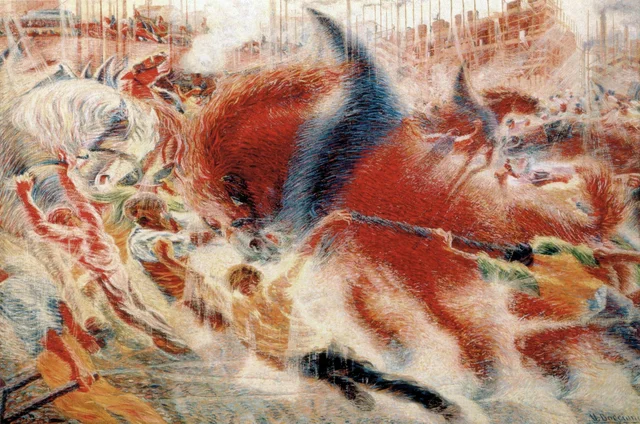 Die Stadt erhebt sichUmberto Boccioni, 1910
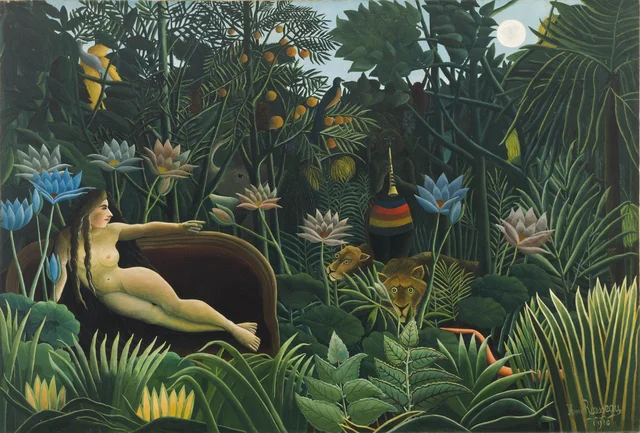 Der TraumHenri Rousseau, 1910
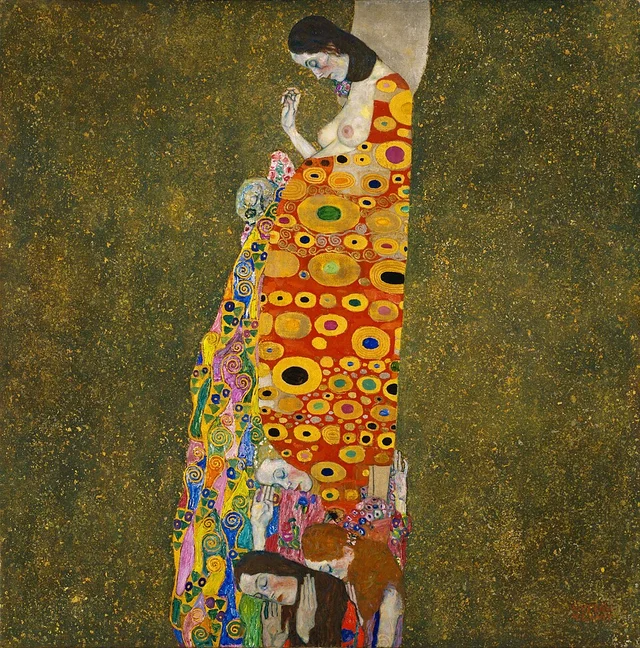 Die Hoffnung IIGustav Klimt, 1907
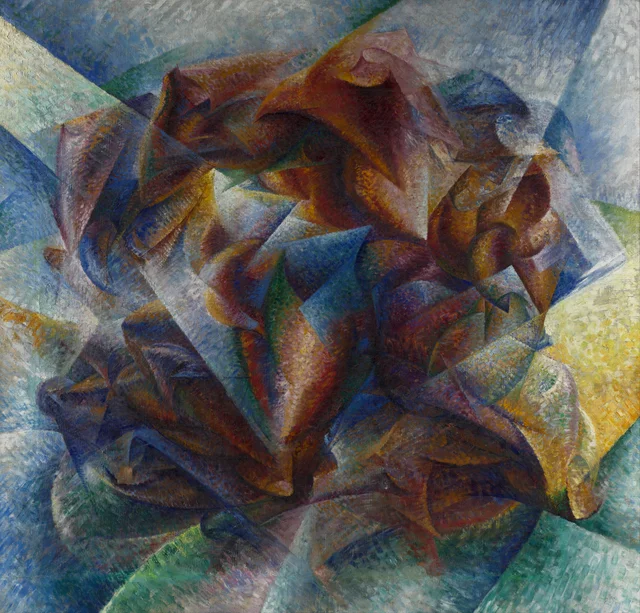 Dynamik eines FußballspielersUmberto Boccioni, 1913
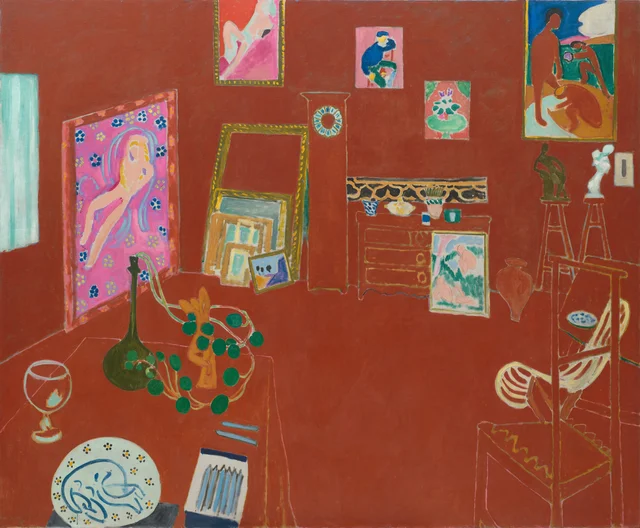 Das rote AtelierHenri Matisse, 1911
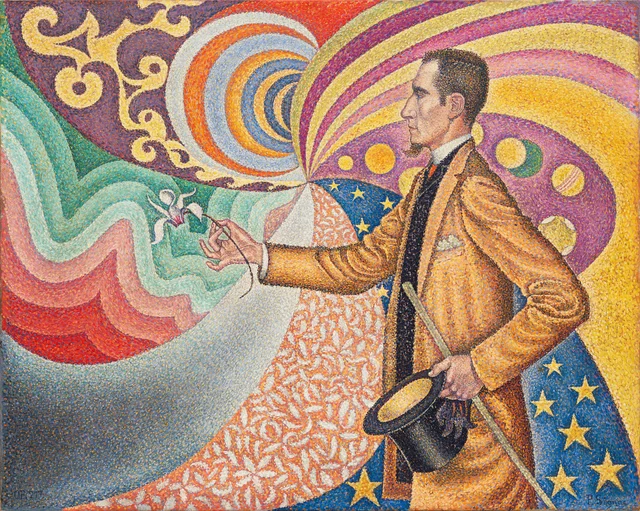 Opus 217. Auf dem Email eines von Takten und Winkeln, Tönen und Farbtönen rhythmisierten Grundes, Bildnis des M. Félix Fénéon im Jahr 1890Paul Signac, 1890
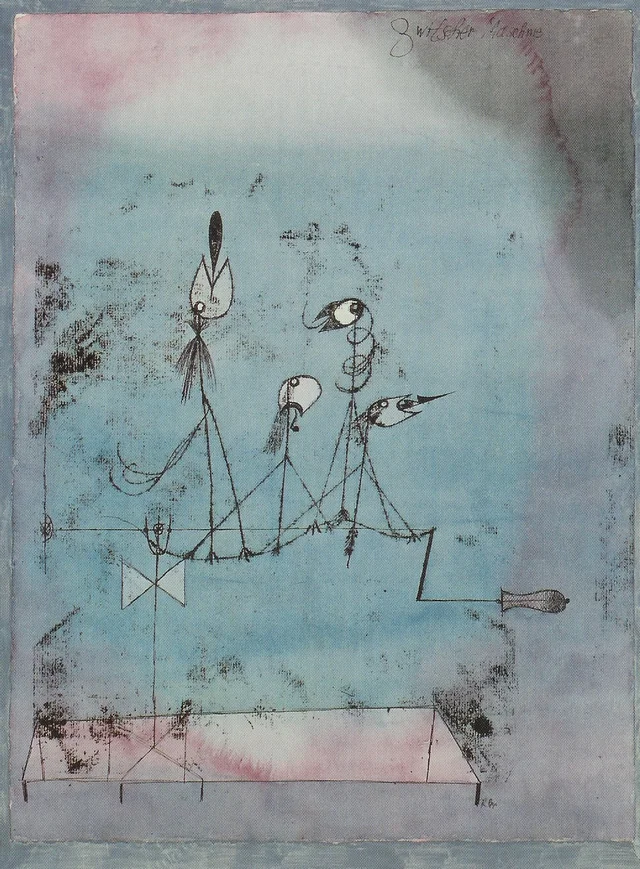 Die Zwitscher-MaschinePaul Klee, 1922
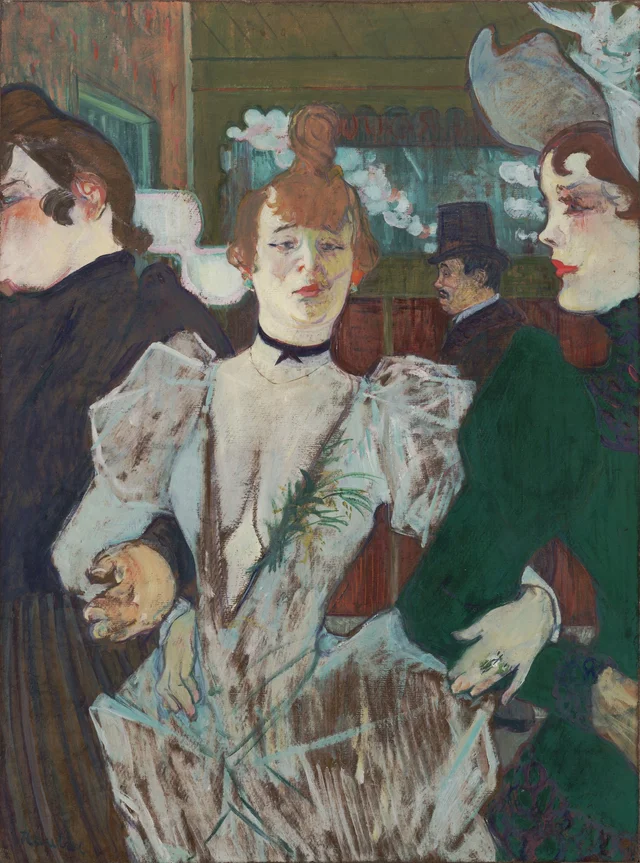 La Goulue im Moulin RougeHenri de Toulouse-Lautrec, 1890
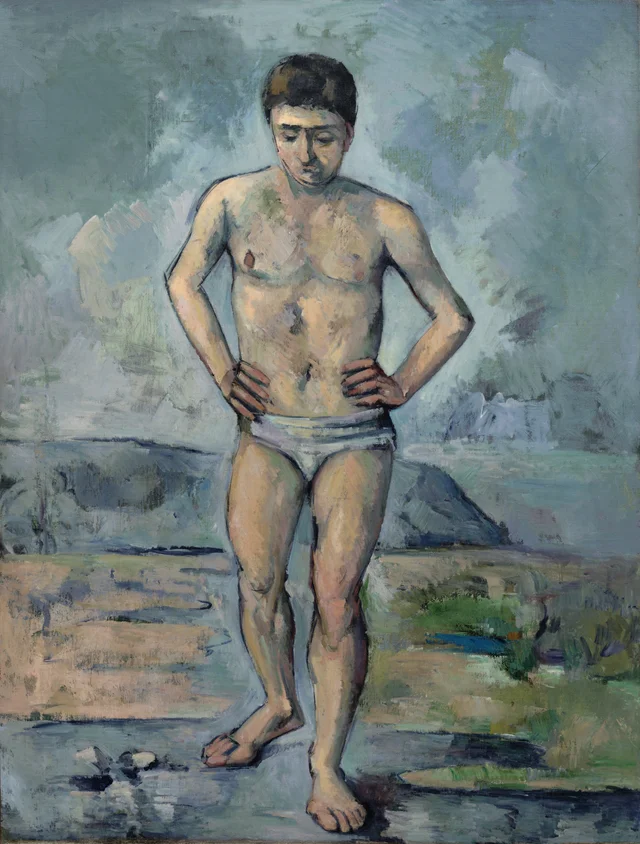 Der BadendePaul Cézanne, 1885
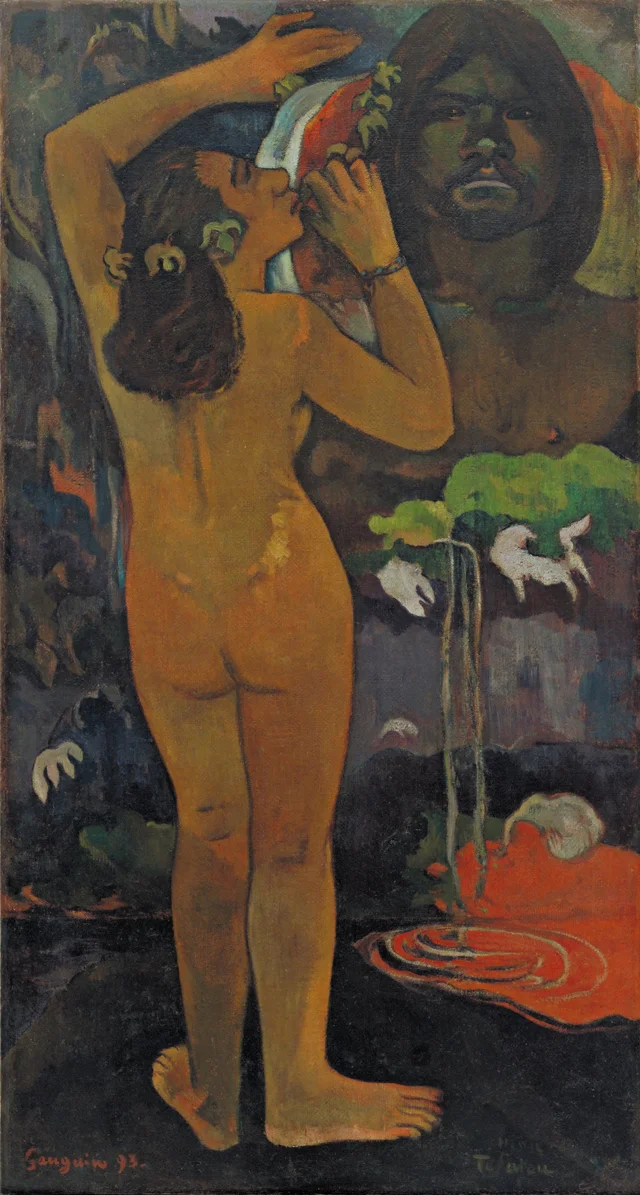 Der Mond und die ErdePaul Gauguin, 1893
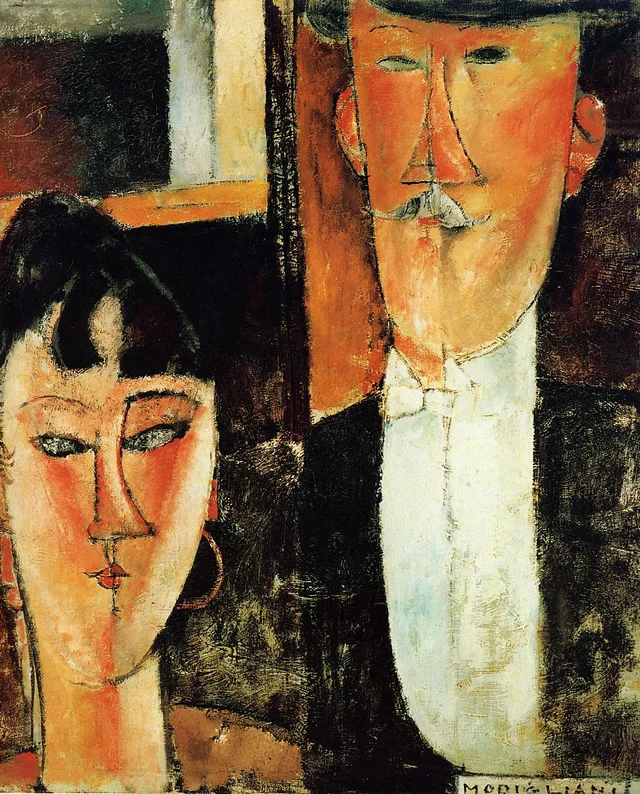 Braut und BräutigamAmedeo Modigliani, 1915
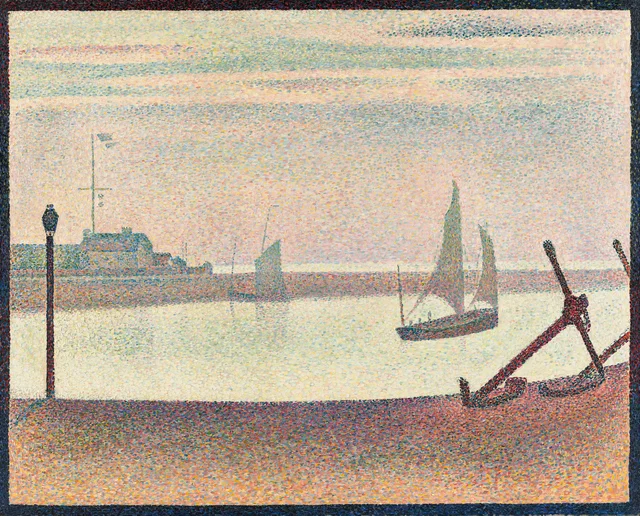 Der Kanal von Gravelines, AbendGeorges Seurat, 1890
 Das BootHenri Matisse, 1953
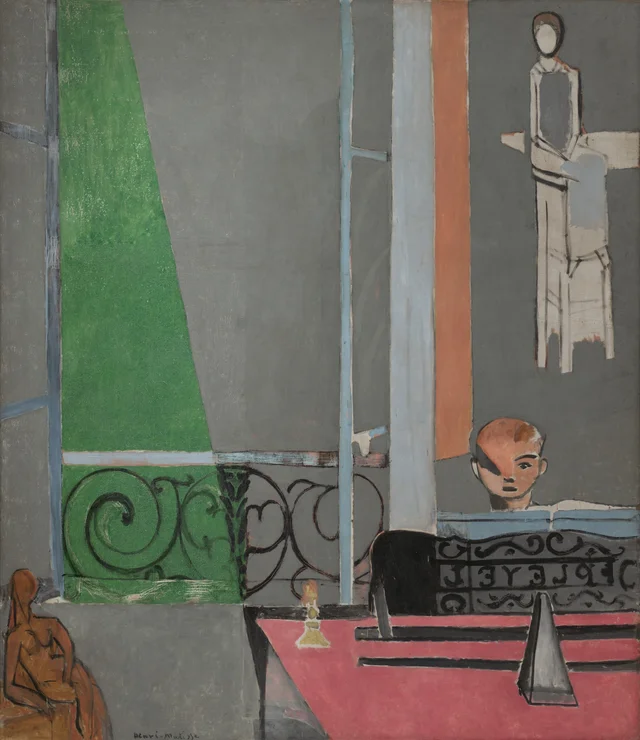 Die KlavierstundeHenri Matisse, 1916
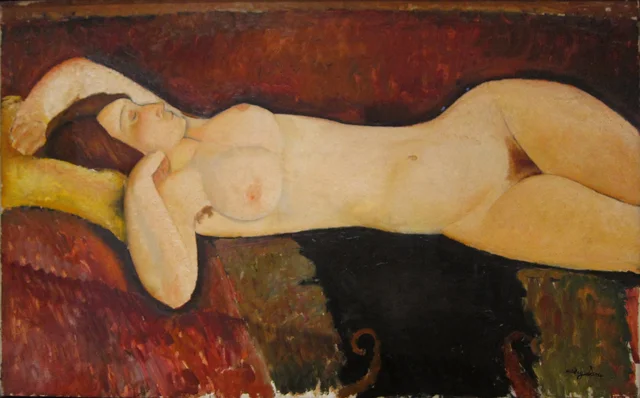 Liegender AktAmedeo Modigliani, 1917
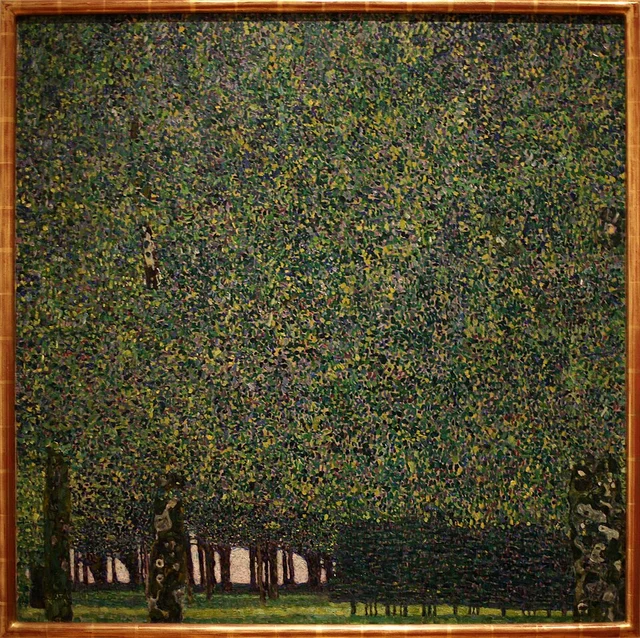 Der ParkGustav Klimt, 1909
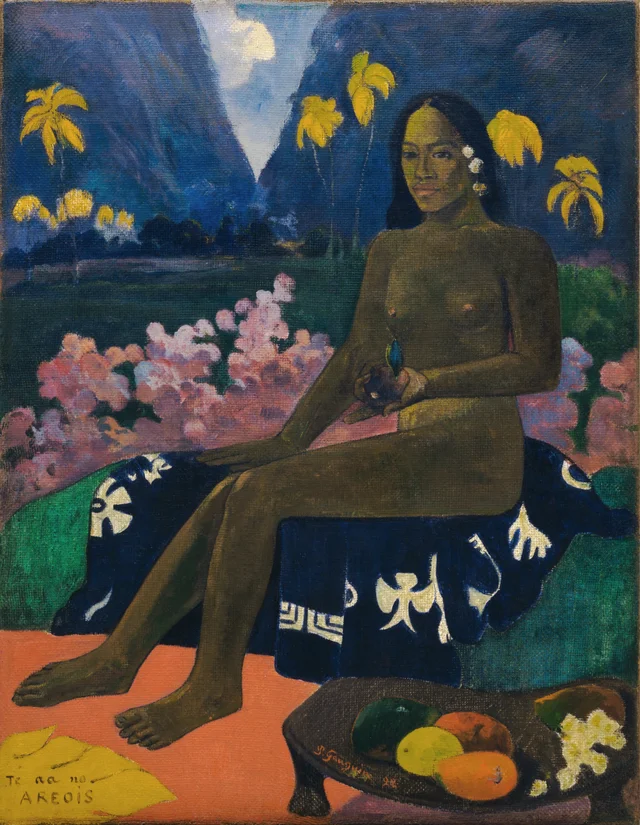 Der Same der AreoriPaul Gauguin, 1892
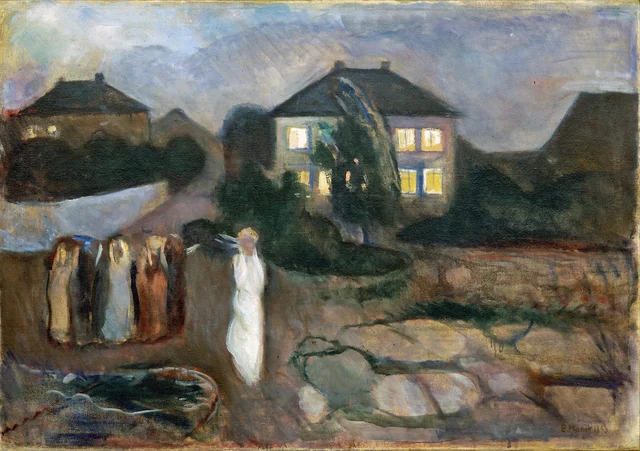 Der SturmEdvard Munch, 1893
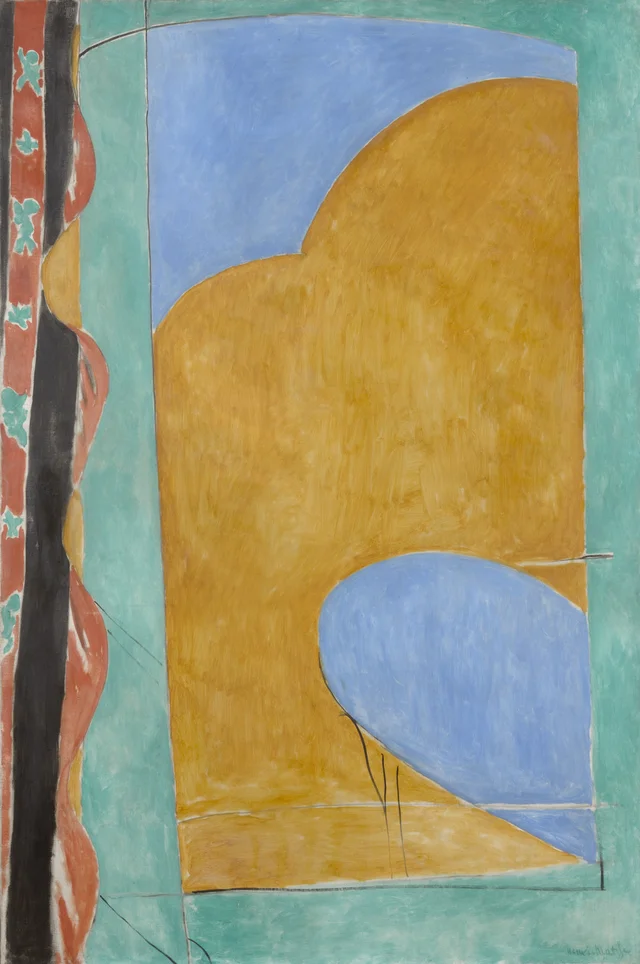 Der gelbe VorhangHenri Matisse, 1915
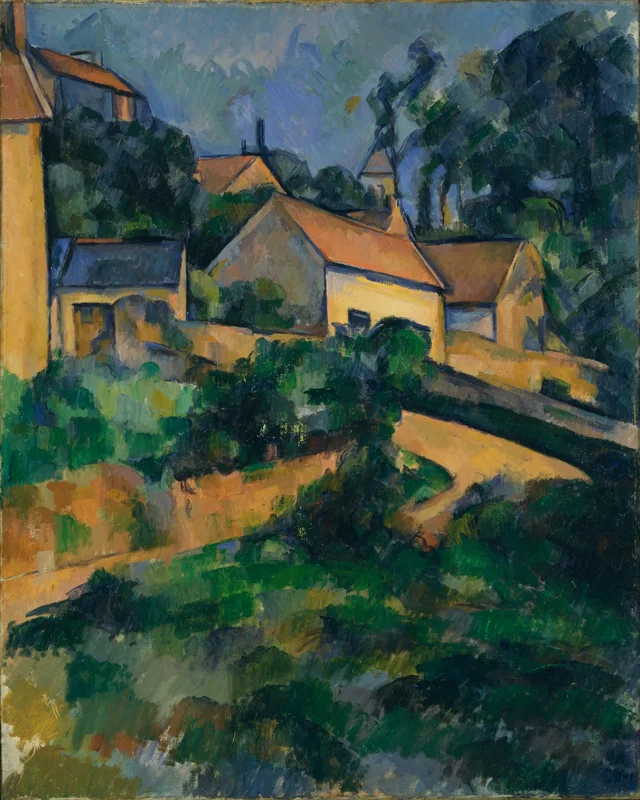 Die Straßenbiegung bei MontgeroultPaul Cézanne, 1898
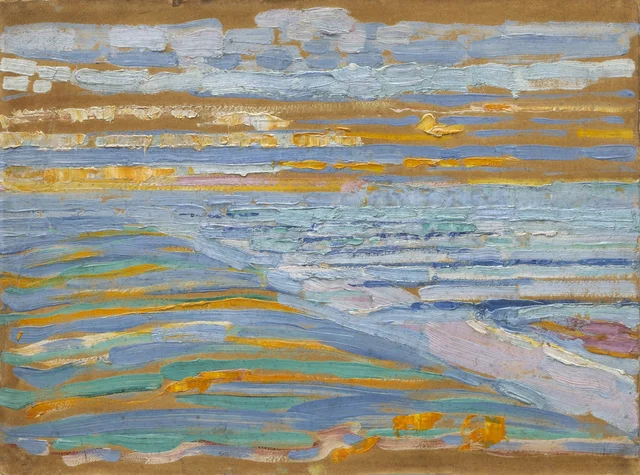 Blick von den Dünen mit Strand und Molen, DomburgPiet Mondrian, 1909