The story
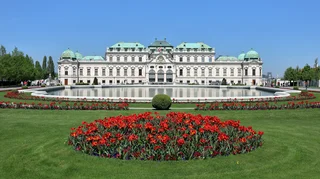
The Upper Belvedere was built as a summer showpiece for Prince Eugene of Savoy, the general whose armies broke the Ottoman siege lines and won Habsburg Austria much of its empire. Between 1717 and 1723 the architect Johann Lucas von Hildebrandt gave him a gold-and-white Baroque palace on a slope above Vienna, with a second, lower palace and formal gardens running down between them.
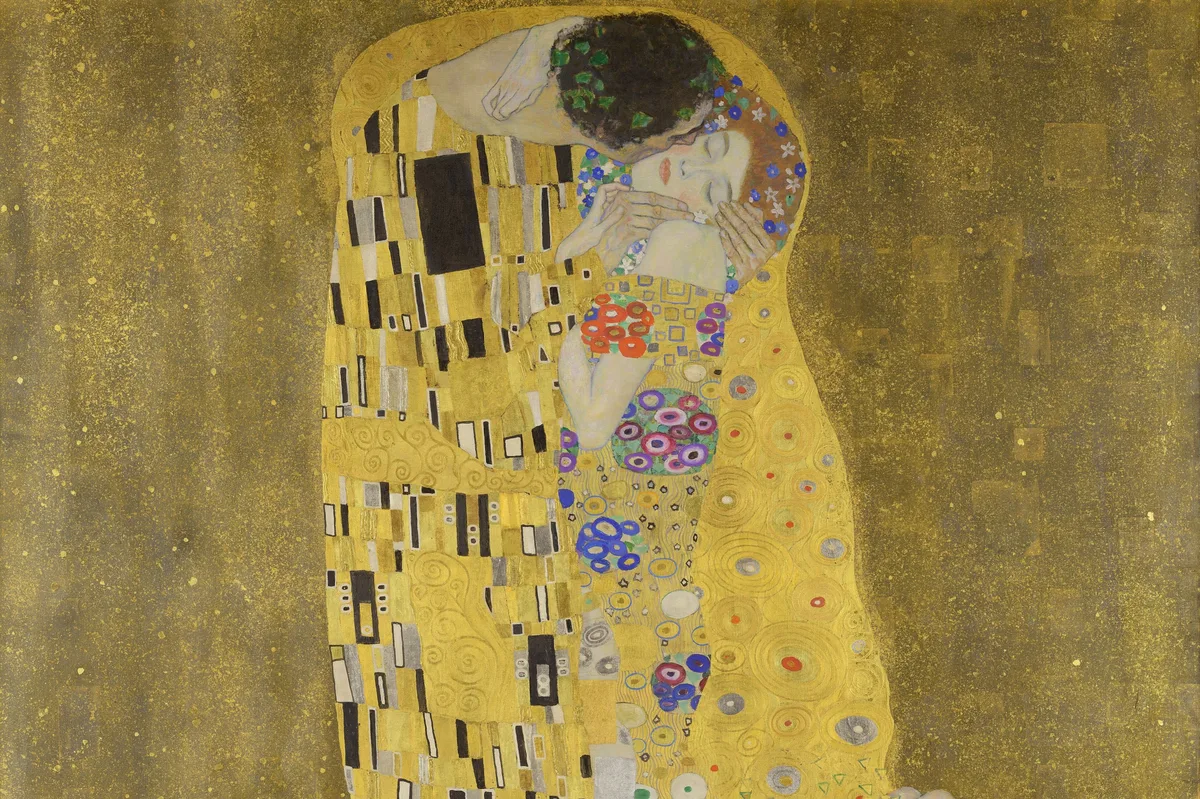
Most visitors now climb that hill for a single painting. In a plain upstairs room hangs Gustav Klimt's The Kiss, from 1908 — two figures kneeling in a field, wrapped together in a robe of gold leaf and pattern, the man bending to the woman's cheek. Klimt made it at the height of his gold period in Vienna, and the Austrian state bought it almost at once. The Belvedere holds two dozen of his paintings, the largest group anywhere, including the shadowy Judith with the head of Holofernes.
The palace has one more claim on the country's memory. In the Marble Hall, under a ceiling fresco of Prince Eugene's victories, foreign ministers signed the Austrian State Treaty on 15 May 1955, ending ten years of Allied occupation after the Second World War. The politician Leopold Figl carried the signed document out onto the balcony and held it up to the crowd below, and photographs of that moment hang in the building today.
More articles
Collection
355 works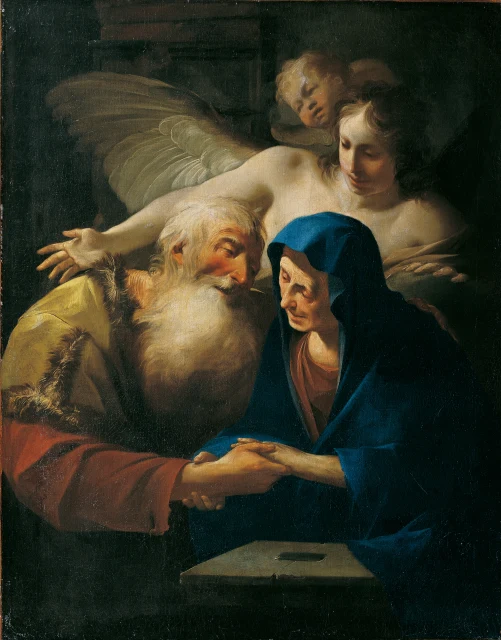 Joachim and AnnePaul Troger, 1730
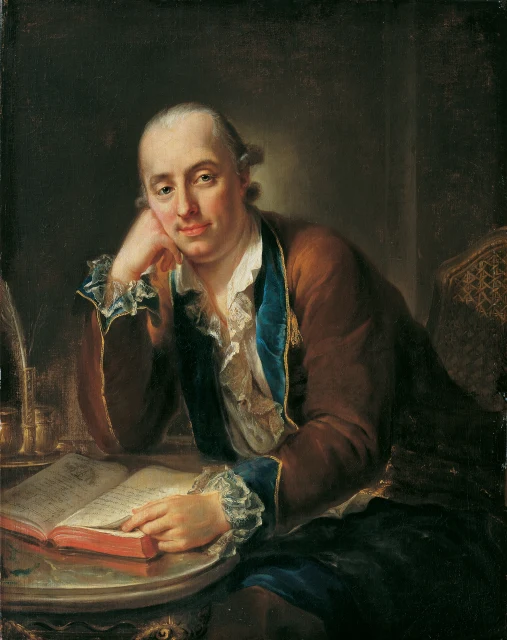 Johann Nepomuk Reichsritter von HumbourgAugust Friedrich Oelenhainz, 1770
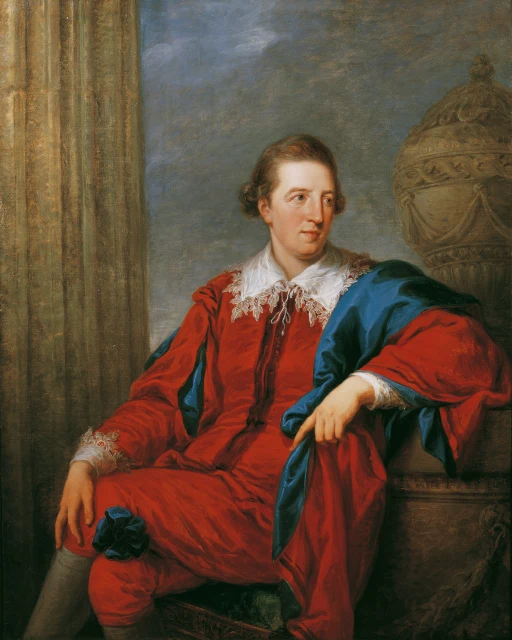 John Simpson, Father of Maria Susanna, Lady RavensworthAngelica Kauffmann, 1773
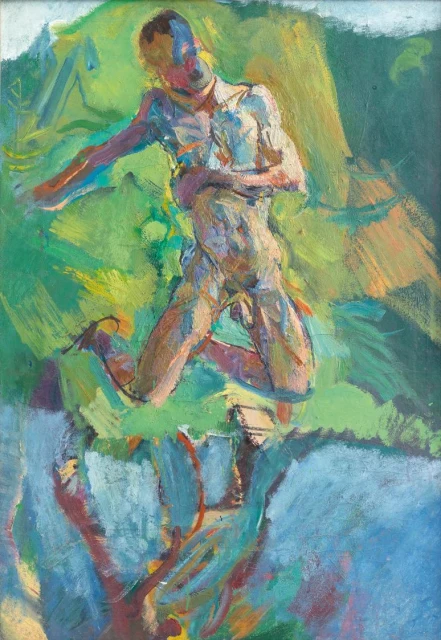 Kneeling NarcissusAnton Kolig, 1920
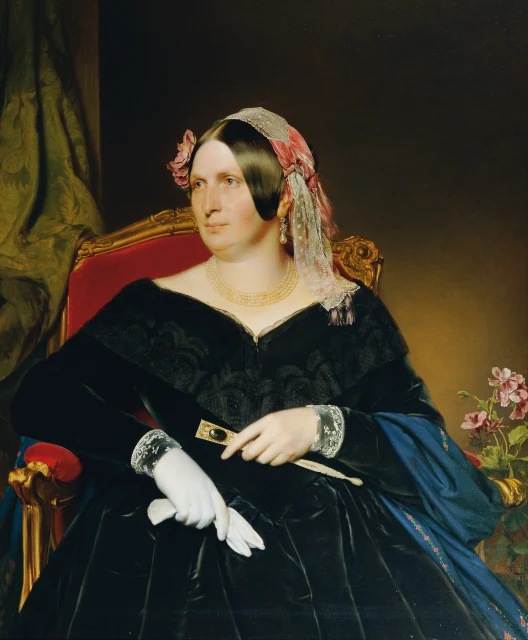 Lady in an ArmchairFranz Eybl, 1846
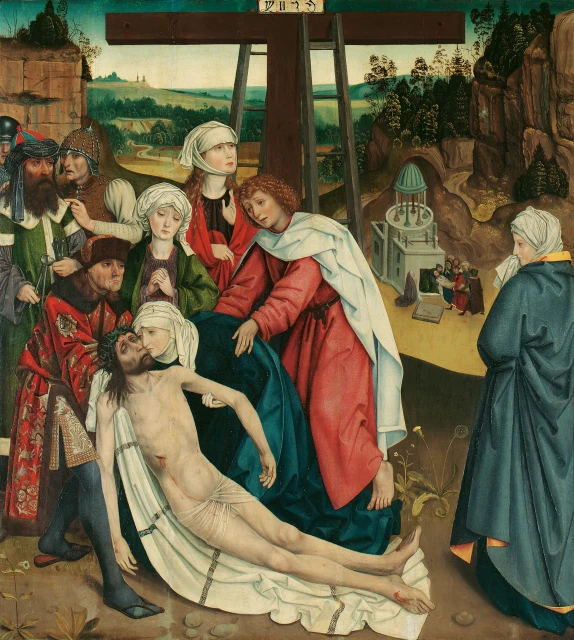 Lamentation of ChristMaster of the Schotten Altarpiece, 1470
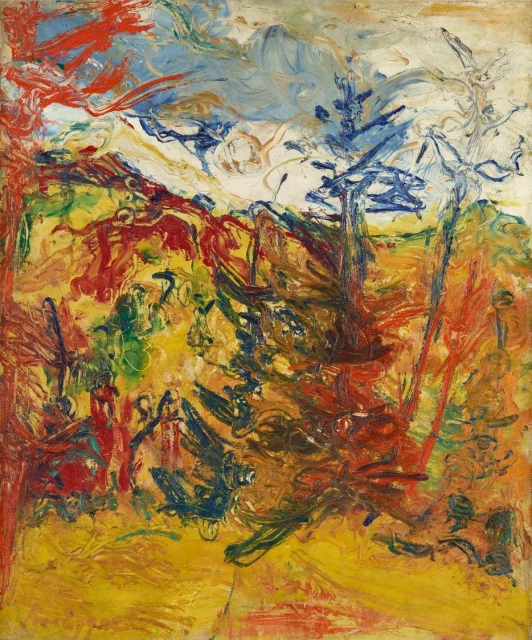 LandscapeJean Egger, 1930
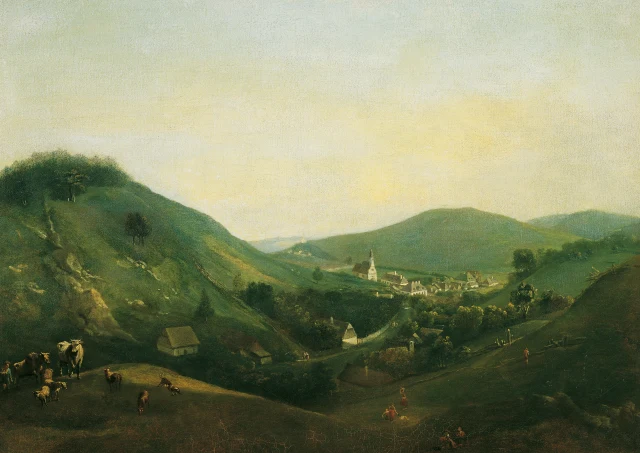 Landscape near KalksburgCircle of Johann Christian Brand, 1790
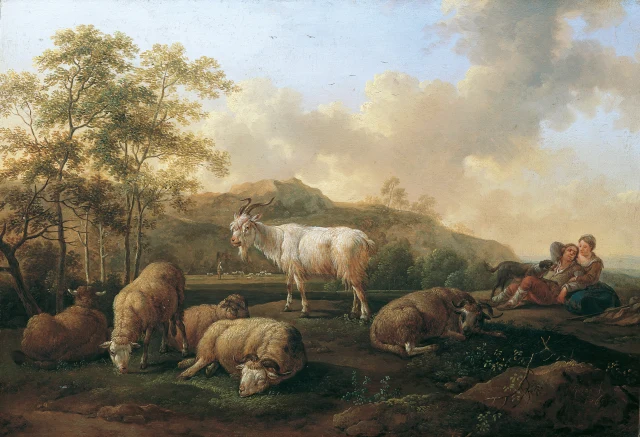 Landscape with Grazing CattleJoseph Roos the Elder, 1765
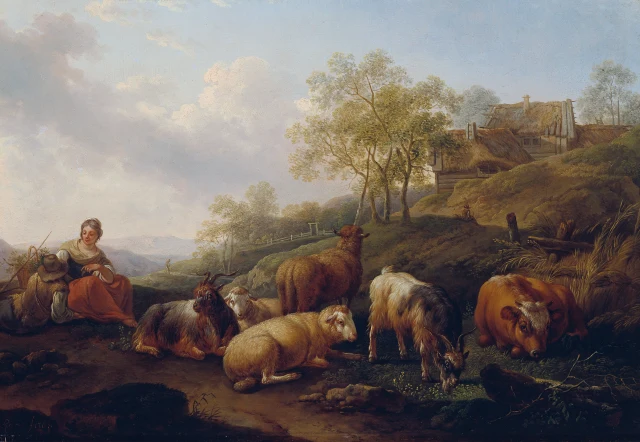 Landscape with Grazing CattleJoseph Roos the Elder, 1766
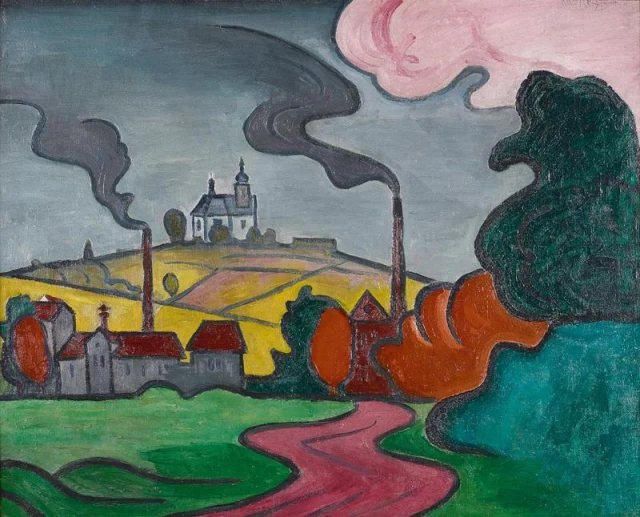 Landscape with Little ChurchBohumil Kubišta, 1910
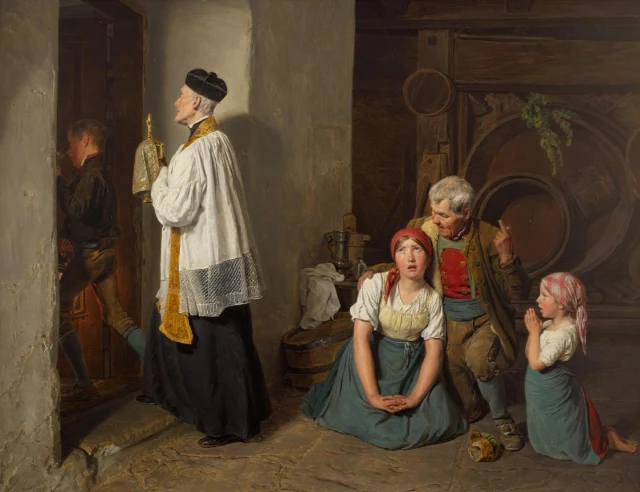 Last RitesFerdinand Georg Waldmüller, 1846
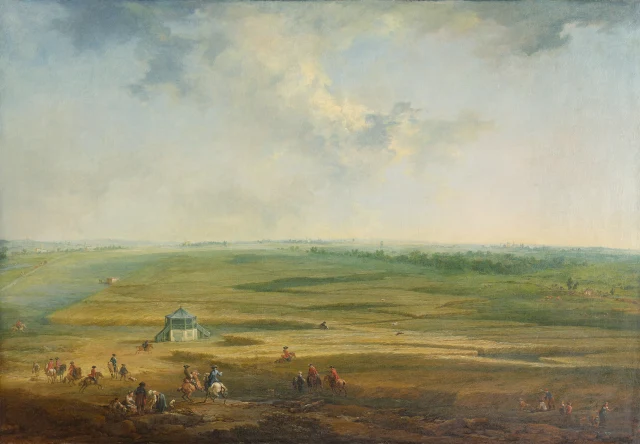 Laxenburg from the Hayd Pavilion toward Maria LanzendorfJohann Christian Brand, 1758
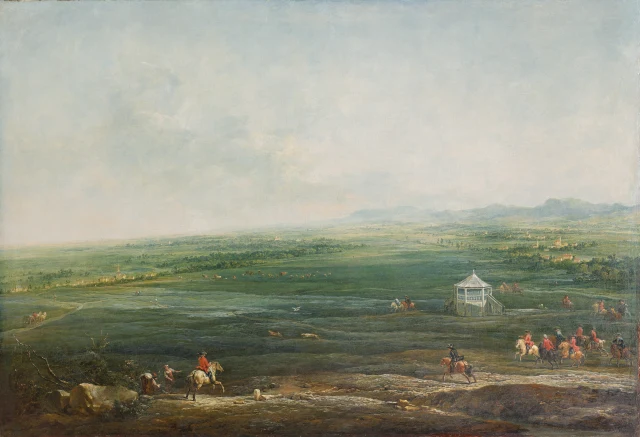 Laxenburg from the Münkendorf Pavilion toward the SouthwestJohann Christian Brand, 1758
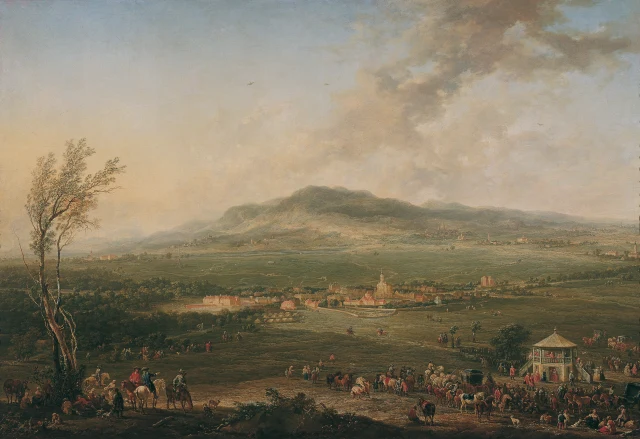 Laxenburg from the Pavilion on the Hana Meadow, Looking toward MödlingJohann Christian Brand, 1758
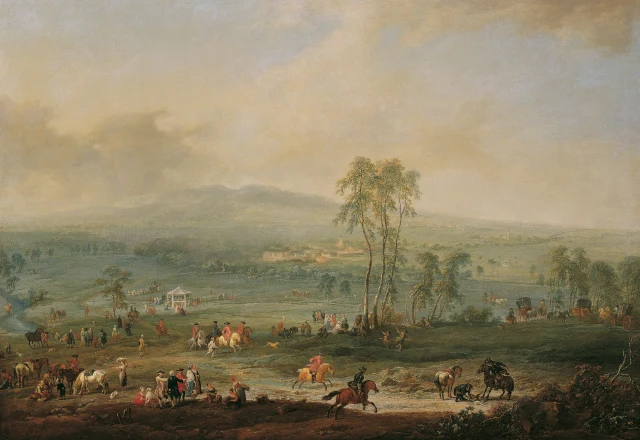 Laxenburg from the Schneiderau toward Guntramsdorf and MödlingJohann Christian Brand, 1758
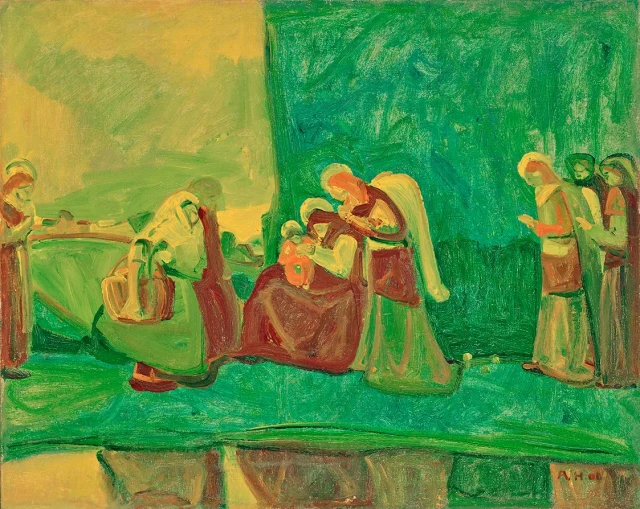 Legend (Adoration of the Angels in Green)Adolf Hölzel, 1908
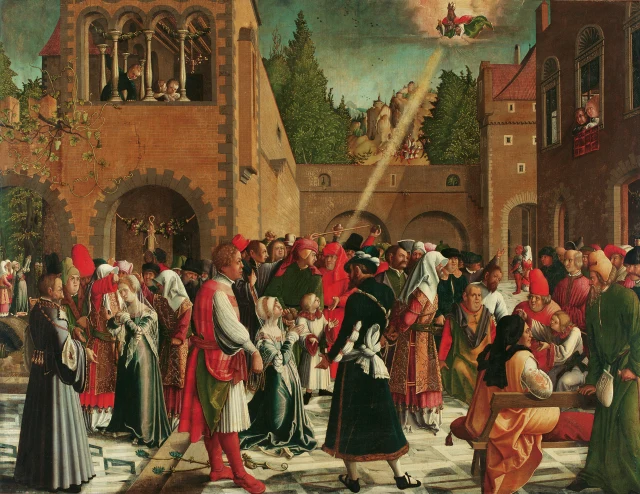 Legend of SusannaUrban Görtschacher, 1520
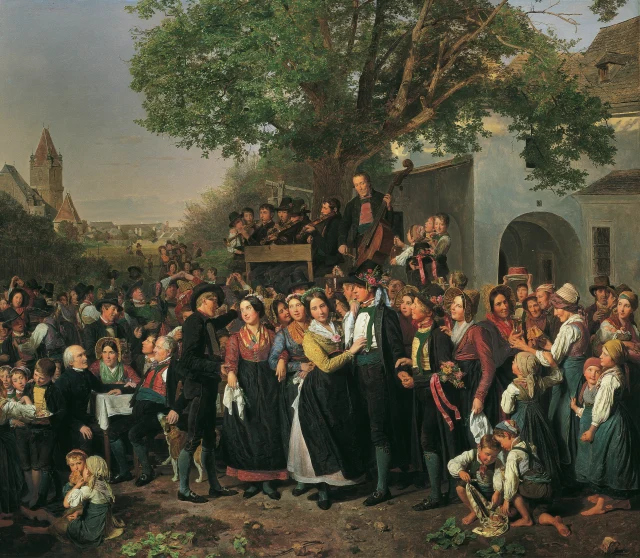 Lower Austrian Country WeddingFerdinand Georg Waldmüller, 1843
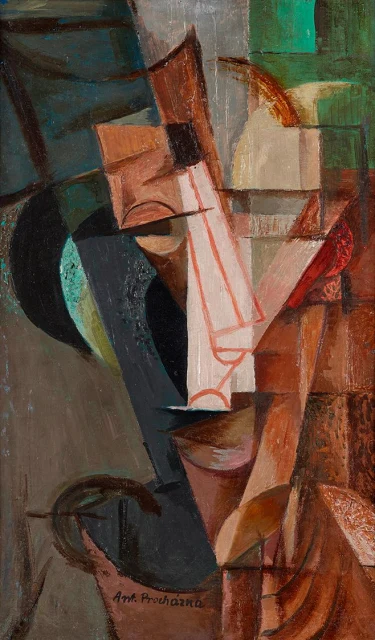 Man's HeadAntonín Procházka, 1913
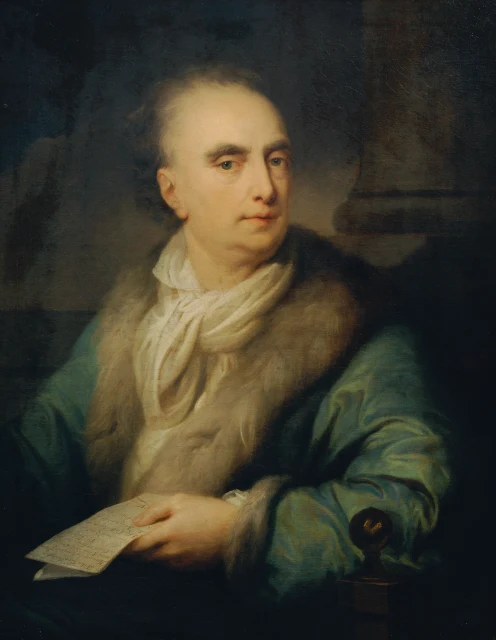 Marquis de Llano, Spanish Envoy in ViennaJosef Grassi, 1790
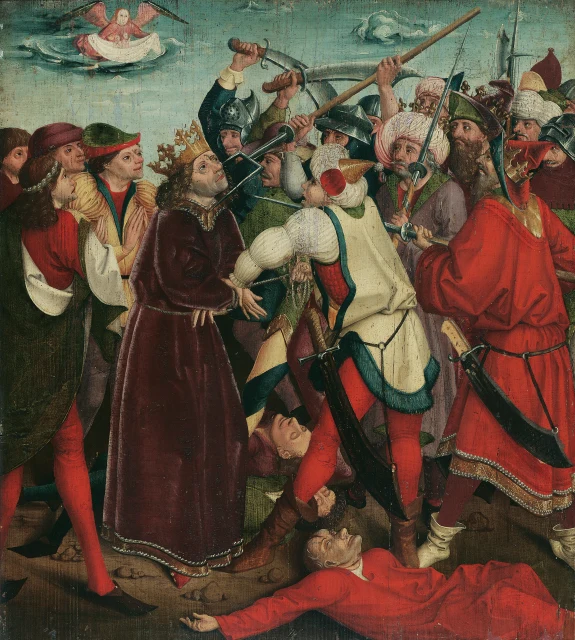 Martyrdom of Saint Oswald in BattleMaster of the Legend of Saint Oswald, 1482
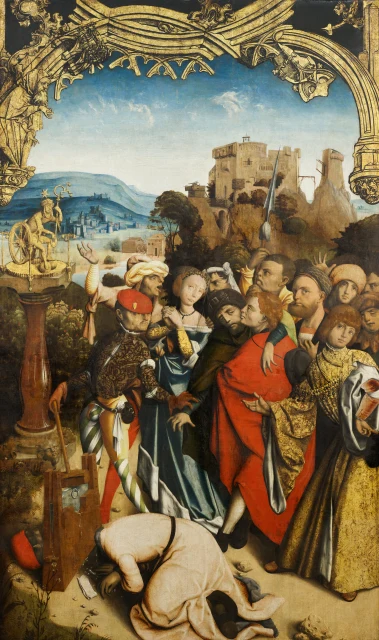 Martyrdom of Saints Cantius, Cantianus and Cantianilla (interior); Resurrection of Christ (exterior)Master of the Krainburg Altarpiece, 1510
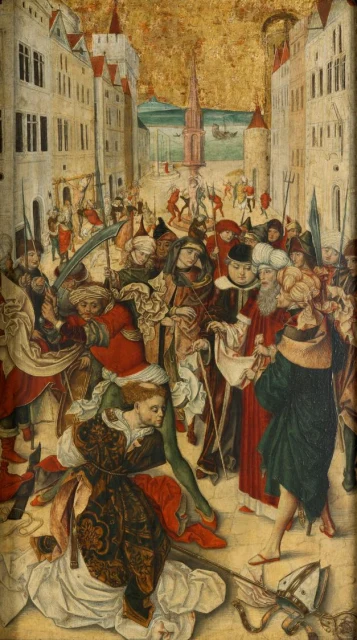 Martyrdom of Saint Thiemo (interior); Three Kneeling Female Donors (exterior)Master of the Martyrdoms of Saints, 1500
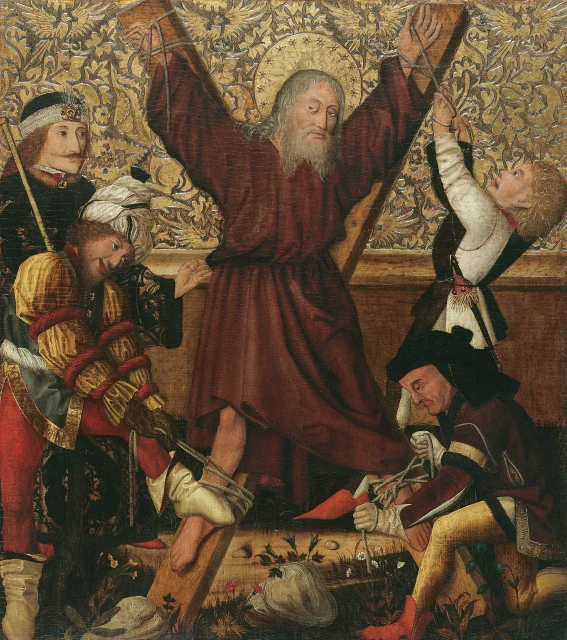 Martyrdom of St AndrewAnonymous, 1470